Artwork
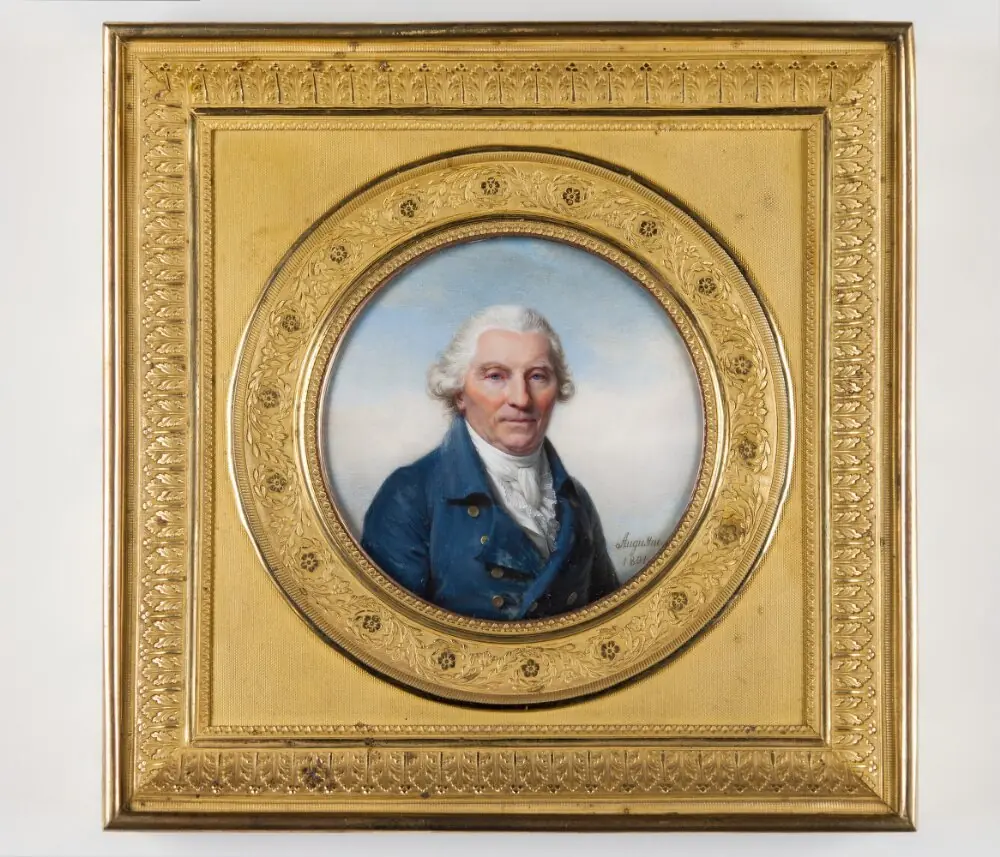
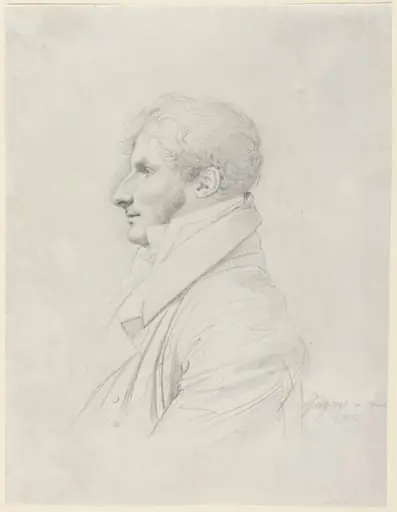
Unknown man, possibly the mining counselor Anders von Wahrendorff (1759-1848)
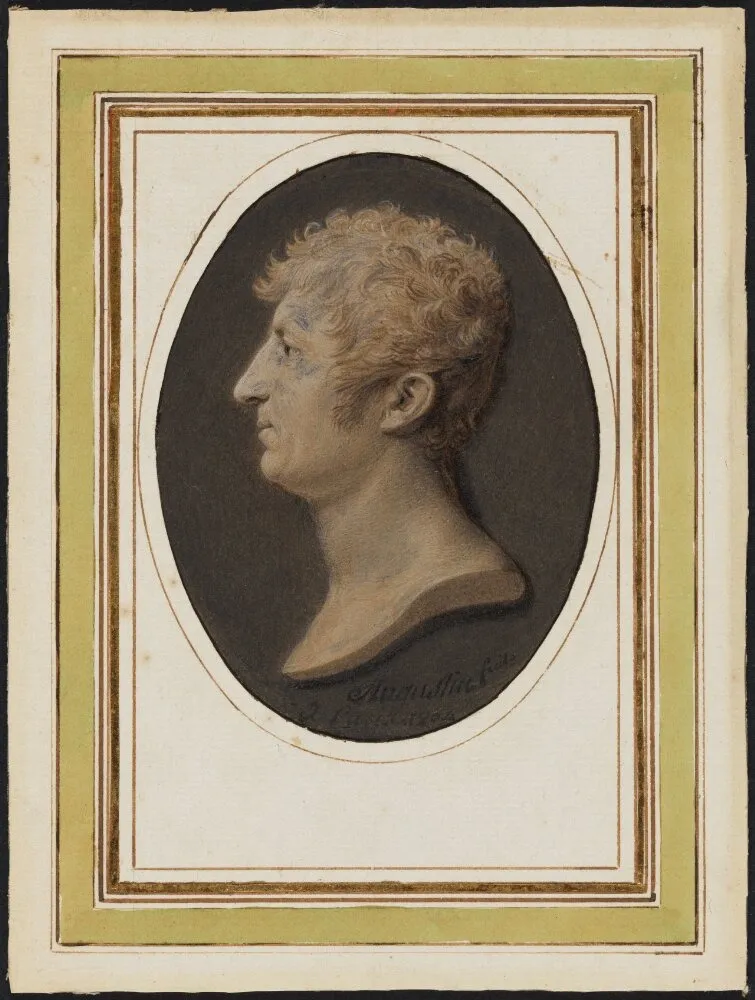
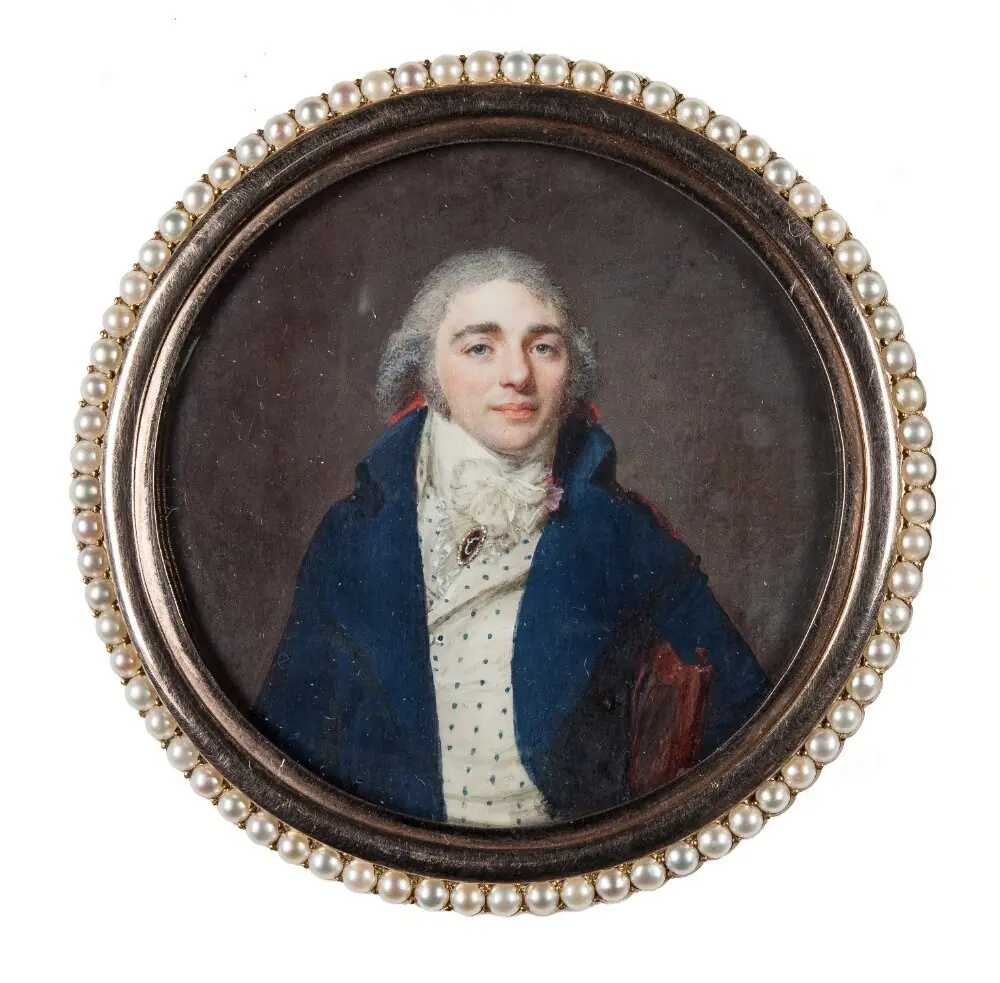
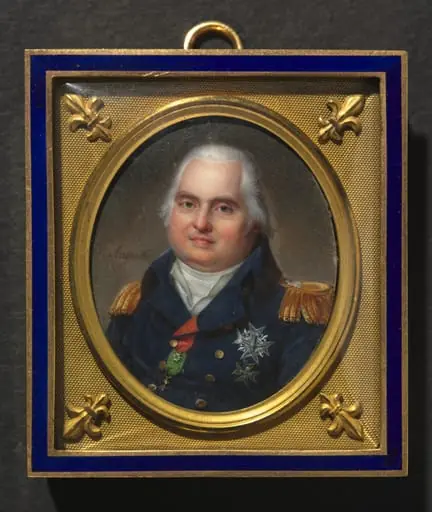
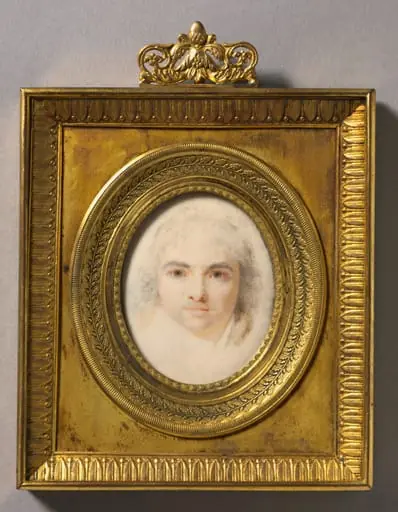
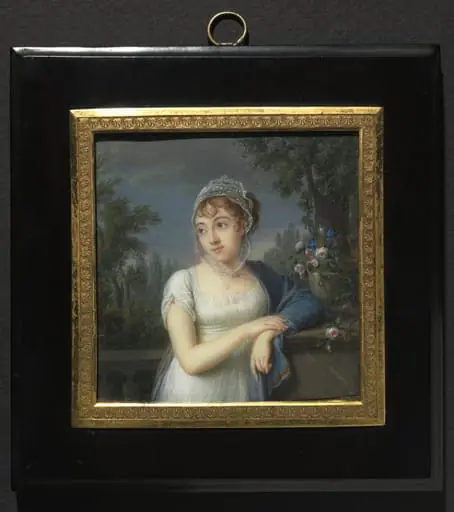
Unknown man, possibly the mining counselor Anders von Wahrendorff (1759-1848) is an unspecified painting by Jean-Baptiste Jacques Augustin. It dates from 1804 and is held in the collection of the Nationalmuseum.
About this work
Overview
This portrait, painted in 1804 by Jean-Baptiste Jacques Augustin, presents a man in profile, facing left, against a deep, unbroken background.
This portrait, painted in 1804 by Jean-Baptiste Jacques Augustin, presents a man in profile, facing left, against a deep, unbroken background. The subject is identified tentatively as Anders von Wahrendorff, a Swedish mining counselor, though his identity remains unconfirmed. The work is housed in the Nationalmuseum in Stockholm and is rendered in an oval format, framed by a white band edged in gold and set within a broader yellow border.
Subject & Meaning
The figure is portrayed with quiet composure, his short, curly hair and dark attire suggesting a man of professional standing, likely from the Swedish administrative or technical elite. The profile view emphasizes dignity and restraint, typical of portraiture in the early 19th century. While the sitter is possibly Anders von Wahrendorff, the lack of definitive evidence leaves room for scholarly debate, reflecting the ambiguity common in lesser-documented portraits of the period.
Technique & Style
Augustin employed fine brushwork to render subtle shifts in skin tone and the texture of fabric, with particular attention to the soft modeling of the face and the crisp edge of the collar. The oval composition and restrained palette reflect Neoclassical conventions, while the dark background isolates the figure, focusing attention on his presence. The signature, though visible at the base of the oval, remains indistinct, limiting attribution certainty.
History & Provenance
The painting entered the collection of the Nationalmuseum in Stockholm, where it has remained since at least the 19th century. Its origins prior to museum acquisition are unclear, though its subject’s association with Swedish mining administration suggests it may have been commissioned by or for a state institution. No documentation confirms the exact circumstances of its creation or early ownership.
Context
Created during the Napoleonic era, this portrait aligns with a broader European trend of depicting civil servants and technical officials with solemnity and understated elegance. In Sweden, figures like von Wahrendorff played key roles in industrial development, yet their public representation often remained modest. The painting reflects a cultural preference for quiet authority over ostentation in state-related portraiture.
Legacy
Though not widely exhibited or studied, the portrait contributes to the understanding of early 19th-century Swedish administrative culture and the work of Jean-Baptiste Jacques Augustin, a French artist active in Sweden. Its preservation in a national collection underscores its value as a historical document, even as the identity of its subject remains unresolved, inviting continued scholarly inquiry.
Artist & collection
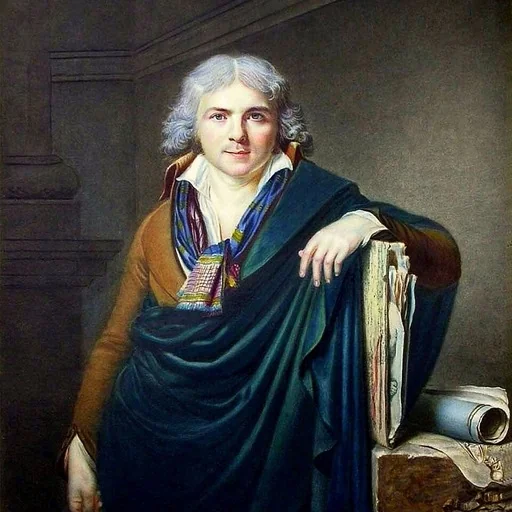
Artist
Jean-Baptiste Jacques Augustin
Jean-Baptiste Jacques Augustin (1759–1832) was a French artist, born in Saint-Dié-des-Vosges.