Artwork
Germain du Cruet, Sr de Barailhon
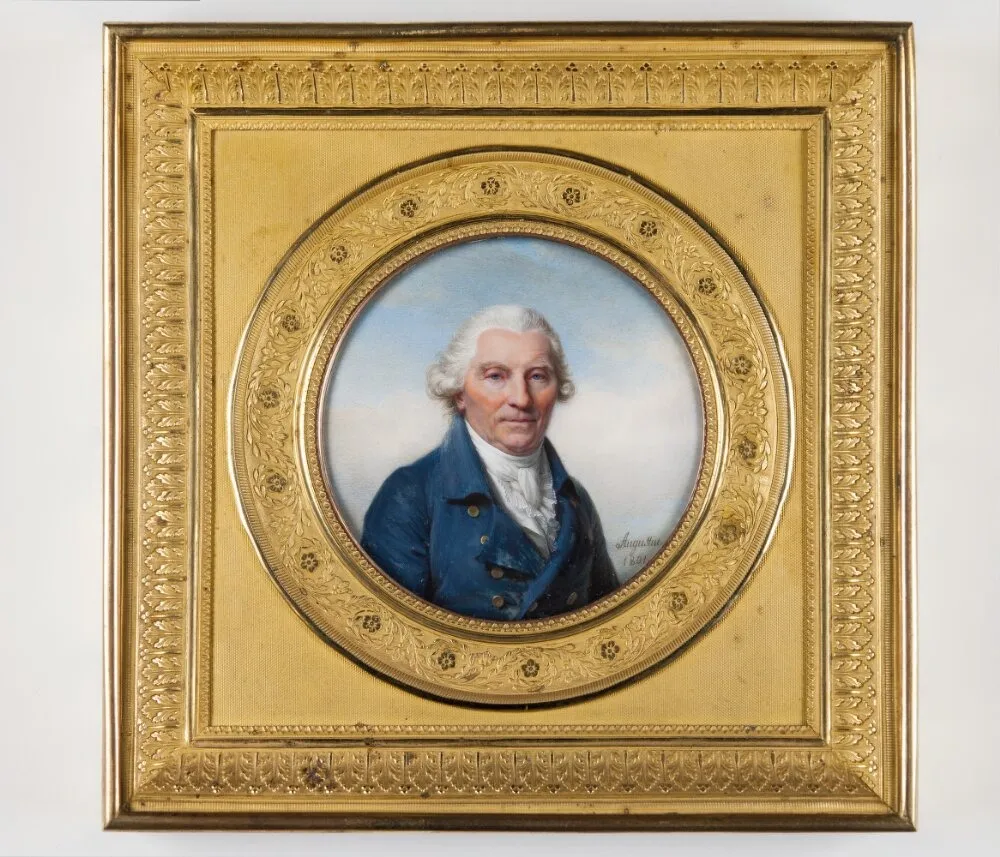
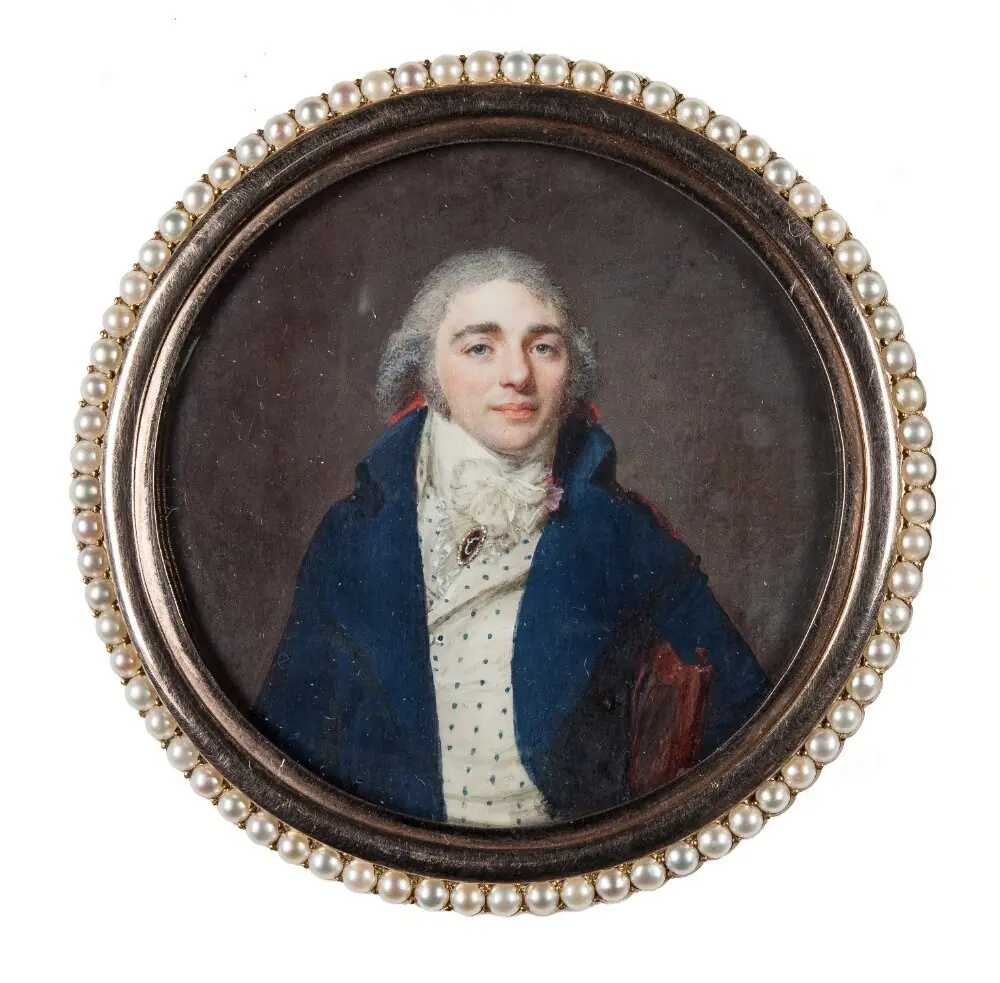
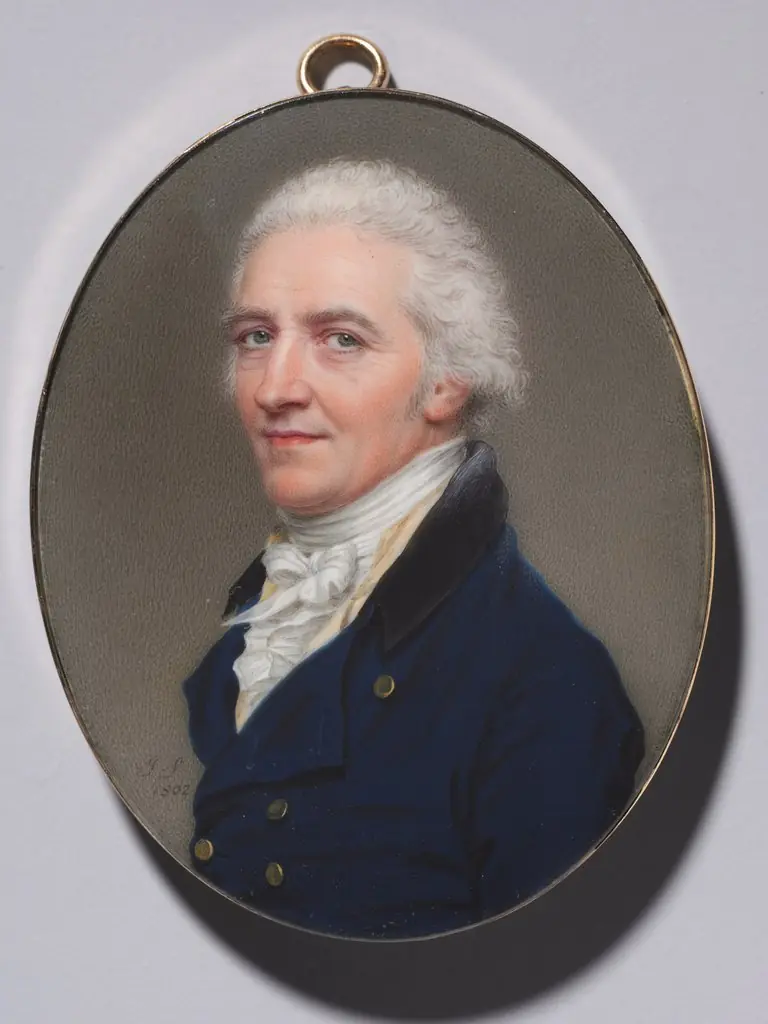
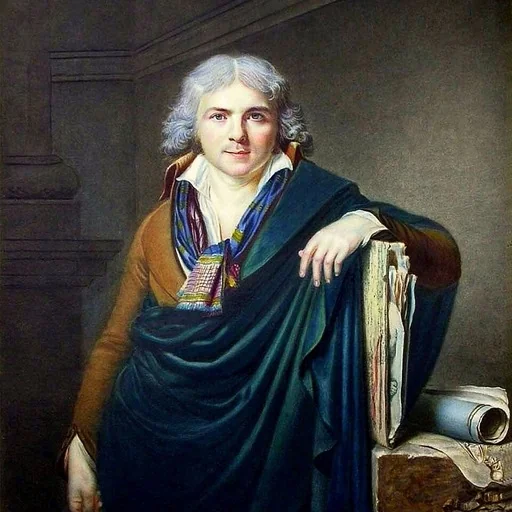
Germain du Cruet, Sr de Barailhon is an unspecified painting by Jean-Baptiste Jacques Augustin. It dates from 1805 and is held in the collection of the Nationalmuseum.
About this work
The painting is held at the Nationalmuseum, and its creator, Jean-Baptiste Jacques Augustin, was a French artist who lived from 1759 to 1832.
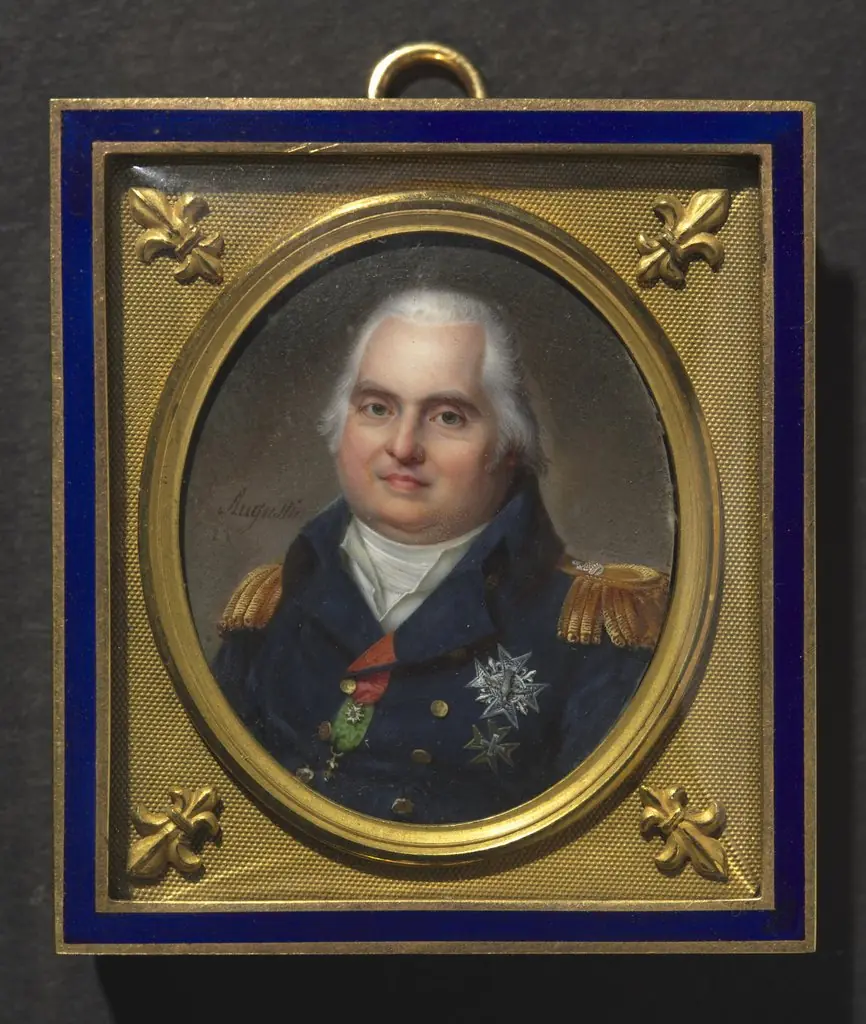
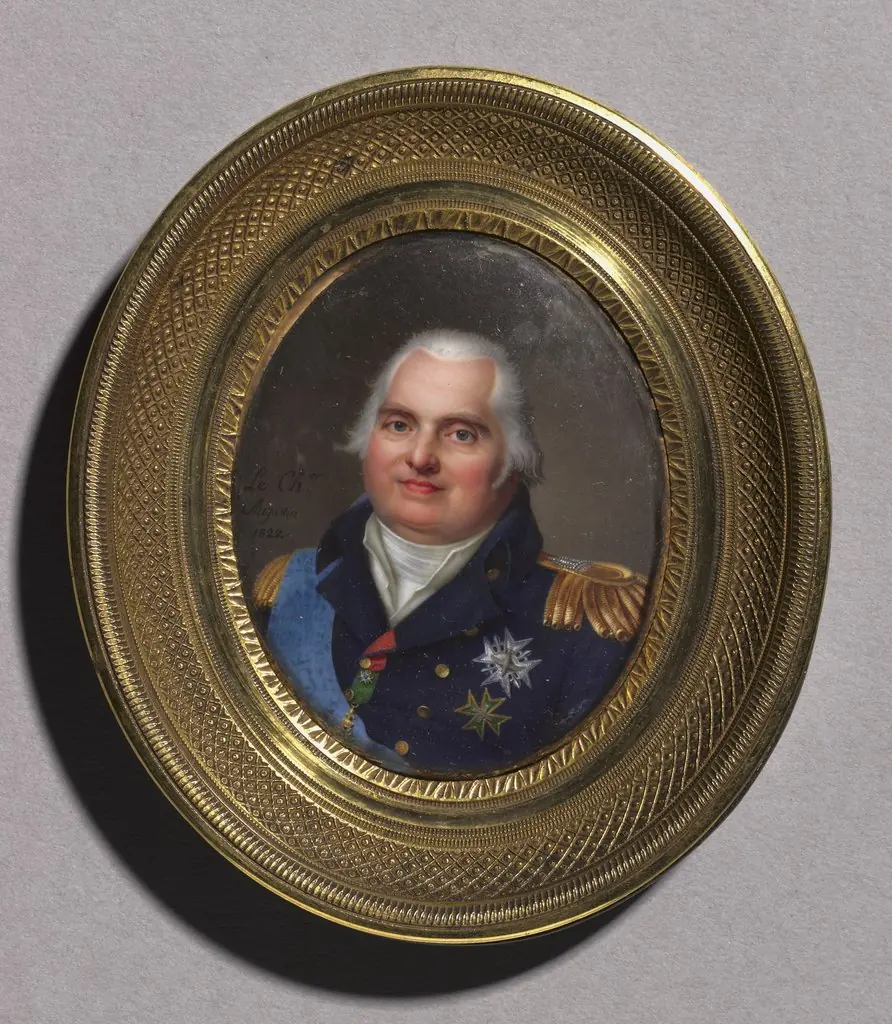
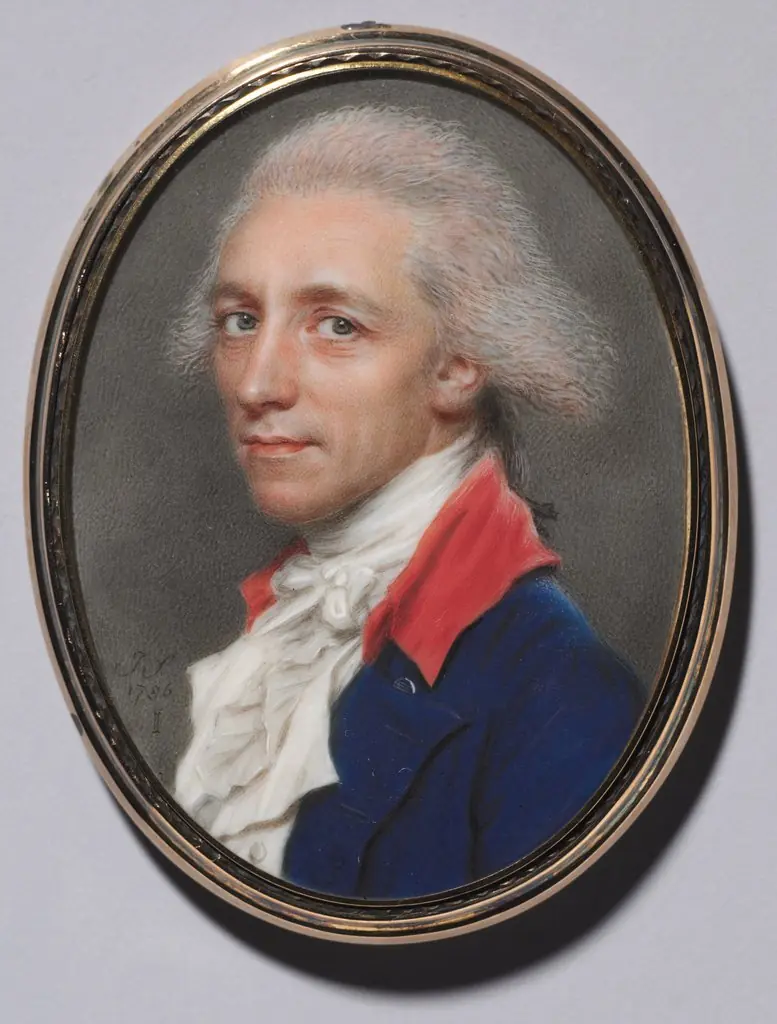
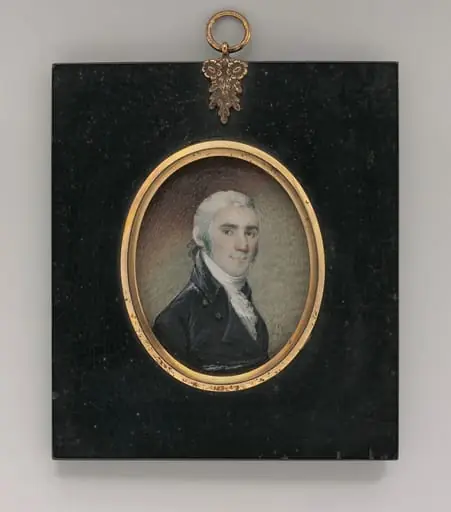
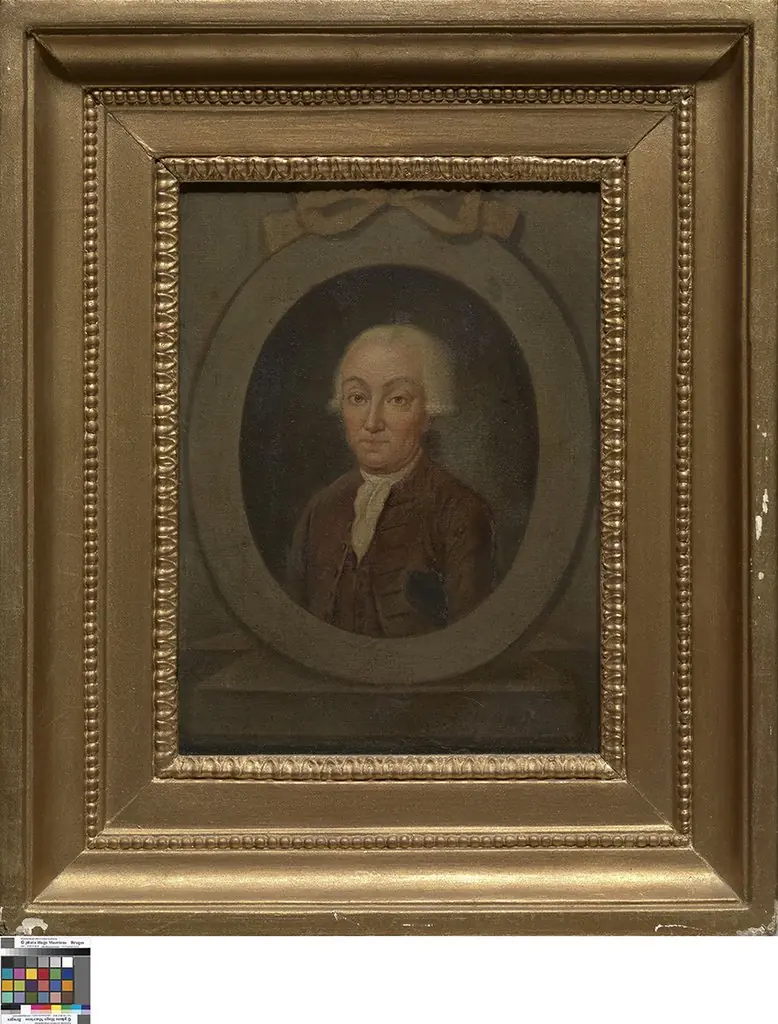
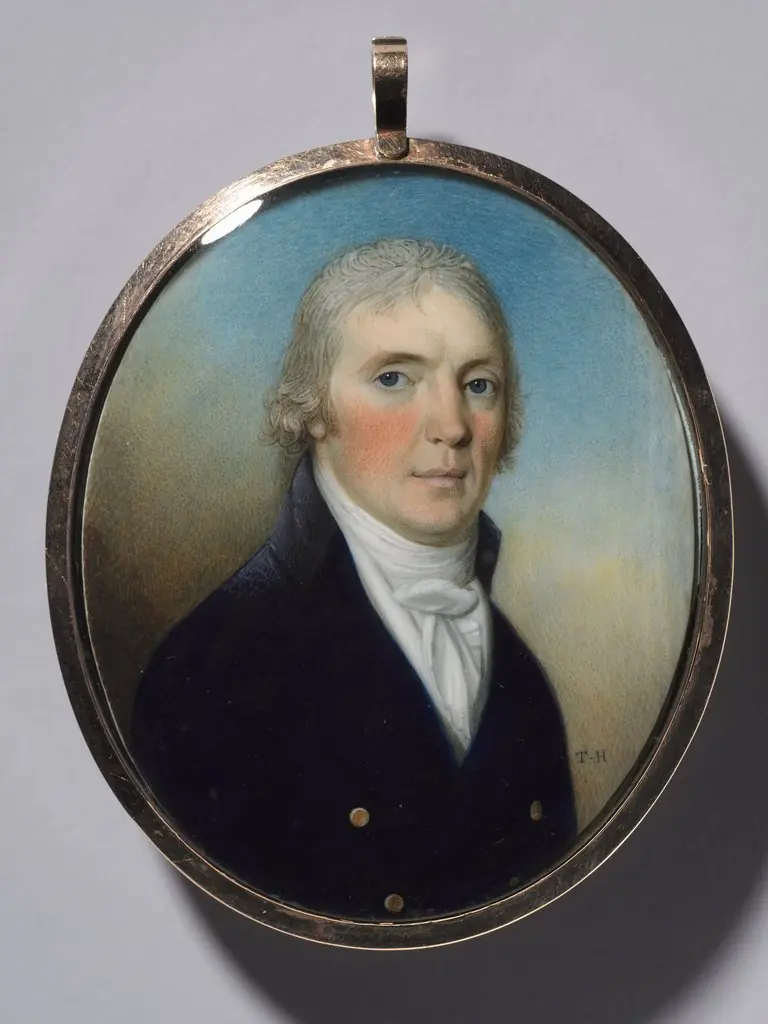
This painting is a portrait of a man with white hair, wearing a blue jacket and white shirt. The man is centered in the frame, with a light blue background behind him.
The painting is surrounded by an ornate gold frame, which adds to its elegance. The frame has intricate details and patterns, making it a beautiful piece of art in its own right.
The painting is held at the Nationalmuseum, and its creator, Jean-Baptiste Jacques Augustin, was a French artist who lived from 1759 to 1832. If you're interested in learning more about Augustin's work, you can explore his other paintings and learn about his techniques and style.
Overview
Painted around 1805 by French artist Jean-Baptiste Jacques Augustin, this portrait depicts Germain du Cruet, Sr de Barailhon. The work is part of the Nationalmuseum’s collection in Stockholm. Augustin, known for his refined portraiture during the late 18th and early 19th centuries, captured his subject with quiet precision, reflecting the formal conventions of the era’s elite portraiture.
Subject & Meaning
Germain du Cruet, Sr de Barailhon, a French nobleman, is portrayed in dignified stillness, his white hair and composed expression suggesting age and status. The plain blue jacket and white shirt convey restraint, aligning with post-Revolutionary ideals of modesty among the aristocracy. The neutral background focuses attention on the sitter’s presence, emphasizing identity over circumstance.
Technique & Style
Augustin employed smooth brushwork and subtle tonal transitions to render the sitter’s features with clarity. The lighting is even, avoiding dramatic contrasts, which reinforces the portrait’s restrained elegance. The texture of fabric and the softness of aged skin are rendered with quiet attention, typical of Augustin’s academic training and his preference for understated realism.
History & Provenance
The painting entered the Nationalmuseum’s collection as part of its broader effort to document French portraiture of the Napoleonic period. Its provenance traces back to French private collections before its acquisition by the Swedish institution. The original ornate gold frame, likely contemporary to the painting, remains intact, preserving the work’s historical presentation.
Context
Created during the early 19th century, the portrait reflects a transitional moment in French society, where aristocratic identity persisted despite revolutionary upheaval. Augustin’s style, rooted in 18th-century traditions, continued to appeal to those seeking continuity in visual representation, even as neoclassical and romantic trends gained ground.
Legacy
Though not widely known outside specialized circles, Augustin’s portraits, including this one, contribute to the understanding of French elite representation in the post-Revolutionary era. The work remains a quiet example of how portraiture preserved social nuance when political change reshaped public life.
Artist & collection
Artist
Jean-Baptiste Jacques Augustin
Jean-Baptiste Jacques Augustin (1759–1832) was a French artist, born in Saint-Dié-des-Vosges.