Artwork
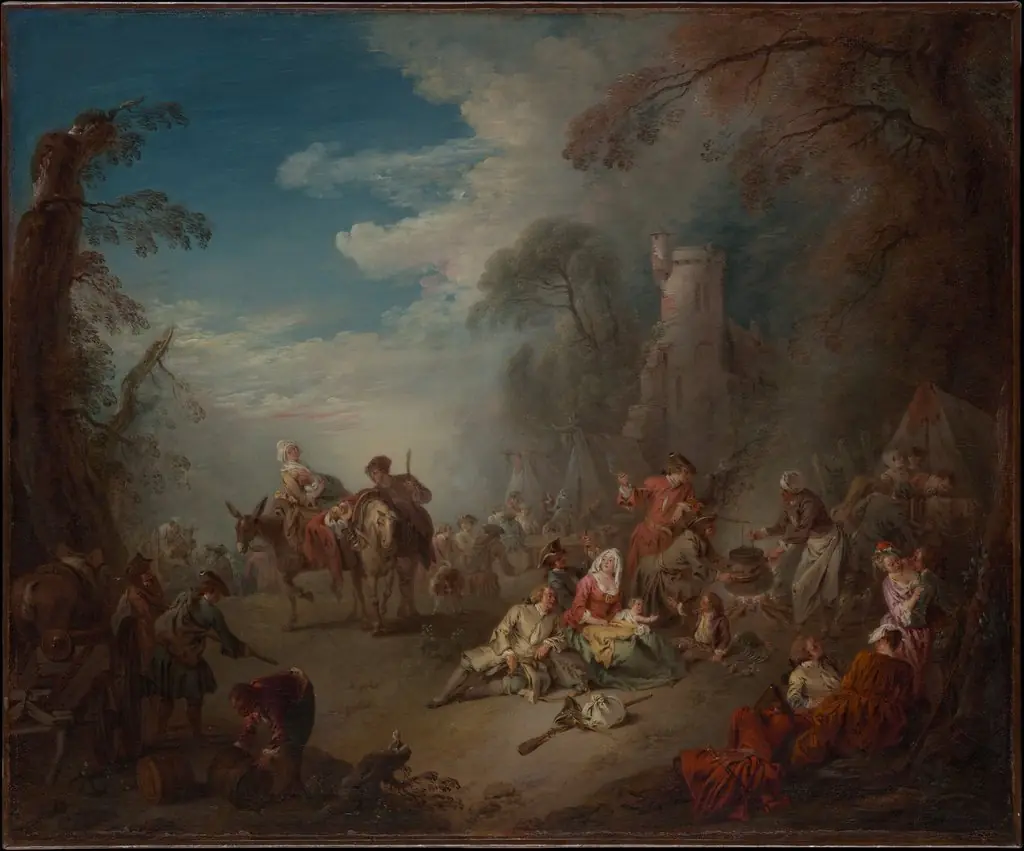
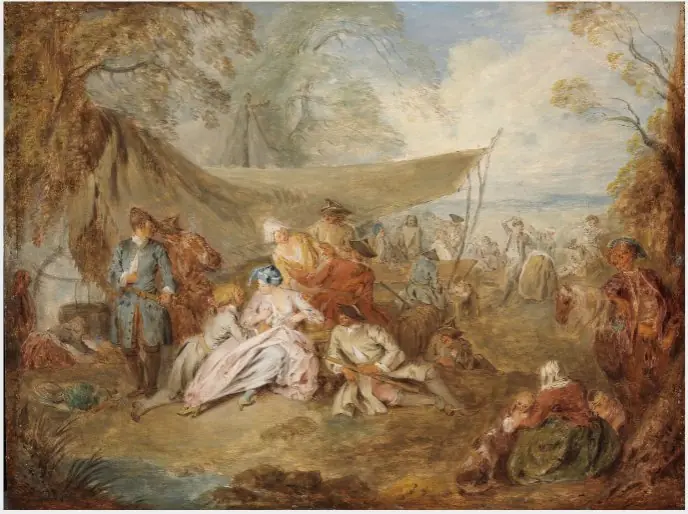
The troops rest (peace)
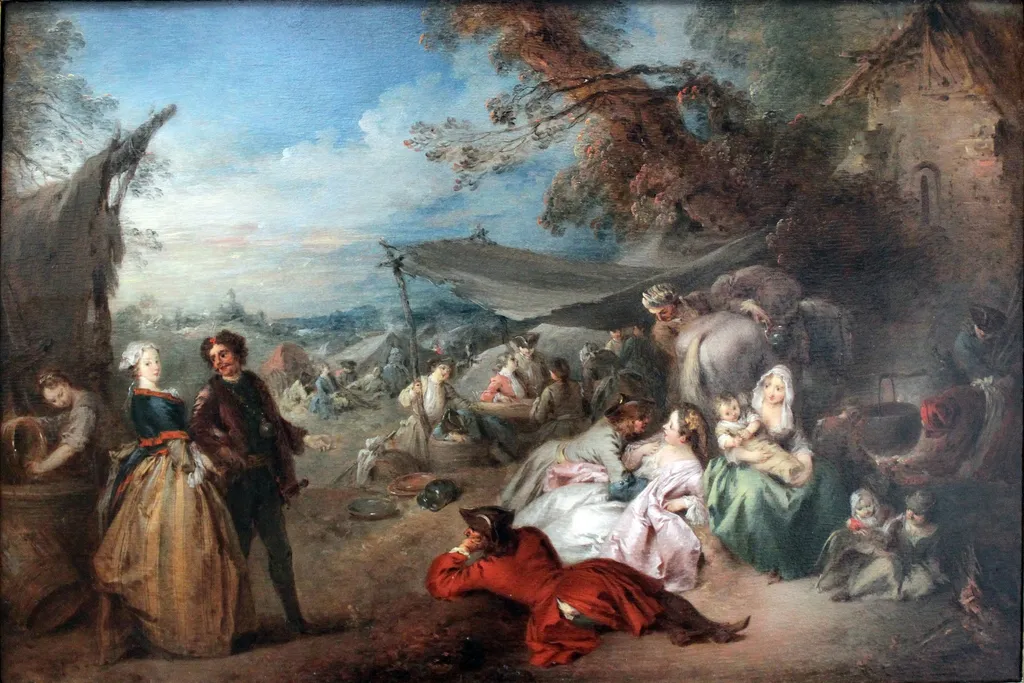
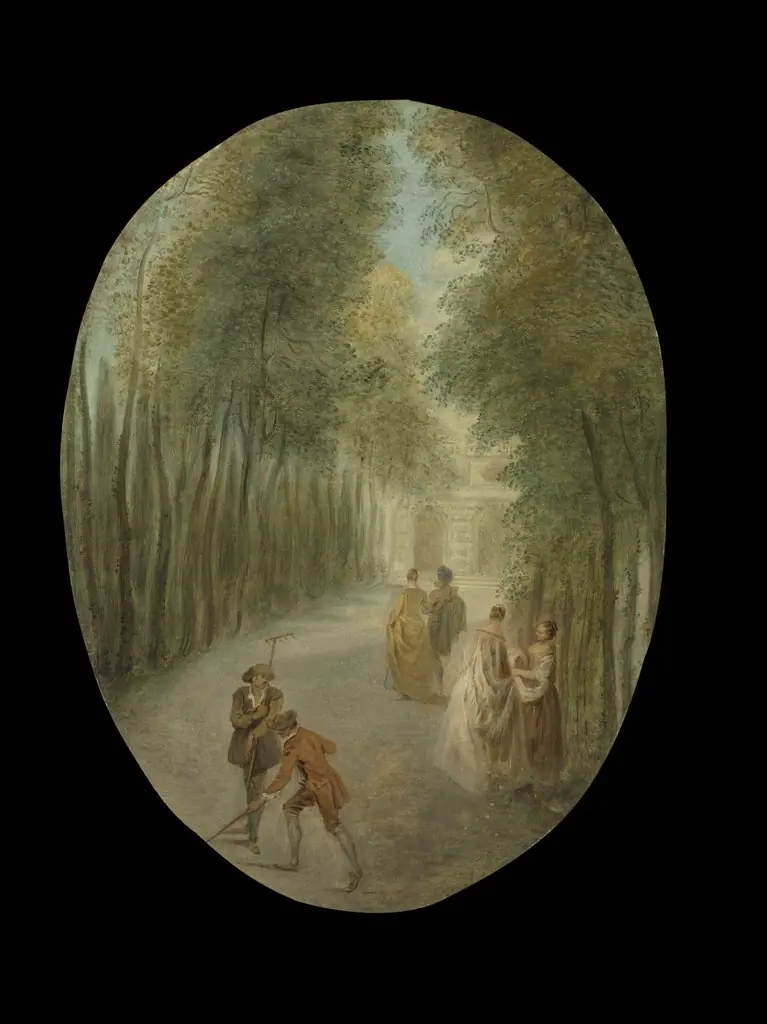
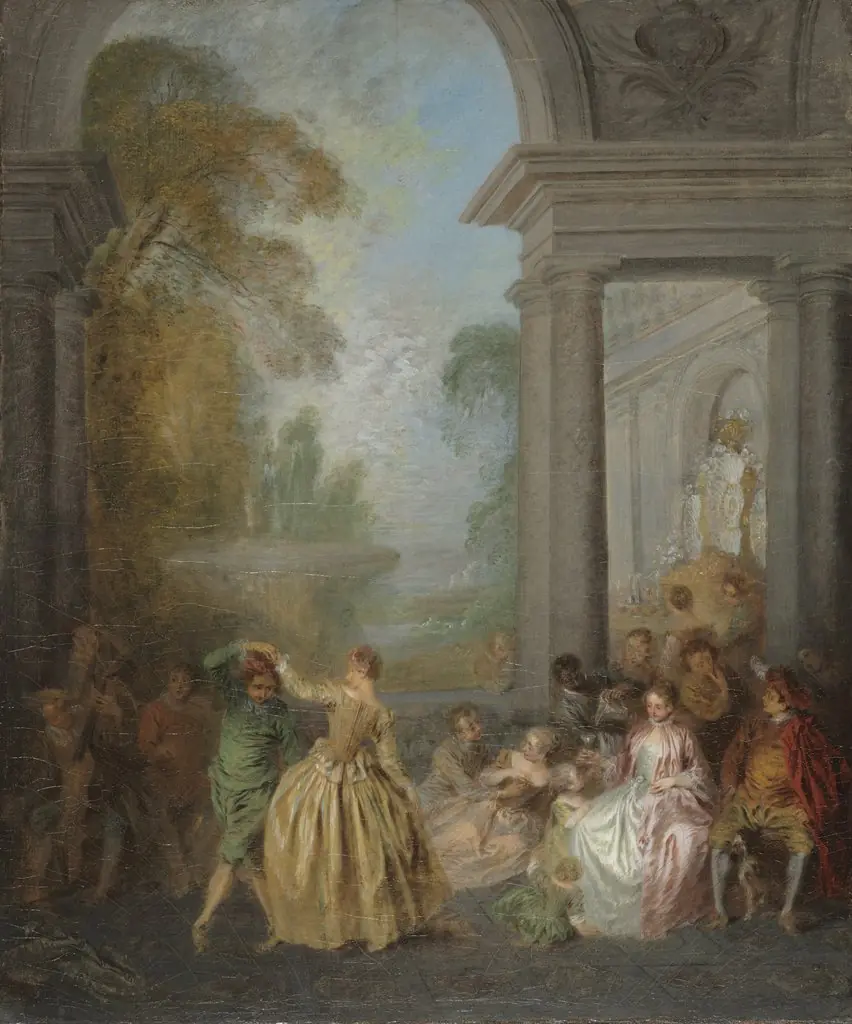
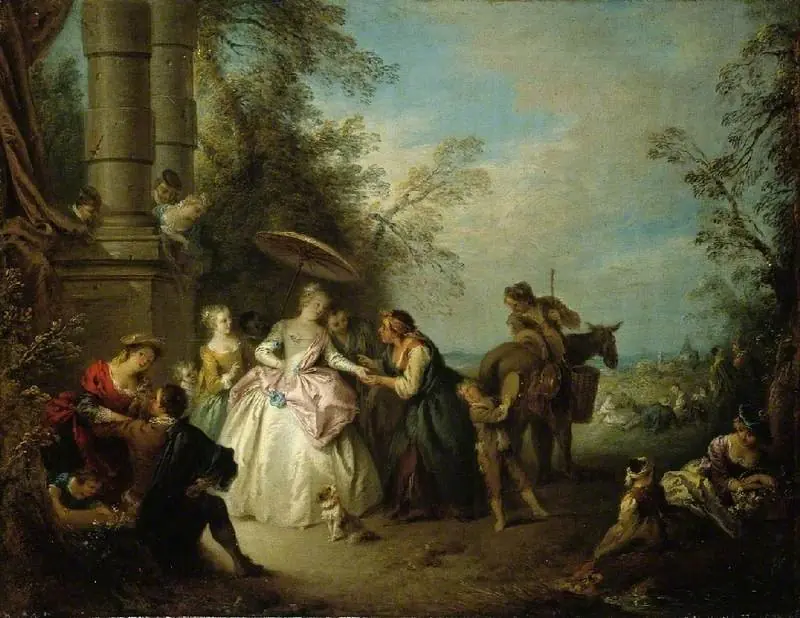
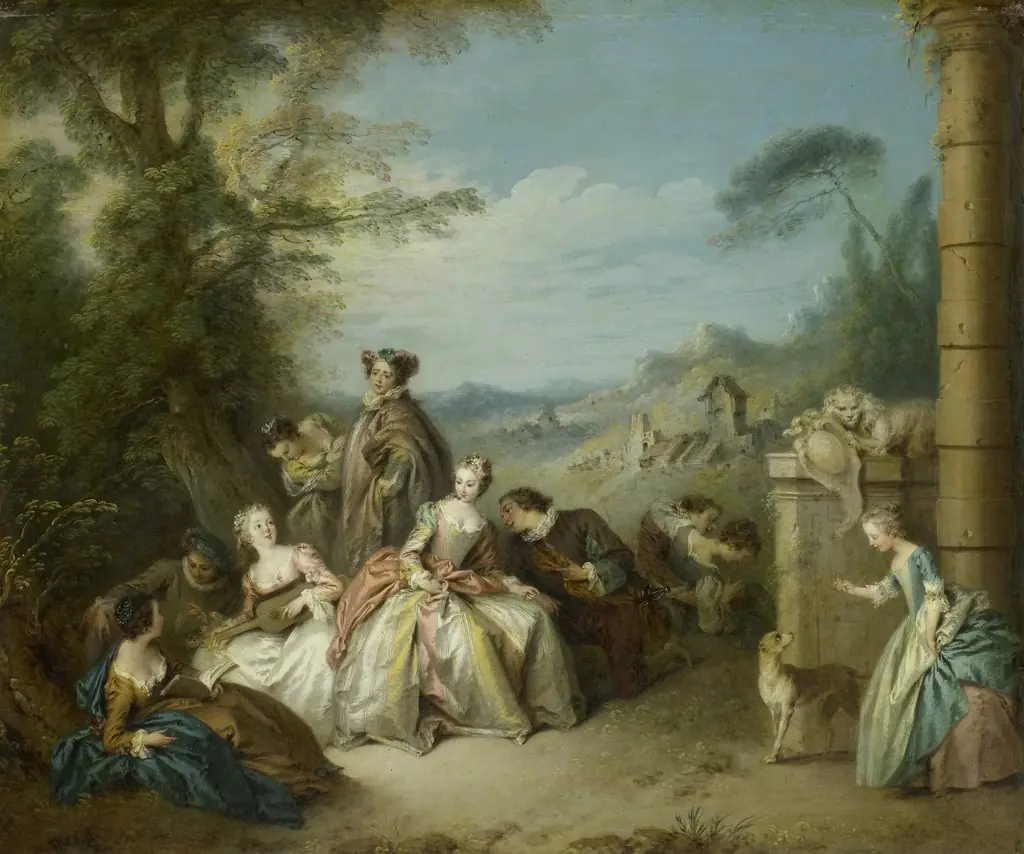
The troops rest (peace) is an unspecified painting by the Rococo painting artist Jean-Baptiste Pater. It dates from 1733 and is held in the collection of the Gemäldegalerie Berlin.
About this work
Overview
Trained first by his sculptor father and later by Jean-Baptiste Guide and Antoine Watteau, he developed a style aligned with the French Rococo.
Jean-Baptiste Pater, born in Valenciennes in 1695, painted *The Troops Rest (Peace)* in 1733. Trained first by his sculptor father and later by Jean-Baptiste Guide and Antoine Watteau, he developed a style aligned with the French Rococo. The work captures a moment of repose among soldiers, reflecting the era’s fascination with intimate, pastoral leisure. It resides today in the Gemäldegalerie, Berlin.
Subject & Meaning
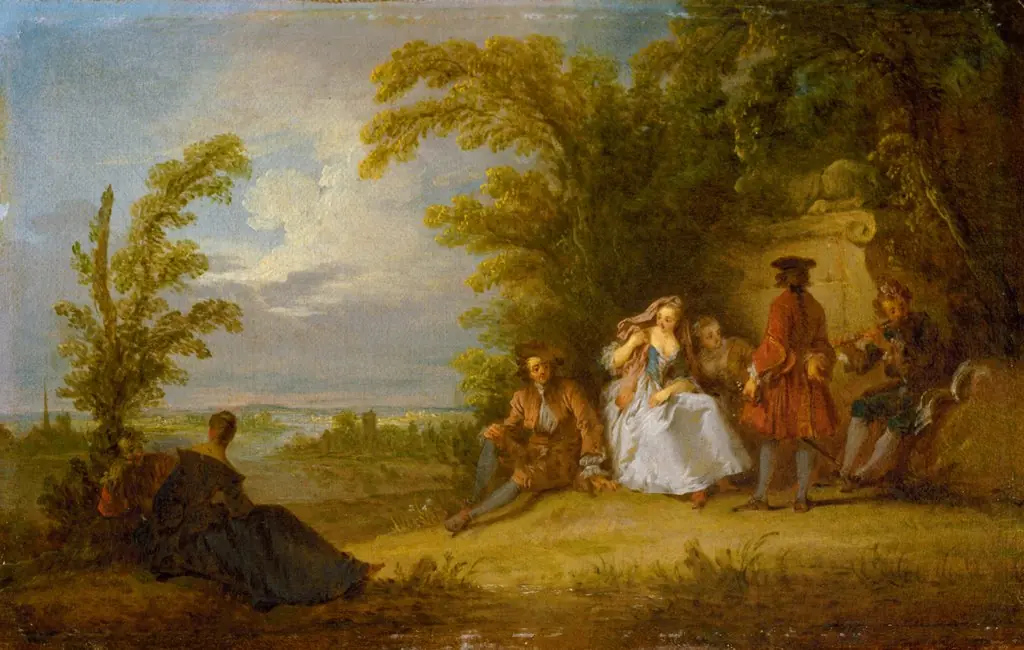
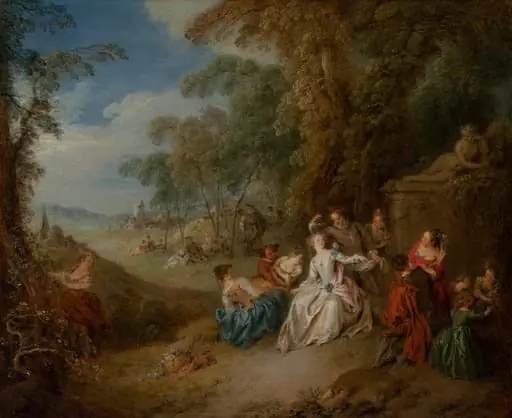
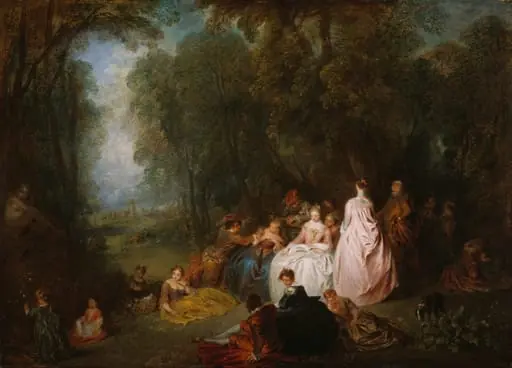
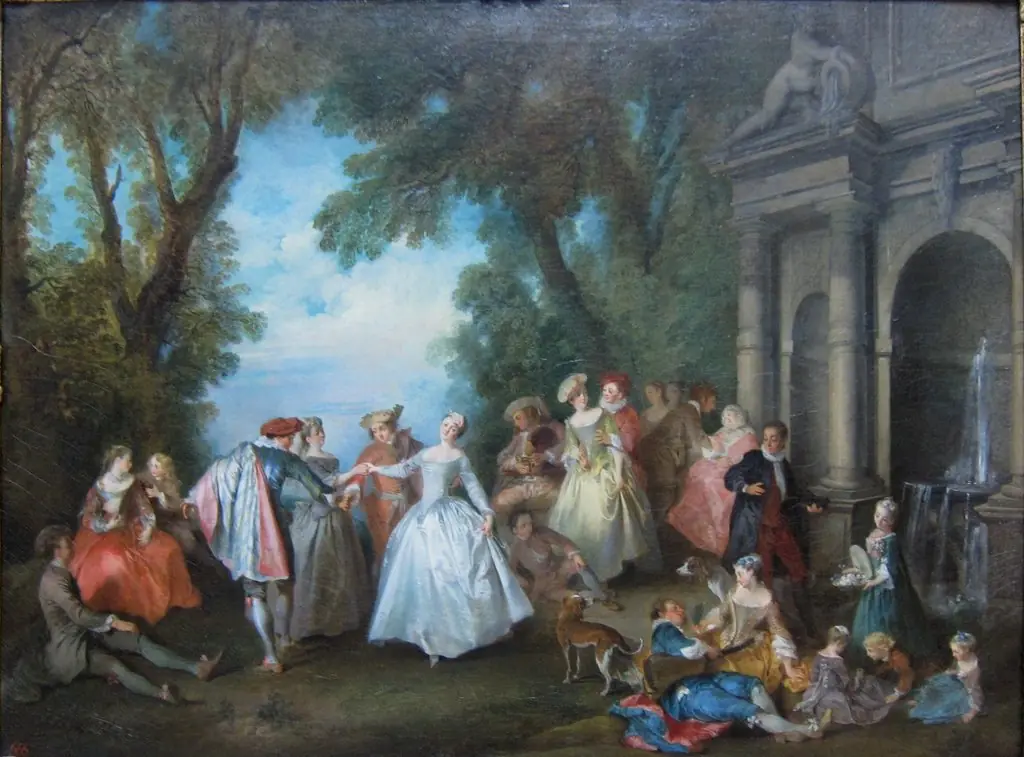
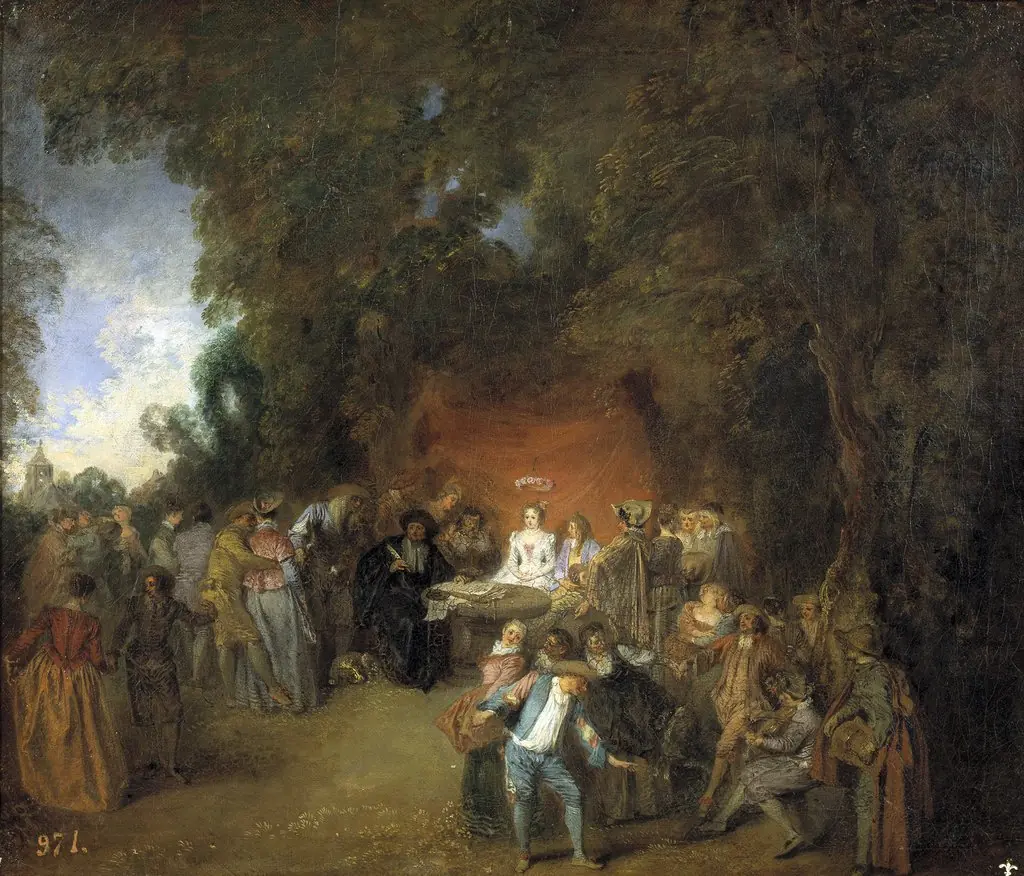
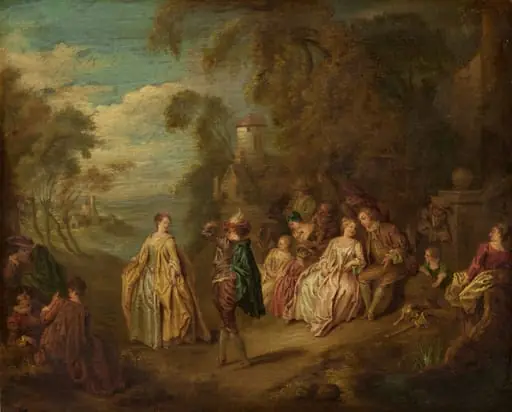
The scene portrays soldiers and civilians relaxing in a wooded clearing, their postures suggesting temporary respite from duty. A central figure lies on the ground while a woman in red sits nearby, signaling personal connection amid military life. The composition avoids grandeur, instead emphasizing quiet camaraderie and fleeting peace, aligning with Rococo’s preference for tender, everyday moments over heroic narratives.
Technique & Style
Pater employs soft brushwork and a warm, muted palette to evoke atmosphere rather than dramatic contrast. Figures are rendered with fluid lines and subtle tonal shifts, avoiding heavy chiaroscuro. The grouping of forms creates a rhythmic, almost theatrical composition, typical of Watteau’s influence. Light filters gently through foliage, enhancing the sense of a dappled, tranquil afternoon.
History & Provenance
Painted in 1733, the work entered the collection of the Gemäldegalerie Berlin in the 19th century. Its provenance traces back to French private collections following its completion. Unlike many military scenes of the period, it was not commissioned for political purposes but likely intended as a decorative piece for aristocratic interiors, reflecting contemporary tastes in leisurely genre painting.
Context
Created during the early 18th century, the painting reflects a cultural shift toward intimate, emotionally resonant scenes after the formality of Louis XIV’s court. While war remained a constant, Rococo artists like Pater focused on its interludes—moments of rest, flirtation, and quiet companionship. This softened portrayal of military life appealed to urban elites seeking escapism in art.
Legacy
Pater’s work contributed to the evolution of French genre painting by extending Watteau’s fêtes galantes into more grounded, masculine settings. Though less celebrated than his mentors, his focus on unidealized human interaction influenced later 18th-century depictions of everyday life. *The Troops Rest (Peace)* remains a quiet testament to the value placed on transient peace in an era of frequent conflict.
Artist & collection
Artist
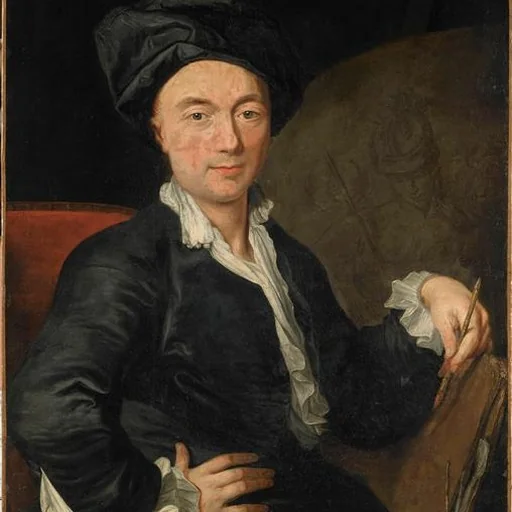
Jean-Baptiste Pater (December 29, 1695 – July 25, 1736) was a French rococo painter.