Artwork
Les Tours de Cartes
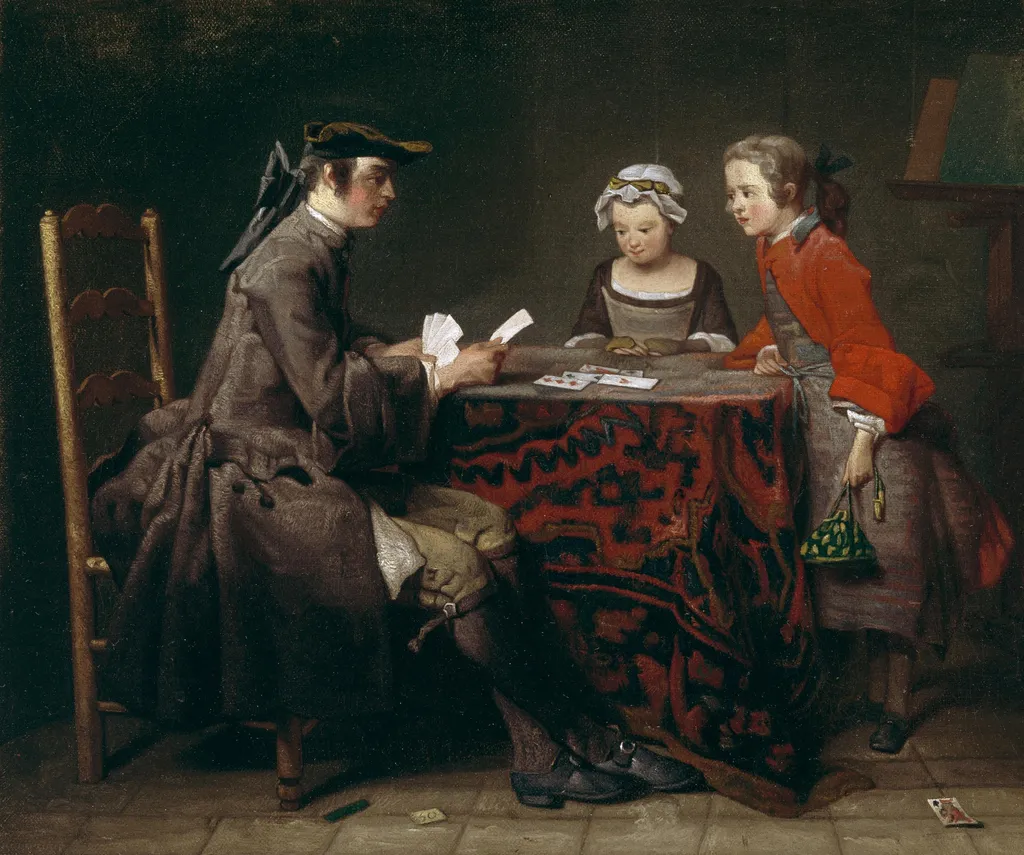
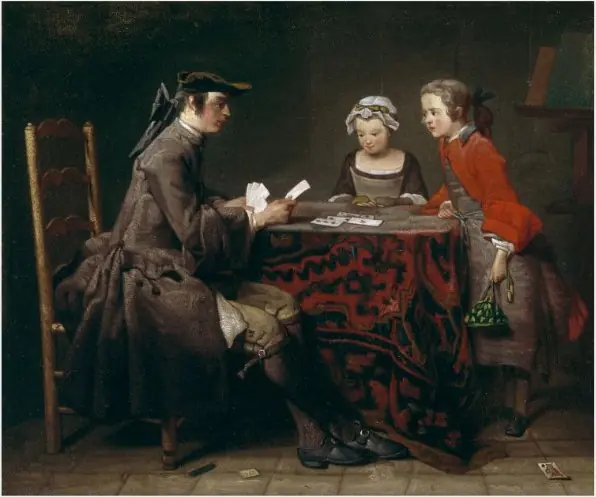
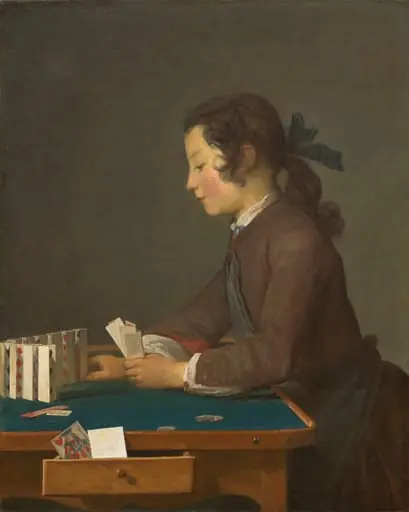
Les Tours de Cartes is an unspecified painting by the Rococo painting artist Jean-Baptiste-Siméon Chardin. It dates from 1735 and is held in the collection of the National Gallery of Ireland.
About this work
Overview
Though often associated with Rococo sensibilities, Chardin’s approach is restrained, favoring intimate observation over ornamental flourish.
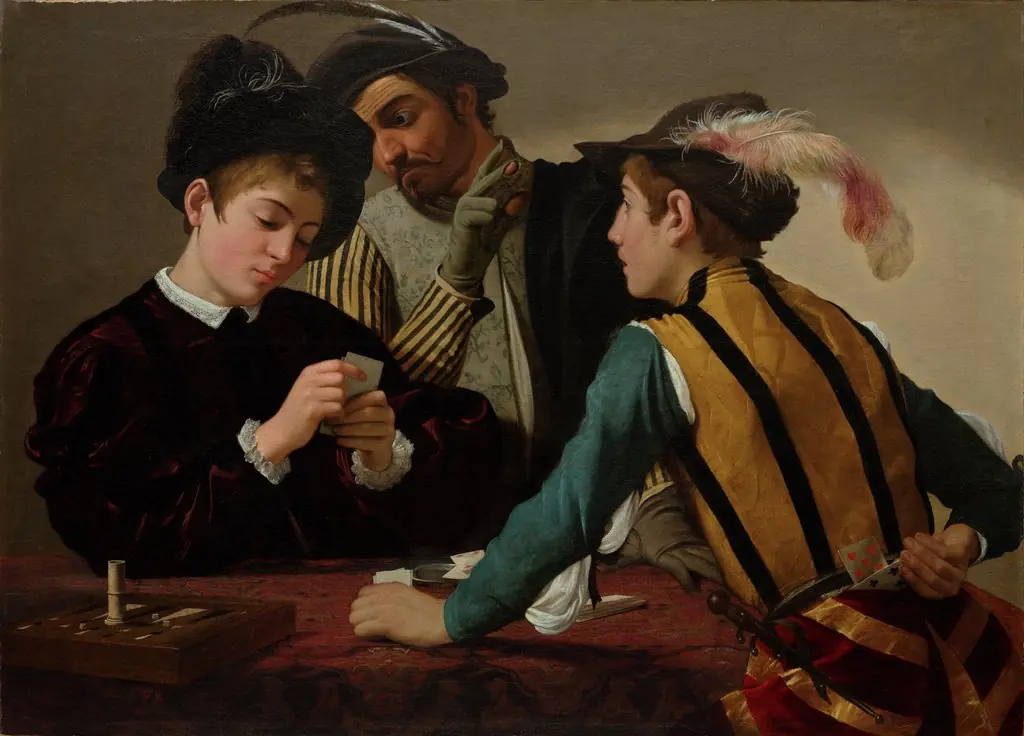
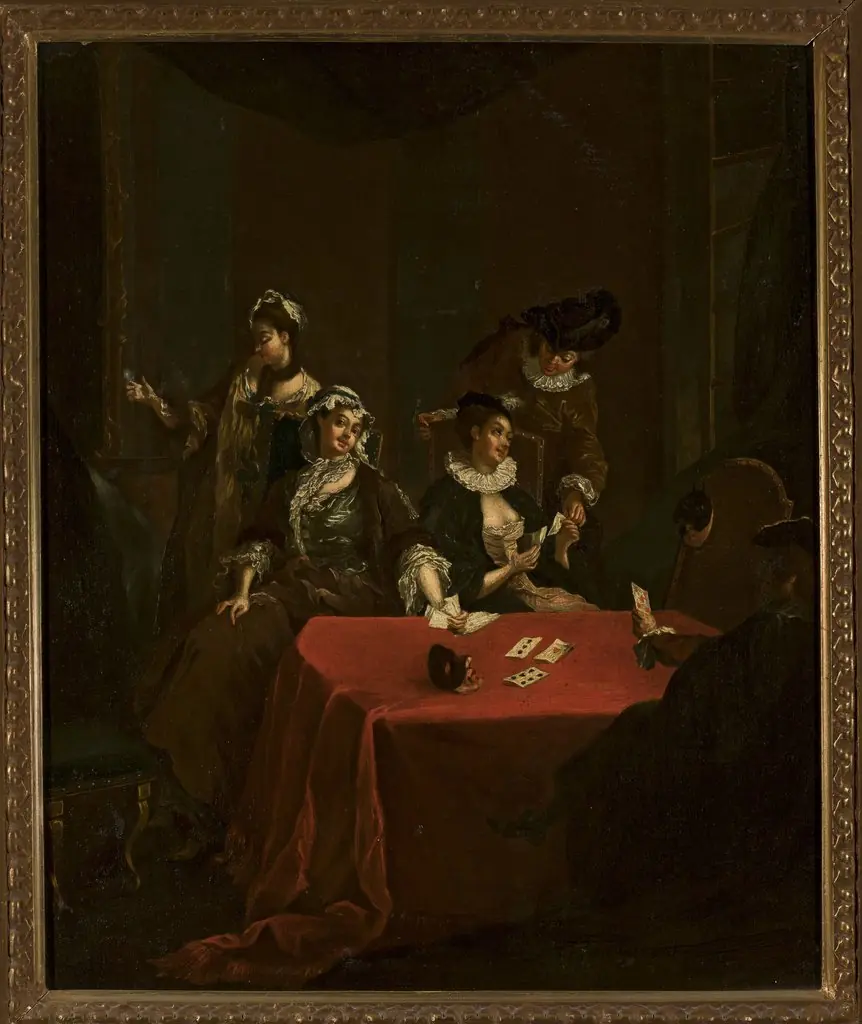
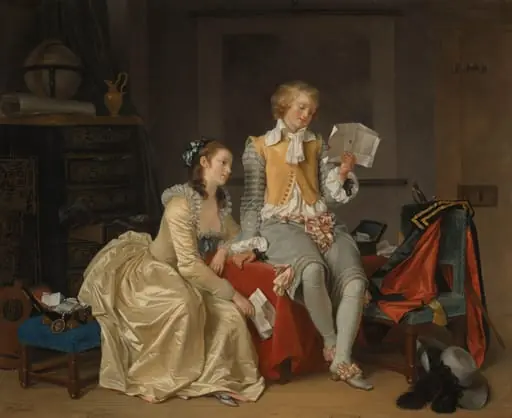
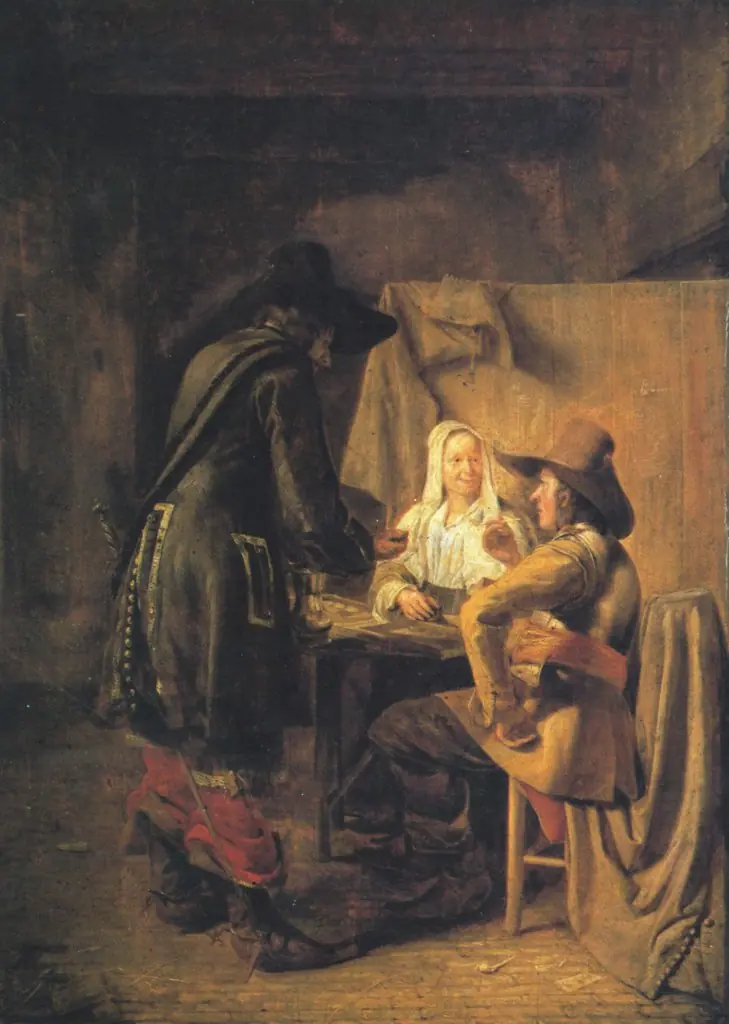
Painted in 1735 by Jean-Baptiste-Siméon Chardin, *Les Tours de Cartes* captures a quiet domestic moment rather than a grand narrative. Though often associated with Rococo sensibilities, Chardin’s approach is restrained, favoring intimate observation over ornamental flourish. The scene unfolds in a modest interior, centered on a game of cards between an adult and two children, rendered with deliberate stillness and unembellished realism.
Subject & Meaning
The painting portrays a father or guardian engaging two children in a card game, suggesting a moment of quiet instruction or shared leisure. The arrangement of figures and objects implies generational connection, with the adult guiding the children’s attention. No theatricality or moralizing is present; instead, the work elevates ordinary interaction, valuing the dignity of routine domestic life.
Technique & Style
Chardin employs subtle chiaroscuro to model forms with soft transitions, avoiding sharp outlines. The red-and-black tablecloth, the textured fabric of clothing, and the glossy surfaces of cards are rendered with precise, muted brushwork. The dark background isolates the figures, enhancing spatial depth without distraction. Light falls gently, emphasizing tactile qualities over dramatic contrast.
History & Provenance
Created during Chardin’s early period of genre painting, the work was likely intended for private collectors rather than public exhibition. It remained in French collections through the 18th and 19th centuries, eventually entering a major museum’s holdings. Its attribution has never been in doubt, reflecting consistent scholarly recognition of Chardin’s hand and compositional logic.
Context
In mid-18th-century France, elite art favored mythological or aristocratic themes. Chardin’s focus on middle-class interiors and unglamorous activities stood apart. While contemporaries like Watteau emphasized elegance, Chardin found significance in stillness, observation, and the quiet rhythm of home life, aligning with emerging Enlightenment values of authenticity.
Legacy
*Les Tours de Cartes* exemplifies Chardin’s influence on later realist and modernist painters who valued quiet composition and material presence. His ability to imbue simple scenes with emotional resonance without sentimentality set a precedent for artists like Courbet and Cézanne. The painting endures as a study in restraint, where meaning emerges from careful arrangement rather than narrative spectacle.
Own this work as a print
Artist & collection
Artist
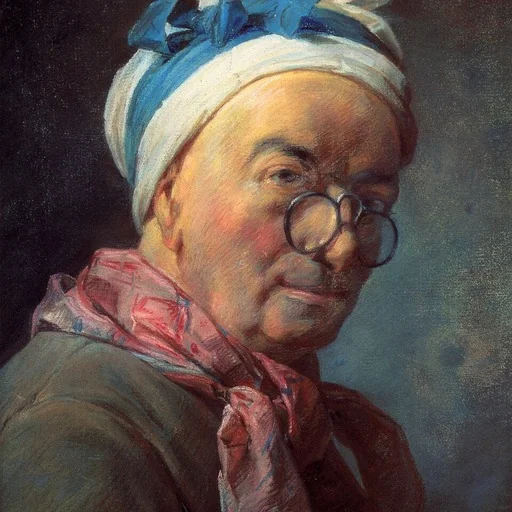
Jean Siméon Chardin (French: ; November 2, 1699 – December 6, 1779) was an 18th-century French painter.