Artwork
Man from the Island of Patmos
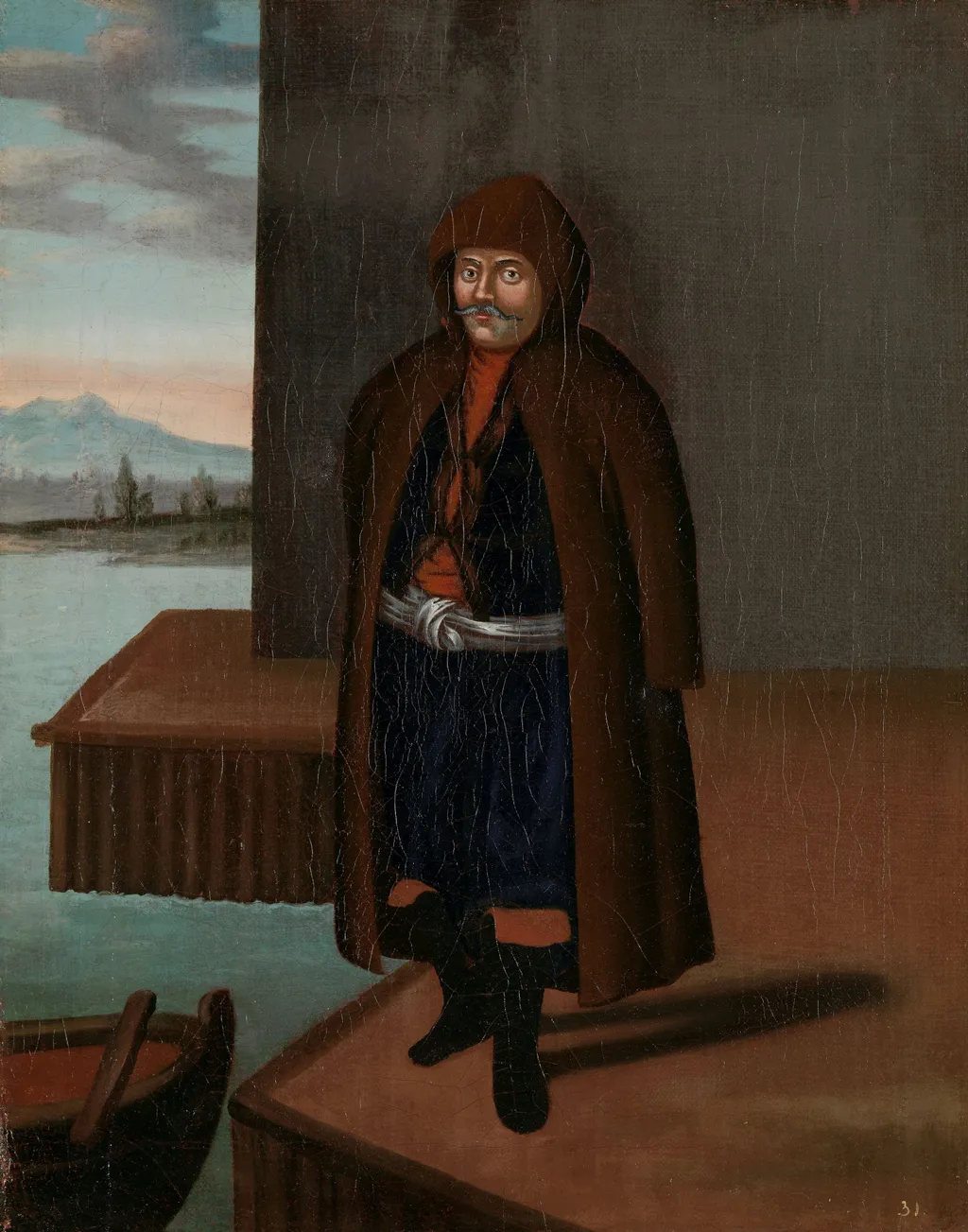
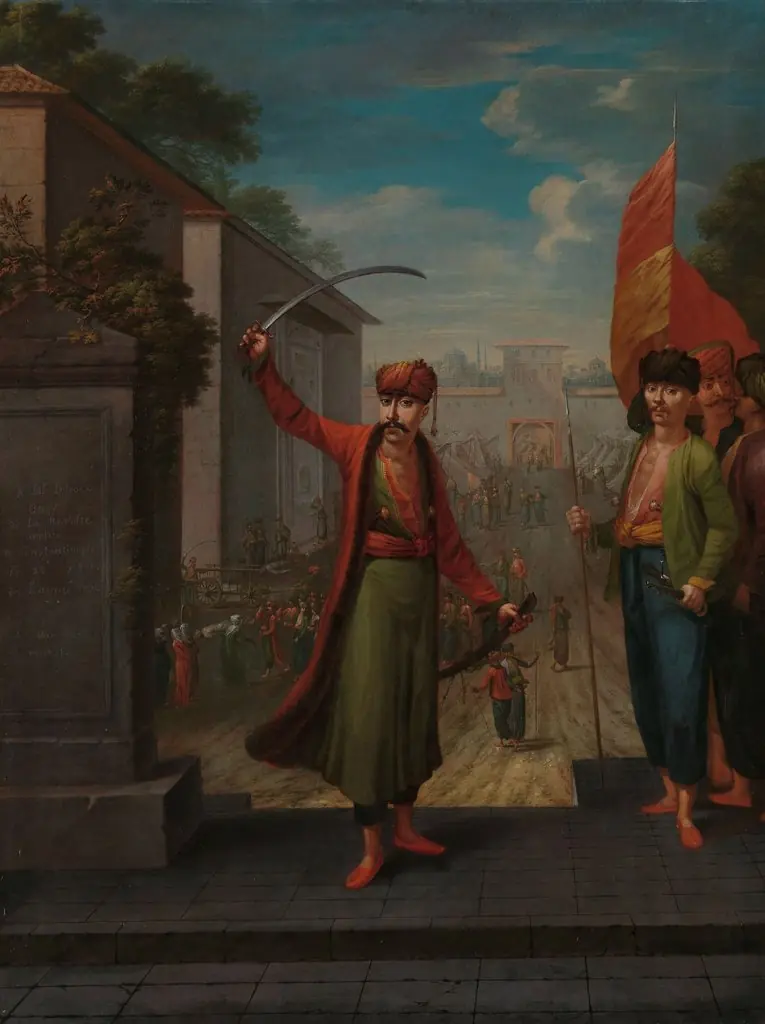
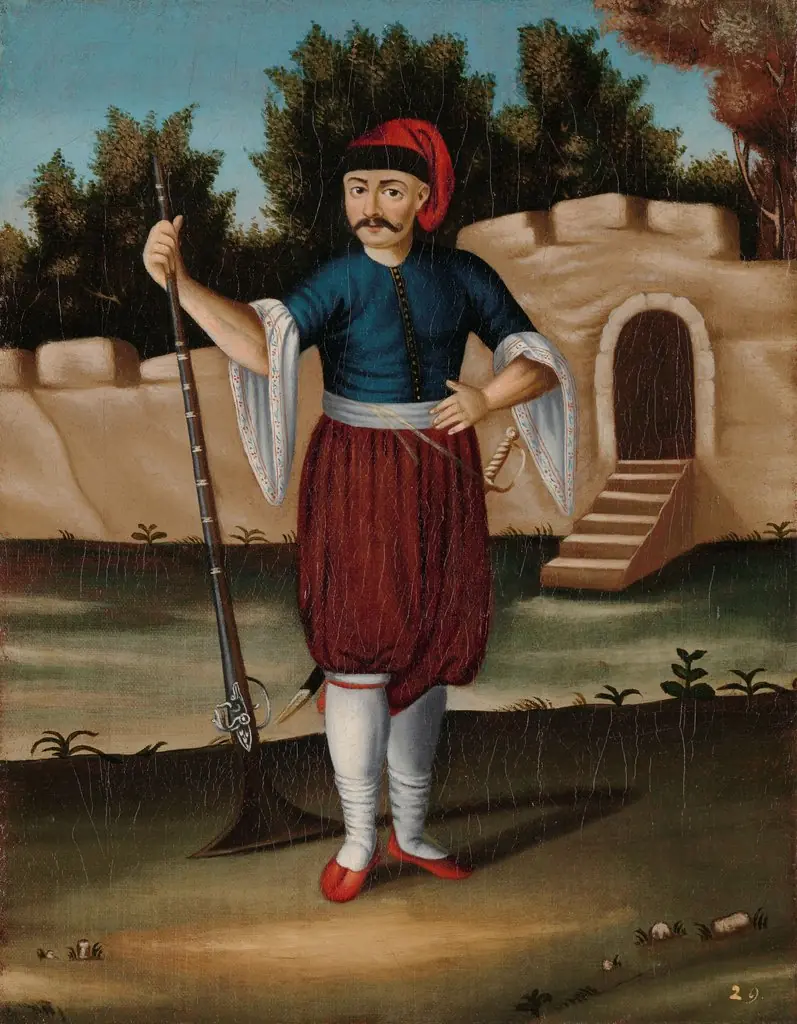
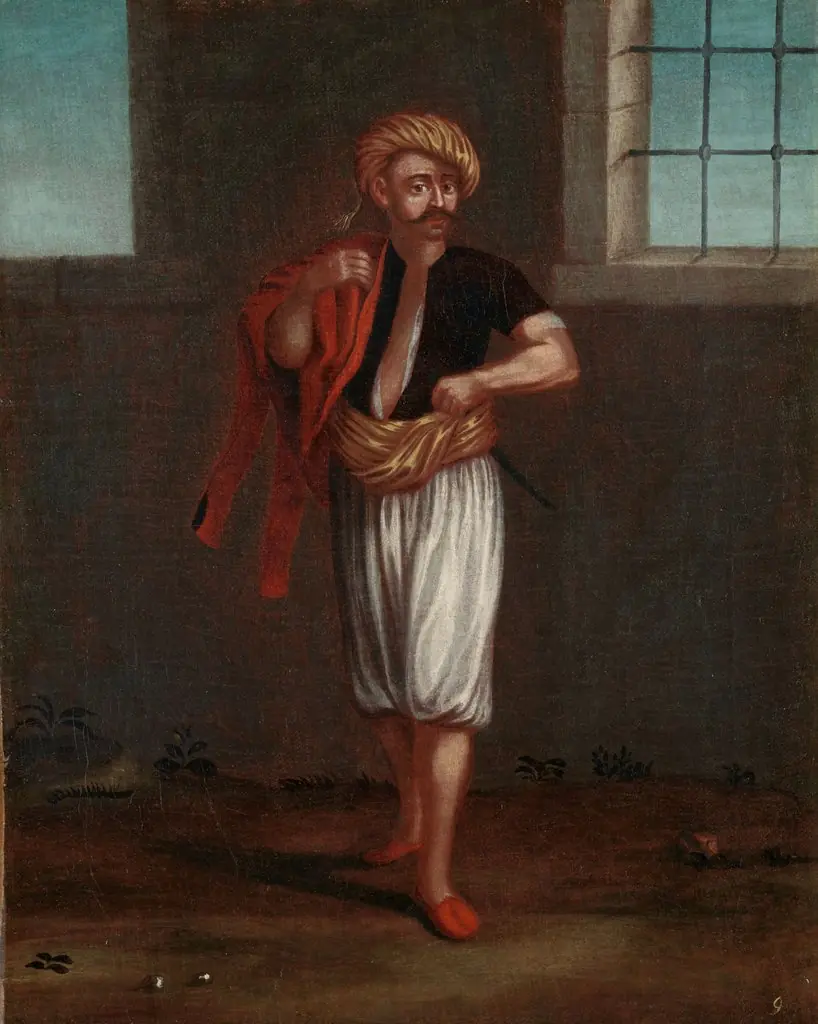
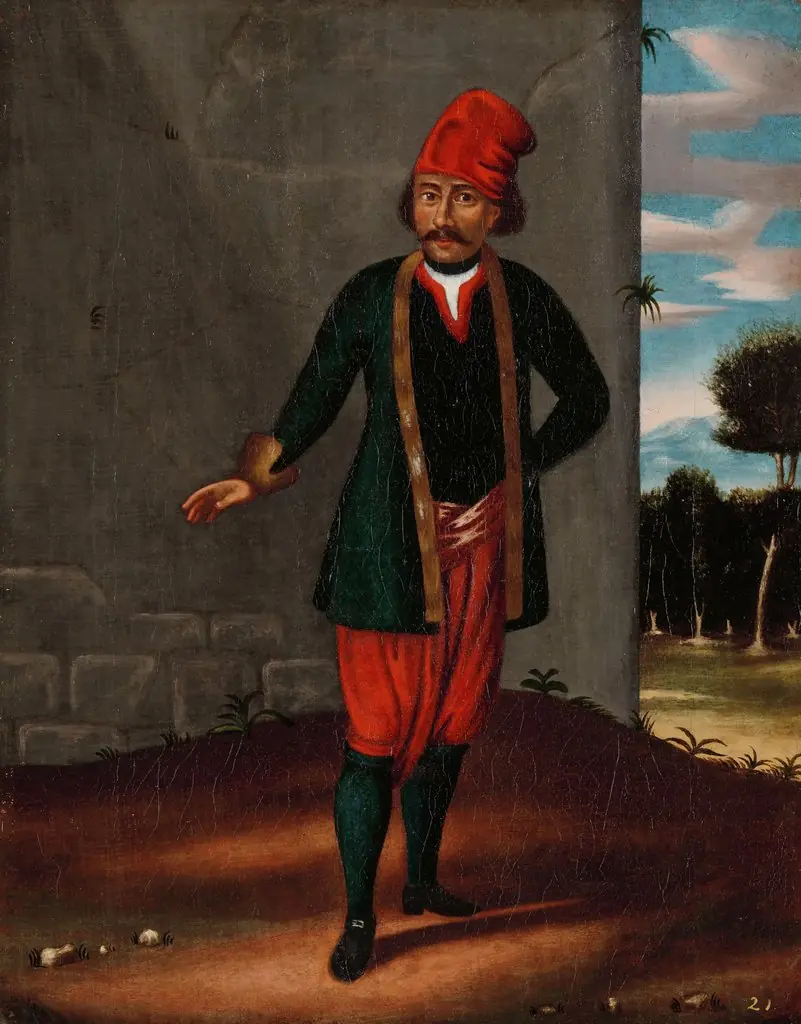
Man from the Island of Patmos is an oil painting by the Rococo painting artist Jean Baptiste Vanmour. It dates from 1718 and is held in the collection of the Rijksmuseum.
About this work
Overview
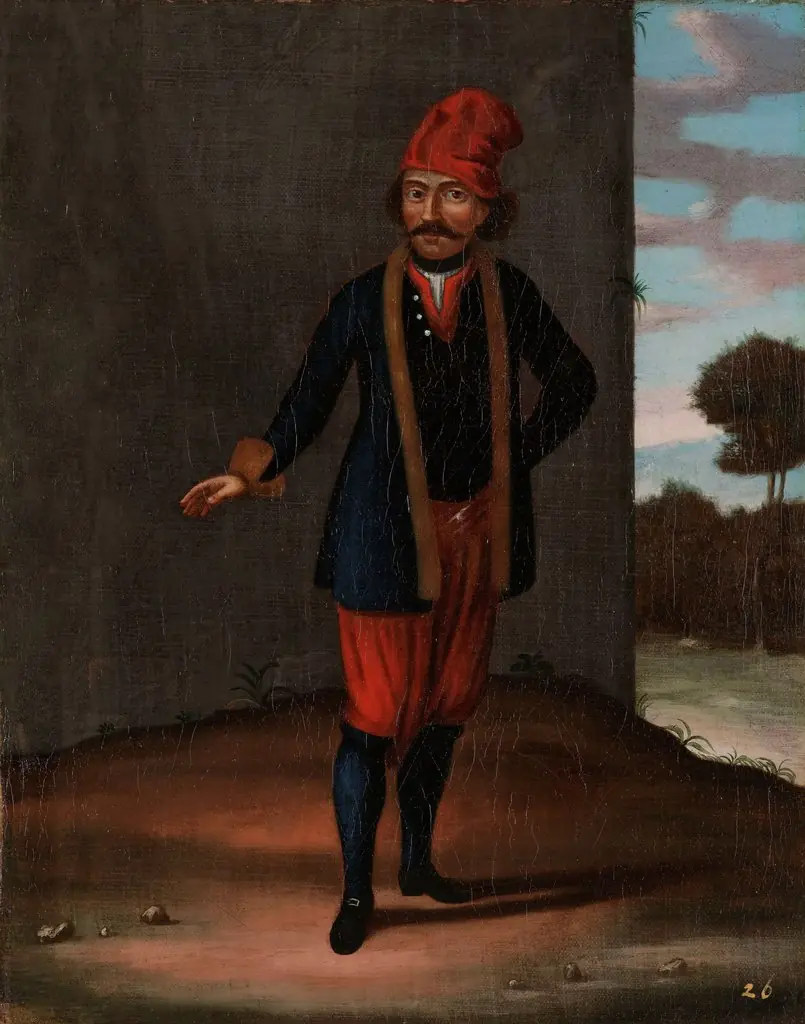
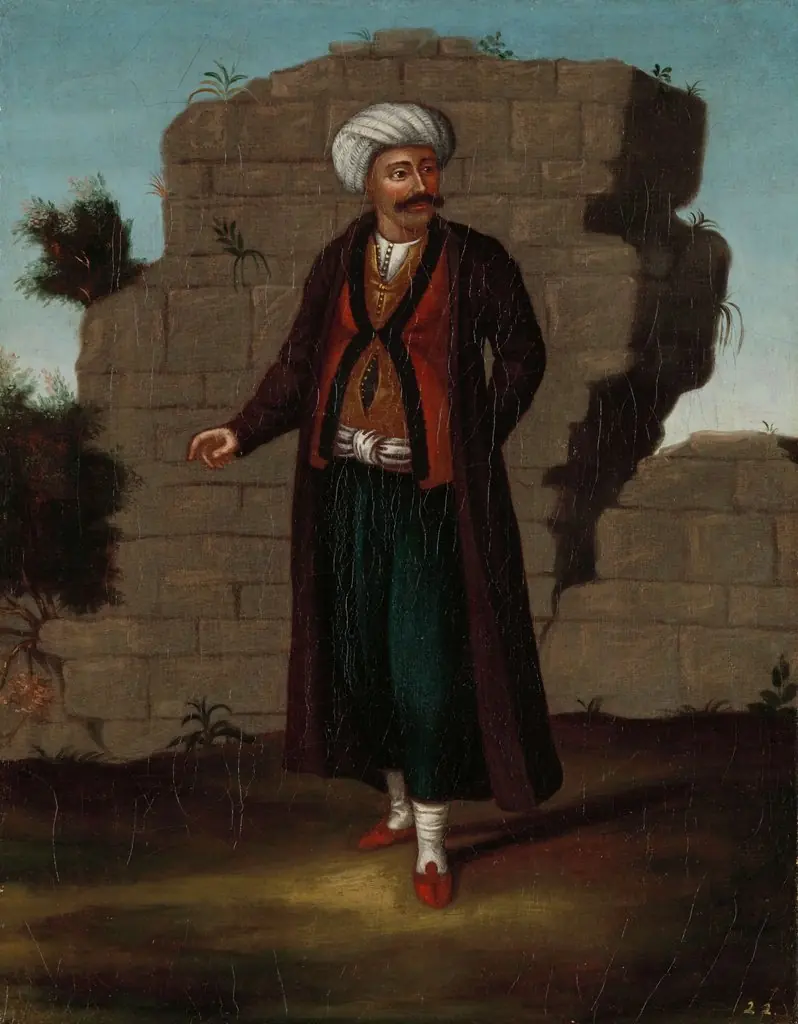
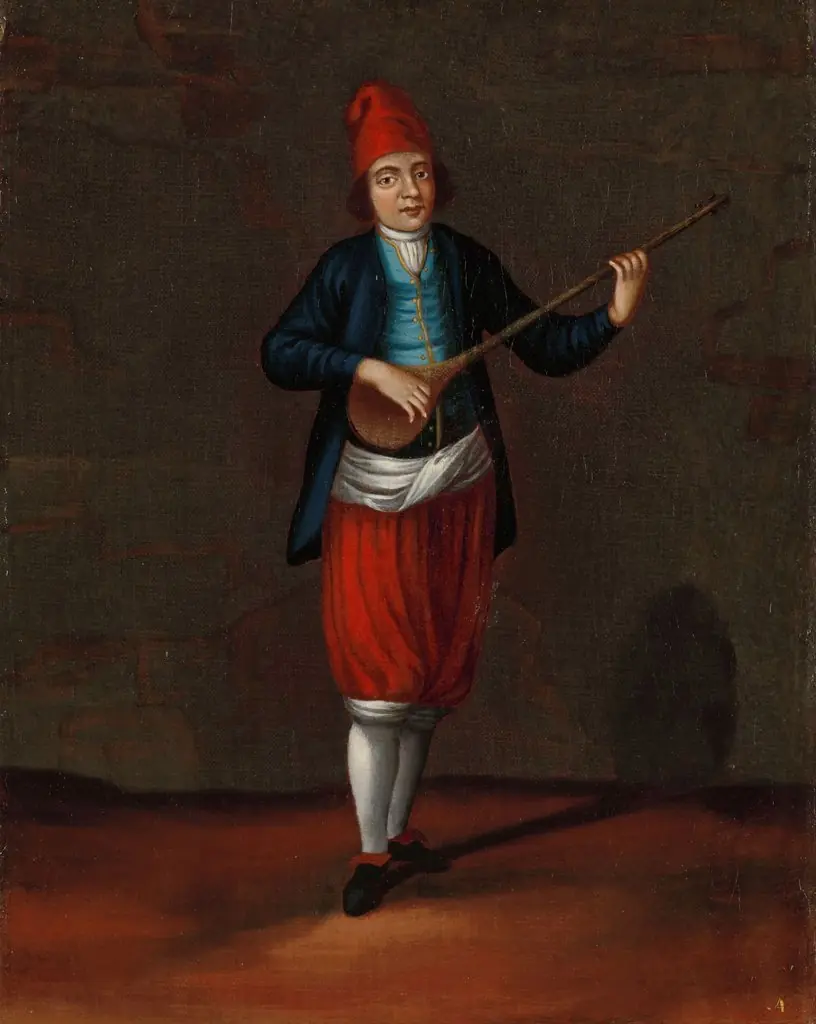
Jean Baptiste Vanmour painted *Man from the Island of Patios* in 1718. Executed in oil on canvas, the work is part of the Rijksmuseum’s collection. It presents a solitary male figure rendered in the light‑and‑shade contrasts typical of early 18th‑century portraiture.
Subject & Meaning
The sitter, dressed in a dark, slightly worn coat with a belt and a hat, stands indoors with a serious expression and a neatly trimmed mustache. A window behind him opens onto a pale sky and distant mountains, suggesting a connection between interior domesticity and the broader landscape beyond.
Technique & Style
Vanmour employs a pronounced chiaroscuro, allowing the illuminated areas of the coat and face to emerge from a darker background. Thick applications of paint give texture to the fabric, while the overall composition reflects the delicate ornamentation associated with the Rococo period, albeit in a restrained manner.
History & Provenance
The artist, a Flemish‑French painter active during the early 1700s, was known for documenting life in the Ottoman Empire’s Tulip Era. This portrait, created in 1718, later entered the Rijksmuseum’s holdings, where it remains on display as part of the museum’s European painting collection.
Artist & collection
Artist
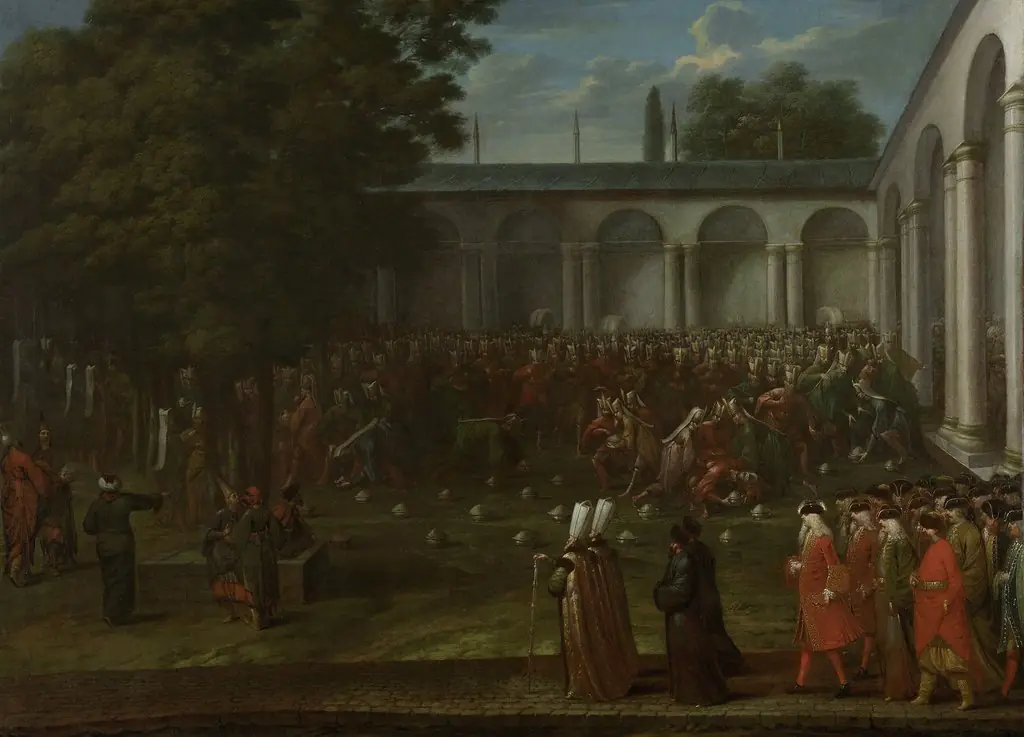
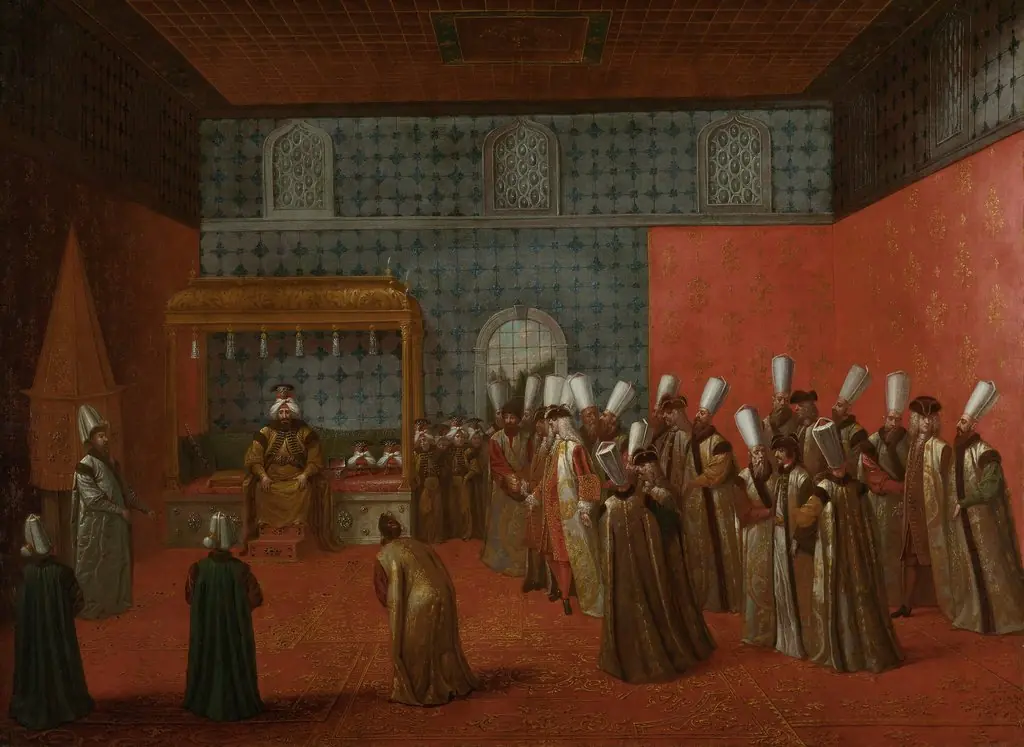
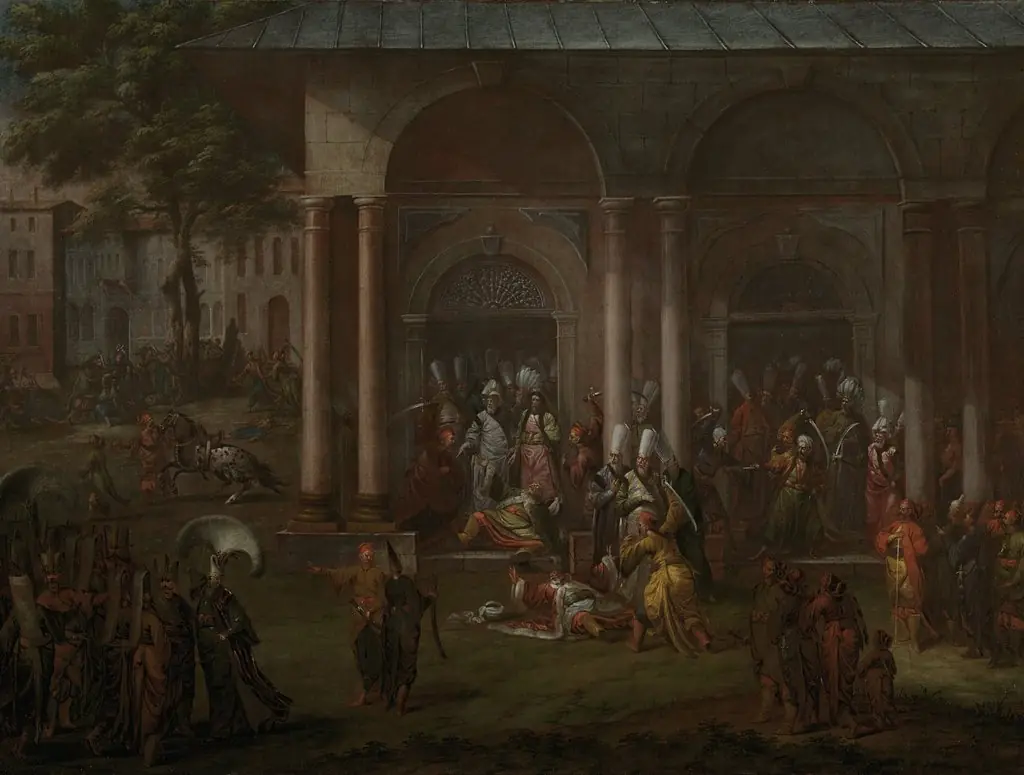
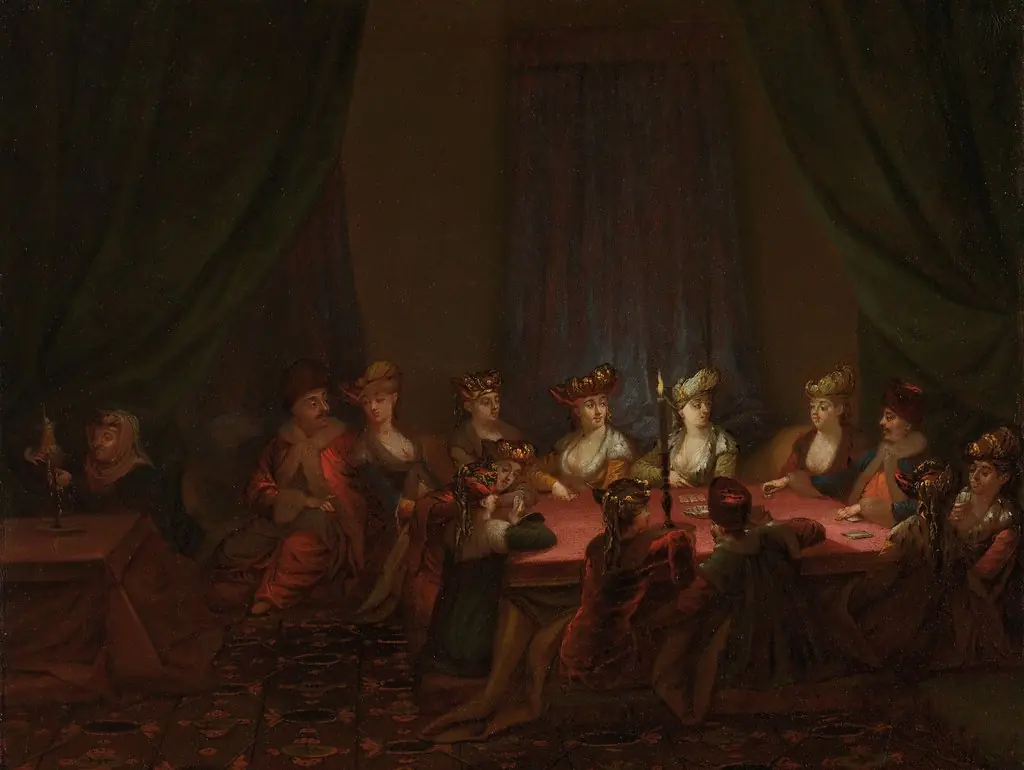
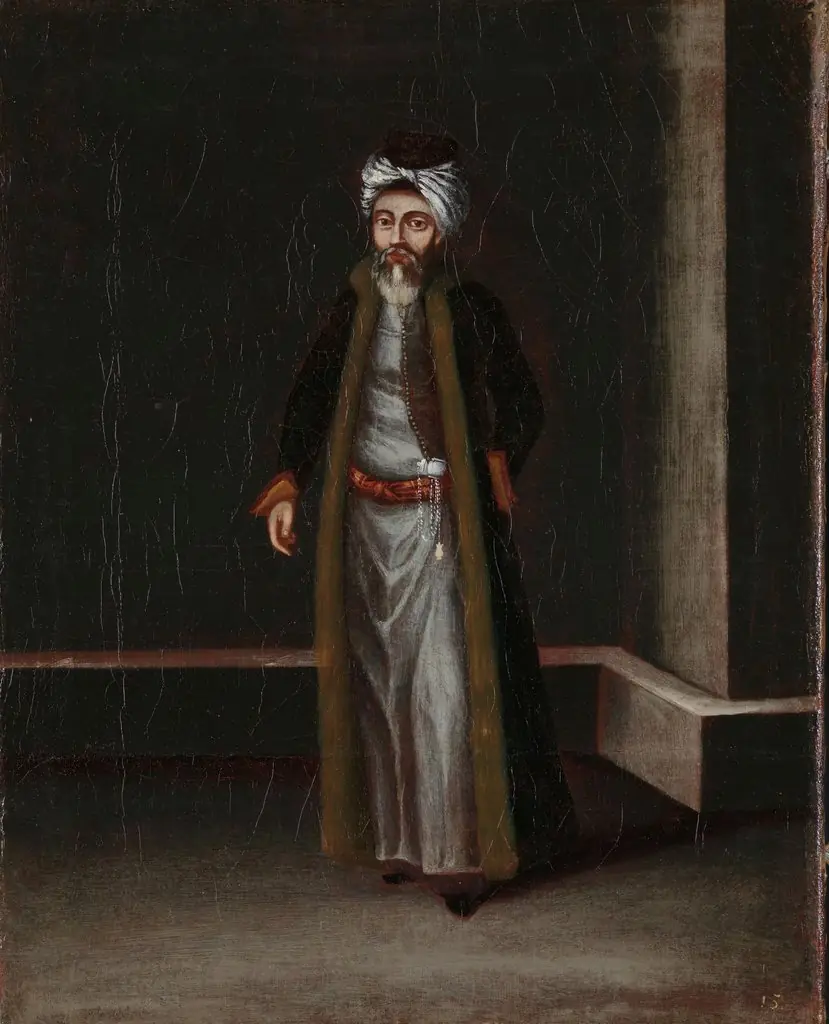
Jean Baptiste Vanmour or Van Mour (9 January 1671 – 22 January 1737) was a Flemish-French painter, remembered for his detailed portrayal of life in the Ottoman Empire during the Tulip Era and the rule of Sultan Ahmed III.