Artwork
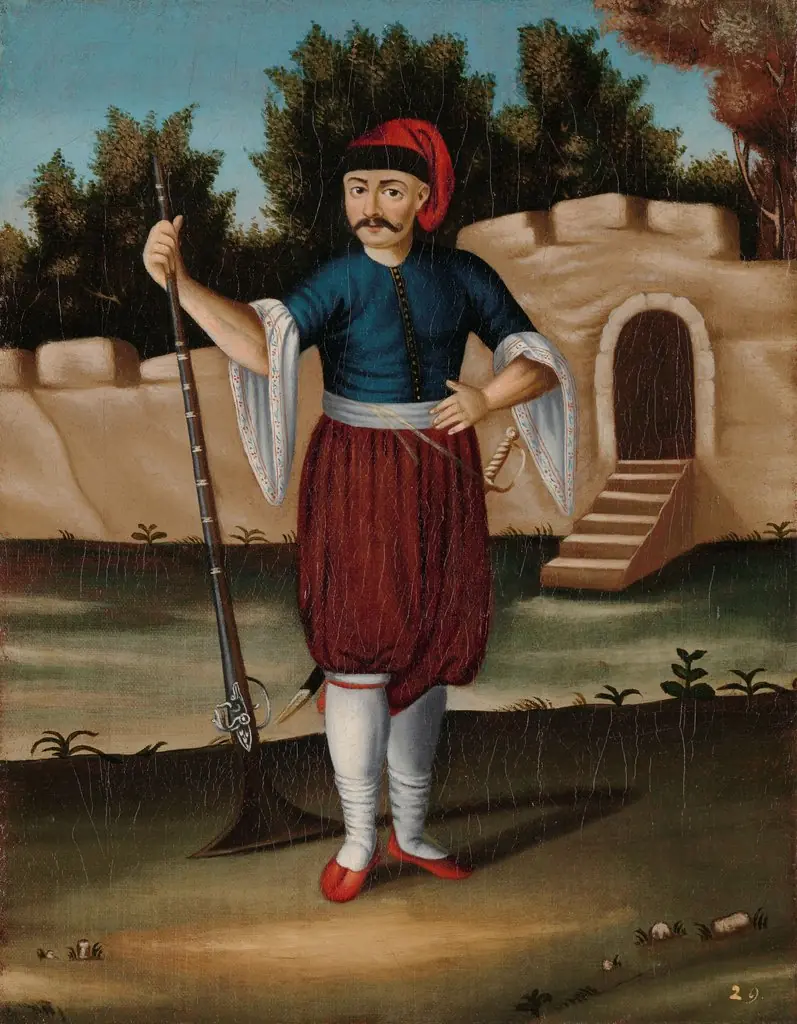
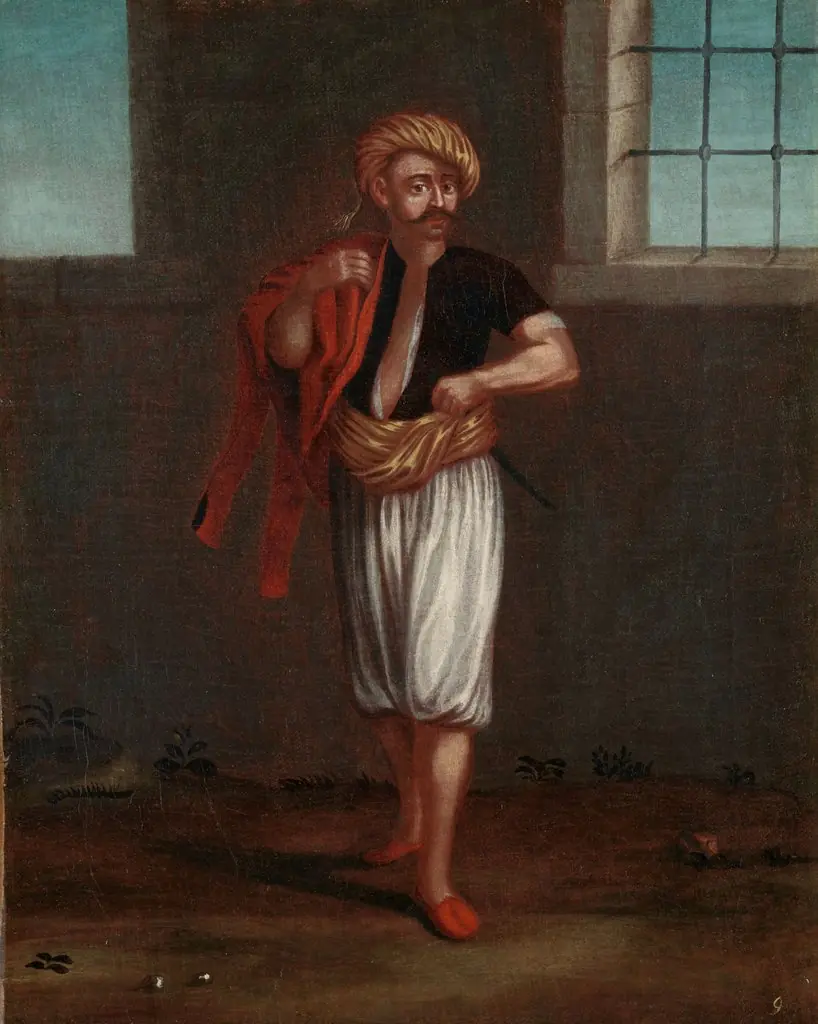
Man from the Island of Sérifos
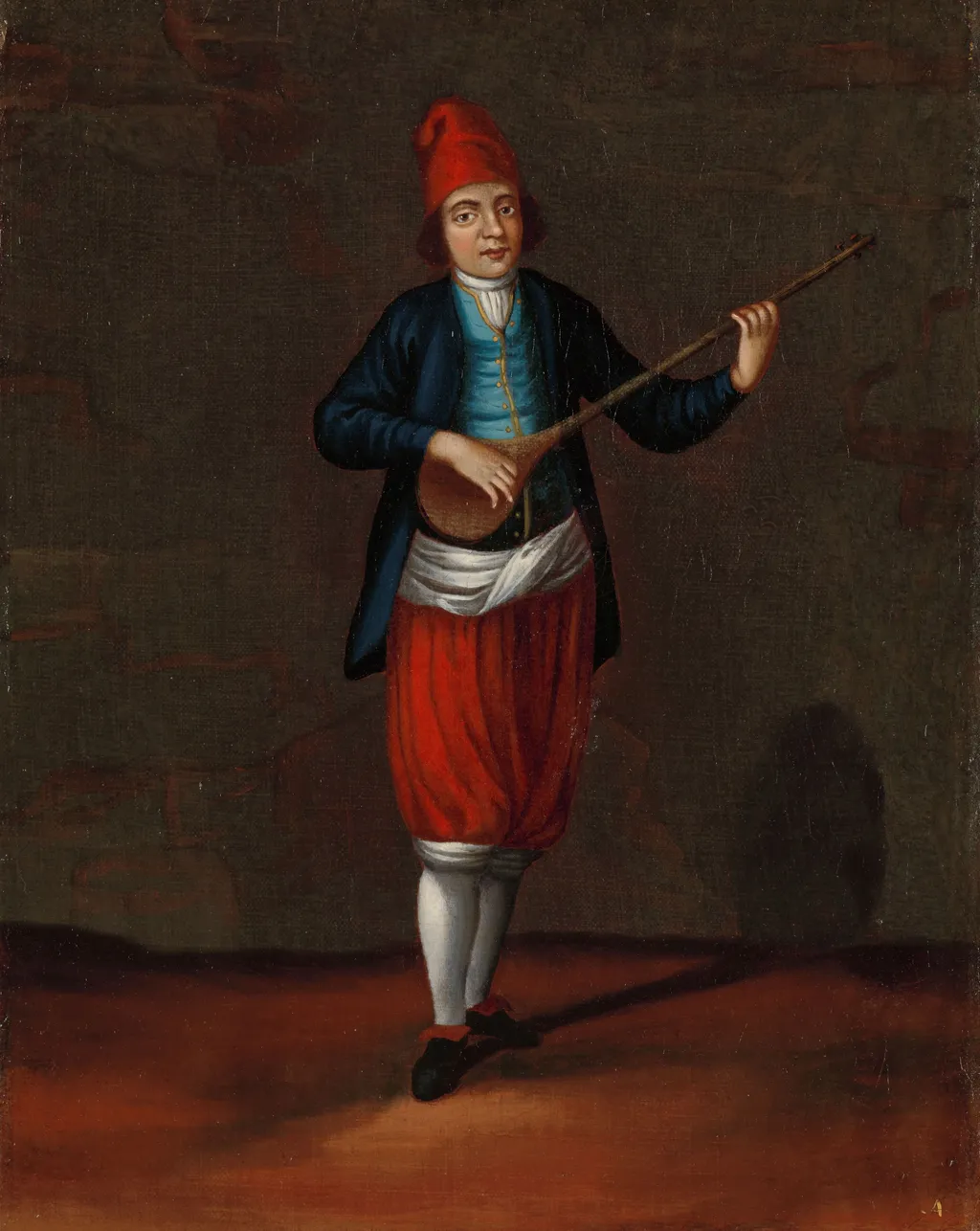
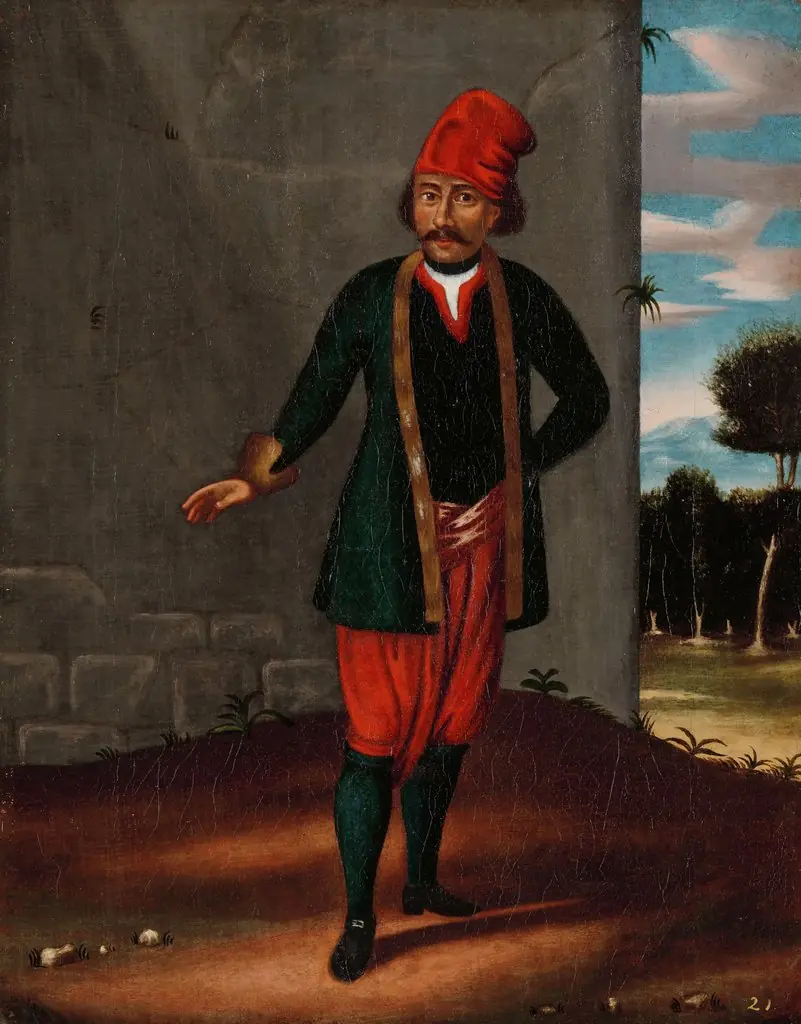
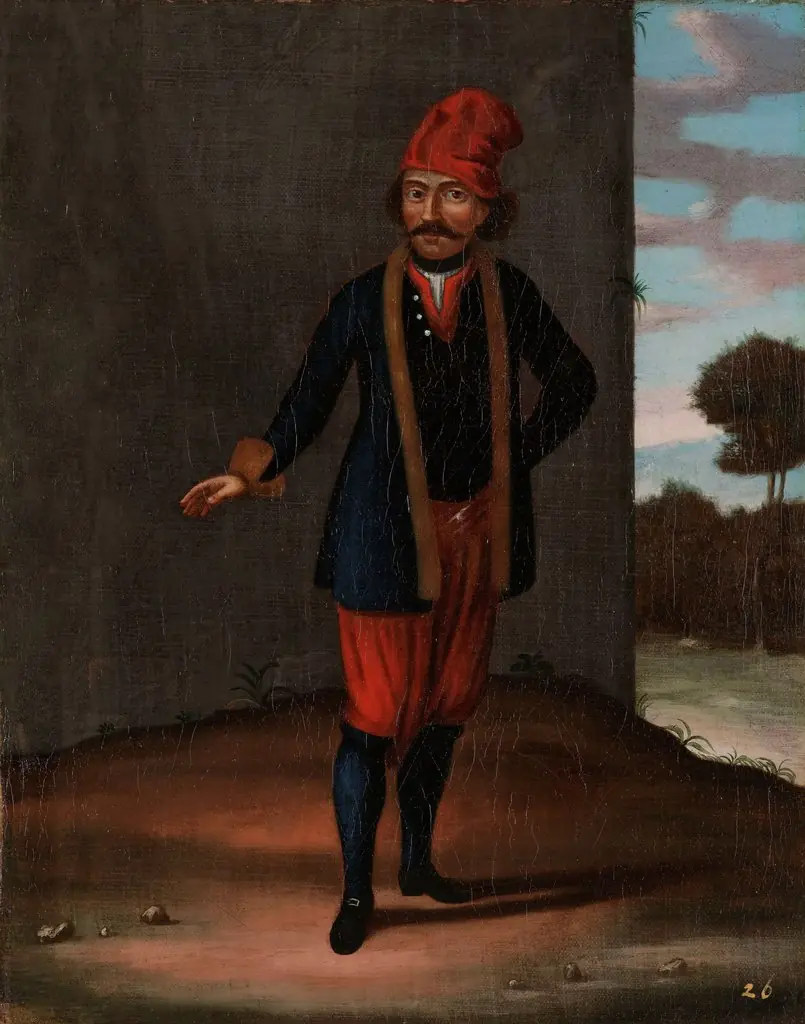
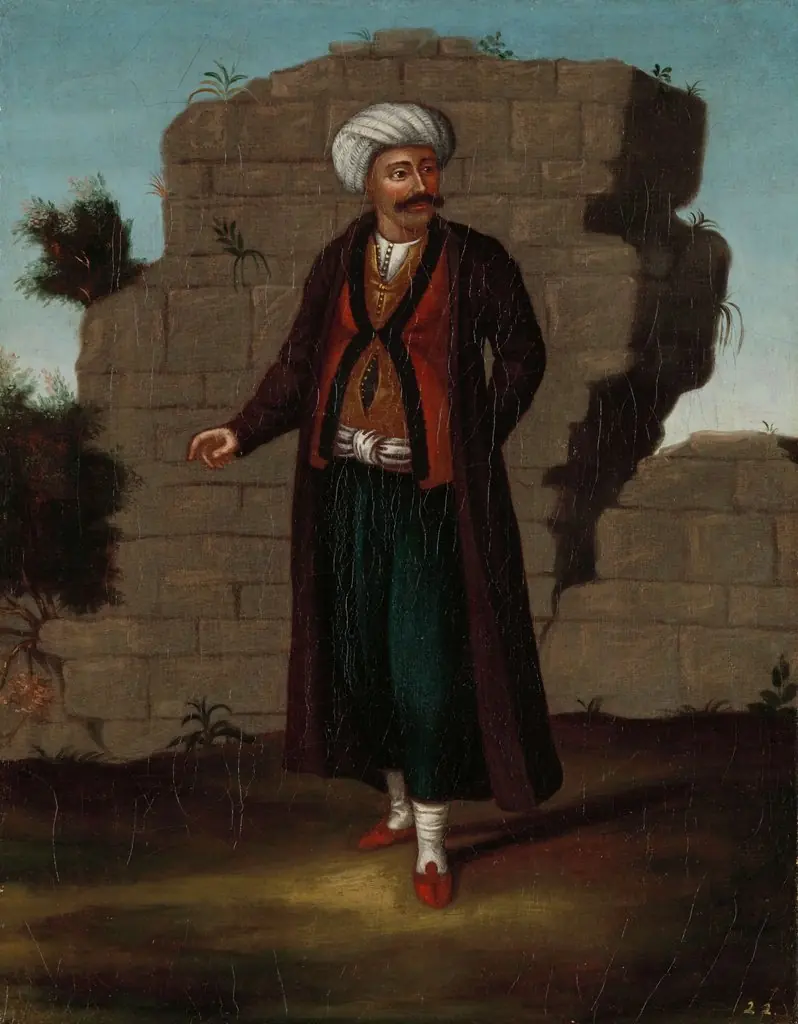
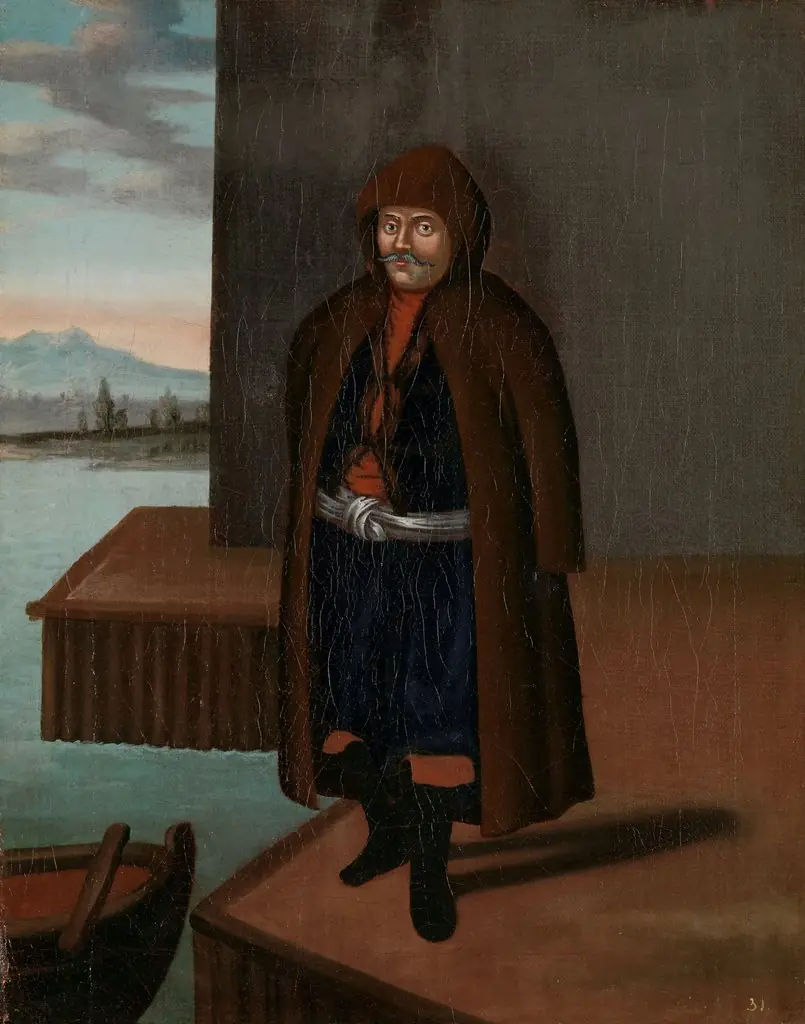
Man from the Island of Sérifos is an oil painting by the Rococo painting artist Jean Baptiste Vanmour. It dates from 1718 and is held in the collection of the Rijksmuseum.
About this work
Overview
Jean Baptiste Vanmour, a Flemish‑French painter active in the early 1700s, executed the oil portrait *Man from the Island of Sérifos* in 1718. The work belongs to his series of depictions of Ottoman subjects created during the so‑called Tulip Era, and it is presently part of the Rijksmuseum’s collection.
Subject & Meaning
The canvas presents a male figure identified as originating from the island of Sérifos. He is dressed in a vivid red hat, a blue jacket, red trousers and a white cloth tied around his waist, and he holds a stringed instrument—likely a lute—suggesting a musical or courtly role within his culture.
Technique & Style
Rendered in oil, the painting demonstrates Vanmour’s meticulous handling of texture, from the sheen of fabric to the polished surface of the instrument. The composition reflects Rococo sensibilities, emphasizing refined detail, subtle modelling and a focus on the individuality of the sitter.
History & Provenance
Created while Vanmour was employed by the Ottoman court under Sultan Ahmed III, the portrait entered the Rijksmuseum’s holdings at an unspecified later date. Its presence in a major Dutch institution underscores the historical interest in cross‑cultural portraiture during the early modern period.
Own this work as a print
Artist & collection
Artist
Jean Baptiste Vanmour or Van Mour (9 January 1671 – 22 January 1737) was a Flemish-French painter, remembered for his detailed portrayal of life in the Ottoman Empire during the Tulip Era and the rule of Sultan Ahmed III.