Artwork
Mountain Landscape with Road to Naples
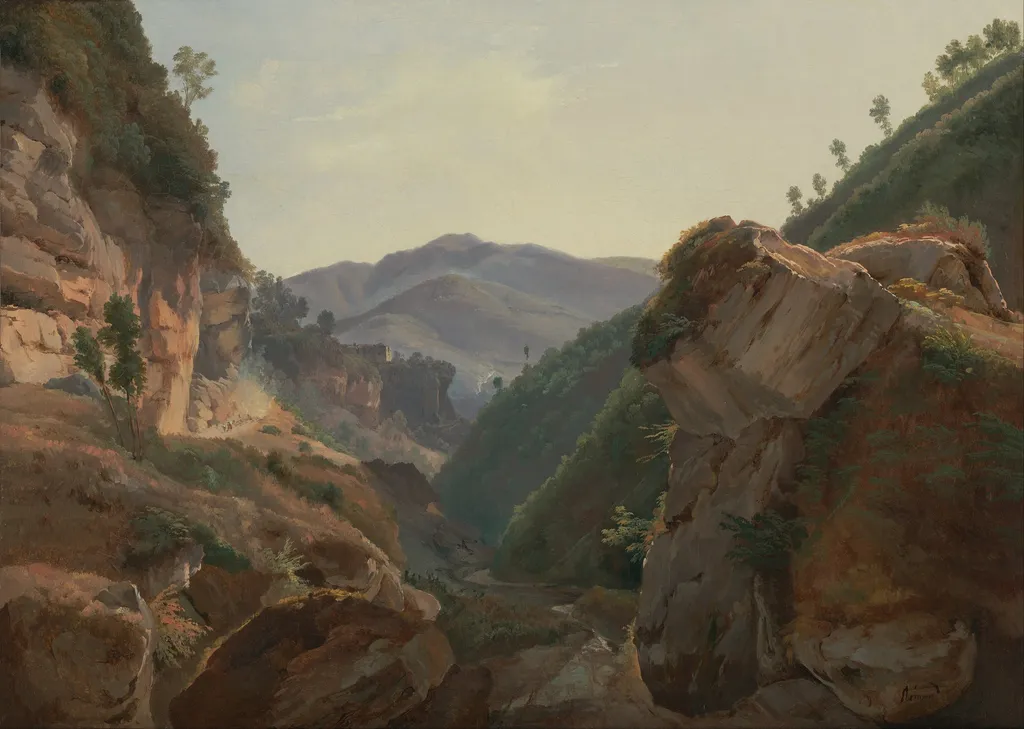
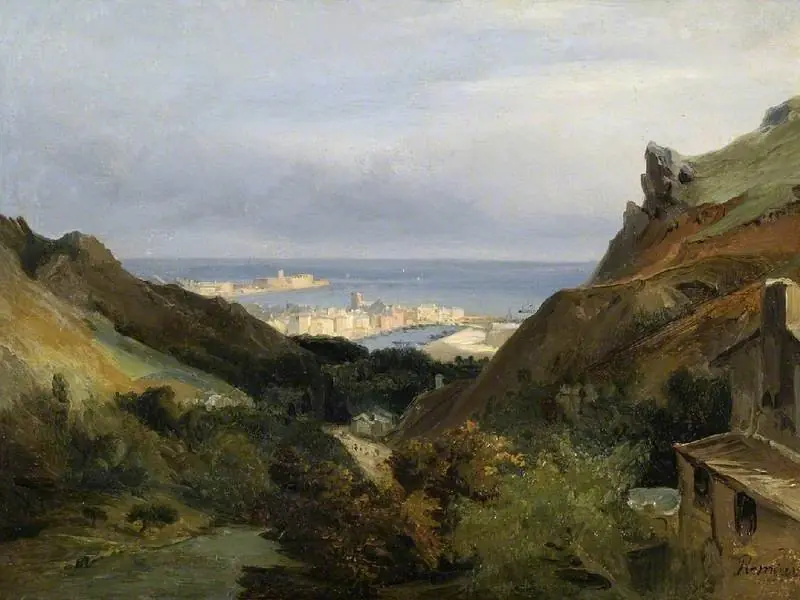
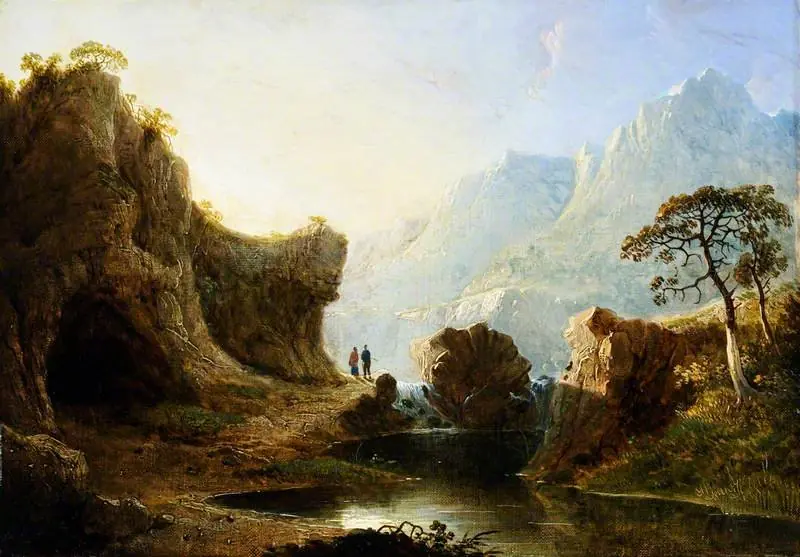
Mountain Landscape with Road to Naples is an oil painting by Jean-Charles-Joseph Rémond. It dates from 1821 and is held in the collection of the J. Paul Getty Museum.
About this work
Overview
Trained under Jean-Victor Bertin and Jean-Baptiste Regnault, he was recognized that year with the Prix de Rome, a prestigious award for emerging artists.
Jean-Charles-Joseph Rémond, a French artist born in Paris in 1795, produced this oil painting in 1821. Trained under Jean-Victor Bertin and Jean-Baptiste Regnault, he was recognized that year with the Prix de Rome, a prestigious award for emerging artists. The work belongs to a tradition of topographical landscapes that blend natural scenery with historical or literary associations, reflecting Rémond’s academic grounding and interest in structured composition.
Subject & Meaning
The painting presents a winding path through rugged mountains, guiding the viewer’s eye toward the distant horizon where Naples emerges in soft focus. The road, flanked by dense vegetation and rocky outcrops, suggests travel and transition, common motifs in 19th-century landscape art. While not depicting a specific historical event, the scene evokes the cultural and geographical significance of Naples as a destination for travelers and scholars of the era.
Technique & Style
Rémond employed oil paint with deliberate brushwork to model form and texture, particularly in the foreground’s rocks and foliage. Chiaroscuro is used to define spatial depth, contrasting shadowed valleys with sunlit ridges. The visible strokes lend a tactile quality to the surface, avoiding idealized smoothness. This approach aligns with academic landscape practices of the time, which valued careful observation and controlled rendering over romanticized drama.
History & Provenance
Created in 1821, the year Rémond won the Prix de Rome, the painting likely served as a demonstration of his skill in landscape composition. It remained in private hands until entering the collection of the J. Paul Getty Museum. Rémond exhibited regularly until 1848, after which he withdrew from public life. The painting’s survival and eventual acquisition reflect its status as a representative example of early 19th-century French academic landscape painting.
Context
In the early 1800s, French artists were encouraged to study classical and Italian landscapes as part of their training. Rémond’s depiction of Naples aligns with this pedagogical tradition, where topography was rendered with accuracy and symbolic weight. The road as a compositional device echoed classical narratives of journey and discovery, resonating with contemporary interests in archaeology, tourism, and the sublime in nature.
Legacy
Rémond’s body of work, though not widely known today, contributes to the understanding of academic landscape painting in post-Revolutionary France. His focus on structured, historically informed scenery contrasts with later Romantic or Impressionist approaches. This painting remains a quiet testament to the discipline and observational rigor valued in French art education during the early 19th century.
Own this work as a print
Artist & collection
Artist
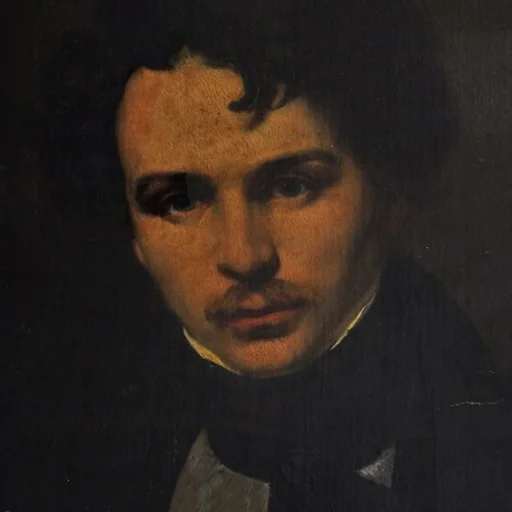
Jean-Charles-Joseph Rémond (born in Paris in 1795 and died in Paris in 1875) was a French painter, pupil of Jean-Victor Bertin and Jean-Baptiste Regnault.

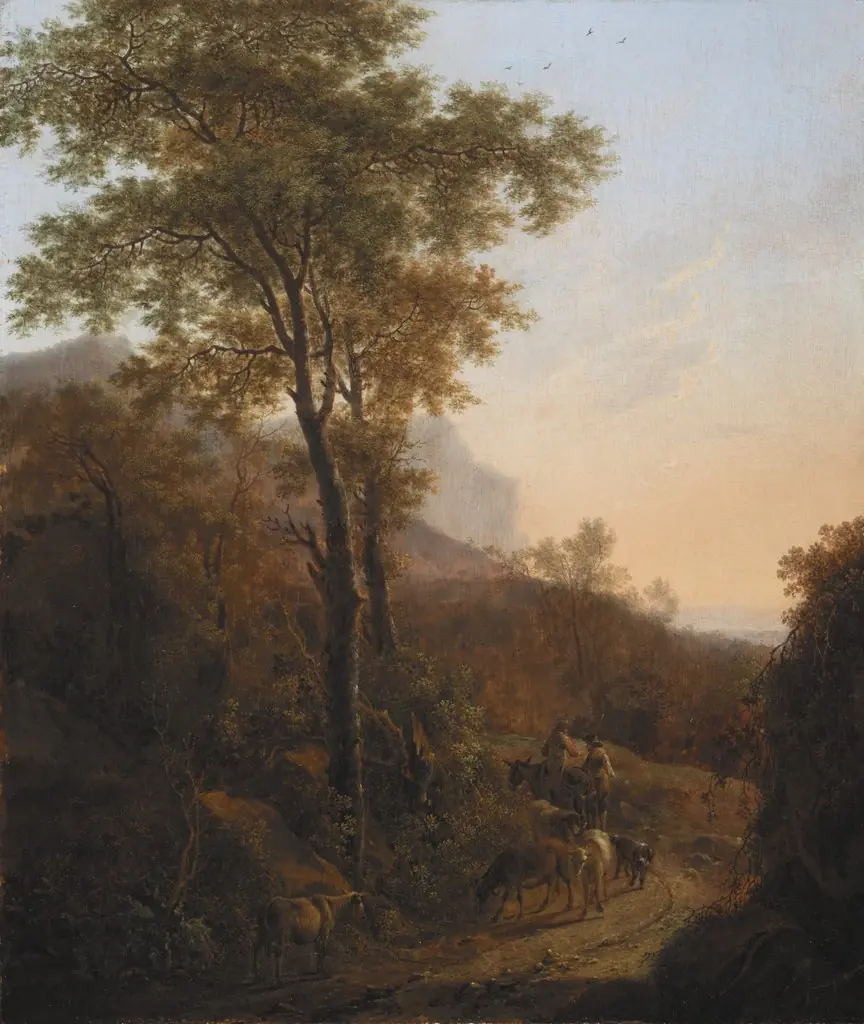 Italian Landscape
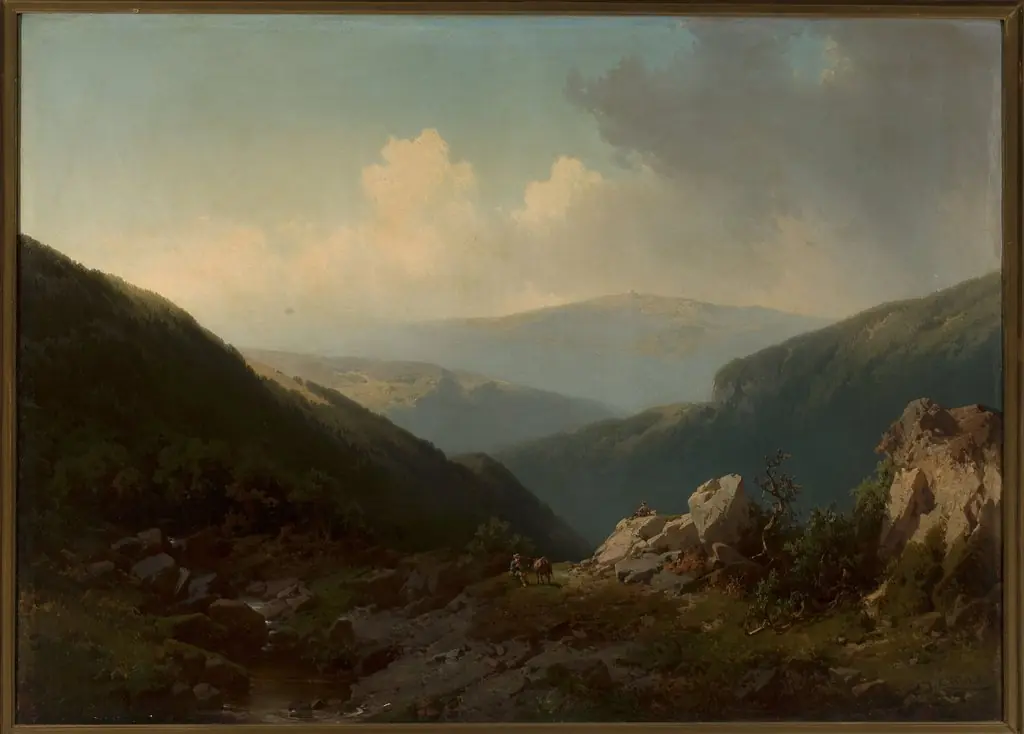 Mountain landscape
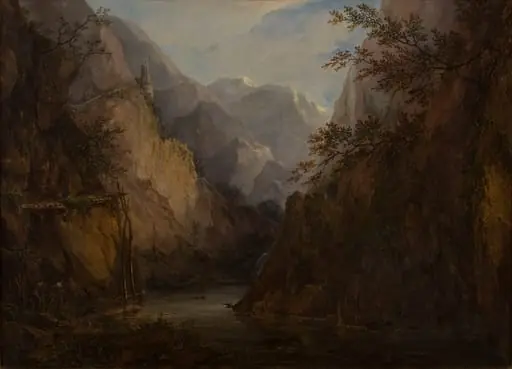 Norjalainen tunturimaisema
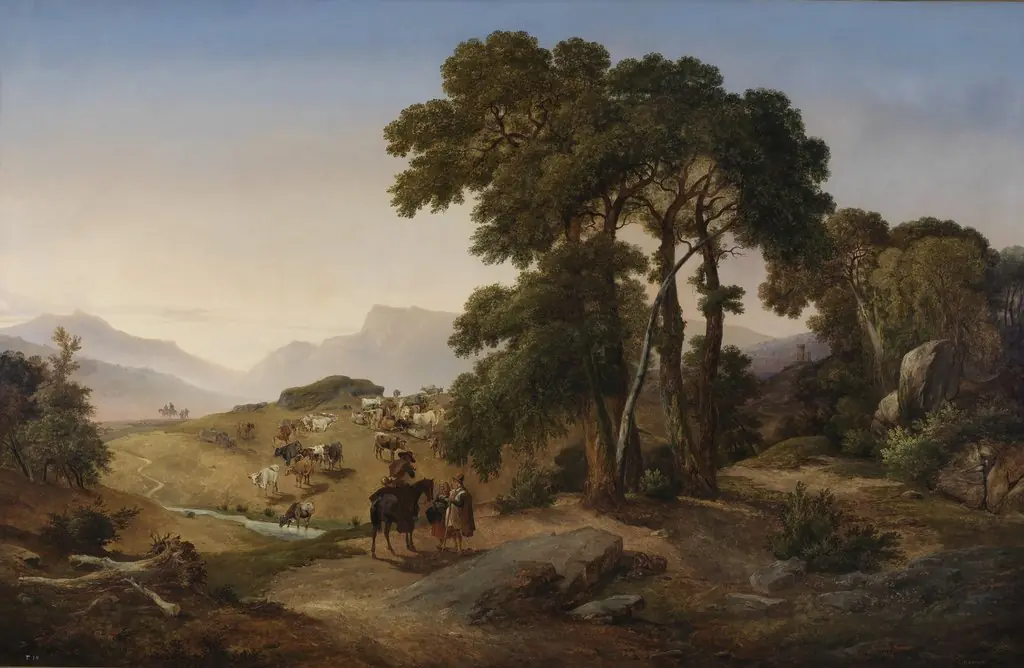 Landscape
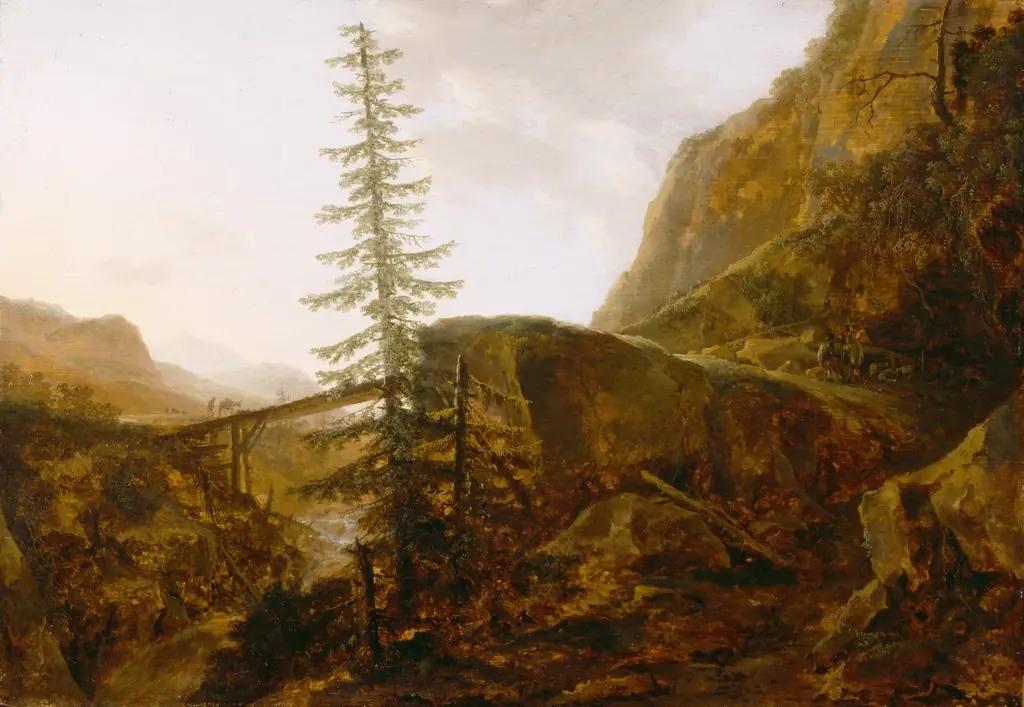 A Pass in the Apennines
 A Bridge near Sorrento
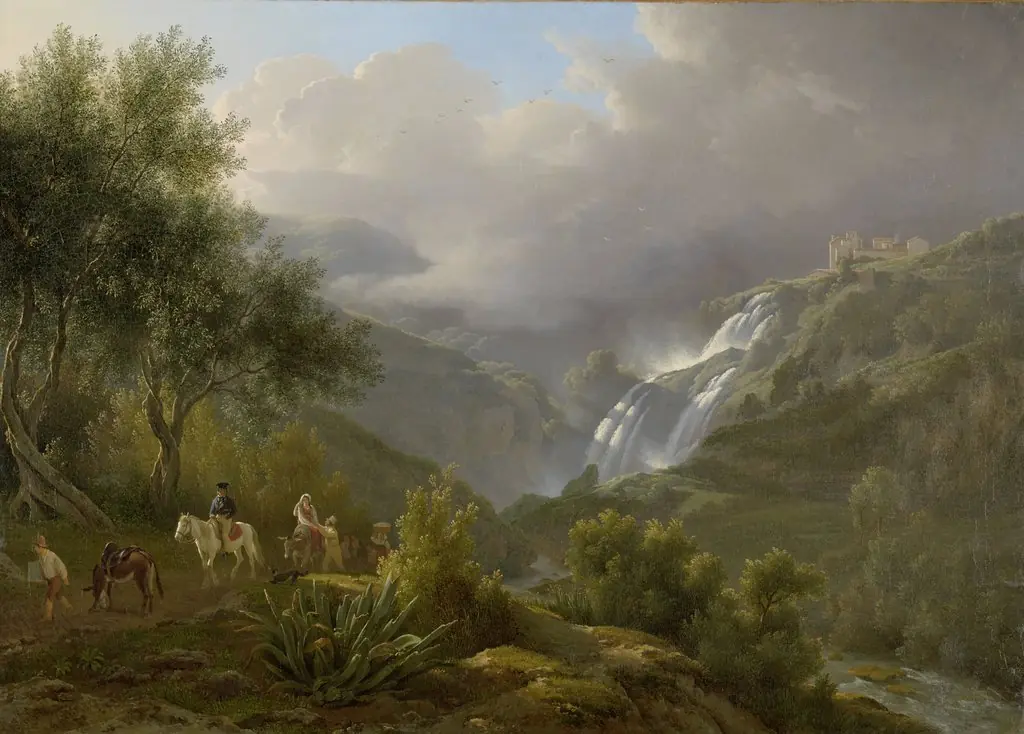 The Cascades at Tivoli, with a Storm Approaching
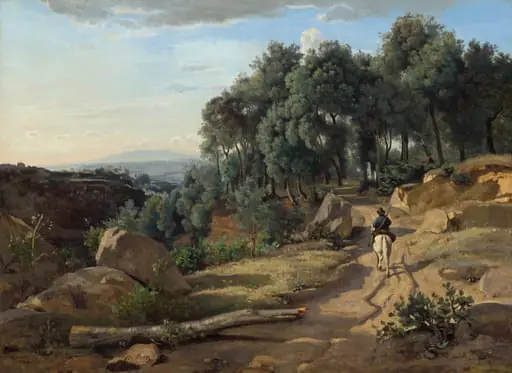 A View near Volterra
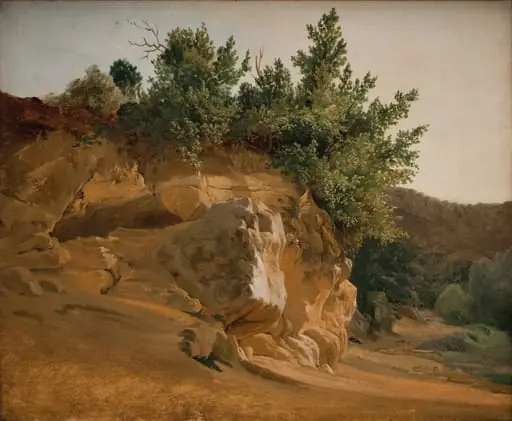 Italian Mountain Landscape with Overgrown Rock, probably near Olevano
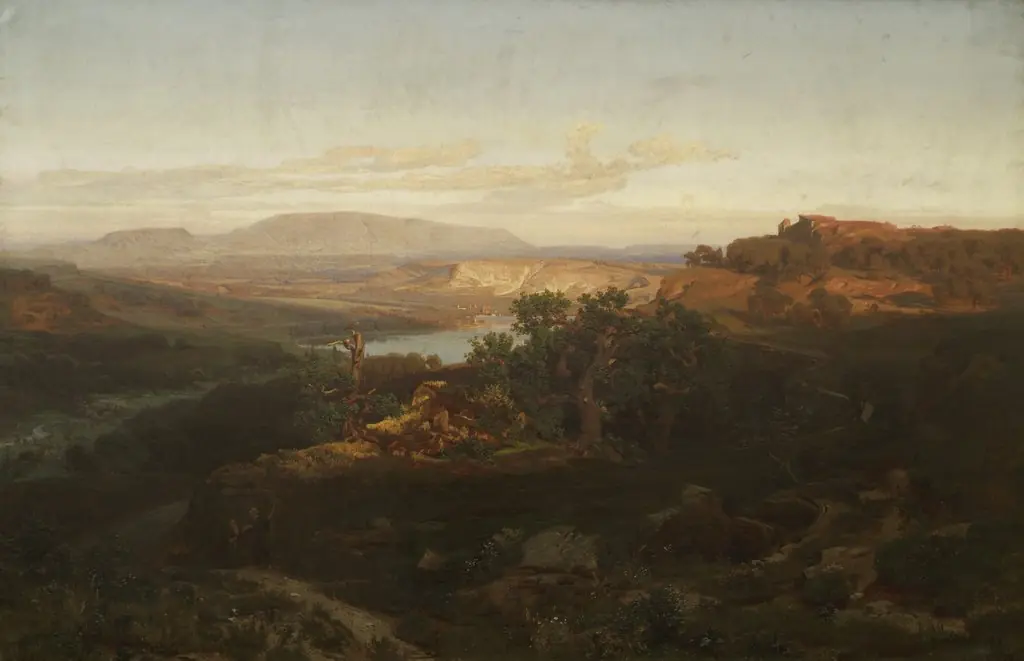 Gegend in der Rheinpfalz
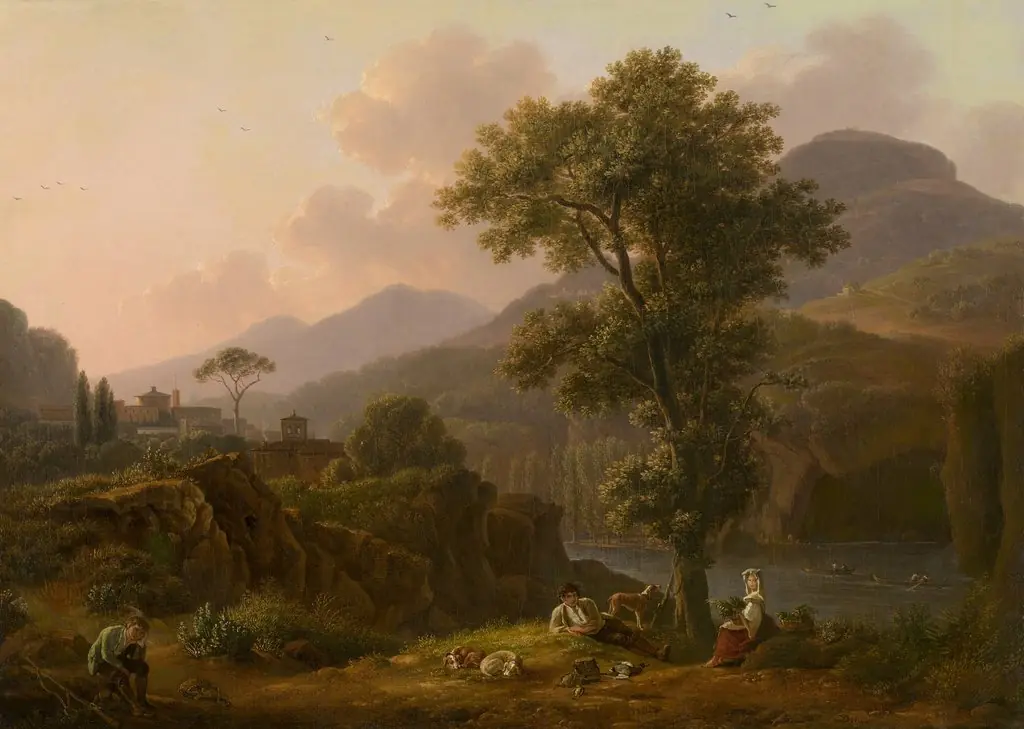 Italian Landscape
 Mountain Landscape with Rocks