Artwork
Pombal = (Colombier) Plantation de café d´une colonie neuchâteloise au Brésil
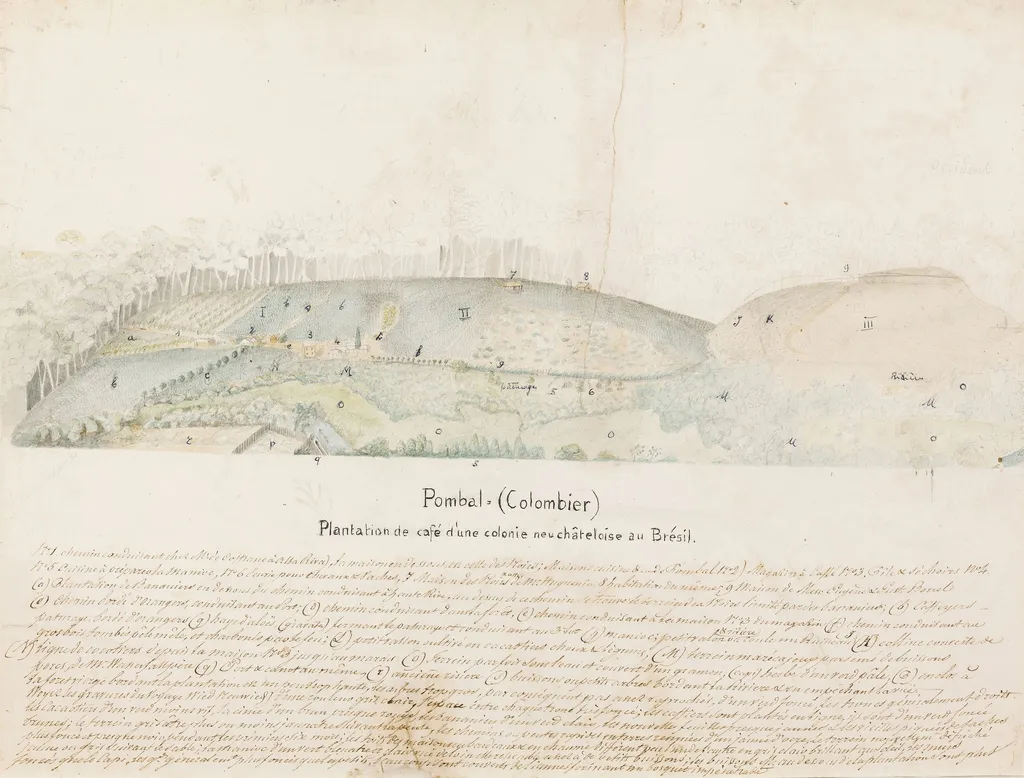
Pombal = (Colombier) Plantation de café d´une colonie neuchâteloise au Brésil is a graphite painting by Jean-Frédéric Bosset de Luze. It is held in the collection of the Fundação Estudar collection.
About this work
Overview
This graphite drawing by Jean-Frédéric Bosset de Luze captures a coffee plantation in colonial Brazil, specifically linked to a Neuchâtel Swiss settlement.
This graphite drawing by Jean-Frédéric Bosset de Luze captures a coffee plantation in colonial Brazil, specifically linked to a Neuchâtel Swiss settlement. The work is part of a series documenting overseas colonial ventures, rendered with quiet precision. It is currently held in the Pinacoteca do Estado de São Paulo, where it serves as a visual record of 19th-century agricultural expansion beyond Europe.
Subject & Meaning
The scene portrays a rural coffee estate in Bahia, featuring cultivated fields, modest structures, and distant forested hills. The composition reflects the economic ambitions of Swiss colonists in Brazil, emphasizing orderly land use amid natural terrain. The absence of human figures underscores the landscape as a site of enterprise rather than daily life, suggesting a detached, observational stance typical of colonial documentation.
Technique & Style
Executed in graphite, the drawing employs subtle tonal gradations to suggest spatial depth. Variations in line weight and shading model the rolling topography, with lighter hues receding into the horizon. The artist avoids dramatic contrasts, favoring a restrained palette of greens and browns that mirrors the muted natural environment. This method prioritizes topographical clarity over emotional expression.
History & Provenance
Created during Bosset de Luze’s time in Brazil, the work originated as part of a Swiss colonial project in the early 1800s. It was likely produced for administrative or promotional purposes, documenting land use by Neuchâtel settlers. The drawing eventually entered the Pinacoteca do Estado de São Paulo’s collection, where it remains as a rare visual artifact of European colonial activity in Brazil.
Context
In the early 19th century, Swiss emigrants established agricultural colonies in Brazil, drawn by land grants and the promise of coffee cultivation. This drawing reflects broader European interest in tropical economies and the role of cartographic and pictorial records in legitimizing colonial claims. Unlike romanticized landscapes, it presents a functional view of land as productive resource.
Legacy
The drawing endures as a documentary artifact rather than a celebrated artistic work. It contributes to scholarly understanding of Swiss diaspora efforts in Latin America and the visual strategies used to represent colonial agriculture. Its significance lies in its evidentiary value, offering insight into how land was perceived, mapped, and claimed by foreign settlers.
Artist & collection
Artist
Jean-Frédéric Bosset de Luze was a Swiss engineer who spent years mapping Brazil’s coffee plantations in crisp pencil-and-paper views.
![The Siege of La Rochelle [plate 7 of 16; set comprises 1952.8.97-112], by Jacques Callot](https://artifactworldgallery.com/img/jacques-callot--the-siege-of-la-rochelle-plate-7-of-16-set-comprises-1952-8--ed3ab4aaddd2281d-w320.webp) The Siege of La Rochelle [plate 7 of 16; set comprises 1952.8.97-112]
The Siege of La Rochelle [plate 7 of 16; set comprises 1952.8.97-112]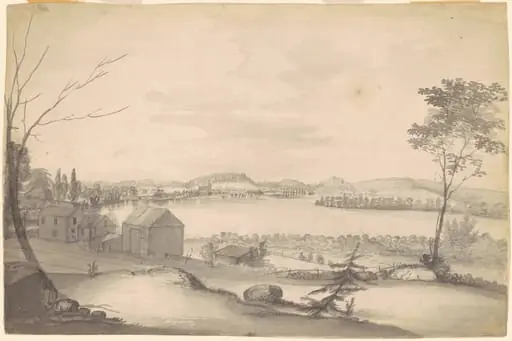 Study for "View of Springfield on the Connecticut River"
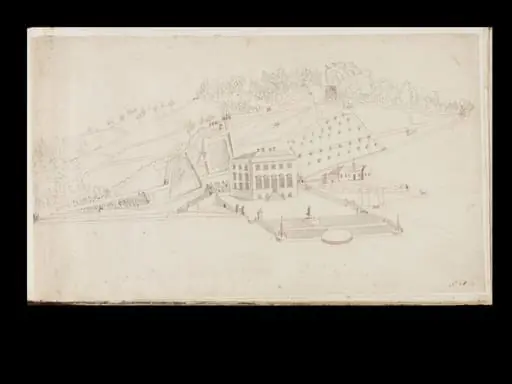 View of Painswick House and Gardens, Gloucestershire
![Rathgar Castle, 1 1/2 miles from Dublin [...], by Gabriel, ca.1729-1817 Beranger](https://artifactworldgallery.com/img/gabriel-ca-1729-1817-beranger--rathgar-castle-1-1-2-miles-from-dublin--17cfe3f4e70405c2-w320.webp) Rathgar Castle, 1 1/2 miles from Dublin [...]
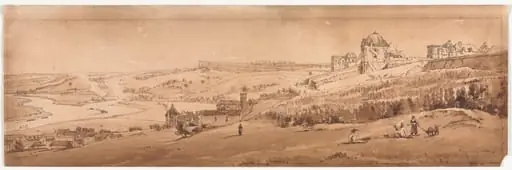
Rathgar Castle, 1 1/2 miles from Dublin [...]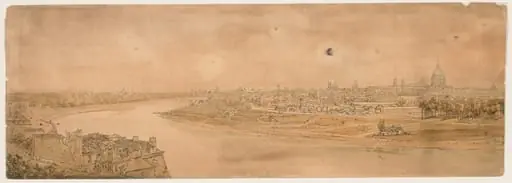 A Selection of Twenty of the Most Picturesque Views in Paris: A General View of Paris, taken from Chaillot
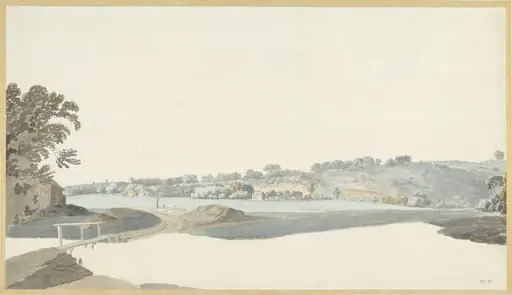
 A Selection of Twenty of the Most Picturesque Views in Paris: View from Palace Terrace at St. Germain-en-Laye, the Aqueduct of Marli seen in the Distance
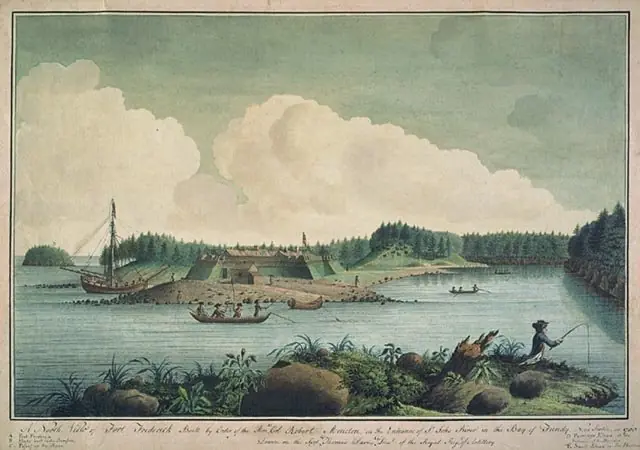
 Sketch of a common with houses
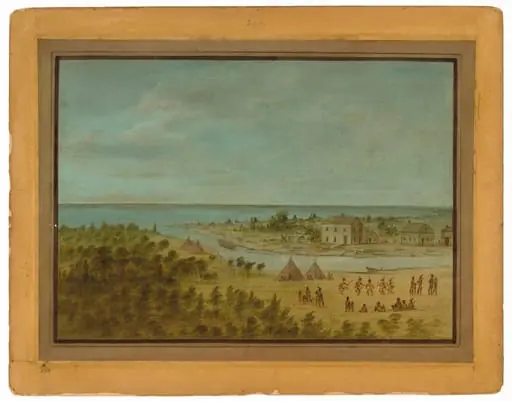
 A North View of Fort Frederick Built by Order of the Honourable Colonel Robert Monckton, on the Entrance of the St. John's River in the Bay of Fundy, Nova Scotia
 View of Chicago in 1837
 Kasim Pasa, the former Ottoman Naval Arsenal, from the Golden Horn
![The Siege of Breda [plate 4 of 6], by Jacques Callot](https://artifactworldgallery.com/img/jacques-callot--the-siege-of-breda-plate-4-of-6--3e777c648194dcba-w320.webp) The Siege of Breda [plate 4 of 6]
The Siege of Breda [plate 4 of 6] Preparatory drawing for a Panorama of Paris from the Seine