Artwork
Going to work
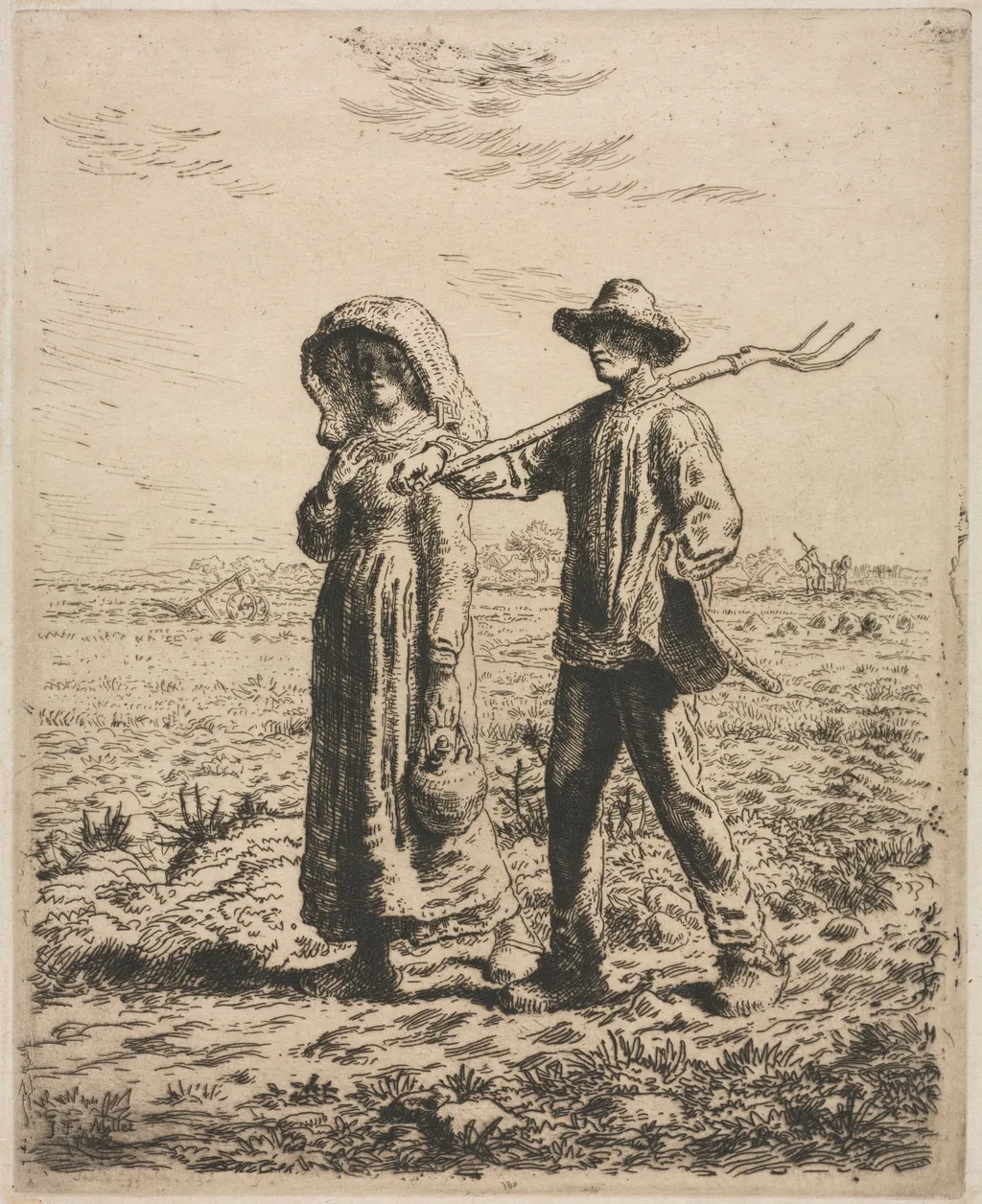
Going to work is a print by the Impressionist artist Jean François Millet. It dates from 1863 and is held in the collection of the Cleveland Museum of Art.
About this work
Overview
Going to Work, a print by Jean-François Millet, dates to 1863. As a leading figure of the Barbizon school and Realism, Millet emphasized the daily lives of rural workers in 19th-century France.
Subject & Meaning
The print depicts two peasants walking through a field, capturing an unremarkable moment in their daily routine. The subjects' attire and tools (a long dress and bonnet, a wide-brimmed hat and shoulder-borne tool) underscore their laborer status, highlighting Millet's focus on everyday peasant experiences.
Technique & Style
Millet employed simple, expressive lines to convey the texture of the peasants' clothing and the rough terrain. The composition's subdued tone and lack of grandeur align with Realist principles, prioritizing authenticity over embellishment.
History & Provenance
Created in 1863, *Going to Work* is characteristic of Millet's mid-career output within the Realist movement. Specific provenance details are not provided.
Context
This work reflects the broader Realist movement's shift in focus towards the lives of common people, particularly rural laborers, during the mid-19th century in France.
Artist & collection
Artist
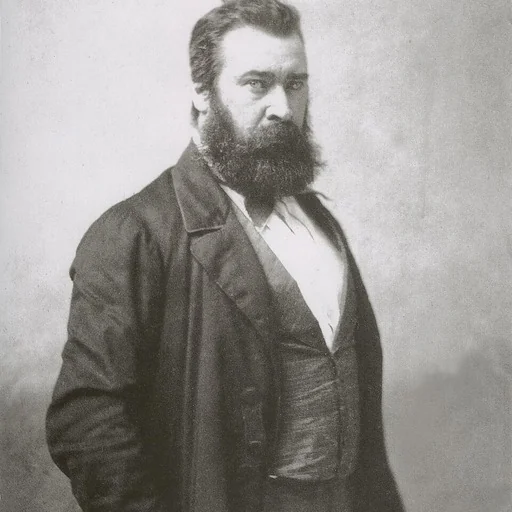
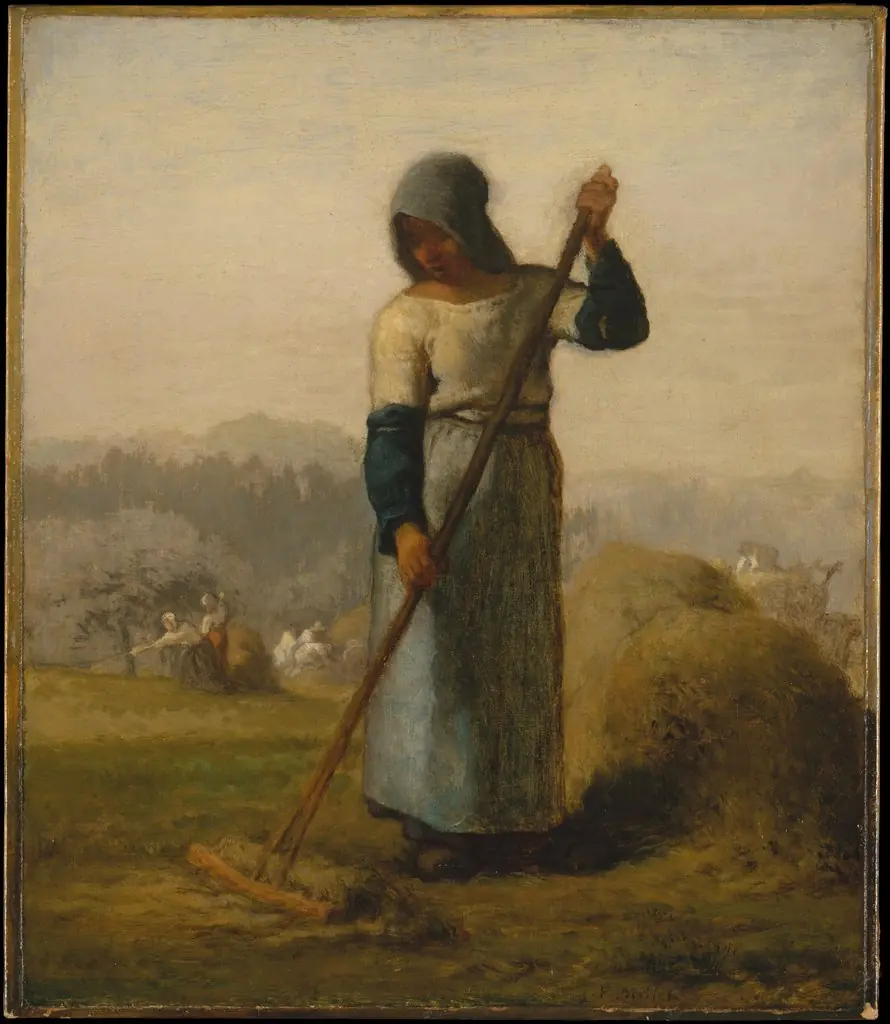
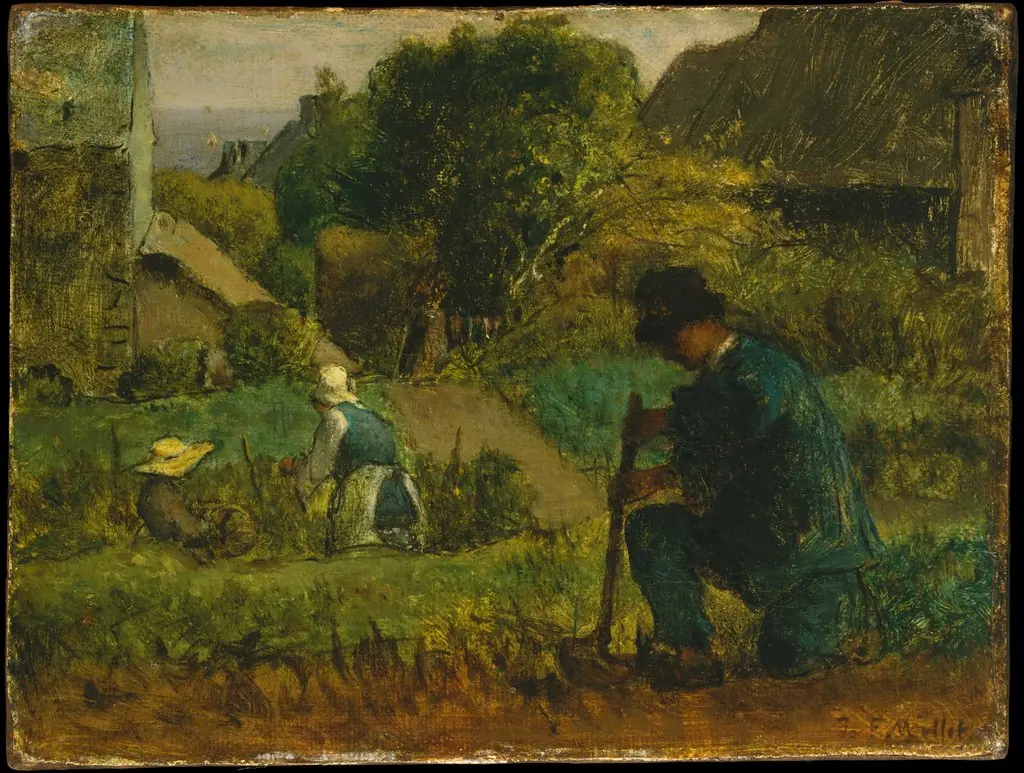
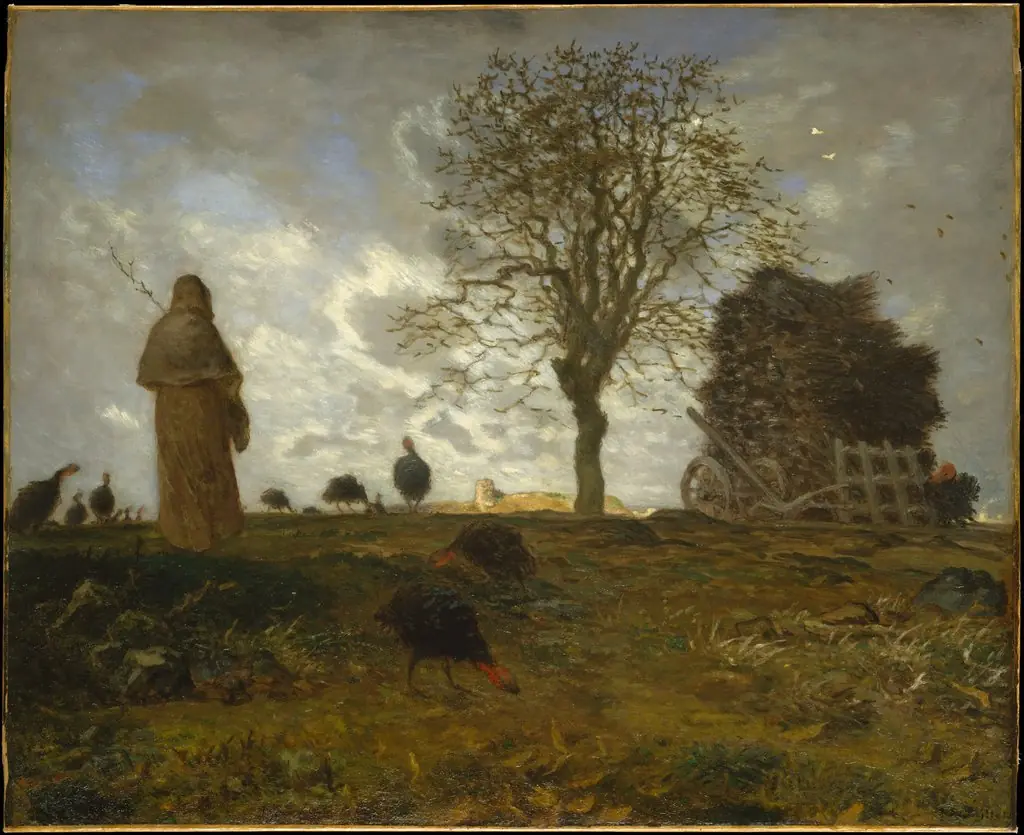
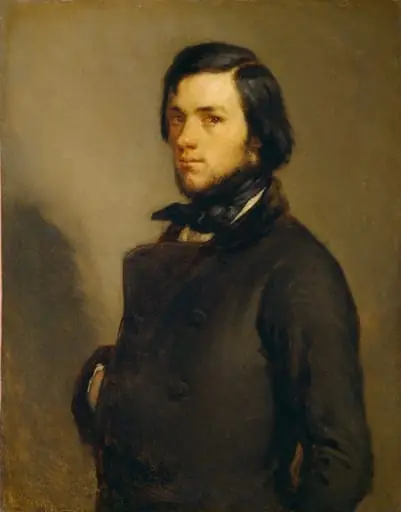
Jean-François Millet (French pronunciation: ; 4 October 1814 – 20 January 1875) was a French painter and one of the founders of the Barbizon school in rural France.

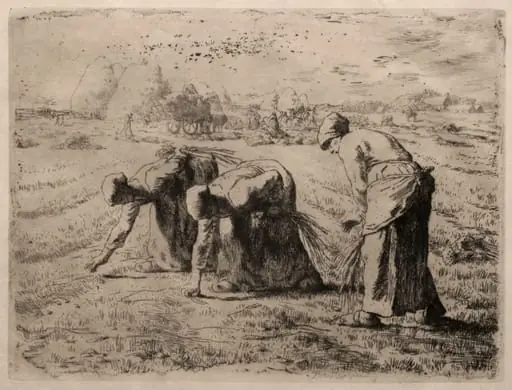 The Gleaners
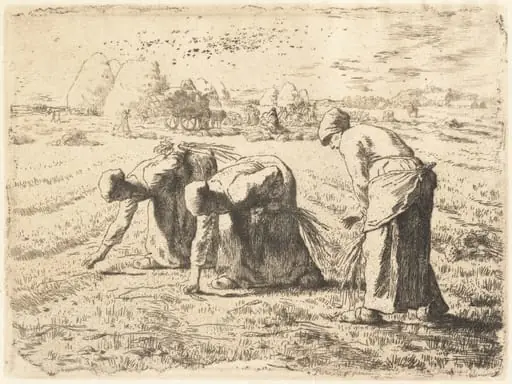 The Gleaners (Les Glanenses)
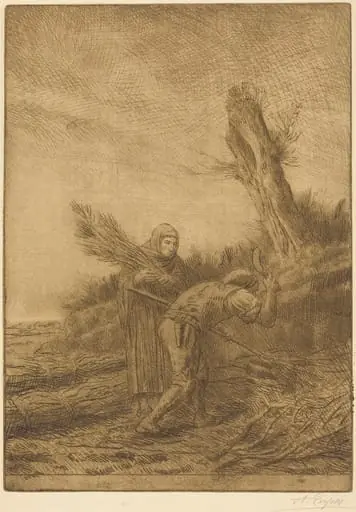 Fagot-makers (Les faiseurs de fagots)
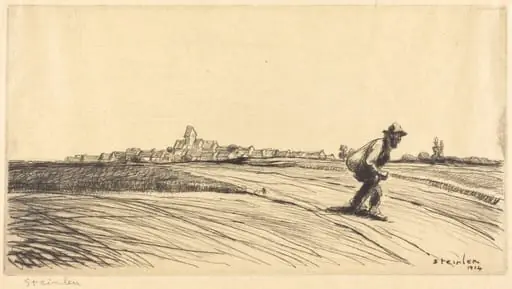 Tramp with Bundle (Le chemineau a la besace)
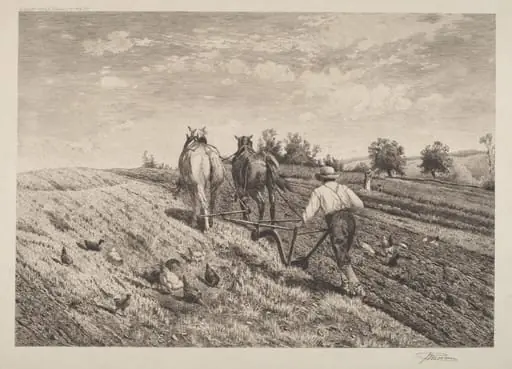 The Ploughman
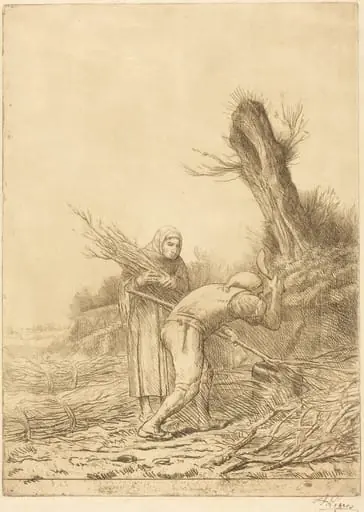 Fagot-makers (Les faiseurs de fagots)
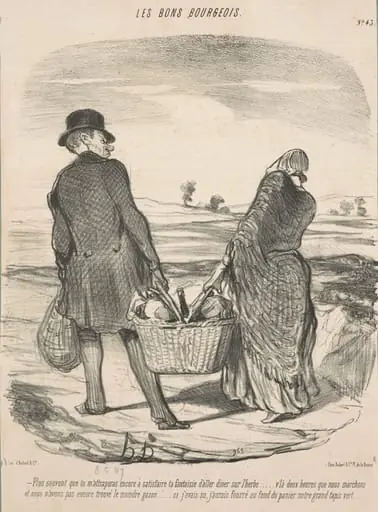 Plus souvent que tu m'attraperas encore à satisfaire ta fantaisie d'aller dîner sur l'herbe . . . V'là deux heures que nous marchons et nous n'avons pas encore trouvé le moindre qazon . . . Si j'avais su, j'aurais fourré au fond du panier notre grand tapis vert.
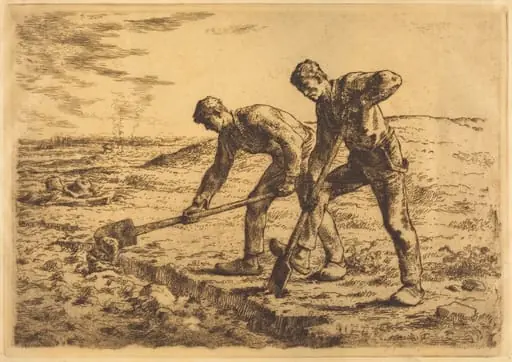 The Diggers (Les becheurs)
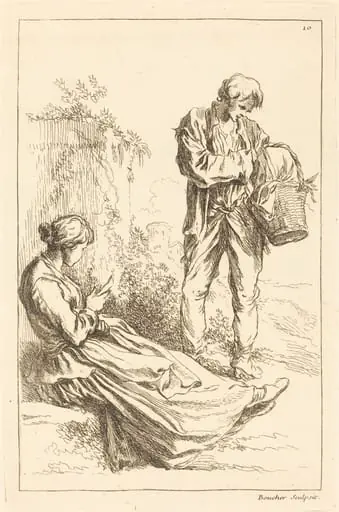 Seated Woman with Peasant Boy Holding a Basket
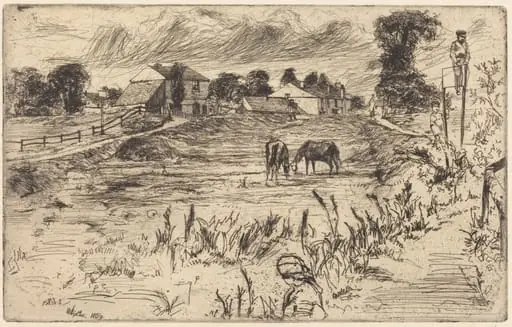 Landscape with Horses