Artwork
The Large Shepherdess
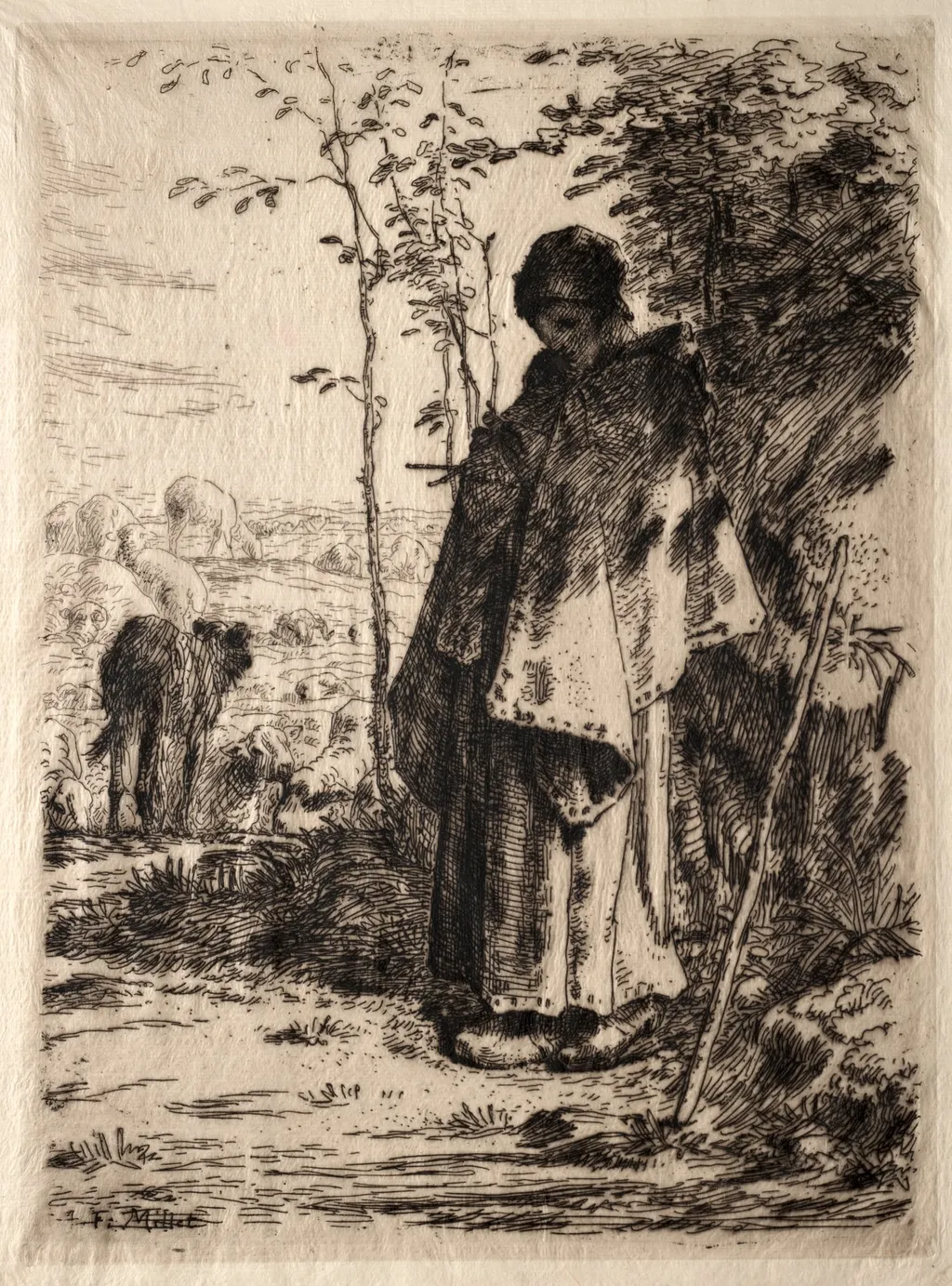
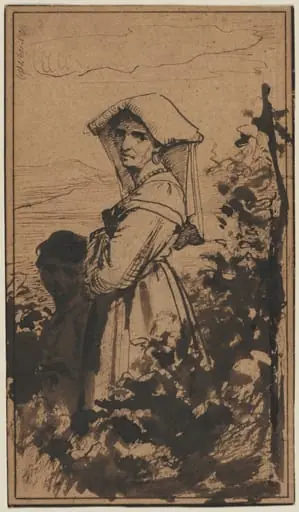
The Large Shepherdess is a print by the Impressionist artist Jean François Millet. It dates from 1862 and is held in the collection of the Cleveland Museum of Art.
About this work
Overview
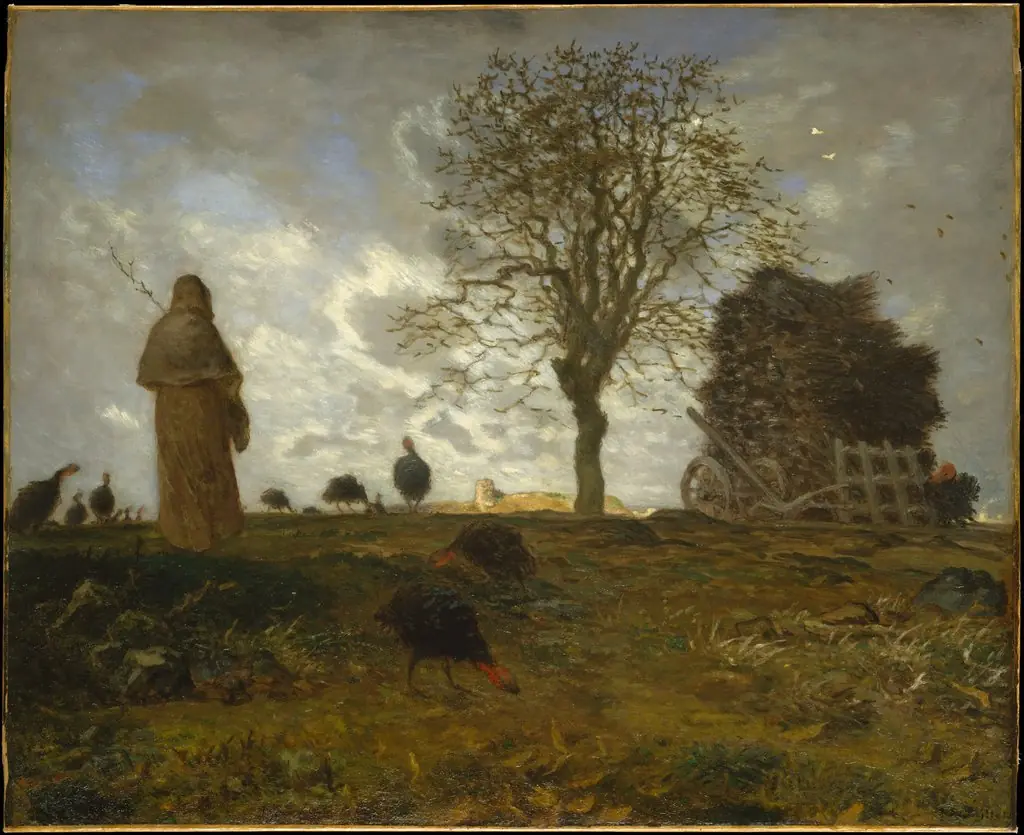
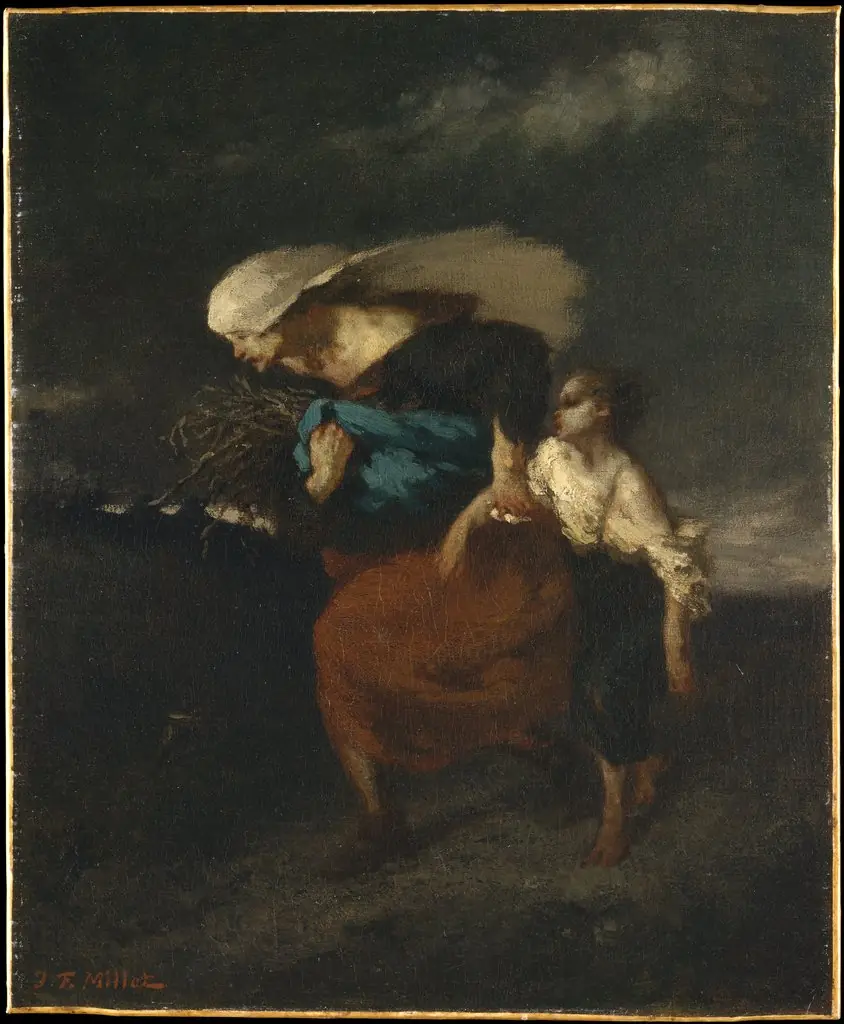
Created in 1862 by Jean-François Millet, *The Large Shepherdess* is a charcoal drawing that captures a solitary rural figure in a quiet moment of rest. As a key figure in the Barbizon school, Millet turned his attention to the lives of agricultural workers, and this work exemplifies his commitment to portraying laborers with dignity and quiet presence, before his later focus on landscape alone.
Subject & Meaning
Millet avoids sentimentality, instead presenting her as part of the land—enduring, unremarked upon, yet central to the rhythm of rural existence.
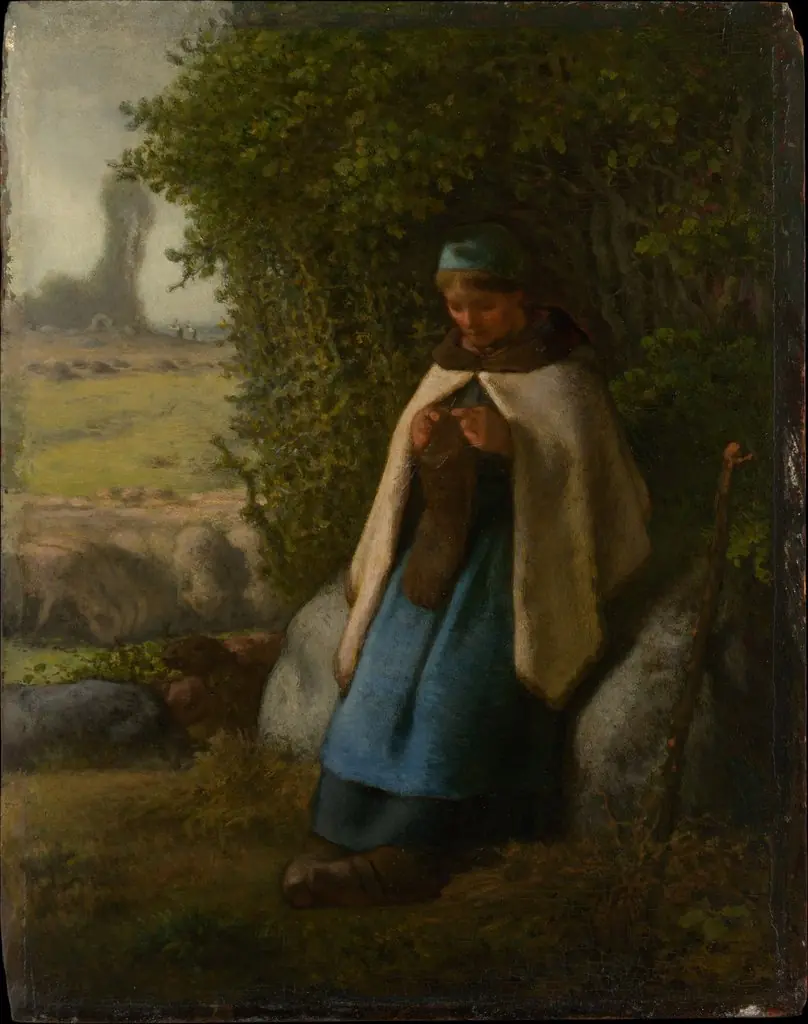
The figure is a shepherdess, dressed in a heavy coat and wide hat, leaning on a staff as she gazes into the distance. Her posture suggests fatigue or contemplation, not idealized romance. The grazing cow and uneven terrain reinforce the harshness of her environment. Millet avoids sentimentality, instead presenting her as part of the land—enduring, unremarked upon, yet central to the rhythm of rural existence.
Technique & Style
Millet employed simple, direct lines and tonal shading to render texture and form. The folds of the shepherdess’s coat and the tangled grass are suggested with economical strokes, avoiding detail in favor of atmospheric suggestion. This restrained approach aligns with Realist principles, prioritizing truth over ornament, and emphasizing the physical weight of both figure and landscape through subtle gradations of light and shadow.
History & Provenance
The drawing entered the collection of the Cleveland Museum of Art in the 20th century, where it remains today. While its exact provenance prior to acquisition is not fully documented, its inclusion in the museum’s holdings reflects broader early 20th-century interest in 19th-century French Realism and the growing recognition of works on paper as significant artistic statements.
Context
In the 1860s, Millet was deeply engaged with rural subjects, responding to social and political shifts in post-revolutionary France. While urban centers embraced modernity, artists like Millet turned to the countryside, documenting laborers with a seriousness previously reserved for historical or religious themes. This work sits within that broader effort to elevate the visibility of peasant life in art.
Legacy
Millet’s focus on the dignity of rural labor influenced later generations of artists, including those in the Social Realist tradition. *The Large Shepherdess* exemplifies his ability to convey quiet resilience through minimal means. Though not widely exhibited, it remains a testament to his commitment to portraying the unseen rhythms of agricultural life with unembellished honesty.
Artist & collection
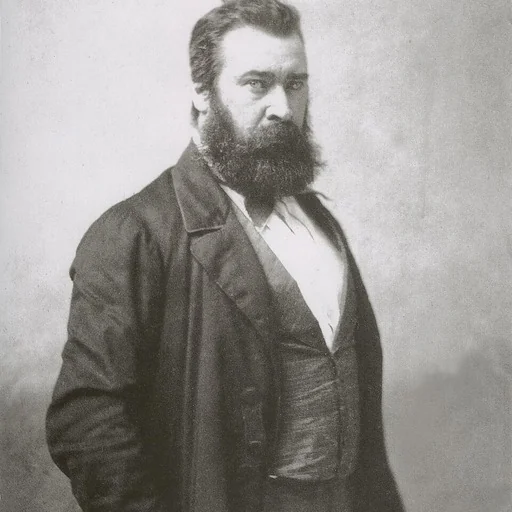
Artist
Jean-François Millet (French pronunciation: ; 4 October 1814 – 20 January 1875) was a French painter and one of the founders of the Barbizon school in rural France.