Artwork
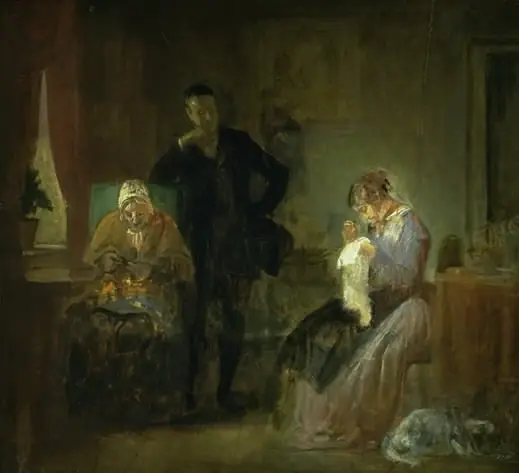
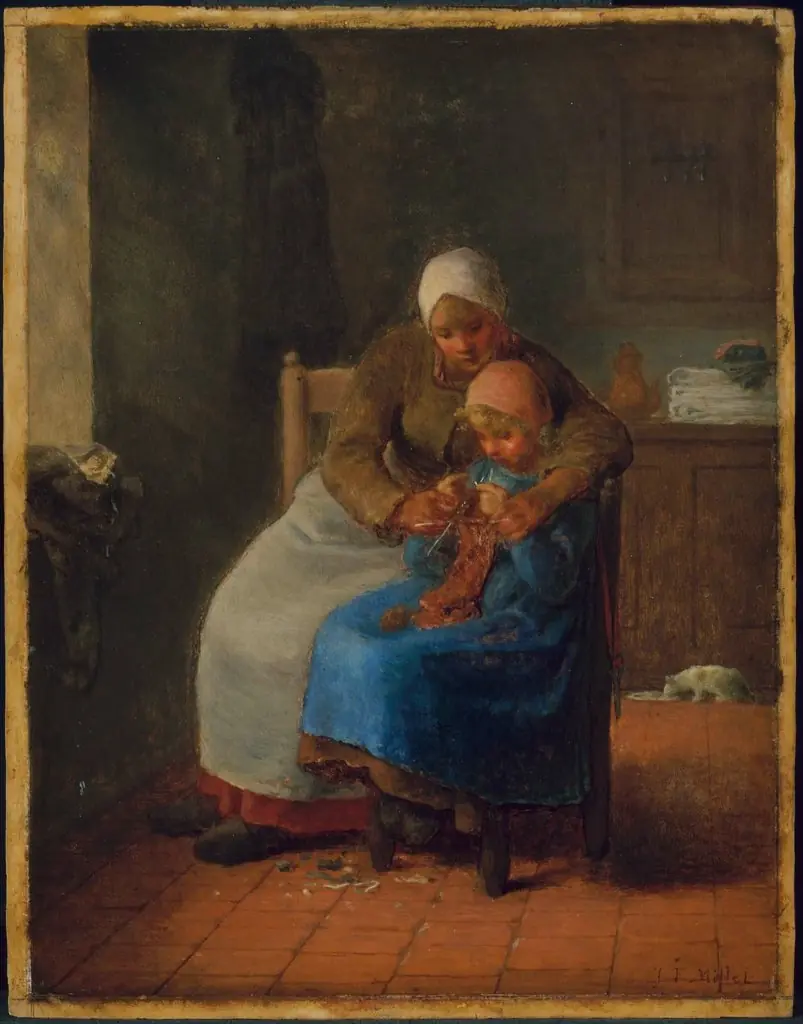
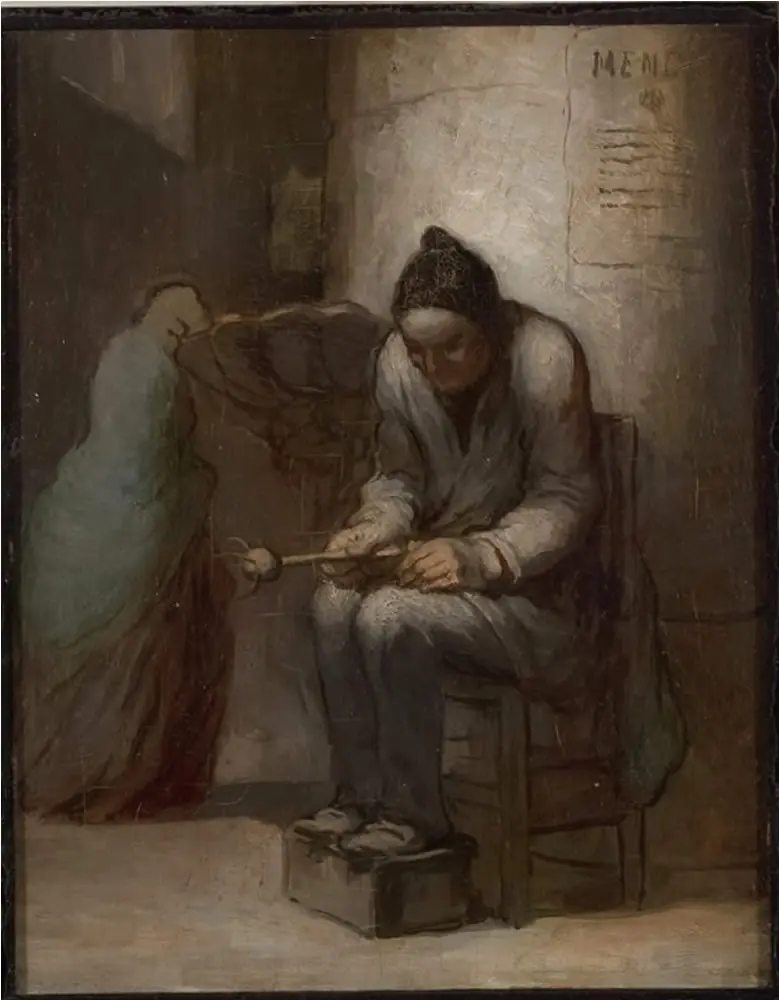
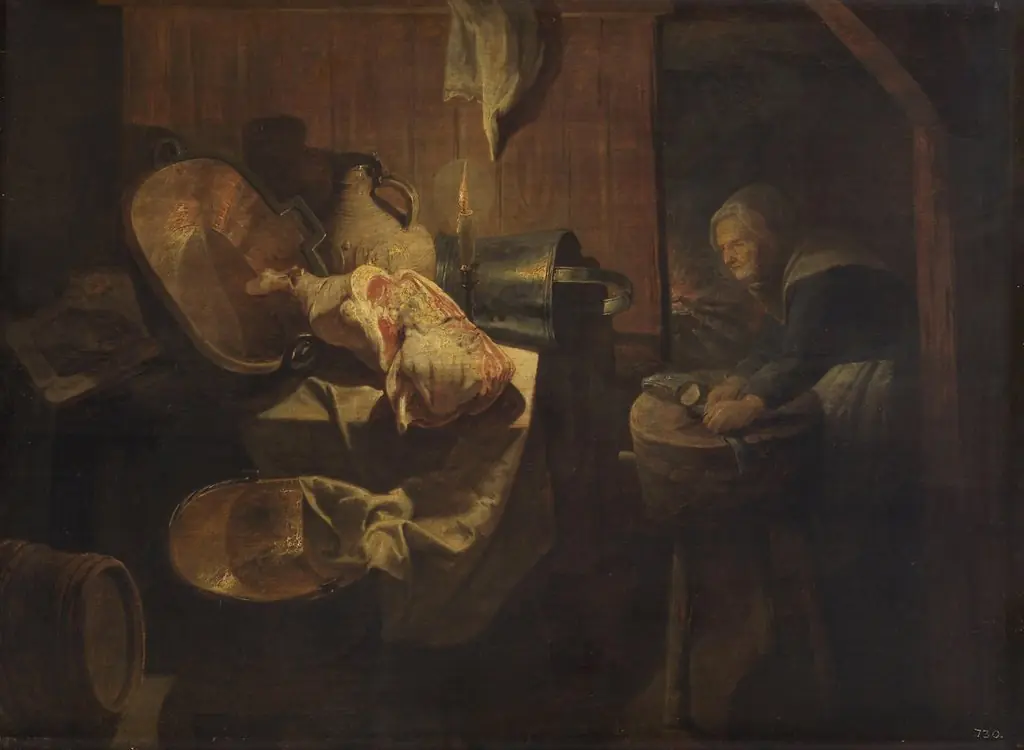
Women Sewing by Lamplight (La Veillée)
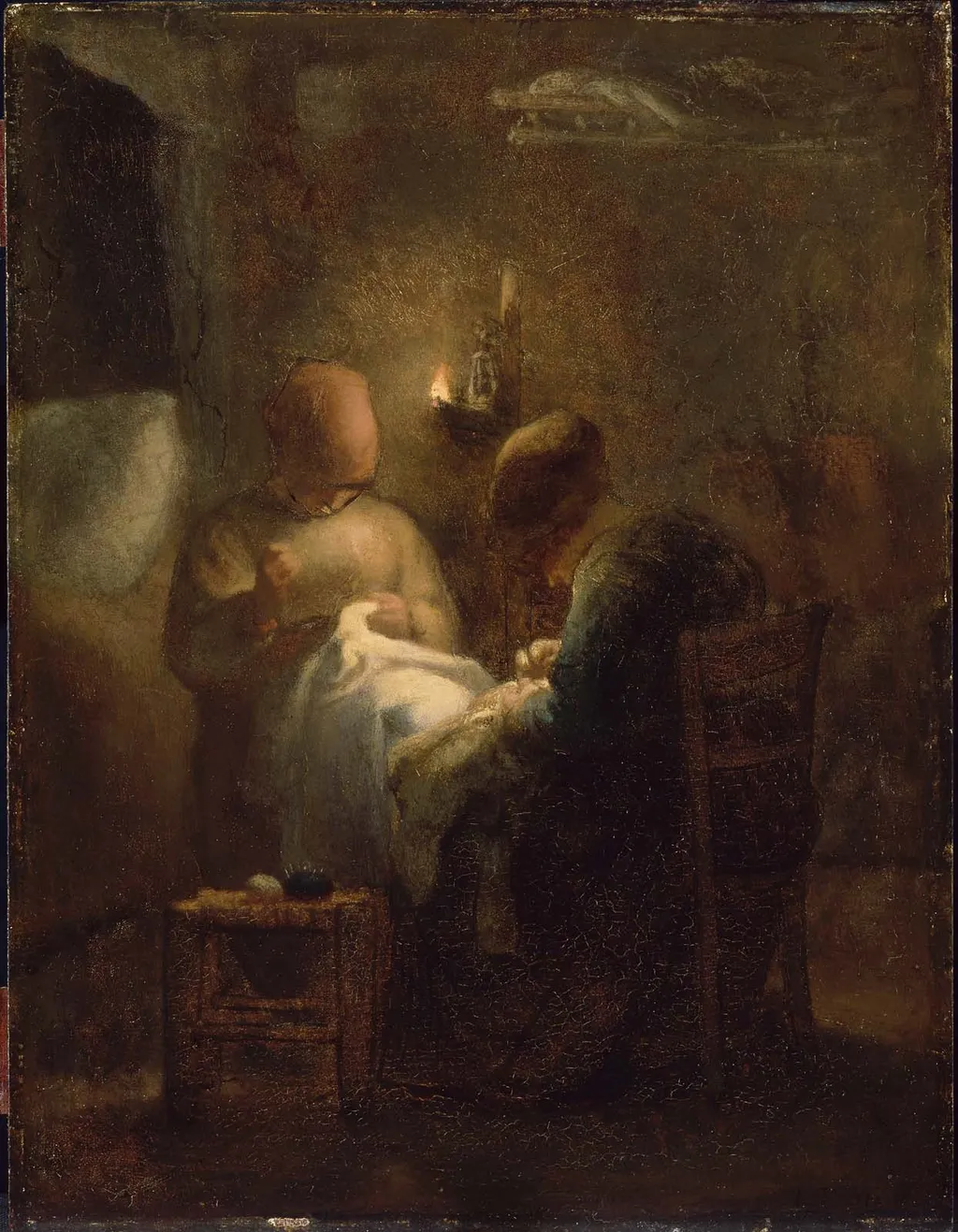
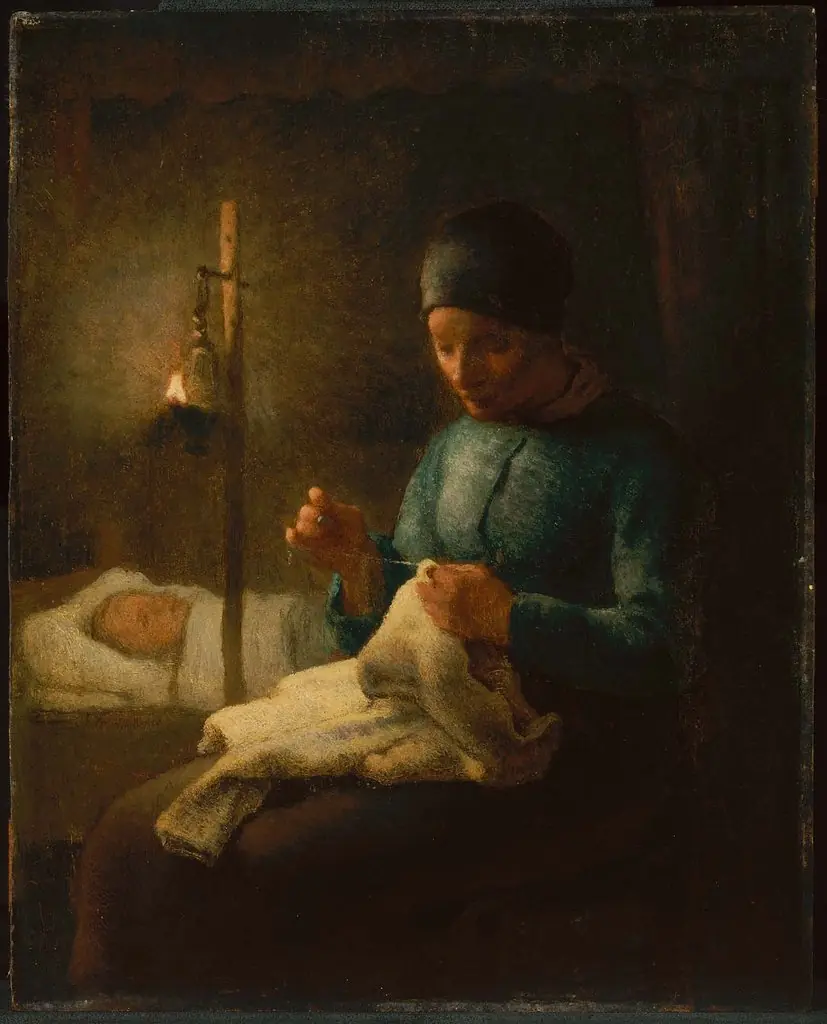
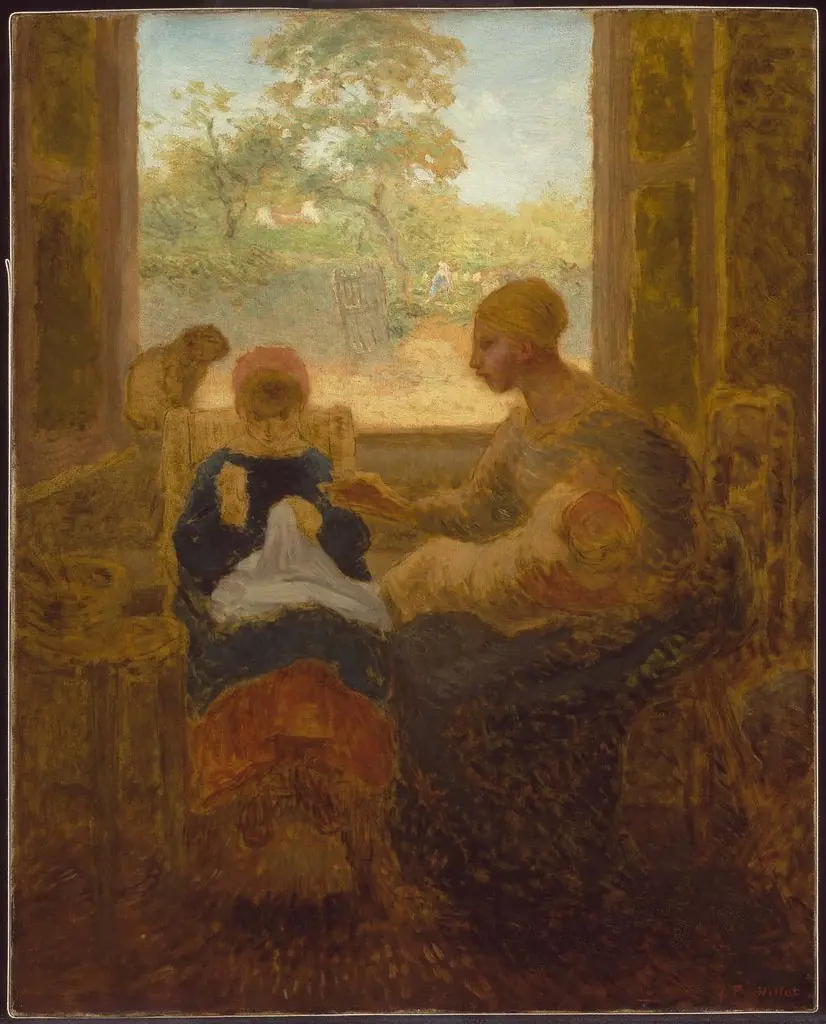
Women Sewing by Lamplight (La Veillée) is an unspecified painting by the Realist artist Jean François Millet. It dates from 1854 and is held in the collection of the Museum of Fine Arts Boston.
About this work
Overview
Painted around 1854 by Jean-François Millet, *Women Sewing by Lamplight (La Veillée)* is an oil work that captures a quiet domestic moment in rural France.
Painted around 1854 by Jean-François Millet, *Women Sewing by Lamplight (La Veillée)* is an oil work that captures a quiet domestic moment in rural France. As a central figure in the Barbizon school, Millet turned away from romanticized narratives to depict the unadorned rhythms of peasant life. This piece belongs to a group of intimate interiors where labor and rest merge under artificial light, emphasizing dignity in ordinary routines.
Subject & Meaning
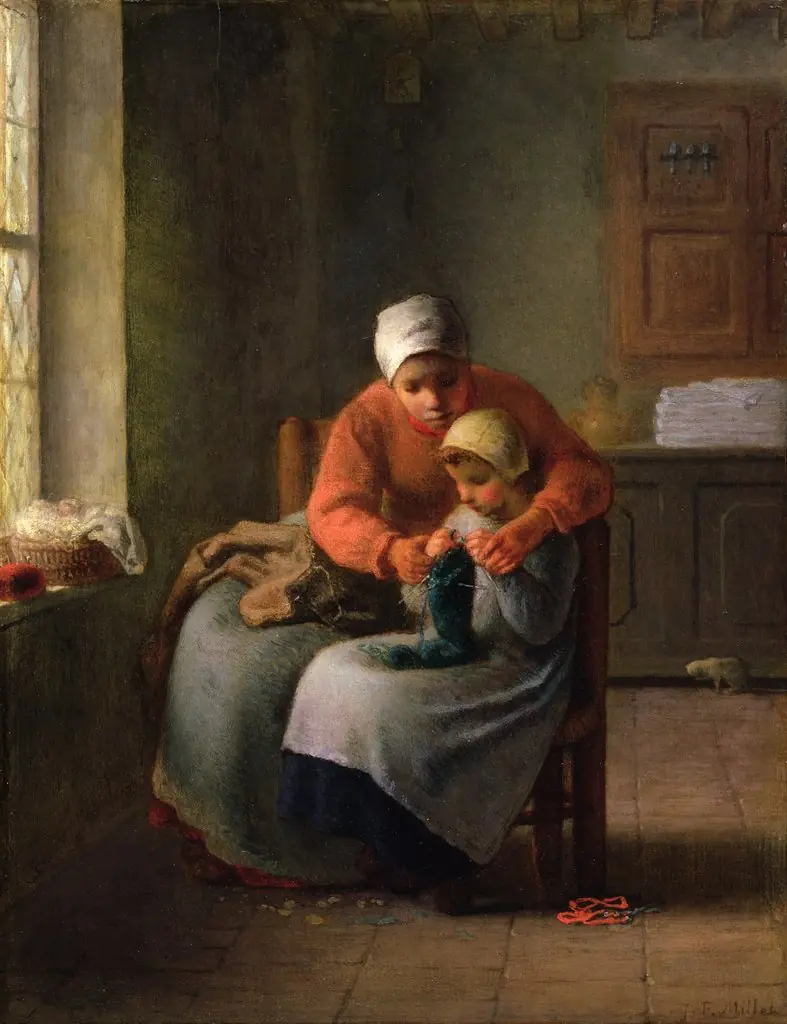
Two women sit in near darkness, bent over needlework illuminated only by a single lamp. Their focused posture suggests not just task completion but endurance—sewing as a nightly necessity rather than leisure. The absence of ornament or distraction underscores the weight of daily toil, while the shared space implies solidarity among women whose labor sustained households beyond daylight hours.
Technique & Style
Millet employs chiaroscuro to define form and mood, using the lamp’s glow to isolate faces and hands against deep shadows. His brushwork is restrained yet textured, rendering woolen garments and rough wood with subtle tonal shifts rather than detail. The palette is muted—ochres, browns, and grayed whites—reinforcing the scene’s somber realism and rejecting theatricality in favor of atmospheric truth.
History & Provenance
Created during Millet’s most productive period in Barbizon, the painting emerged from his sustained study of rural laborers after moving from Paris. It was likely exhibited in the 1850s Salon, where his unidealized depictions drew both praise and criticism. The work remained in private French collections until entering a public museum in the early 20th century, where it is now held as part of a broader collection of 19th-century Realist works.
Context
In mid-19th century France, industrialization and urban migration reshaped rural life. Millet’s focus on peasant interiors countered the dominant academic preference for mythological or aristocratic subjects. By portraying women engaged in quiet labor, he aligned with broader social inquiries into class and labor, offering a visual counterpoint to the era’s rapid modernization.
Legacy
The painting contributed to a shift in artistic priorities, validating everyday rural life as worthy of serious representation. Millet’s approach influenced later Realists and even early 20th-century social painters who sought to document labor without sentimentality. Its restrained composition and emotional gravity continue to inform discussions on the ethics and aesthetics of depicting marginalized lives.
Artist & collection
Artist
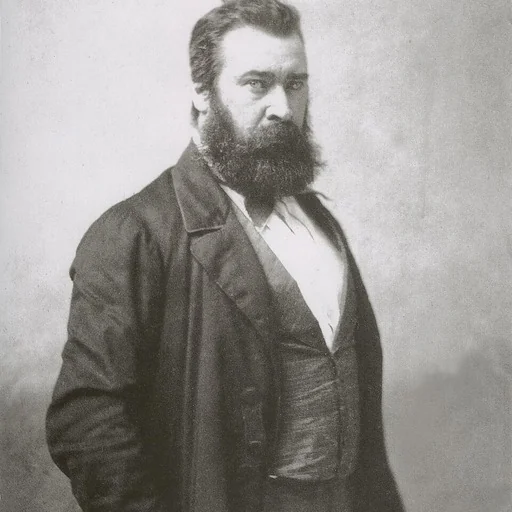
Jean-François Millet (French pronunciation: ; 4 October 1814 – 20 January 1875) was a French painter and one of the founders of the Barbizon school in rural France.