Artwork
Elisabeth Charlotte of the Palatinate, Duchess of Orléans, and Her Children
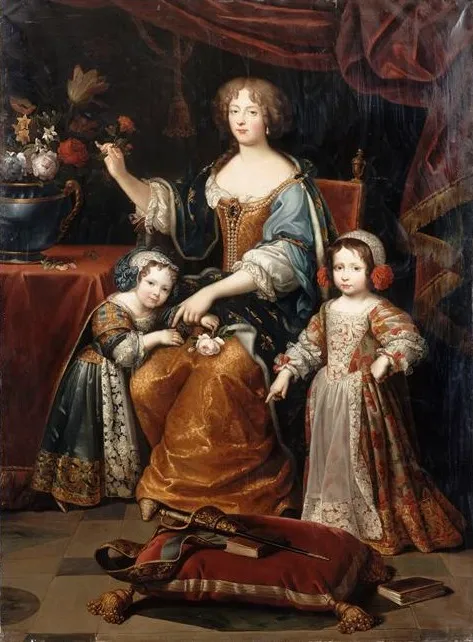
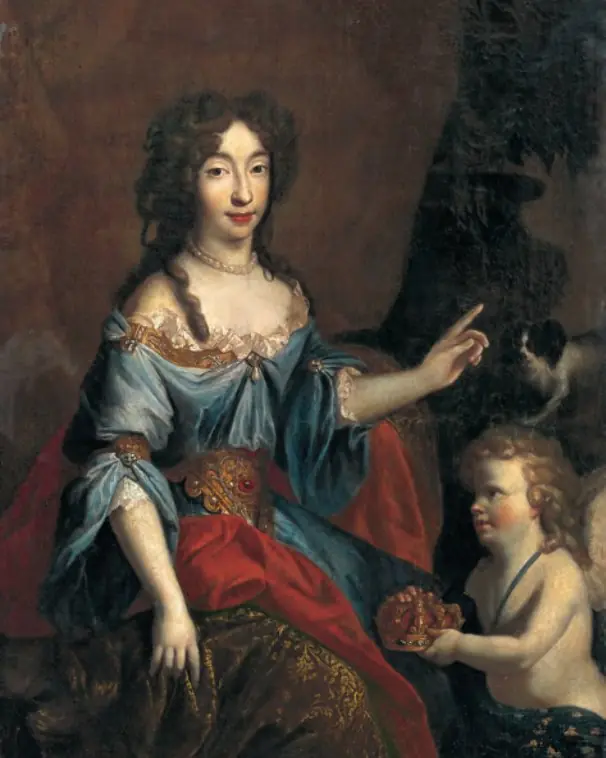
Elisabeth Charlotte of the Palatinate, Duchess of Orléans, and Her Children is an oil painting by Jean Gilbert Murat. It dates from 1837 and is held in the collection of the Palace of Versailles.
About this work
Overview
Painted in 1837 by Jean Gilbert Murat, this oil portrait presents Elisabeth Charlotte of the Palatinate, Duchess of Orléans, alongside her two children.
Painted in 1837 by Jean Gilbert Murat, this oil portrait presents Elisabeth Charlotte of the Palatinate, Duchess of Orléans, alongside her two children. The composition centers on the duchess seated in a dimly lit interior, flanked by her offspring. The work is part of the collection at the Palace of Versailles, where it reflects the enduring interest in the Orléans family’s lineage during the 19th century, long after their historical prominence.
Subject & Meaning
The painting portrays the duchess as a matriarchal figure, her posture and gaze conveying quiet authority. Her children, one reaching toward her, suggest familial intimacy, while the objects at their feet—a sword and a book—hint at the dual expectations of nobility: martial duty and intellectual cultivation. The scene avoids overt symbolism, instead emphasizing domestic presence within a royal context.
Technique & Style
Murat employs chiaroscuro to model form and direct attention, particularly illuminating the duchess’s face and richly detailed attire. The blue gown, adorned with gold embroidery, contrasts with the deep red walls and shadowed corners, enhancing spatial depth. The children’s garments are rendered with careful attention to texture—lace, silk, and velvet—while their expressions remain subtly naturalistic, avoiding idealization.
History & Provenance
Commissioned nearly a century after the duchess’s death, the painting was not created from life but likely based on earlier portraits and written descriptions. It entered the Palace of Versailles collection in the 19th century as part of a broader effort to visually reconstruct the Bourbon and Orléans dynastic narratives during the July Monarchy.
Context
Though Elisabeth Charlotte died in 1722, her legacy as a prolific letter-writer and matriarch of the Orléans line remained culturally significant. Murat’s portrait emerged during a period when French royalty sought to reinforce historical continuity amid political instability. The painting reflects 19th-century nostalgia for pre-revolutionary aristocratic life, rather than a contemporary record.
Legacy
The work serves as a visual reference for the Orléans family’s domestic image, preserved in Versailles among other royal portraits. While not a primary historical document, it contributes to the museum’s narrative of aristocratic identity, illustrating how later generations interpreted and memorialized earlier nobility through stylized, emotionally resonant portraiture.
Artist & collection

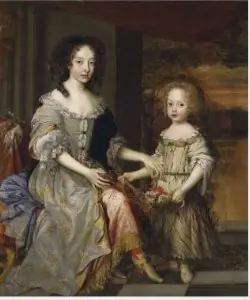 Portrait of Lady Catherine and Lady Charlotte Talbot
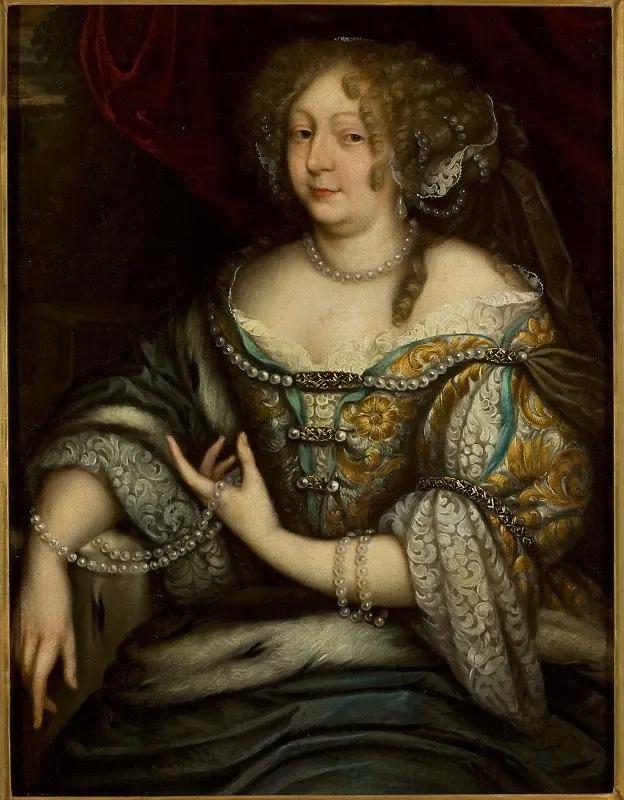 Portrait of Anna Eleonore of Stolberg-Wernigerode(1651–1690), princess of Anhalt-Koethen
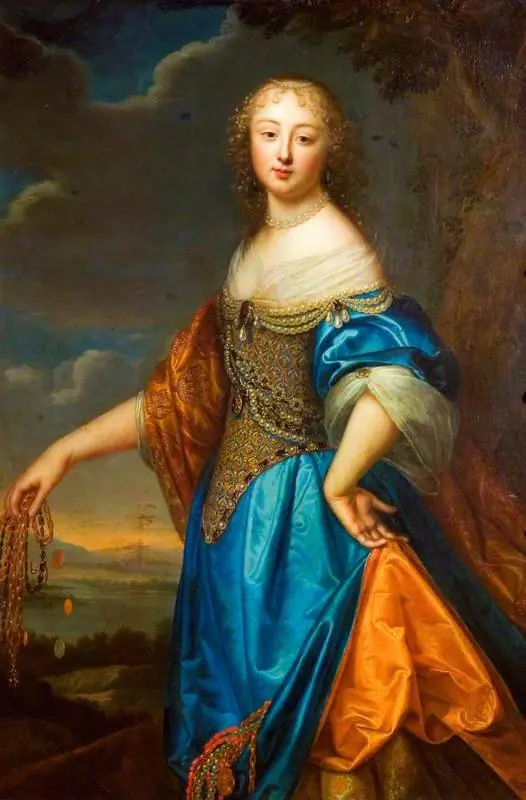 Portrait of a Lady (said to be Jeanne de Marigny)
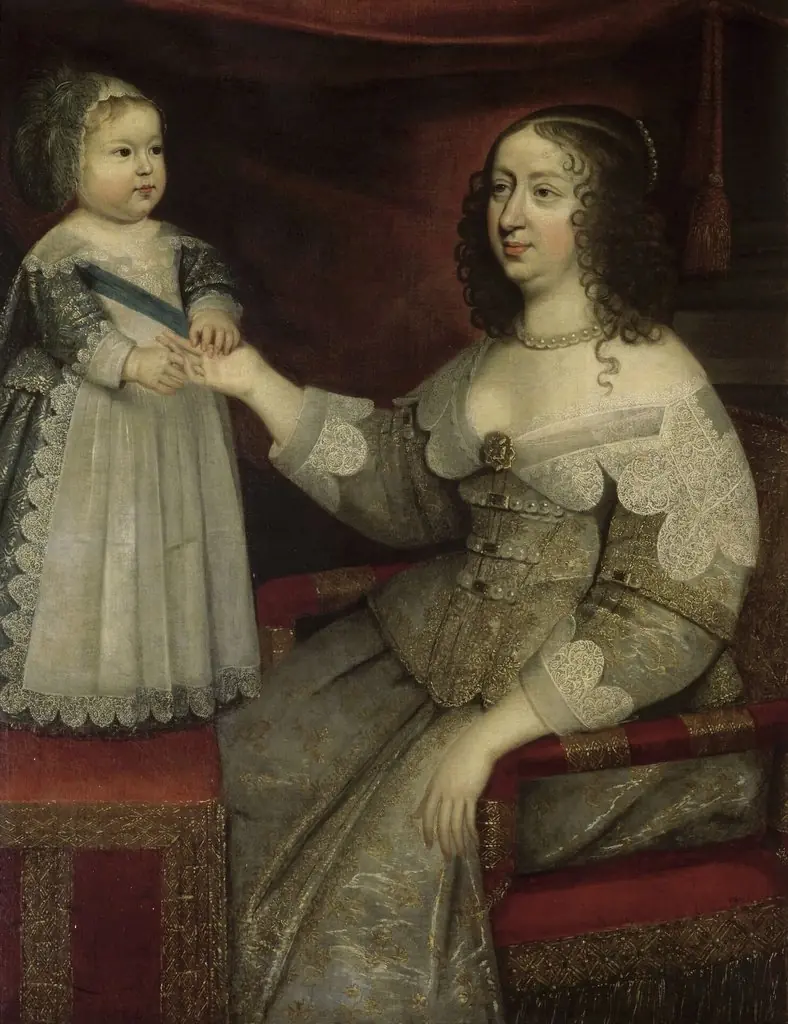 Louis XIV and Anne of Austria
 Sophie, Markgräfin von Brandenburg-Bayreuth, geb. Herzogin Sachsen-Weißenfels (1684-1752)
 Marie Thérèse of Austria in Royal Costume
 Louise de la Vallière, mistress of Louis XIV
 Maria Anna of Neuburg, Queen of Spain
 Portrait de Marie Anne Victoire de Bavière, dauphine de France (1660–1690)