Artwork
Aurora Triumphing over Night
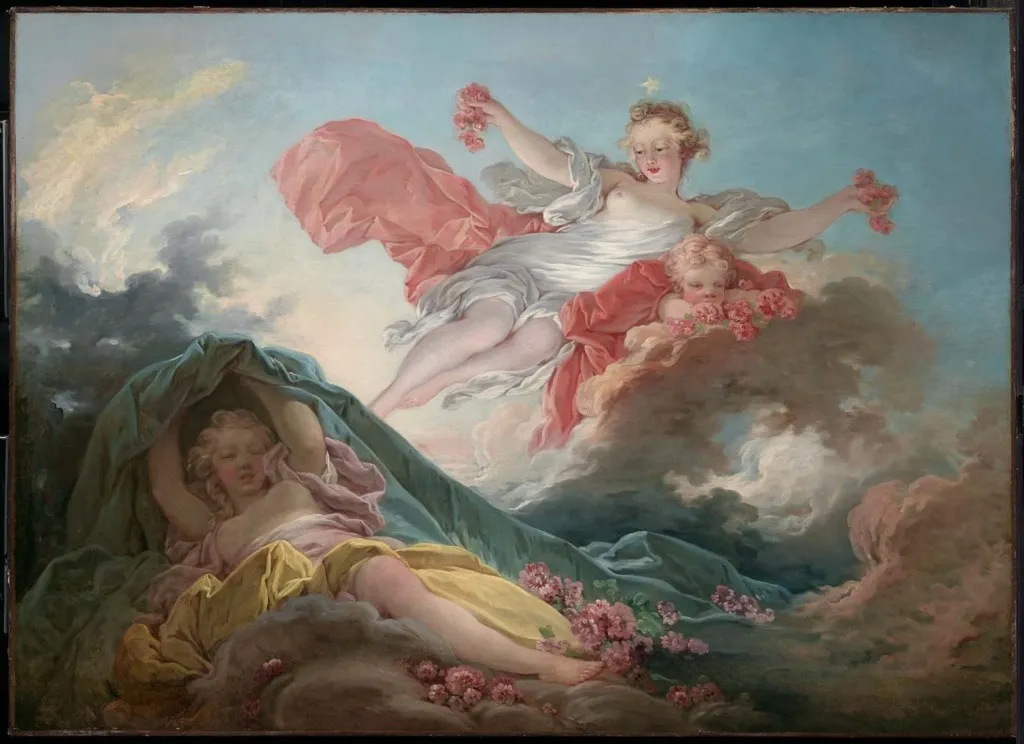
Aurora Triumphing over Night is an oil painting by the Rococo painting artist Jean Honoré Fragonard. It dates from 1755 and is held in the collection of the Museum of Fine Arts Boston.
About this work
Overview
Beneath her, a sleeping woman lies draped in a green cloth, while the surrounding atmosphere is rendered in soft blues and pastel tones.
Jean‑Honoré Fragonard’s oil on canvas, Aurora Triumphing over Night, was painted in 1755. The composition shows a luminous female figure rising from a cloud‑filled sky, flanked by two cherubic attendants. Beneath her, a sleeping woman lies draped in a green cloth, while the surrounding atmosphere is rendered in soft blues and pastel tones. The work belongs to the collection of the Museum of Fine Arts, Boston.
Subject & Meaning
The central figure represents Aurora, the Roman dawn goddess, portrayed as a woman in a white gown with a pink skirt, clutching bouquets of flowers. Her ascent from the clouds signifies the arrival of daylight displacing night. The cherubs, one bearing a red banner, reinforce the celebratory mood, while the sleeping figure below suggests the world’s transition from darkness to wakefulness.
Technique & Style
Fragonard employs a delicate palette of pastel hues and fluid brushwork that softens edges and creates a dream‑like ambience. Light is diffused across the sky, illuminating Aurora and the surrounding figures, while subtle chiaroscuro models the forms without harsh contrast. The overall effect emphasizes grace and movement, characteristic of the Rococo’s ornamental elegance.
History & Provenance
Executed in the mid‑18th century, the painting entered the Museum of Fine Arts, Boston’s holdings through acquisition in the early 20th century, though exact purchase details remain sparse. Its presence in the museum’s European painting collection reflects the institution’s commitment to representing French Rococo art and Fragonard’s oeuvre.
Context
Created during the height of the Rococo period, the work aligns with contemporary tastes for mythological subjects rendered in light, decorative manners. Fragonard, a prominent figure in the French court’s artistic circles, often depicted allegorical scenes that celebrated sensuality and the pleasures of nature, themes evident in this portrayal of dawn’s triumph.
Artist & collection

Artist
Jean-Honoré Fragonard was born on 5 April 1732 in Grasse, the son of a glover, and moved with his family to Paris in 1738.

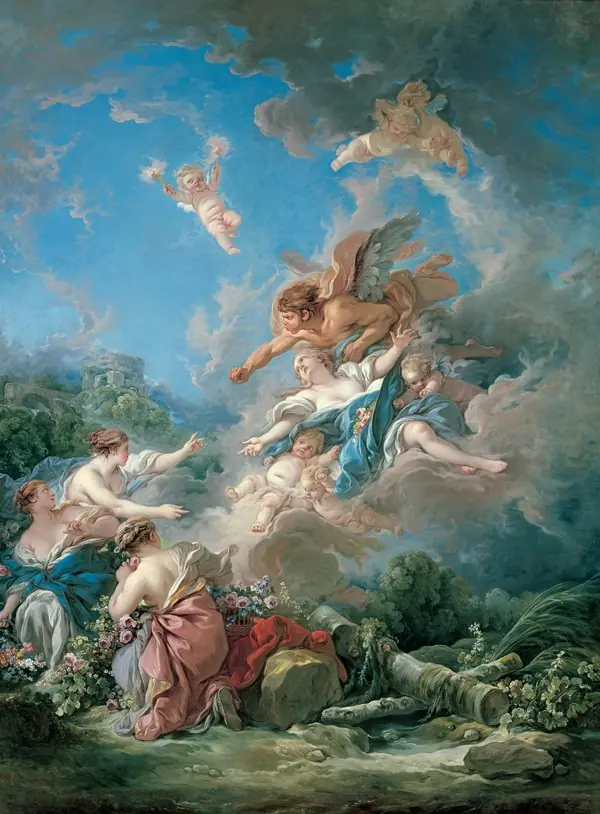 Boreas Abducting Oreithyia
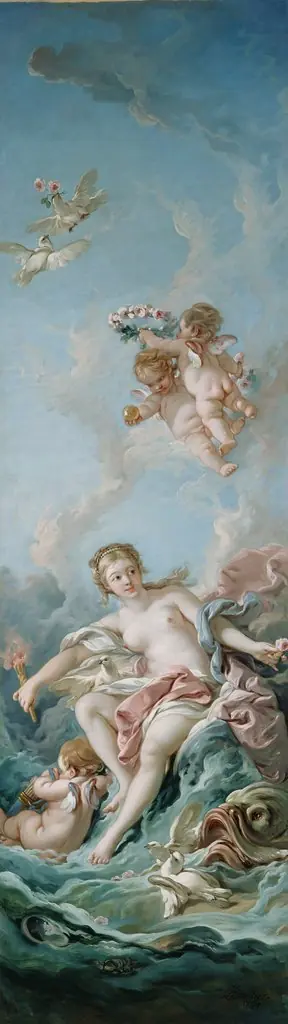 Venus on the Waves
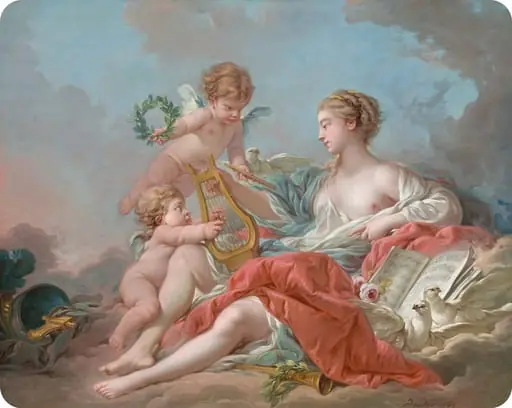 Allegory of Music
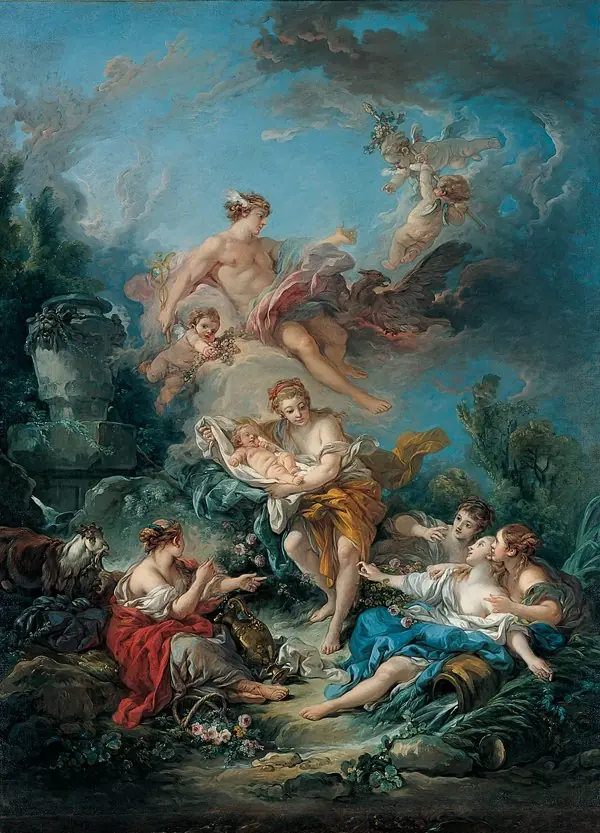 Mercury Confiding the Infant Bacchus to the Nymphs of Nysa
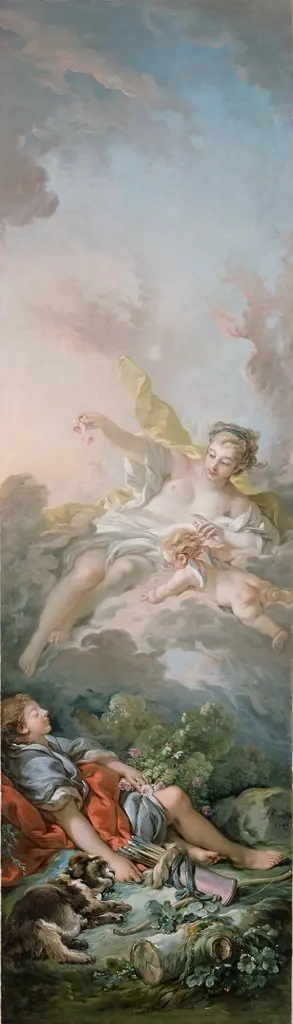 Aurora and Cephalus
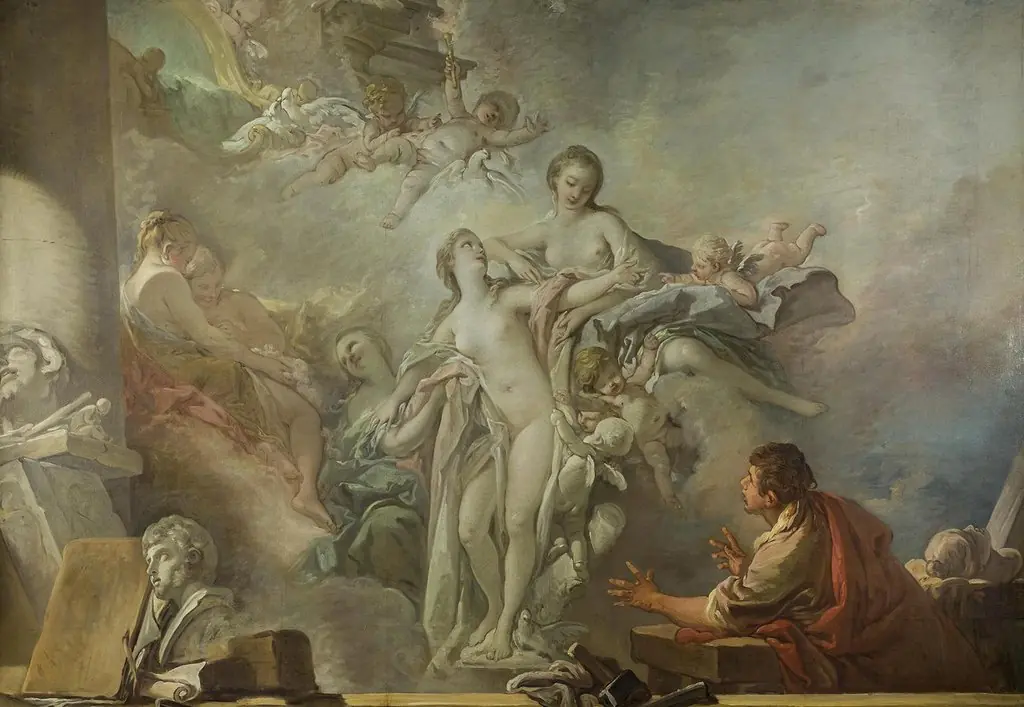 Pygmalion and Galatea
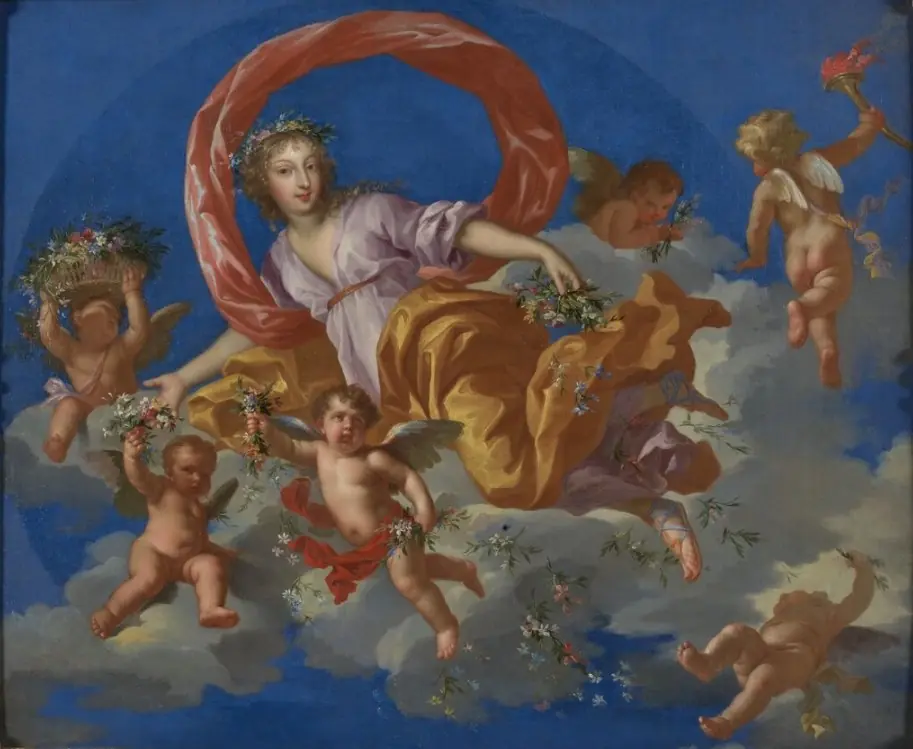 Portrait historié d'Henriette d'Angleterre, duchesse d'Orléans (1644-1670)
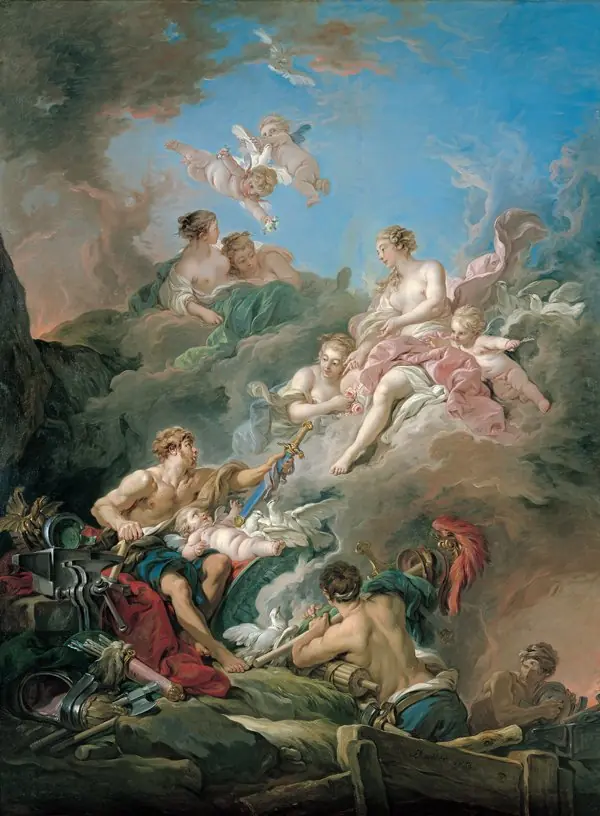 Venus at Vulcan's Forge
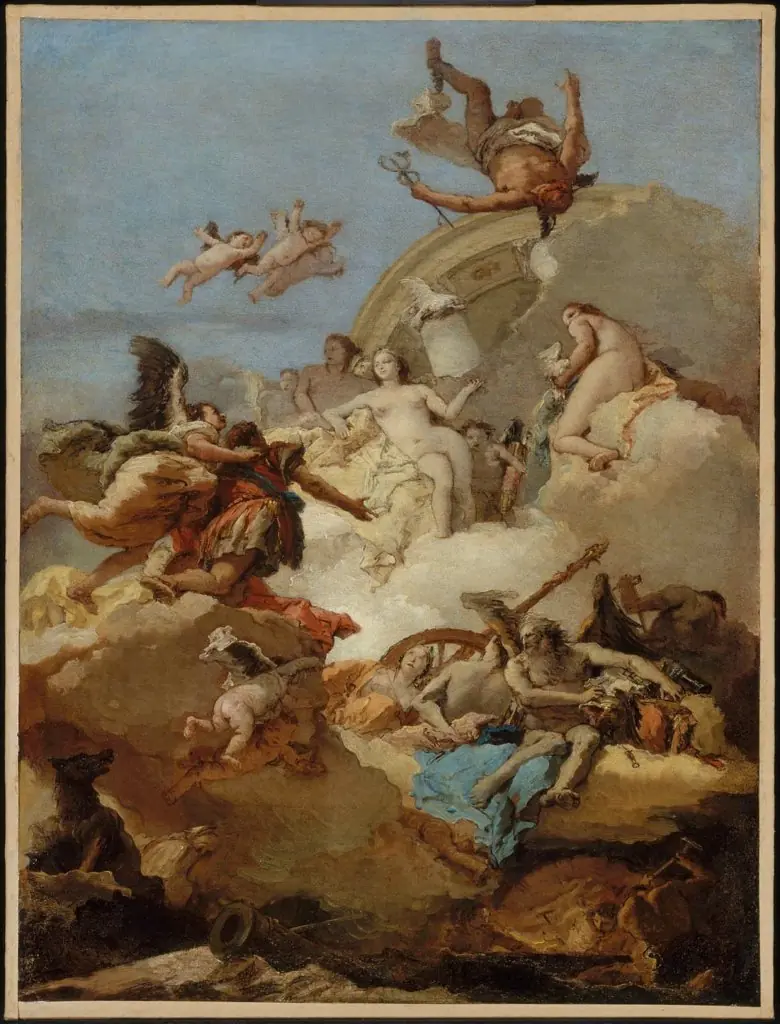 Apotheosis of Aeneas
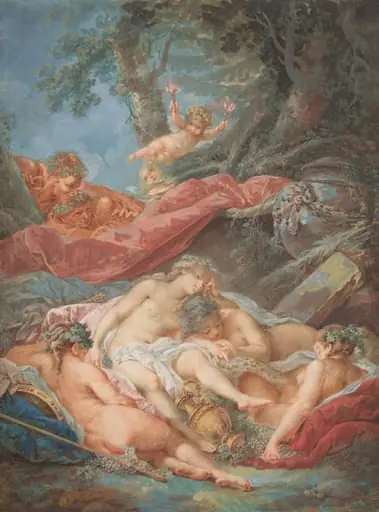 Sleeping Bacchantes
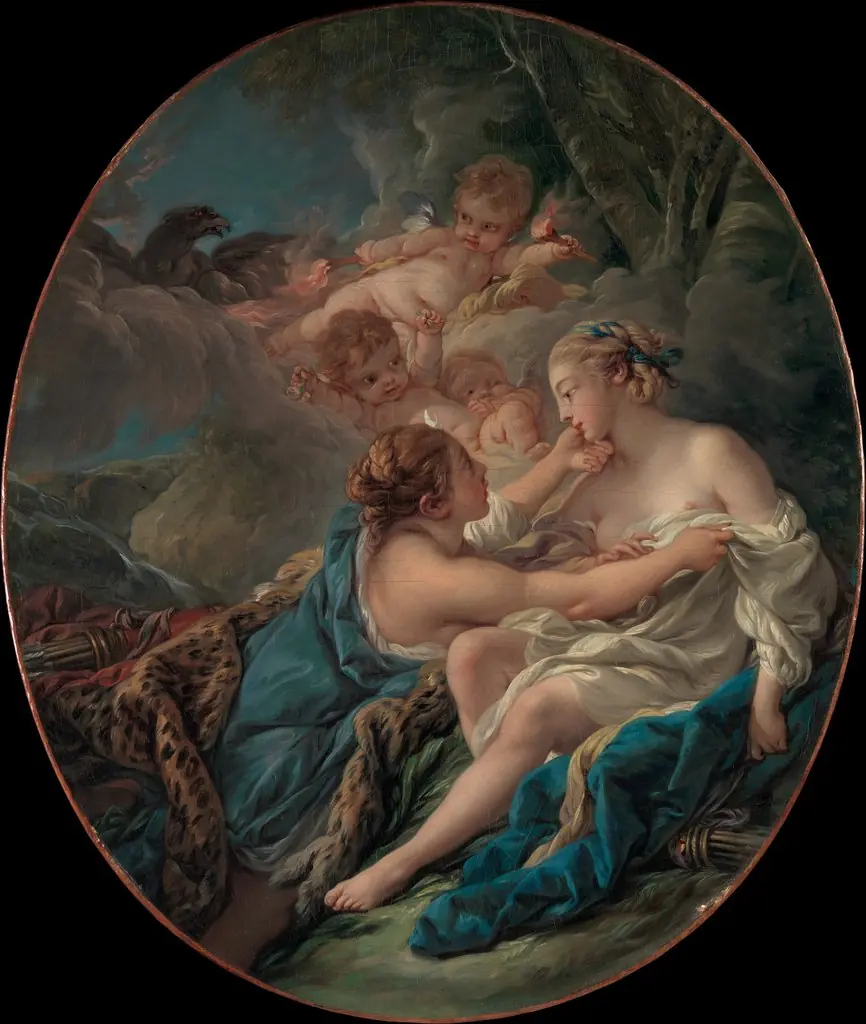 Jupiter, in the Guise of Diana, and Callisto