Artwork
The Trough
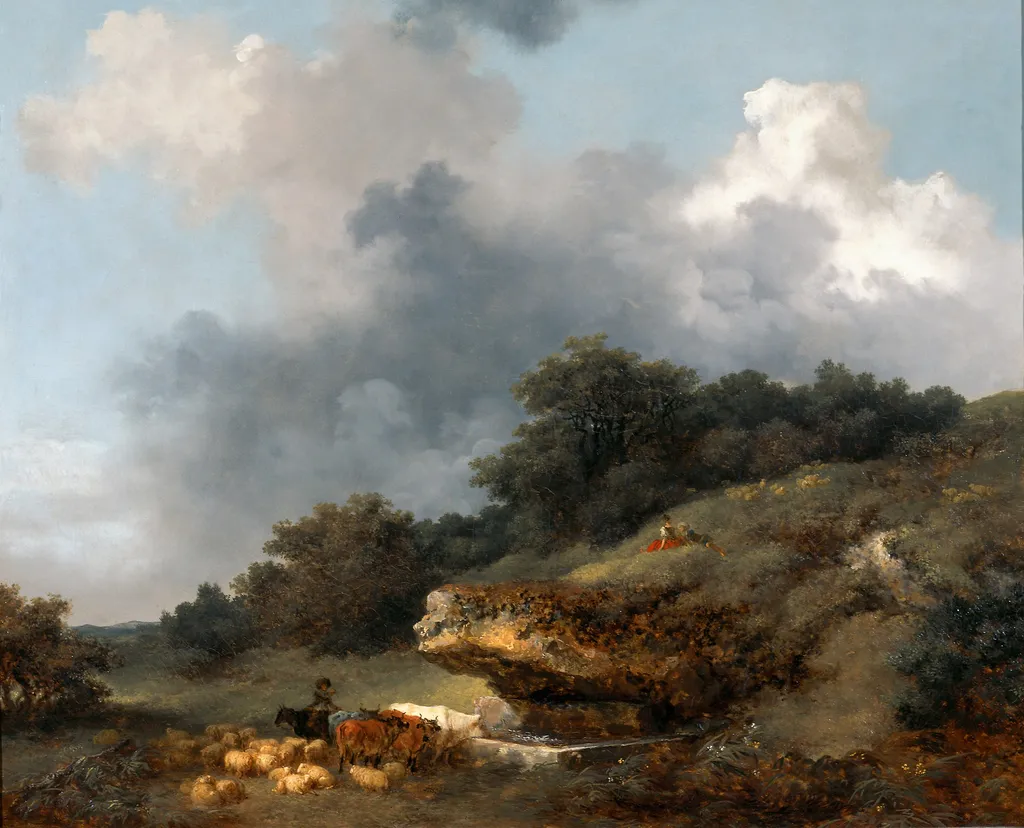
The Trough is an oil painting by the Rococo painting artist Jean Honoré Fragonard. It dates from 1763 and is held in the collection of the Museum of Fine Arts of Lyon.
About this work
Overview
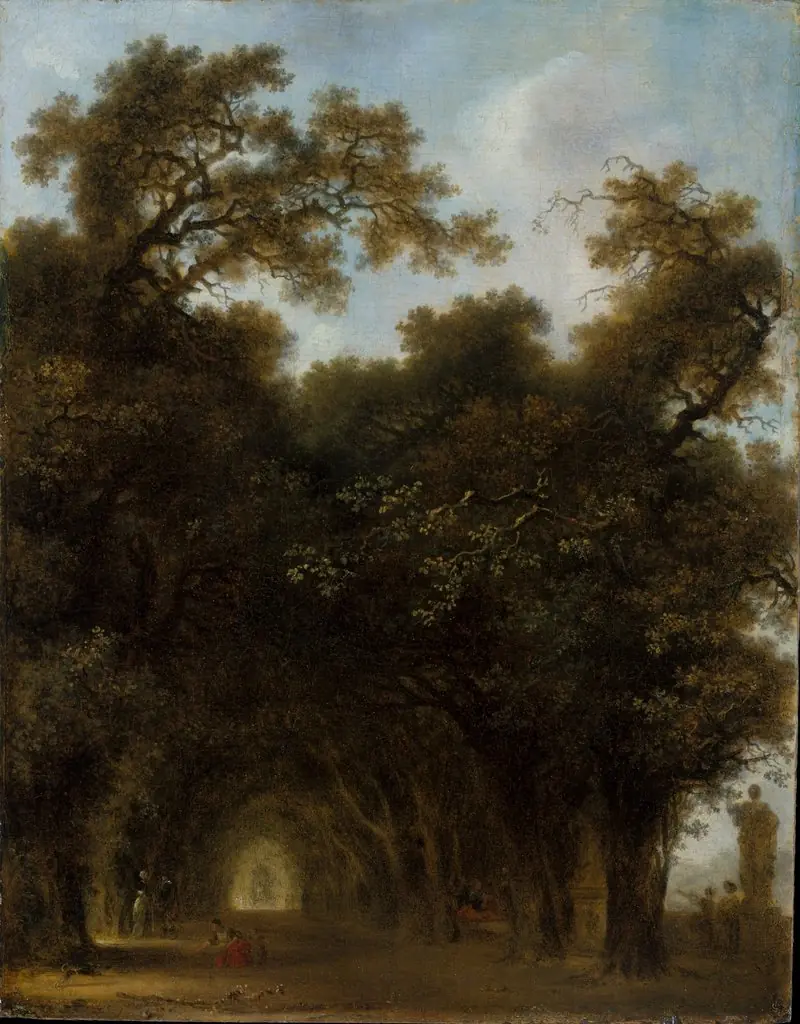
Painted in 1763, The Trough is an oil-on-canvas work by Jean-Honoré Fragonard, currently housed in the Museum of Fine Arts of Lyon. It presents a quiet rural scene centered on a wooden watering trough nestled within a verdant landscape. The composition balances natural elements with subtle human presence, emphasizing harmony between figures and environment rather than dramatic action.
Subject & Meaning
The scene evokes a sense of peaceful continuity, aligning with 18th-century ideals of nature as a refuge from urban complexity.
The painting captures a moment of daily pastoral life: a figure tends to livestock gathered at a trough, their quiet activity suggesting routine rather than spectacle. The absence of narrative tension and the focus on ordinary labor reflect an appreciation for rural tranquility. The scene evokes a sense of peaceful continuity, aligning with 18th-century ideals of nature as a refuge from urban complexity.
Technique & Style
Fragonard employs loose, fluid brushwork to render foliage and sky, with soft transitions between light and shadow. Warm earth tones and muted greens dominate the palette, enhancing the scene’s calm mood. Details in the animals’ forms and the texture of bark are rendered with precision, yet the overall handling remains atmospheric, prioritizing mood over rigid realism.
History & Provenance
Created during Fragonard’s early career, the painting entered the collection of the Museum of Fine Arts of Lyon in the 19th century. Its provenance prior to museum acquisition remains undocumented, though it likely passed through private French collections. Unlike his more famous Rococo scenes, this work shows a quieter, more restrained side of his artistic range.
Context
In the 1760s, Fragonard was transitioning from formal academic training toward more personal subjects. While contemporaries focused on aristocratic leisure, The Trough reflects a growing interest in rural life among French artists. This shift paralleled broader Enlightenment-era fascination with nature and simplicity, even as the artist retained his sensitivity to light and texture.
Legacy
The Trough stands as a quiet example of Fragonard’s versatility beyond his celebrated Rococo fantasies. It reveals his capacity for understated observation and his ability to convey serenity through subtle detail. Though less known than his theatrical works, it contributes to understanding the breadth of his engagement with the natural world.
Own this work as a print
Artist & collection

Artist
Jean-Honoré Fragonard was born on 5 April 1732 in Grasse, the son of a glover, and moved with his family to Paris in 1738.

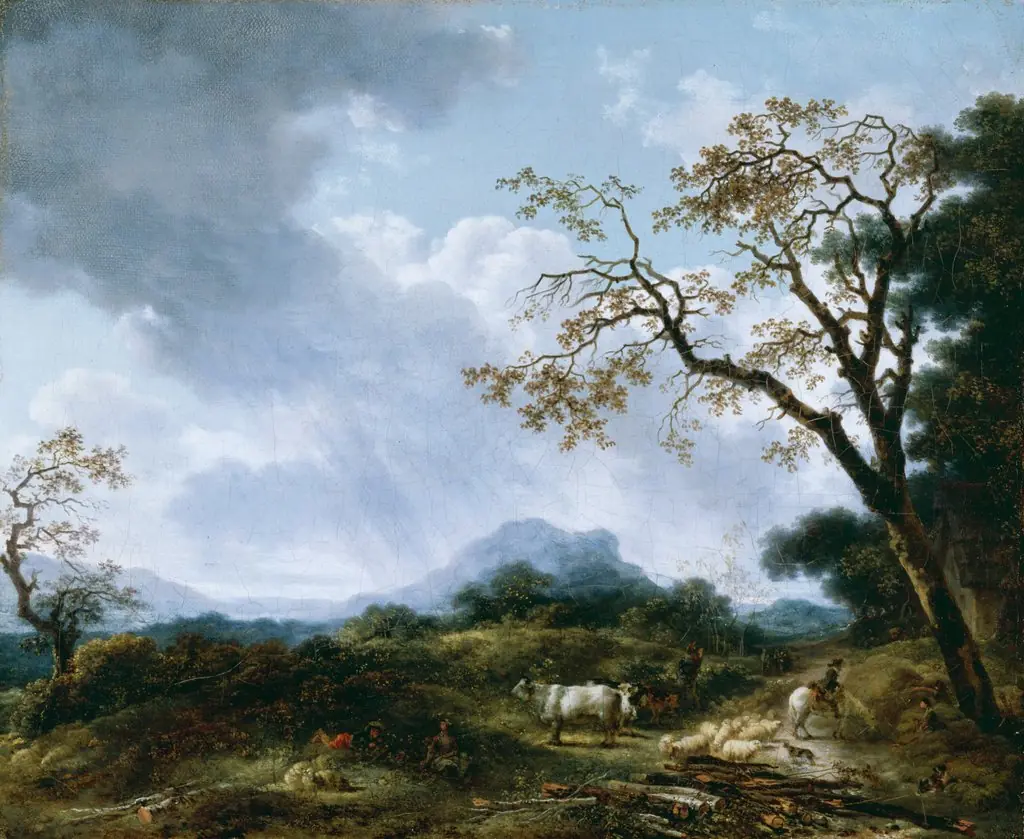 Landscape with Passing Shower
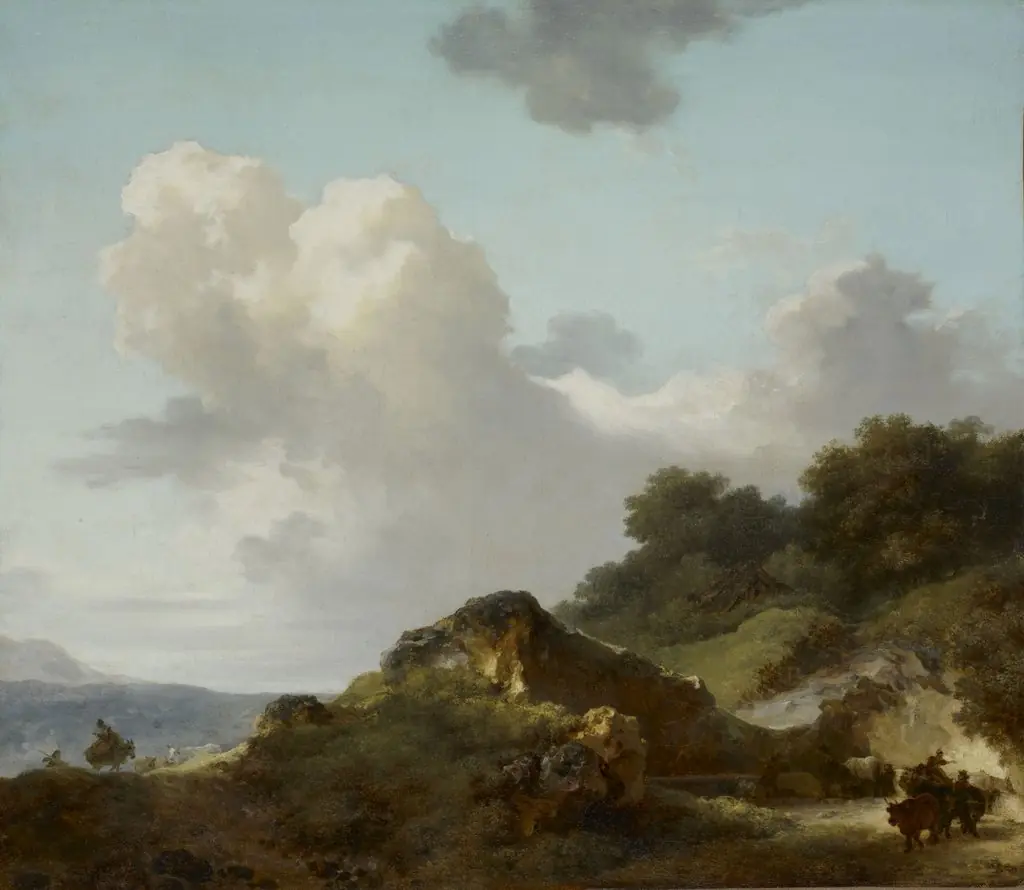 Le Rocher
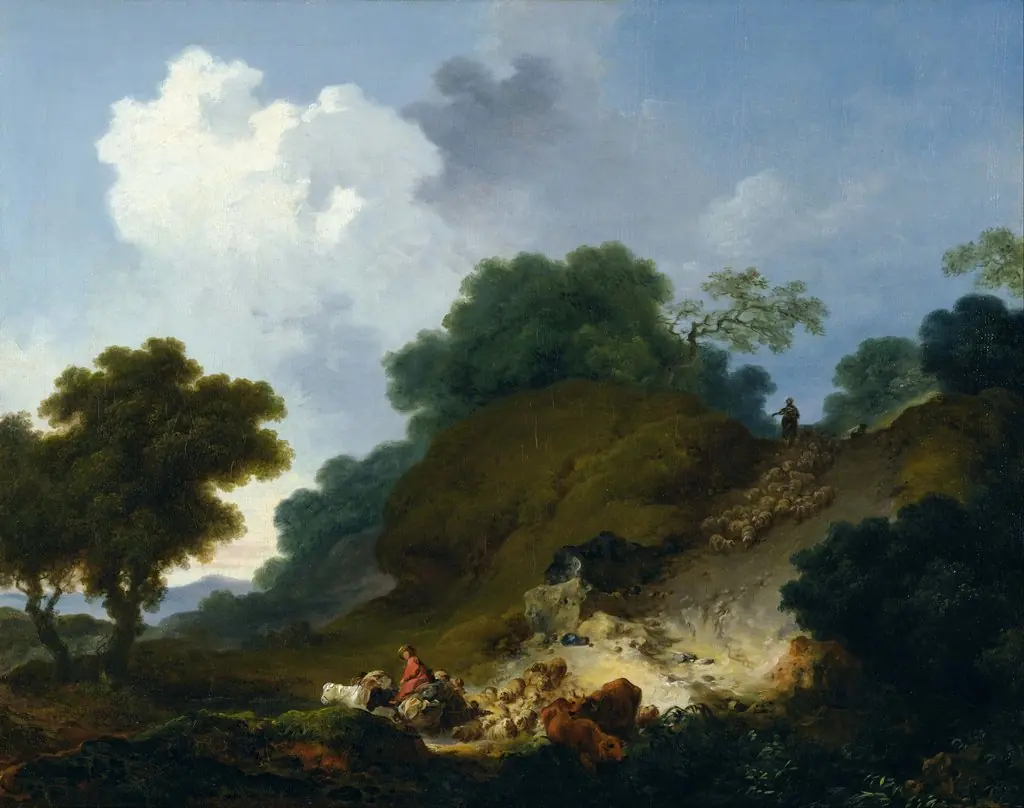 Landscape with Shepherds and Flock of Sheep
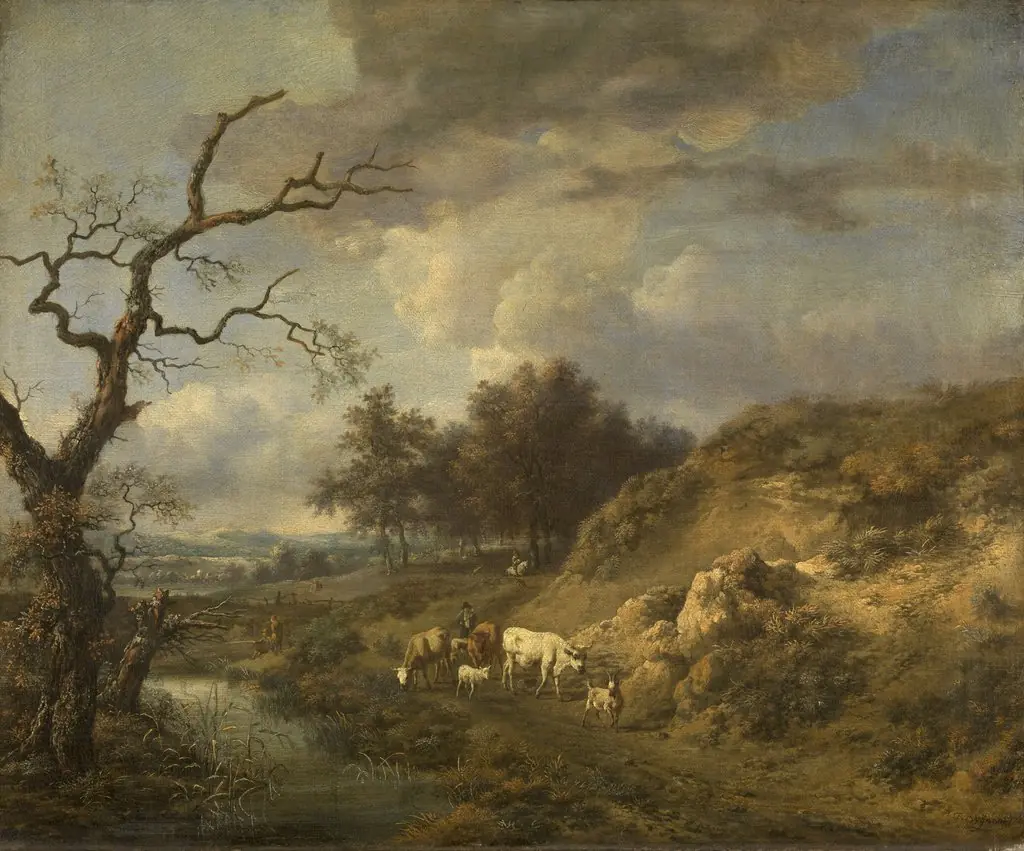 Landschap met vee
 Landscape with Cattle on a Country Road
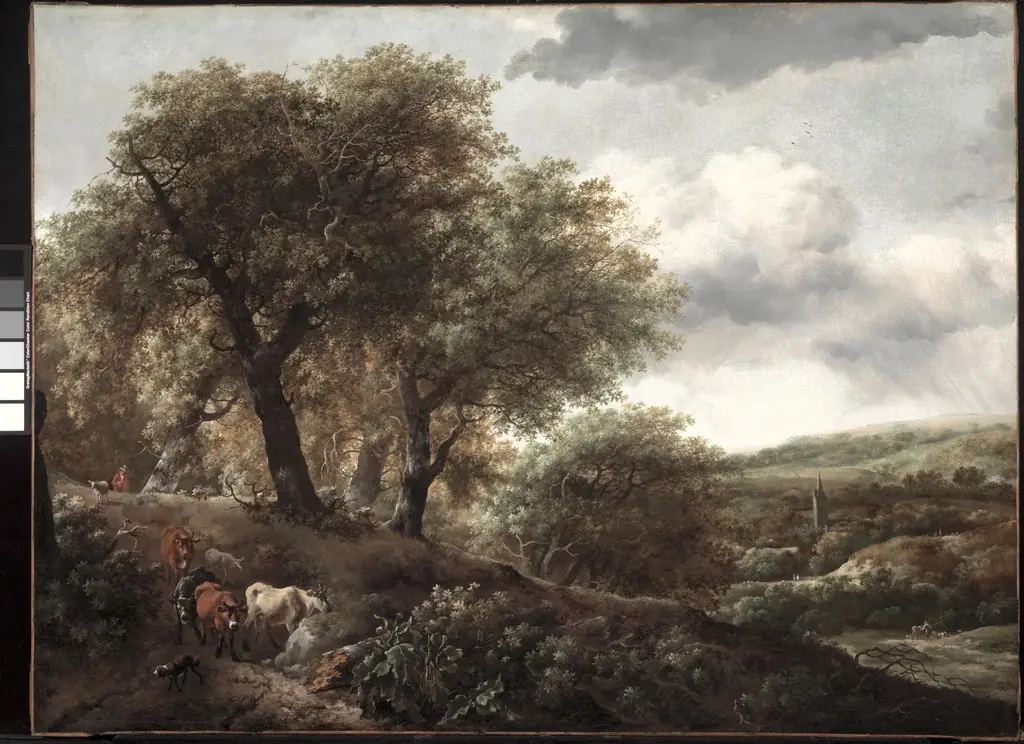 Wooded Hillside with Cattle
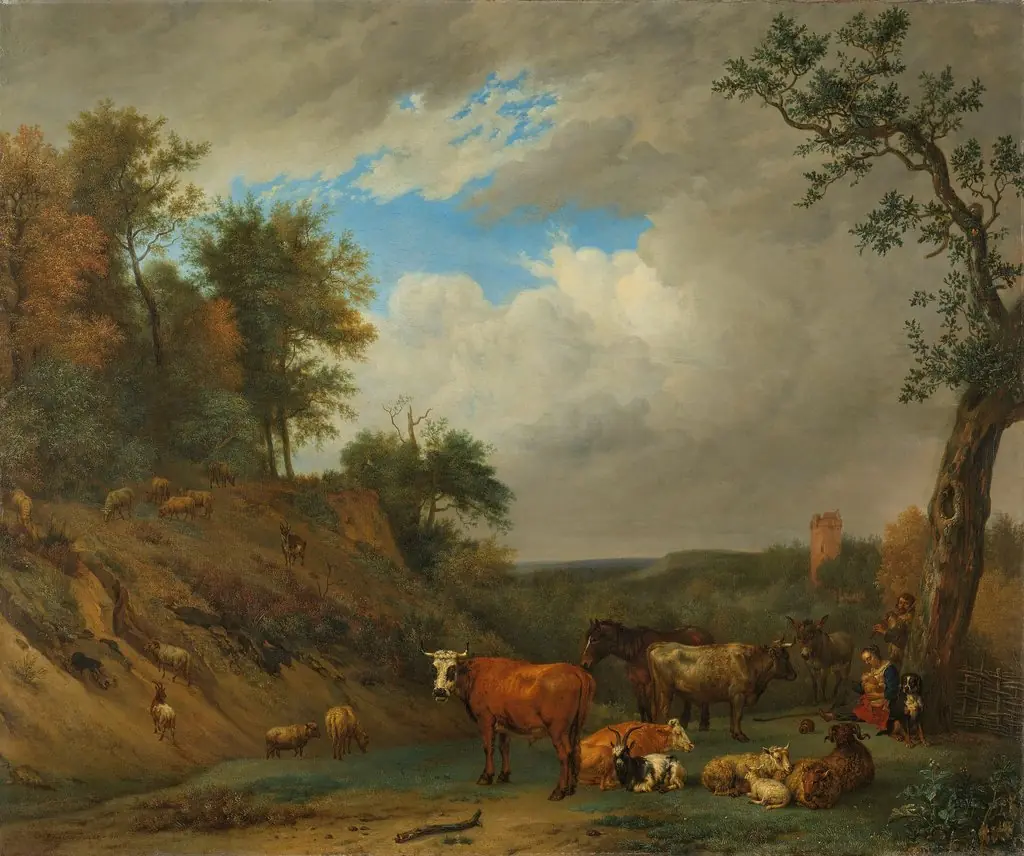 Herdsmen with their cattle
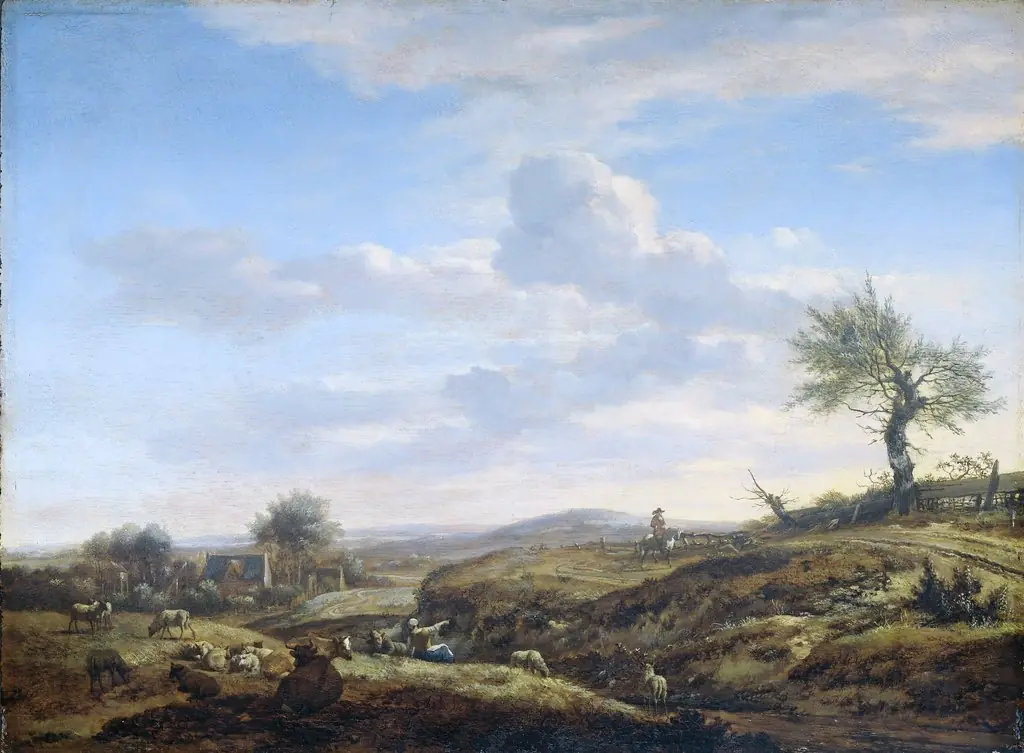 Hilly landscape with high road
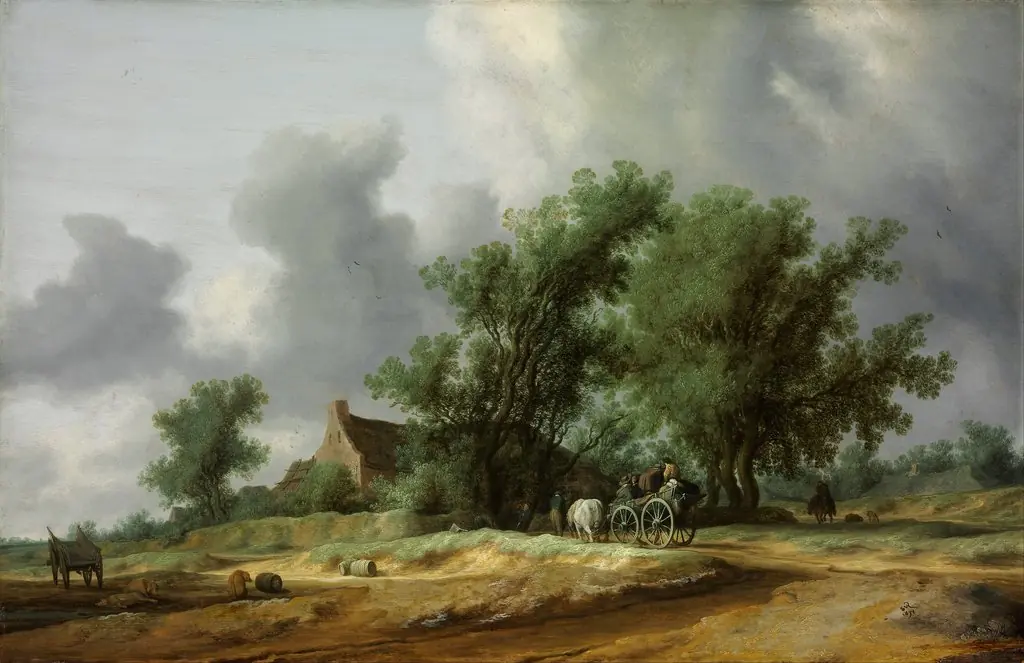 Road in the Dunes
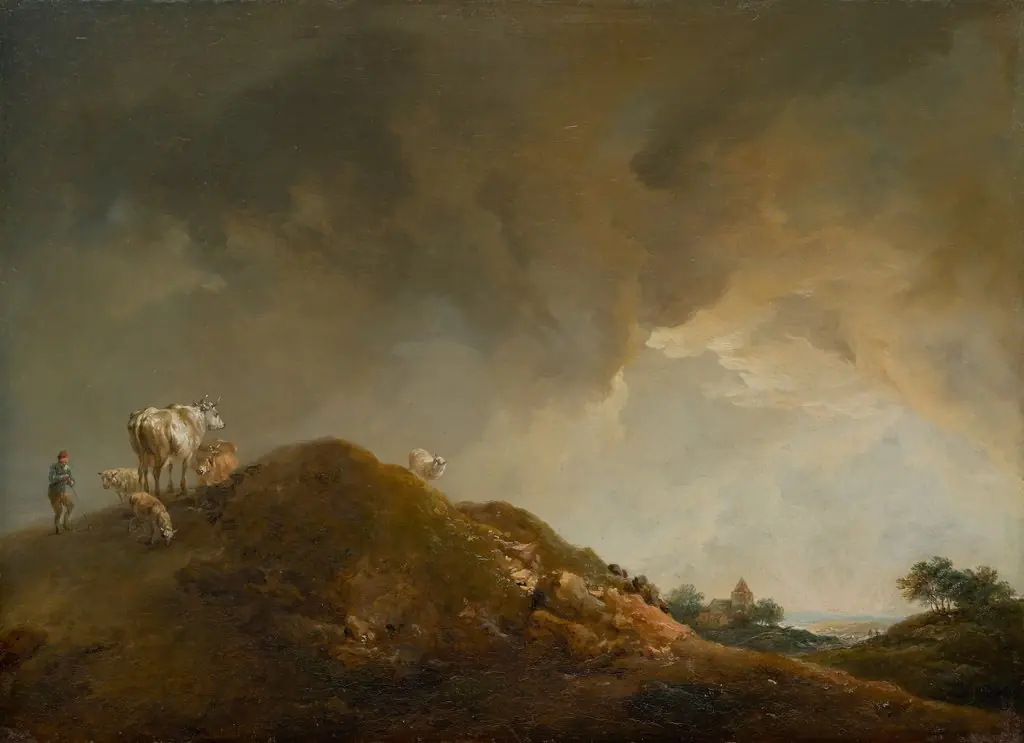 Rolling landscape with cows and sheep
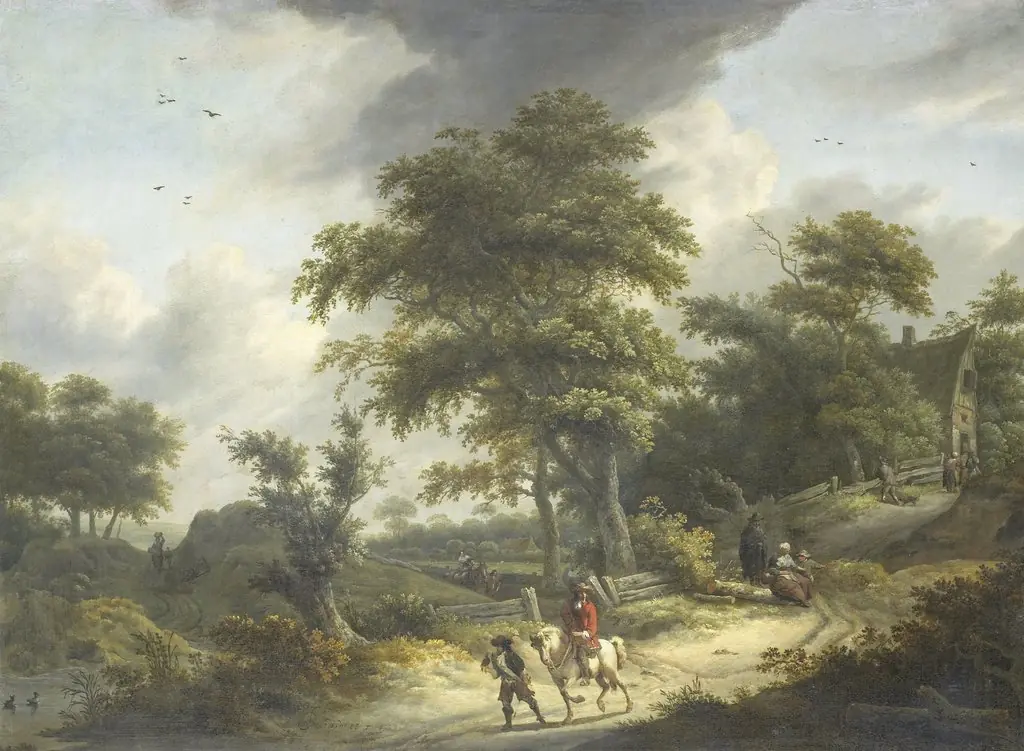 Landscape with falconer
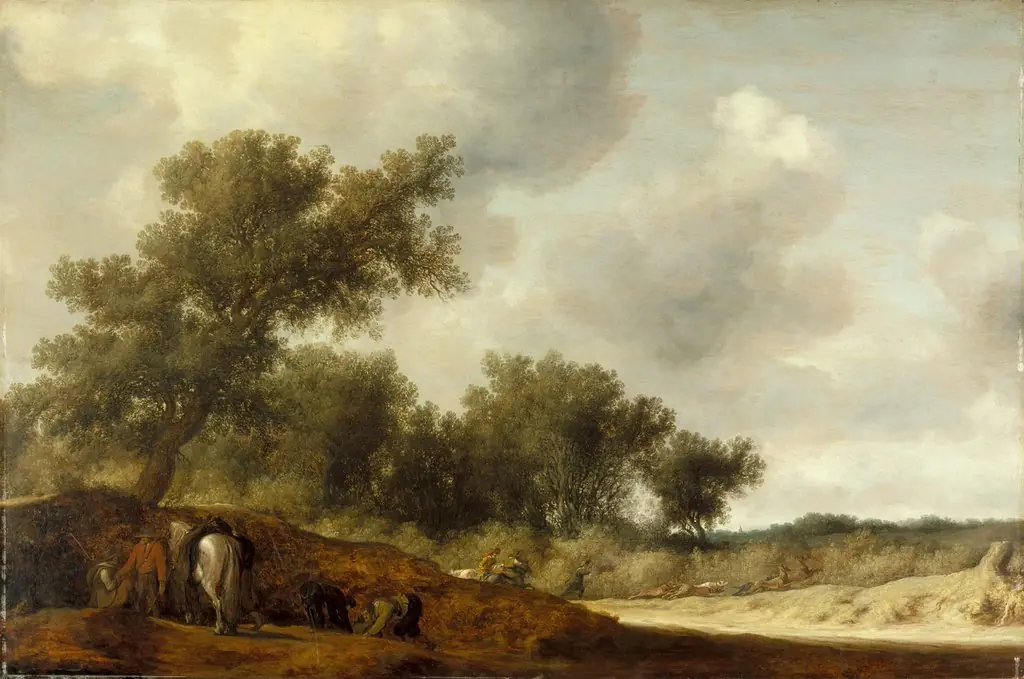 Landscape with Deer Hunters