Artwork
The Isle of Love
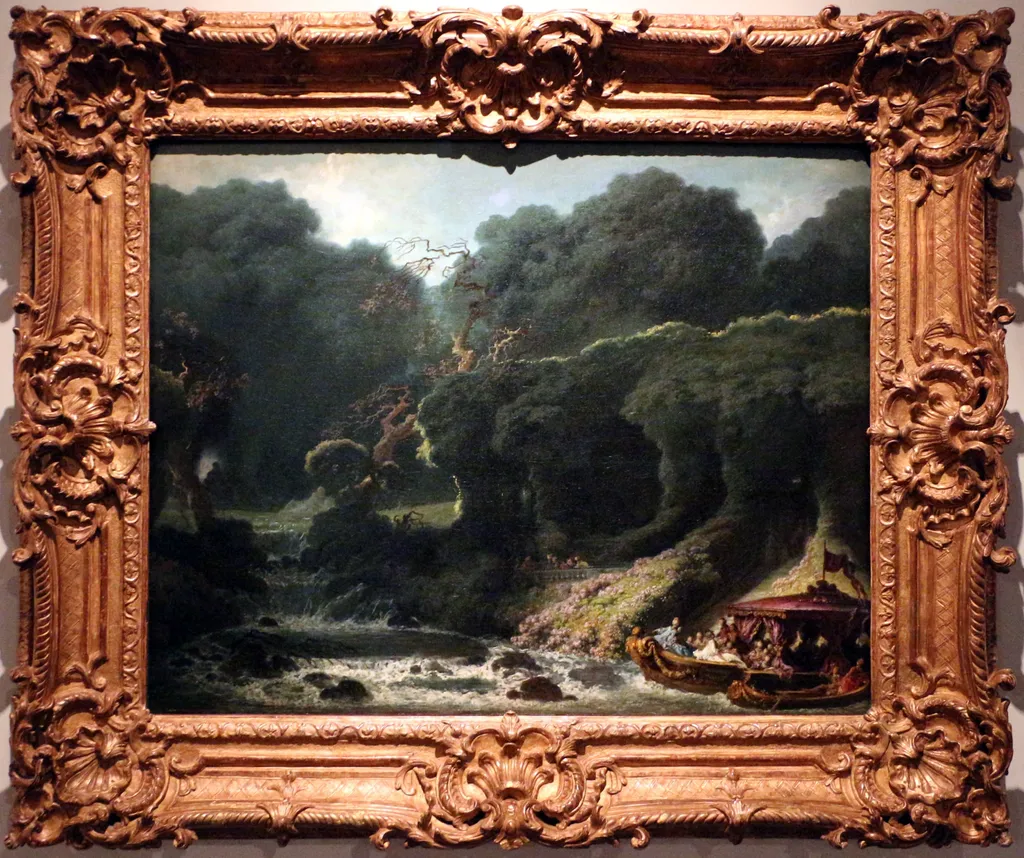
The Isle of Love is an oil painting by the Rococo painting artist Jean Honoré Fragonard. It dates from 1770 and is held in the collection of the Calouste Gulbenkian Museum.
About this work
Overview
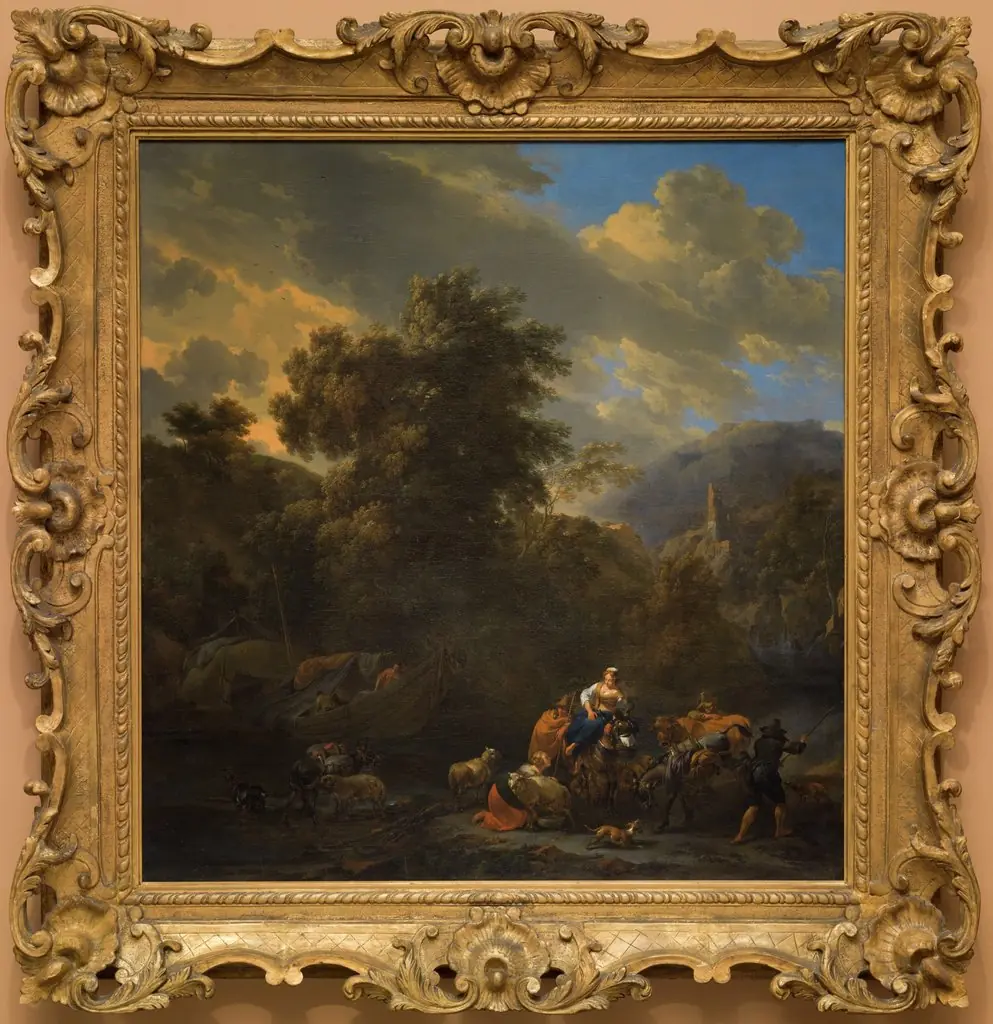
It depicts a tranquil, idealized natural setting with a winding river, dense foliage, and a small boat carrying figures.
Painted in 1770, The Isle of Love is an oil-on-canvas work by Jean-Honoré Fragonard. It depicts a tranquil, idealized natural setting with a winding river, dense foliage, and a small boat carrying figures. The scene evokes quiet contemplation rather than narrative action. The painting is currently housed in the Calouste Gulbenkian Museum in Lisbon, where it remains one of the artist’s lesser-known but carefully composed landscapes.
Subject & Meaning
The scene suggests a mythic or poetic retreat, possibly referencing classical themes of love and nature. The figures in the boat are not engaged in dramatic interaction but appear absorbed in the stillness around them. The title, The Isle of Love, implies an allegorical space — not a literal place, but an emotional or symbolic sanctuary where harmony between humans and nature is momentarily preserved.
Technique & Style
Fragonard employs loose, fluid brushwork to render the foliage and water, creating a sense of movement within stillness. Light filters through the canopy in soft, dappled patterns, enhancing the depth of the scene without harsh contrasts. The palette is muted yet rich, dominated by greens and earth tones, with subtle highlights guiding the viewer’s eye toward the boat and the river’s curve. The technique reflects his mastery of atmospheric effects learned from Rococo traditions.
History & Provenance
The painting entered the Calouste Gulbenkian Museum’s collection through the bequest of the Armenian oil magnate and art collector Calouste Gulbenkian in the mid-20th century. Its earlier provenance is not well documented, but it likely remained in private French collections after its creation. Unlike Fragonard’s more famous genre scenes, this landscape was not widely exhibited during his lifetime, contributing to its relative obscurity.
Context
Created during the late Rococo period, The Isle of Love reflects a shift in Fragonard’s interests toward more serene, naturalistic subjects, possibly influenced by the growing appreciation for pastoral ideals in Enlightenment thought. While contemporaries like Boucher focused on courtly romance, Fragonard here turns inward, favoring quietude over spectacle — a subtle precursor to the emerging Romantic sensibility.
Legacy
Though not among Fragonard’s most celebrated works, The Isle of Love demonstrates his versatility beyond portraiture and erotic allegory. It reveals a quieter, more introspective side of his artistry, appreciated today for its atmospheric precision and emotional restraint. The painting contributes to broader understandings of 18th-century landscape painting as a vehicle for personal reflection rather than public display.
Artist & collection

Artist
Jean-Honoré Fragonard was born on 5 April 1732 in Grasse, the son of a glover, and moved with his family to Paris in 1738.

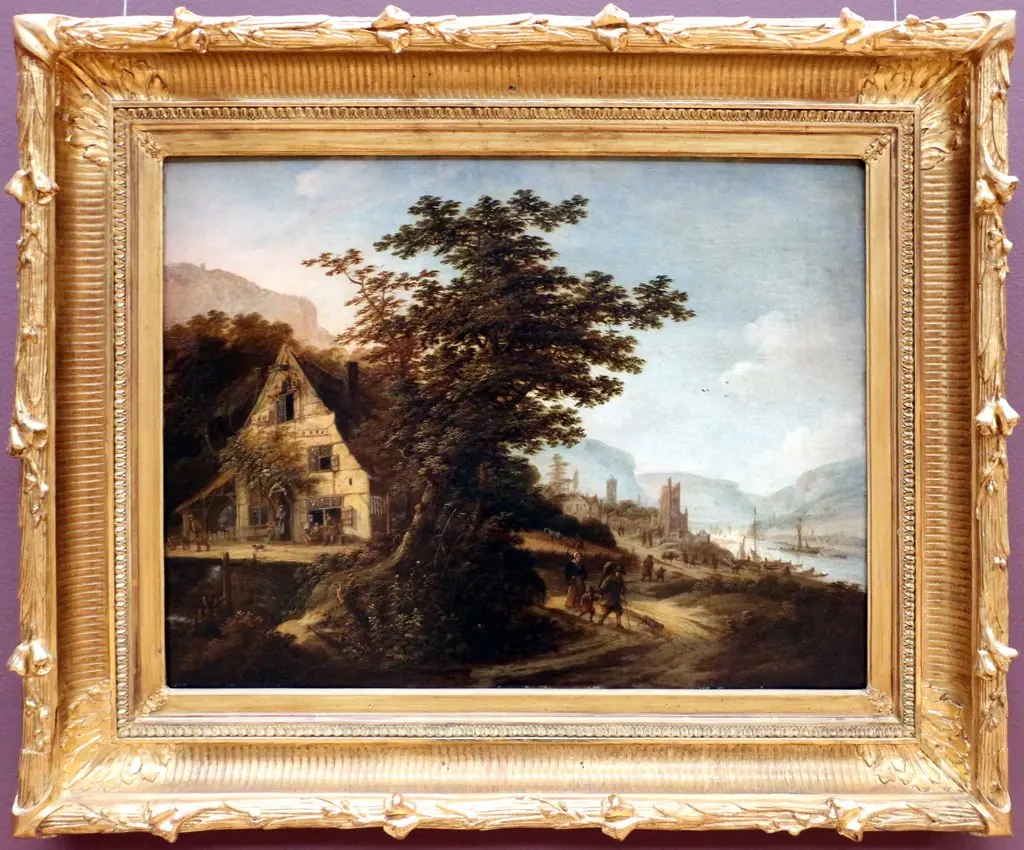 The watermill
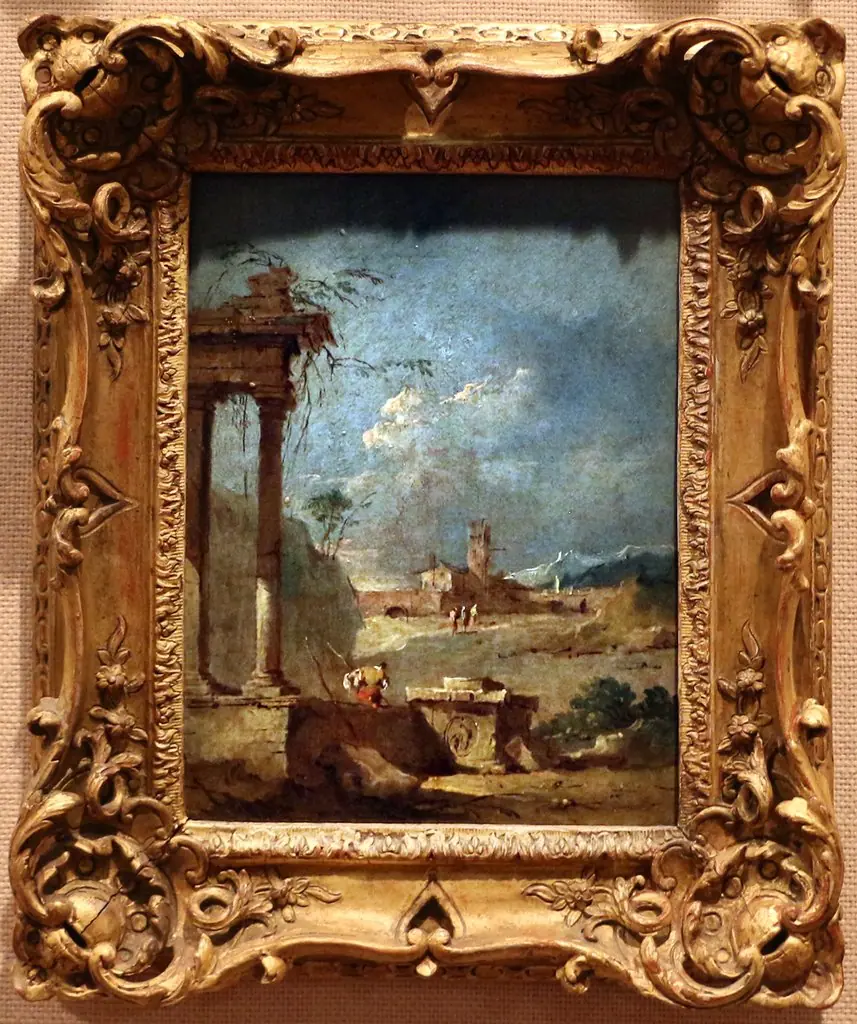 Paisagem com ruínas
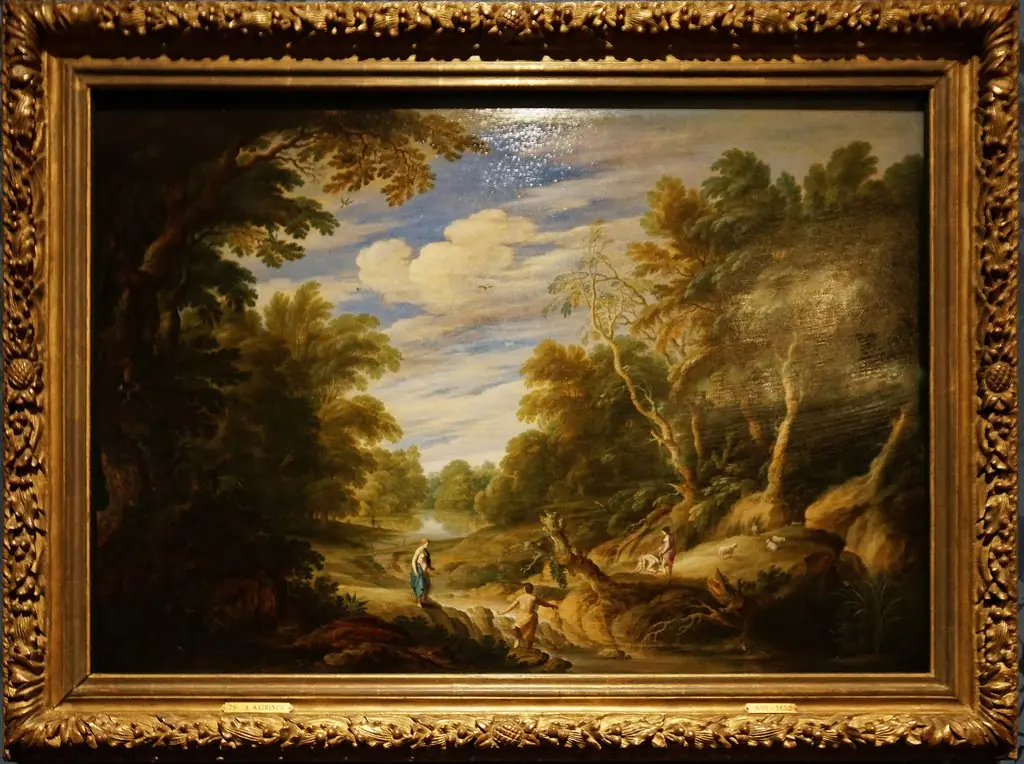 Forest landscape with figures
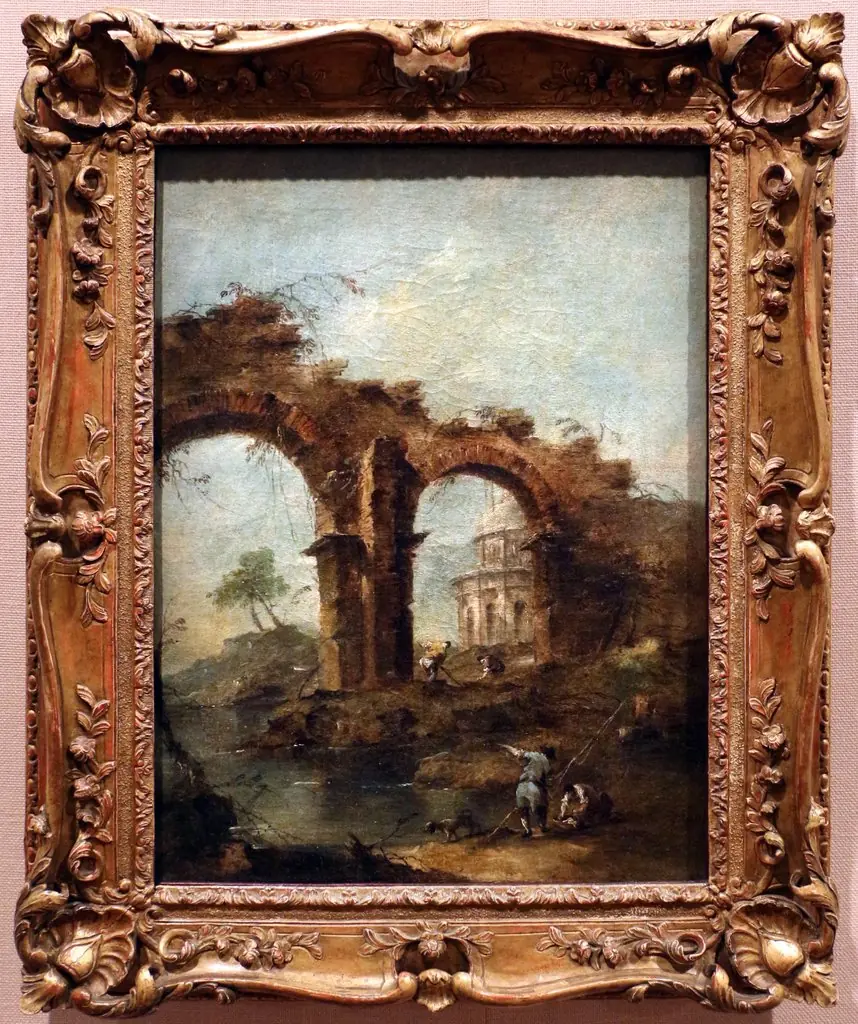 capricho
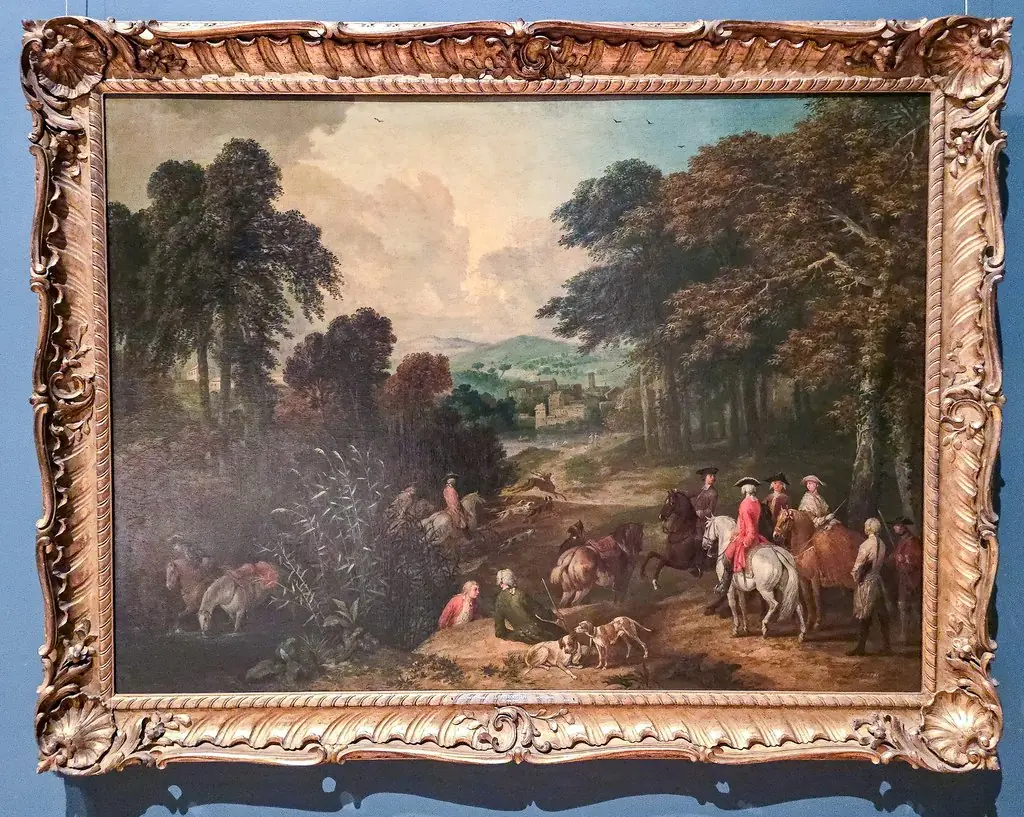 Hunting scene
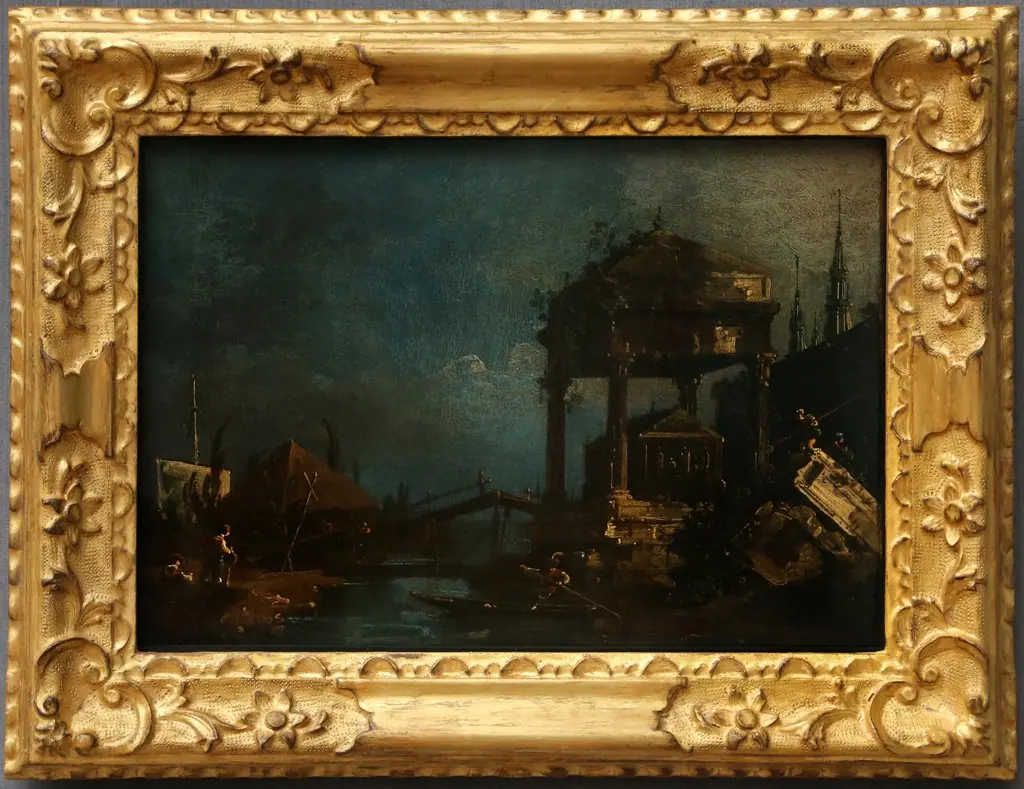 Fantasy Landscape with Sarcophagus under a Canopy
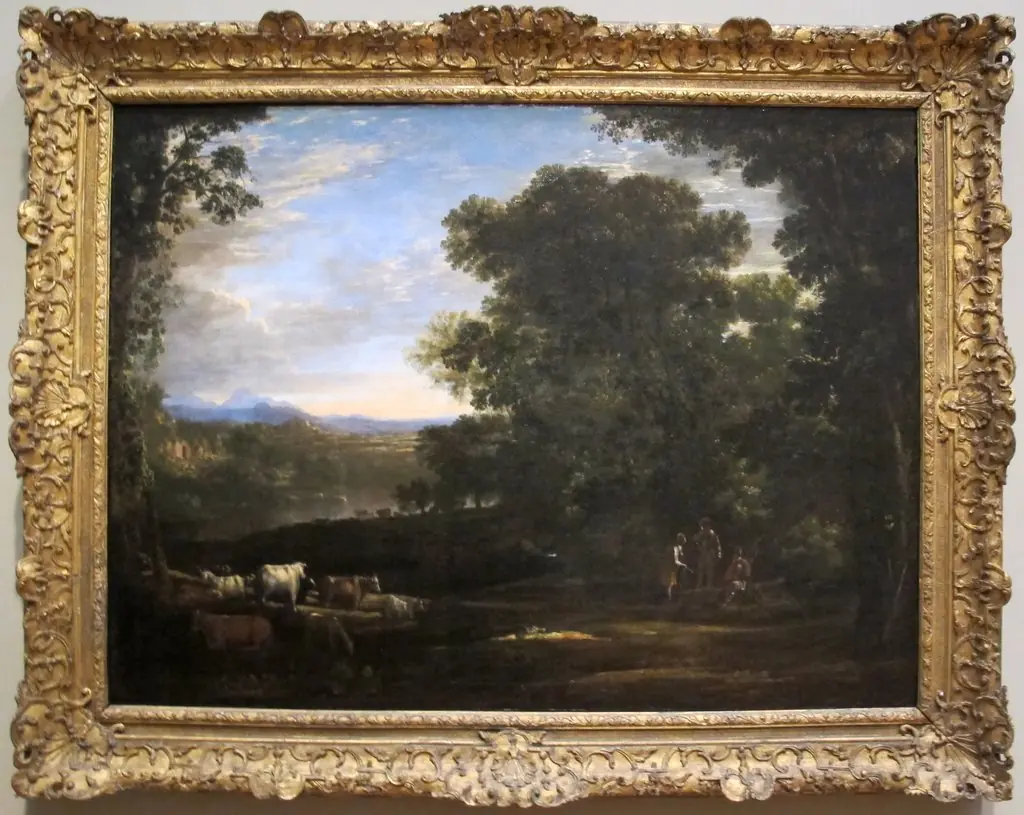 Landscape with Cattle and Peasants
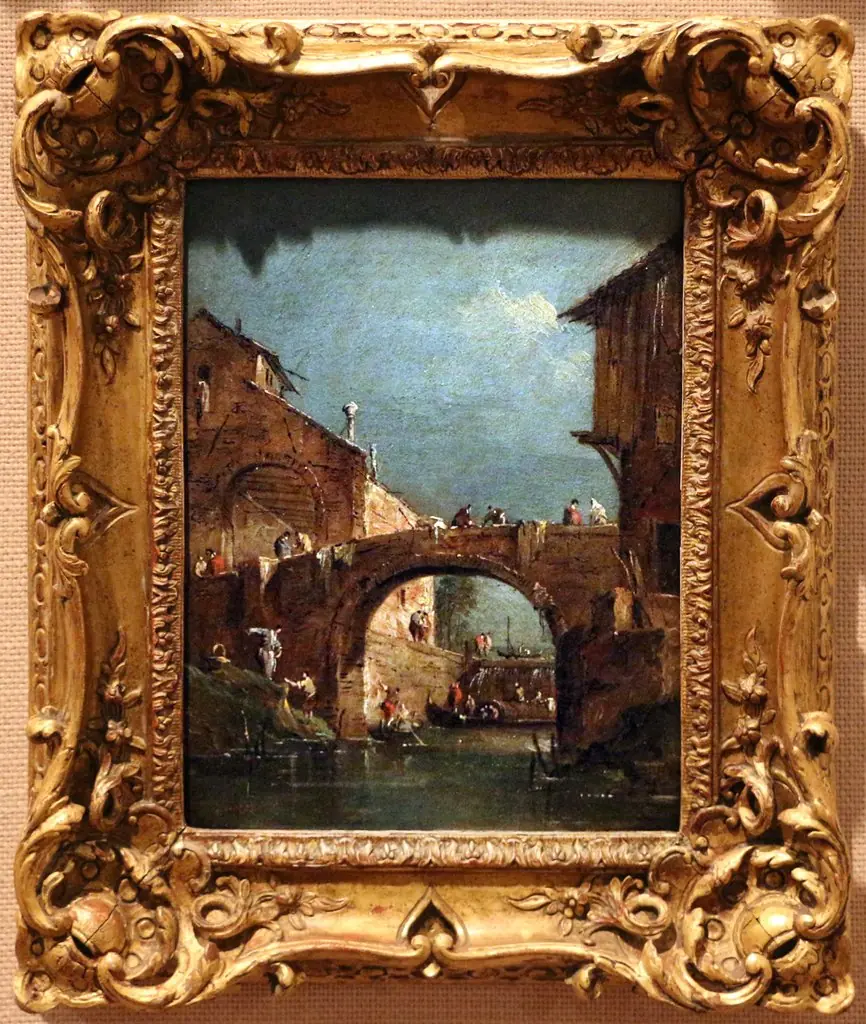 Ponte sobre o Brenta perto da eclusa Dolo
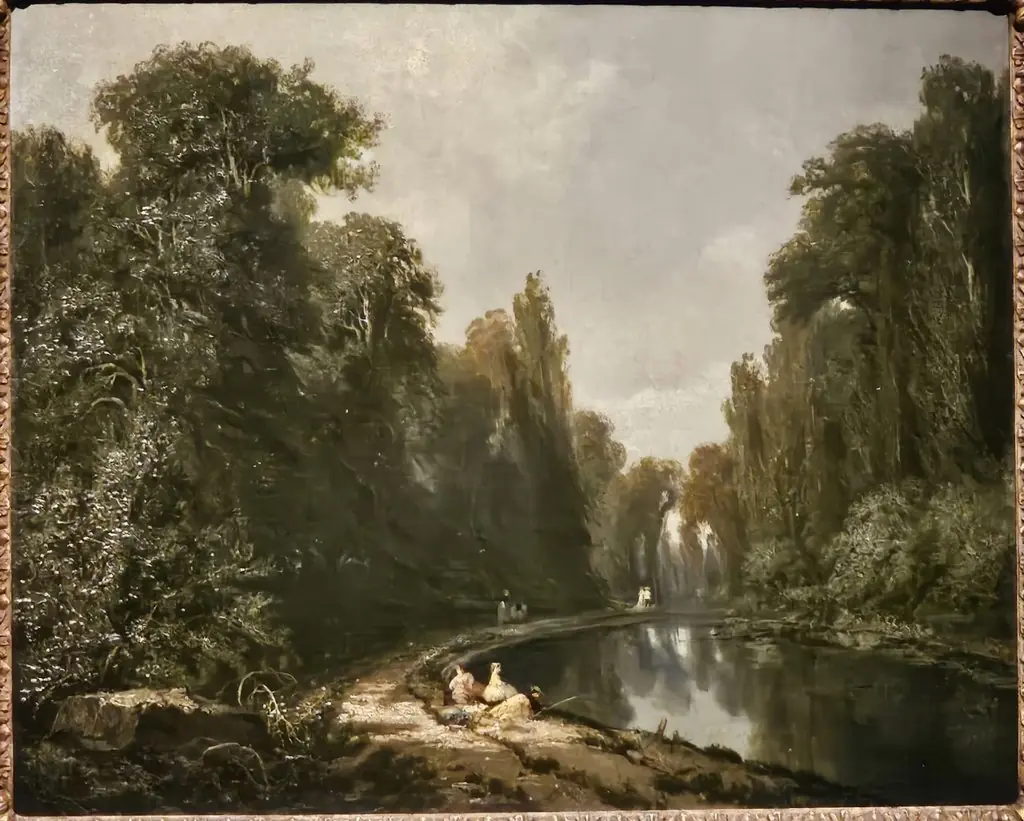 Paisagem num parque
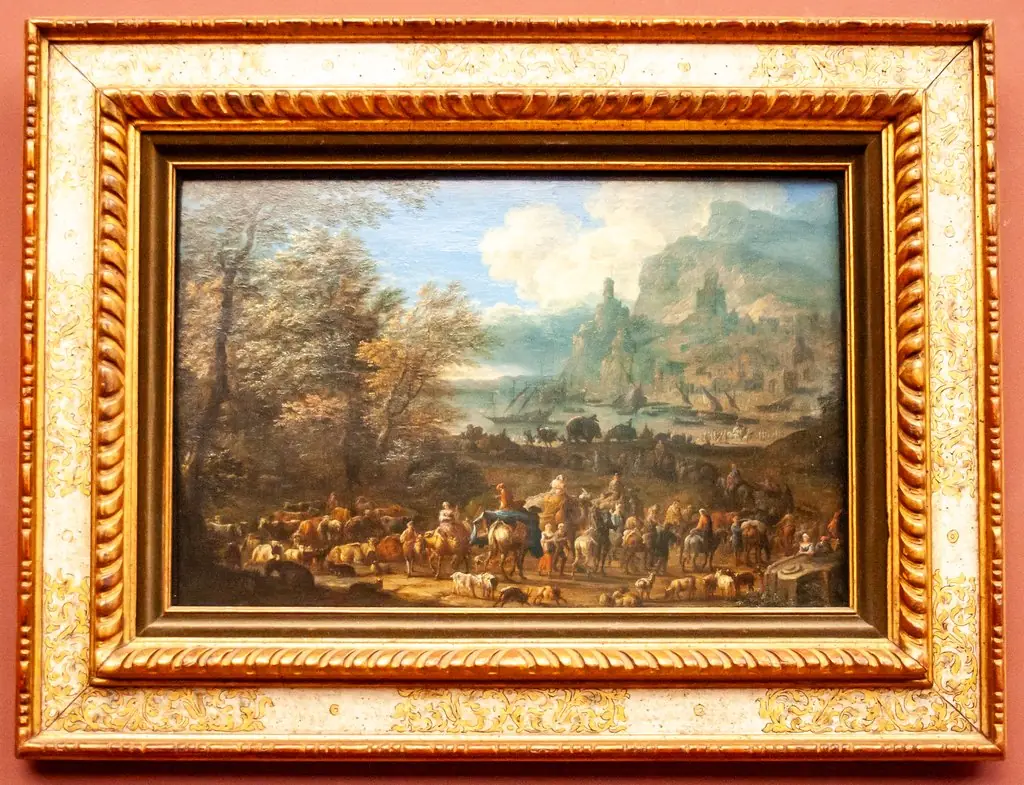 Landschap met figuren bij een inham aan de zee
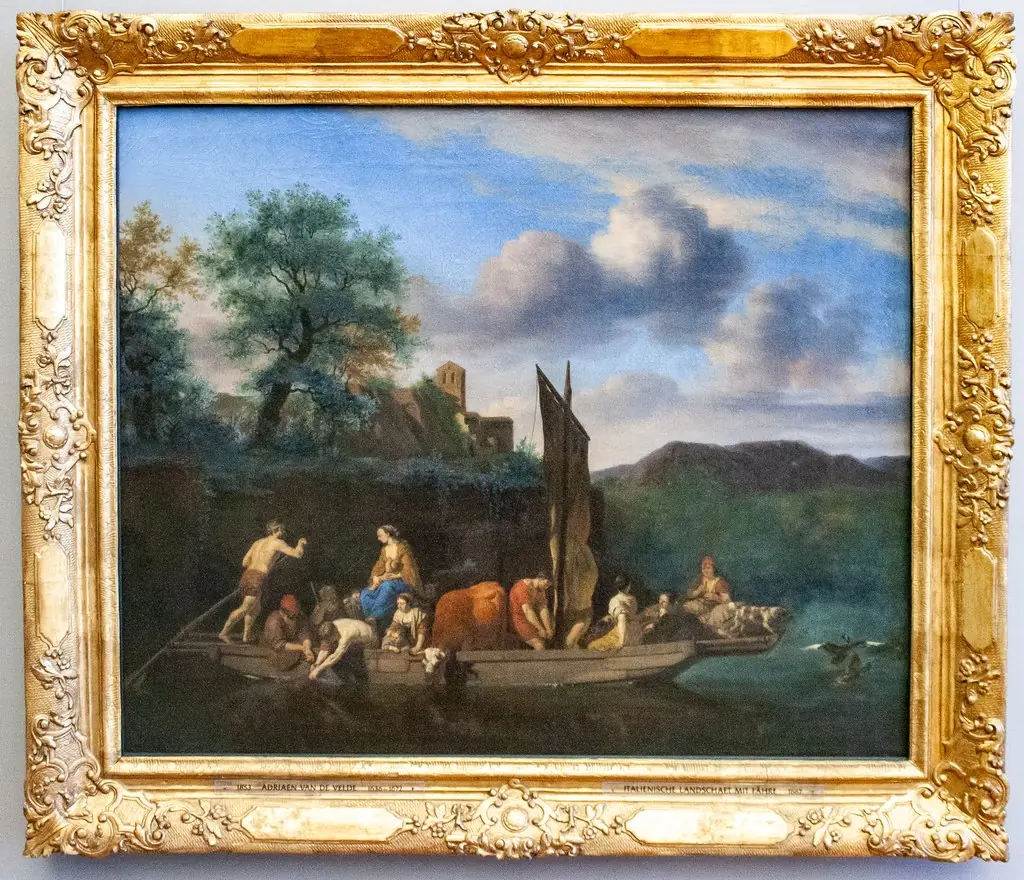 Italienische Landschaft mit Fähre
 Italianate Landscape with Figures and Pack Animals on the Banks of a River