Artwork
Portrait of a Young Woman in a Red Robe
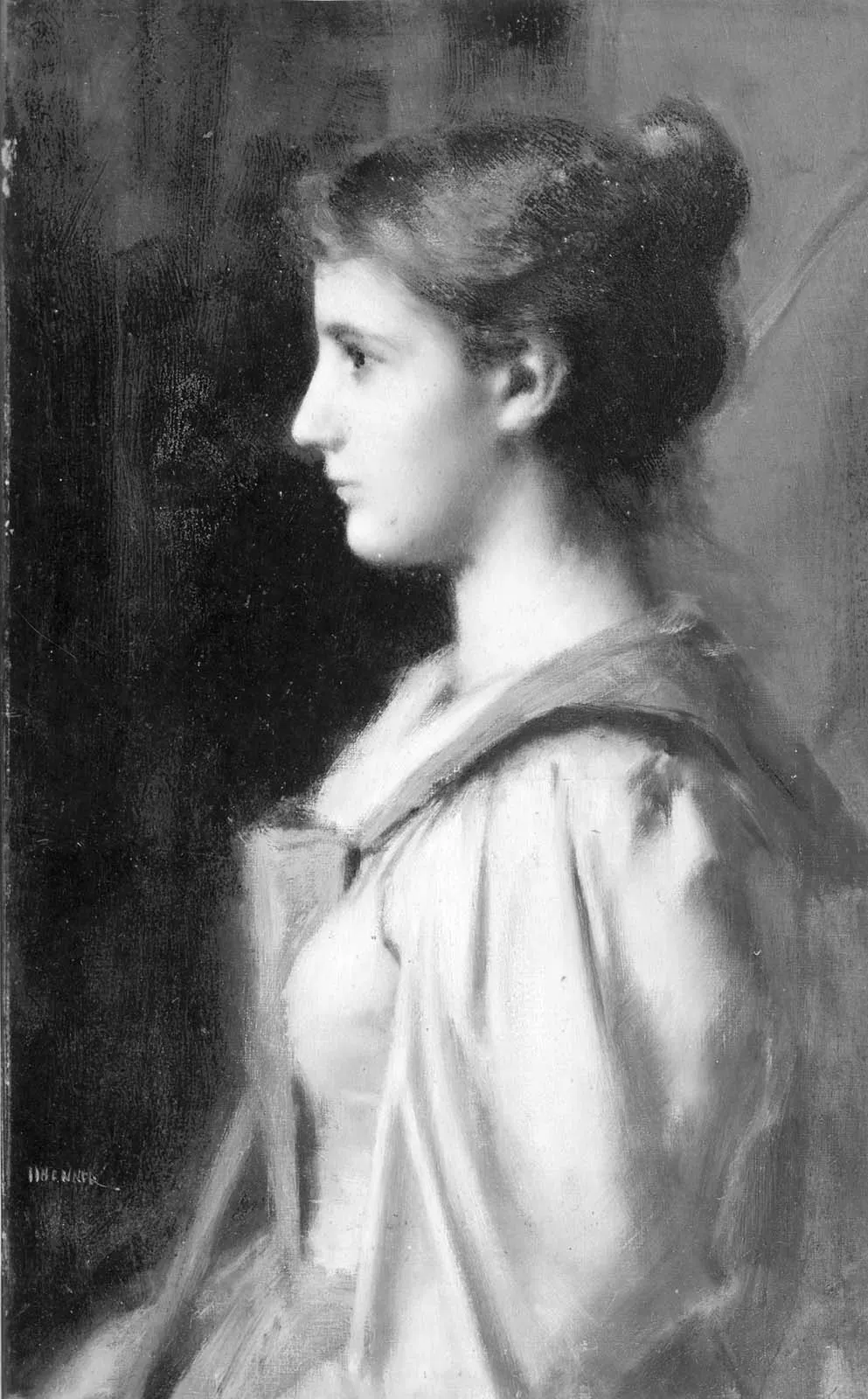
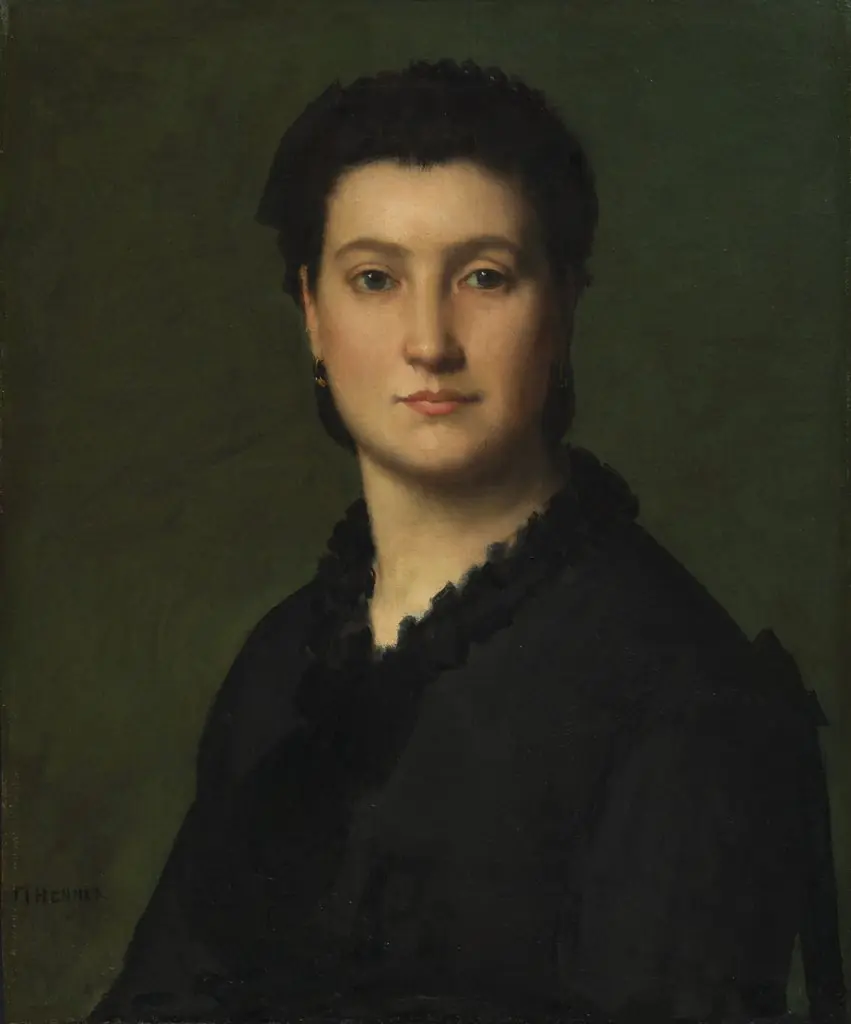
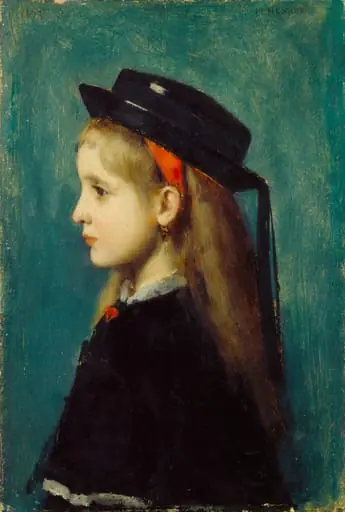
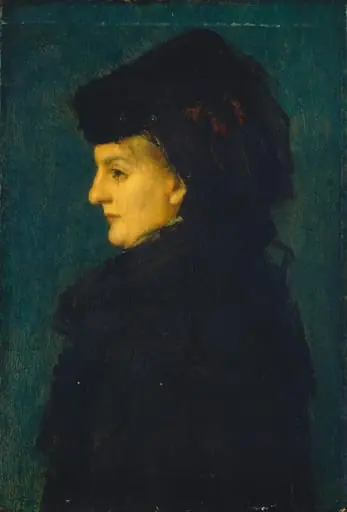
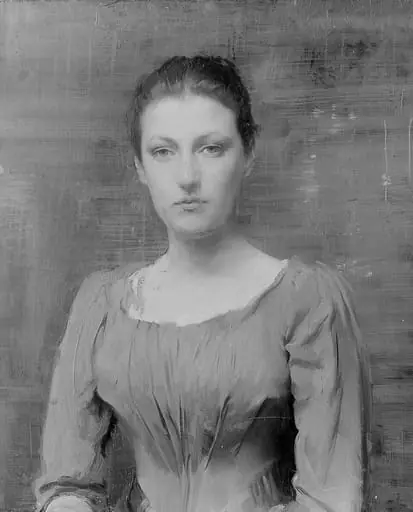
Portrait of a Young Woman in a Red Robe is an oil painting by Jean-Jacques Henner. It is held in the collection of the Museum of Fine Arts Boston.
About this work
Overview
Jean-Jacques Henner painted this oil portrait in the 19th century, capturing a young woman in a red robe with a focus on atmospheric depth and quiet intensity.
Jean-Jacques Henner painted this oil portrait in the 19th century, capturing a young woman in a red robe with a focus on atmospheric depth and quiet intensity. Known for his refined handling of light and shadow, Henner applied sfumato techniques to soften transitions between tones, creating a sense of quiet presence rather than theatrical drama. The work exemplifies his preference for intimate, psychologically grounded portraiture over grand narrative.
Subject & Meaning
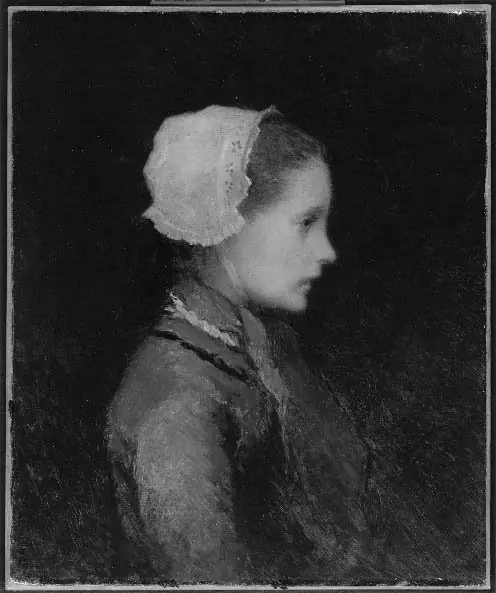
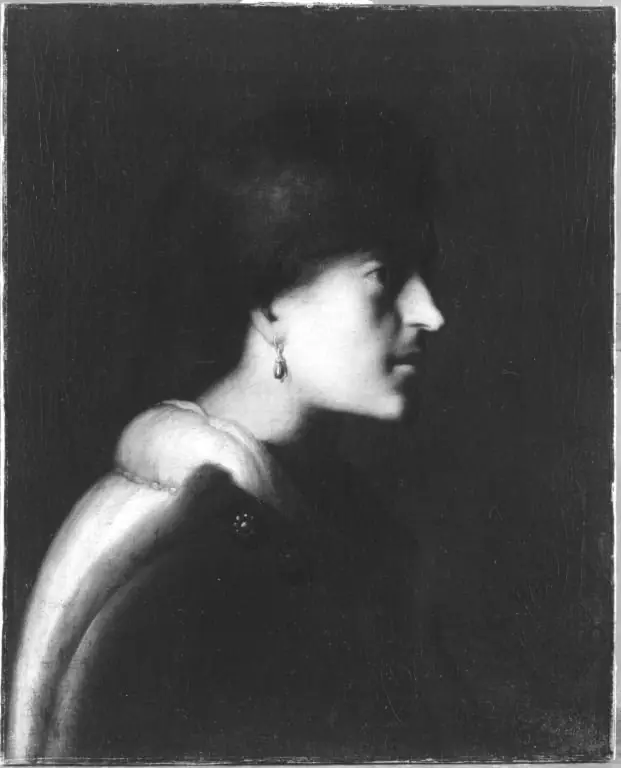
The subject is a young woman, facing slightly left, her expression calm and inward. Her dark hair is drawn back, revealing a composed demeanor, while the red robe suggests both dignity and subtle warmth. Beneath it, a lighter undergarment hints at layered social or domestic identity. The absence of props or context invites focus on her individuality, emphasizing presence over narrative, aligning with Henner’s interest in psychological stillness.
Technique & Style
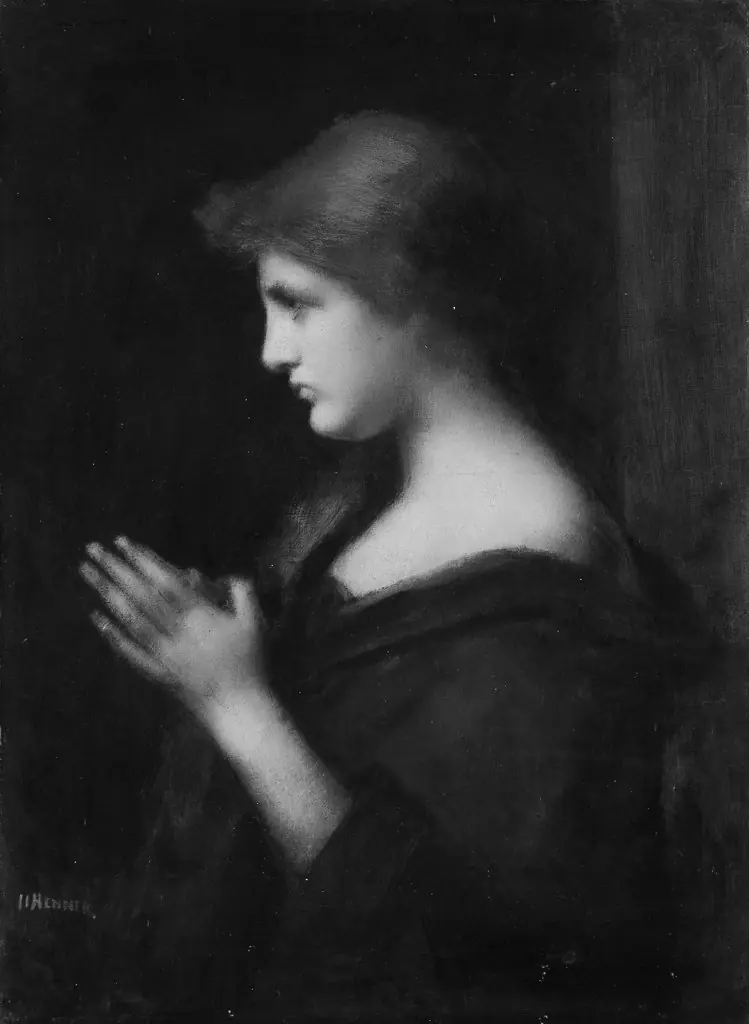
Henner employed chiaroscuro to model the figure against a deep, neutral background, enhancing the three-dimensionality of the form. His sfumato technique blurs edges gently, particularly around the face and the folds of the robe, avoiding harsh lines. The brushwork is controlled yet fluid, with careful attention to the texture of fabric and the subtle gradations of skin tone, reflecting his training in academic tradition while favoring emotional restraint.
History & Provenance
The painting entered the collection of the Museum of Fine Arts, Boston, where it remains today. While specific details of its early ownership are not widely documented, its inclusion in the museum’s holdings reflects its recognition within late 19th-century French academic circles. Henner’s reputation as a portraitist and his association with institutions like the Salon likely contributed to its preservation and eventual acquisition.
Context
Created during a period when academic painting still dominated French art, Henner’s work stood apart by prioritizing tonal harmony over linear precision. While contemporaries pursued realism or impressionism, he refined classical techniques to evoke mood through light and texture. This portrait reflects a quieter current in 19th-century portraiture—one that valued subtlety and psychological nuance over spectacle.
Legacy
Henner’s approach influenced later artists interested in atmospheric portraiture, though his name remains less prominent than his peers. This painting endures as a quiet example of his mastery over light and form, illustrating how academic traditions could be adapted to convey introspection. It continues to be studied for its technical restraint and the emotional resonance achieved through minimal means.
Artist & collection
Artist
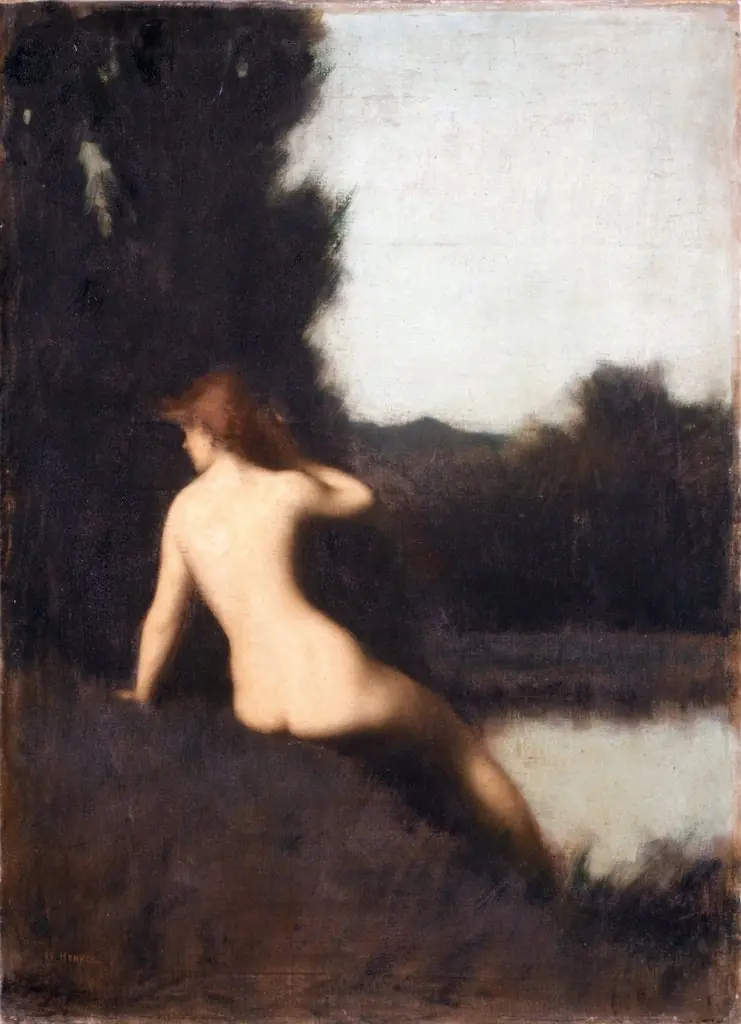
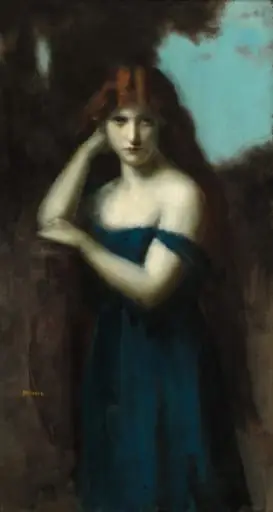
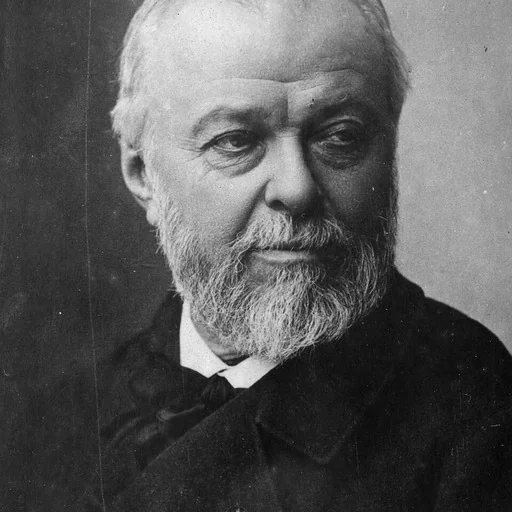
Jean-Jacques Henner (5 March 1829 – 23 July 1905) was a French painter, noted for his use of sfumato and chiaroscuro in painting nudes, religious subjects and portraits.