Artwork
The Miracle at Lourdes
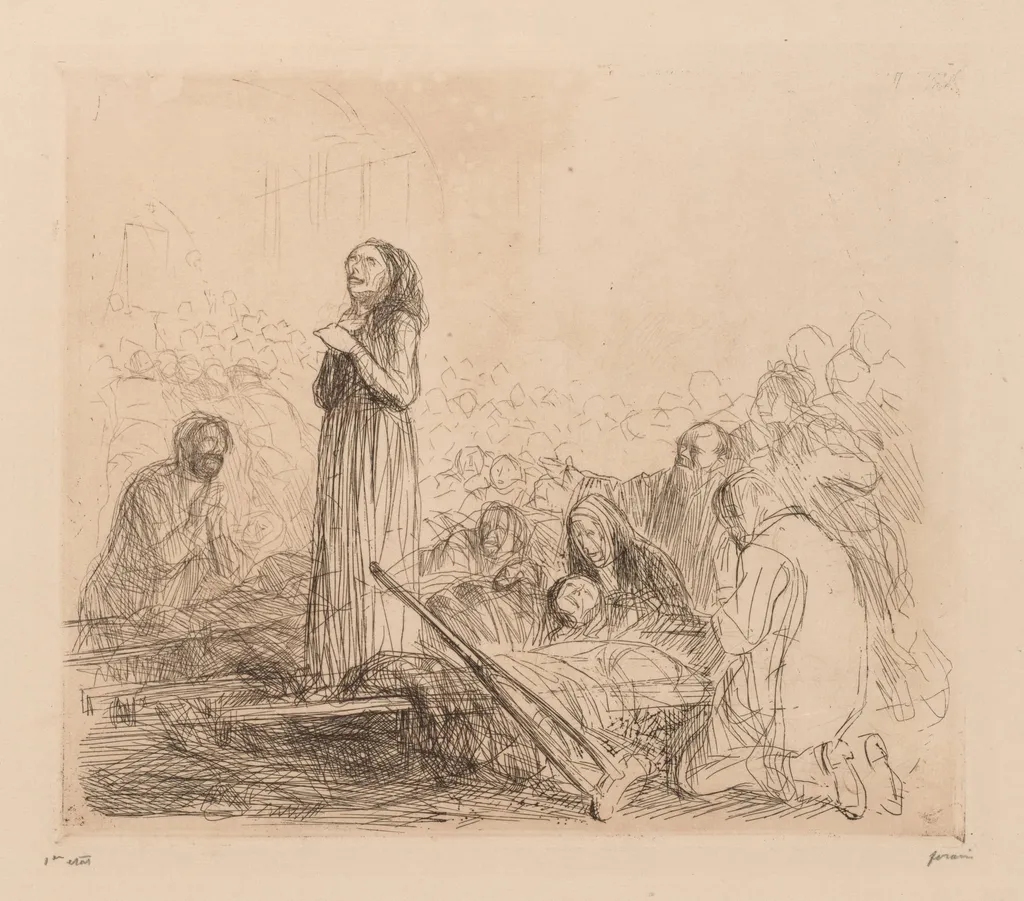
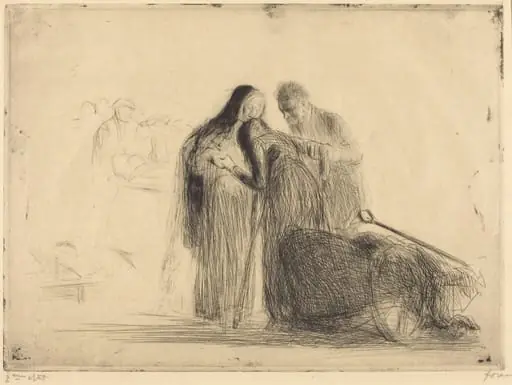
The Miracle at Lourdes is a print by the Impressionist artist Jean-Louis Forain. It dates from 1912 and is held in the collection of the Cleveland Museum of Art.
About this work
Overview
Forain, known for his engagement with both Impressionist and Realist traditions, here shifts focus from urban satire to a contemplative spiritual scene.
The Miracle at Lourdes is a print created around 1912 by the French artist Jean-Louis Forain. It is part of the collection at The Cleveland Museum of Art. The work captures a quiet, solemn moment in a religious setting, rendered with subtle tonal contrasts and restrained detail. Forain, known for his engagement with both Impressionist and Realist traditions, here shifts focus from urban satire to a contemplative spiritual scene.
Subject & Meaning
The image centers on a woman in a dark garment, hands clasped in prayer, standing before a group of seated onlookers. Some gaze upward in quiet attention; others bow their heads in introspection. The scene evokes a moment of personal devotion within a communal context, possibly referencing pilgrimages to Lourdes, where faith and healing are intertwined. The absence of overt miracles or divine intervention emphasizes inner experience over spectacle.
Technique & Style
Forain employs a muted palette and soft, blended lines to convey atmosphere rather than sharp definition. The figures are rendered with economical detail, their forms suggested through tone and posture rather than precise modeling. The background holds a vague, dark mass—perhaps a structure or foliage—that anchors the composition without distracting. The style reflects a synthesis of Realist observation and Impressionist sensitivity to light and mood.
History & Provenance
Created in the early 20th century, the print entered The Cleveland Museum of Art’s collection through documented acquisition. While Forain is better known for his satirical depictions of Parisian life, this work stands as a rare devotional subject in his oeuvre. Its survival and preservation suggest it was valued by collectors for its emotional restraint and technical finesse, even if it diverged from his more famous themes.
Context
In early 1900s France, religious pilgrimage sites like Lourdes drew large crowds amid growing secularism. Artists often responded to these phenomena with either skepticism or reverence. Forain, who had previously critiqued bourgeois society, here avoids irony. The work reflects a broader cultural moment where personal spirituality, even in declining religious institutions, remained a visible, human impulse.
Legacy
Though not among Forain’s most widely reproduced works, The Miracle at Lourdes offers insight into his range beyond social commentary. It demonstrates his capacity for empathy and quiet observation, revealing a dimension of his art often overshadowed by his caricatures. The print remains a quiet testament to the persistence of private faith in modern life.
Artist & collection

Artist
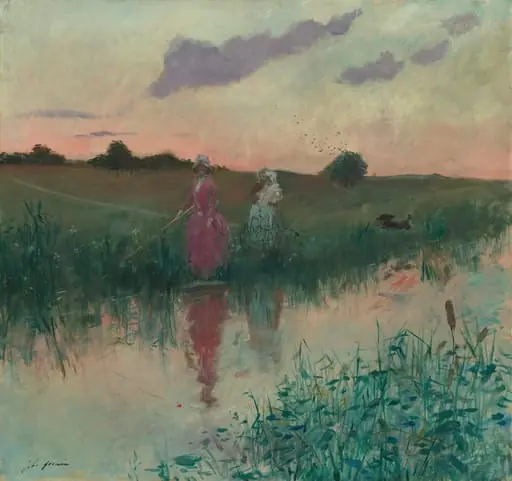
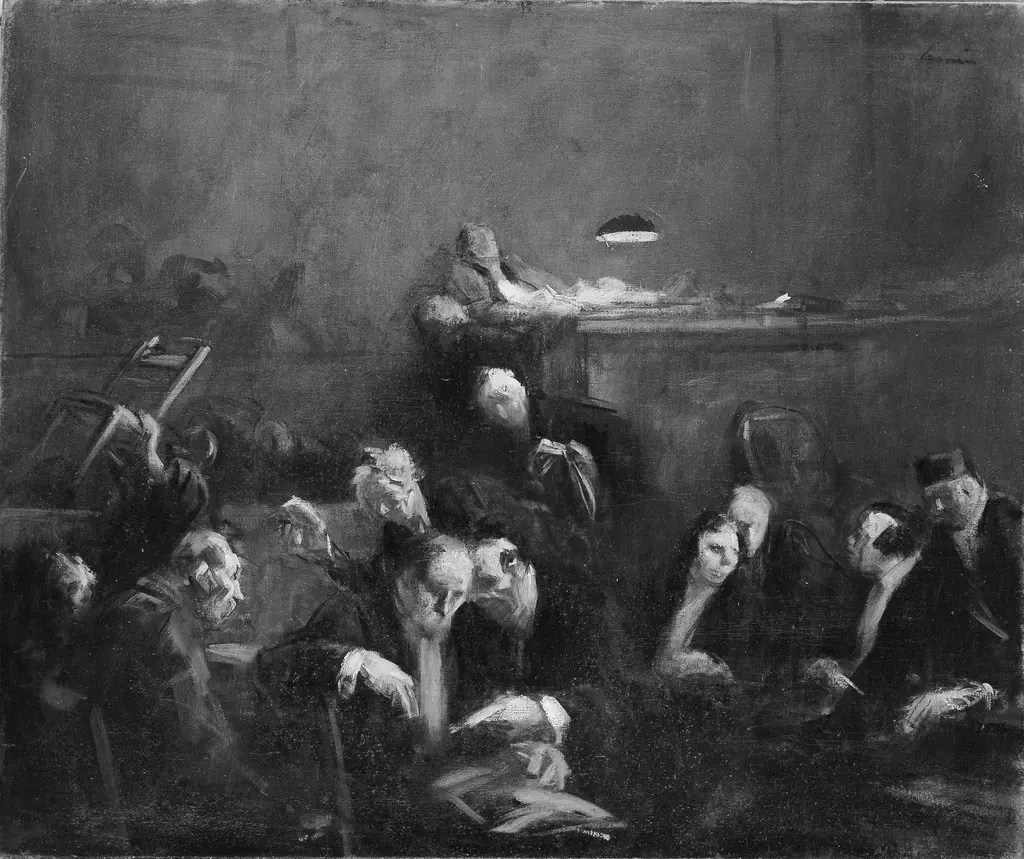
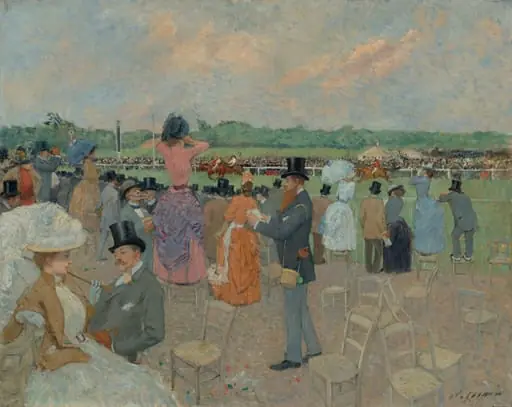
Jean-Louis Forain (French pronunciation: ; 23 October 1852 – 11 July 1931) was a French Impressionist painter and printmaker, working in media including oils, watercolour, pastel, etching and lithograph.

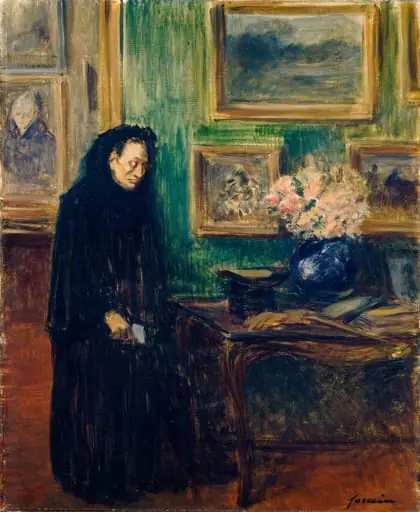
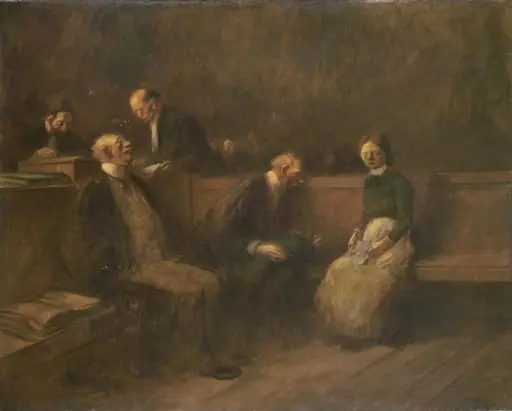
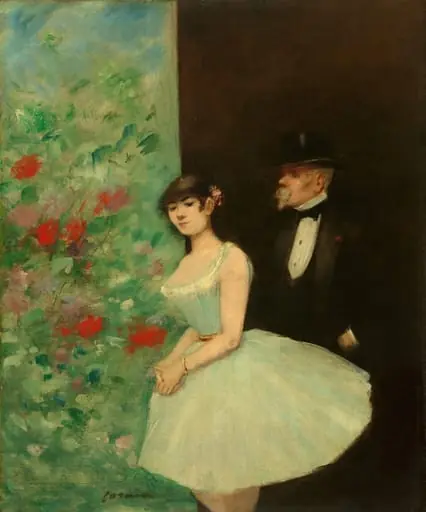
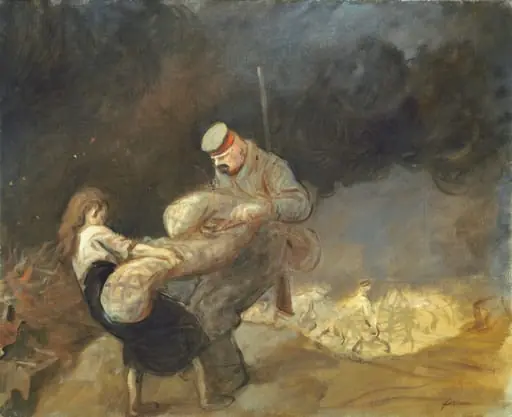
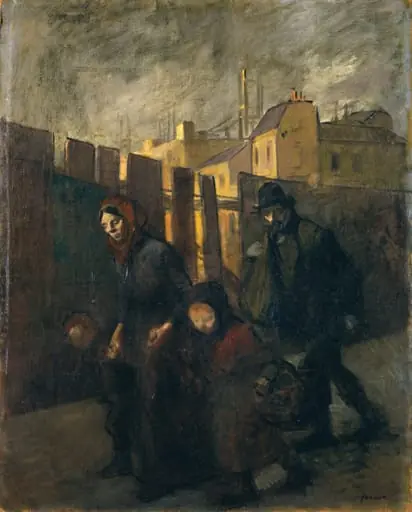
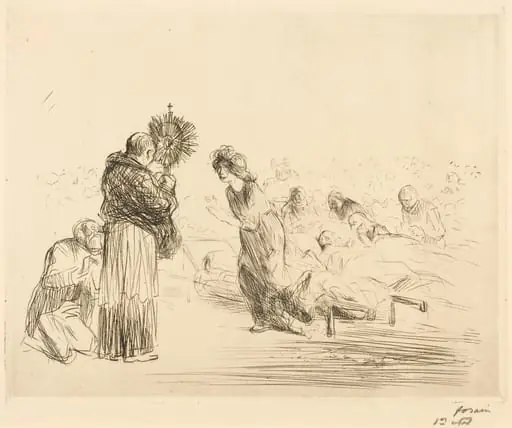 Le miraculé devant l'ostensoir (4e planche) (The Miracle before the Blessed Sacrament) (fourth plate)
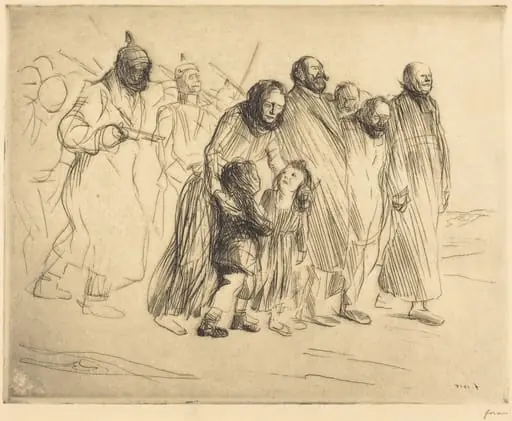 Les notables (petite planche) (The Notables) (small plate)
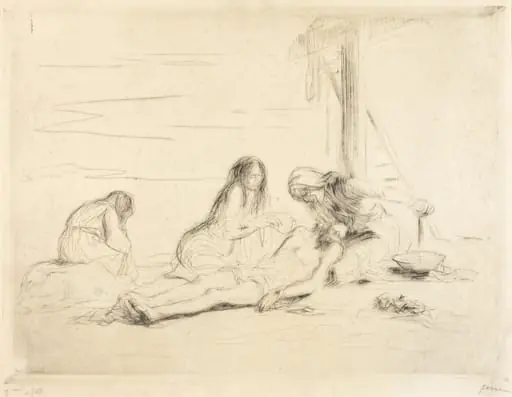 Pietà (1ère planche) (Pietà) (first plate)
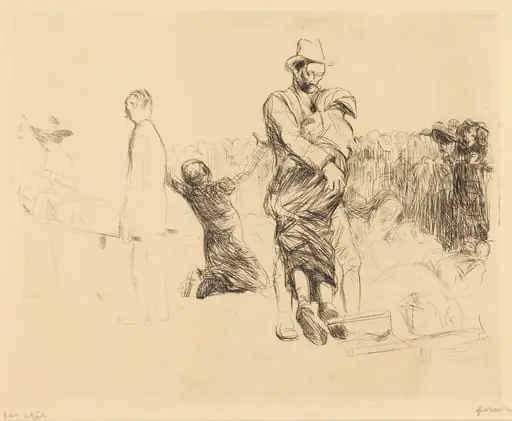 Lourdes, transport des paralysées (Lourdes, Transport of the Paralyzed)
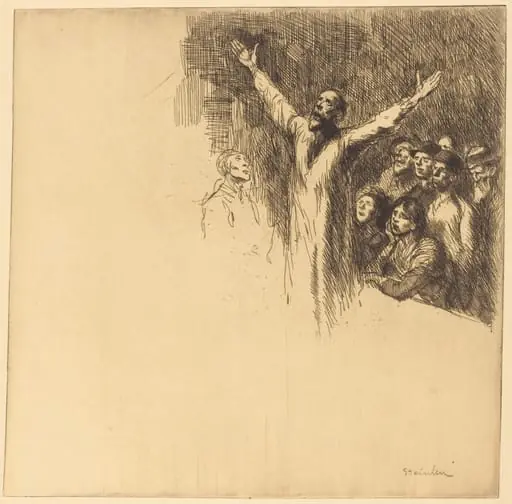 Prophet (Le prophete)
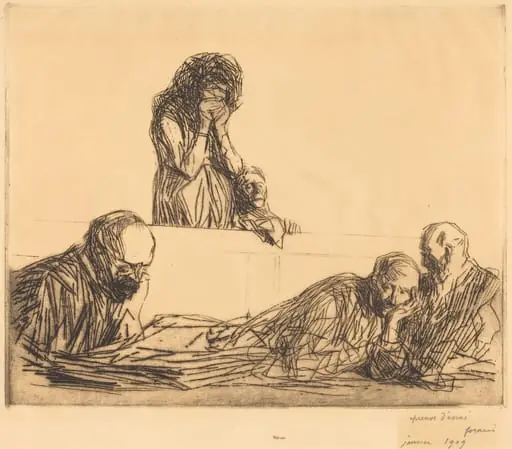 Fille-mère (1ère planche) (Unwed Mother) (first plate)
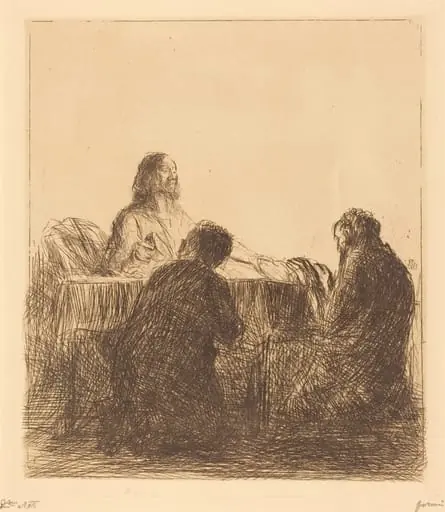 La fraction du pain (The Breaking of the Bread)
 Lourdes, la paralytique (2e planche) (Lourdes, the Paralytic) (second plate)