Artwork
Madame Sophie of France
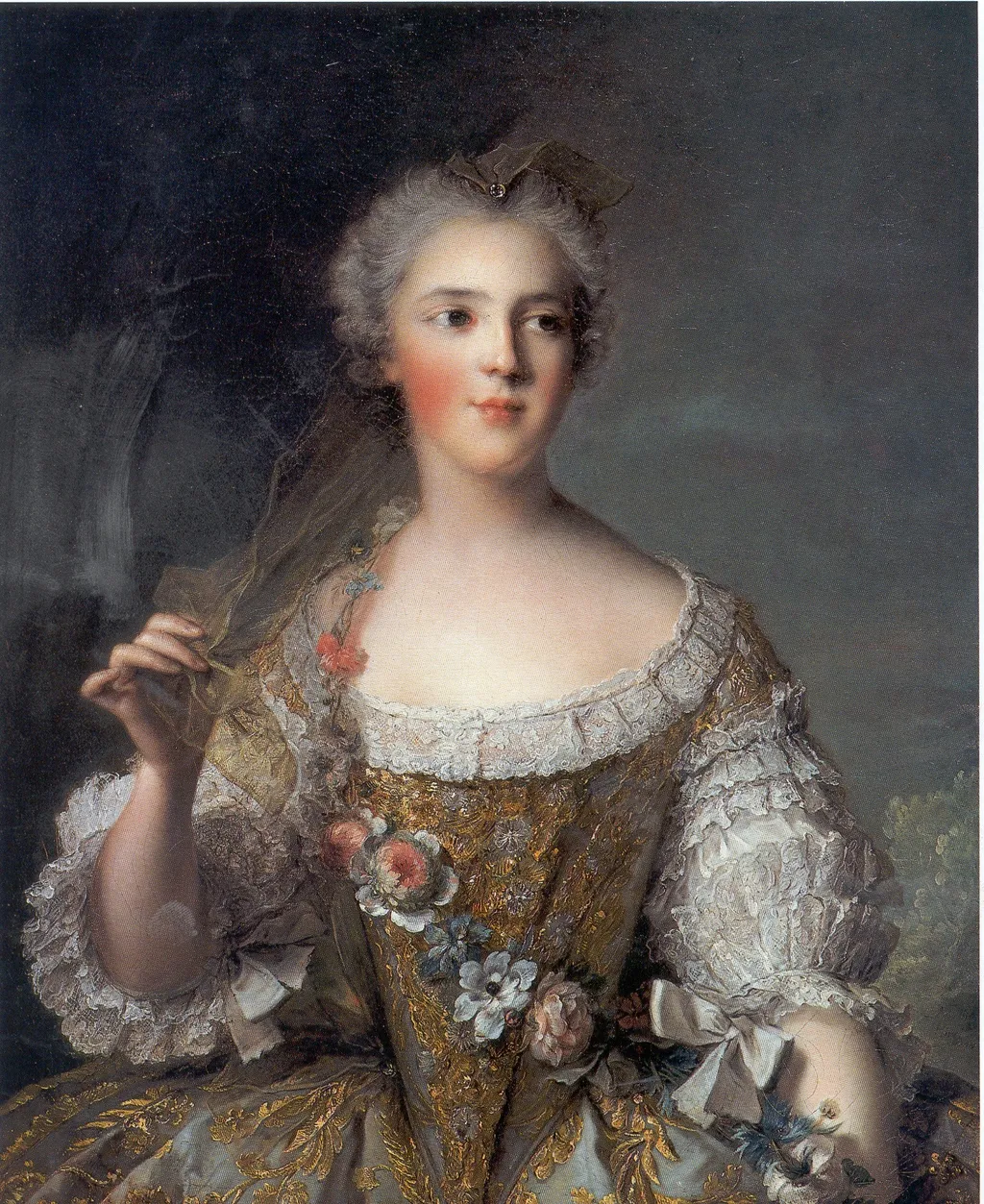
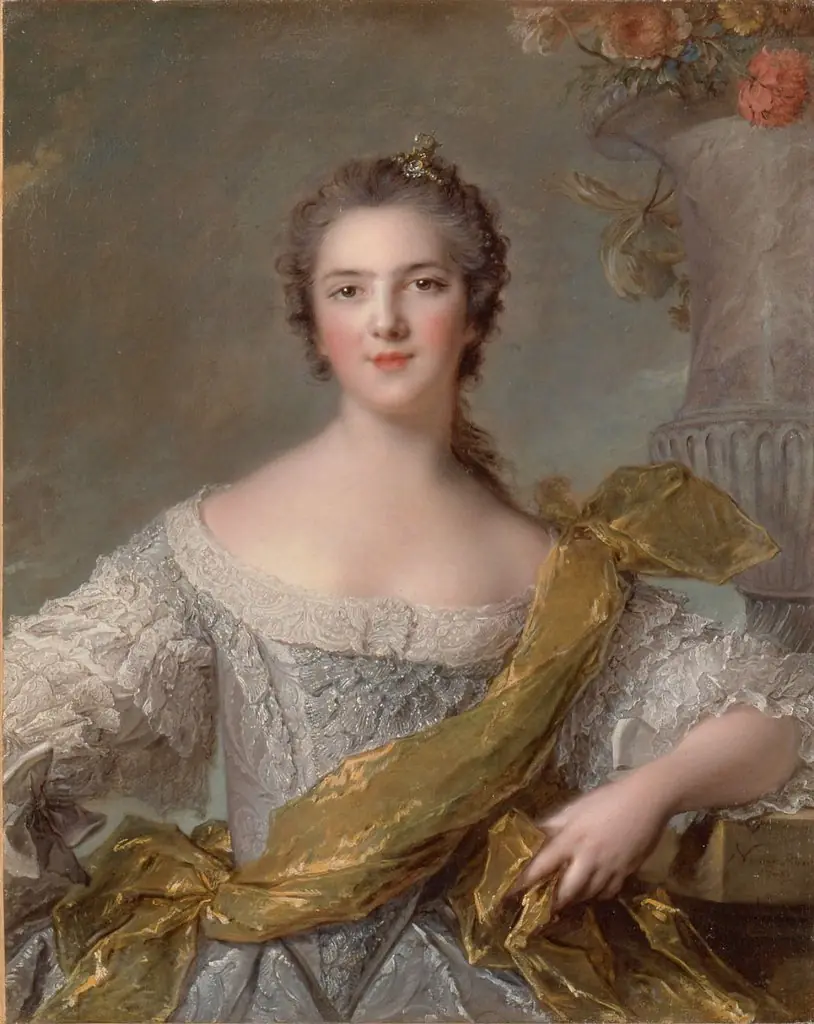
Madame Sophie of France is an oil painting by the Rococo painting artist Jean-Marc Nattier. It dates from 1748 and is held in the collection of the Palace of Versailles.
About this work
Overview
Nattier, trained in a family of artists, specialized in courtly portraiture that blended aristocratic likeness with mythological allusion.
Painted in 1748 by Jean-Marc Nattier, this oil-on-canvas portrait captures Sophie of France, the youngest daughter of King Louis XV. Nattier, trained in a family of artists, specialized in courtly portraiture that blended aristocratic likeness with mythological allusion. The work is part of the Palace of Versailles collection, reflecting its royal origin and the cultural priorities of the French court during the mid-eighteenth century.
Subject & Meaning
Sophie of France, a princess of the blood, is portrayed not as a historical figure in action but as an idealized noblewoman. Her pose and attire evoke classical grace, aligning her with pastoral or mythological ideals common in Rococo portraiture. The subtle gesture of holding fabric suggests refinement rather than narrative, reinforcing her status through cultivated demeanor rather than overt symbolism.
Technique & Style
Nattier employed delicate brushwork to render the textures of silk, lace, and gold embroidery with precision. The contrast between the pale, luminous figure and the dark, undefined background heightens the subject’s presence. Soft lighting and fluid lines characterize the Rococo aesthetic, emphasizing elegance over drama. The updo and bow, while fashionable, are rendered with restraint, avoiding excessive ornamentation.
History & Provenance
Commissioned during the reign of Louis XV, the portrait was likely intended for display within royal residences. It entered the Palace of Versailles collection shortly after completion and remained there through subsequent political upheavals. Its preservation reflects its significance as a document of royal identity, even as the monarchy’s power waned in the decades that followed.
Context
In mid-eighteenth-century France, portraiture for royal women often merged personal likeness with allegorical themes to elevate their public image. Nattier’s approach, influenced by earlier court painters like Rigaud, catered to a taste for refined beauty and subtle symbolism. This portrait aligns with a broader trend of using art to soften the authority of the monarchy through aesthetic grace.
Legacy
Nattier’s portraits of French princesses, including this one, remain key examples of how art served aristocratic identity in the Ancien Régime. While later movements rejected Rococo ornamentation, these works continue to inform studies of gender, status, and visual culture in pre-revolutionary France. The painting endures as a quiet testament to the aesthetics of courtly life.
Own this work as a print
Artist & collection
Artist
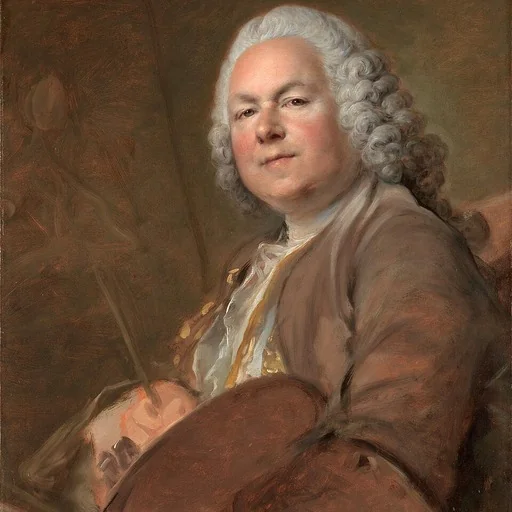
Jean-Marc Nattier (French pronunciation: ; 17 March 1685 – 7 November 1766) was a French painter.

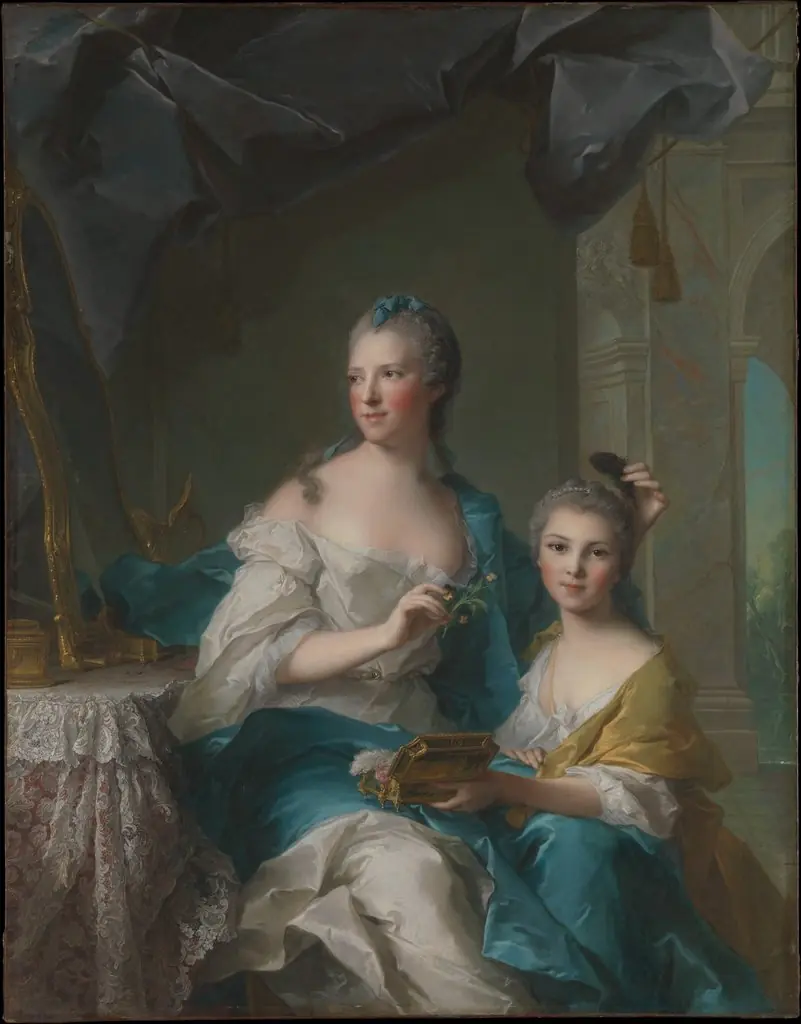 Madame Marsollier and Her Daughter
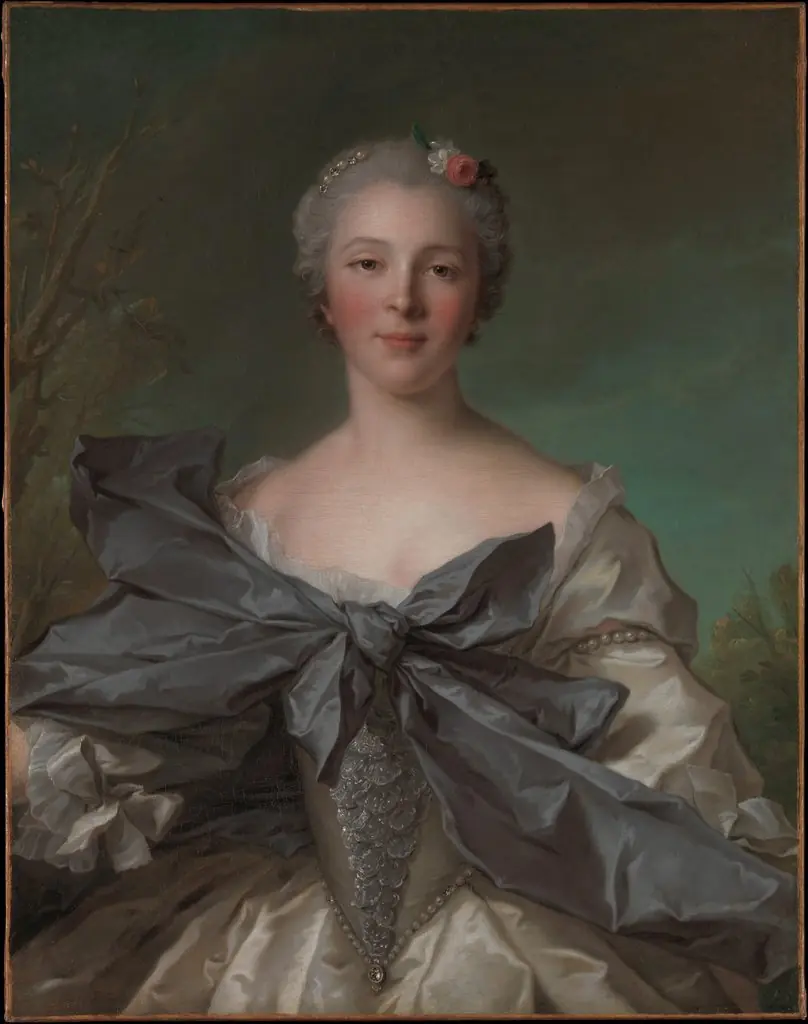 Marie Françoise de La Cropte de St. Abre, Marquise d'Argence
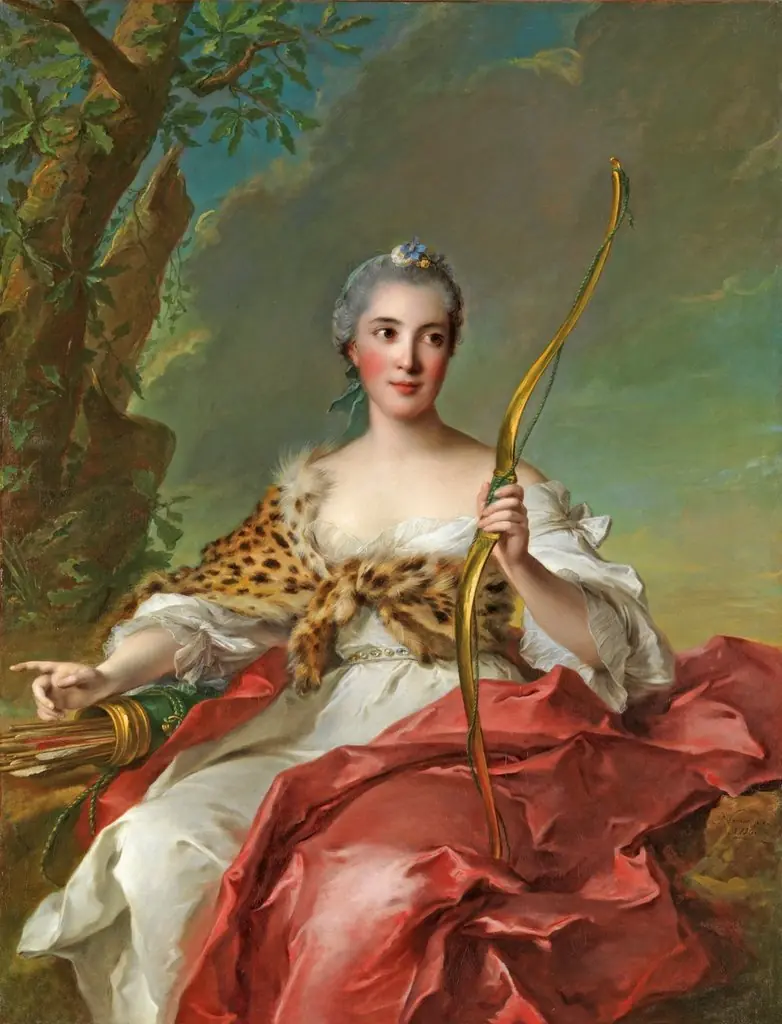 Madame Bergeret de Frouville as Diana
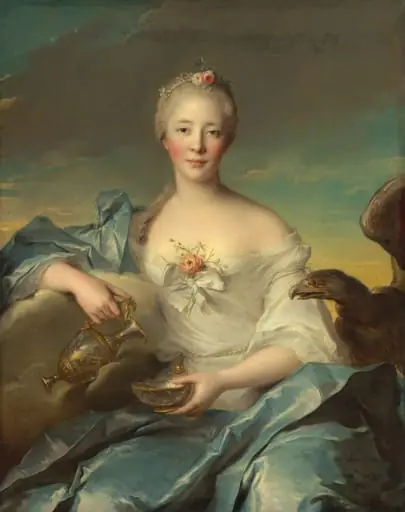 Madame Le Fèvre de Caumartin as Hebe
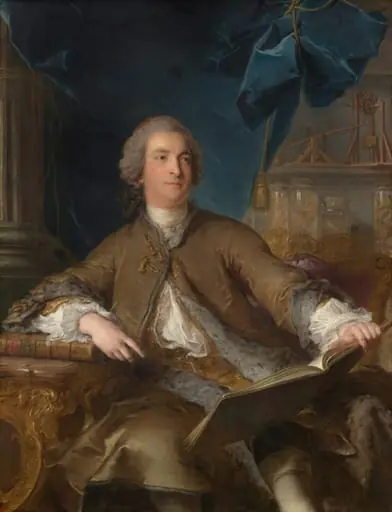 Joseph Bonnier de la Mosson
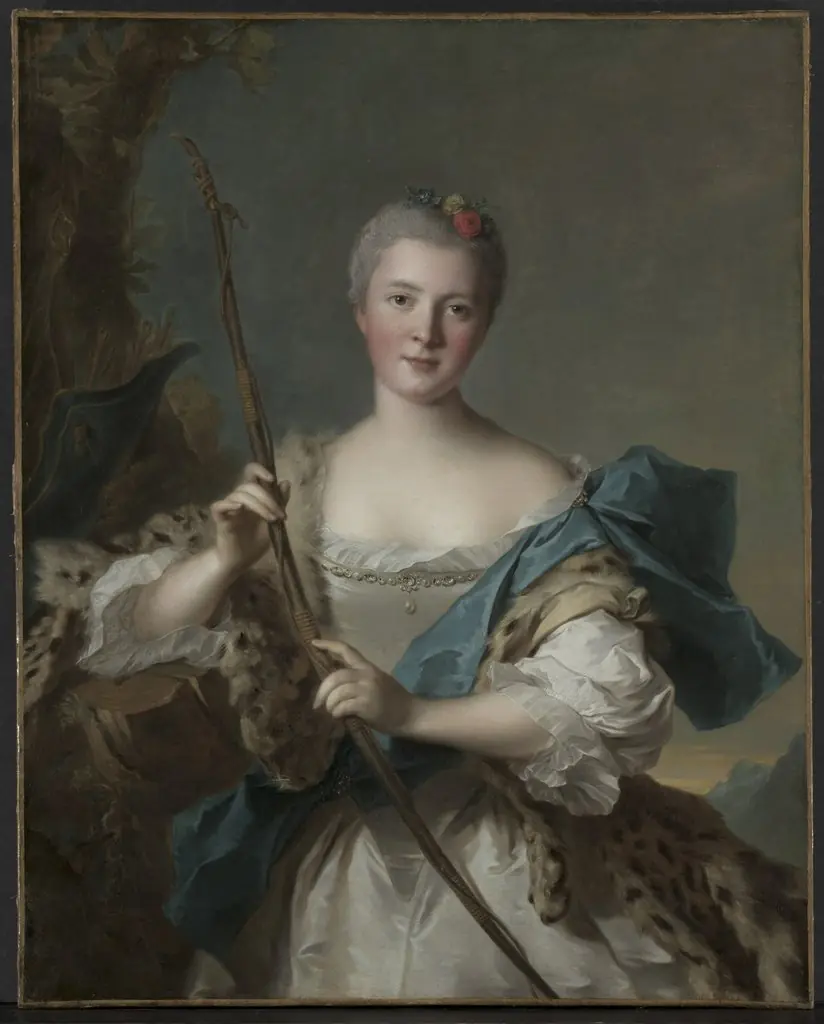 Portrait of a Woman as Diana
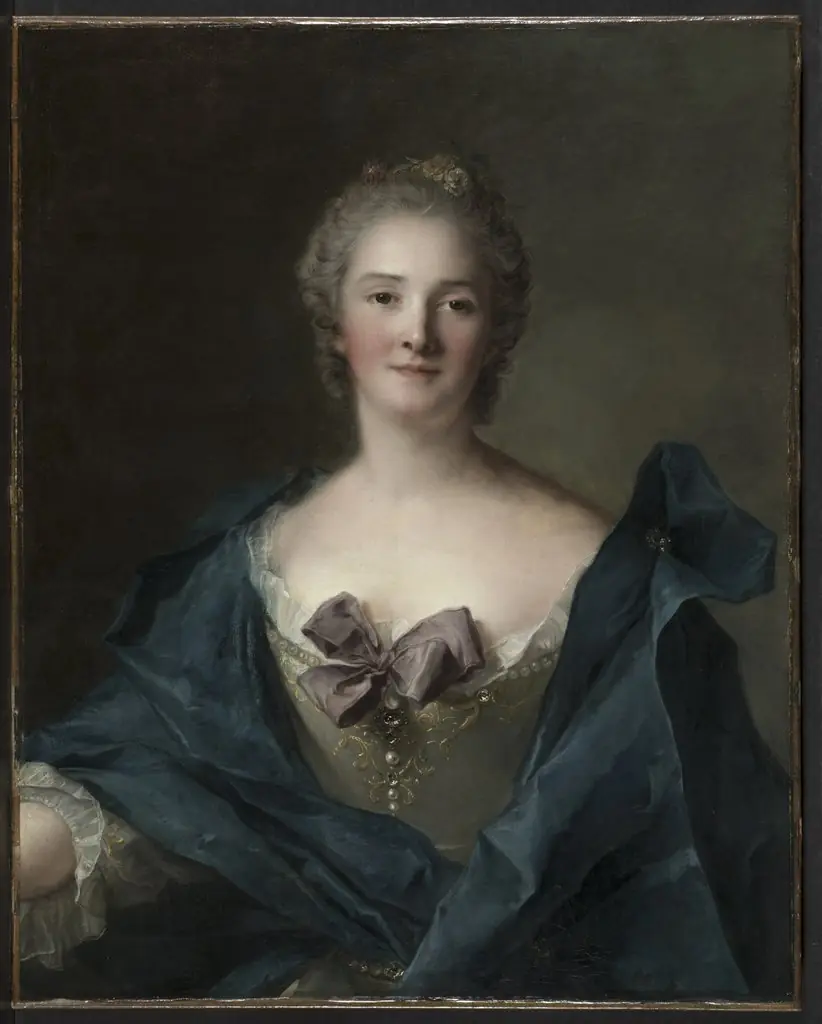 Portrait of a Woman
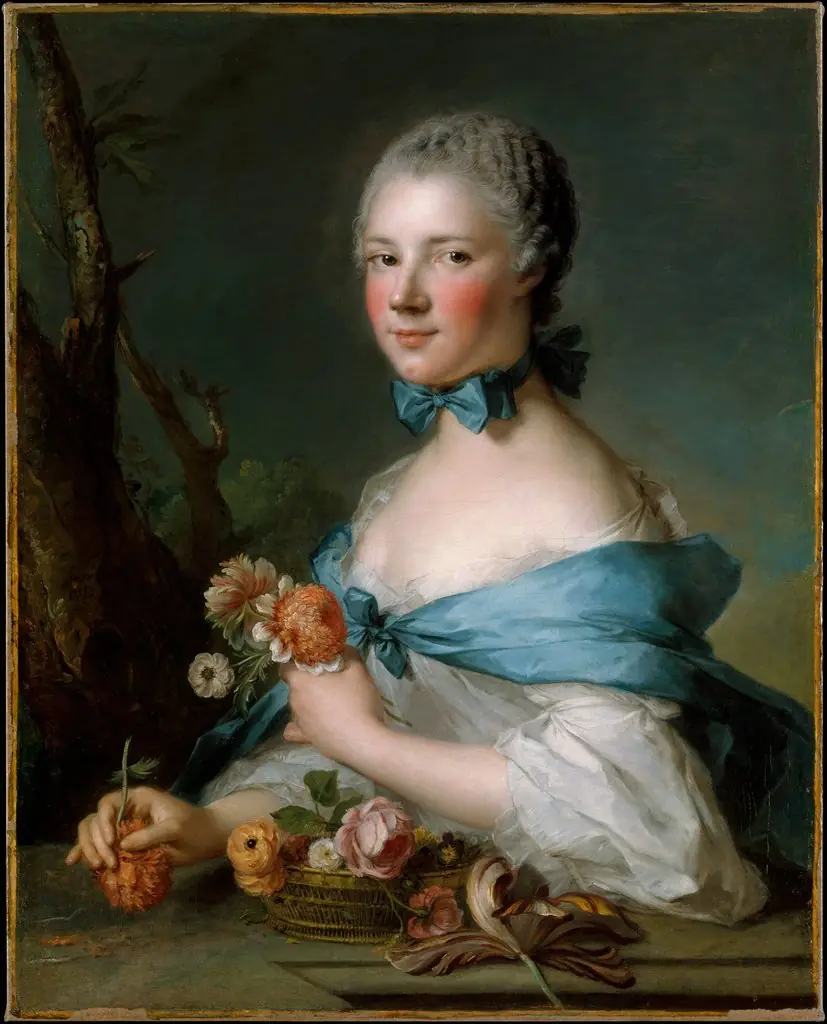 Portrait of a Woman, Called the Marquise Perrin de Cypierre
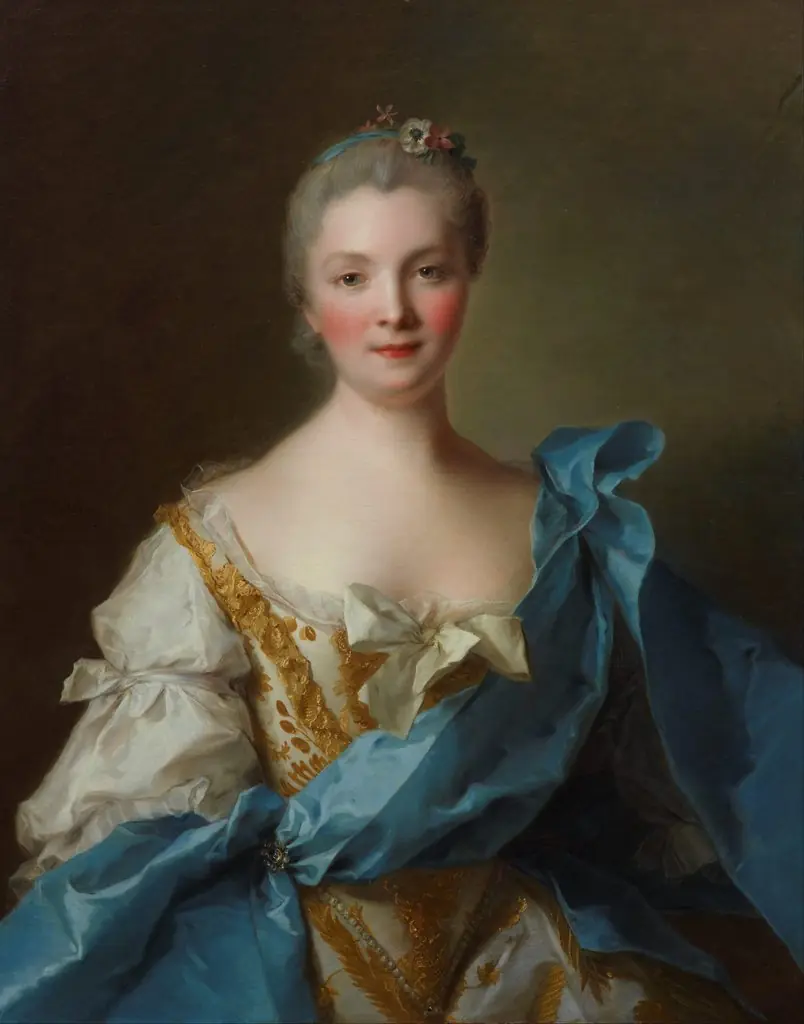 Madame de La Porte
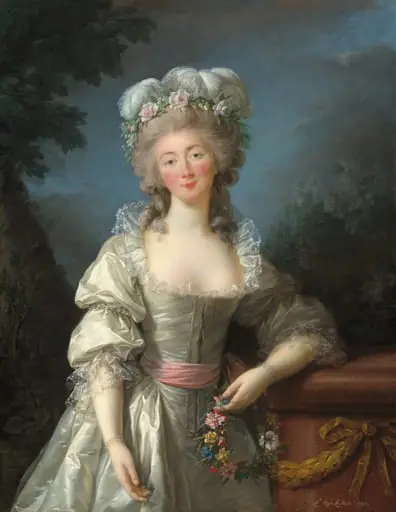 Madame du Barry
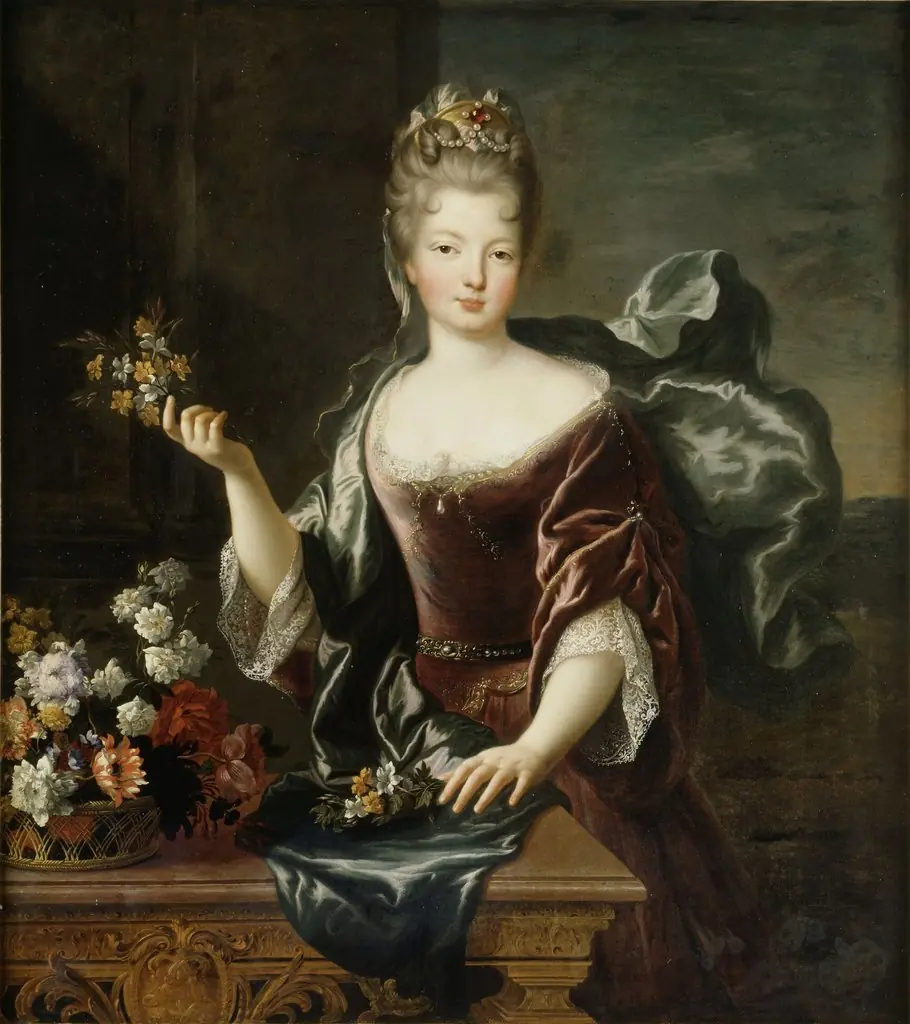 Françoise-Marie de Bourbon, Mademoiselle de Blois, Duchess of Orleans
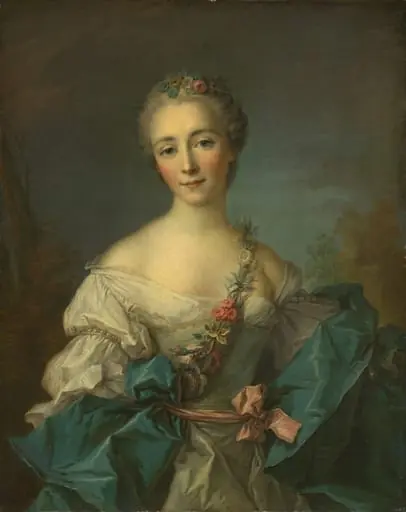 Portrait of a Young Woman
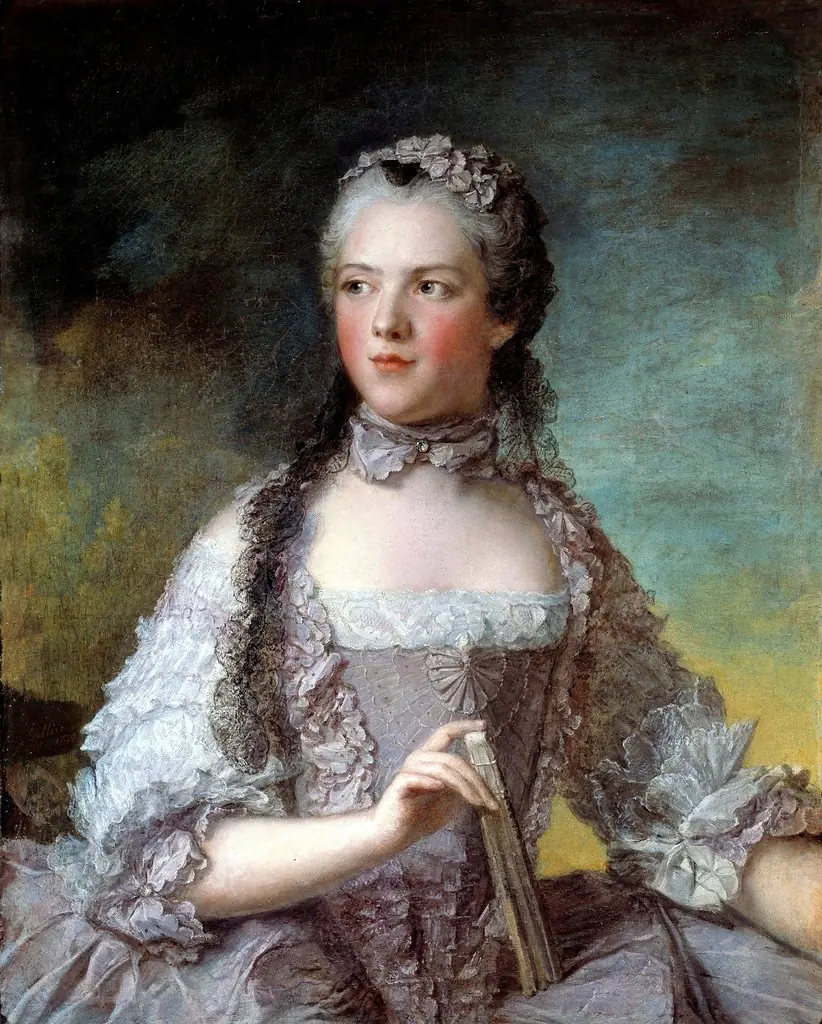 Madame Adélaïde de France (1732–1800), daughter of Louis XV
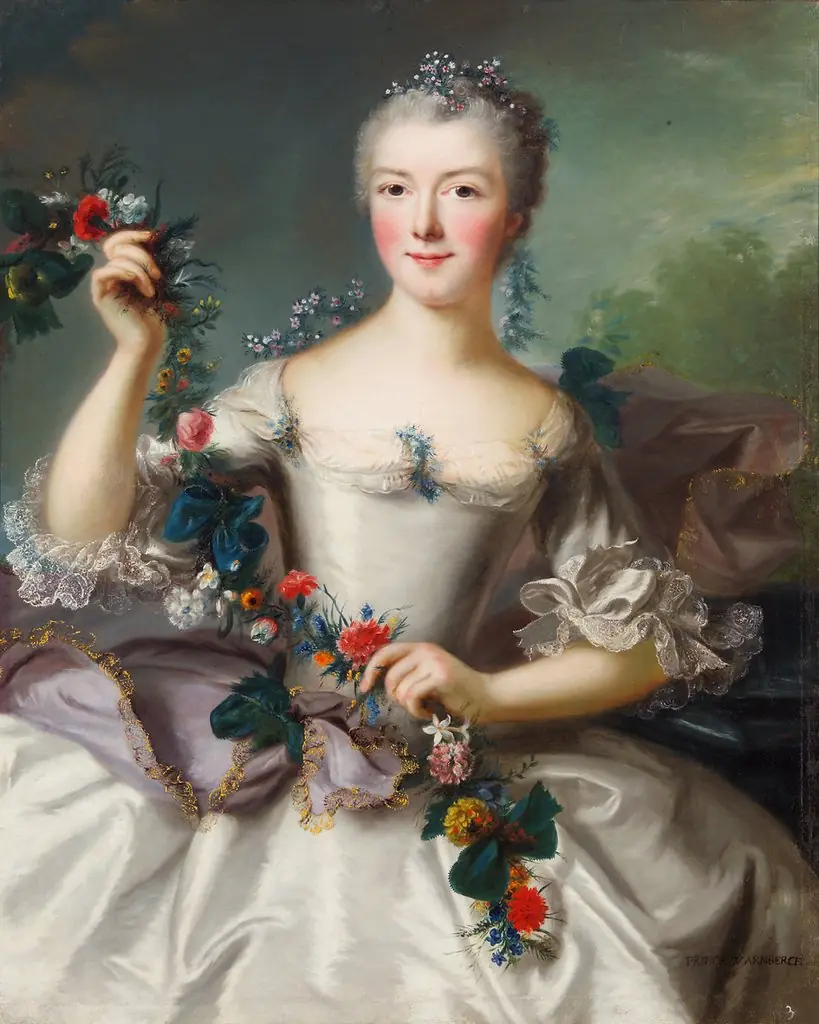 Louise Margarethe (1730-1820) Prinzessin Arenberg, Dreiviertelporträt
 Portrait of Victoire of France
 Portrait of an Unknown Woman with a Rose