Artwork
Presumed portrait of Philippine Élisabeth d'Orléans
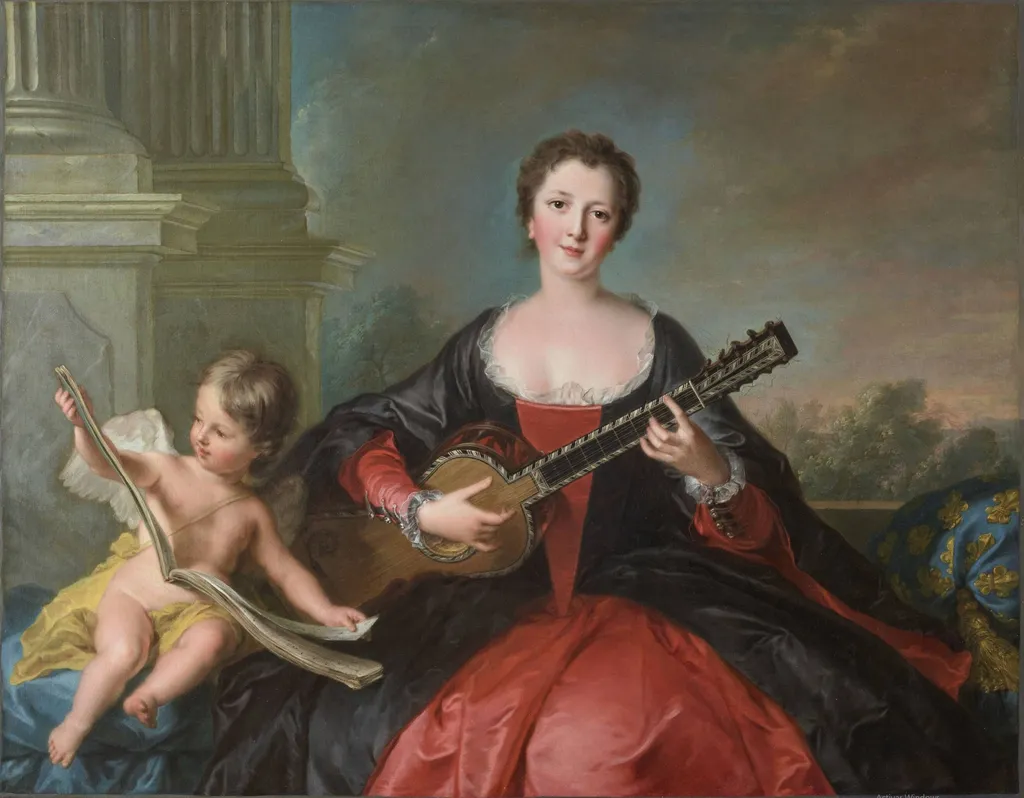
Presumed portrait of Philippine Élisabeth d'Orléans is an oil painting by the Rococo painting artist Jean-Marc Nattier. It dates from 1731 and is held in the collection of the Palace of Versailles.
About this work
Overview
Created in 1731, this oil painting is attributed to the French artist Jean-Marc Nattier. It depicts a seated woman in a vivid red gown, accompanied by a small cherubic figure holding a bow and arrow. The composition is set against a blue upholstered couch, and the woman holds a lute, suggesting a cultivated, possibly aristocratic milieu.
Subject & Meaning
The central figure is identified as Philippine Élisabeth d'Orléans, a member of the French royal family. The inclusion of a lute and a cherub—symbols of music and love—aligns with the period’s practice of embedding allegorical references that highlight the sitter’s refinement and virtue.
Technique & Style
Executed in oil on canvas, the work displays Nattier’s characteristic Rococo elegance: delicate brushwork, luminous coloration, and a graceful handling of fabrics. The rendering of the red dress’s texture and the soft modeling of the cherub’s flesh demonstrate a high degree of technical skill and attention to surface detail.
History & Provenance
The painting entered the collection of the Palace of Versailles, where it remains part of the museum’s holdings. Its attribution to Nattier rests on stylistic parallels with his other court portraits, especially those that place female sitters within mythological or allegorical settings.
Context
During the early 18th century, Nattier specialized in portraits of women from Louis XV’s court, often portraying them as mythological figures. This approach catered to the aristocracy’s taste for classical allusion while reinforcing the social status of the sitter through elegant, idealized representation.
Own this work as a print
Artist & collection
Artist
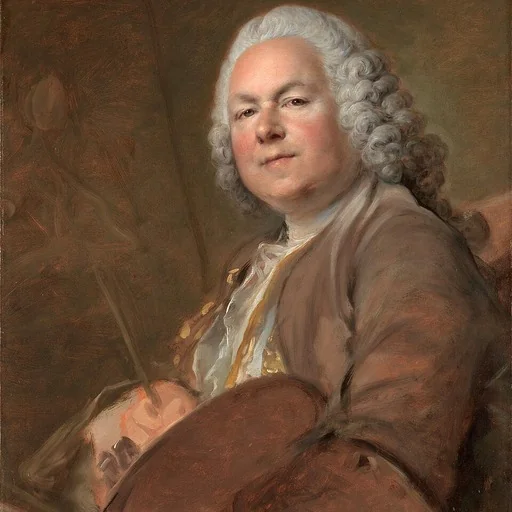
Jean-Marc Nattier (French pronunciation: ; 17 March 1685 – 7 November 1766) was a French painter.

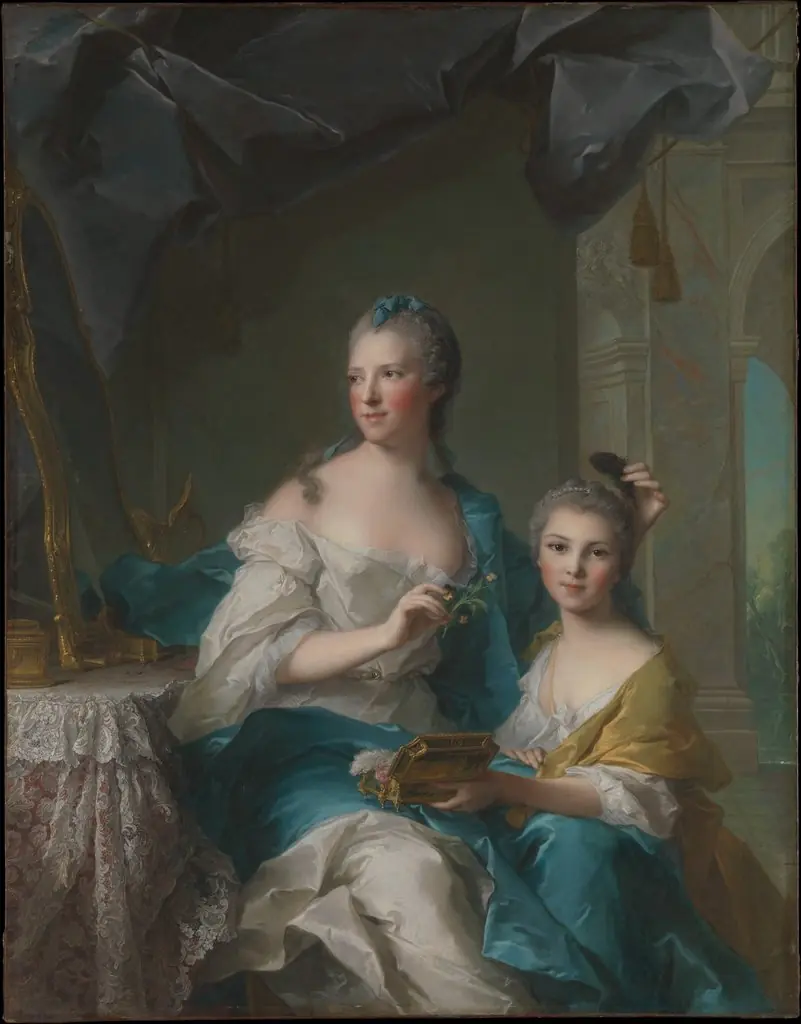 Madame Marsollier and Her Daughter
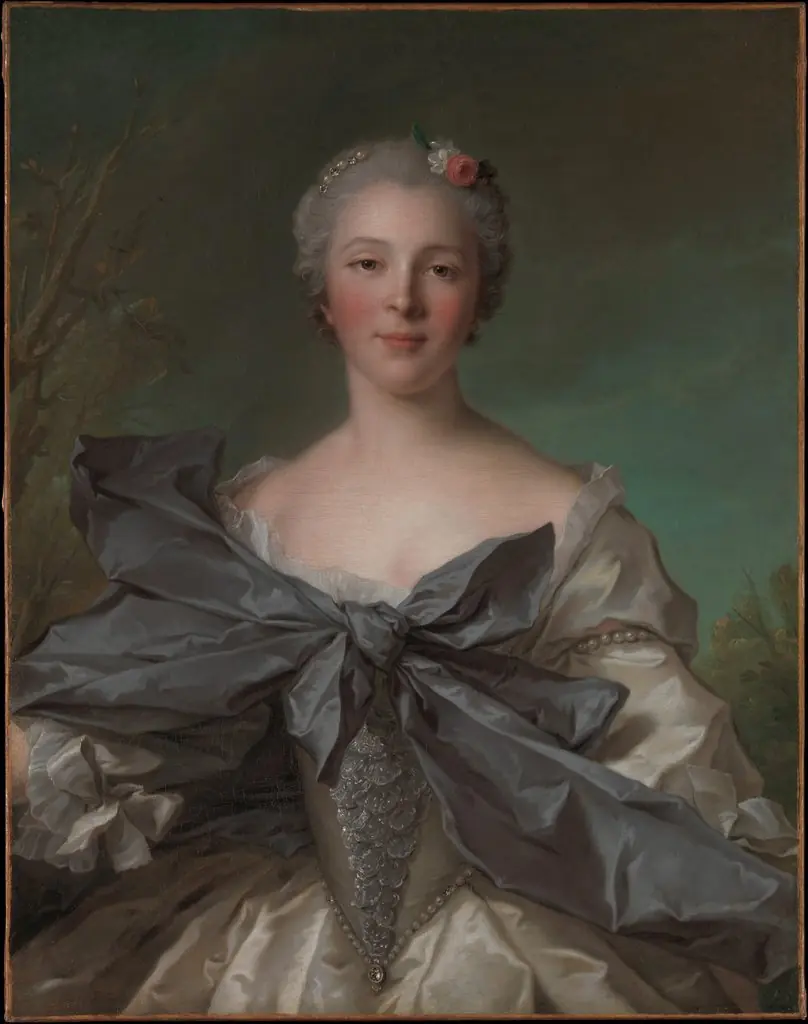 Marie Françoise de La Cropte de St. Abre, Marquise d'Argence
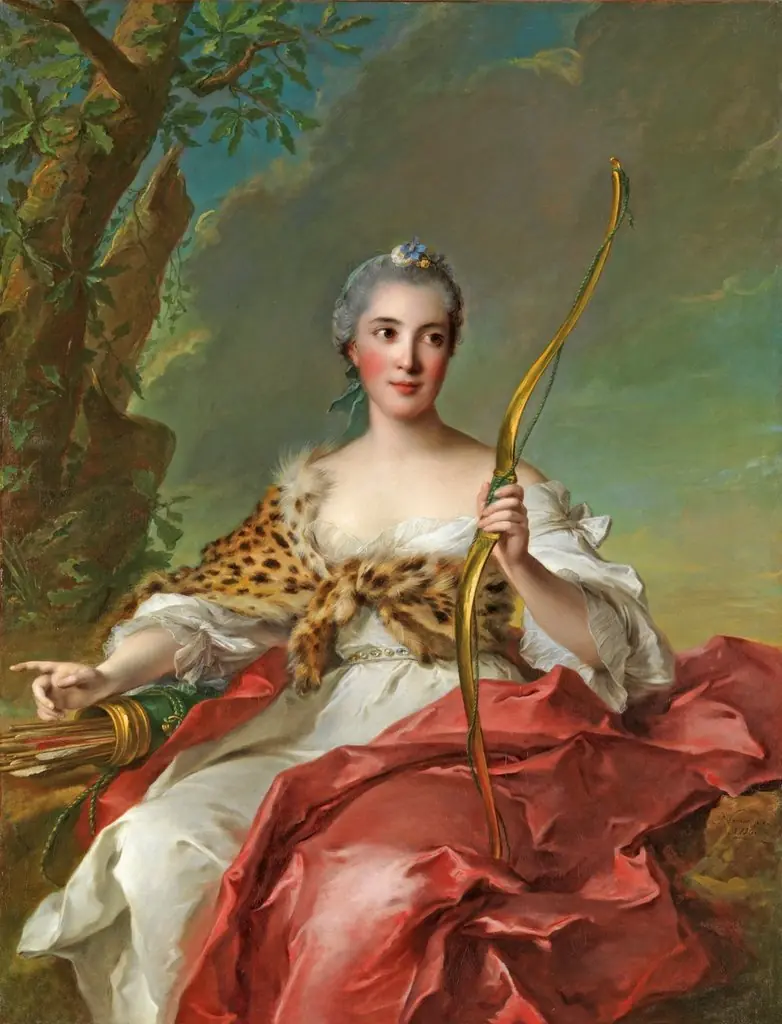 Madame Bergeret de Frouville as Diana
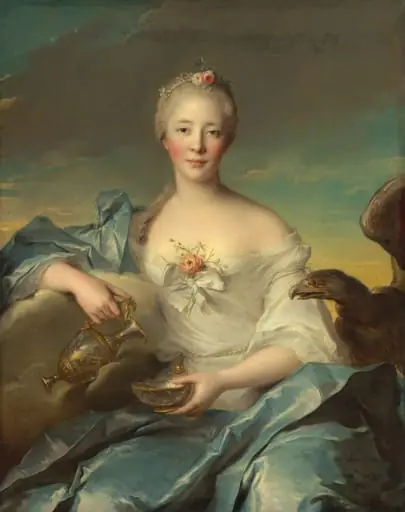 Madame Le Fèvre de Caumartin as Hebe
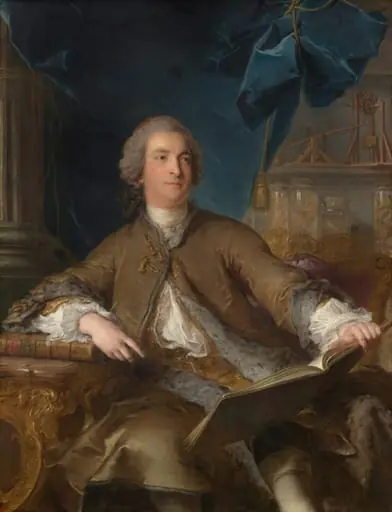 Joseph Bonnier de la Mosson
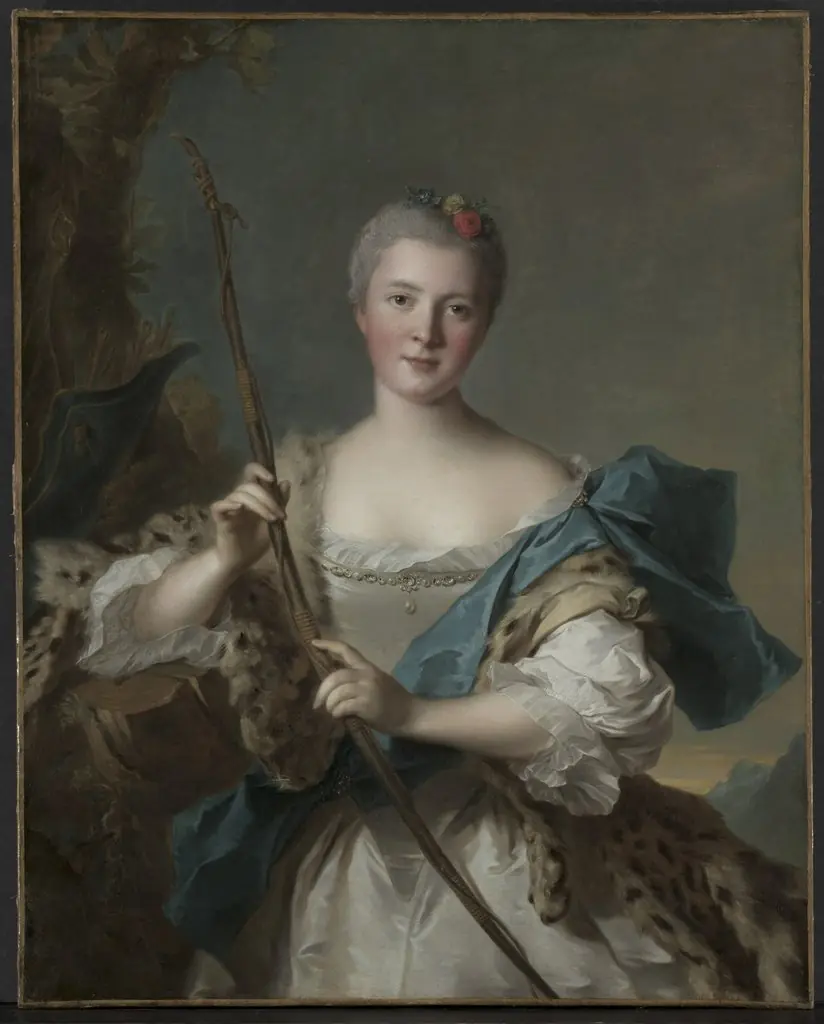 Portrait of a Woman as Diana
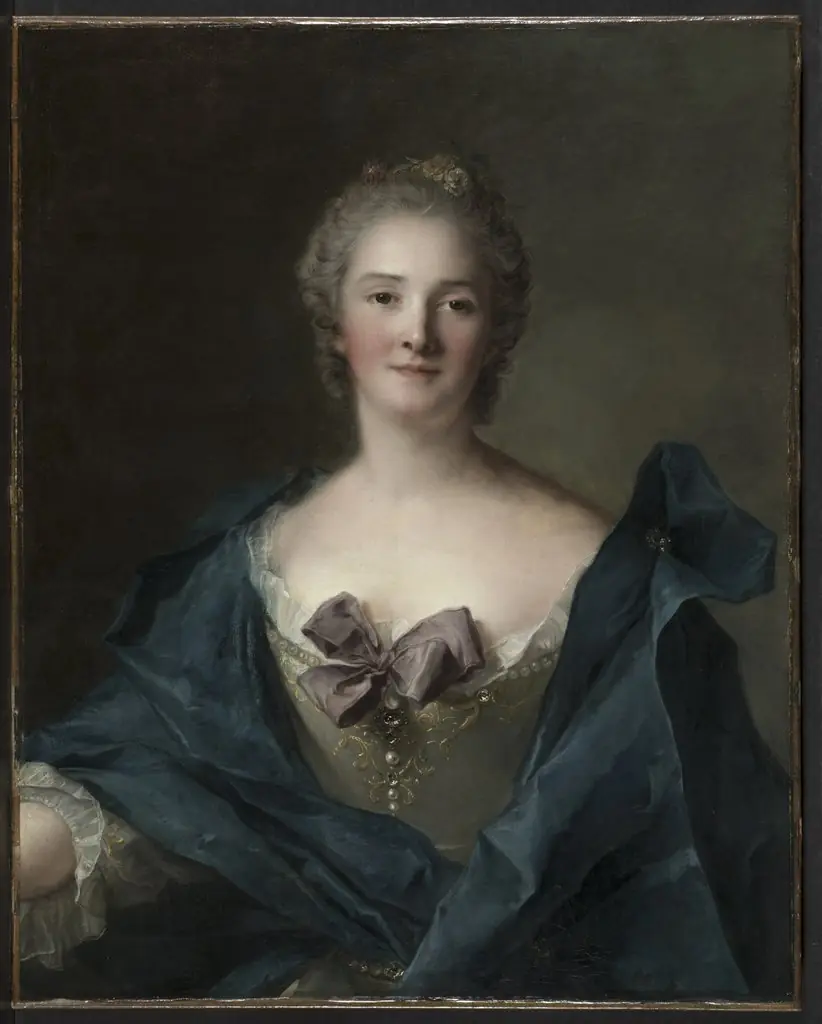 Portrait of a Woman
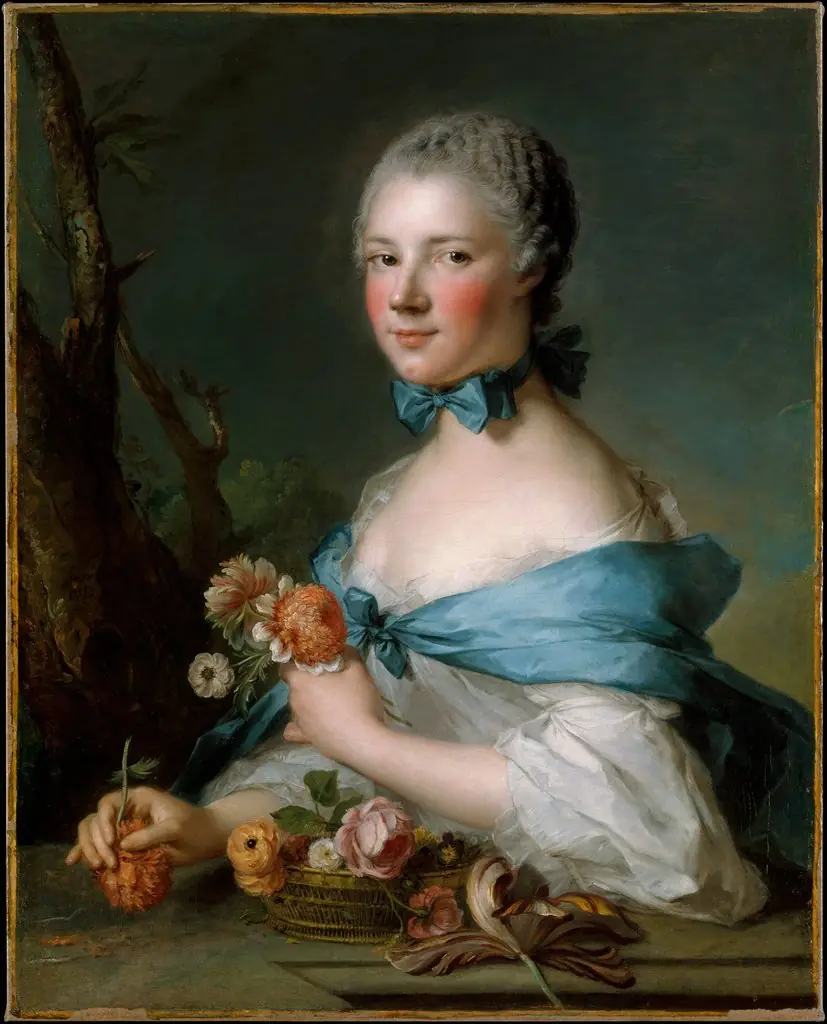 Portrait of a Woman, Called the Marquise Perrin de Cypierre
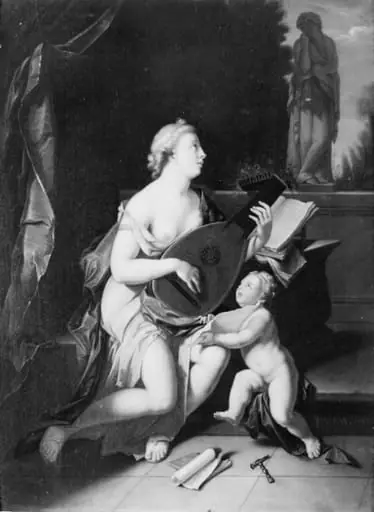 Allegory on Music
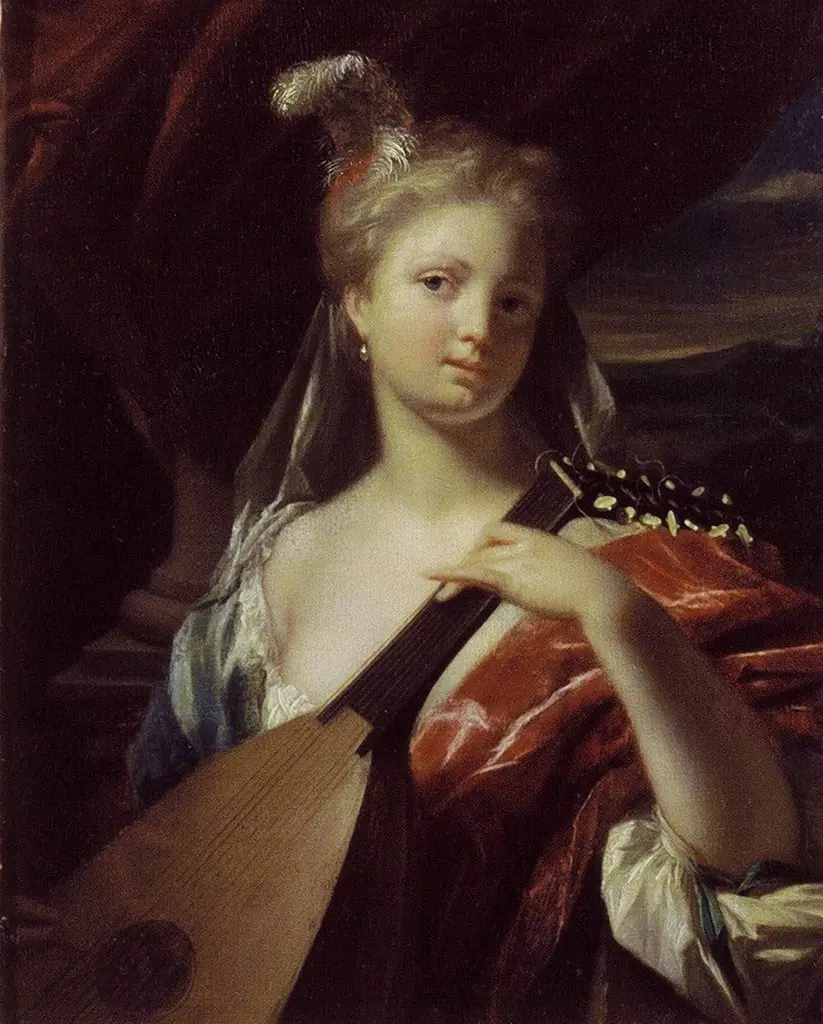 Woman Playing a Lute
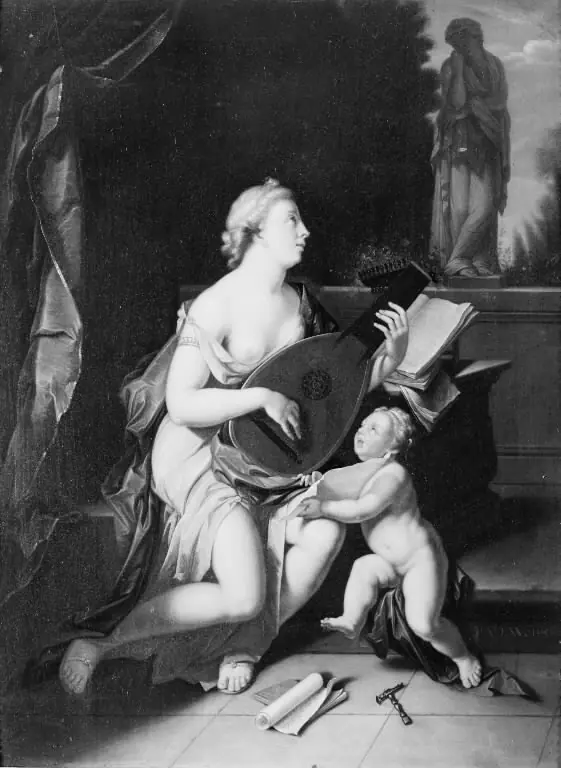 Allegory on Music
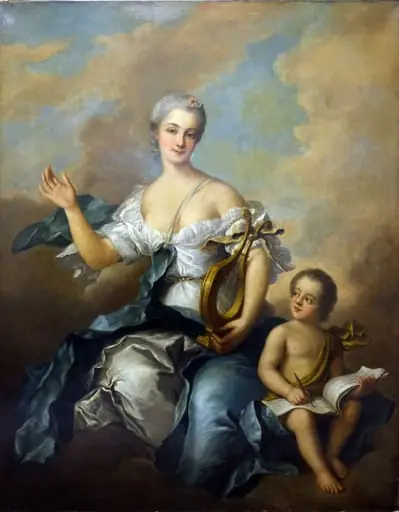 Inspirația
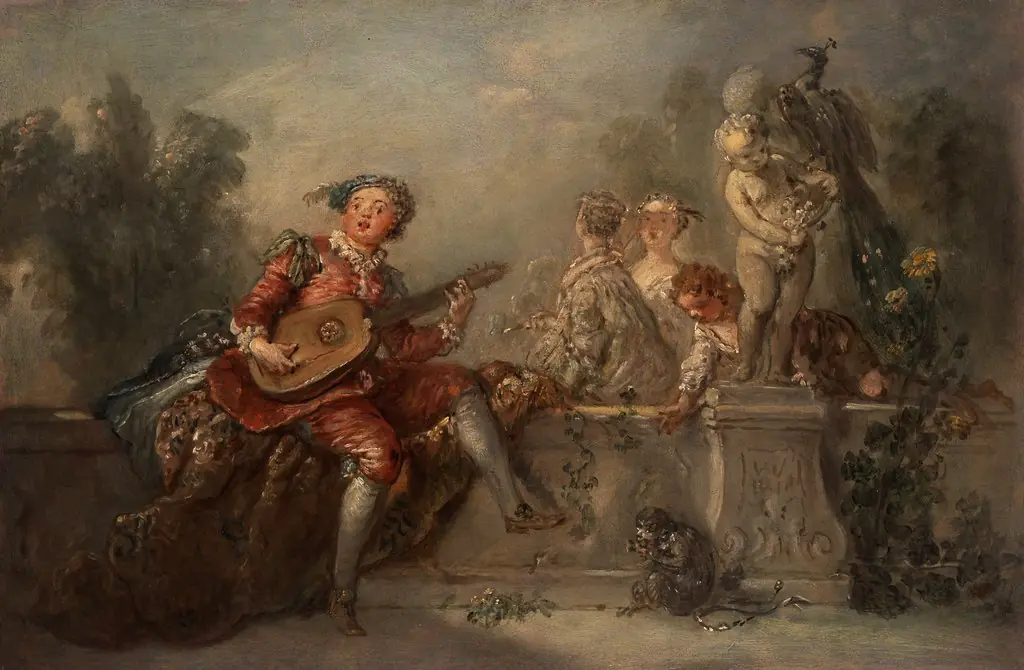 Lute Player with Company in a Park
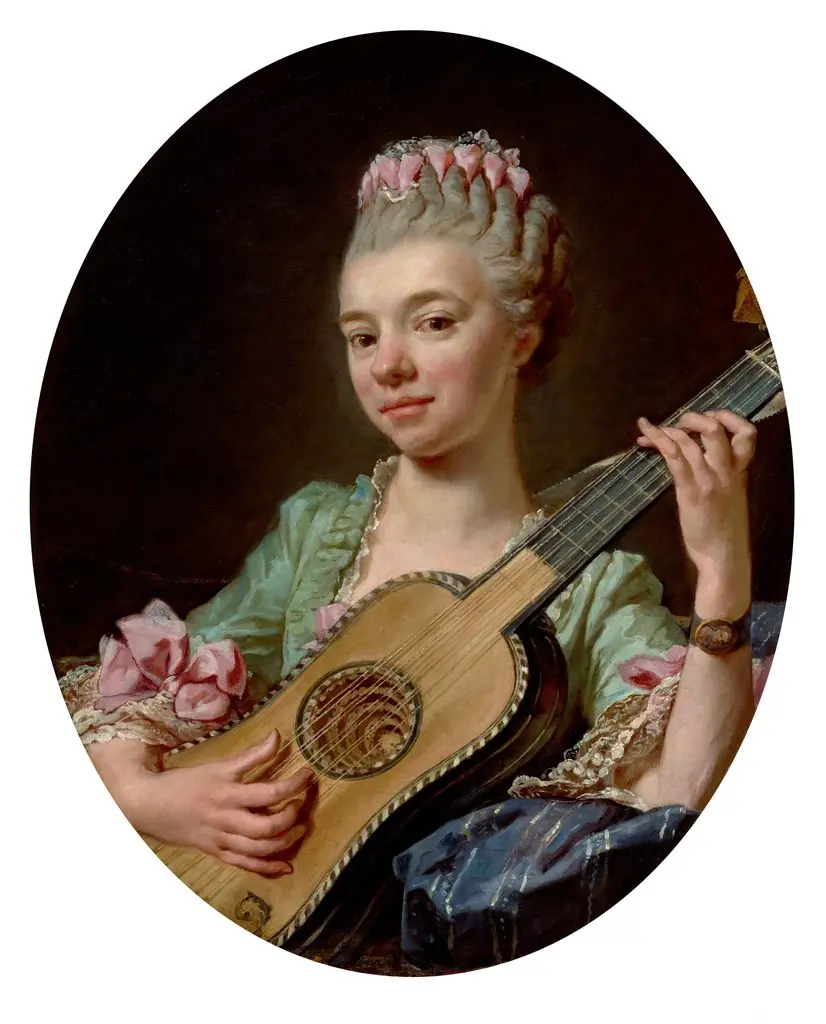 Young Woman with a Guitar
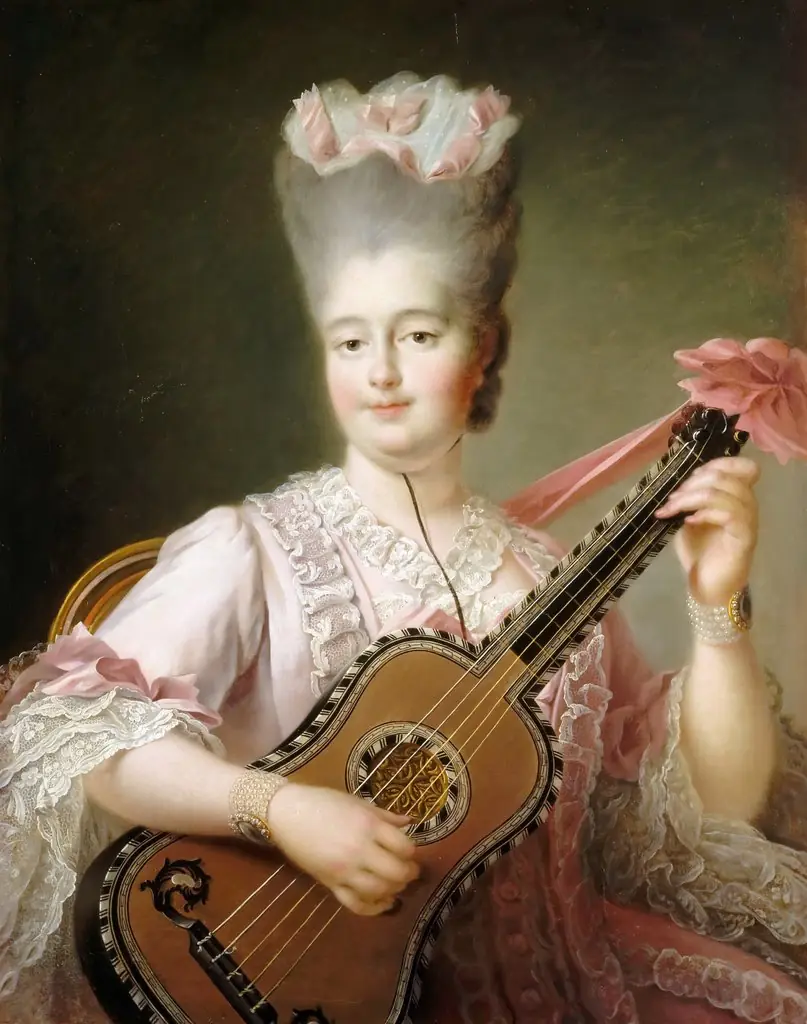 Madame Clotilde playing the guitar
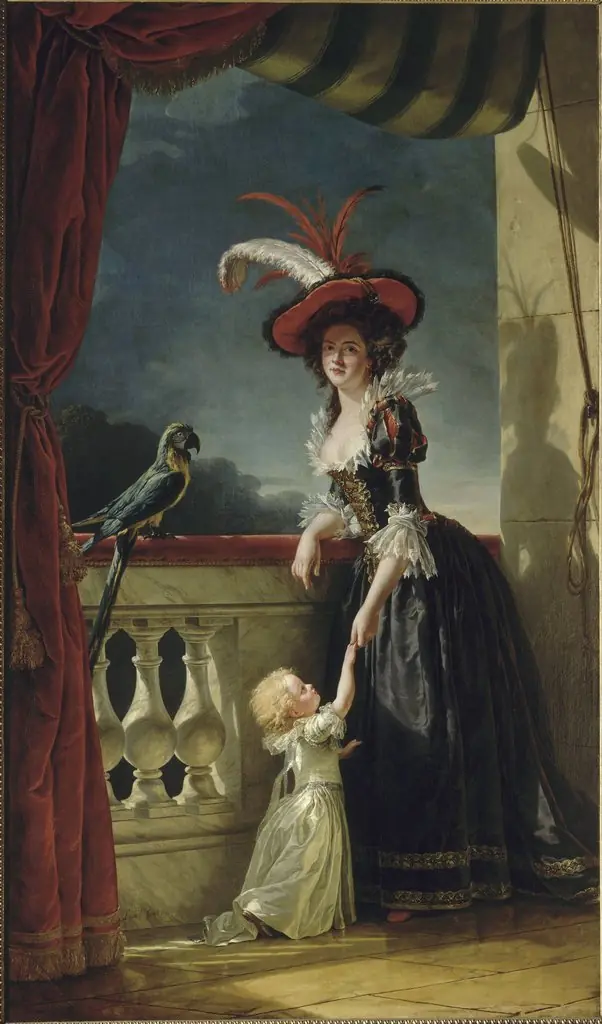 Portrait of Elisabeth of France, Duchess of Parma (1727-1759)
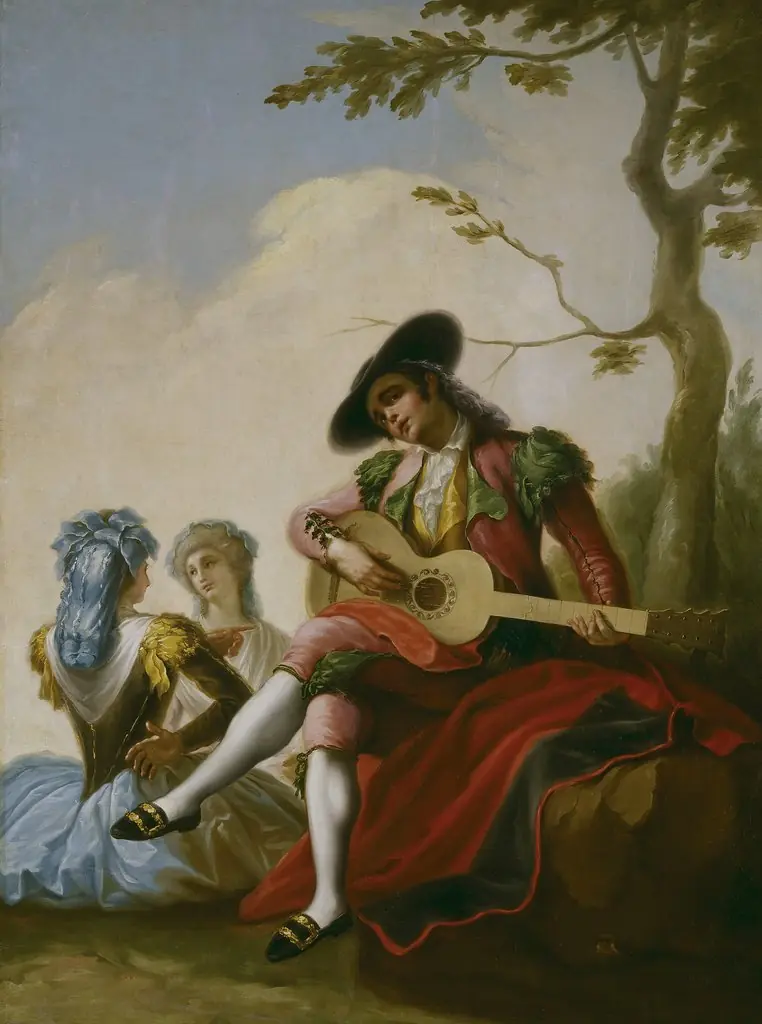 Majo with a Guitar
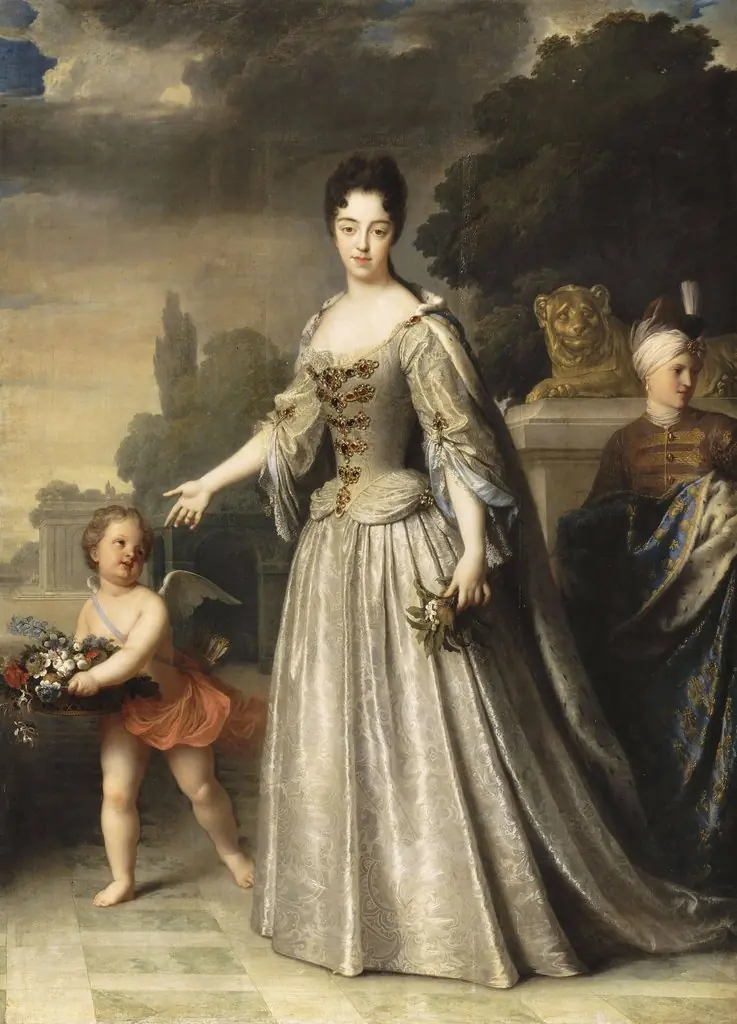 Portrait of Marie Adélaïde of Savoy, Duchess of Burgundy
 A Woman Playing a Lute
 Woman Playing a Lute