Artwork
Vestal Virgin
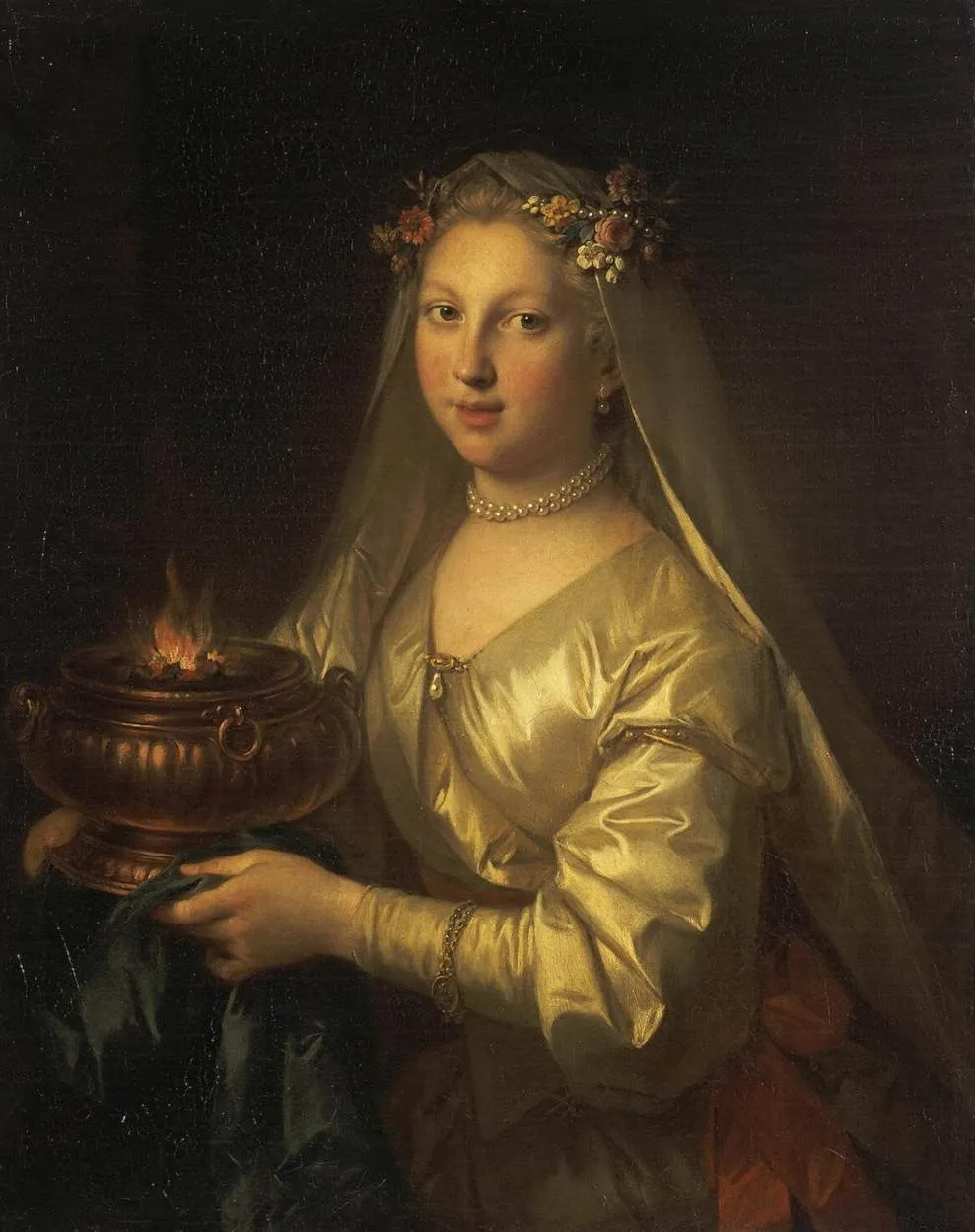
Vestal Virgin is an oil painting by the Rococo painting artist Jean Raoux. It dates from 1703 and is held in the collection of the Hermitage Museum.
About this work
Overview
Jean Raoux, a French artist born in 1677, completed the oil painting *Vestal Virgin* in 1703.
Jean Raoux, a French artist born in 1677, completed the oil painting *Vestal Virgin* in 1703. Though known for decorative commissions and portraits of the elite, Raoux turned here to classical antiquity, selecting a subject rooted in Roman religious tradition. The work exemplifies his engagement with historical narrative over personal representation, aligning with broader European interests in antiquity during the early 18th century.
Subject & Meaning
The painting depicts a Vestal Virgin, a priestess of Vesta charged with maintaining the sacred fire of Rome. Dressed in modest, flowing robes and holding ritual implements, she embodies purity and duty. Raoux avoids dramatic action, instead presenting her in quiet contemplation, underscoring the dignity and solemnity of her sacred role within Roman civic life.
Technique & Style
Raoux employed fine brushwork and soft tonal transitions to render the Vestal’s garments and skin with subtle luminosity. The composition is balanced and restrained, with muted colors and delicate lighting that reflect early Rococo sensibilities. While not overtly ornamental, the painting’s refinement and attention to texture align with the period’s preference for elegant, classical subjects.
History & Provenance
Created in 1703, the painting entered the collection of the State Hermitage Museum in St. Petersburg, likely during the 18th century as Russian nobility expanded their acquisitions of European art. Raoux, who became a member of the French Academy in 1717, had already gained international recognition through his work in Venice and among French aristocrats, lending credibility to the piece’s provenance.
Context
In the early 1700s, European artists increasingly turned to antiquity as a source of moral and aesthetic ideals. Raoux’s choice of a Vestal Virgin reflects this trend, resonating with Enlightenment-era fascination with Roman virtue and institutional order. His training in decorative arts informed his ability to merge classical themes with refined execution, appealing to collectors seeking cultured elegance.
Legacy
Though Raoux is not among the most widely remembered painters of his time, *Vestal Virgin* remains a representative example of early 18th-century French classical revival. Its presence in the Hermitage underscores its role in the broader European circulation of antiquarian imagery, preserving a quiet but deliberate engagement with ancient religious symbolism through painted form.
Artist & collection
Artist
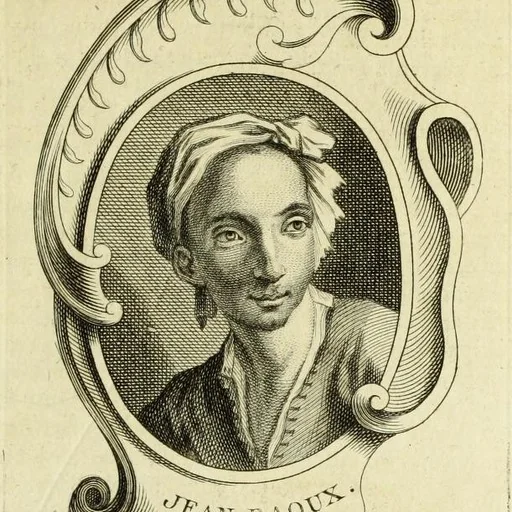
Jean Raoux (1677 – 10 February 1734), French painter, was born at Montpellier. After the usual course of training he became a member of the Academy in 1717 as an historical painter. His reputation had been previously…

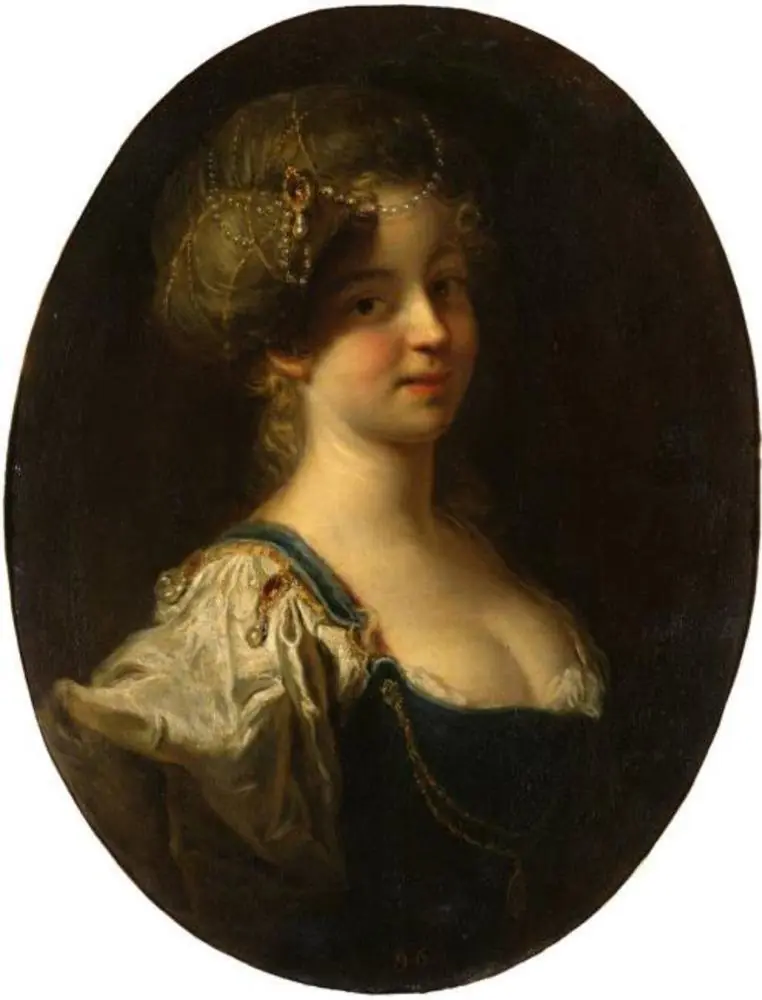 Lady with Turban
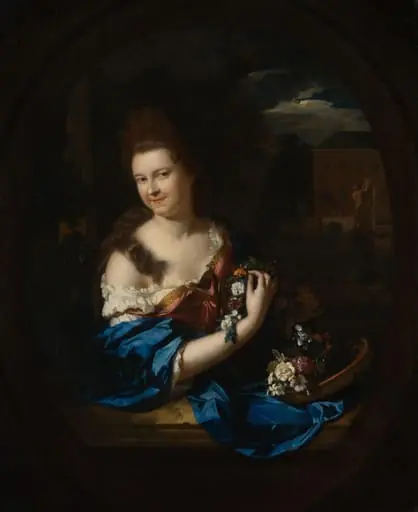 Portrait of Margaretha Rendorp, Wife of Jan van de Poll
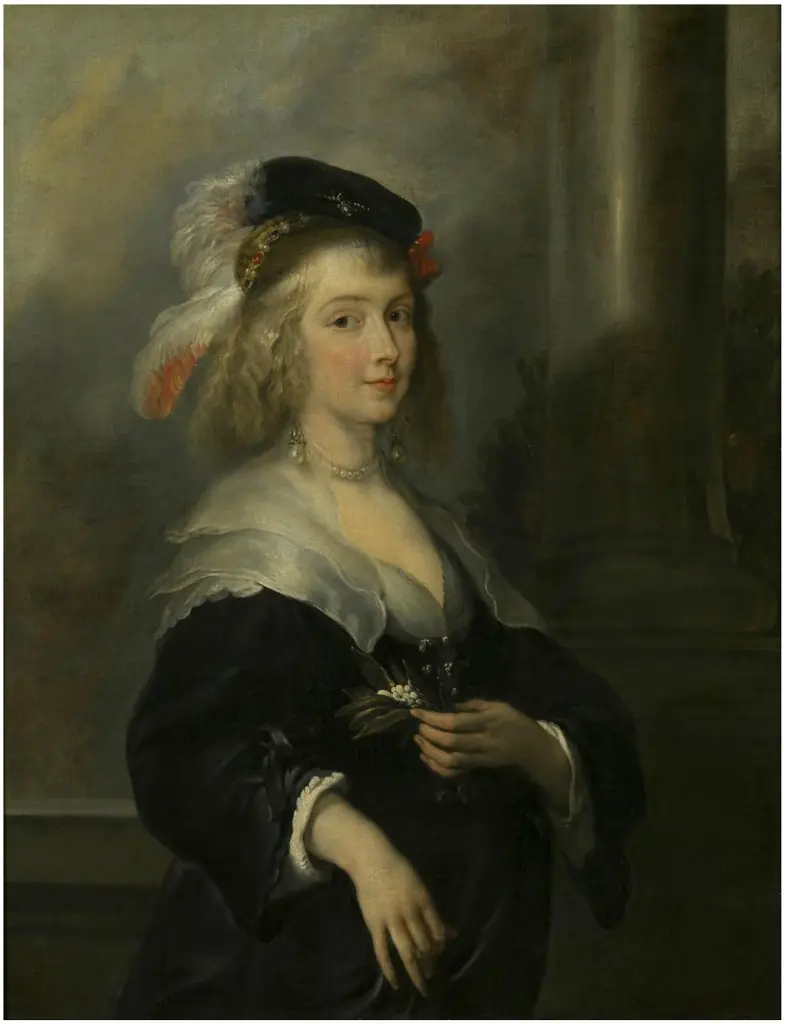 Helena Fourment
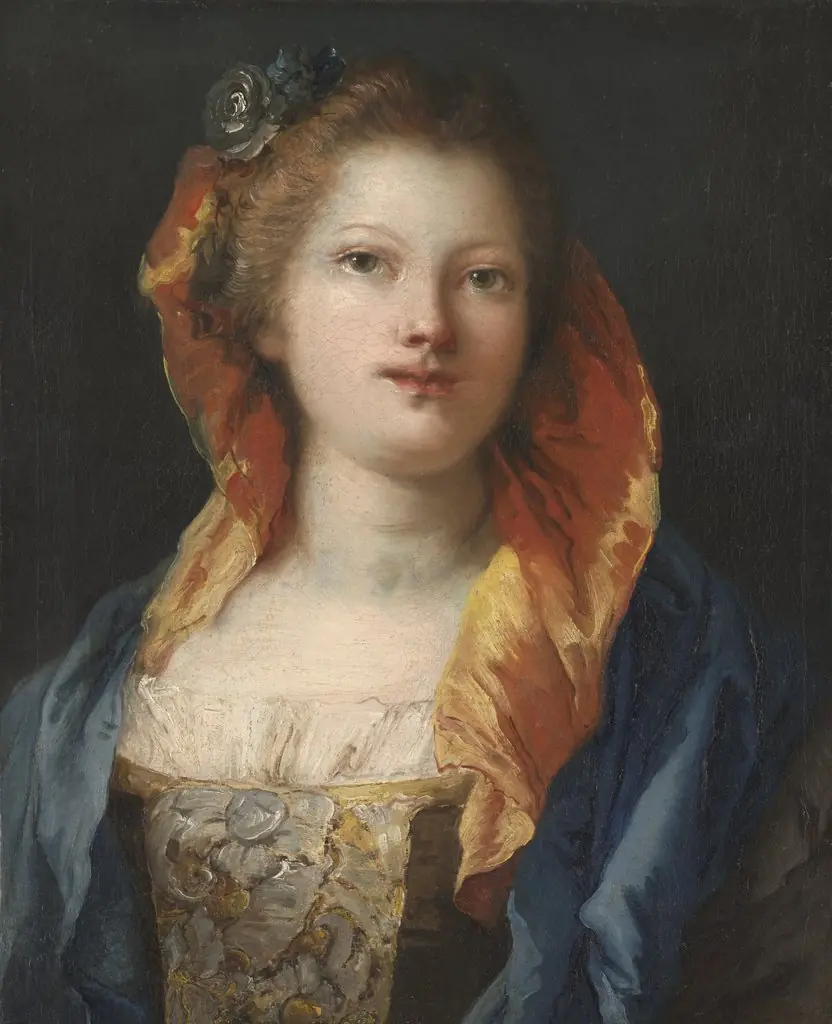 Portrait of a Woman
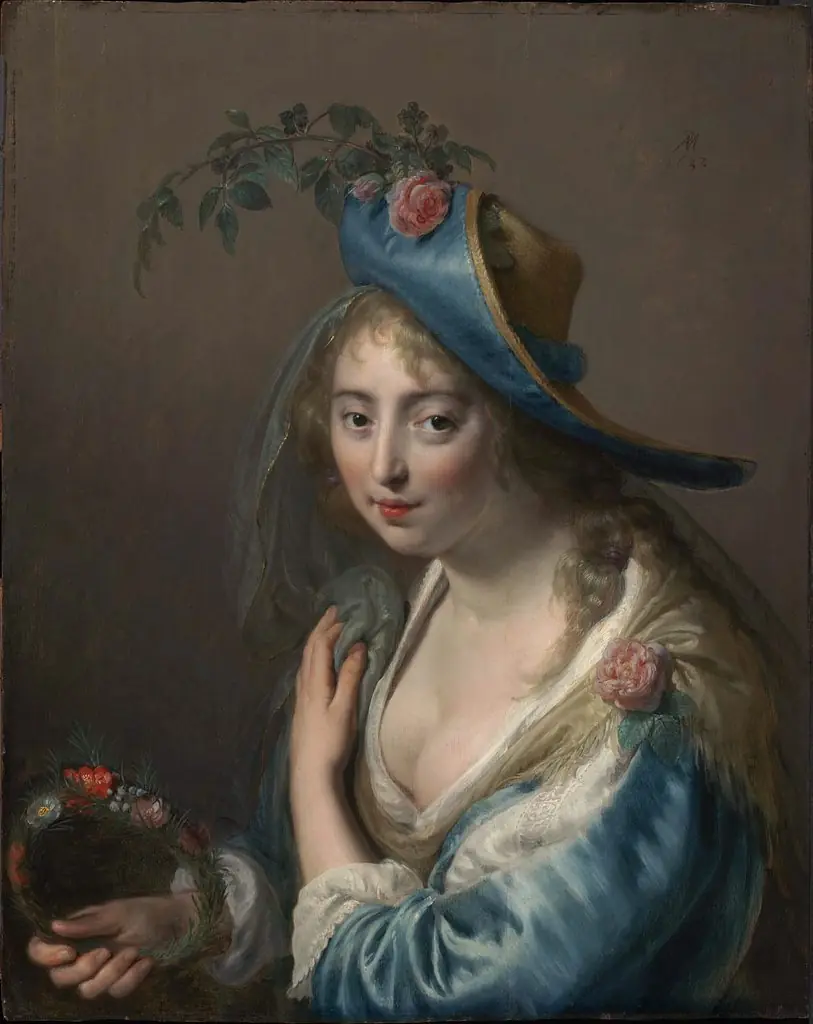 Portrait of a Young Woman as Flora
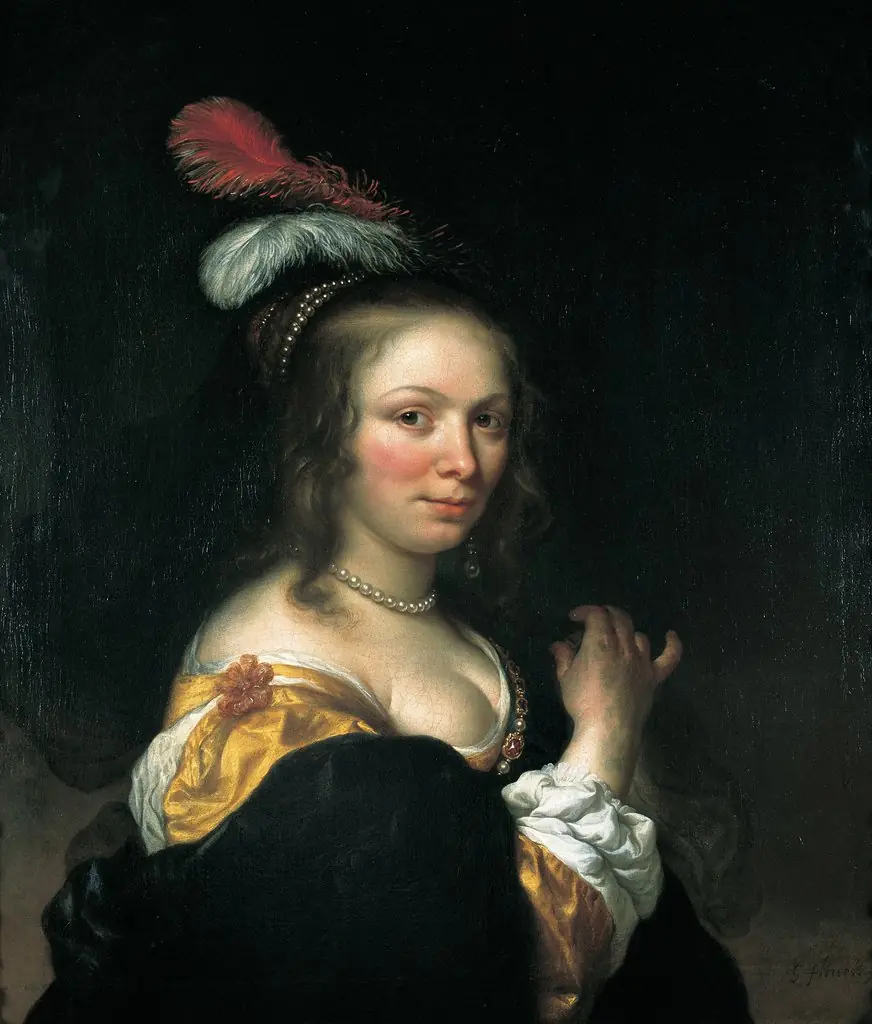 Portrait of a woman wearing a hat with feathers
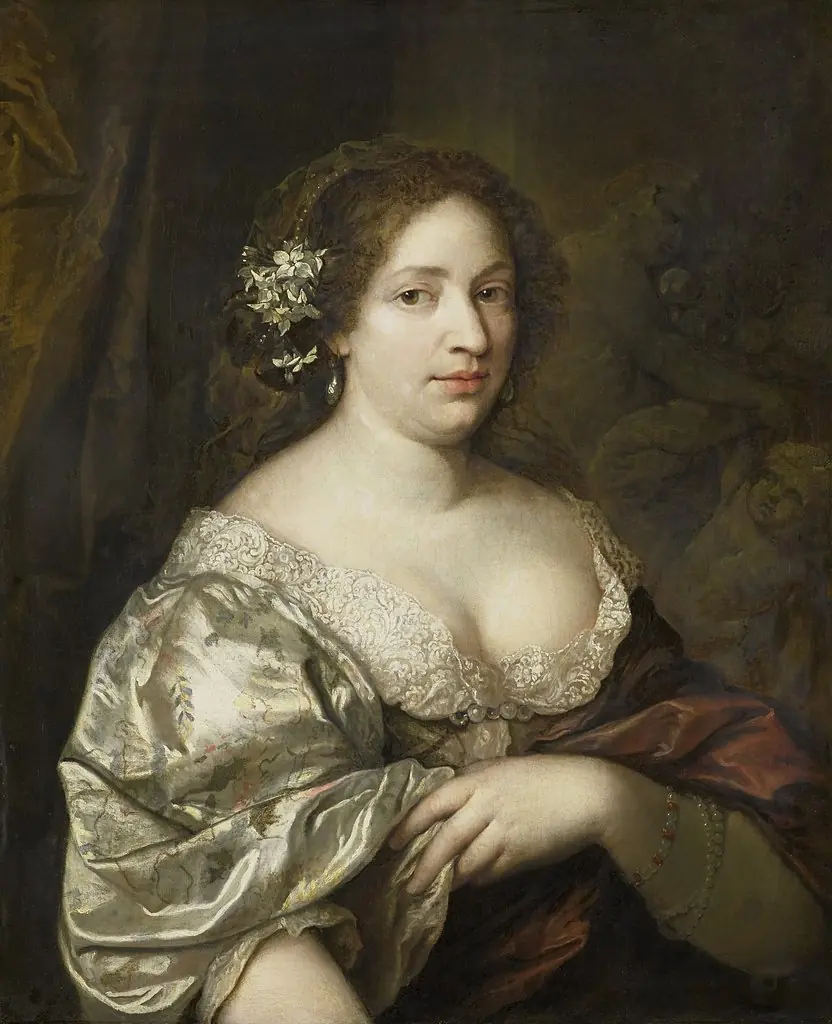 Portrait of Margaretha Godin (d. 1694), wife of the artist
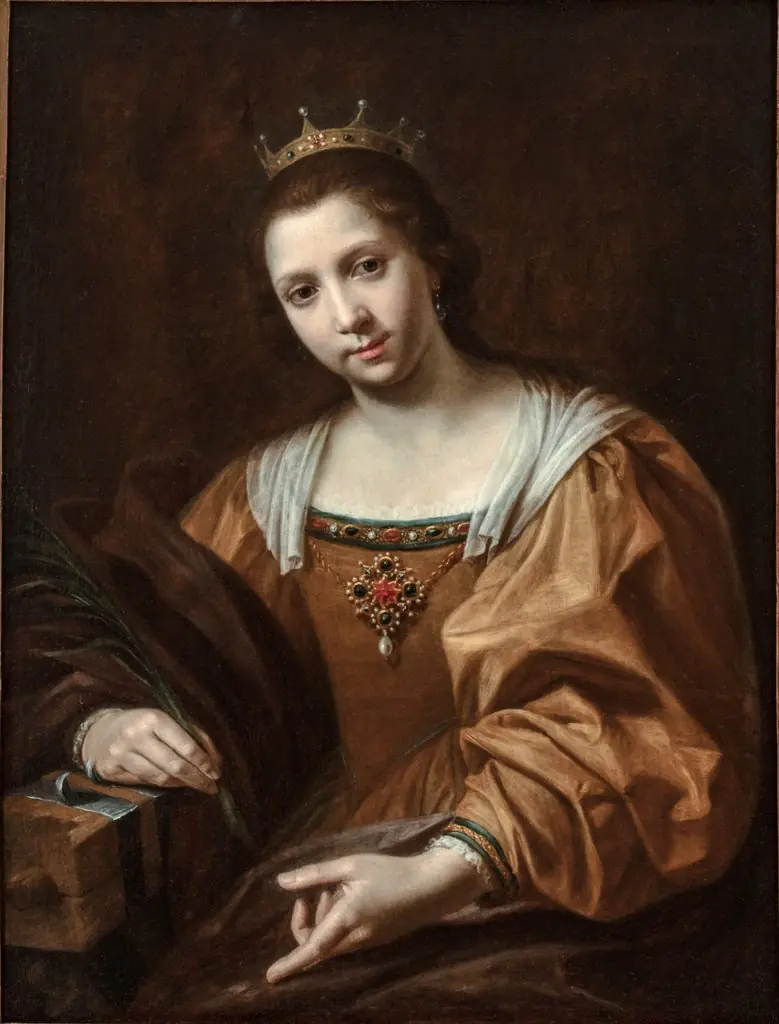 Self-Portrait as Saint Catherine of Alexandria
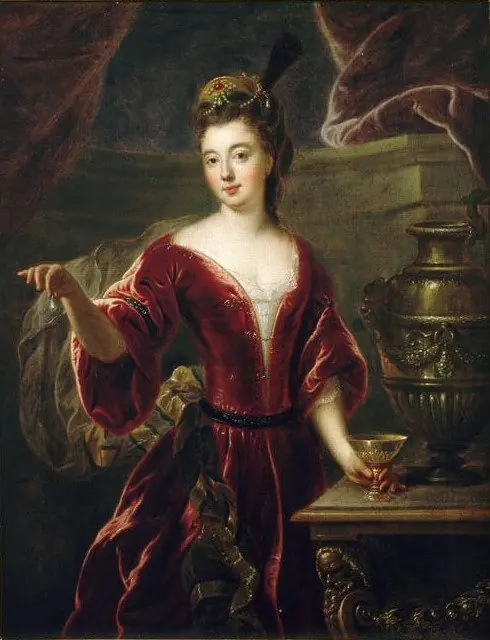 The Duchess of Maine as Cleopatra
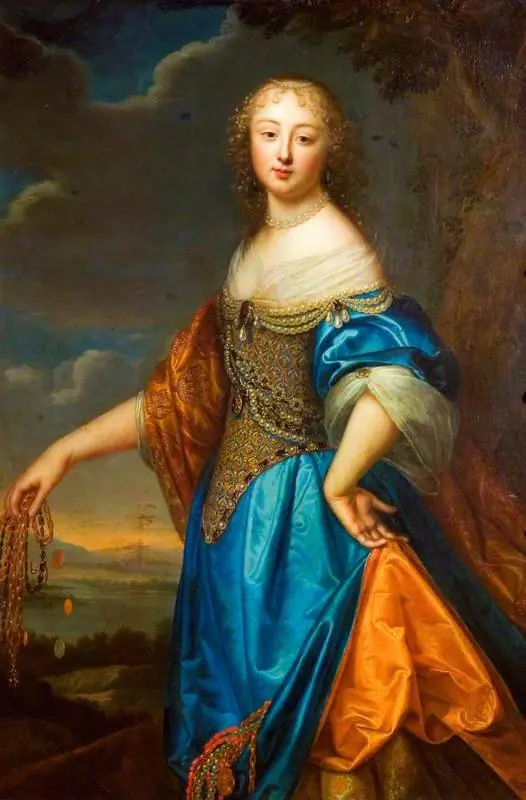 Portrait of a Lady (said to be Jeanne de Marigny)
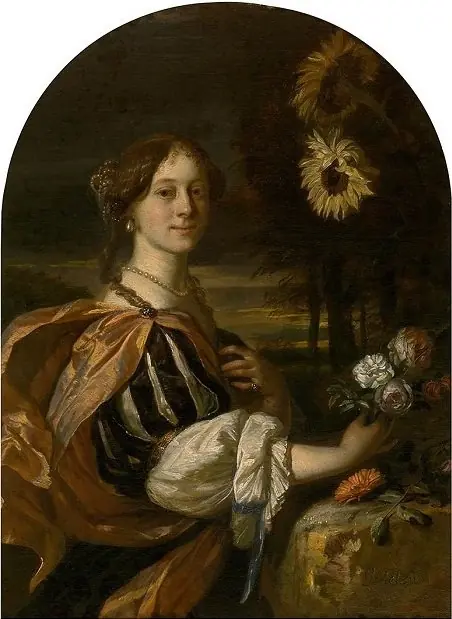 Portrait of a Woman with Sunflowers
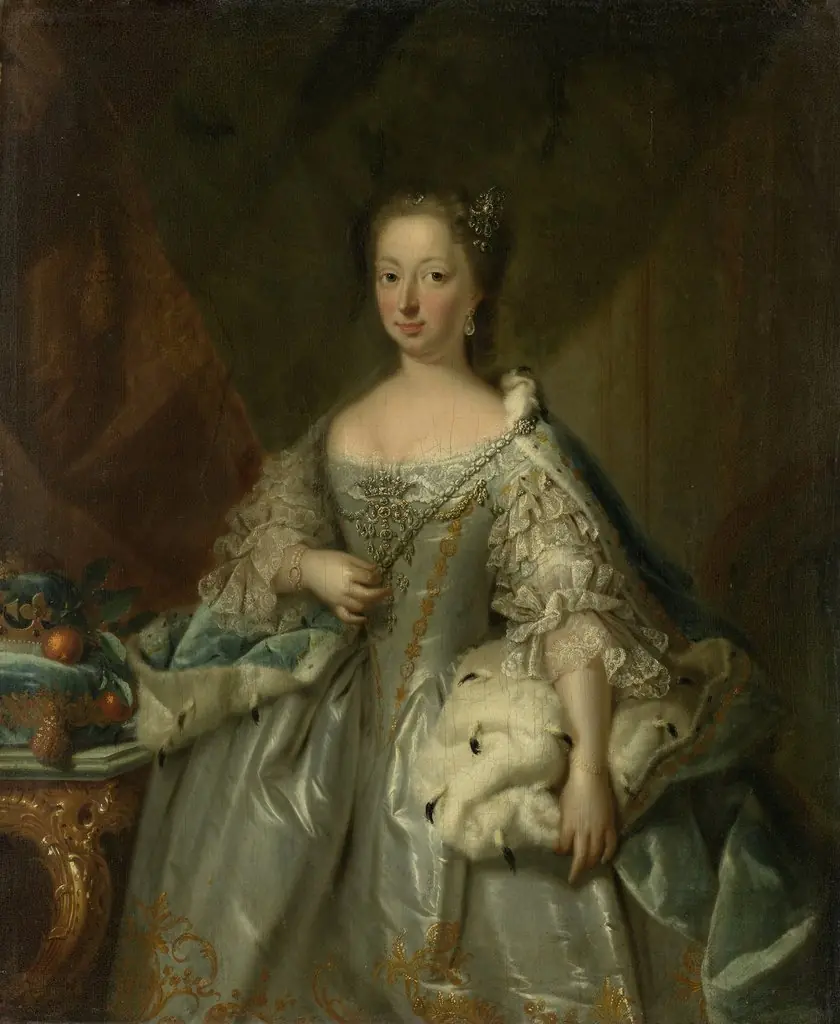 Anna of Hanover