Artwork
Postdirektør, justitsråd Johan Georg Pauli
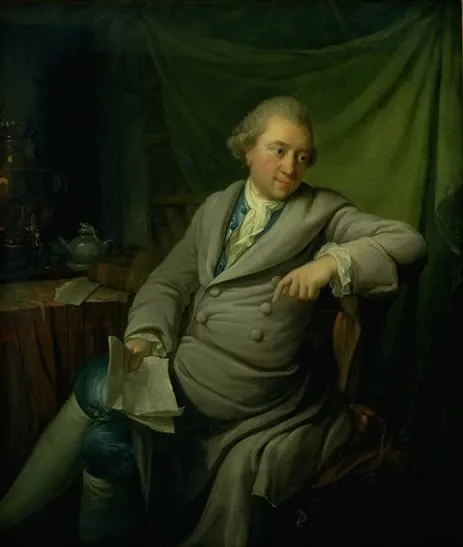
Postdirektør, justitsråd Johan Georg Pauli is an oil painting by the Rococo painting artist Jens Juel. It dates from 1770 and is held in the collection of the Statens Museum for Kunst.
About this work
Overview
The work exemplifies Juel’s skill in capturing dignified civilian portraiture during Denmark’s late 18th-century cultural flourishing.
Painted in 1770 by Jens Juel, this oil-on-canvas portrait captures Johan Georg Pauli, a Danish official holding the dual roles of post director and justice councilor. The work exemplifies Juel’s skill in capturing dignified civilian portraiture during Denmark’s late 18th-century cultural flourishing. It resides today in the collection of Statens Museum for Kunst in Copenhagen, where it remains a representative example of Danish academic portraiture of the period.
Subject & Meaning
Johan Georg Pauli is depicted in a moment of quiet authority, seated and holding a document that suggests his administrative duties. His attire—gray coat, blue waistcoat, and white cravat—signals his social standing without overt grandeur. The composition avoids theatricality, instead emphasizing composure and civic responsibility. The inclusion of everyday objects behind him, such as a teapot, subtly grounds his status in domestic and professional life rather than aristocratic display.
Technique & Style
Juel employs chiaroscuro to model Pauli’s face and hands with soft, naturalistic light, drawing attention to his expression and gesture. The dark background isolates the figure, enhancing three-dimensionality. Brushwork is precise yet unobtrusive, particularly in the rendering of fabric textures—crisp linen, smooth wool—while the green curtain and shelf behind him provide muted depth without distraction. The style reflects Rococo refinement but leans toward restrained Neoclassical clarity in its emotional tone.
History & Provenance
Commissioned during Pauli’s tenure in public service, the portrait was likely intended to affirm his institutional role. It entered the Danish national collection in the 19th century and has remained in the care of Statens Museum for Kunst since its founding. No significant alterations or reworkings are recorded, and its condition reflects careful preservation over more than two centuries.
Context
In late 18th-century Denmark, portraiture served as a tool for documenting civic leadership amid Enlightenment ideals. Juel, as court painter, was central to this tradition, portraying officials with dignity rather than pomp. This work aligns with broader European trends favoring restrained elegance over Baroque flamboyance, reflecting Denmark’s shift toward administrative modernization and a cultivated bourgeois identity.
Legacy
The portrait stands as a quiet testament to Juel’s influence on Danish visual culture. It helped define a national style of portraiture that valued psychological presence over ornamentation. While not widely exhibited outside Denmark, it remains a key reference in studies of Nordic Enlightenment-era art and the representation of bureaucratic authority in visual form.
Artist & collection
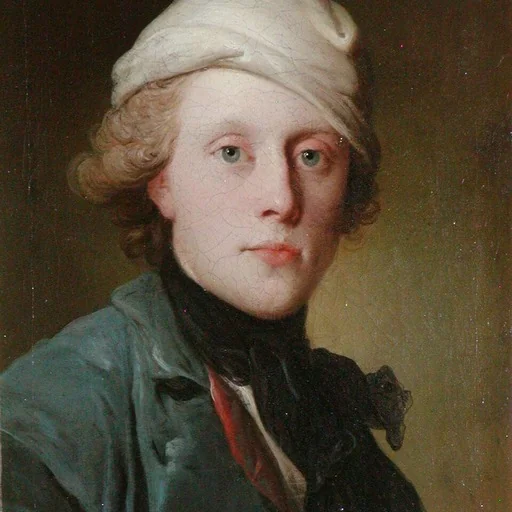
Artist
Jens Juel (12 May 1745 – 27 December 1802) was a Danish painter, primarily known for his many portraits, of which the largest collection is on display at Frederiksborg Castle.

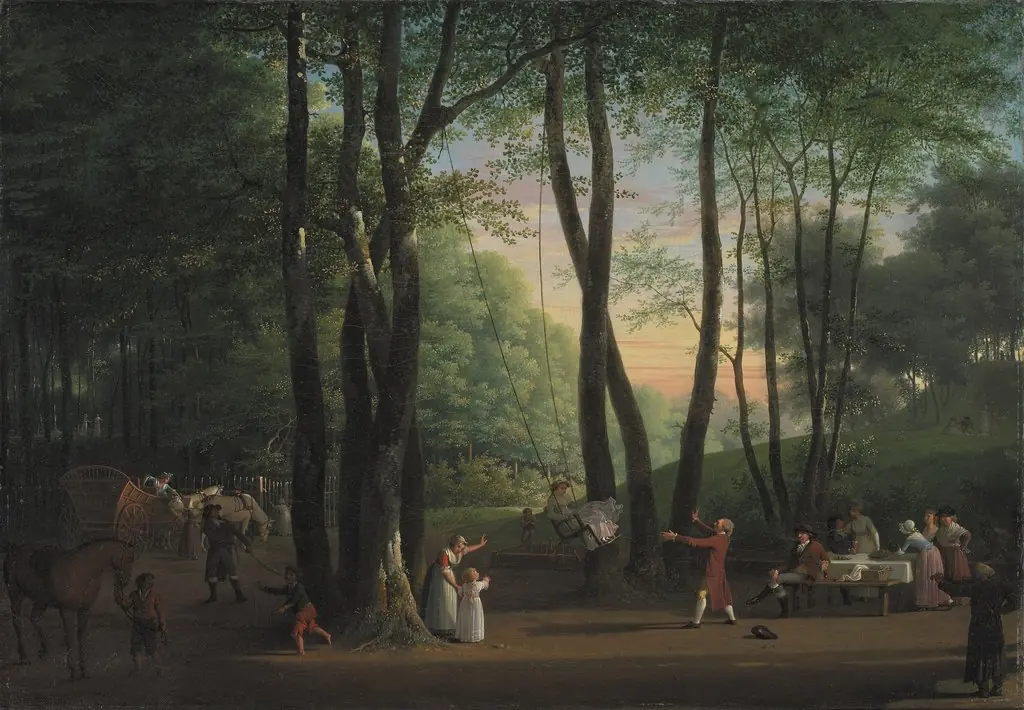 The Dancing Glade at Sorgenfri
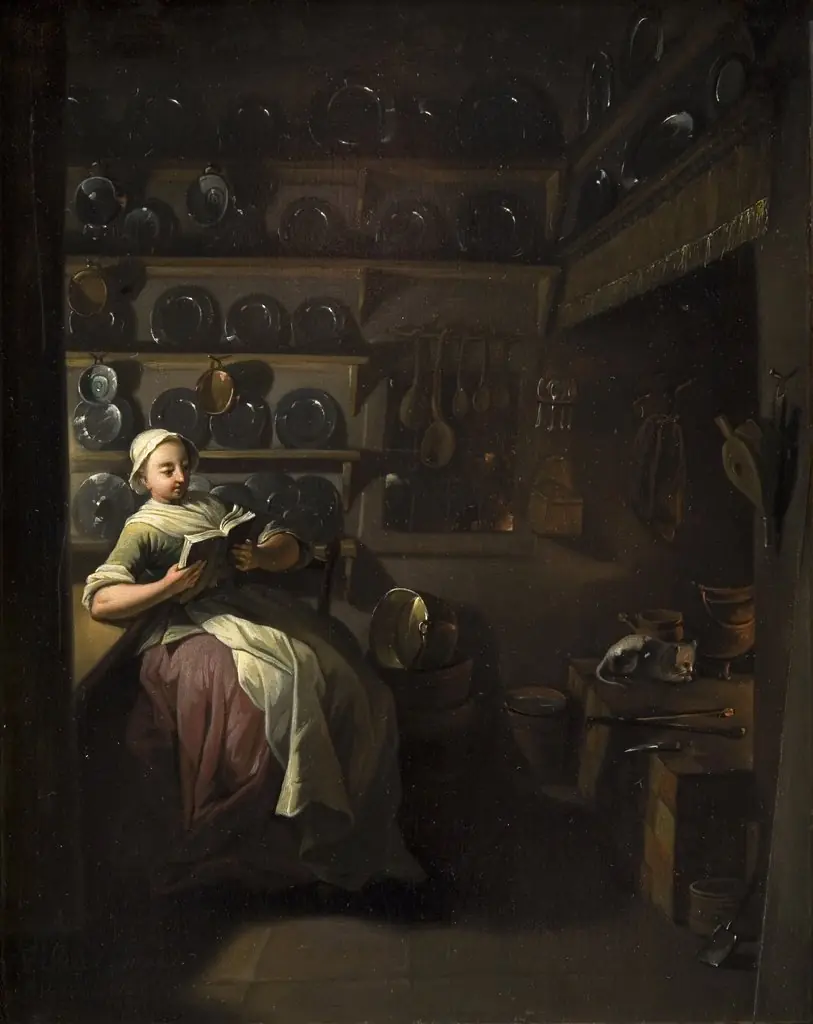 Kitchen Interior with a Girl Reading
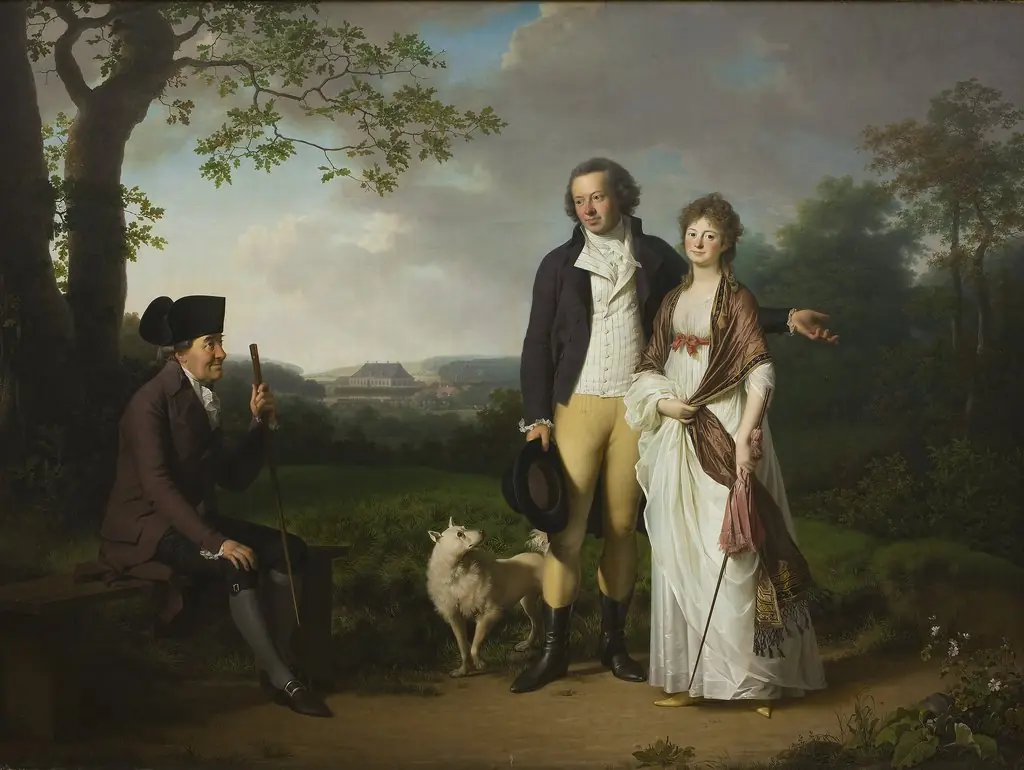 Niels Ryberg with his Son Johan Christian and his Daughter-in-Law Engelke, née Falbe
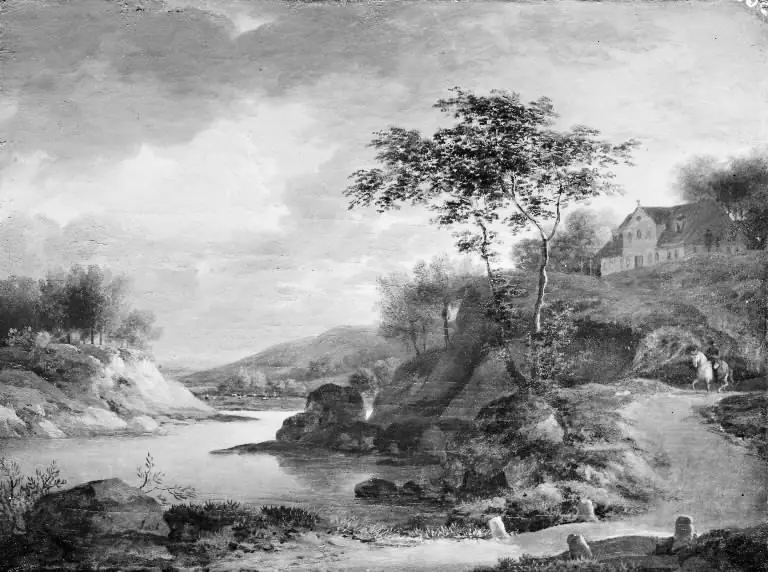 An Autumn Landscape by the Rhine
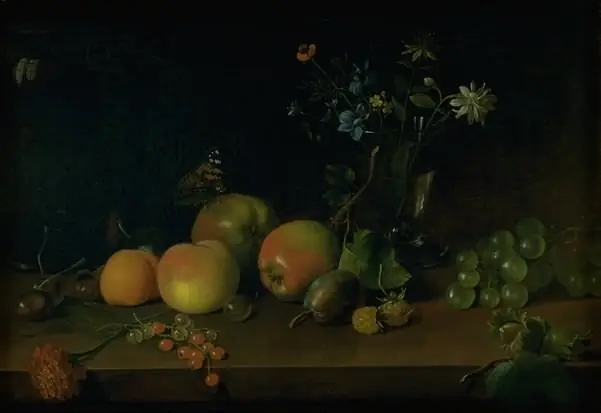 Flowers and Fruit on a Table
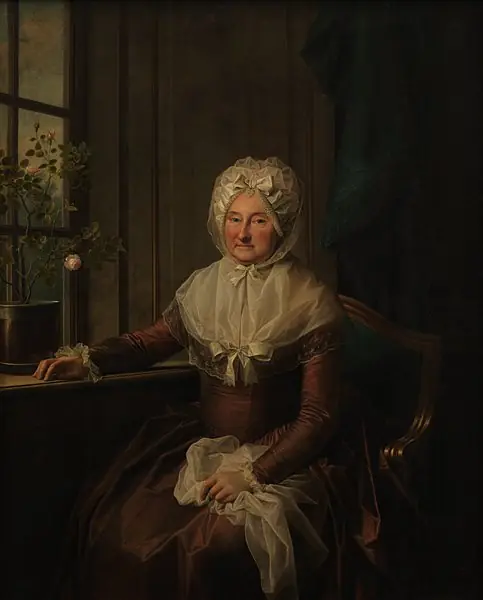 Countess Anna Joachima Danneskiold-Laurvigen, née Ahlefeldt
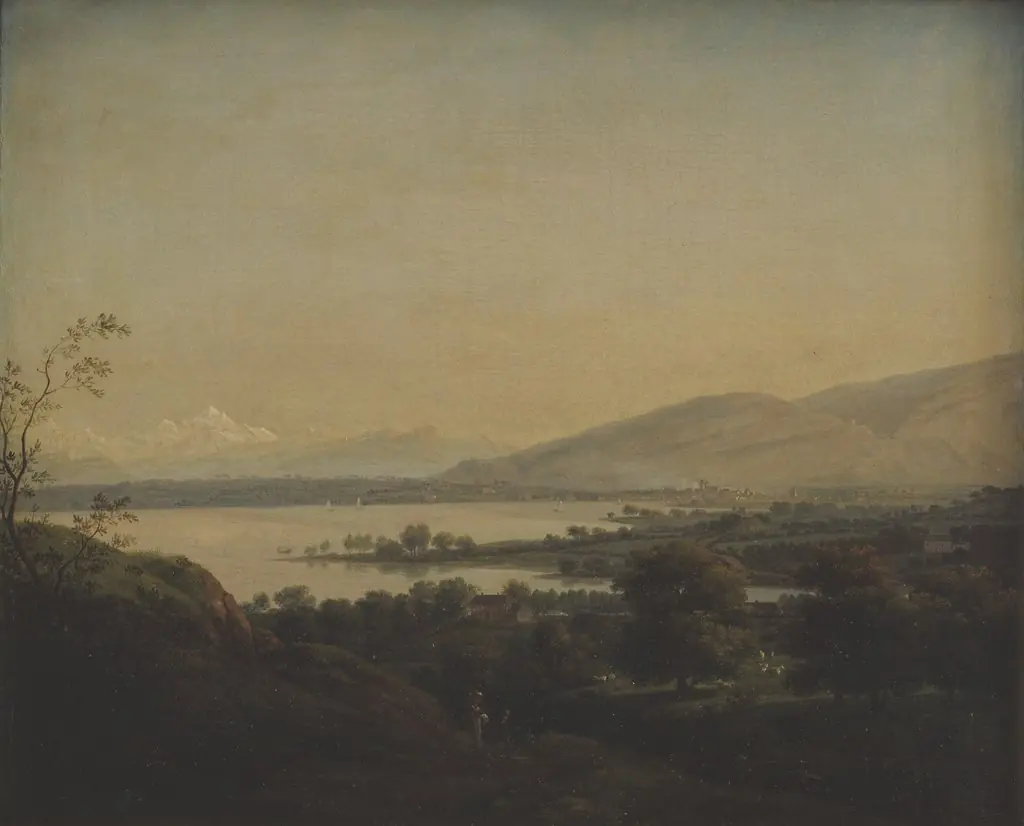 A View Across Lake Leman Towards Mont Blanc and Geneva
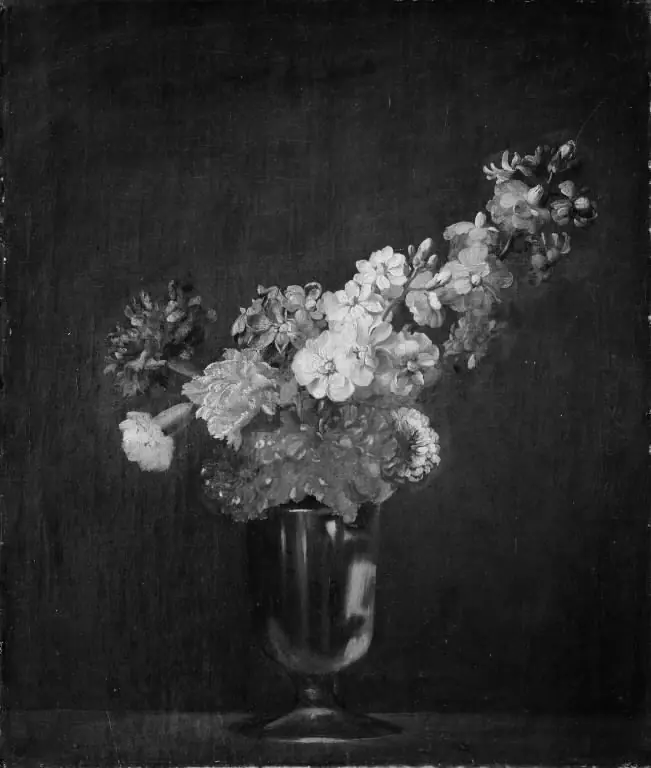 Stocks and Carnations
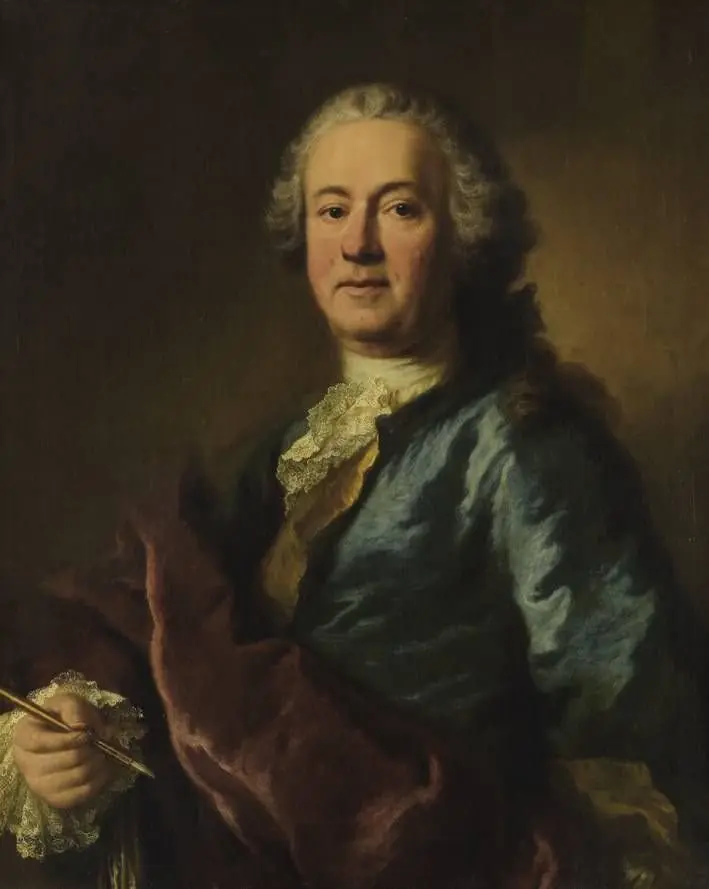 Bildnis des Hofmalers Balthasar August Albrecht (1687-1765)
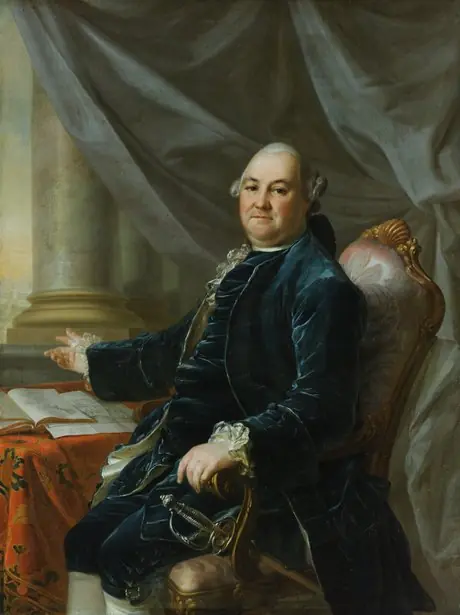 Портрет Б.В. Умского
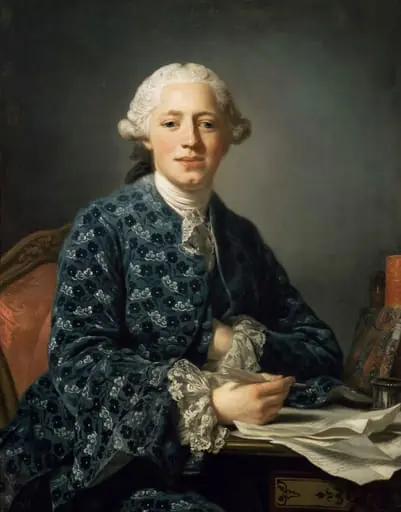 Vapaaherra Thure Leonard Klinckowström
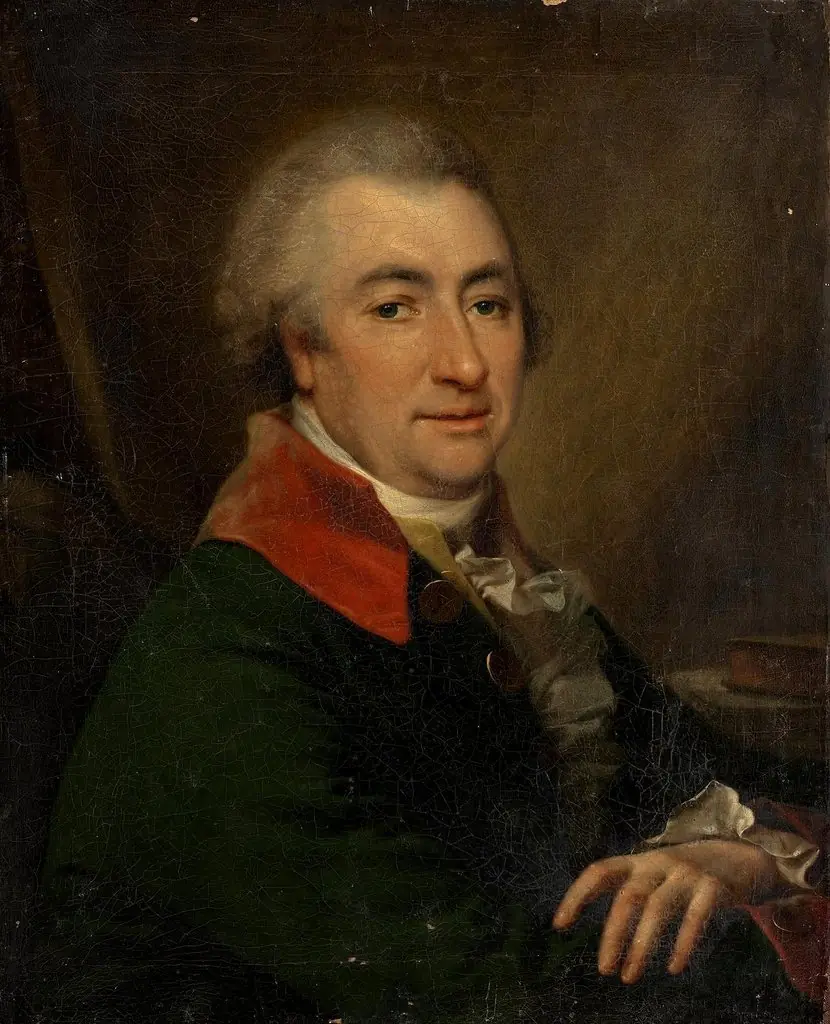 Portrait of A.I. Novikova (? )
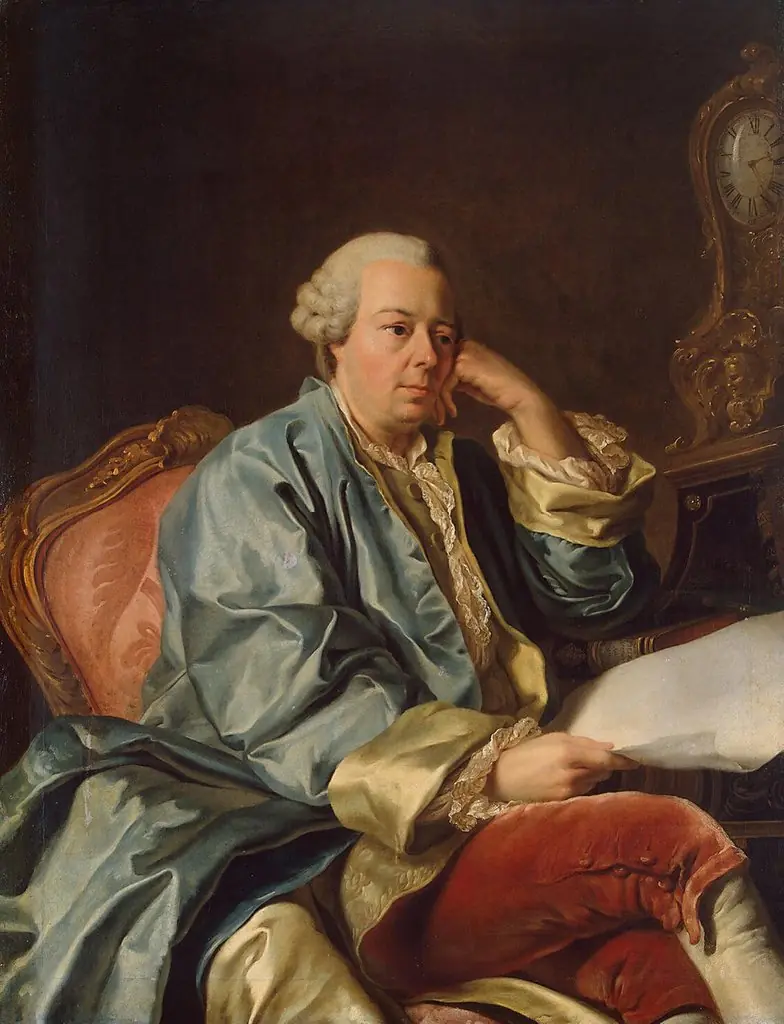 Portrait of Ivan Ivanovich Betskoi Wearing a Dressing Gown (copy)
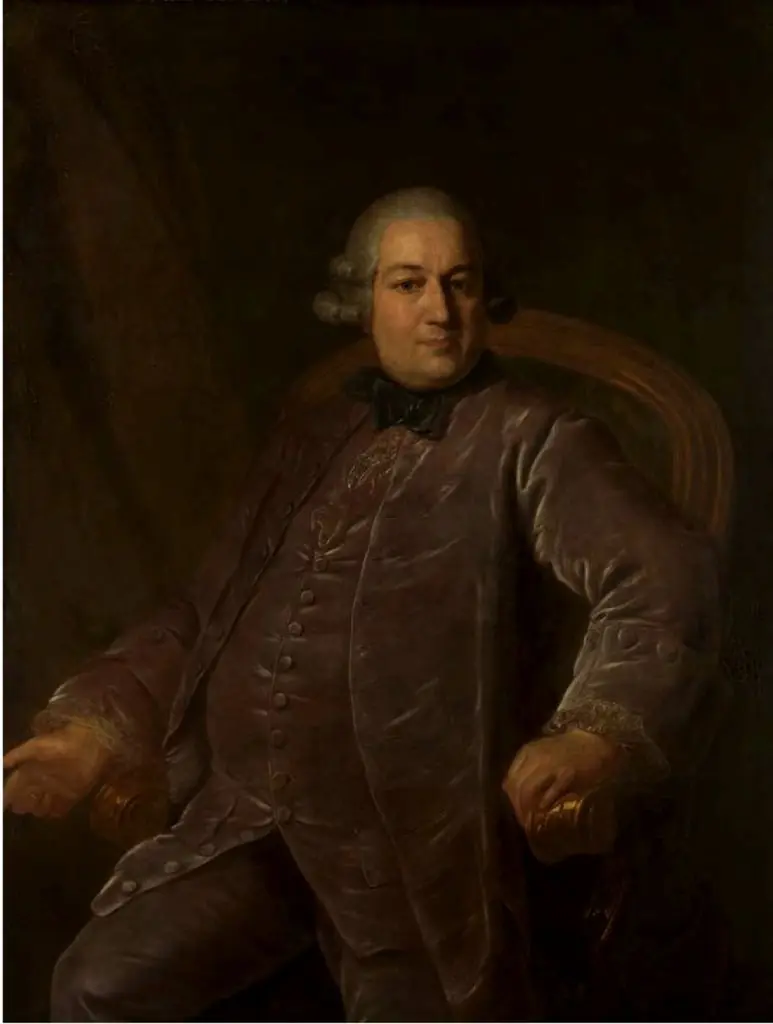 Portrait of P.I. Vyrubov
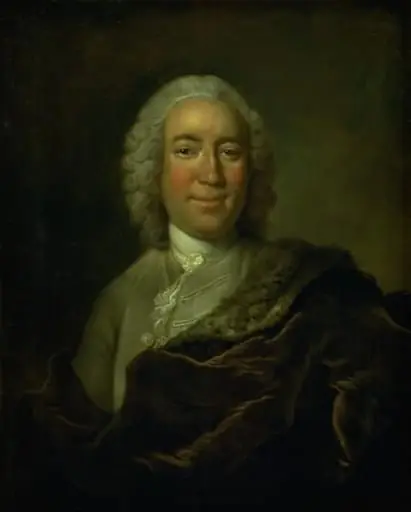 Gerhard Morell, Keeper of the Royal Danish Kunstkammer
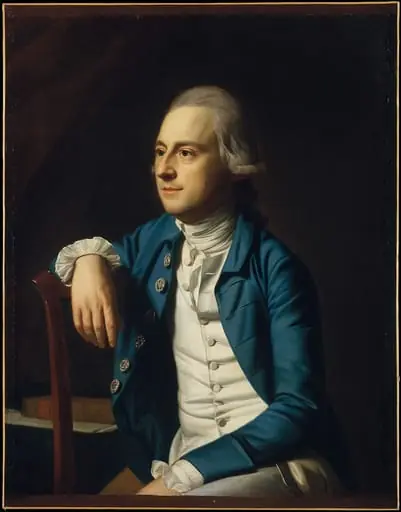 Gulian Verplanck
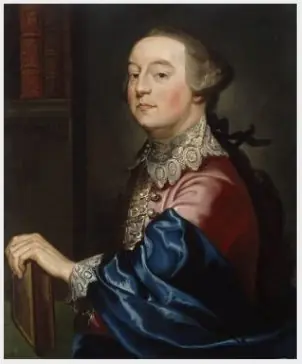 Portrait of a Man
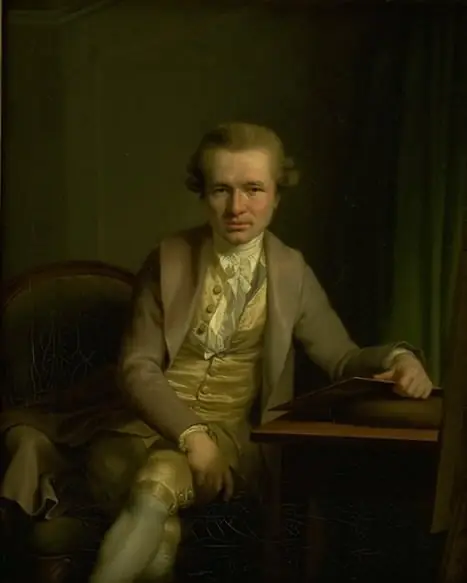 The Engraver Johann Friderich Clemens at his Work Table