Artwork
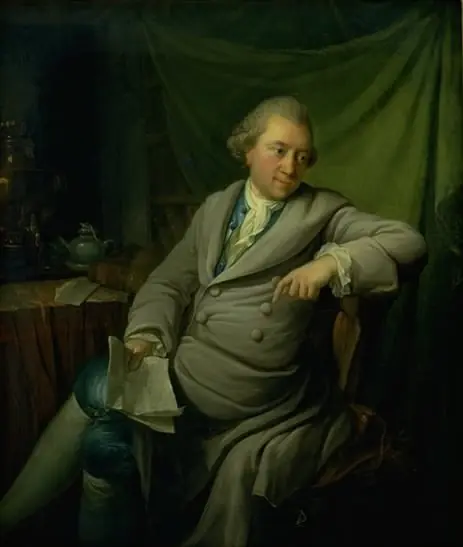
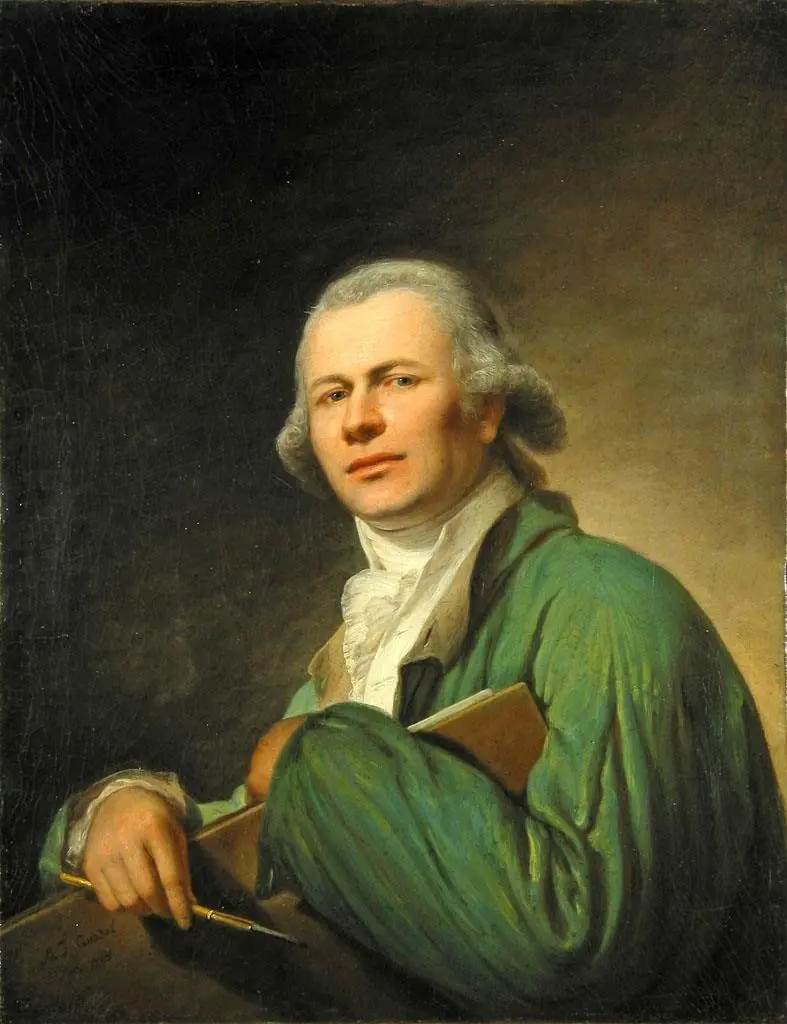
The Engraver Johann Friderich Clemens at his Work Table
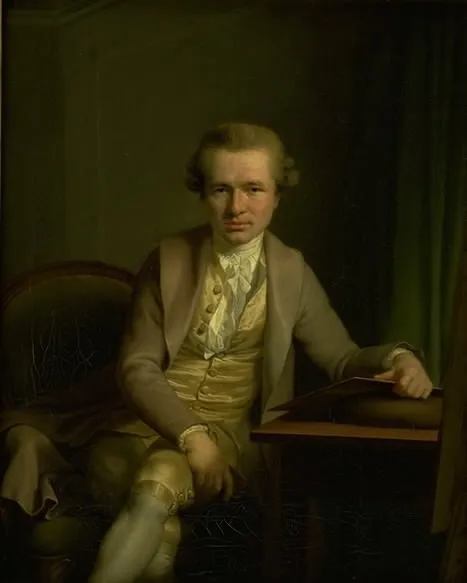
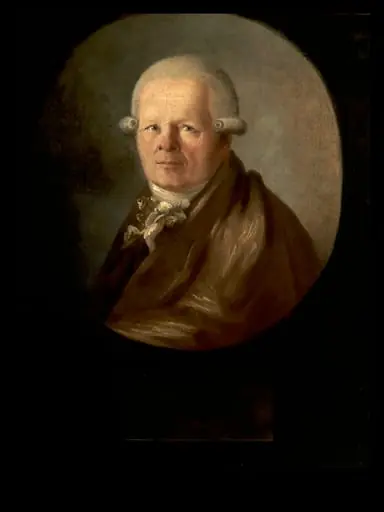
The Engraver Johann Friderich Clemens at his Work Table is an oil painting by the Rococo painting artist Jens Juel. It dates from 1788 and is held in the collection of the Statens Museum for Kunst.
About this work
Overview
Painted in 1788 by Danish artist Jens Juel, this oil portrait captures the engraver Johann Friderich Clemens engaged in his craft.
Painted in 1788 by Danish artist Jens Juel, this oil portrait captures the engraver Johann Friderich Clemens engaged in his craft. The composition centers on the sitter at his worktable, rendered with quiet precision. Juel, a prominent portraitist of his time, chose to depict a craftsman rather than a noble subject, reflecting a broader cultural shift toward honoring artisan labor in the late 18th century.
Subject & Meaning
Clemens is shown in a moment of quiet concentration, holding a sheet of paper while resting his arm on the table. His attire—a brown jacket, yellow waistcoat, and white shirt—suggests modest professional status. The absence of grandeur or symbolic props emphasizes the dignity of manual skill. The painting presents the engraver not as a celebrity, but as a thoughtful practitioner immersed in his craft.
Technique & Style
Juel employs soft brushwork and subtle tonal transitions to convey texture and form. The dark background isolates the figure, drawing attention to his posture and facial expression. The green curtain on the right adds depth without distraction. Lighting is gentle and directional, enhancing the realism of fabric folds and the sheen of skin, characteristic of Juel’s restrained, observational approach to portraiture.
History & Provenance
The painting has remained in Danish public collections since its creation. It entered the holdings of Statens Museum for Kunst, where it continues to be displayed as part of the museum’s 18th-century Danish art section. Its preservation reflects its recognition as a significant example of domestic portraiture from the period, valued for its historical and artistic integrity.
Context
In the late 1700s, European art increasingly turned toward depicting everyday professions with dignity. Juel’s portrait aligns with this trend, echoing Enlightenment ideals that elevated skilled labor. Unlike earlier aristocratic portraits, this work avoids ornamentation, focusing instead on the individual’s专注 and environment, mirroring broader societal shifts in values and aesthetics.
Legacy
The portrait stands as a quiet testament to the artisan class in Danish visual culture. While Juel is best known for his royal commissions, this work reveals his sensitivity to non-noble subjects. It remains a reference point for studies of 18th-century Danish portraiture and the evolving representation of labor in art, influencing later generations of Nordic realist painters.
Artist & collection
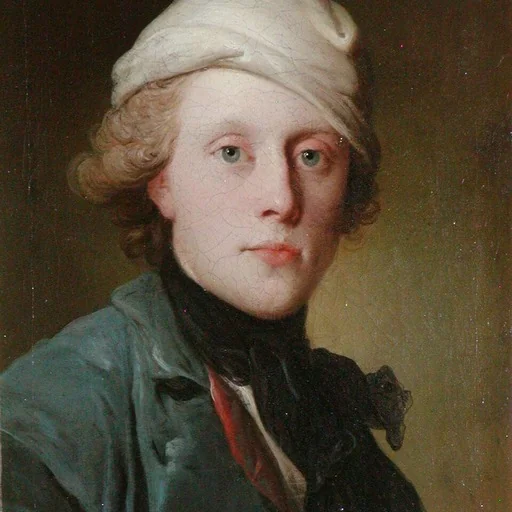
Artist
Jens Juel (12 May 1745 – 27 December 1802) was a Danish painter, primarily known for his many portraits, of which the largest collection is on display at Frederiksborg Castle.

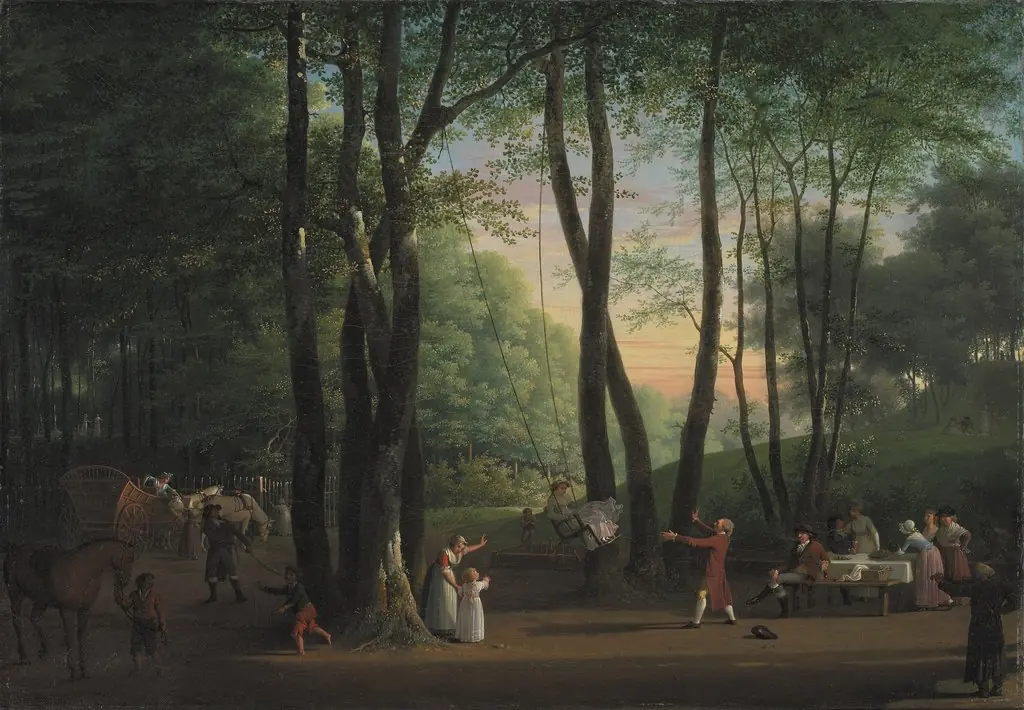 The Dancing Glade at Sorgenfri
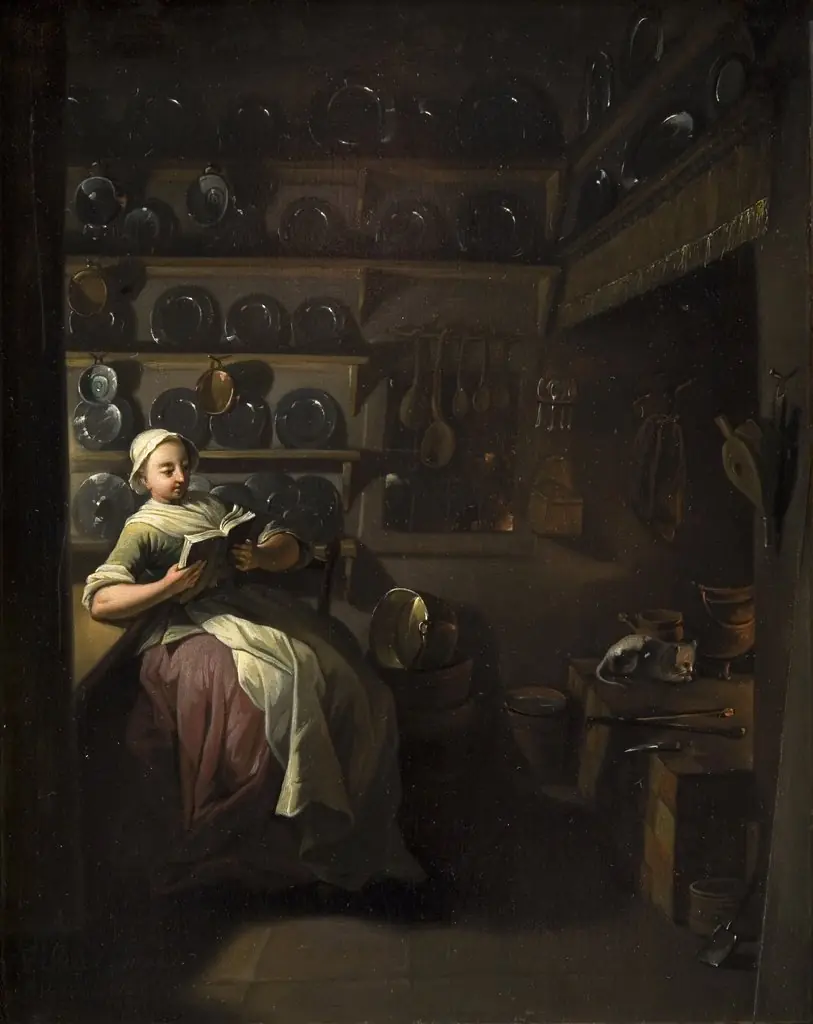 Kitchen Interior with a Girl Reading
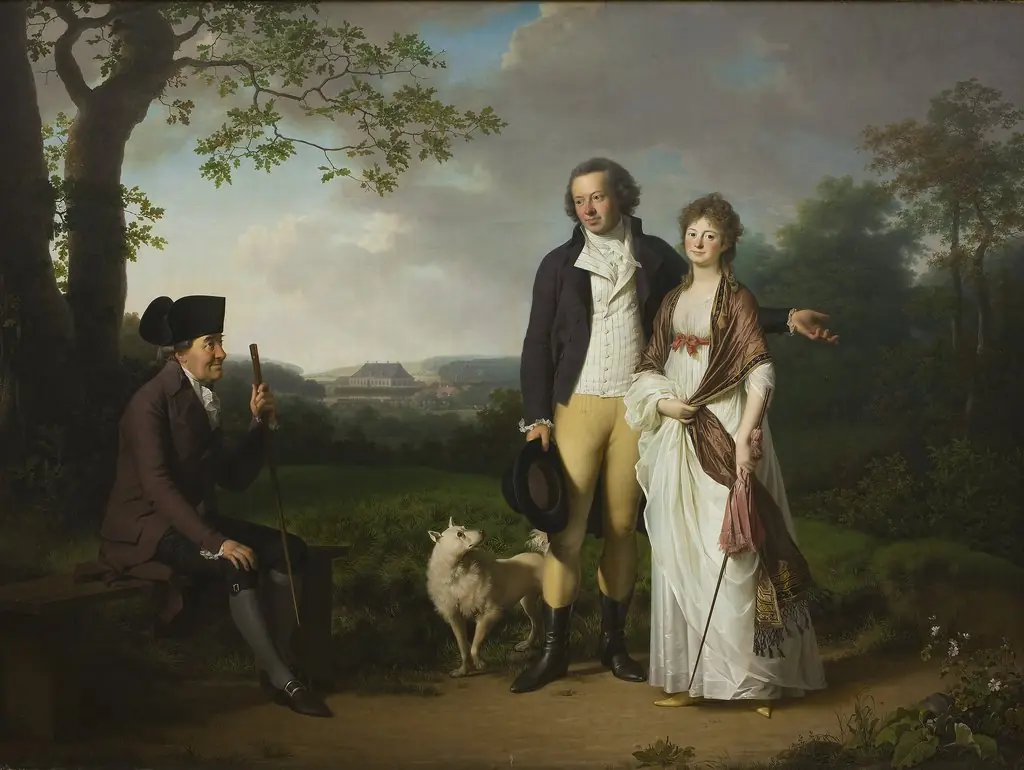 Niels Ryberg with his Son Johan Christian and his Daughter-in-Law Engelke, née Falbe
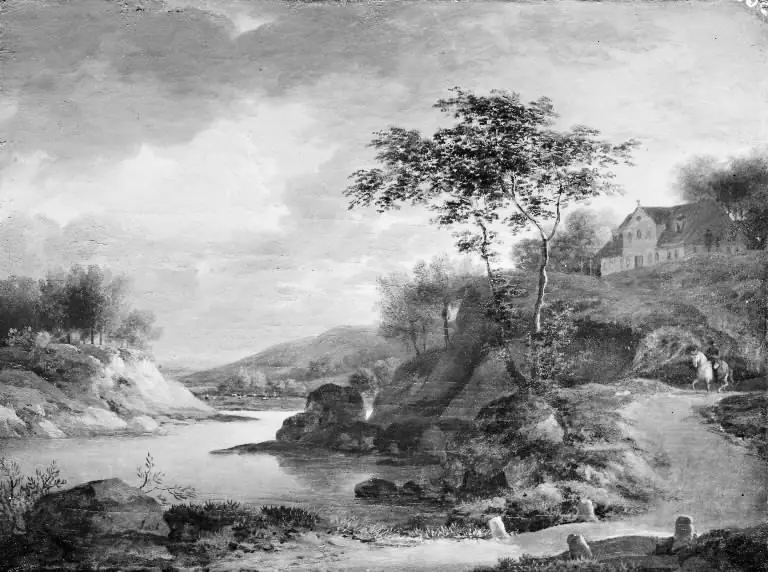 An Autumn Landscape by the Rhine
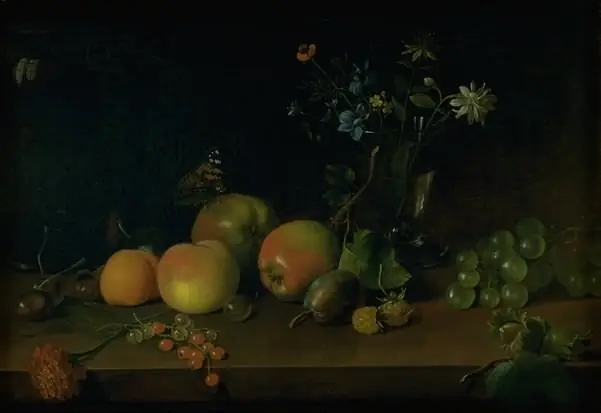 Flowers and Fruit on a Table
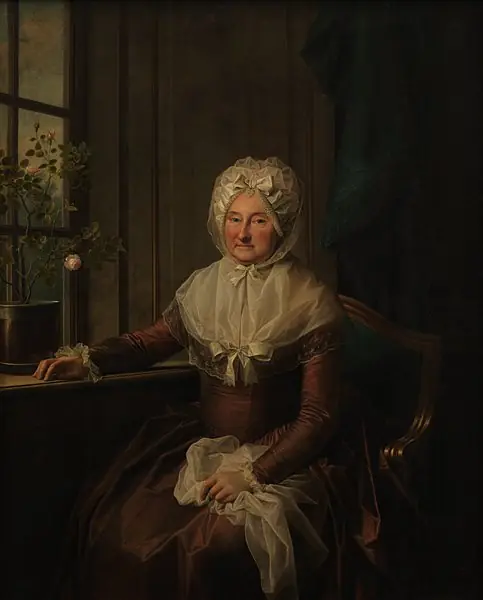 Countess Anna Joachima Danneskiold-Laurvigen, née Ahlefeldt
 A View Across Lake Leman Towards Mont Blanc and Geneva
 Stocks and Carnations