Artwork
The Roman Dwarf Francesco Ravai, called Bajocco
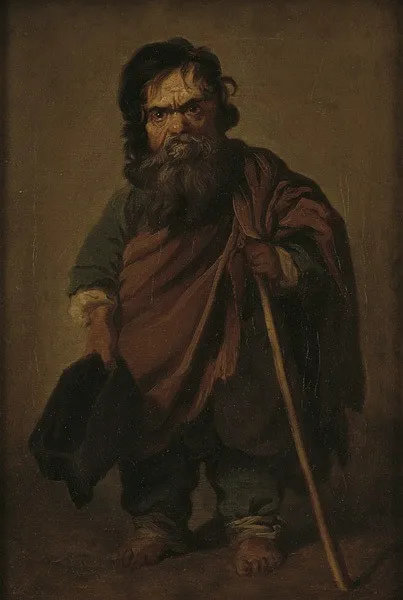
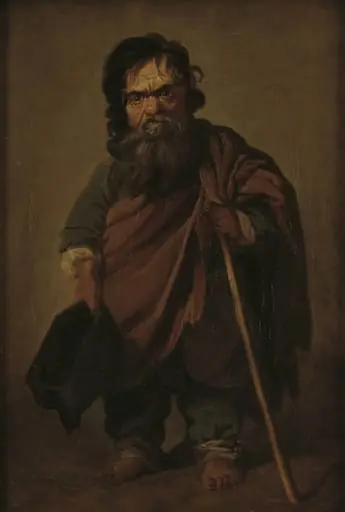
The Roman Dwarf Francesco Ravai, called Bajocco is an oil painting by the Rococo painting artist Jens Juel. It dates from 1774 and is held in the collection of the Statens Museum for Kunst.
About this work
Overview
Painted in 1774 by Danish artist Jens Juel, this oil portrait depicts Francesco Ravai, known as Bajocco, a dwarf from Rome who lived in Copenhagen.
Painted in 1774 by Danish artist Jens Juel, this oil portrait depicts Francesco Ravai, known as Bajocco, a dwarf from Rome who lived in Copenhagen. Juel, recognized for his precise and empathetic portraiture, rendered Ravai with psychological depth rather than caricature. The work belongs to the collection of Statens Museum for Kunst in Copenhagen and exemplifies the transition from Rococo elegance to a more restrained, observational style.
Subject & Meaning
Francesco Ravai, referred to by his nickname Bajocco, was likely a court entertainer or servant in Copenhagen’s royal circle. Juel presents him not as a novelty but as a dignified individual: weathered face, tired eyes, and a worn cloak suggest a life of hardship. The cane, held firmly, implies autonomy. The portrait resists exoticism, instead inviting quiet contemplation of a person often marginalized by society.
Technique & Style
Juel employed chiaroscuro to model Ravai’s form, directing light toward the face and hands while allowing the background to recede in muted browns. The brushwork is precise yet unembellished, capturing texture in the beard, fabric, and skin without theatrical flourish. The red cloak contrasts subtly with the dark attire, adding warmth without distraction. The composition is tightly focused, eliminating extraneous detail to emphasize presence over circumstance.
History & Provenance
The painting was completed during Juel’s tenure as a court artist in Denmark, where he frequently portrayed members of the royal household and their entourage. Ravai’s presence in Copenhagen suggests he was part of the cultural milieu surrounding the Danish court. The work remained in Danish collections and entered the Statens Museum for Kunst’s holdings in the 19th century, where it has been preserved as part of the national artistic record.
Context
In late 18th-century Europe, individuals with dwarfism were often employed in royal courts as jesters or attendants. While such figures were sometimes depicted with humor or pity, Juel’s approach diverged from convention. His portrait aligns with emerging Enlightenment ideals that valued individual dignity, reflecting a broader shift in how society viewed difference—not as spectacle, but as human experience.
Legacy
Juel’s portrait of Bajocco stands as an early example of empathetic representation in Nordic art. It avoids the grotesque or sentimental tropes common in contemporary depictions of marginalized people. The work continues to be studied for its psychological nuance and technical restraint, offering insight into how portraiture could challenge social norms through quiet observation rather than dramatic assertion.
Artist & collection
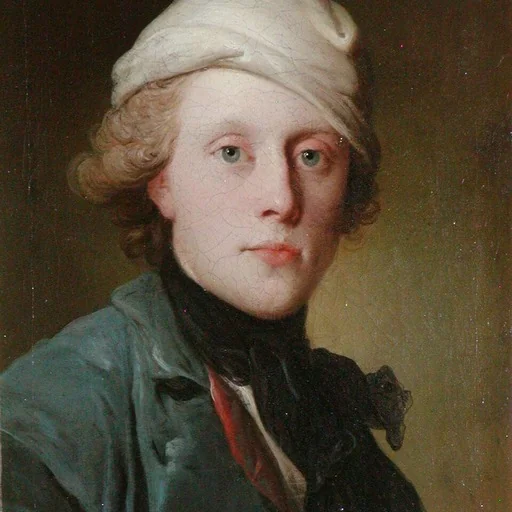
Artist
Jens Juel (12 May 1745 – 27 December 1802) was a Danish painter, primarily known for his many portraits, of which the largest collection is on display at Frederiksborg Castle.

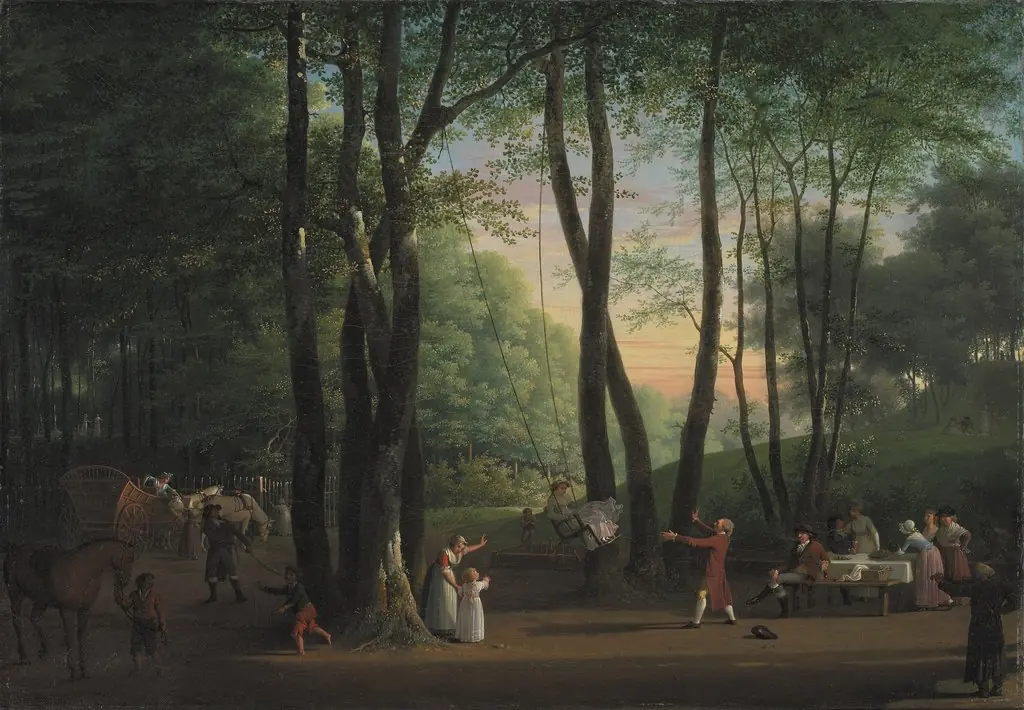 The Dancing Glade at Sorgenfri
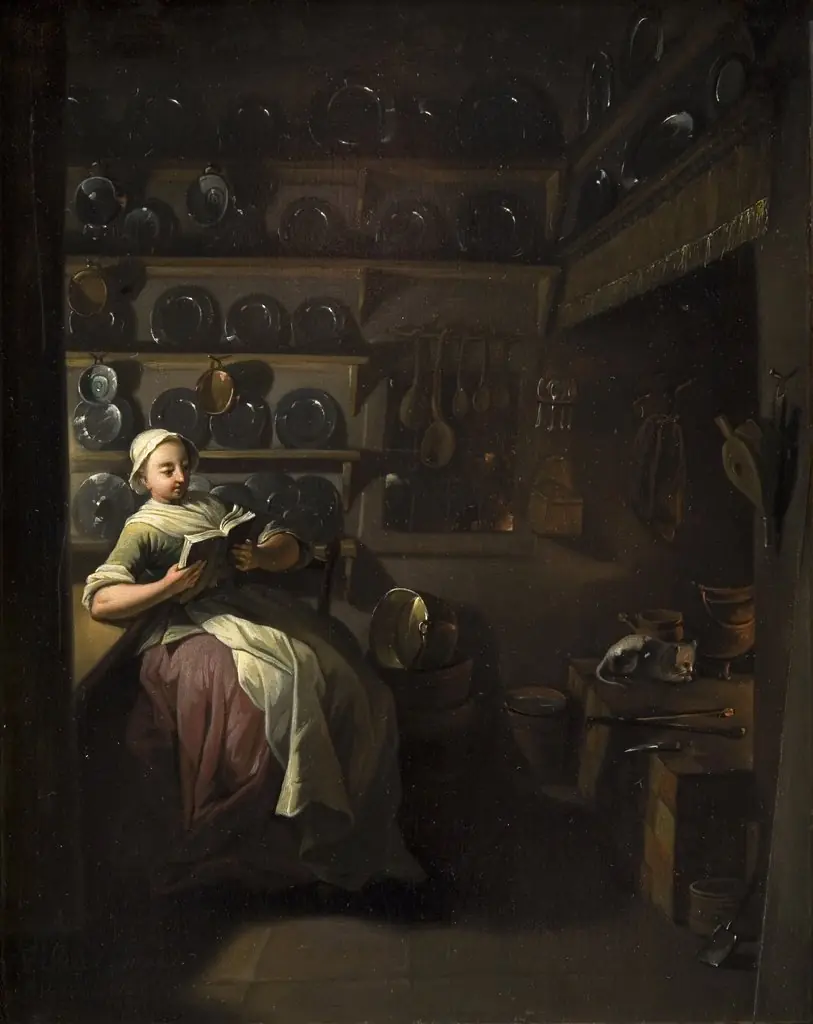 Kitchen Interior with a Girl Reading
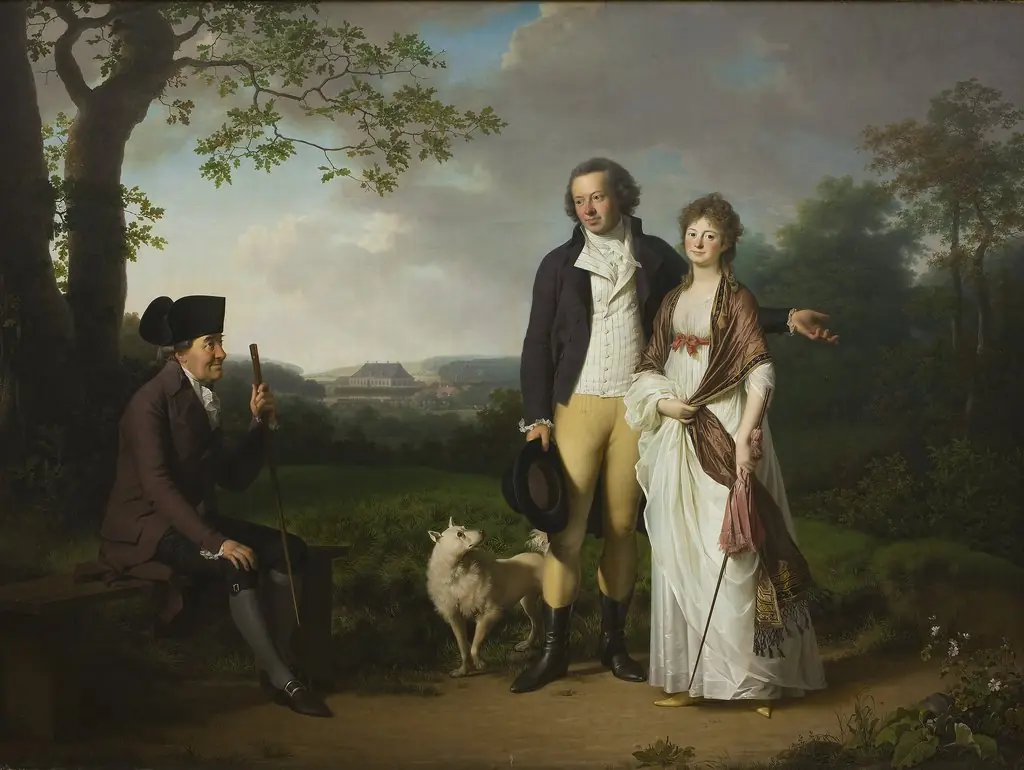 Niels Ryberg with his Son Johan Christian and his Daughter-in-Law Engelke, née Falbe
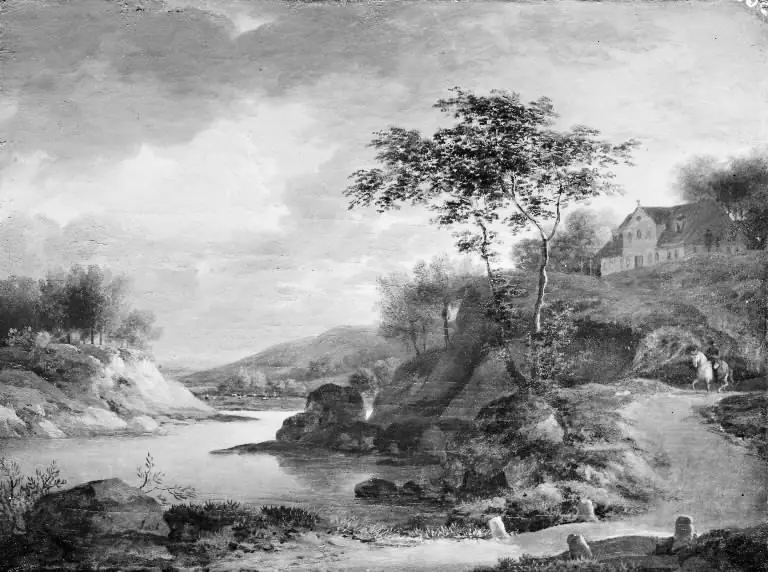 An Autumn Landscape by the Rhine
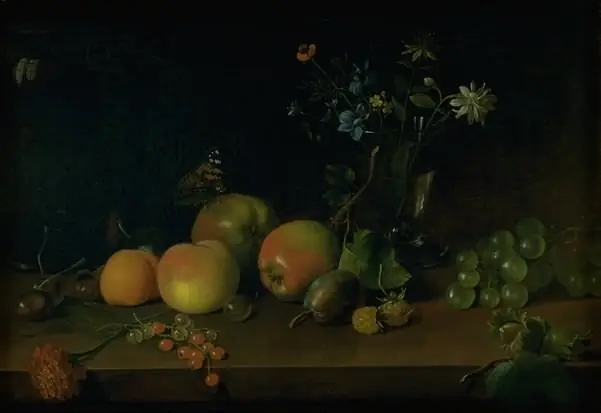 Flowers and Fruit on a Table
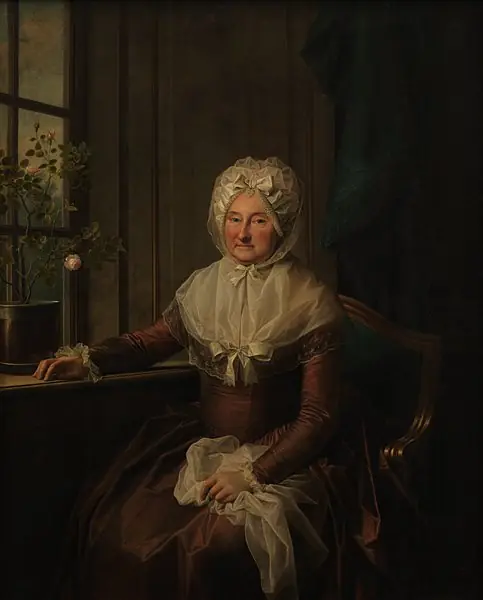 Countess Anna Joachima Danneskiold-Laurvigen, née Ahlefeldt
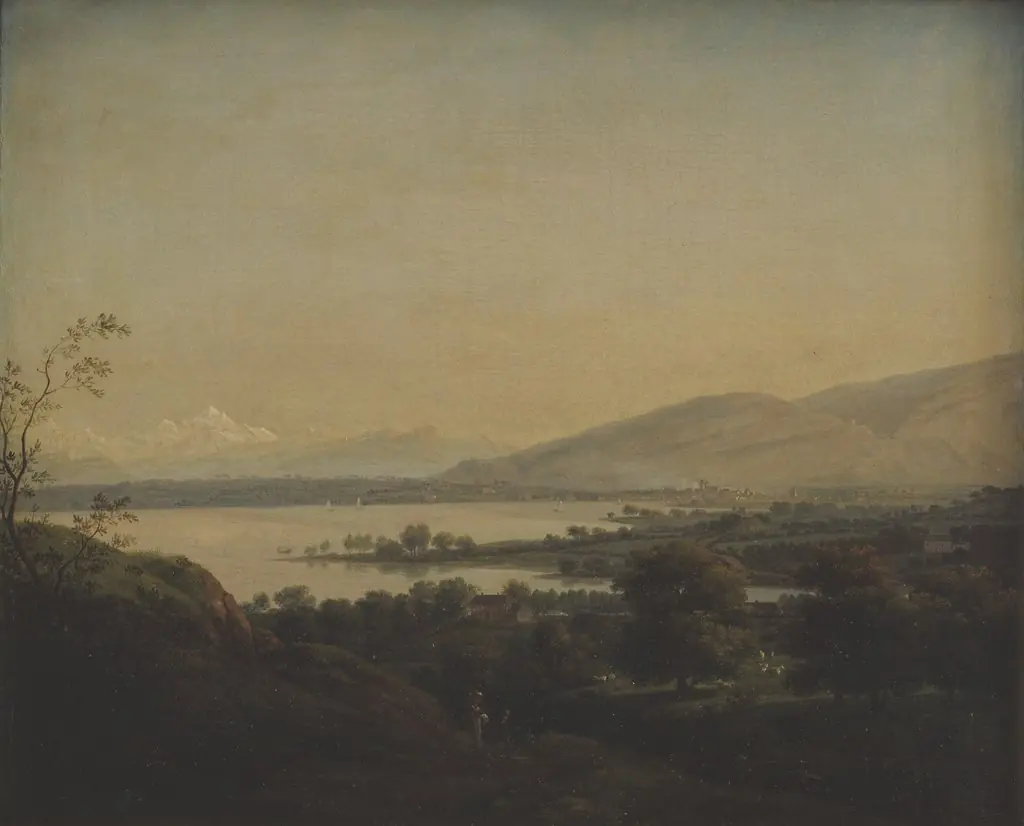 A View Across Lake Leman Towards Mont Blanc and Geneva
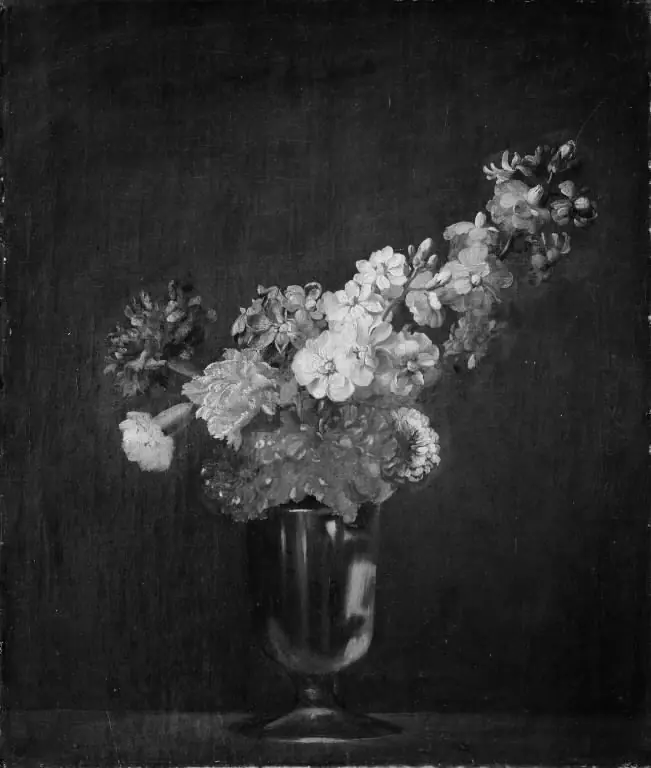 Stocks and Carnations
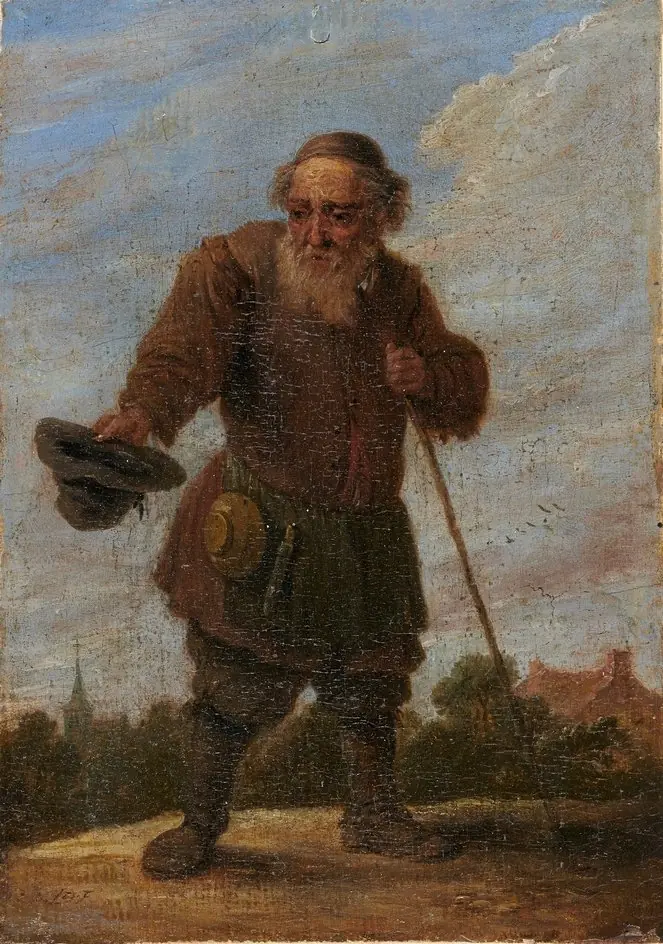 An old Beggar
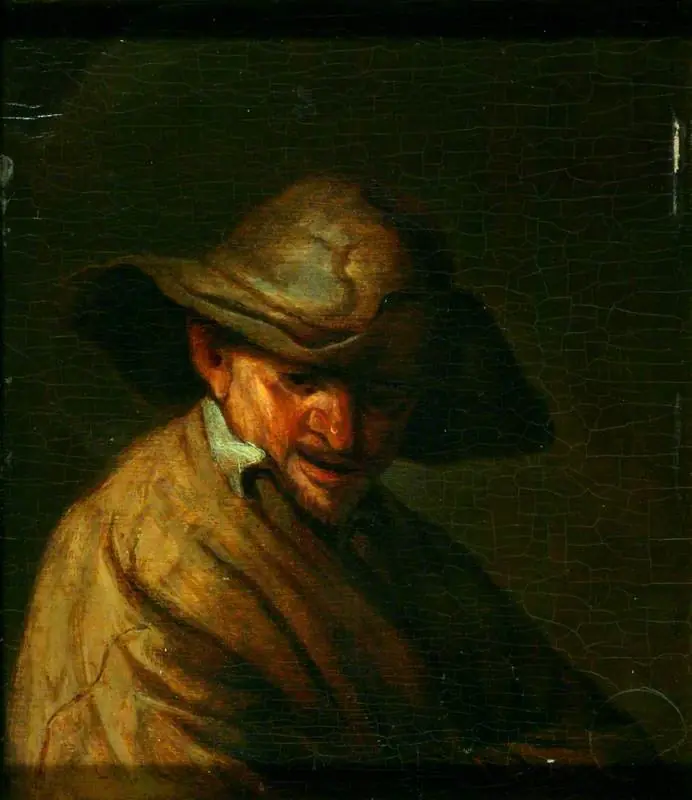 Head of an Old Man
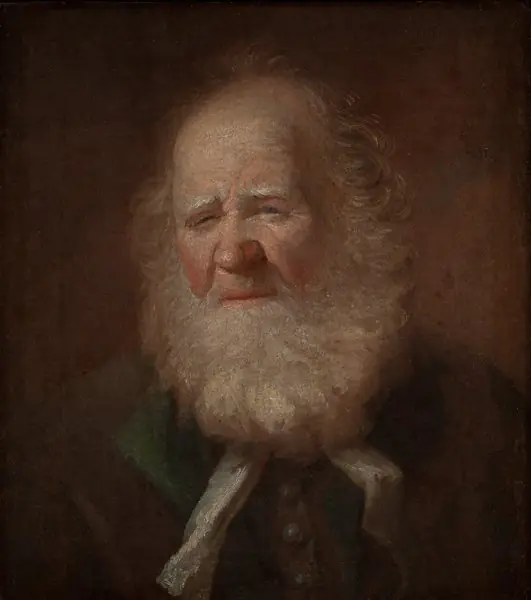 Portræt af Christian Jacobsen Drakenberg
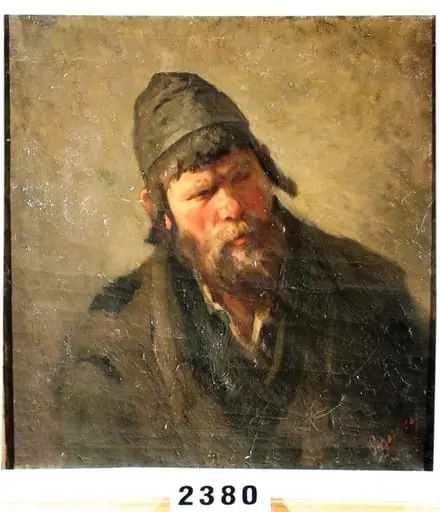 Evreu din Galiția
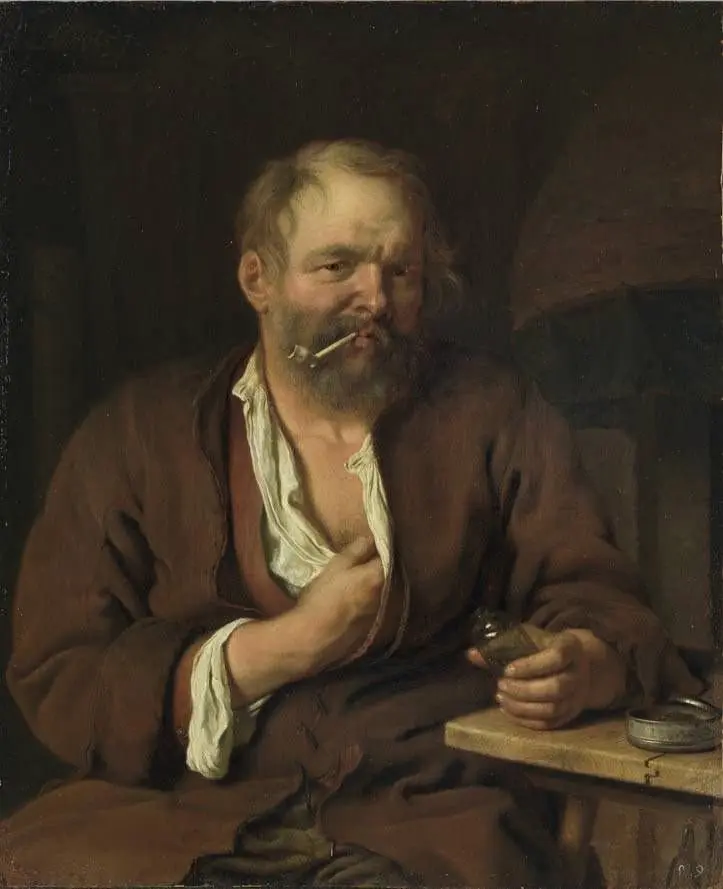 Tabakraucher
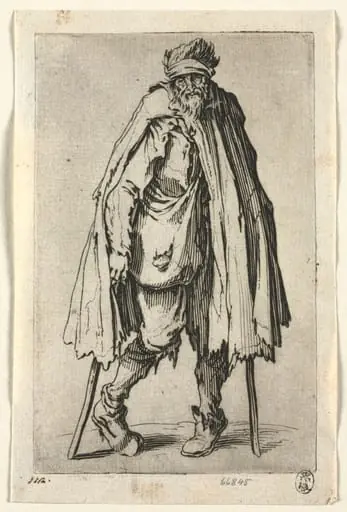 The Beggars: Beggar on Crutches with a Bag
 Head of an Old Man
 Tronie of an old man with a fur cap
 Autoportret în costum tirolez (în registrul inventar: Bătrân cu barbă mare)
 Three Paintings of a Muleteer (3)
 The Beggars: Beggar with Pot
 The Roman Dwarf Francesco Ravai, called Bajocco