Artwork
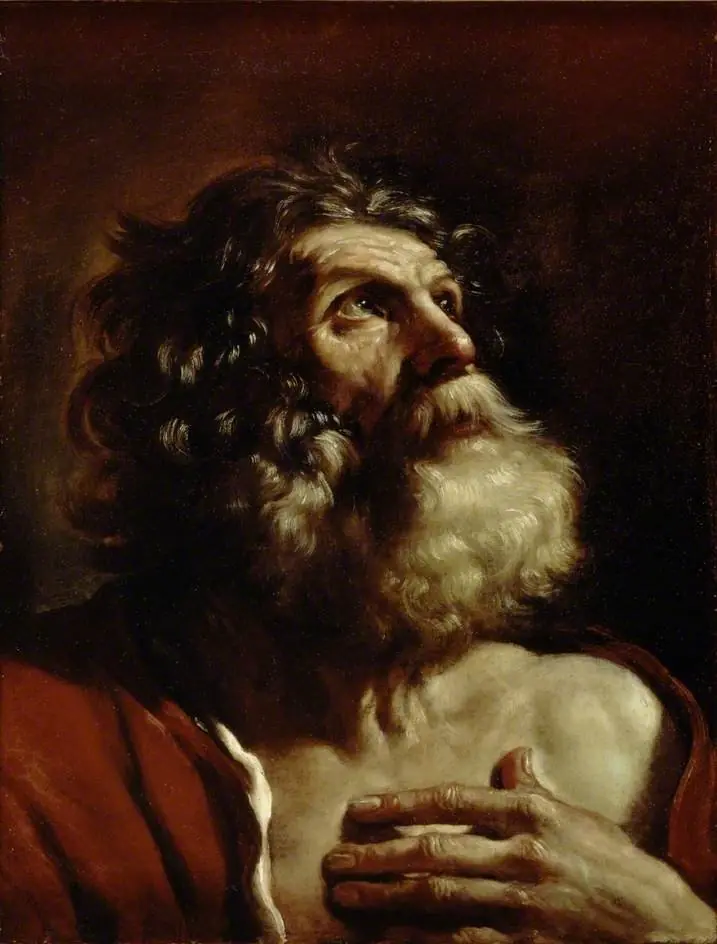
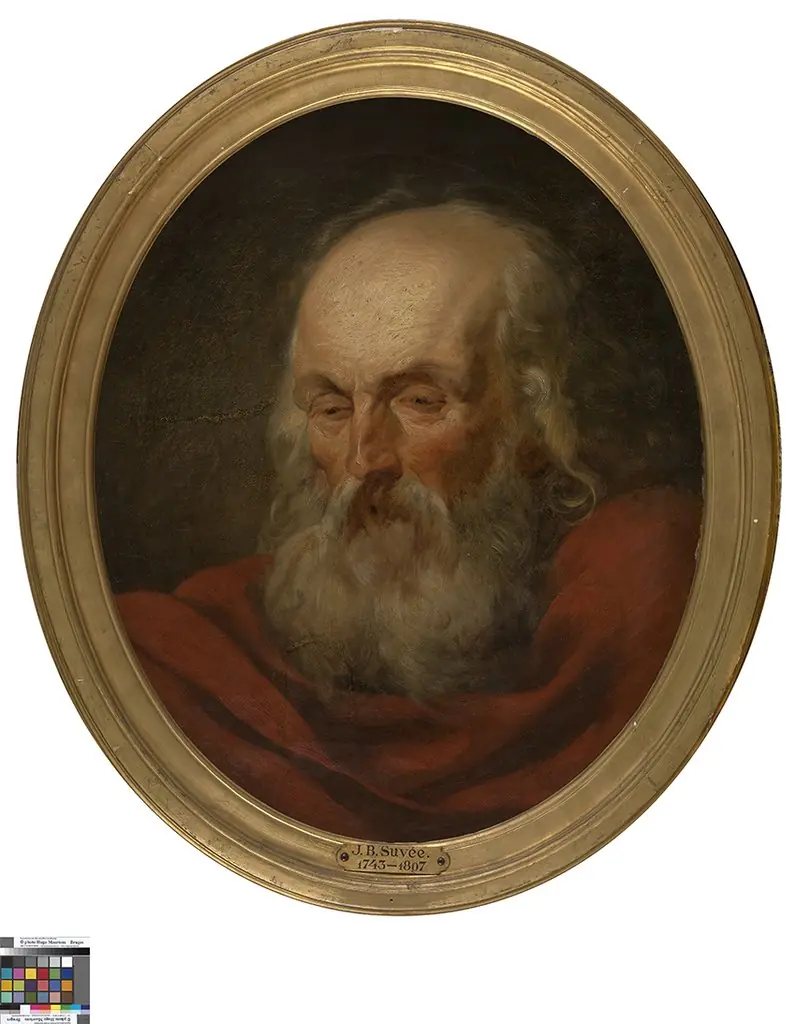
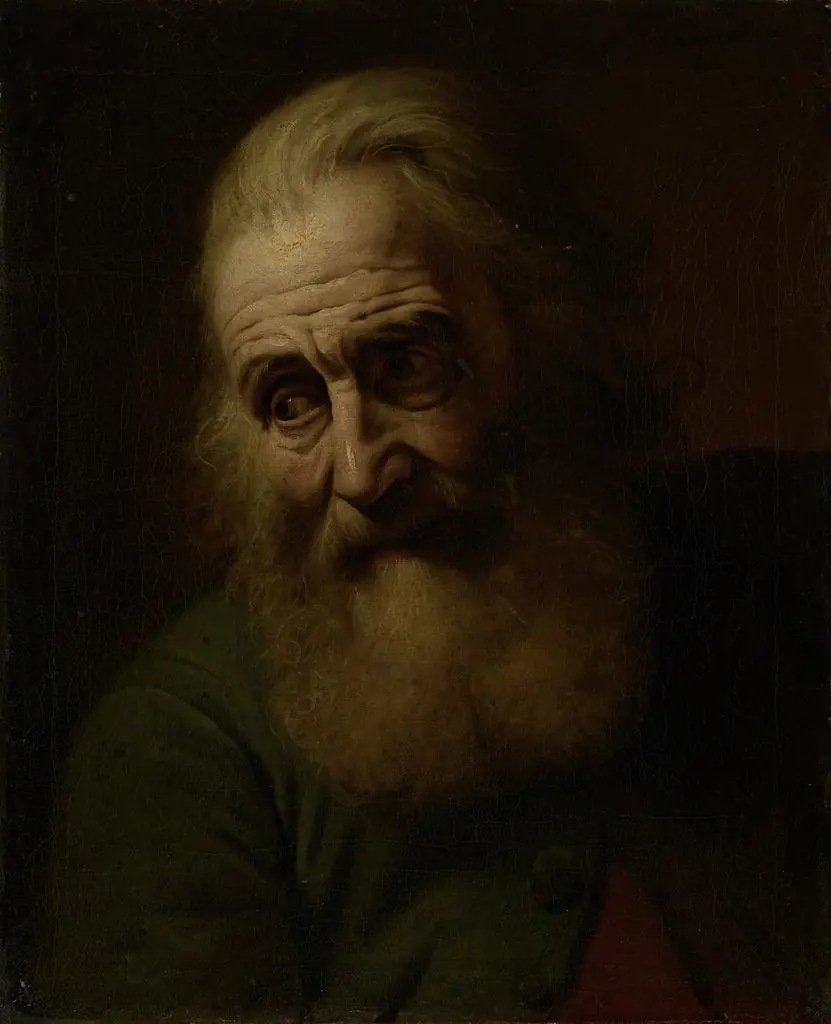
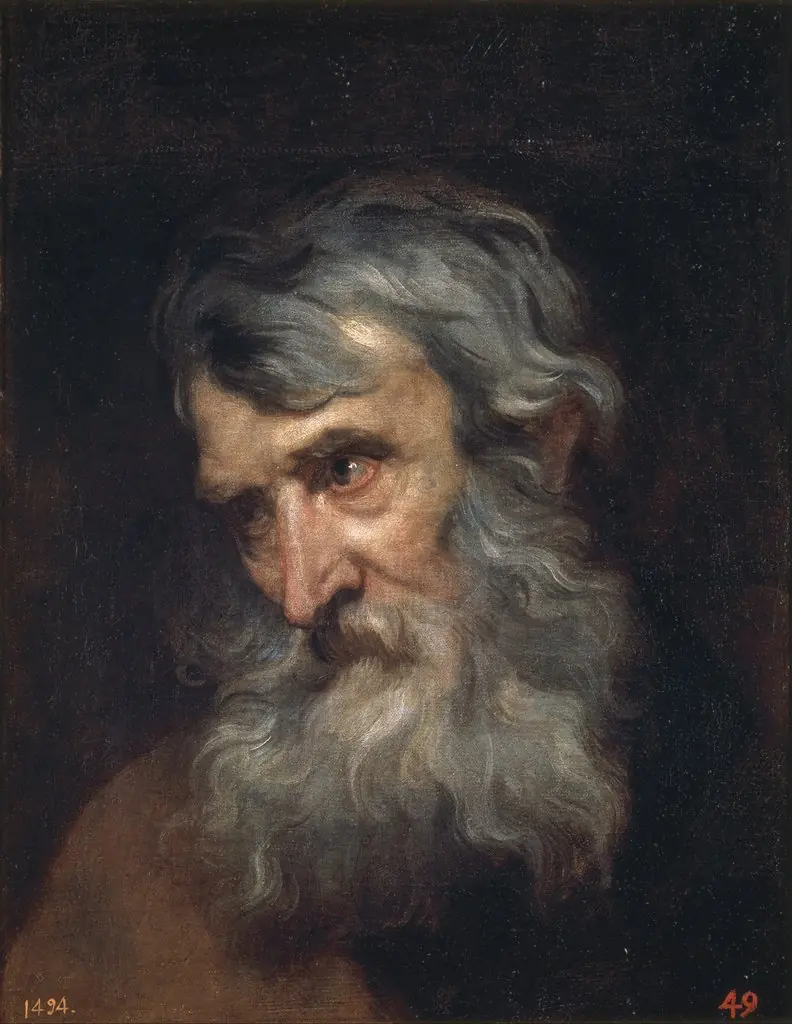
Head of an Old Man
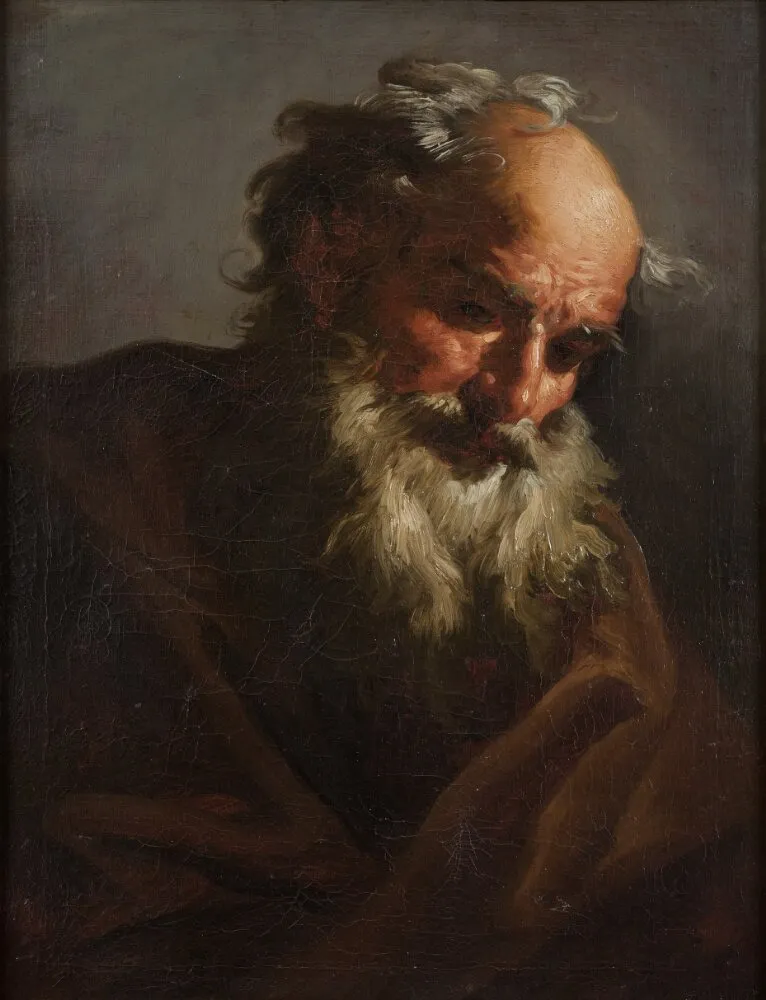
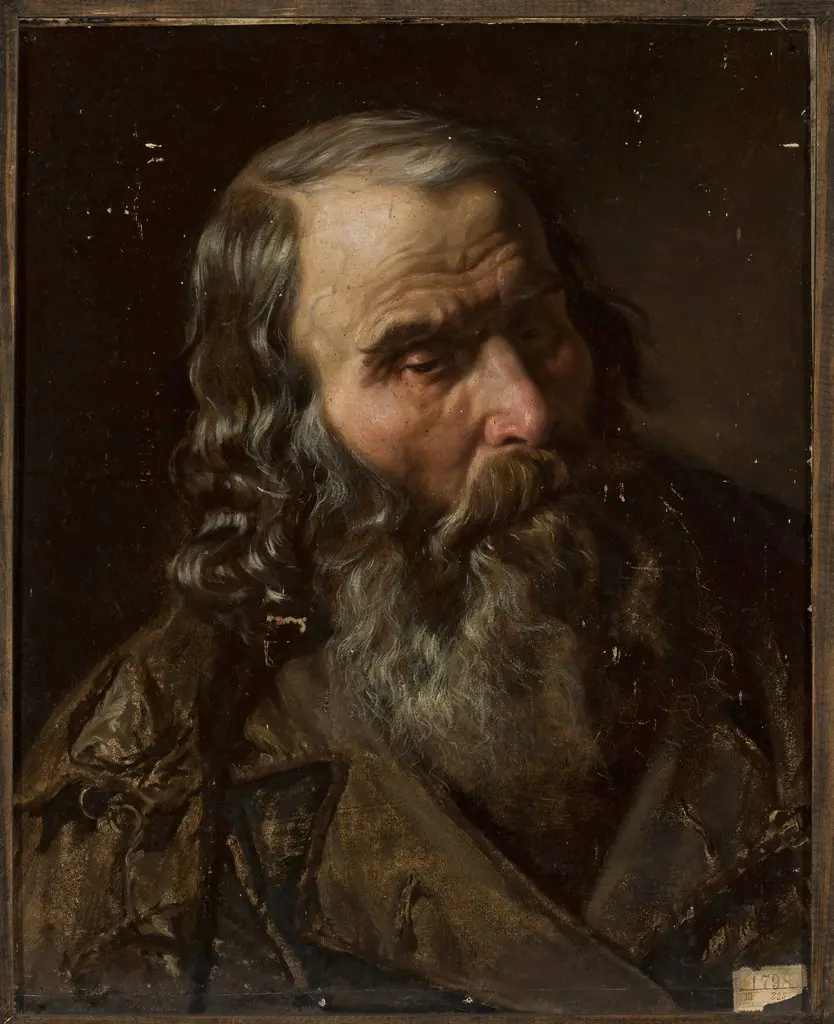
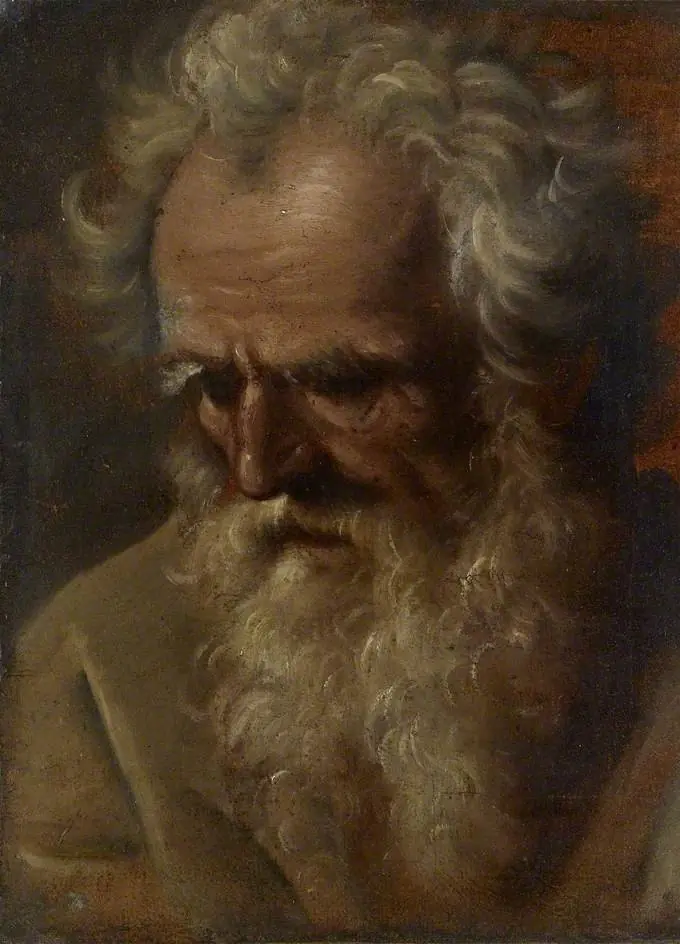
Head of an Old Man is an oil painting by the Barbizon school artist Petr Brandl. It dates from 1711 and is held in the collection of the Nationalmuseum.
About this work
Overview
Painted around 1711 by Czech artist Petr Brandl, this oil portrait captures the head of an elderly man with intense realism.
Painted around 1711 by Czech artist Petr Brandl, this oil portrait captures the head of an elderly man with intense realism. Brandl, active in the late Baroque period within the Kingdom of Bohemia, employed thick layers of pigment and dramatic lighting to convey physical presence and emotional weight. The work is part of the Nationalmuseum’s collection, though its attribution to the Barbizon school is incorrect—Brandl’s style predates and is unrelated to that 19th-century French movement.
Subject & Meaning
The subject is an aging man with a long white beard, gray unkempt hair, and a downward gaze. His expression suggests quiet introspection, possibly sorrow or resignation. No identity is recorded, and the portrait avoids idealization, focusing instead on the marks of time and lived experience. The absence of context or narrative elements directs attention solely to the humanity of the face, inviting quiet contemplation.
Technique & Style
Brandl used heavy impasto to build texture in the beard and hair, enhancing the tactile sense of age. Strong chiaroscuro defines the contours of the face, with deep shadows contrasting sharply against illuminated areas of the forehead and cheek. The brushwork is assertive yet controlled, emphasizing volume over detail. This approach reflects Baroque traditions of psychological depth through light and mass, not delicate refinement.
History & Provenance
The painting was likely created during Brandl’s mature period in Prague, where he worked for aristocratic and ecclesiastical patrons. It remained in Central European collections until entering the Nationalmuseum’s holdings. Though celebrated in his lifetime, Brandl’s reputation declined after the 18th century and was further obscured during the Cold War, when his work received little scholarly attention in communist Czechoslovakia.
Context
Brandl operated within the Central European Baroque tradition, influenced by Flemish and Italian models, but developed a distinctly robust, tactile style. Unlike the idealized portraiture of court painters, his focus on unvarnished elderly subjects aligned with a growing interest in human vulnerability. His work stands apart from the emerging Rococo elegance of the early 18th century, favoring gravity over ornament.
Legacy
Though overshadowed in later centuries, Brandl’s technical boldness has been reassessed in recent decades. *Head of an Old Man* exemplifies his ability to convey psychological depth through materiality—pigment as flesh, light as memory. The painting now serves as a key example of Bohemian Baroque portraiture, offering insight into a regional artistic voice often marginalized in broader Western narratives.
Artist & collection
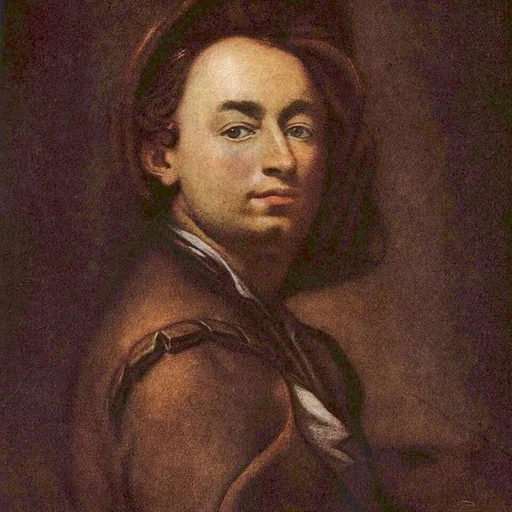
Artist
Petr Brandl (Peter Johannes Brandl or Jan Petr Brandl) (24 October 1668 – 24 September 1735) was a Czech painter of the late Baroque in the bilingual Kingdom of Bohemia.