Artwork
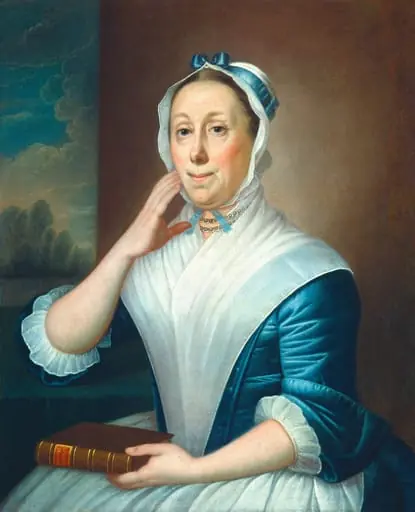
Portrait of Mrs. John Champneys (Anne Livingston, born 1746)
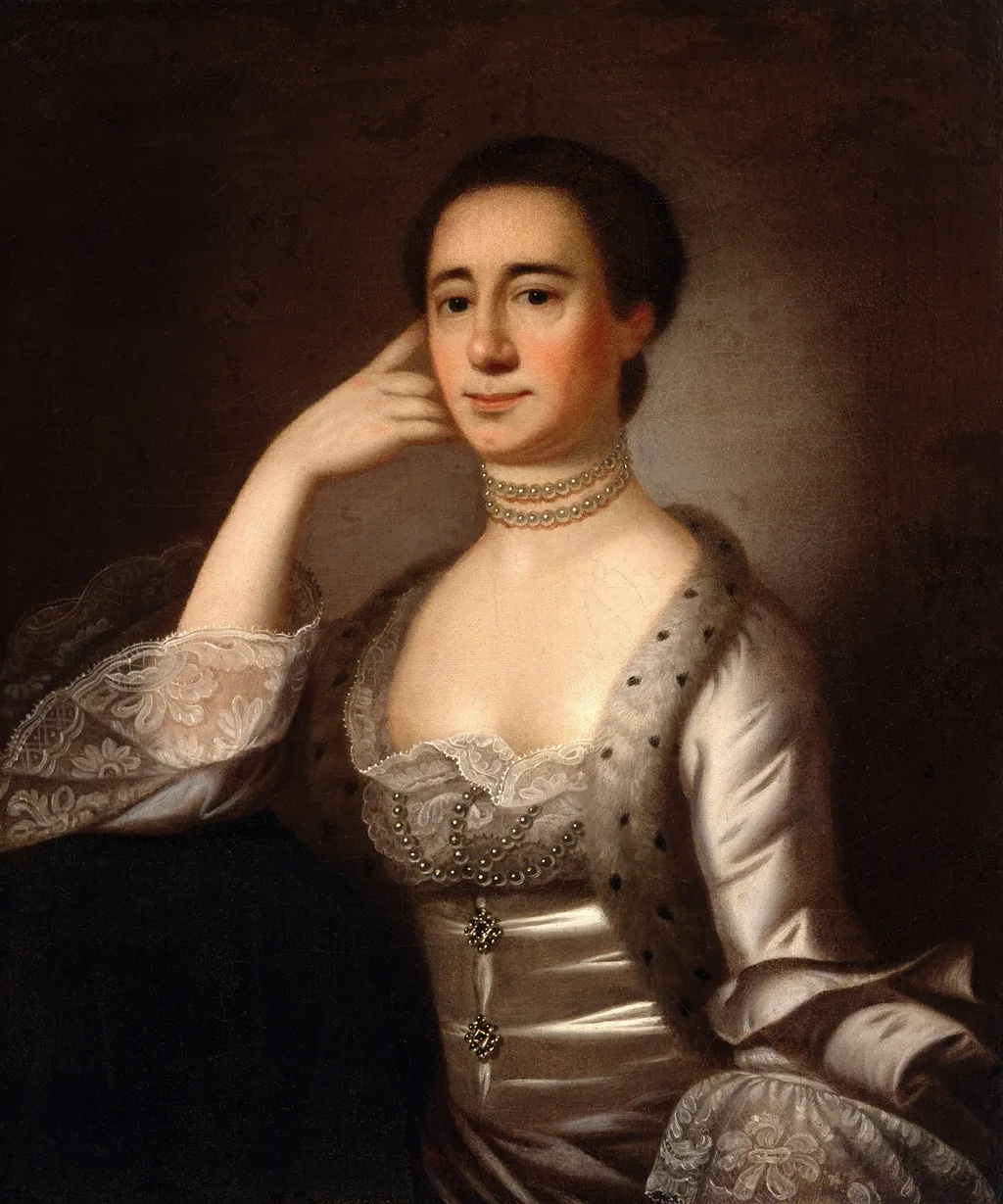
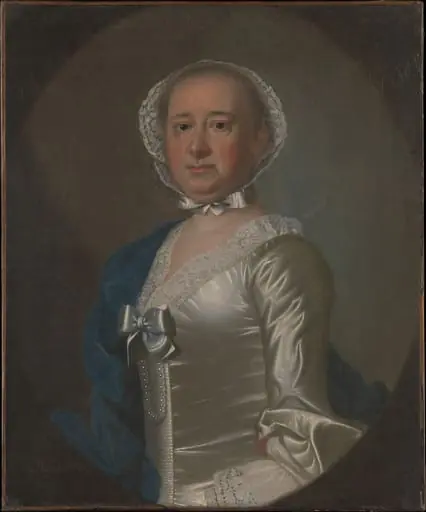
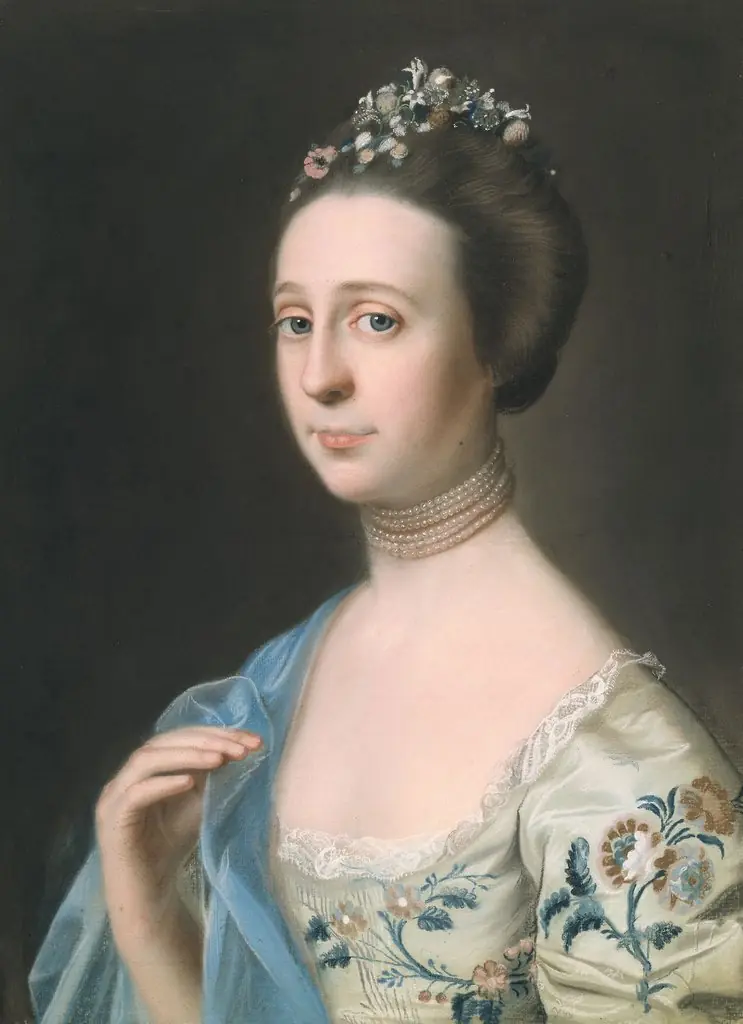
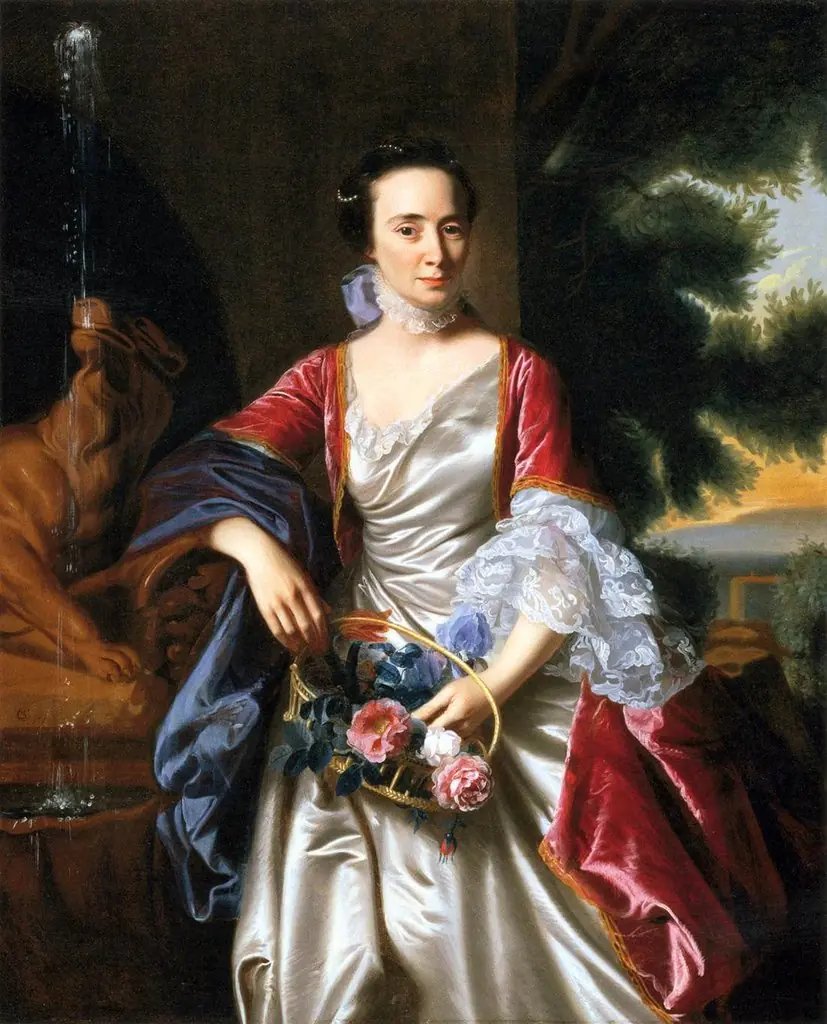
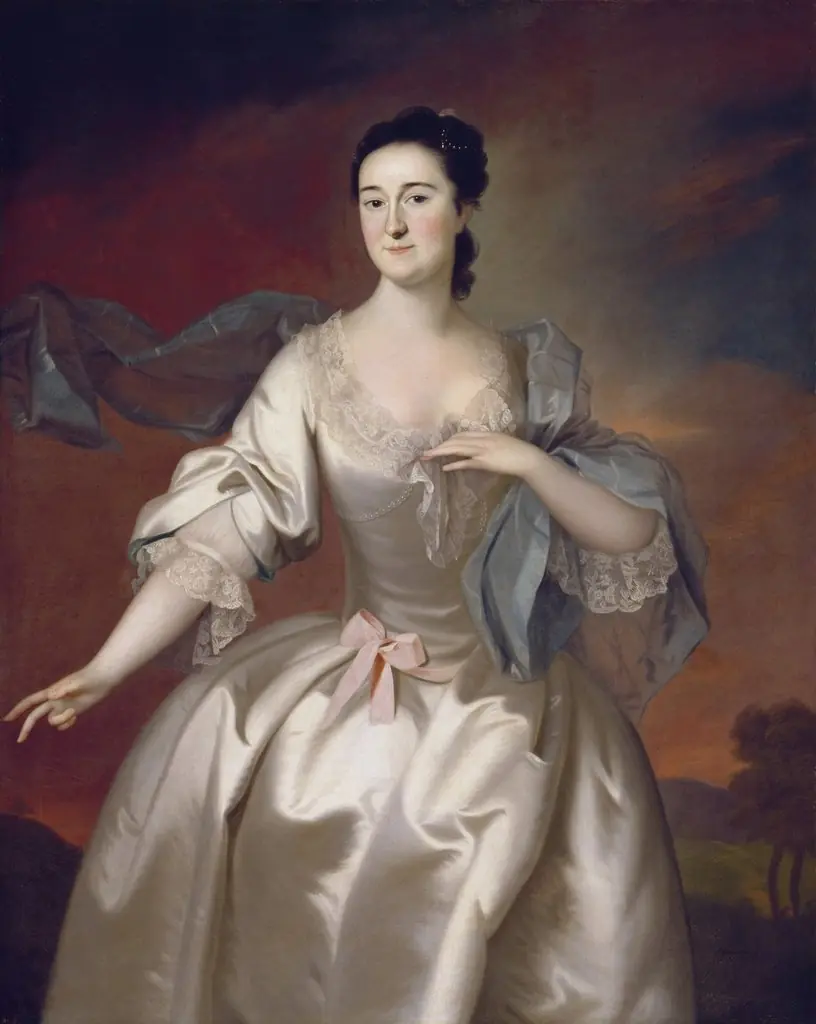
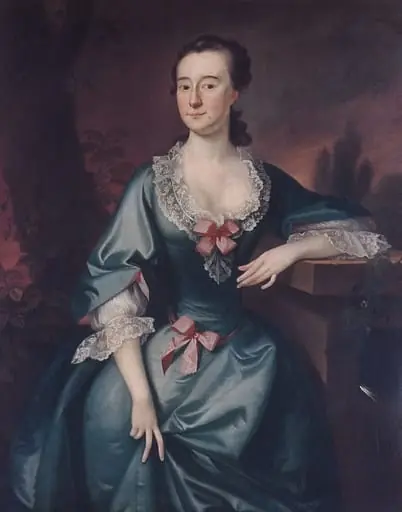
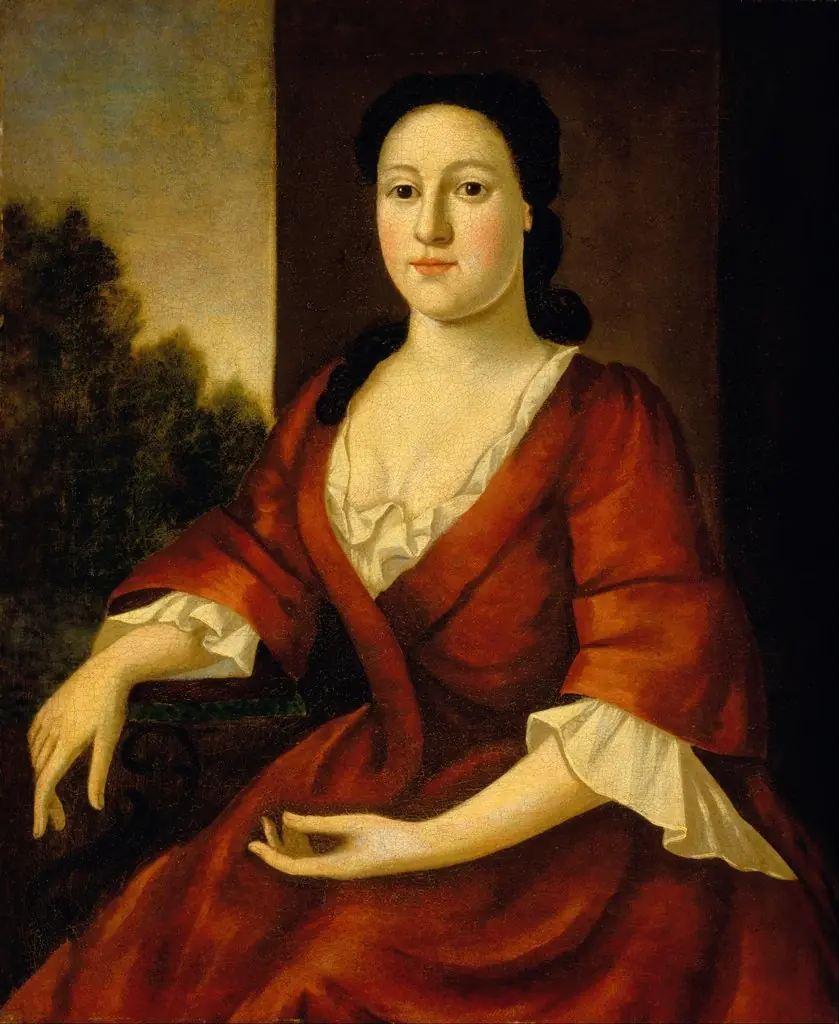
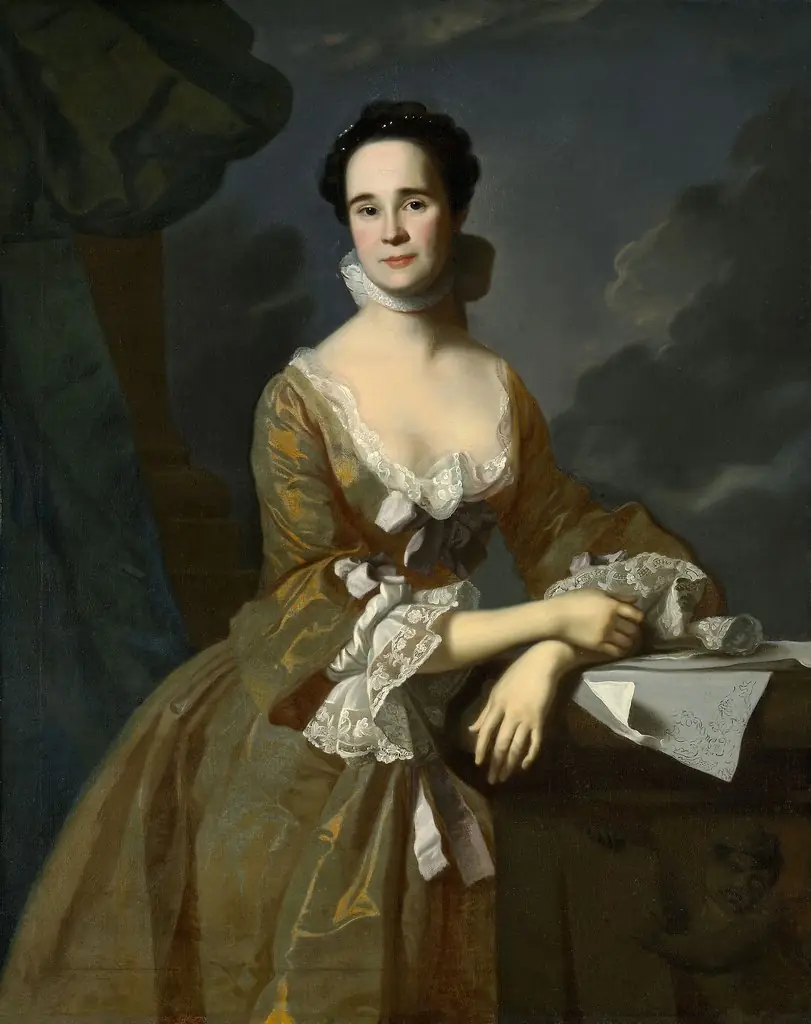
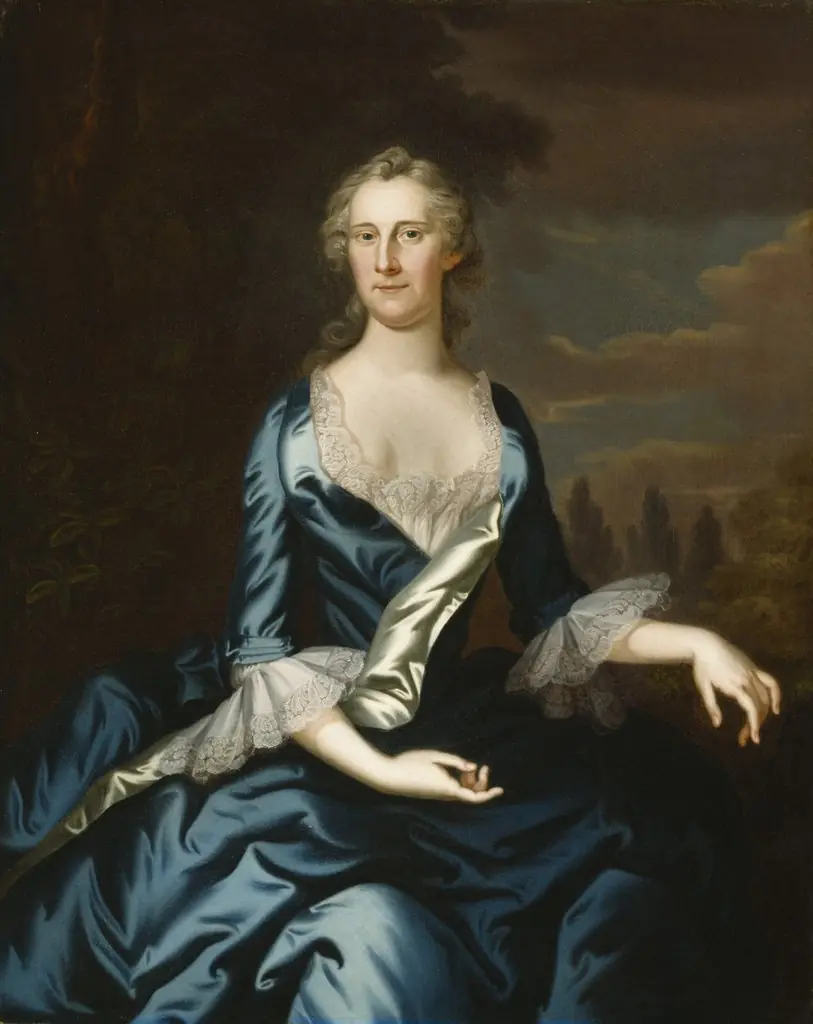
Portrait of Mrs. John Champneys (Anne Livingston, born 1746) is an oil painting by the Rococo painting artist Jeremiah Theus. It dates from 1763 and is held in the collection of the Museum of Fine Arts, Houston.
About this work
Overview
His work reflects the refined tastes of colonial American society, blending European conventions with local sensibilities in a quiet, intimate style.
Painted in 1763, this oil portrait by Jeremiah Theus captures Anne Livingston Champneys, a member of Charleston’s elite. Theus, a Swiss-born artist who settled in South Carolina, dedicated his career to portraiture in a region with few competing specialists. His work reflects the refined tastes of colonial American society, blending European conventions with local sensibilities in a quiet, intimate style.
Subject & Meaning
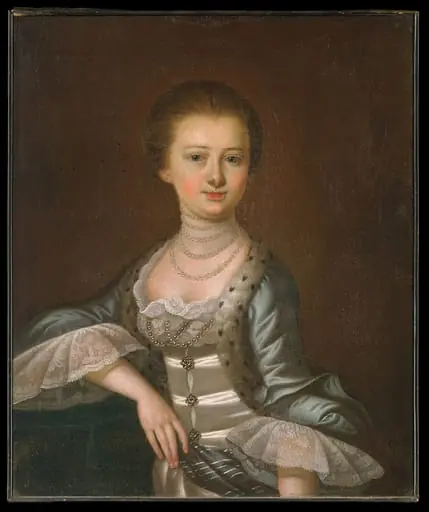
Anne Livingston Champneys, born in 1746, is depicted with composed dignity, her right hand gently resting against her cheek. Her attire—satin dress, lace trim, pearl necklace, and brooch—signals wealth and social standing. The pose, neither rigid nor casual, conveys poise and self-possession, aligning with 18th-century ideals of feminine refinement. The dark background isolates her figure, emphasizing her presence without distraction.
Technique & Style
Theus employs subtle chiaroscuro to model the sitter’s form, lending volume to her dress and face without dramatic contrast. Delicate brushwork defines lace and pearls, while the satin fabric is rendered with soft, flowing strokes. The composition is balanced and restrained, avoiding theatricality. These qualities reflect Rococo influences adapted to the quieter aesthetic of provincial American portraiture.
History & Provenance
Commissioned in 1763, the portrait likely originated in Charleston, where Theus maintained a steady clientele among merchant and planter families. It remained within the Champneys family for generations before entering institutional collection. No major alterations or reworkings are documented, preserving its original condition and the artist’s intended composition.
Context
In mid-18th-century South Carolina, portraiture served as both personal record and social assertion. Theus, one of the few trained painters in the region, filled a cultural gap by offering European-style likenesses to local elites. His work reveals how colonial Americans adopted transatlantic artistic norms to affirm status, even in relative geographic isolation.
Legacy
Theus’s portraits, including this one, remain among the most significant surviving examples of colonial Southern art. His consistent output and technical reliability established a visual record of Charleston’s merchant class. While not widely known beyond regional art history, his work provides essential insight into the material culture and self-representation of early American society.
Own this work as a print
Artist & collection

Artist
Jeremiah Theus (né Theüs; April 5, 1716 – May 17, 1774) was a Swiss-born American painter, primarily of portraits.