Artwork
Mrs. Charles Carroll of Annapolis
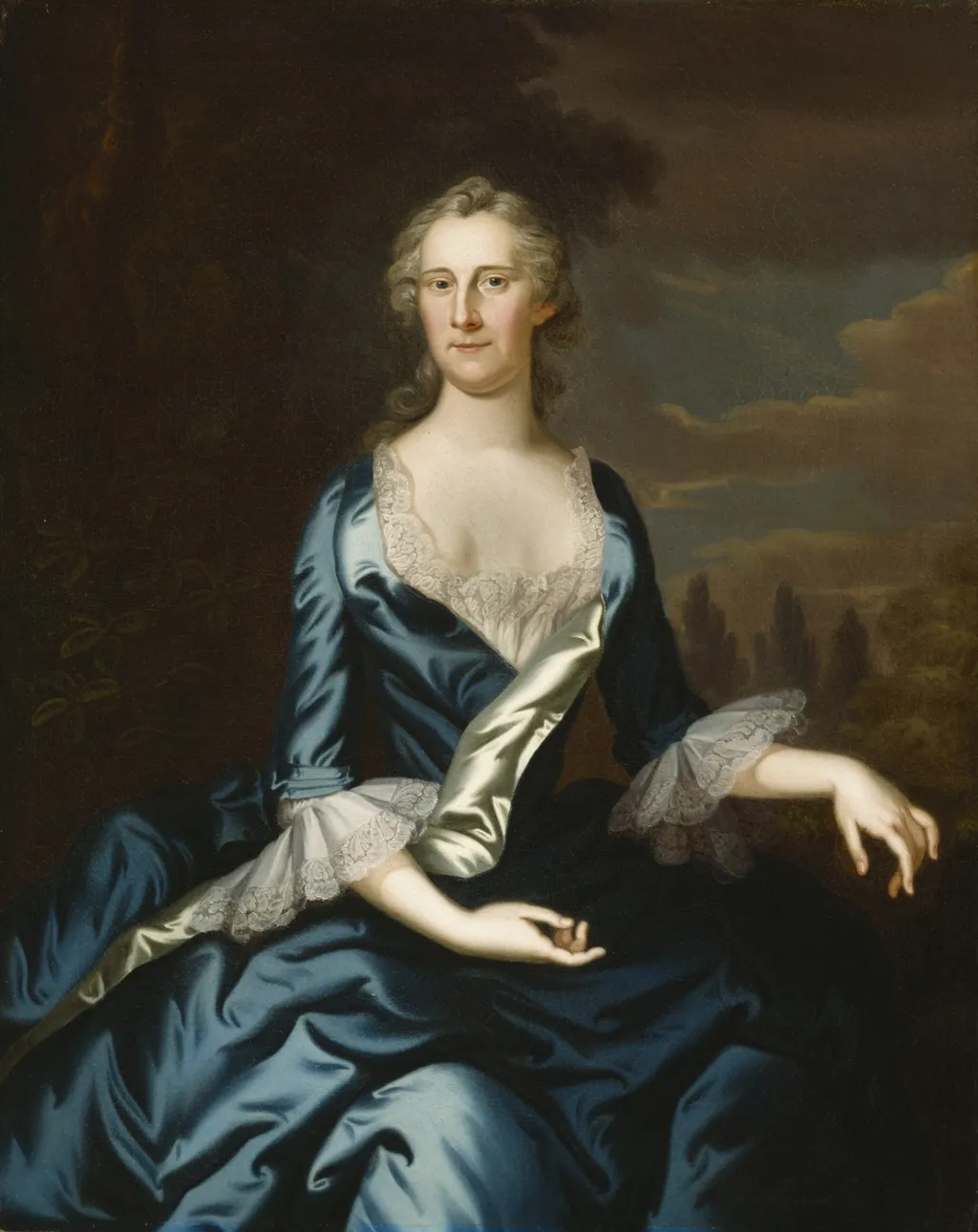
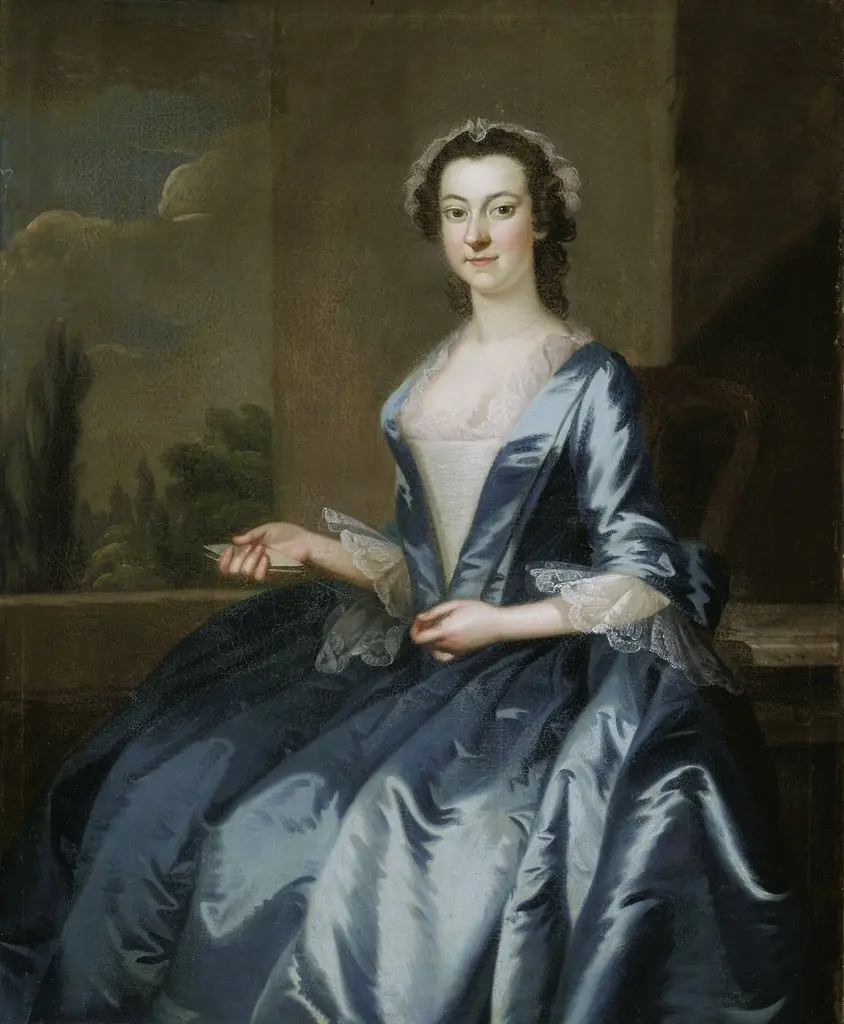
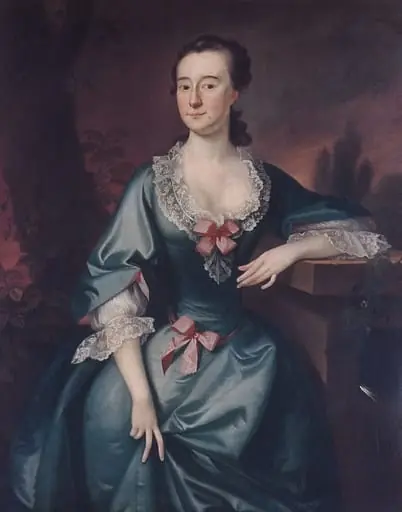
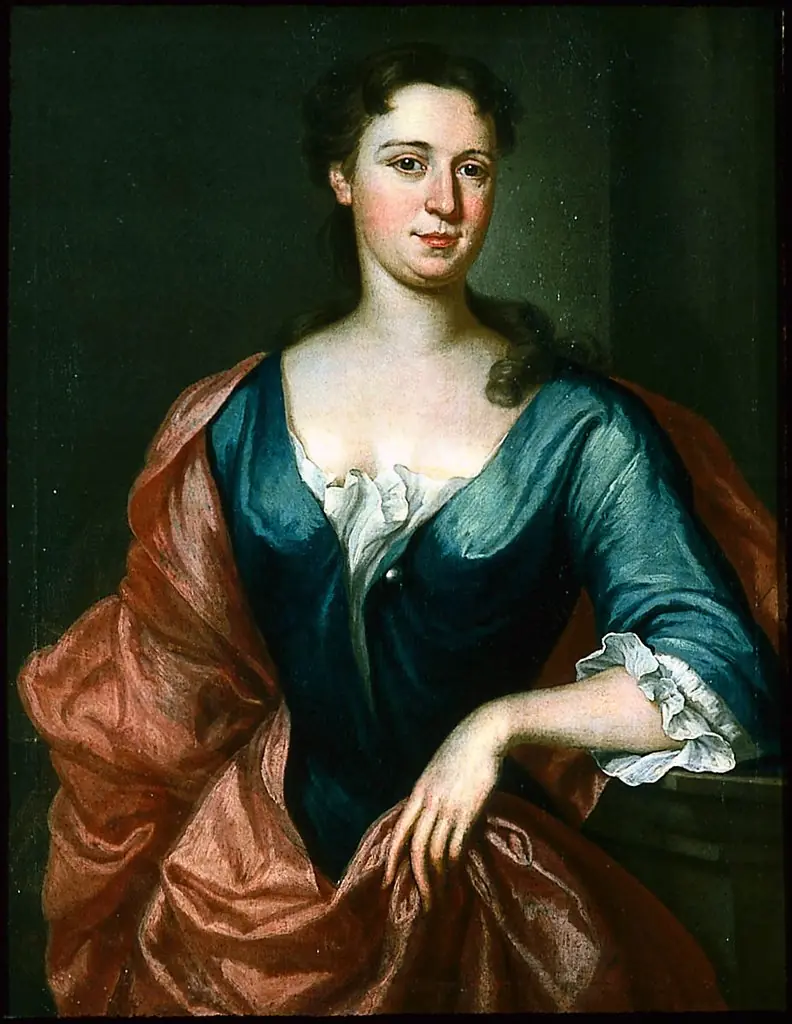
Mrs. Charles Carroll of Annapolis is an oil painting by the Rococo painting artist John Wollaston. It dates from 1753 and is held in the collection of the Detroit Institute of Arts. Painted in 1753, this oil portrait depicts Mrs.
About this work
Overview
Charles Carroll of Annapolis, a prominent figure in colonial Maryland.
Painted in 1753, this oil portrait depicts Mrs. Charles Carroll of Annapolis, a prominent figure in colonial Maryland. Created by John Wollaston the Younger, an English artist active in British North America, the work exemplifies the transatlantic transfer of artistic conventions during the mid-18th century. Wollaston’s practice bridged European portraiture traditions with the tastes of colonial elites, producing refined likenesses that emphasized social status through dress and poise.
Subject & Meaning
The sitter, wife of a wealthy planter and future signer of the Declaration of Independence, is portrayed with quiet composure, facing the viewer directly. Her poised posture and elaborate attire signal her position within the colonial gentry. The small object in her lap, though indistinct, may suggest refinement or domesticity—elements central to ideals of female gentility at the time. The absence of overt symbolism focuses attention on her presence and material culture as markers of identity.
Technique & Style
Wollaston employed chiaroscuro to model the sitter’s form, lending volume to the satin bodice and lace trim of her blue dress. The brushwork is precise, capturing the texture of fabric and the softness of skin without excessive ornamentation. The dark, ambiguous background isolates the figure, enhancing her prominence. While influenced by English Rococo elegance, the composition avoids theatricality, favoring restrained grace suited to colonial sensibilities.
History & Provenance
The painting remained within the Carroll family for generations before entering the collection of the Detroit Institute of Arts. Its survival reflects the preservation of elite colonial portraiture through shifting political and economic landscapes. Wollaston’s works were sought after by wealthy families in Maryland and Virginia, and this portrait stands as one of the few securely attributed examples of his American-period output.
Context
In the 1750s, colonial elites increasingly commissioned portraits to assert their cultural alignment with Britain. Wollaston, one of the first professional portraitists to establish a sustained practice in the colonies, responded to this demand by adapting European styles to local patrons. His paintings, including this one, reveal a tension between imported aesthetics and the practical realities of life in British North America.
Legacy
Wollaston’s portraits helped shape the visual language of American aristocracy before the Revolution. Though his style was later eclipsed by more distinctly American artists, his work remains a key reference for understanding how colonial society used portraiture to negotiate identity, class, and transatlantic connection. This painting endures as a quiet testament to the aspirations of a generation poised between empire and independence.
Own this work as a print
Artist & collection
Artist
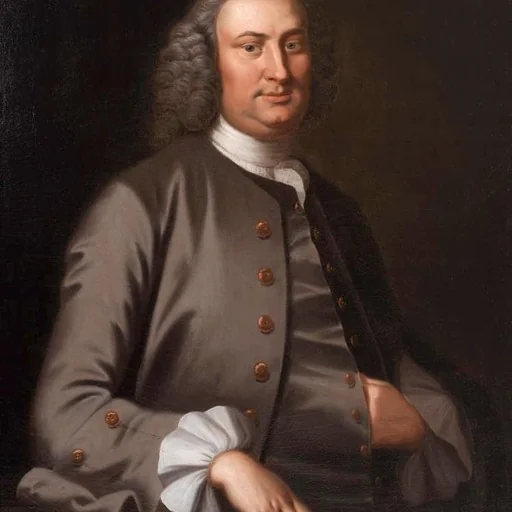
John Wollaston (fl. 1742 – 1775) was an English painter who specialised in portrait painting and was active mostly in British North America. He was one of a handful of painters to introduce English Rococo styles of…

 Mrs. David Chesebrough
 Susan Apthorp (Mrs. Thomas Bulfinch)
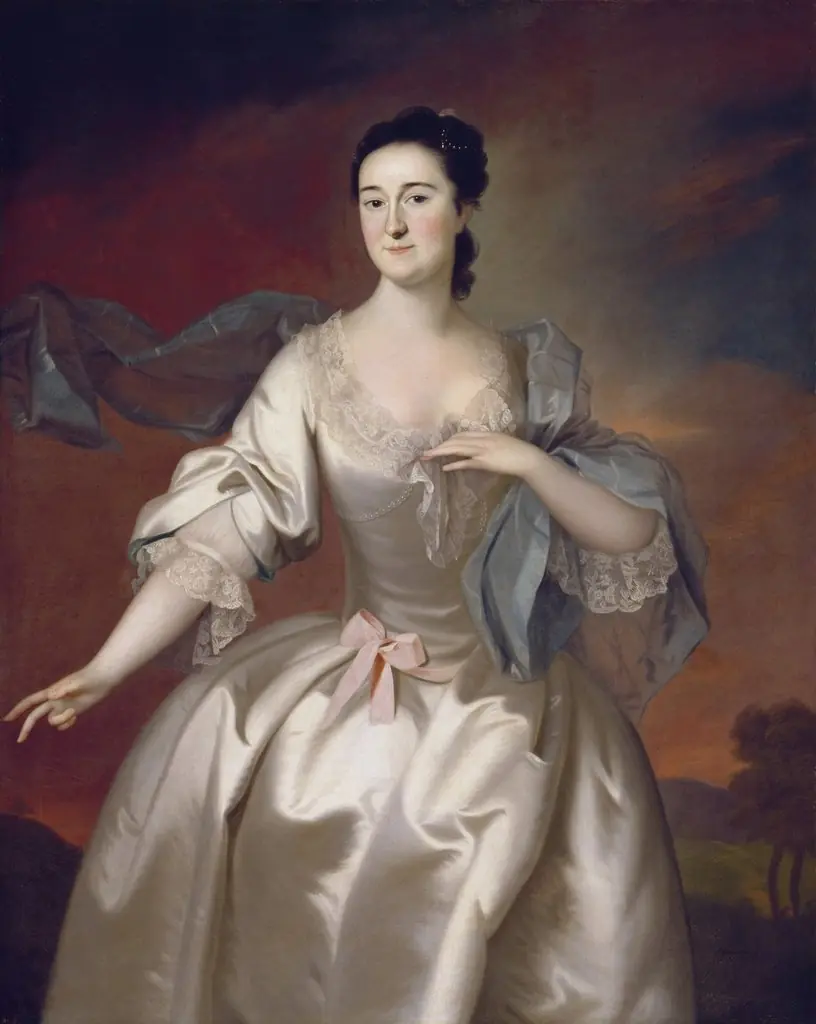 Mrs. James Pitts
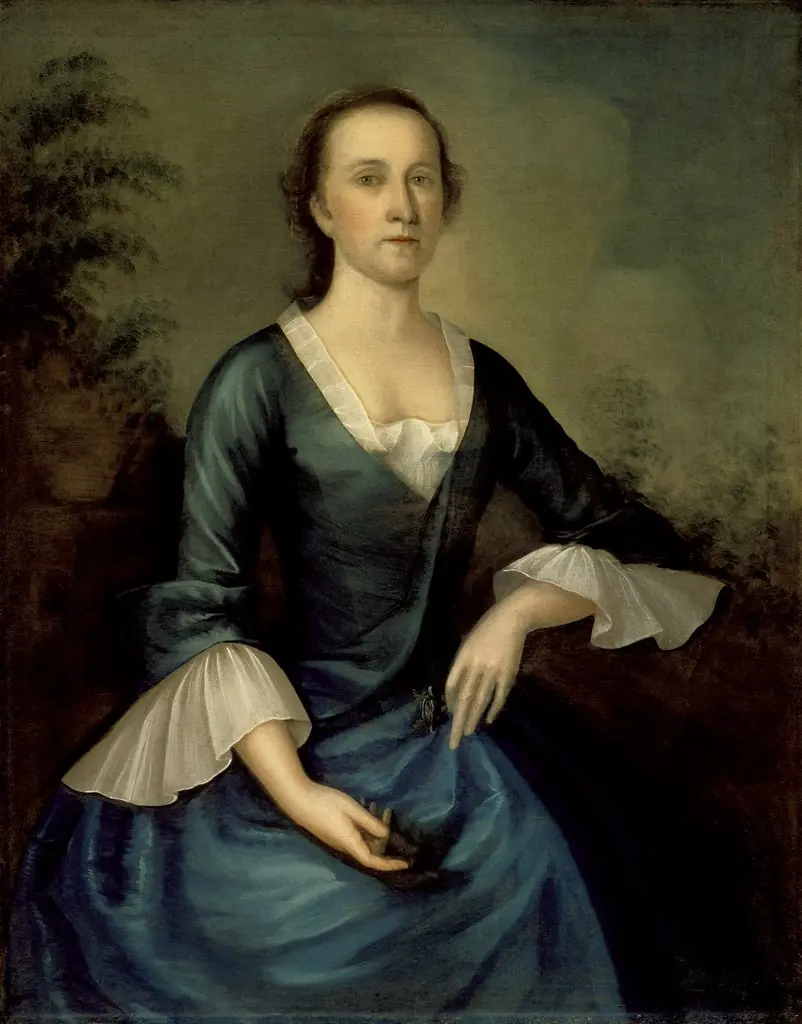 Portrait of Sarah Larrabee Edes
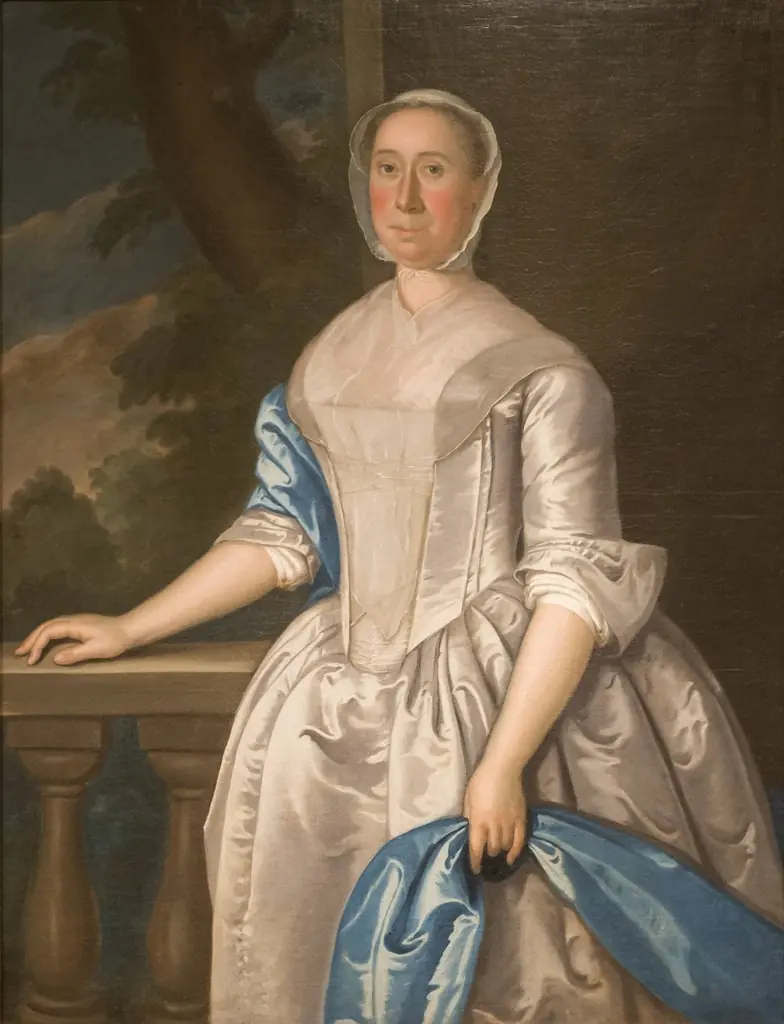 Mrs. Thomas Sprigg
 Mrs. Samuel Cutts
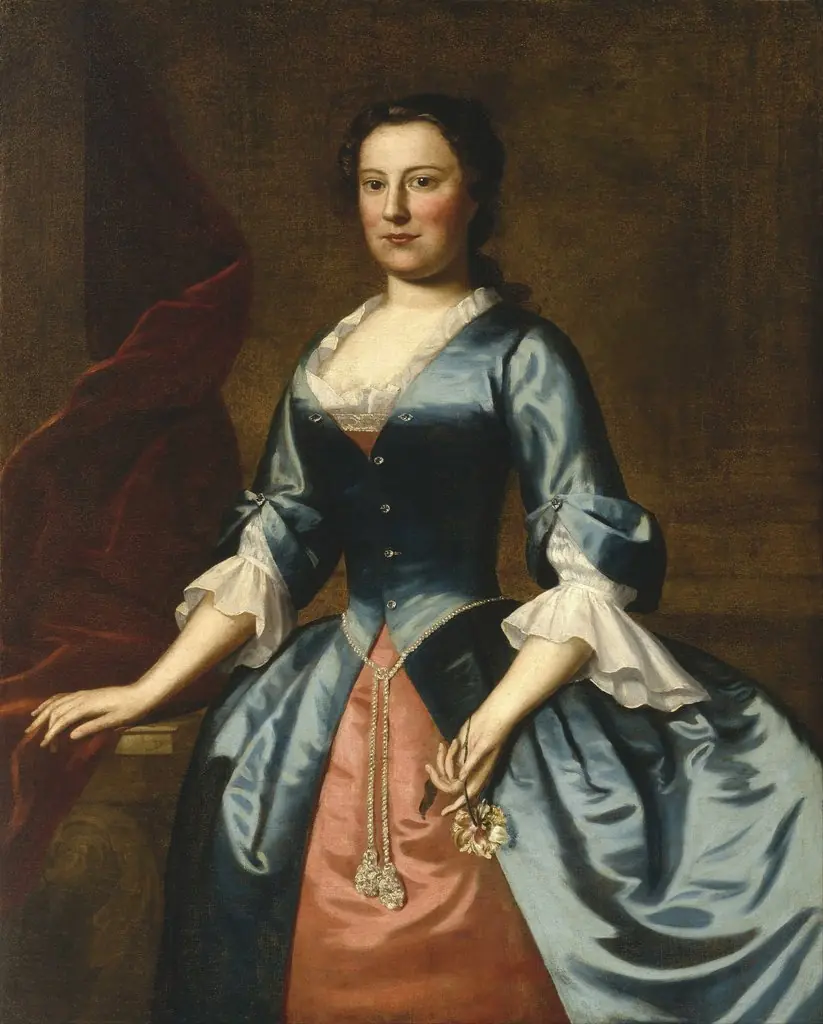 Portrait of Mrs. Samuel McCall, Sr. (Anne McCall, 1720–1785)
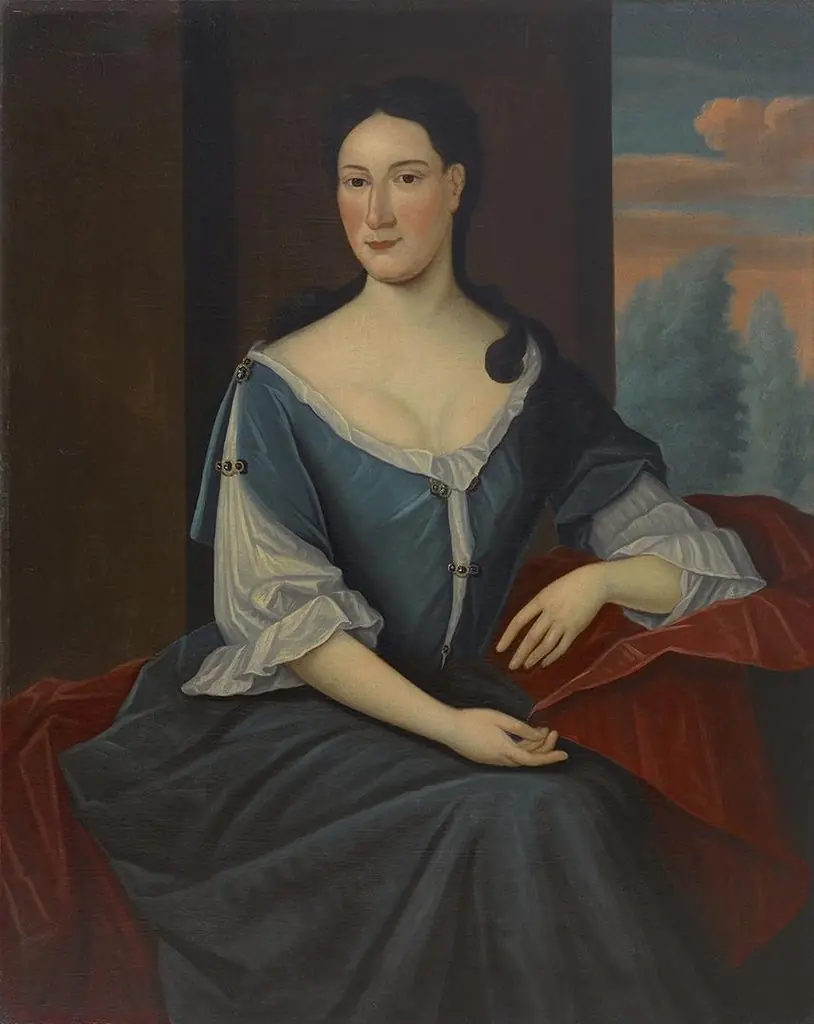 Mrs. Jacob Franks (Abigaill Levy)
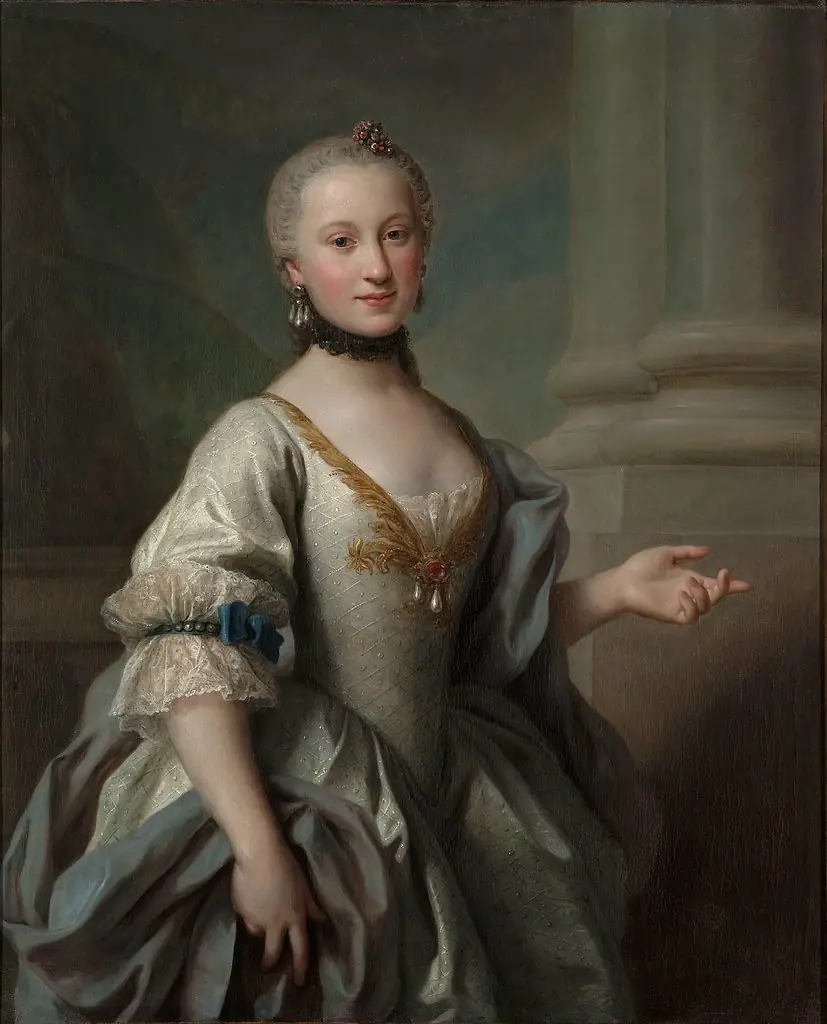 Portrait of Maria Amalia Fryderyka Mniszech née Brühl (1737–1772)
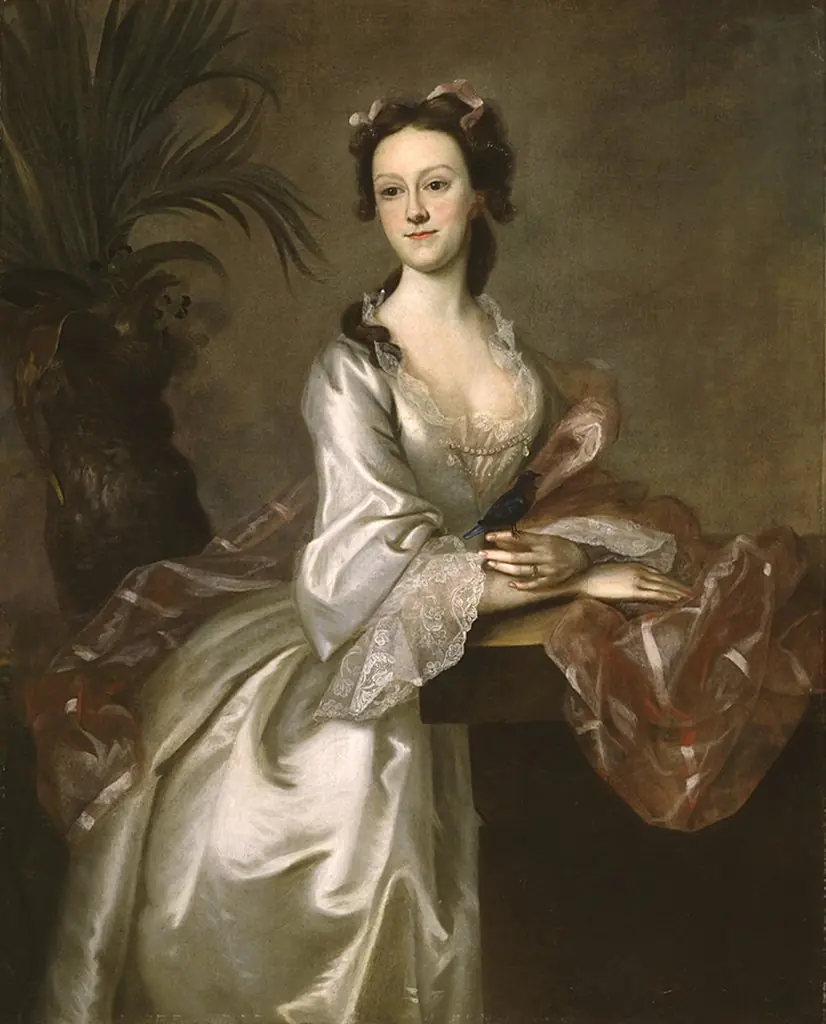 Portrait of Mrs. John Pigott
 Mrs. Tyng