Artwork
Stony Clove, June 26, 1870 (recto, from sketchbook)
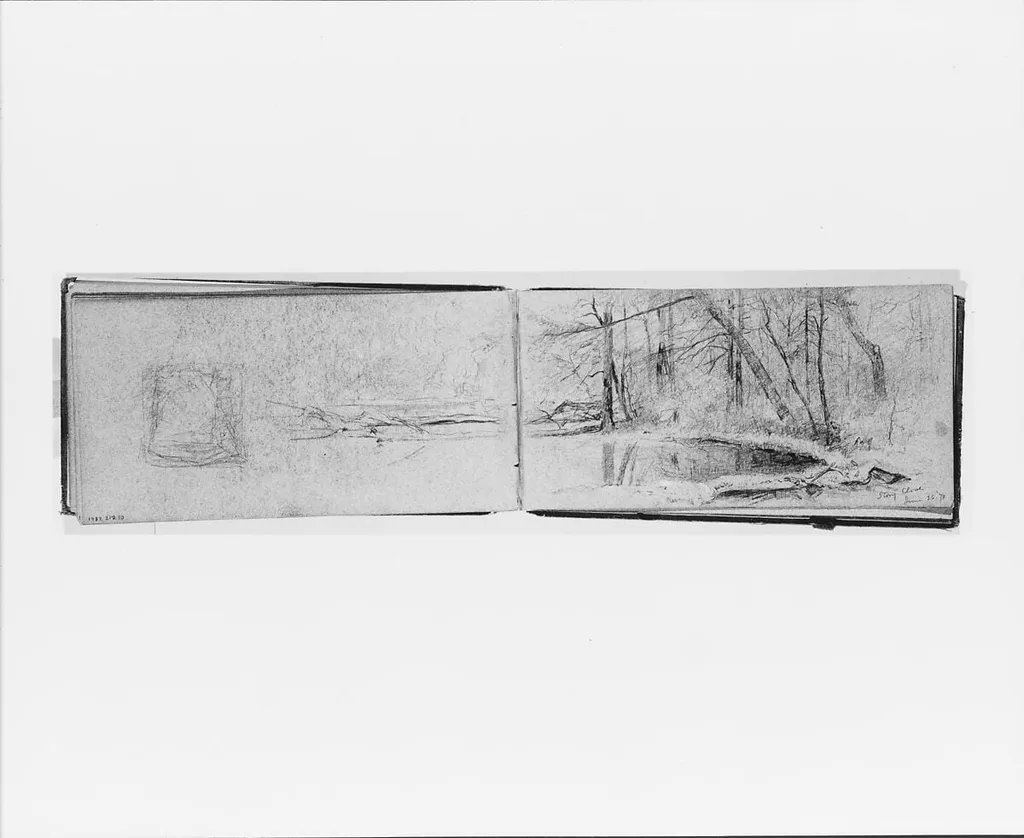
Stony Clove, June 26, 1870 (recto, from sketchbook) is a gouache drawing by the Impressionist artist Jervis McEntee. It dates from 1870 and is held in the collection of the Metropolitan Museum of Art.
About this work
Overview
Created in 1870, this study by Jervis McEntee records a brief encounter with a mountain stream in the Catskill region. Executed on blue paper with graphite and white gouache, the drawing presents a narrow watercourse threading dark rock, its surface highlighted by thin, opaque strokes that suggest early‑summer light.
Subject & Meaning
The composition focuses on a quiet, natural scene—a stream carving its way through rugged stone. By emphasizing the interplay of water, rock, and sky‑colored ground, McEntee captures the fleeting atmospheric conditions that were central to the Hudson River School’s reverence for untouched wilderness.
Technique & Style
McEntee employed graphite for the underlying structure and applied white gouache to introduce bright accents without covering the blue substrate. The blue paper remains visible, evoking a sky tone that informs the overall mood, while the delicate pencil lines convey texture and depth characteristic of his sketchbook studies.
History & Provenance
The work originates from a single day’s field sketch in June 1870, made while McEntee was traveling in the Catskills. It later entered the American Wing collection, where it serves as a representative example of the artist’s practice and of the broader landscape tradition of the mid‑nineteenth‑century Hudson River School.
Artist & collection

Artist
Jervis McEntee (July 14, 1828 – January 27, 1891) was an American painter of the Hudson River School.

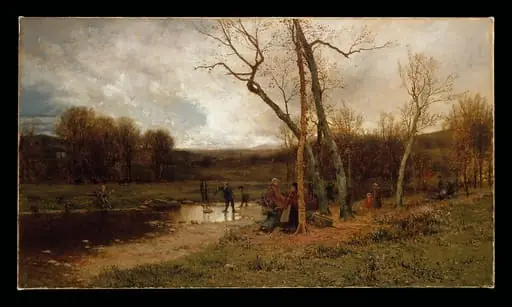 Saturday Afternoon
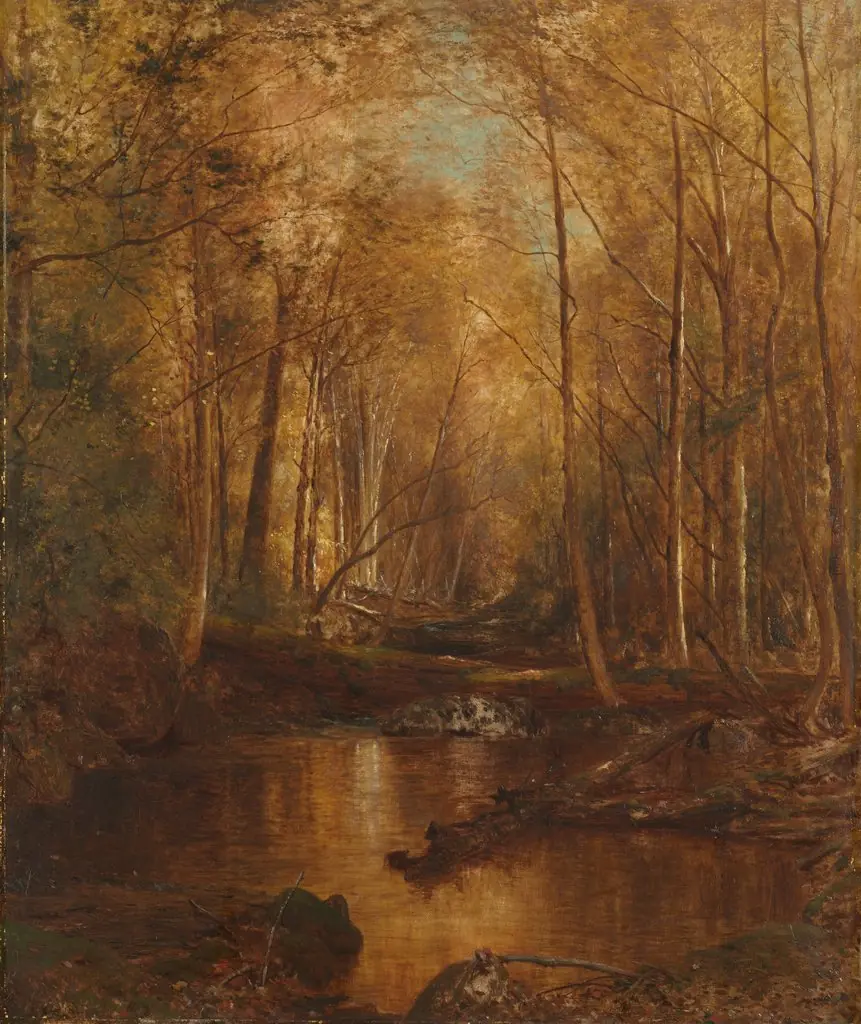 Autumn in the Catskills
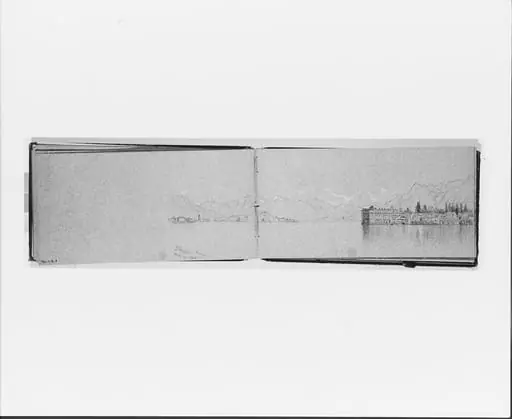 Lake Maggiore May 12 1869 (recto, from sketchbook)
![Village, Mountains, and Lake [Maggiore?] (recto, from sketchbook), by Jervis McEntee](https://artifactworldgallery.com/img/jervis-mcentee--village-mountains-and-lake-maggiore-recto-from-sketchbook--3cfb09e258099ce7-w320.webp) Village, Mountains, and Lake [Maggiore?] (recto, from sketchbook)
Village, Mountains, and Lake [Maggiore?] (recto, from sketchbook)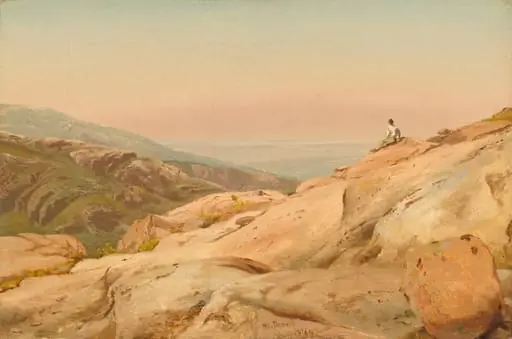 Mount Desert Island, Maine
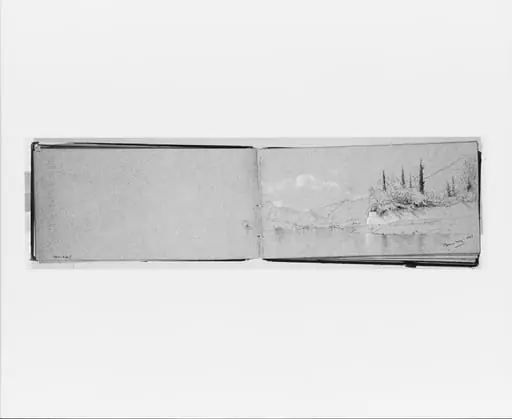 Lake Como, May 1, 1869 (verso, from sketchbook)
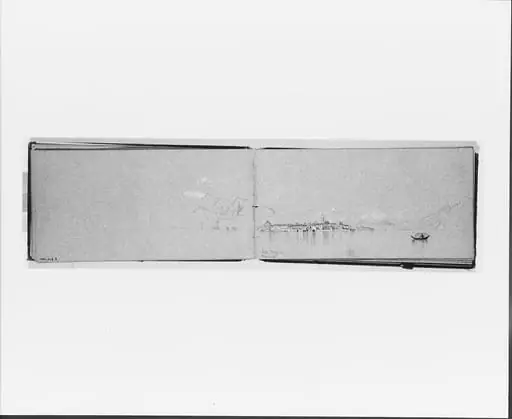 Lake Maggiore, May 11,1869: Village and Landscape (recto, from Sketchbook)
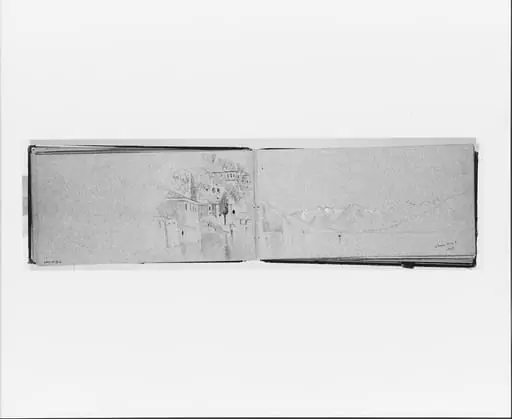 Village on Lake Como: May 1, 1869 (verso, from sketchbook)
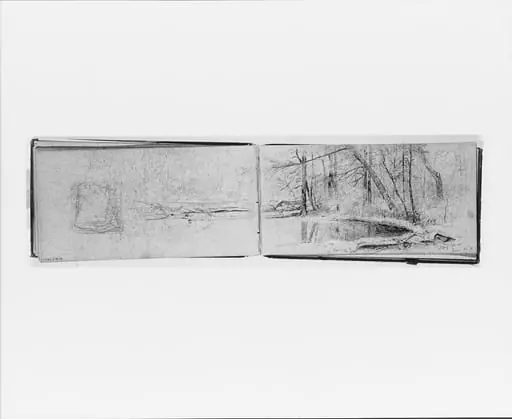 Stony Clove, June 26, 1870; Landscape Composition (verso, from sketchbook)
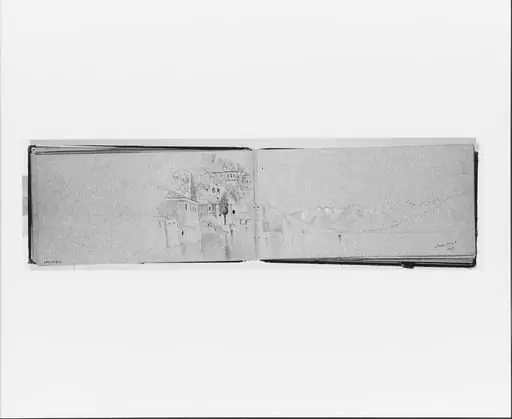 Lake Como, May 1, 1869 (recto, from sketchbook)
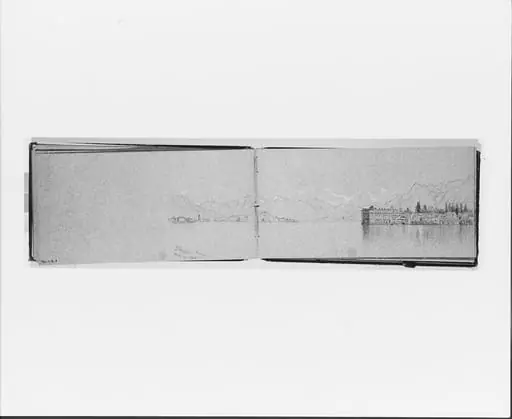 Lake Maggiore, May 12, 1869 (verso, from Sketchbook)
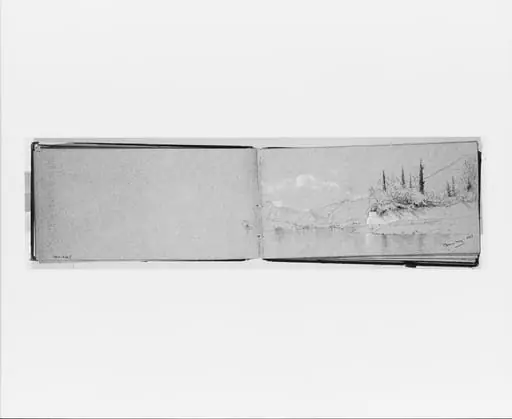 Lake Como, May 1, 1869 (recto, from Sketchbook)
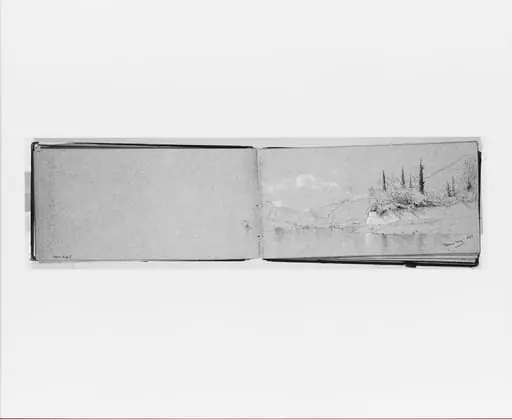 Lake Como, May 3, 1869 (recto, from Sketchbook)
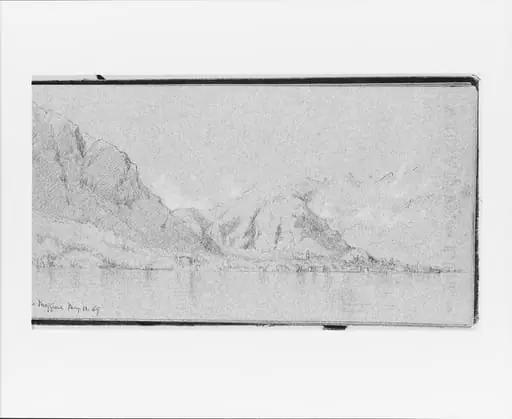 Lake Maggiore, May 11, 1869 (recto, from Sketchbook)