Artwork
Untitled
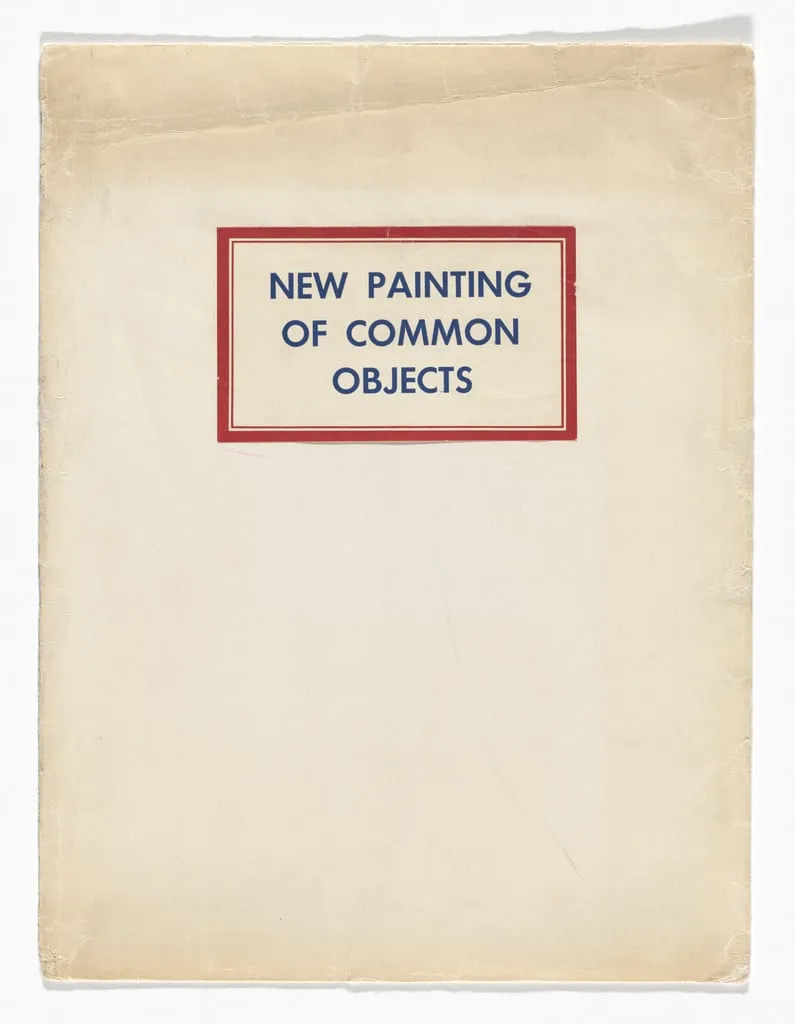
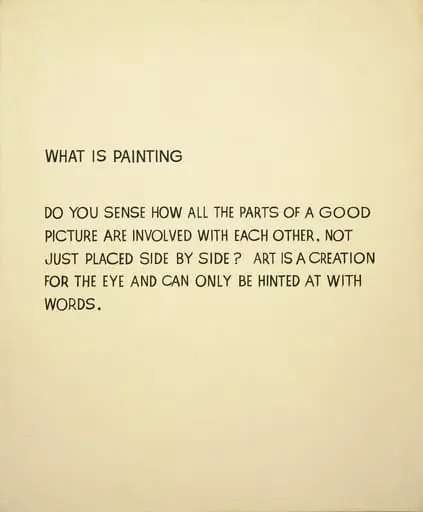
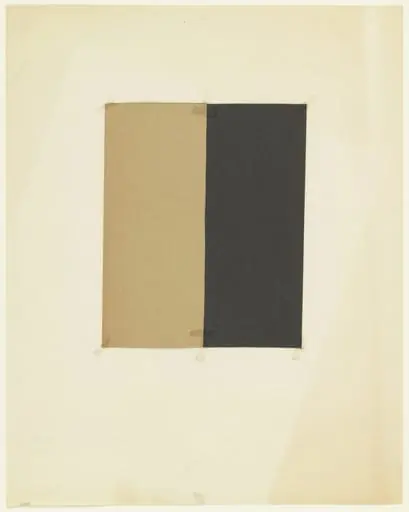
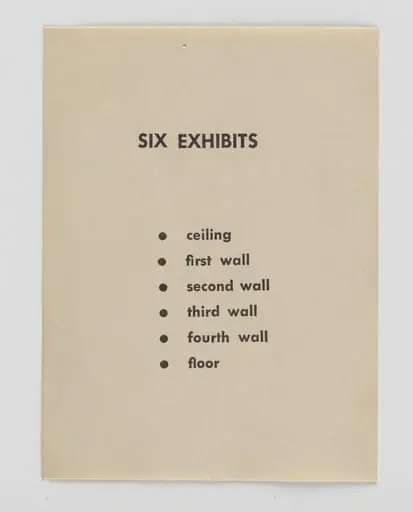
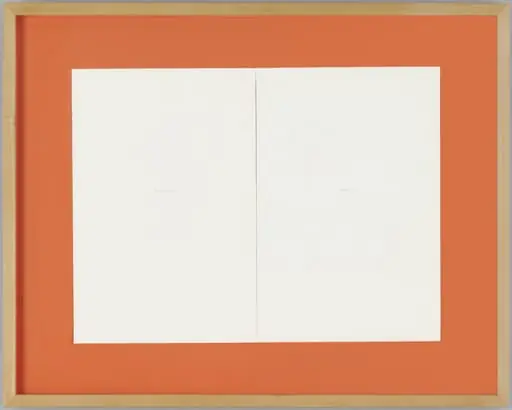
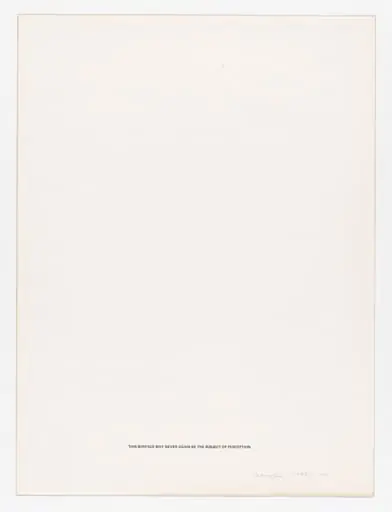
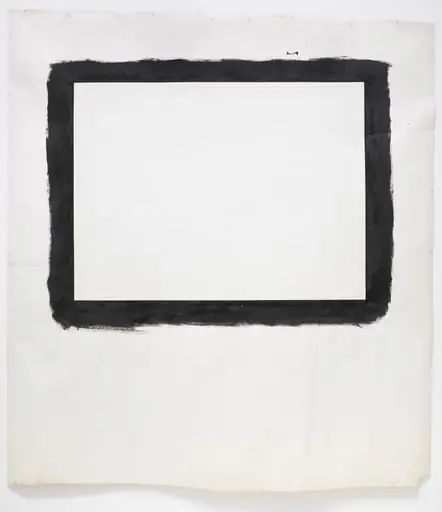
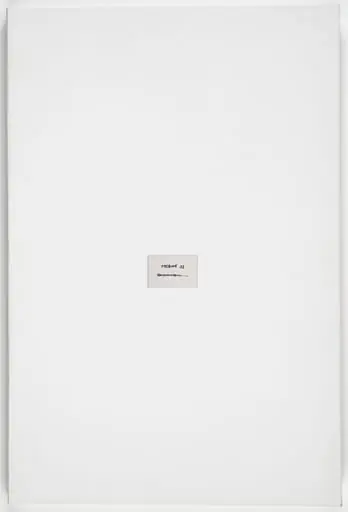
Untitled is a print by Various Artists, Robert Dowd, Joe Goode, Phillip Hefferton, Edward Ruscha Jim Dine. It dates from 1962 and is held in the collection of the Museum of Modern Art. This portfolio, created in 1962, consists of five mimeographed prints by six artists associated with the emerging Pop movement.
About this work
Overview
This portfolio, created in 1962, consists of five mimeographed prints by six artists associated with the emerging Pop movement.
This portfolio, created in 1962, consists of five mimeographed prints by six artists associated with the emerging Pop movement. Produced as a limited edition, it emerged from the group exhibition 'New Painting of Common Objects' and reflects a shared interest in reproducing mundane objects through low-fidelity, mass-produced techniques. The works were not painted but mechanically reproduced, challenging traditional notions of artistic craftsmanship.
Subject & Meaning
Each print isolates a single, ordinary object—a shoe, a tool, a light bulb—against a washed-out background. These items carry no symbolic narrative but draw attention to their presence as cultural artifacts. By elevating utilitarian things to the status of art, the artists questioned the boundaries between the everyday and the aesthetic, aligning with Pop Art’s broader engagement with consumer culture.
Technique & Style
The images were produced using mimeograph machines, yielding grainy, low-contrast reproductions with slight ink smudges and uneven tones. This method deliberately avoided the brushwork of traditional painting, embracing the aesthetic of office copying and commercial printing. The resulting textures emphasize mechanical reproduction, reinforcing the artists’ interest in detachment and repetition over individual expression.
History & Provenance
Created for the 1962 exhibition 'New Painting of Common Objects' at the Pasadena Art Museum, the portfolio was a collaborative effort among artists including Jim Dine, Robert Dowd, Joe Goode, Phillip Hefferton, and Edward Ruscha. It was later acquired by The Museum of Modern Art, where it remains as a key document of early Pop Art’s experimental phase, capturing a moment when artists tested new modes of production and display.
Context
The portfolio emerged alongside a shift in American art toward imagery drawn from advertising, packaging, and domestic life. Rejecting Abstract Expressionism’s emotional intensity, these artists turned to impersonal, mass-produced visuals. Their use of mimeographs mirrored the proliferation of printed media in postwar America, positioning art as something accessible, reproducible, and embedded in daily experience.
Legacy
This portfolio helped legitimize mechanical reproduction as a viable artistic strategy within the Pop Art canon. Its modest materials and collaborative nature influenced later artists exploring appropriation, seriality, and the dematerialization of the art object. Though unassuming in appearance, it remains a significant artifact of how art began to engage with the mechanics of mass culture in the early 1960s.
Artist & collection
Artist
Various Artists, Robert Dowd, Joe Goode, Phillip Hefferton, Edward Ruscha Jim Dine
Jim Dine, Various Artists, Robert Dowd, Joe Goode, Phillip Hefferton, Edward Ruscha was an American) () (American) (American) (American) (American artist.