Artwork
Untitled
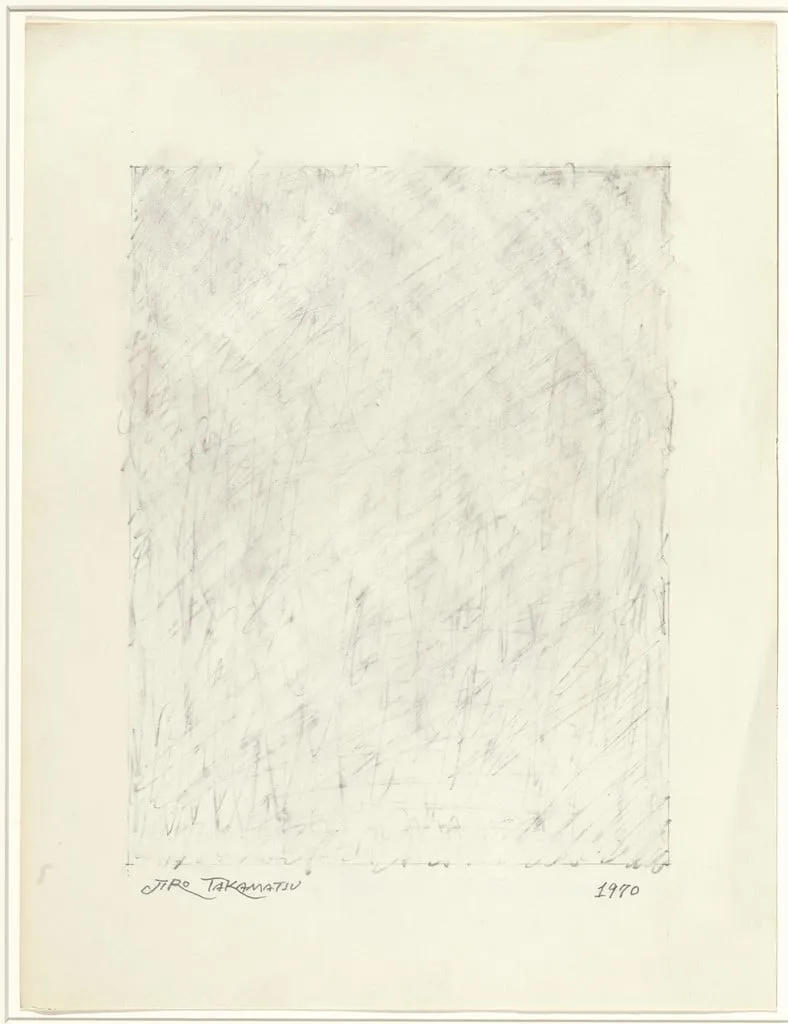
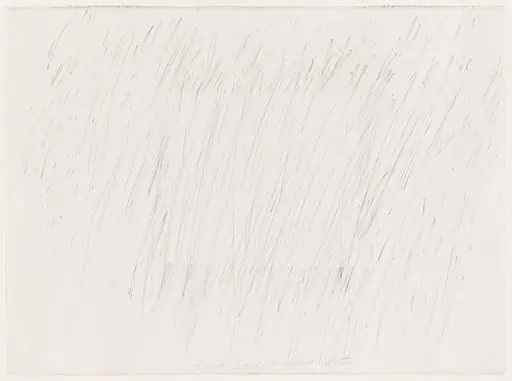
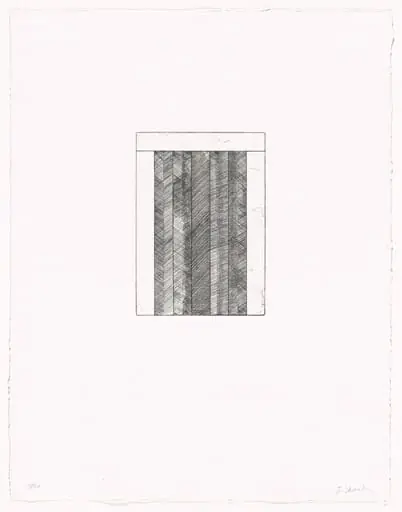
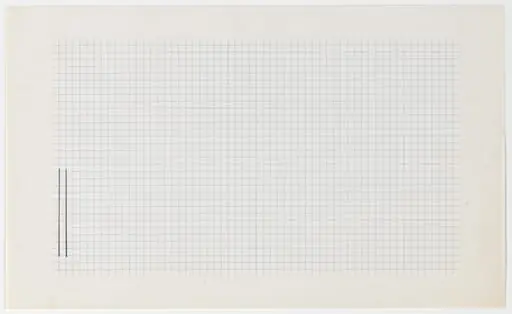
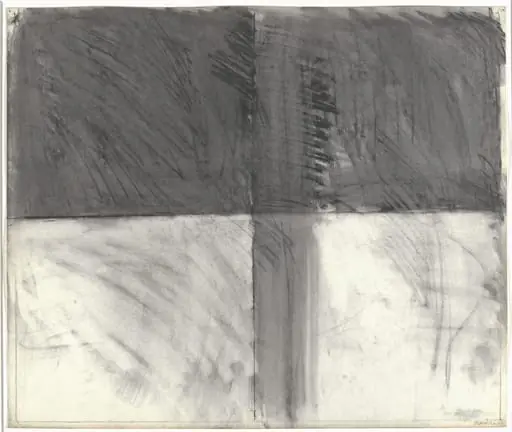
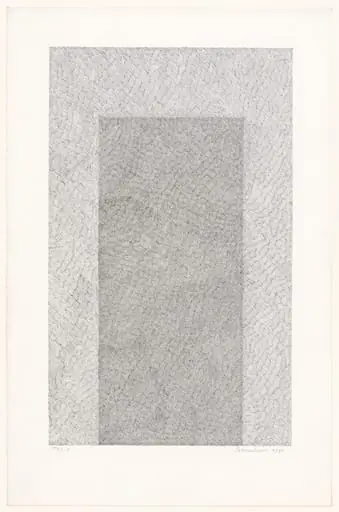
Untitled is a graphite drawing by Jiro Takamatsu. It dates from 1970 and is held in the collection of the Museum of Modern Art.
About this work
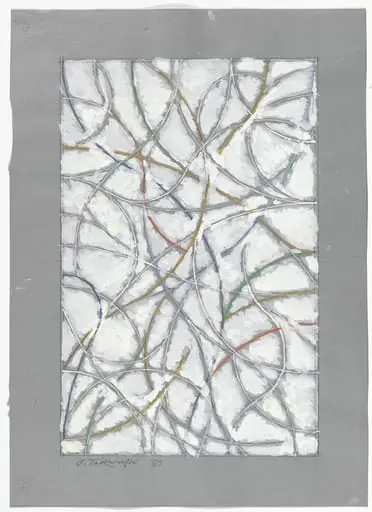
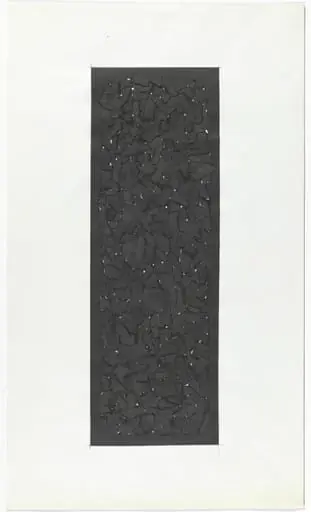
This is a sheet of paper covered in quick, light pencil lines. The strokes are thin and uneven, all moving in different directions like wind through grass. Some areas are denser, others almost empty.
The artist signed it in the corner with a small, neat hand: *Jiro Takamatsu, 1970*. No shapes or colors—just the marks themselves.
If you like this, look up cross-hatching next.
Overview
Created in 1970, this pencil drawing by Jirō Takamatsu is part of a broader body of work that interrogates the nature of artistic representation.
Created in 1970, this pencil drawing by Jirō Takamatsu is part of a broader body of work that interrogates the nature of artistic representation. Executed with minimal means—only graphite on paper—it avoids figuration or color, focusing instead on the physical act of mark-making. The work resists clear interpretation, inviting attention to the process and presence of the line rather than any depicted subject.
Subject & Meaning
The drawing has no recognizable subject; its meaning emerges from the behavior of the lines themselves. Takamatsu uses chaotic, directional strokes to question how perception shapes understanding of art. By avoiding form or narrative, he shifts focus to the conditions of viewing—how a collection of marks becomes meaningful, or remains ambiguous, in the viewer’s mind.
Technique & Style
Takamatsu applied thin, irregular pencil strokes with varying pressure, creating a field of marks that neither repeat nor resolve into pattern. The density of lines fluctuates across the surface, suggesting movement without direction. The signature, small and precise in the corner, contrasts with the gestural chaos, subtly anchoring the work to its maker without asserting authority over its interpretation.
History & Provenance
This drawing belongs to Takamatsu’s early 1970s output, a period when he increasingly moved away from sculpture and performance toward纸上 works that distilled his conceptual concerns. Though not exhibited widely at the time, it aligns with his participation in Japanese avant-garde circles and his rejection of traditional aesthetic values. Its survival reflects its role as a private exploration within a larger artistic inquiry.
Context
In postwar Japan, artists like Takamatsu sought to dismantle inherited notions of art’s purpose. Influenced by conceptual practices emerging internationally and by Zen-inflected ideas of emptiness, he used simple materials to challenge the hierarchy of form and meaning. This drawing emerges from a moment when art was being redefined as an act of questioning rather than representation.
Legacy
Takamatsu’s work, including this drawing, contributed to the expansion of conceptual art in Asia, influencing later generations who prioritized idea over object. Its quiet austerity and refusal of spectacle remain relevant in discussions about the limits of visual language. The drawing endures not as a finished image, but as a record of thought made visible.
Artist & collection
Artist
Jirō Takamatsu (高松 次郎, Takamatsu Jirō; 20 February 1936 – 25 June 1998) was one of the most important postwar Japanese artists.