Artwork
The Four Evangelists
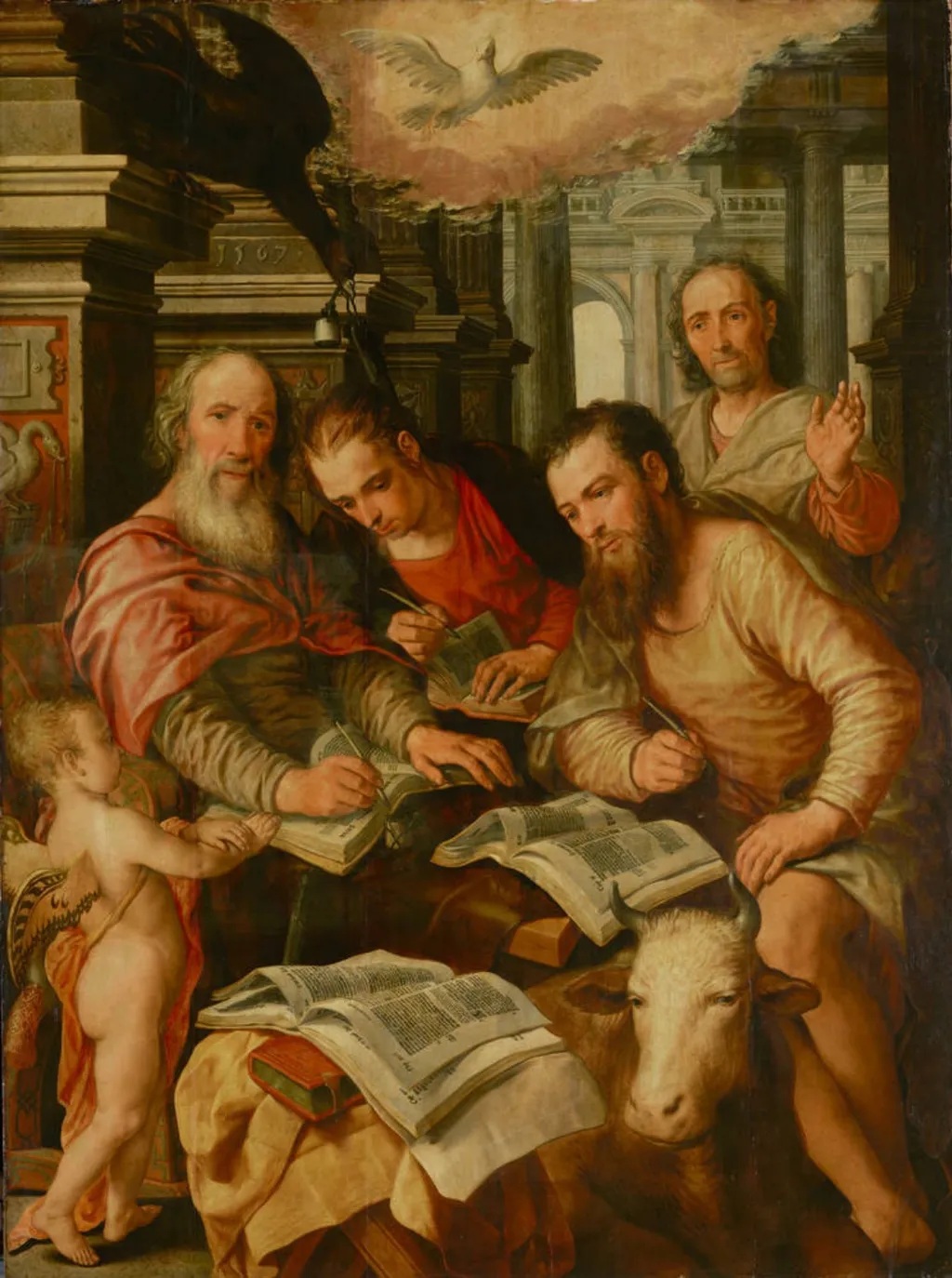
The Four Evangelists is an oil painting by the Early Baroque Italian artist Joachim Beuckelaer. It dates from 1567 and is held in the collection of the Staatliche Kunstsammlungen Dresden.
About this work
Overview
It resides in the Gemäldegalerie Alte Meister in Dresden, where it is preserved as part of a broader collection of early modern European religious art.
Painted in 1567 by the Flemish artist Joachim Beuckelaer, this oil-on-panel work portrays the four Evangelists engaged in scholarly labor. Though often associated with later Baroque tendencies, the painting reflects the quiet precision of Northern Renaissance traditions. It resides in the Gemäldegalerie Alte Meister in Dresden, where it is preserved as part of a broader collection of early modern European religious art.
Subject & Meaning
The four Evangelists—Matthew, Mark, Luke, and John—are depicted as scribes, each seated at a table with books and writing tools. The white bull’s head symbolizes Luke, while the dove above alludes to divine inspiration. A cherub hovers nearby, reinforcing the sacred nature of their task. The scene emphasizes intellectual devotion rather than dramatic revelation, aligning with Protestant and Catholic ideals of scriptural study during the Reformation.
Technique & Style
Beuckelaer employs fine brushwork to render textures of fabric, parchment, and stone with meticulous detail. Light falls evenly across the figures, avoiding strong chiaroscuro, and the palette is restrained, dominated by earth tones with a single red garment drawing subtle attention. The architectural backdrop, with its classical columns, grounds the scene in a timeless, idealized space, characteristic of Northern Renaissance humanism.
History & Provenance
Commissioned during the height of Beuckelaer’s career in Antwerp, the painting entered the Saxon royal collection by the late 17th century. It was later integrated into the Gemäldegalerie Alte Meister’s foundational holdings, where it has remained since the 18th century. Its provenance reflects the taste of European courts for devotional works that combined religious symbolism with domestic realism.
Context
Created amid religious upheaval, the painting responds to renewed emphasis on scripture in both Catholic and Protestant communities. Unlike Italian altarpieces, it avoids theatricality, instead presenting sacred figures as learned men in a quiet, domesticated setting. This reflects Northern European trends favoring intimate, contemplative religious imagery over grand spectacle.
Legacy
Beuckelaer’s depiction of the Evangelists as scholars influenced later Northern artists who sought to humanize sacred figures. While not widely replicated, the work exemplifies a distinctive strand of 16th-century Flemish painting that merged devotional purpose with detailed observation of everyday materials and environments, bridging religious symbolism and Renaissance realism.
Artist & collection

Artist
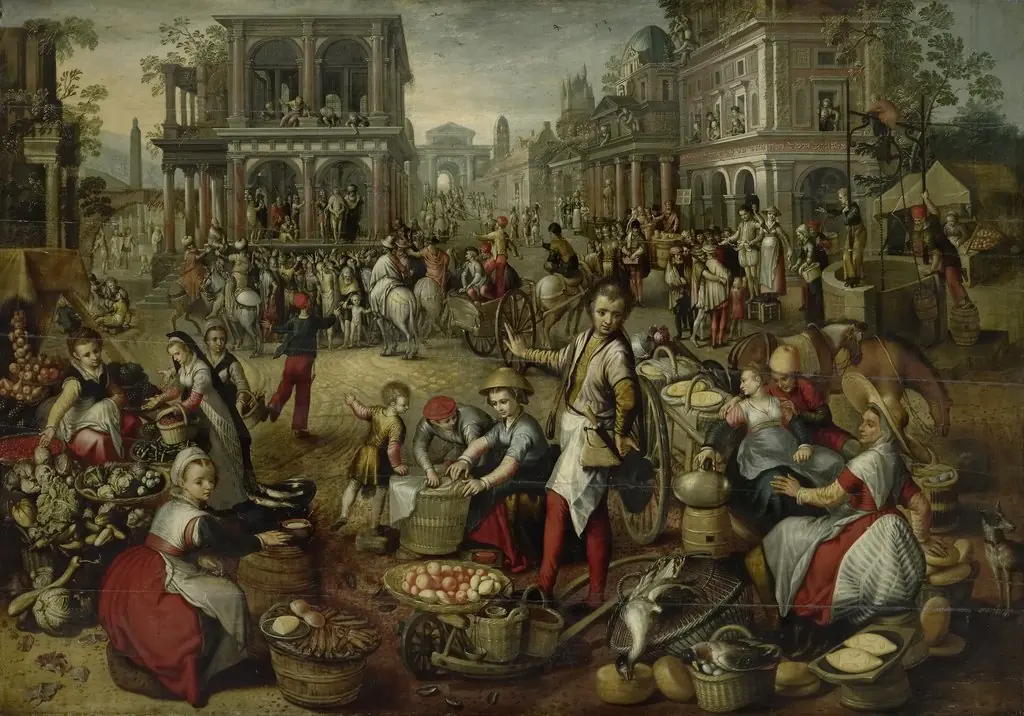
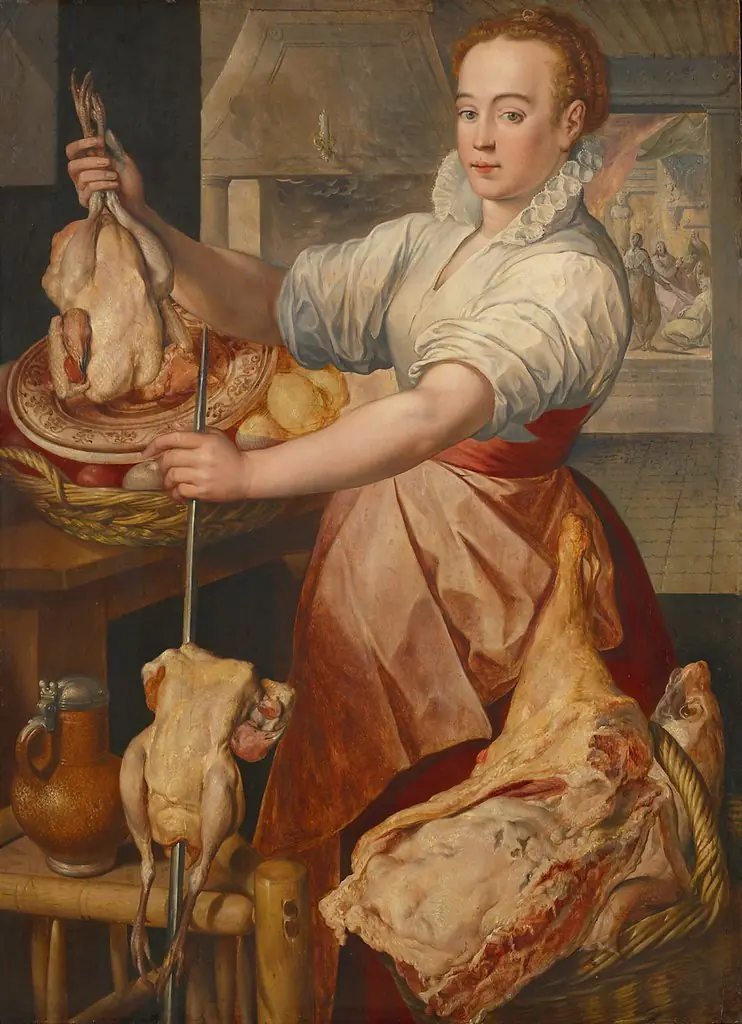
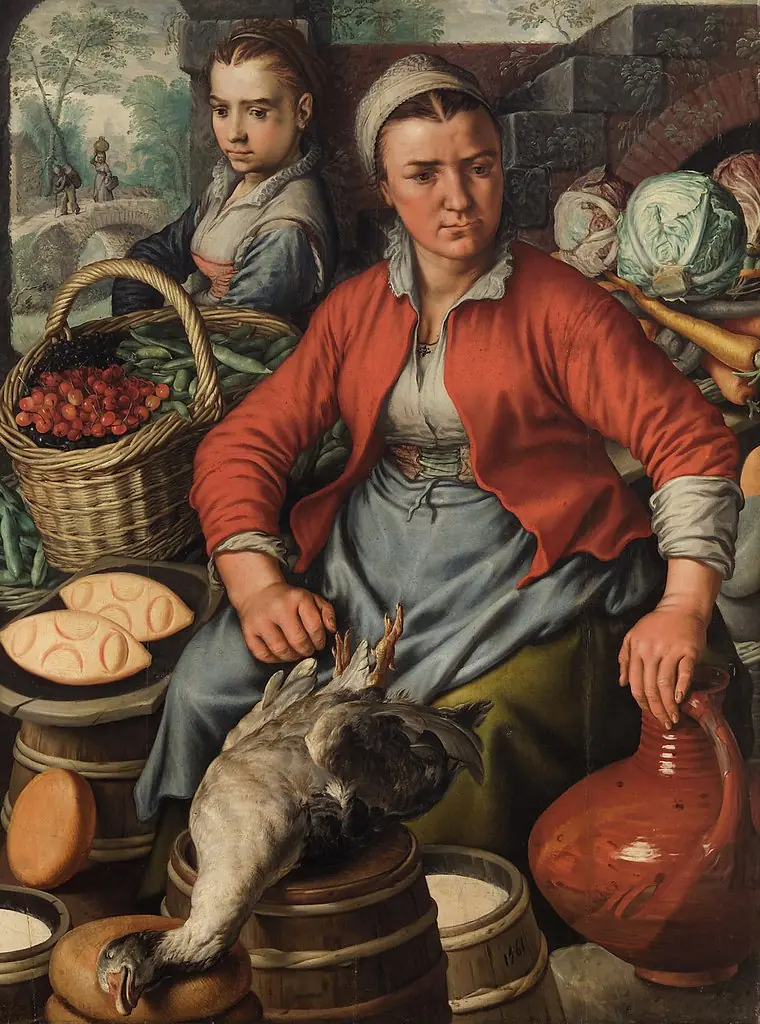
Joachim Beuckelaer (c. 1533 – c. 1570/4) was a Flemish painter specialising in market and kitchen scenes with elaborate displays of food and household equipment. His development of the genre of market and kitchen scenes…

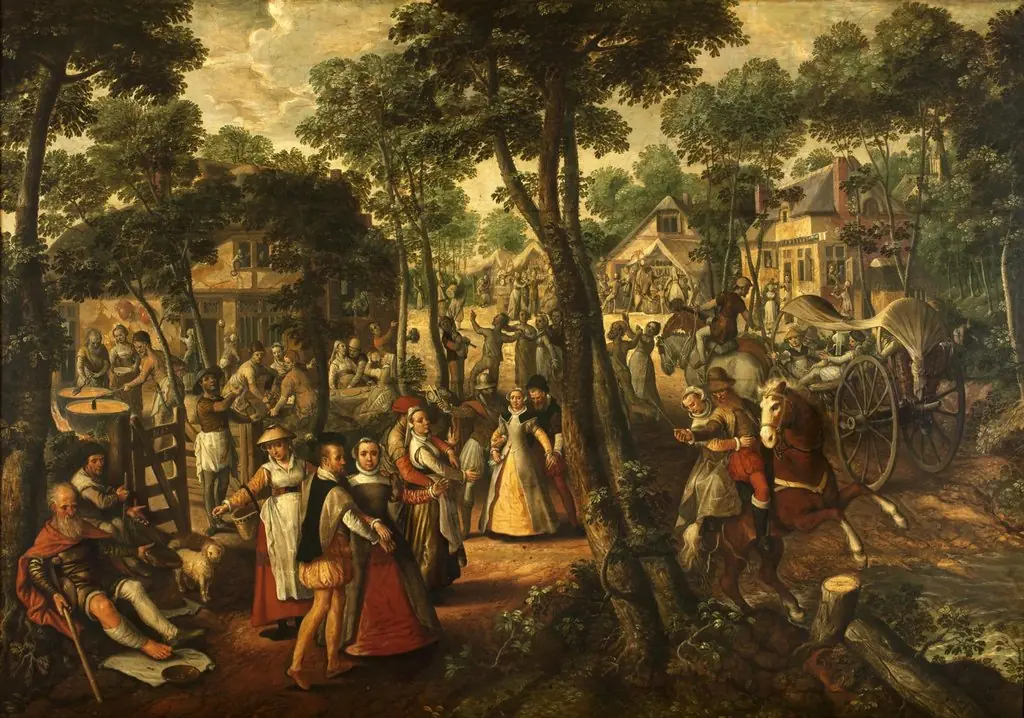
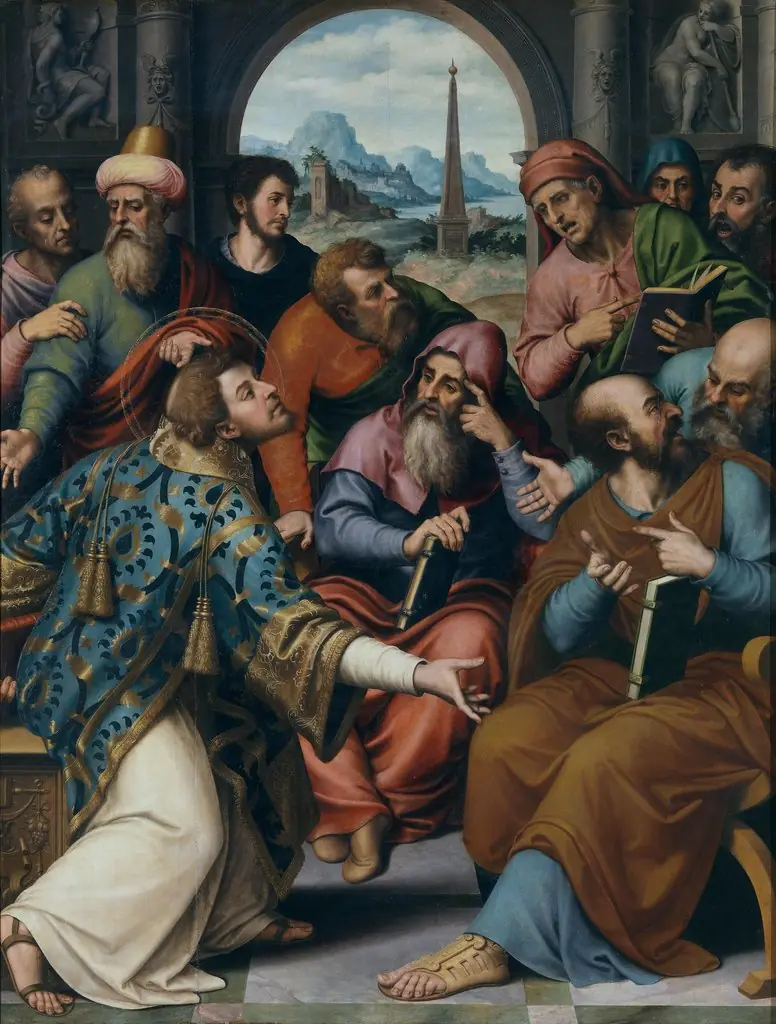 Saint Stephen in the Synagogue
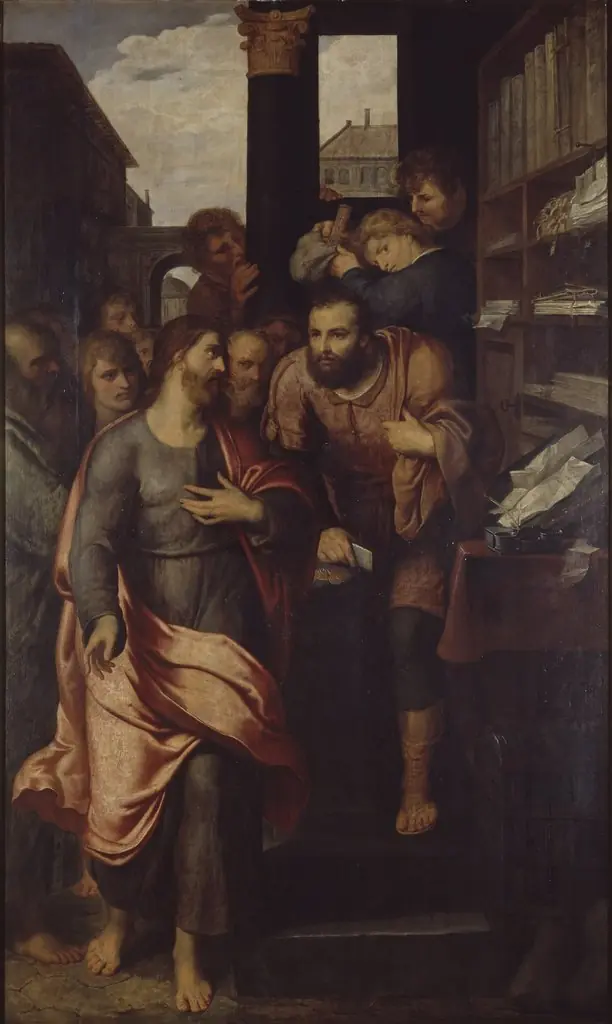 The Calling of Matthew
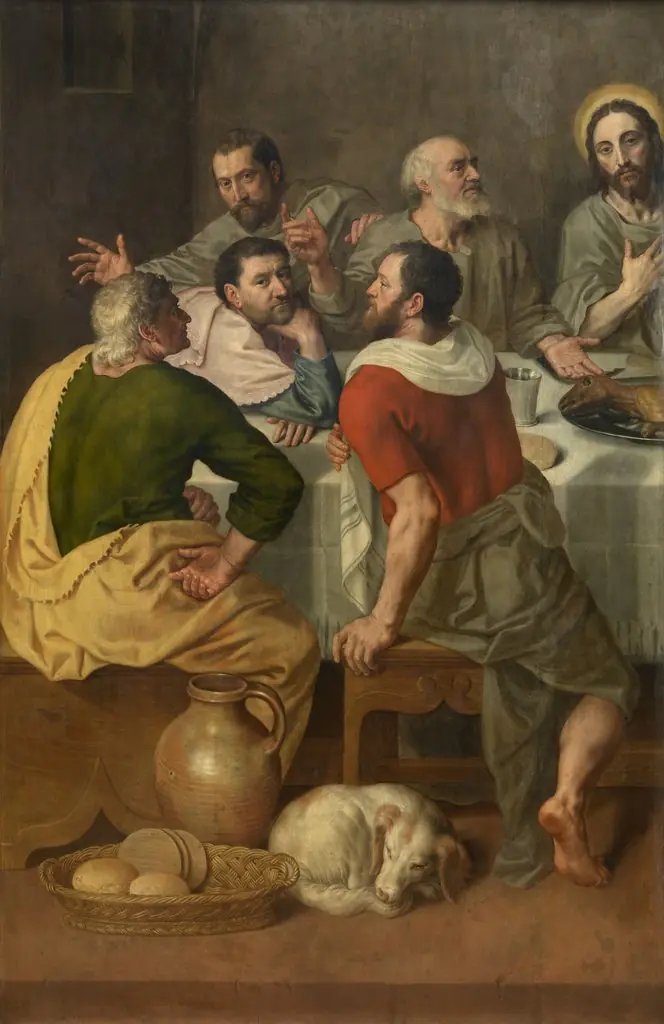 The last Supper
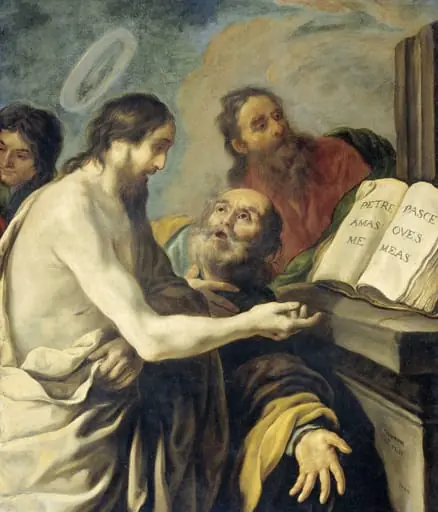 Christ Instructs Peter to Feed My Sheep
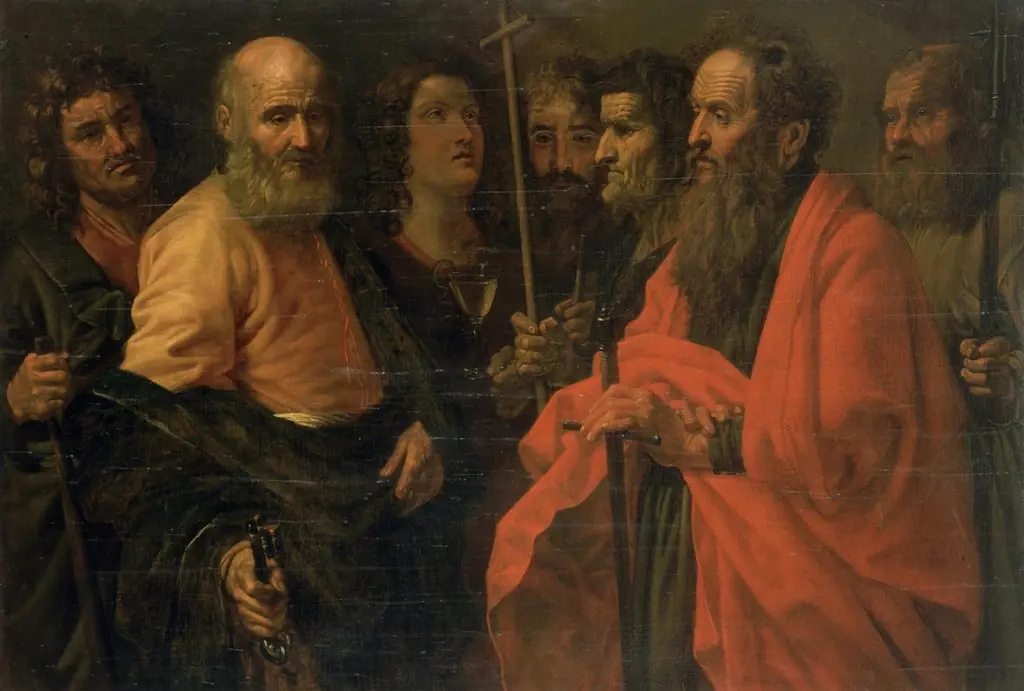 St James the Less, Sts Peter, Paul, John, Thomas, Philip, Judas and Thaddeus the Apostles
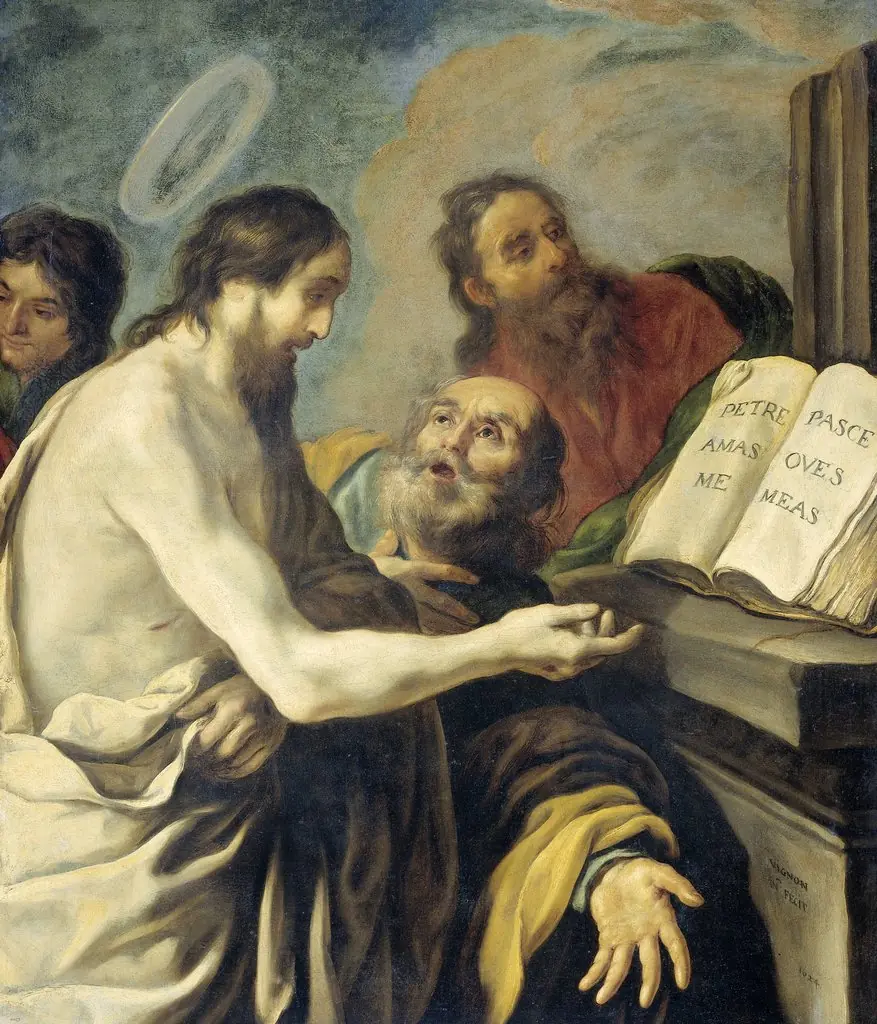 Christ Instructs Peter to Feed My Sheep
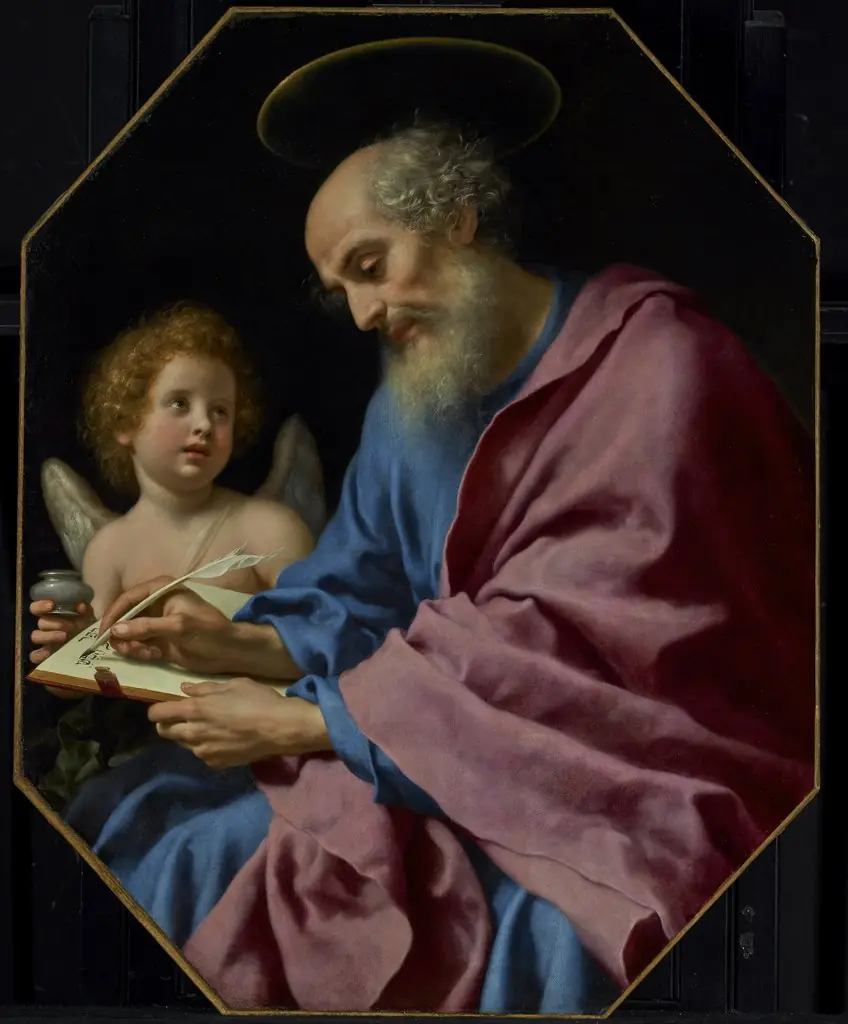 St. Matthew Writing His Gospel
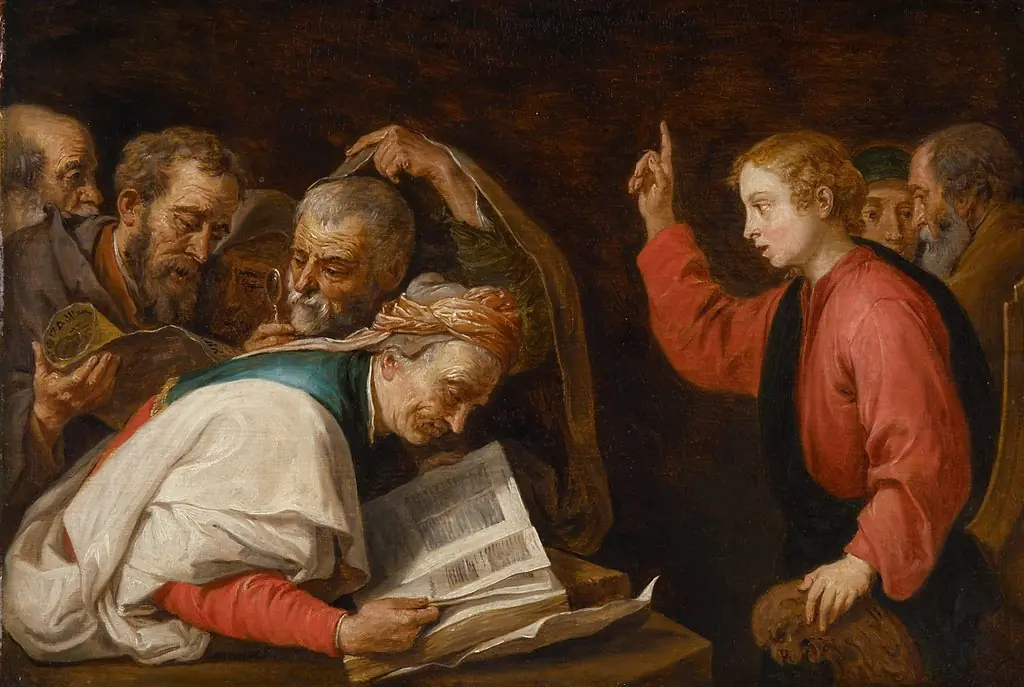 Jesus among the Doctors
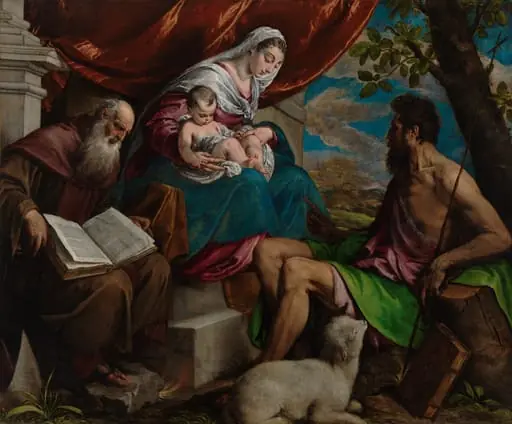 Neitsyt Maria, Jeesus-lapsi, Johannes Kastaja ja Pyhä Antonius Apotti
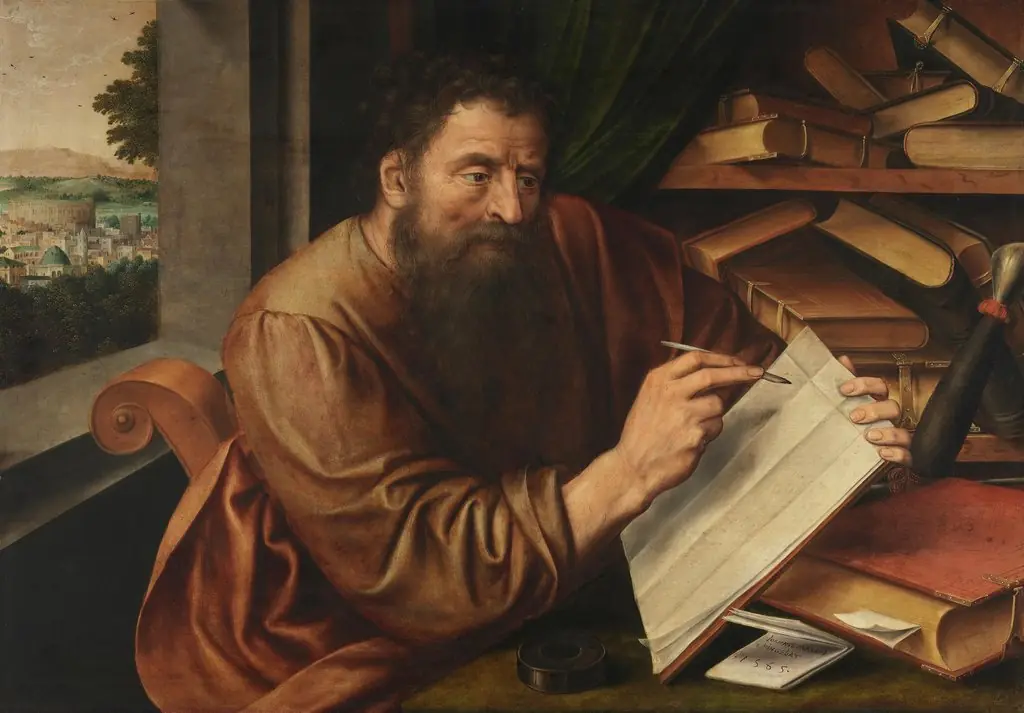 The apostle Paul