Artwork
The last Supper
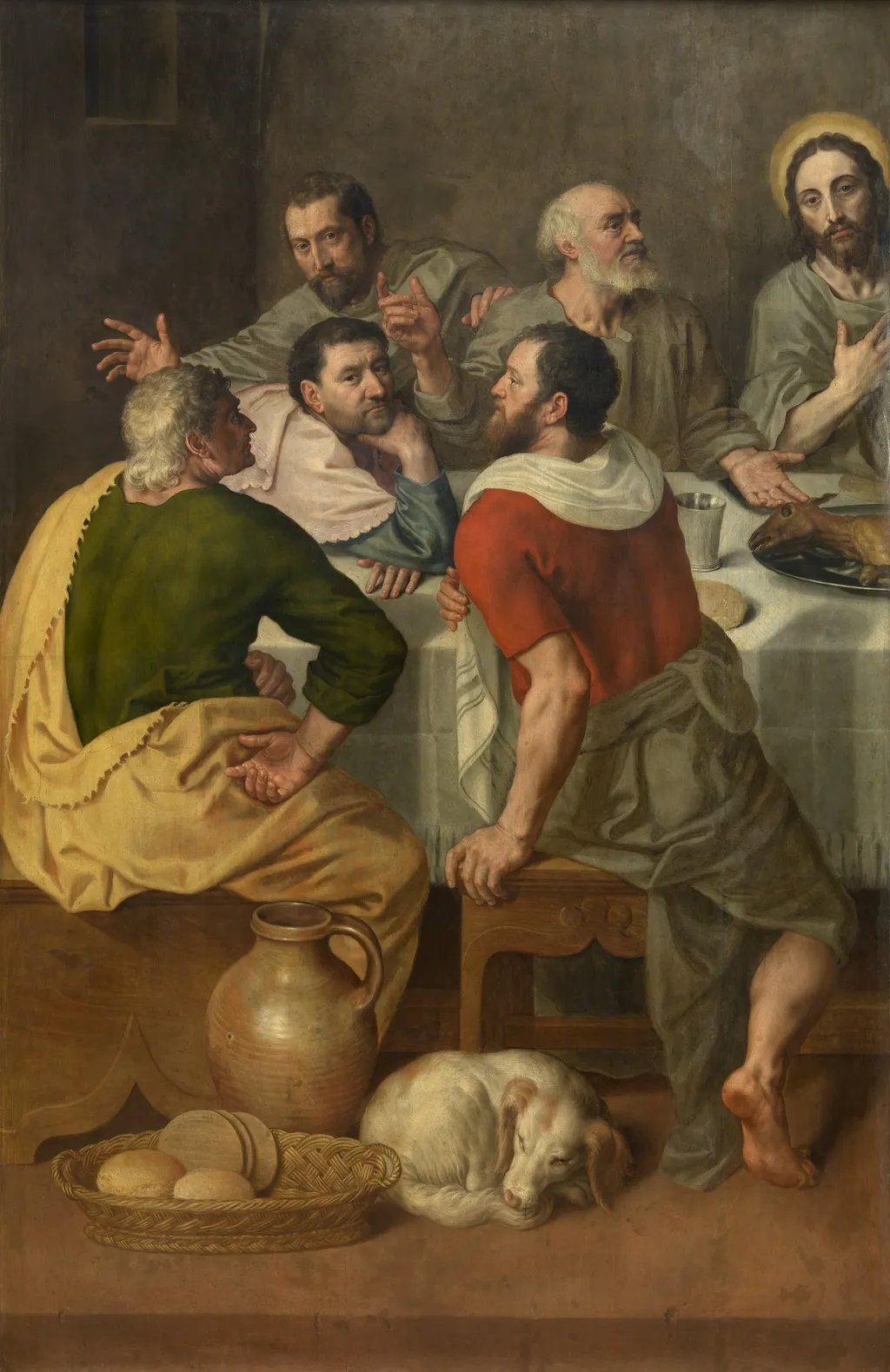
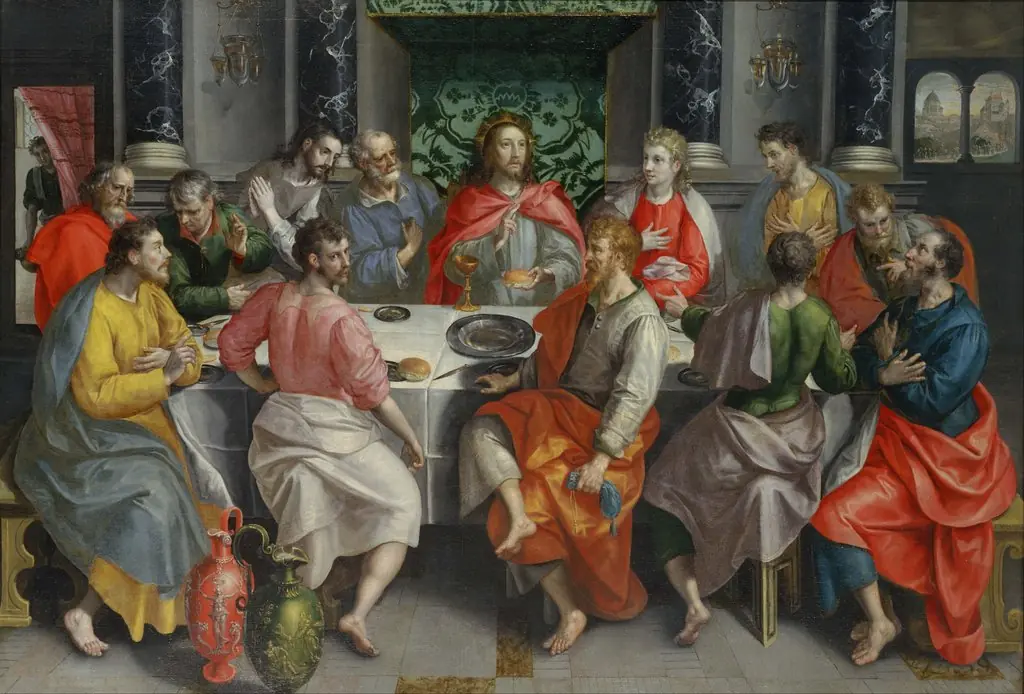
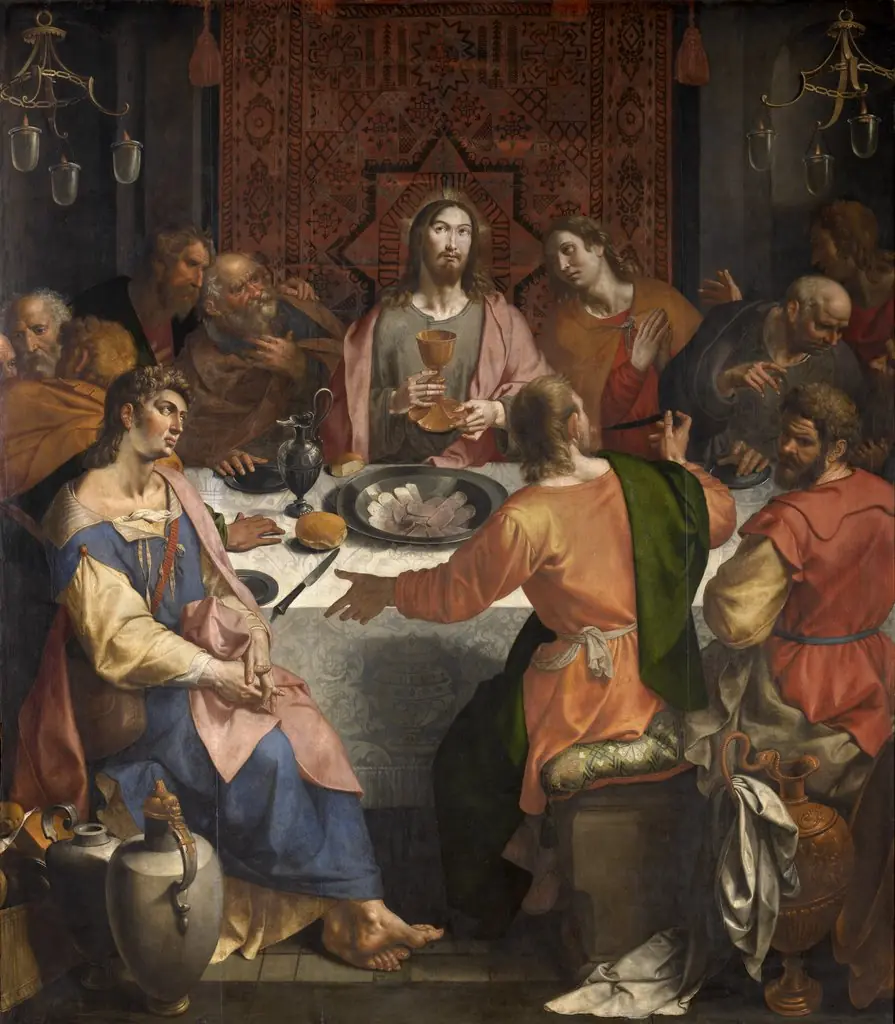
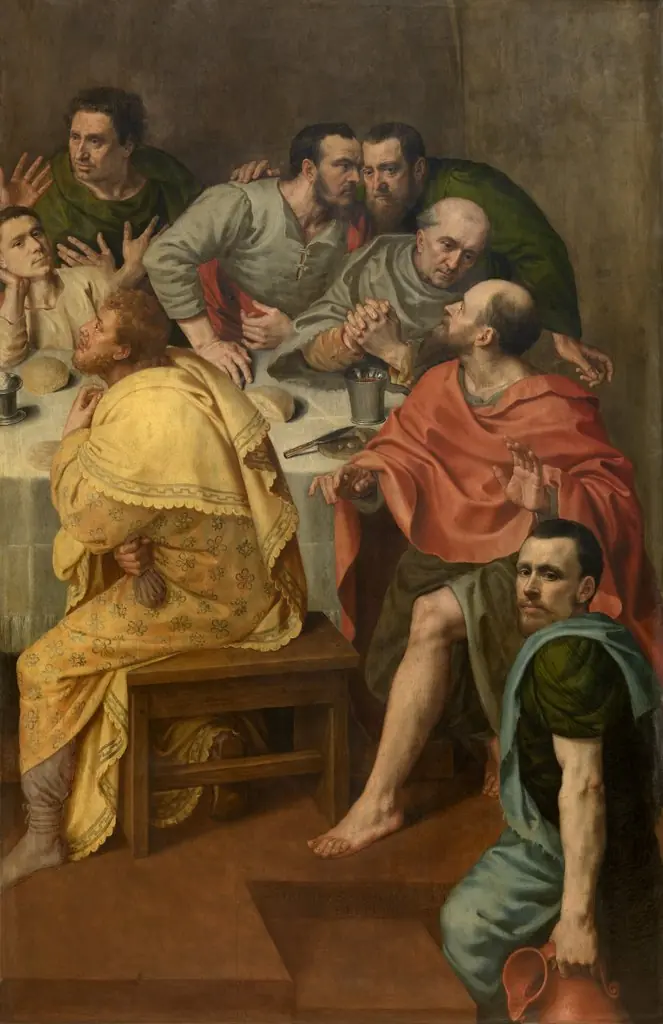
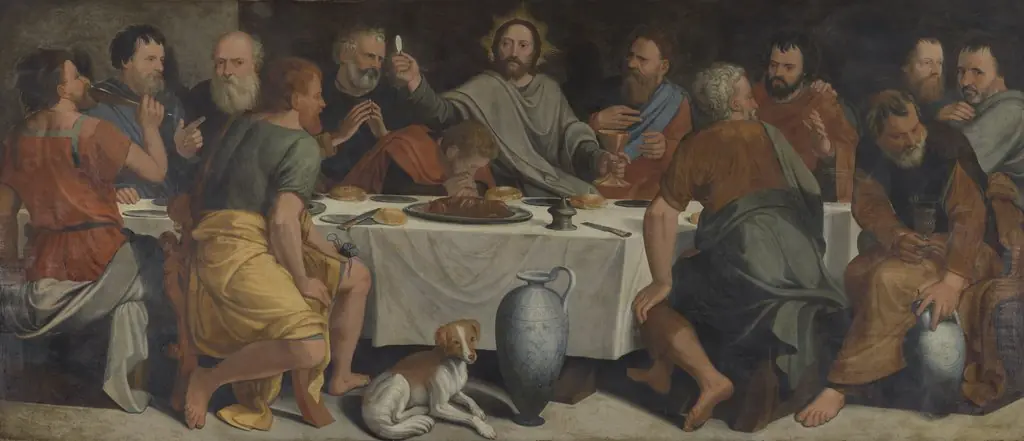
The last Supper is an oil painting by the Mannerist artist Adriaen Thomasz. Key. It dates from 1575 and is held in the collection of the Royal Museum of Fine Arts Antwerp. Adriaen Thomasz.
About this work
Overview
This painting reflects his technical precision and engagement with contemporary religious themes, now held in the Royal Museum of Fine Arts Antwerp.
Adriaen Thomasz. Key painted *The Last Supper* in 1575 using oil on panel, a common medium for religious works in late 16th-century Antwerp. As a leading figure in the city’s artistic community, Key inherited his mentor Willem Key’s workshop and developed a distinctive approach to composition and expression. This painting reflects his technical precision and engagement with contemporary religious themes, now held in the Royal Museum of Fine Arts Antwerp.
Subject & Meaning
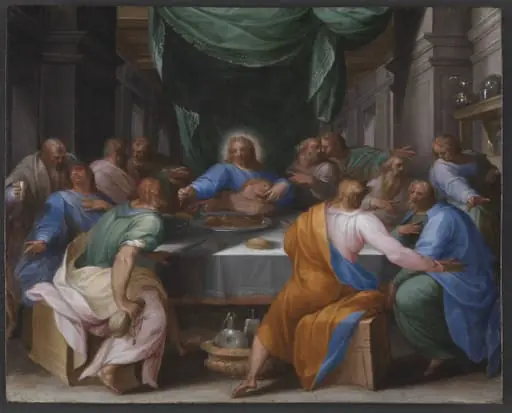
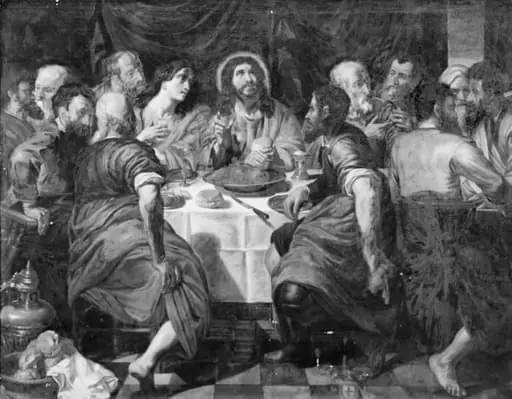
The scene captures the moment after Christ announces that one of his disciples will betray him. Seven figures are arranged around a table, their gestures and glances conveying quiet tension amid domestic intimacy. The central figure, identified by his halo, gestures with open hands, while others react with varied expressions of concern or contemplation. The inclusion of everyday objects—bread, a jug, a dog—grounds the sacred event in a relatable, human setting.
Technique & Style
Key’s approach aligns with Mannerist tendencies, emphasizing elongated forms, subtle emotional nuance, and controlled lighting. His brushwork is refined, with careful attention to fabric textures and the play of light on skin and ceramic surfaces. The composition avoids dramatic spectacle, instead favoring quiet psychological interaction. The warm, muted palette and intimate scale enhance the sense of personal communion among the figures.
History & Provenance
Painted in Antwerp during a period of religious upheaval, the work likely served a private or ecclesiastical patron seeking devotional imagery that balanced solemnity with human warmth. It remained in the city’s artistic circles, eventually entering the collection of the Royal Museum of Fine Arts Antwerp. Its survival through centuries of political and religious change reflects its enduring value to local collectors and institutions.
Context
In the decades after the Protestant Reformation, Catholic regions like Flanders emphasized visual narratives of sacred events to reinforce faith. Key’s depiction of the Last Supper aligns with Counter-Reformation ideals, promoting contemplation through accessible, emotionally resonant imagery. His workshop trained a generation of artists, contributing to the evolution of Flemish painting before the rise of Rubens.
Legacy
Though less widely known today, Key’s influence extended to later Antwerp painters, including Peter Paul Rubens, who absorbed his compositional restraint and attention to psychological detail. *The Last Supper* exemplifies a transitional phase in Flemish art, bridging the detailed realism of earlier generations and the dynamic baroque style that followed. It remains a quiet testament to the skill and sensitivity of a regional master.
Own this work as a print
Artist & collection
Artist
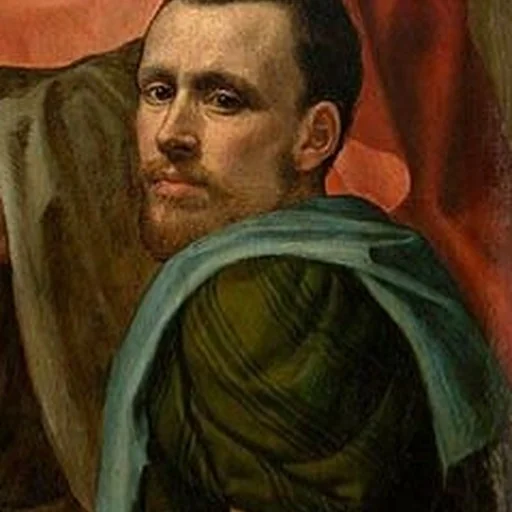
Adriaen Thomasz. Key (c. 1544 in Antwerp – after 1589 in Antwerp) was a Flemish painter of portraits and religious paintings, a draughtsman and a printmaker. He worked for a while in the Antwerp workshop of the…