Artwork
Judith with the head of Holofernes or Salome with the head of St John the Baptist
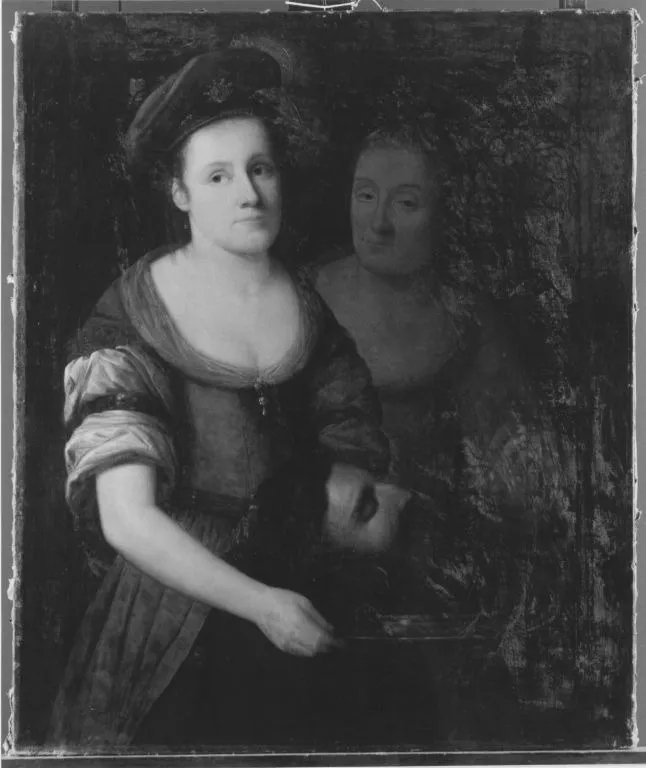
Judith with the head of Holofernes or Salome with the head of St John the Baptist is an oil painting by the Flemish Baroque painting artist Joannes de Cordua. It dates from 1688 and is held in the collection of the Bavarian State Painting Collections.
About this work
Overview
Created in 1688 by the Flemish artist Joannes de Cordua, this oil painting belongs to the Baroque tradition of the Low Countries. It is currently part of the Alte Pinakothek’s holdings and presents a dramatic biblical tableau that has been identified either as Judith holding Holofernes’s head or as Salome with the head of John the Baptist.
Subject & Meaning
The central figure is a solemn woman dressed in dark, high‑necked attire and a black hat, clutching a cloth that bears a severed head. A second, partially concealed head emerges from the shadowed background, reinforcing the narrative of a victorious, yet grim, moment from scripture.
Technique & Style
De Cordua employs strong chiaroscuro, contrasting a deep, almost black backdrop with illuminated forms to heighten the emotional intensity. The careful modeling of light on the woman’s face and the gleam of the blood‑stained cloth exemplify the dramatic realism typical of Flemish Baroque painting.
History & Provenance
The work was produced during de Cordua’s period of activity in Vienna and Prague, where he was known for biblical subjects. After changing hands over the centuries, it entered the collection of Munich’s Alte Pinakothek, where it remains on view.
Context
Flemish Baroque art often explored violent biblical episodes to convey moral lessons. Judith’s beheading of Holofernes and Salome’s presentation of John the Baptist’s head were popular themes, allowing artists like de Cordua to display virtuoso handling of anatomy, drapery, and emotional expression.
Artist & collection
Artist
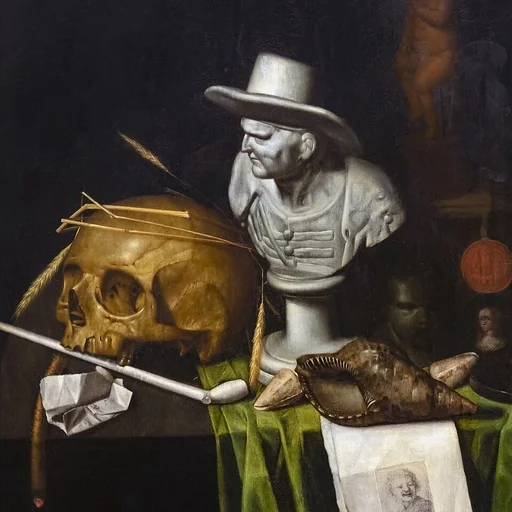
Joannes de Cordua or Johann de Cordua (c. 1630–1702) was a Flemish painter who was mainly active in Vienna and Prague. He is known for his still lifes, peasant scenes, portraits, and biblical themes.

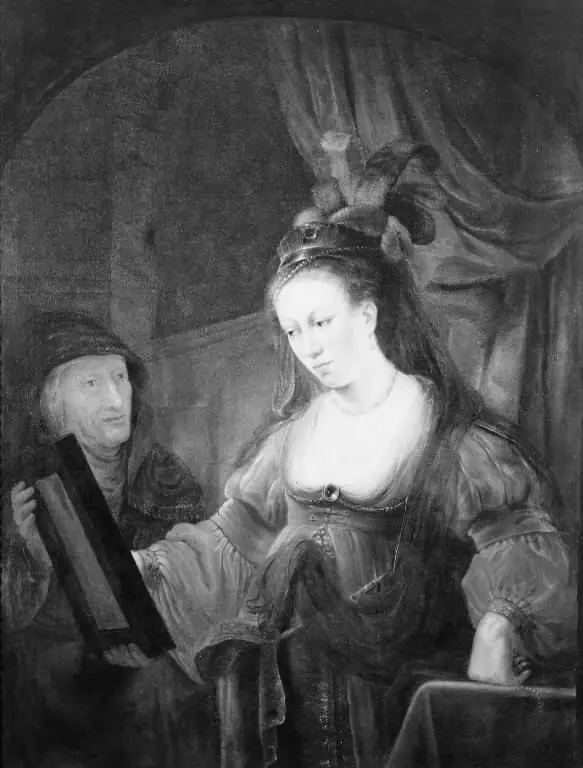 A Lady Looking at Herself in a Mirror
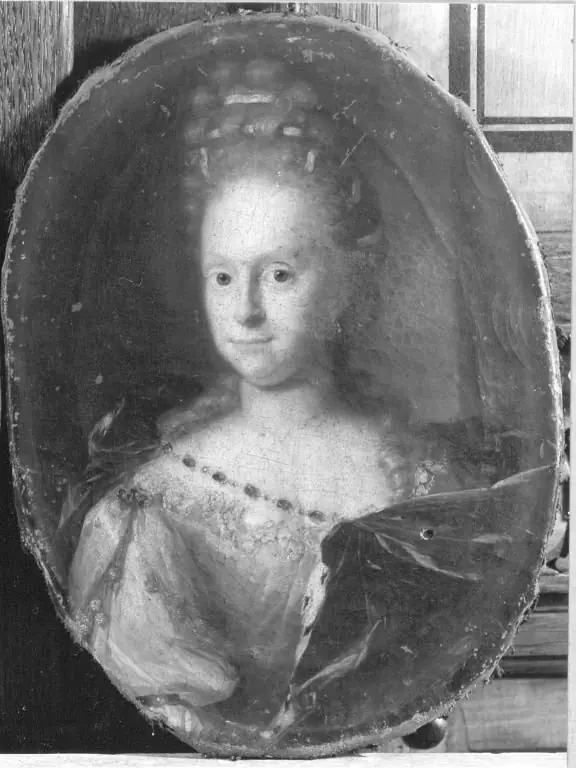 Bildnis einer unbekannten Fürstin
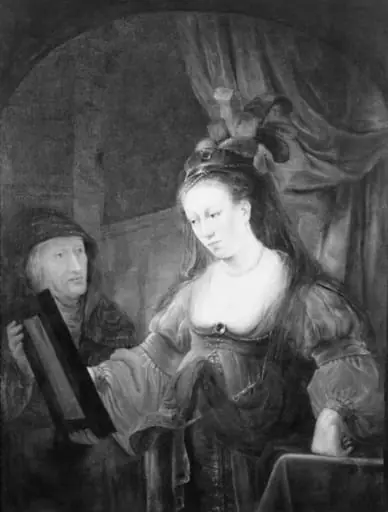 A Lady Looking at Herself in a Mirror
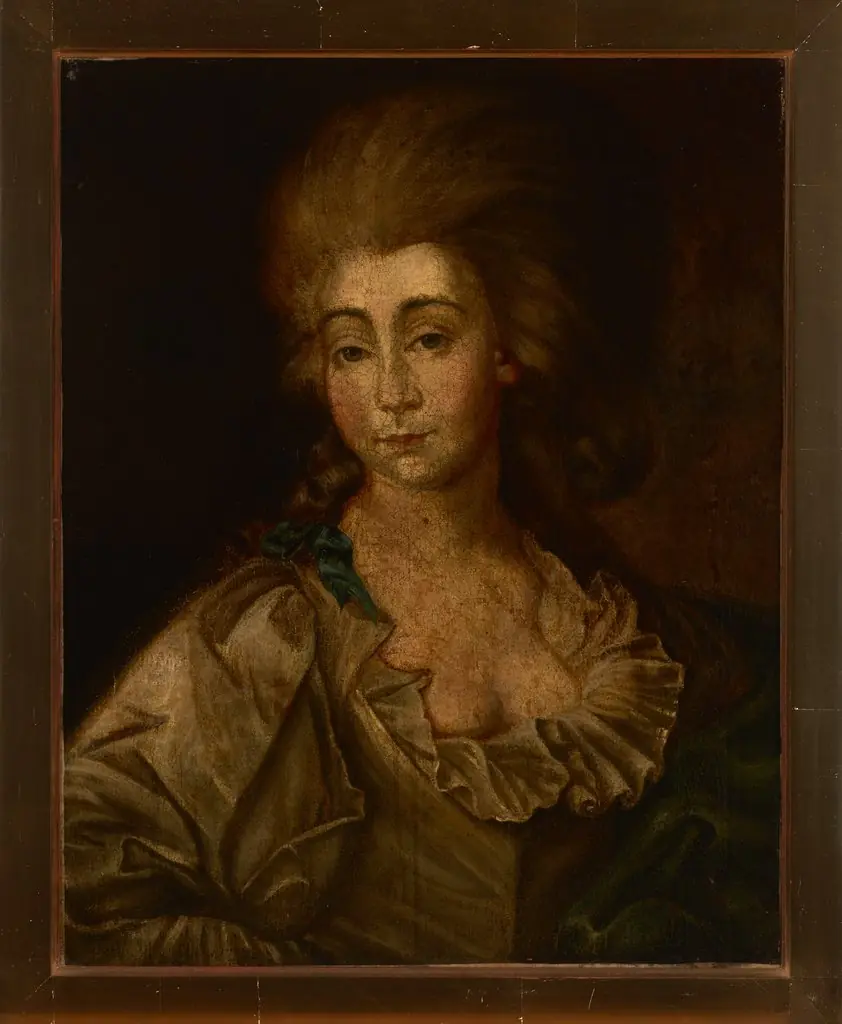 Portrait of Urszula Mniszchech née Zamoyska (1750–1808), wife of Michał Jerzy Wandalin Mniszch, Grand Marshal of the Crown
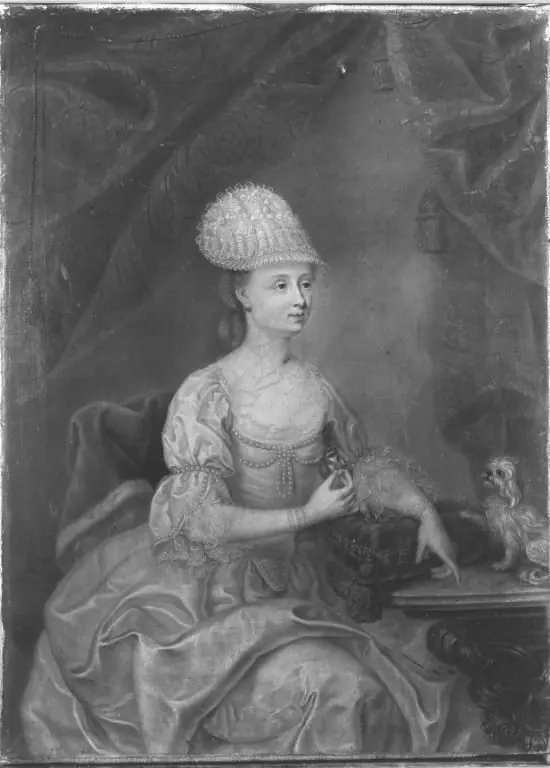 Maria Anna von Zweibrücken-Birkenfeld
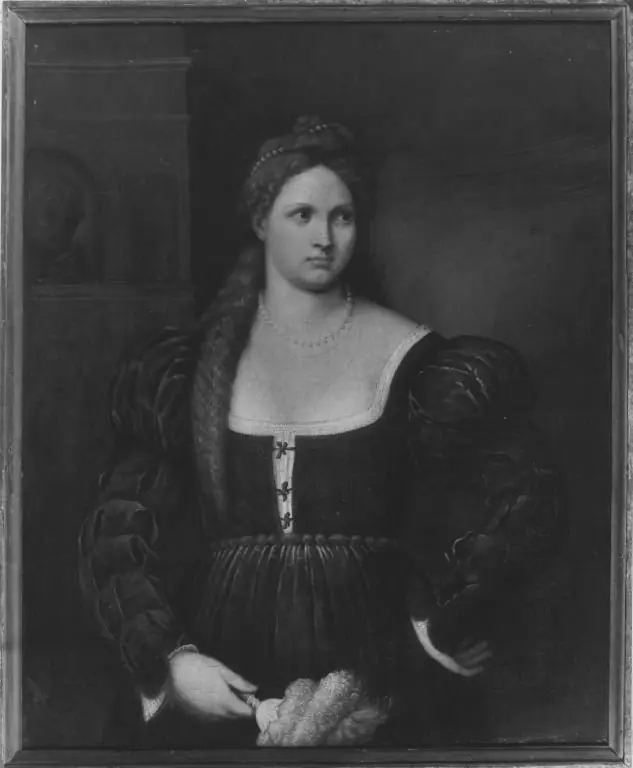 Bildnis der Violante
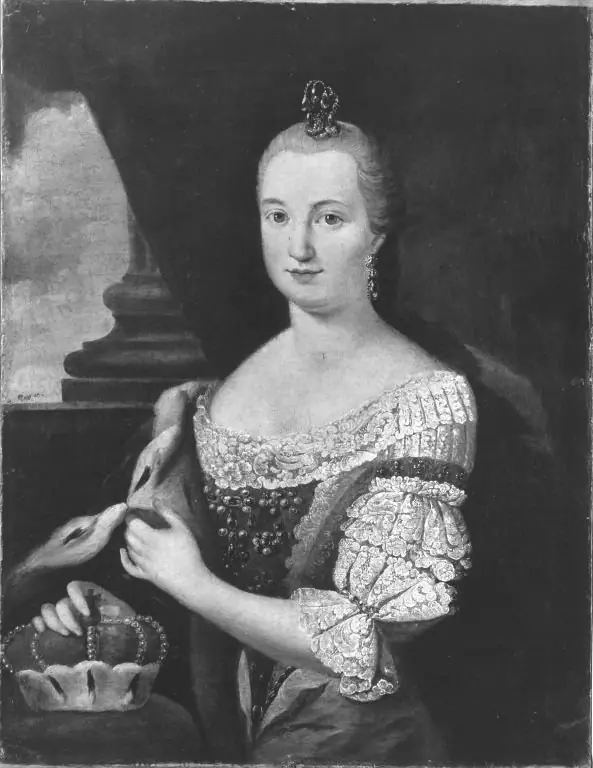 Bildnis der Kurfürstin Elisabeth Auguste von Pfalz-Bayern (Kopie nach)
 Die Hoffnung
 Portrait of Urszula Dembińska née Morsztyn (1746–1825)
 Bildnis einer Hofdame