Artwork
Warrior with Lance and Shield
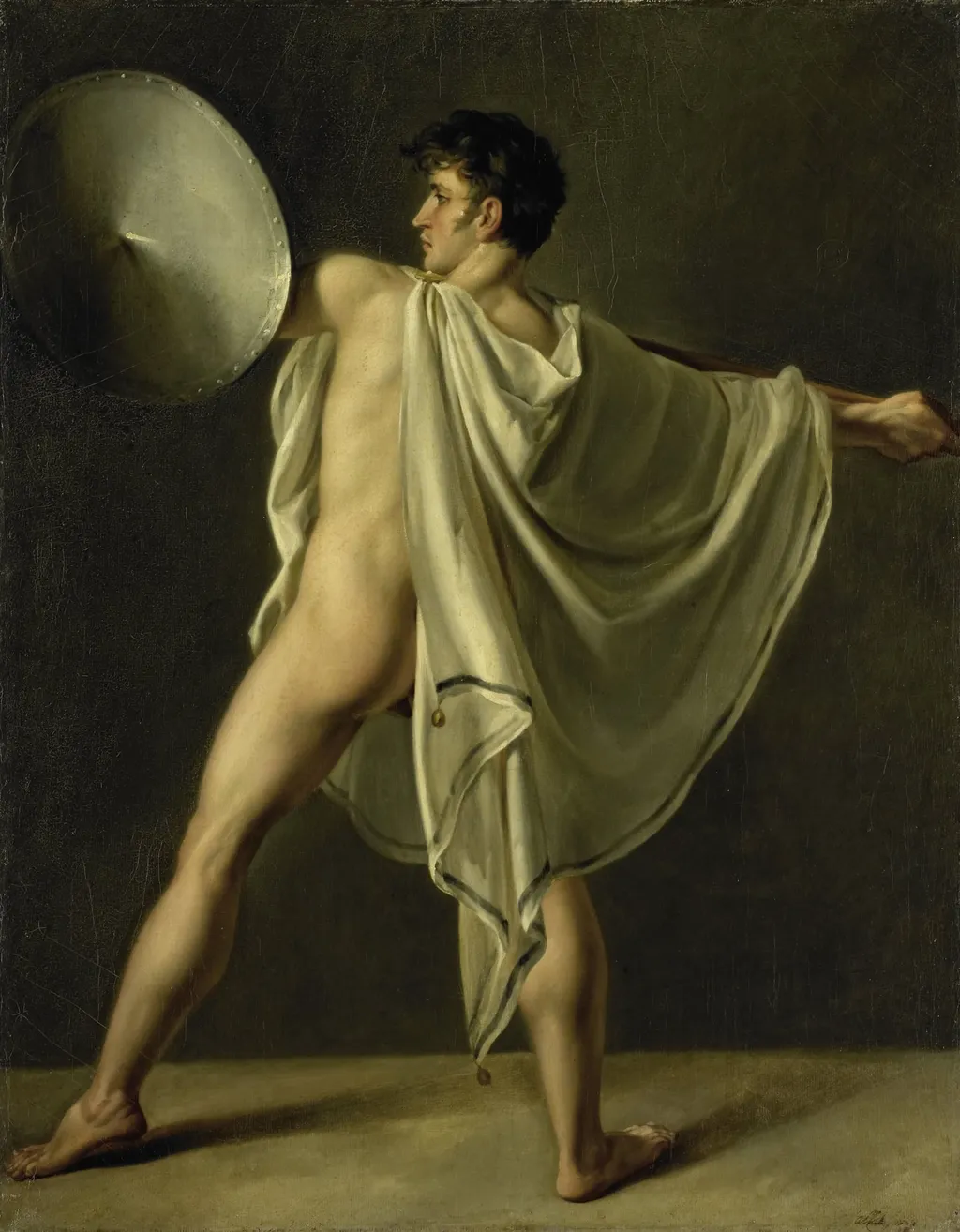
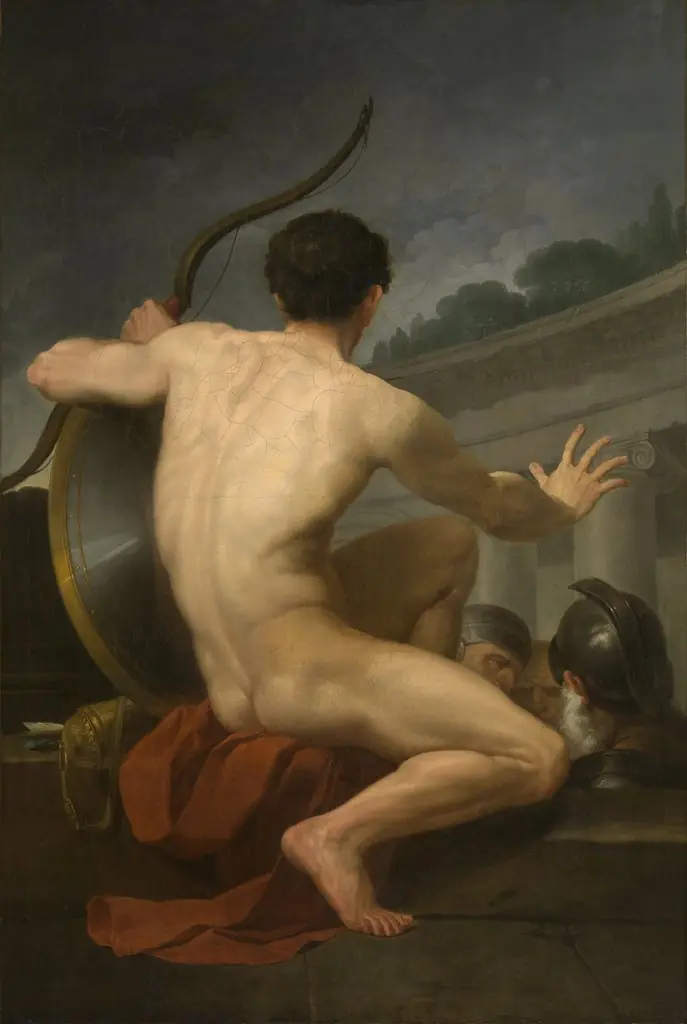
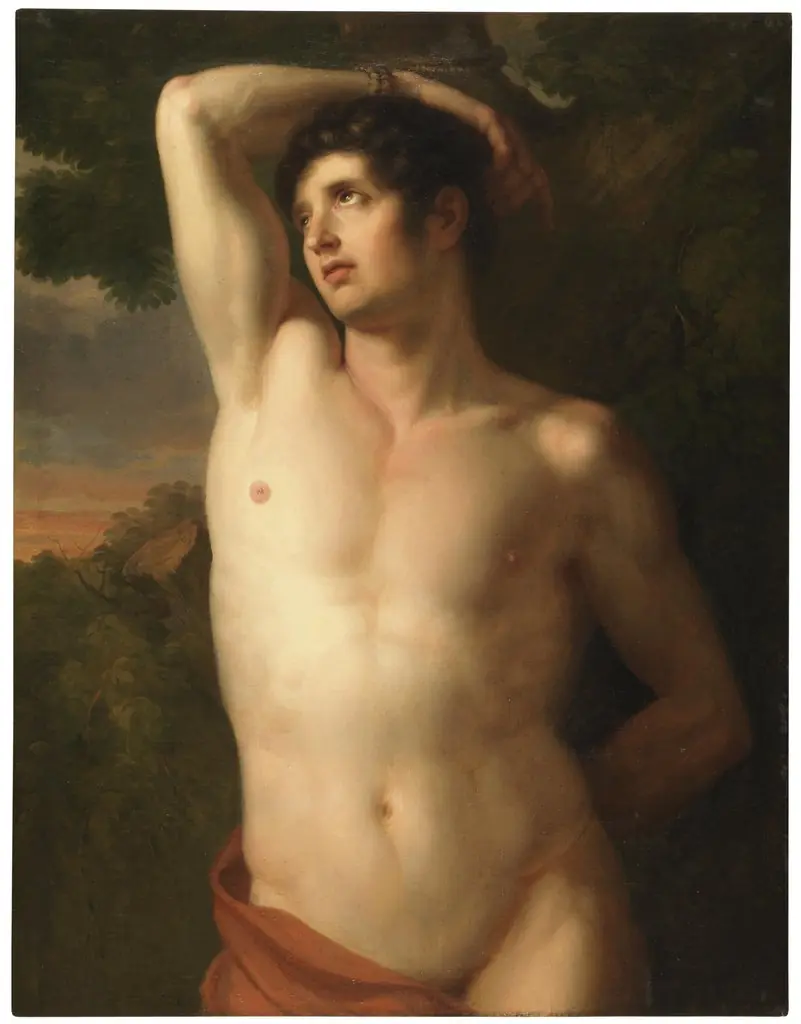
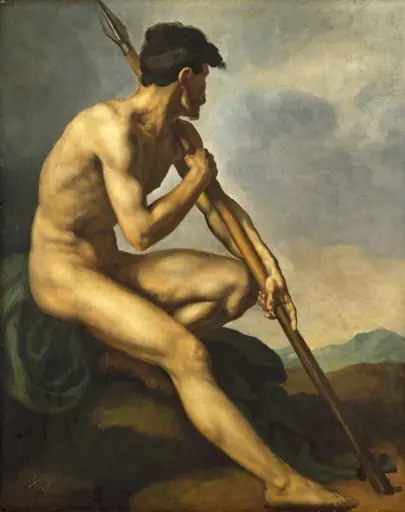
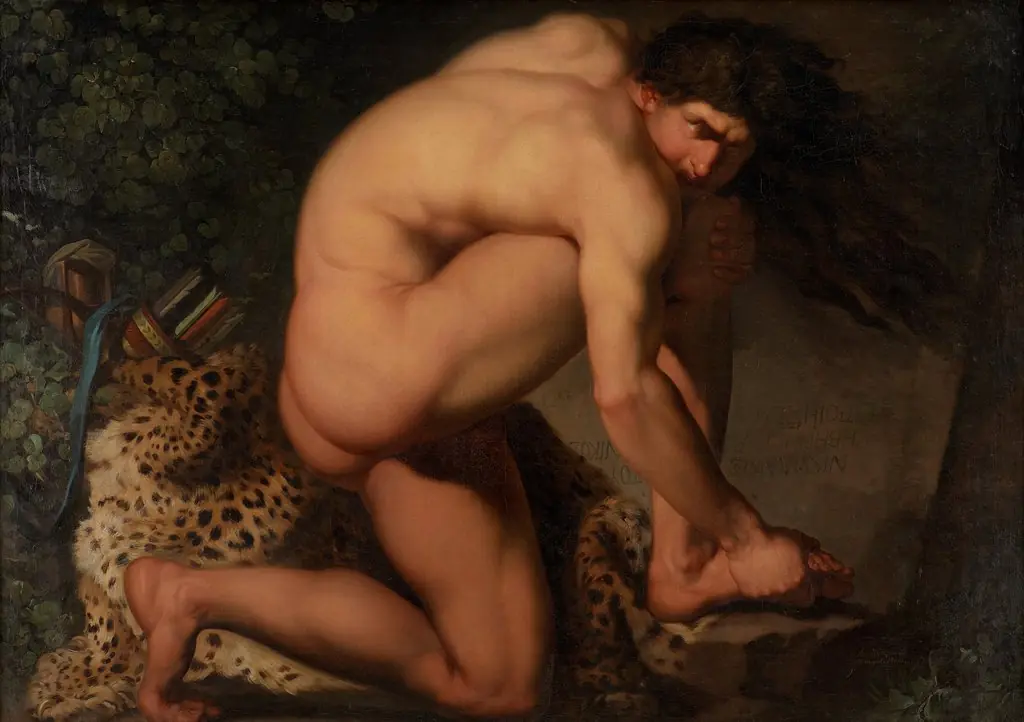
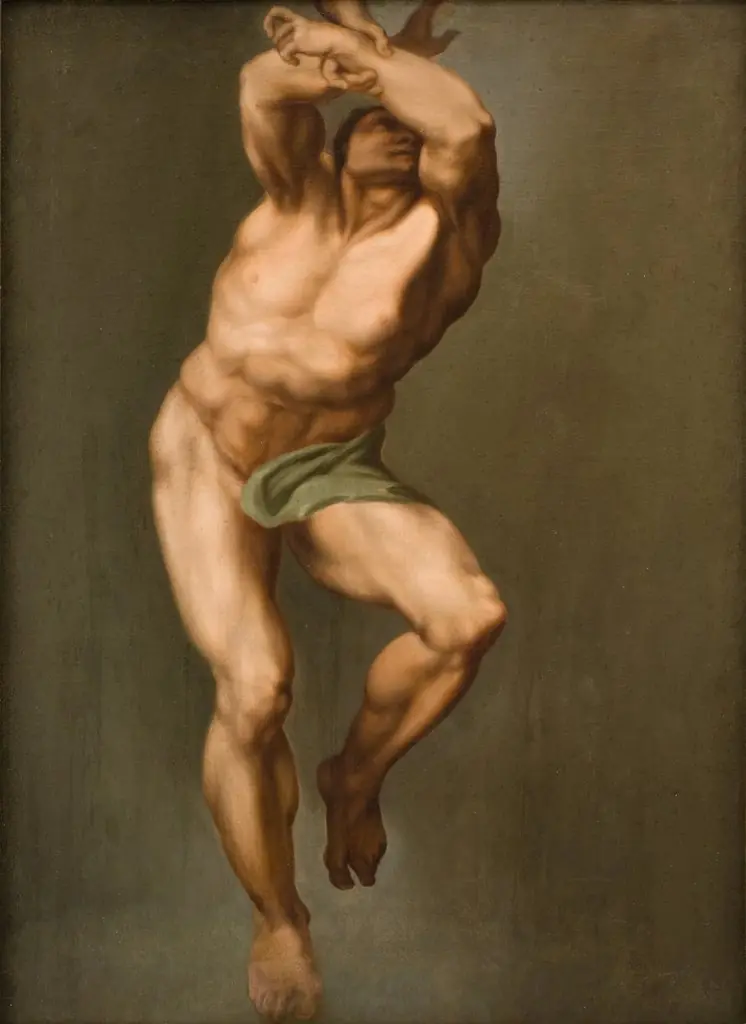
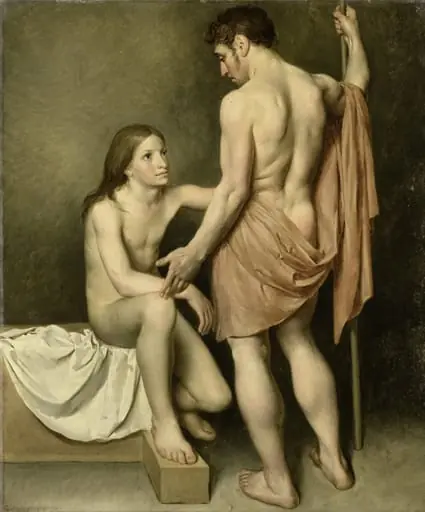
Warrior with Lance and Shield is an unspecified painting by the Biedermeier artist Joannes Echarius Carolus Alberti. It dates from 1808 and is held in the collection of the Rijksmuseum. This unattributed painting depicts a warrior viewed from behind, partially nude and draped in a red cloak over one shoulder.
About this work
Overview
The work’s unfinished quality and lack of signature suggest it may have been a study or sketch rather than a finished commission.
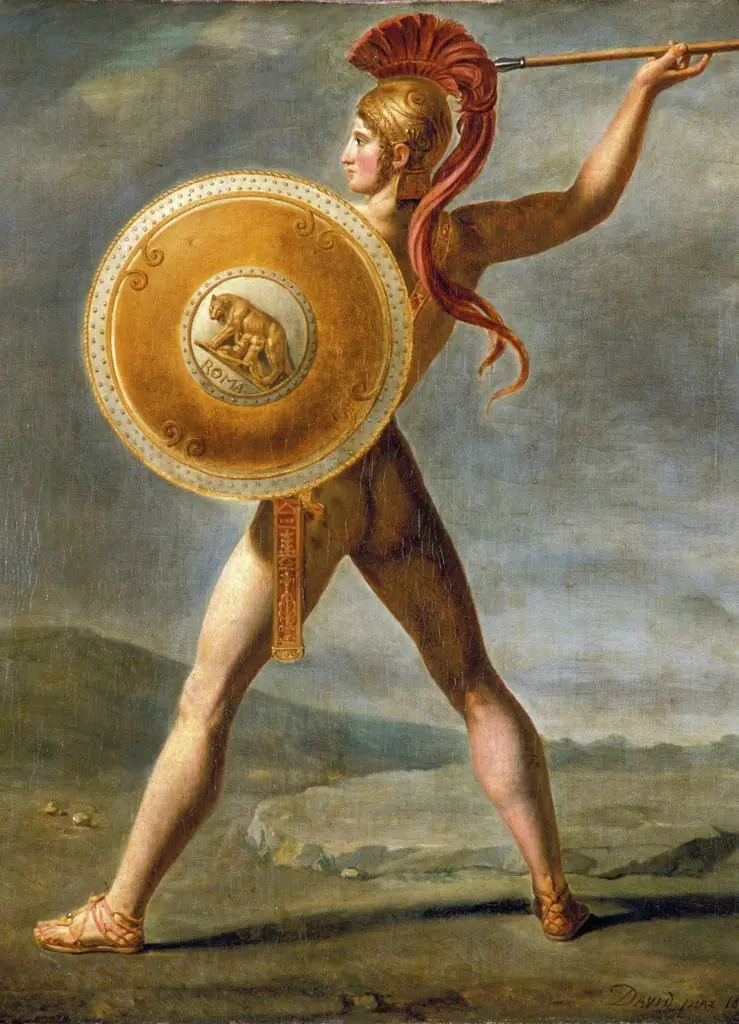
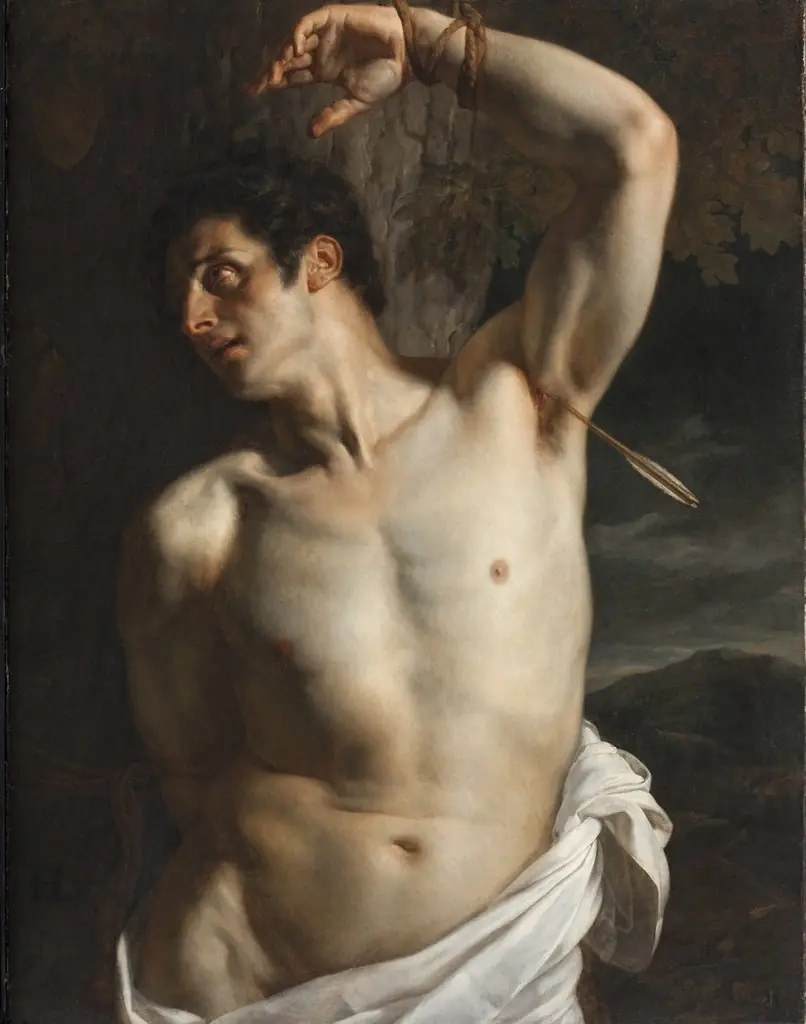
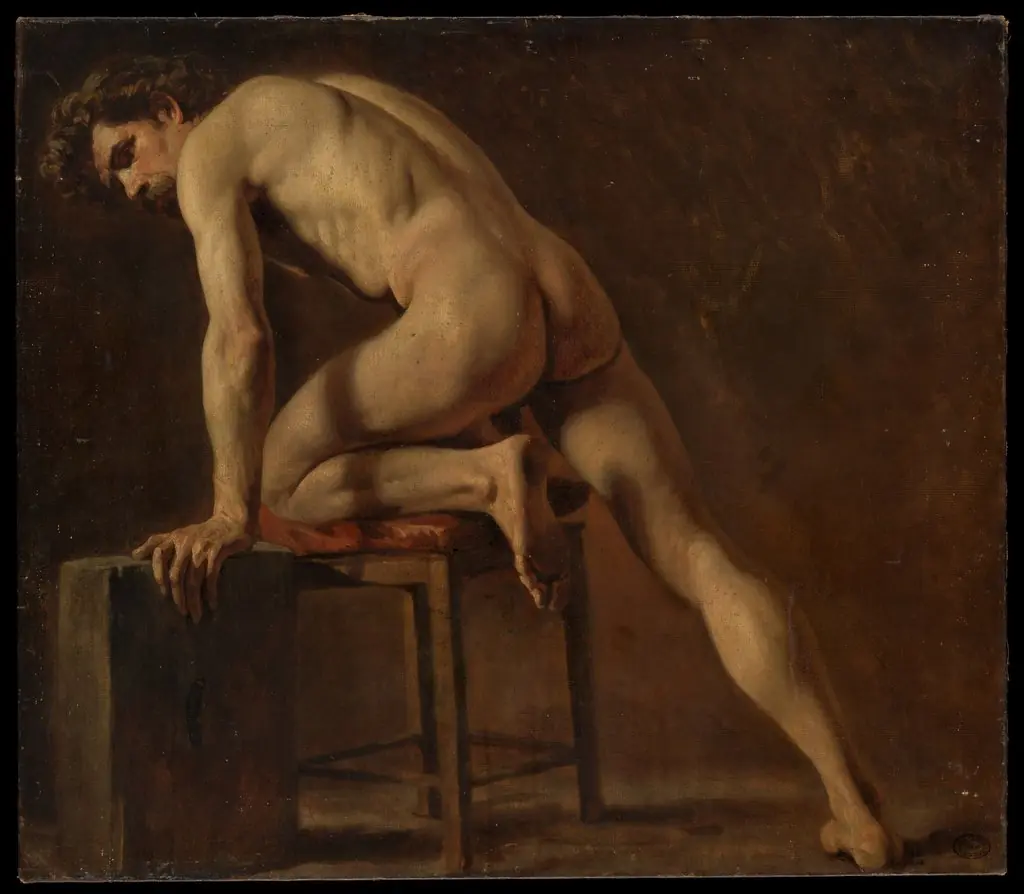
This unattributed painting depicts a warrior viewed from behind, partially nude and draped in a red cloak over one shoulder. He holds a long spear and a round shield, his posture tense yet still. The figure occupies the center of the composition, with no background to distract from the play of light across his musculature. The work’s unfinished quality and lack of signature suggest it may have been a study or sketch rather than a finished commission.
Subject & Meaning
The warrior represents an idealized human form in a moment of readiness, not action. His back turned to the viewer, he is neither hero nor villain, but a silent sentinel. The absence of context—no landscape, no battle—focuses attention on the body as a vessel of strength and vulnerability. The cloak, though ornamental, does not obscure the anatomy, reinforcing the figure’s physical presence over narrative.
Technique & Style
Brushwork is rapid and fluid, with loose strokes that suggest movement and spontaneity. Light is modeled with subtle gradations, creating a sense of volume without hard outlines. The effect resembles chiaroscuro, though less dramatic than Renaissance examples; here, it serves to animate the skin rather than dramatize a scene. The technique feels informal, as if executed quickly, possibly from life or memory.
History & Provenance
The painting’s origin remains unknown; no documentation links it to a specific artist, school, or period. Its style suggests a late Renaissance or early Baroque context, but its informality sets it apart from formal commissions of the time. It likely passed through private collections before entering its current institution, its anonymity preserved by the absence of marks or records.
Context
During the 16th and 17th centuries, studies of the nude figure were common among artists training in anatomy and movement. This work aligns with such practices, though its lack of mythological or historical context is unusual. It may have served as a compositional exercise or a personal exploration of form, reflecting a shift toward valuing the body as an end in itself.
Legacy
Though unsigned and unrecorded in major treatises, the painting’s directness and sensitivity to light have drawn attention from modern viewers and scholars. Its informal technique anticipates later approaches to figure study, where immediacy and observation outweigh polish. It stands as a quiet testament to the enduring appeal of the human form in motion.
Own this work as a print
Artist & collection
Artist
Joannes Echarius Carolus Alberti
Johannes Echarius Carolus or Jean Eugène Charles Alberti (bapt. 20 June 1777 - after 1843), was a Dutch painter of Italian descent who worked in Paris for most of his life.