Artwork
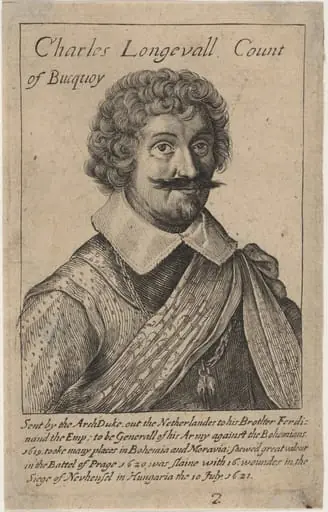
Portrait of Charles, Count of Bucquoy
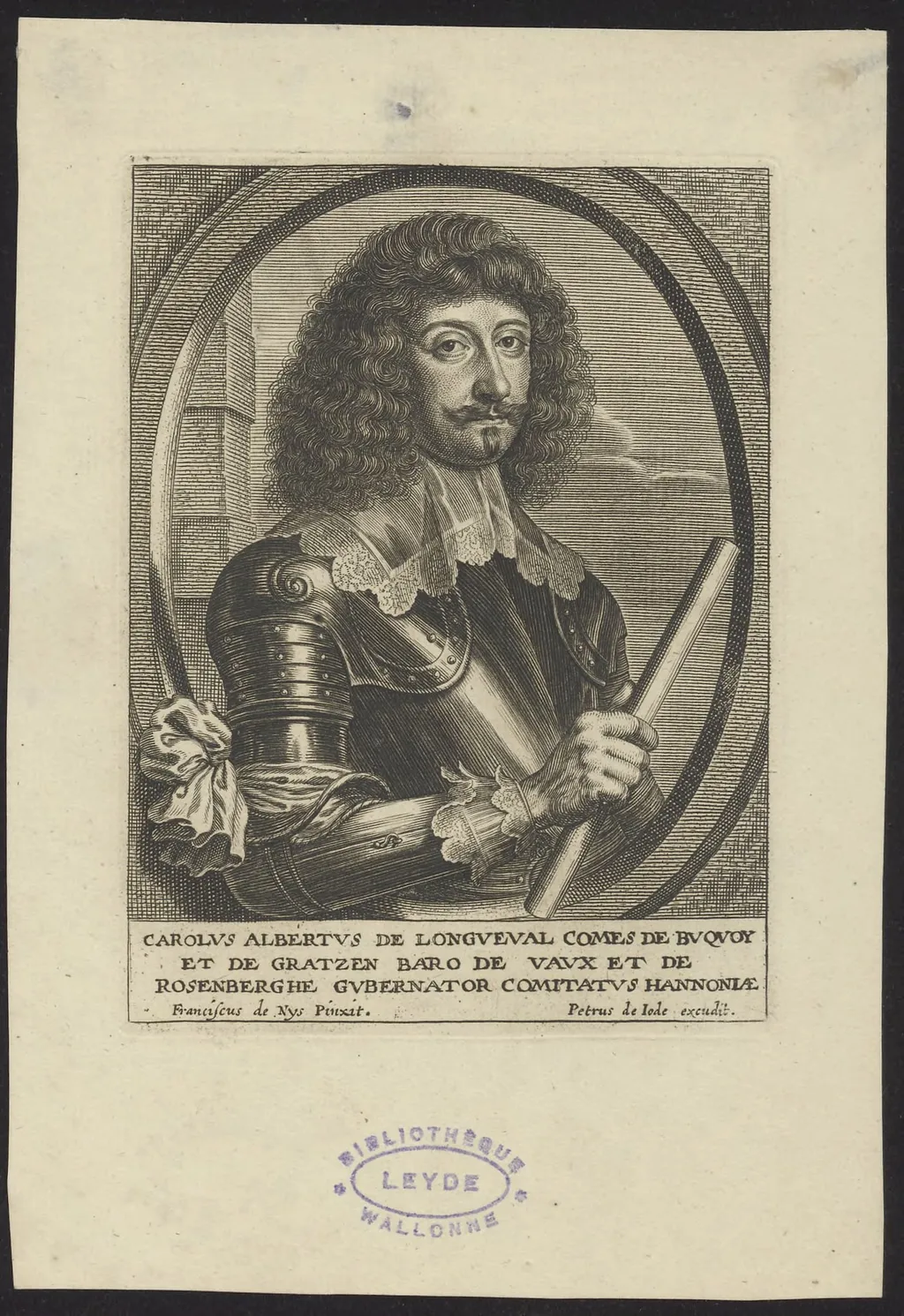
Portrait of Charles, Count of Bucquoy is an unspecified painting by Pieter (II) de, Jode. It dates from 1650 and is held in the collection of the Leiden University Libraries. This portrait depicts Charles, Count of Bucquoy, in a formal, dignified pose, characterized by elaborate attire and a serious demeanor.
About this work
You can learn more about the artist who made this copy, Jode, Pieter (II) de, (1606-1674/94).
This painting shows a man, Charles, Count of Bucquoy, in a formal pose.
He's dressed in fancy clothes and has a serious expression.
The artist copied this from an earlier work by Franciscus de Nys, which is an interesting fact about this piece - it's not an original idea, but rather an interpretation of someone else's art.
You can learn more about the artist who made this copy, Jode, Pieter (II) de, (1606-1674/94).
Overview
This portrait depicts Charles, Count of Bucquoy, in a formal, dignified pose, characterized by elaborate attire and a serious demeanor.
Subject & Meaning
The subject, Charles, Count of Bucquoy, is presented in a manner emphasizing his nobility and gravity, though the work's derivative nature suggests it may serve more as a reproduction of prestige than an original exploration of the count's personality.
Technique & Style
Executed by Pieter de Jode (II), the painting is a copy after Franciscus de Nys's original, reflecting a practice of replication common in the period, with the artist's hand evident in the interpretation of the original composition.
History & Provenance
Created by Pieter de Jode (II) between 1606 and 1674/94, this work is a direct copy of an earlier painting by Franciscus de Nys, highlighting the artistic lineage and the practice of copying masters' works during this time.
Context
The piece situates itself within the early modern European tradition of noble portraiture, where replication of esteemed images served to disseminate and reinforce social status across different locales and patrons.
Legacy
As a copy, its legacy is intertwined with that of the original by de Nys, contributing to the broader archival and reproductive practices of 17th-century art, rather than standing as an independently seminal work.
Artist & collection
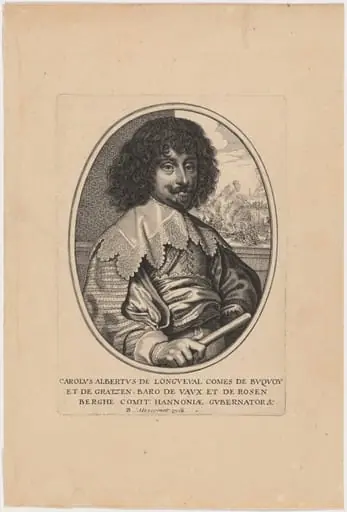 Charles Albert Bonaventure de Longueval, Comte de Bucquoi
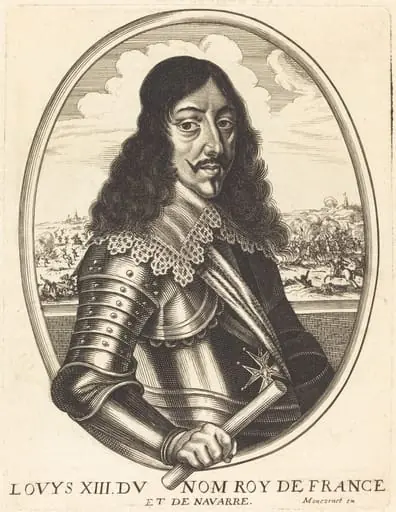 Louis XIII, King of France
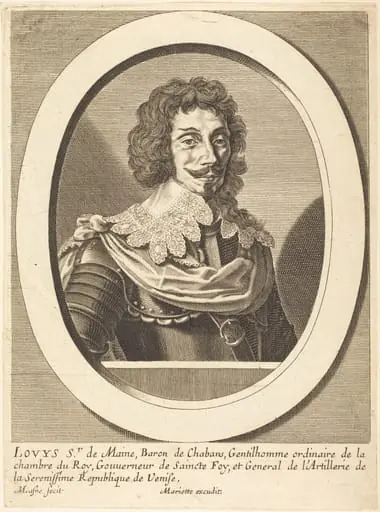 Louis Sieur de Maine
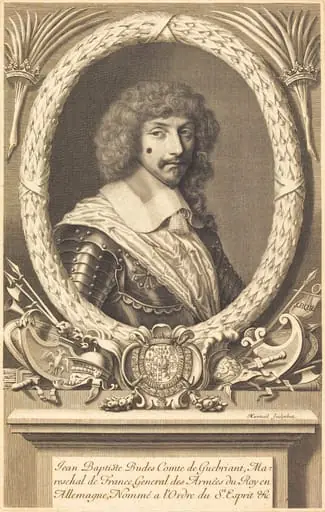 Marechal de Guebriant
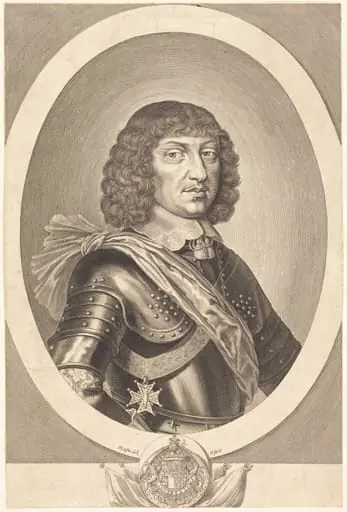 Jean Saint Bonnet de Toiras
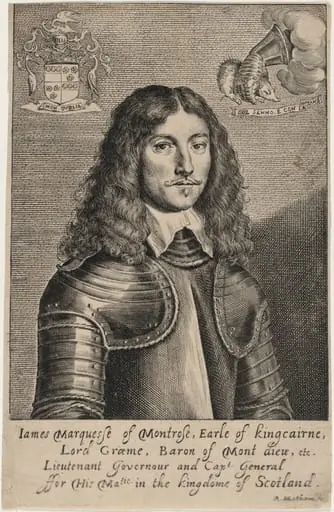 James Graham, First Marquess of Montrose
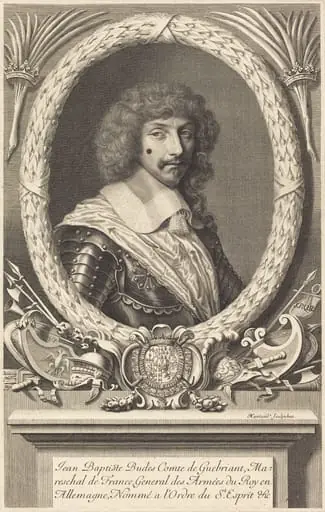 Marechal de Guebriant
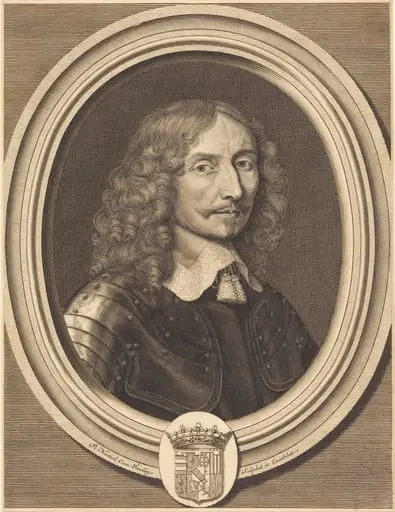 Henri, Marquis de Mouy
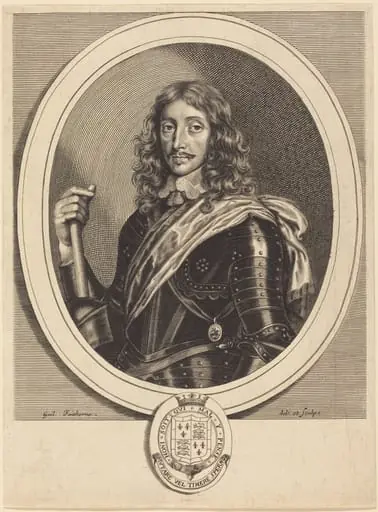 Henry Somerset, 1st Duke of Beaufort, K.G.
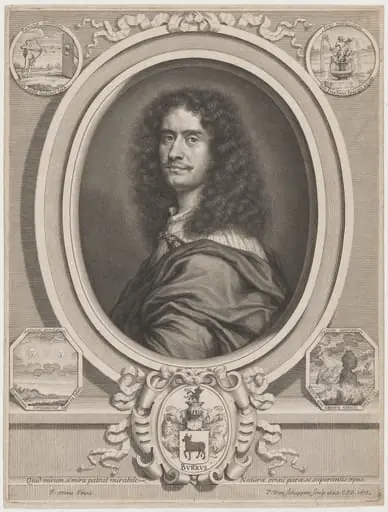 Portrait of a Man
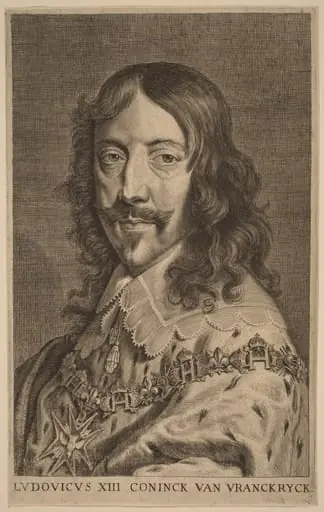 Louis XIII
 Charles, Count of Bucquoy