Artwork
Charles Albert Bonaventure de Longueval, Comte de Bucquoi
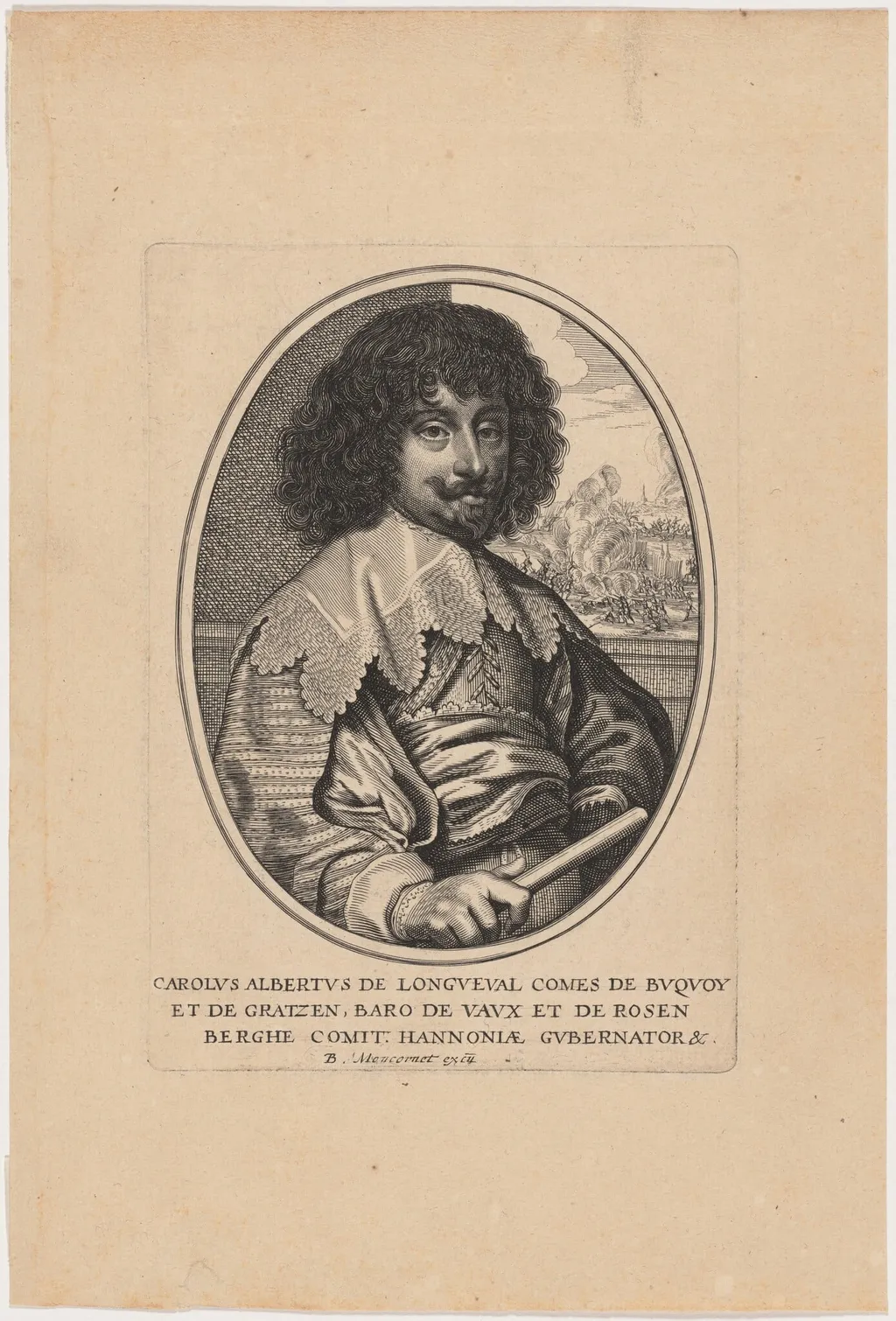
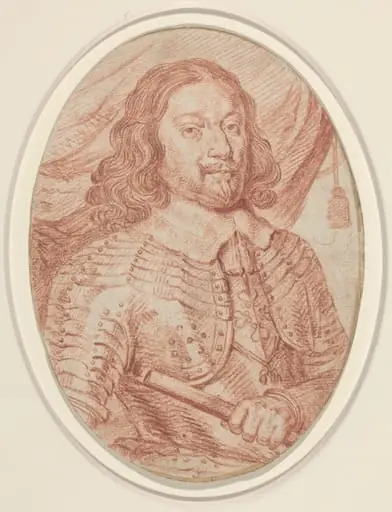
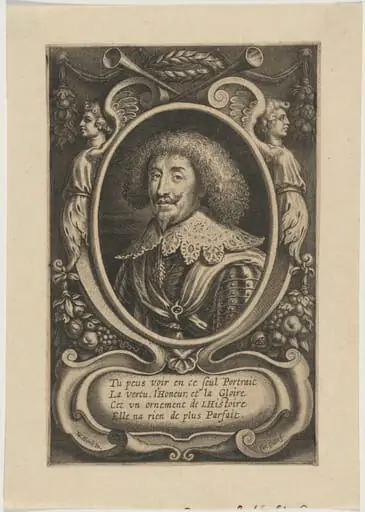
Charles Albert Bonaventure de Longueval, Comte de Bucquoi is an ink print by the Baroque artist Balthasar Moncornet. It dates from 1634 and is held in the collection of the National Gallery of Art.
About this work
Overview
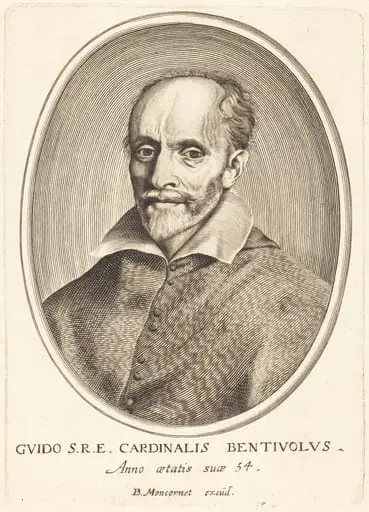
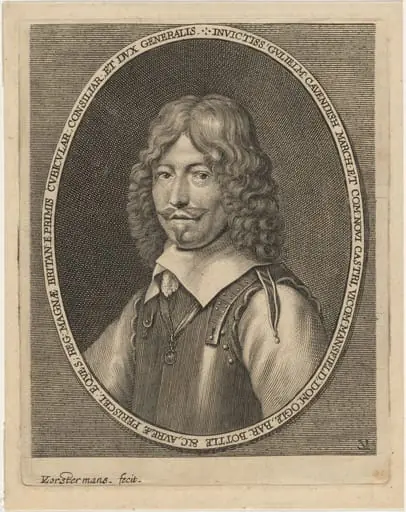
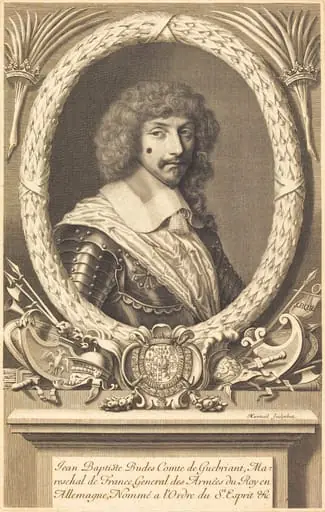
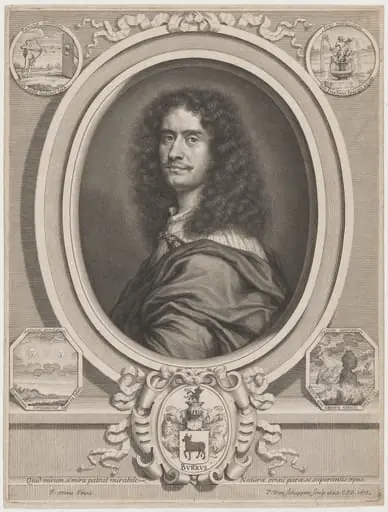
This 1634 engraving by Balthasar Moncornet portrays Charles Albert Bonaventure de Longueval, Comte de Bucquoi, in formal attire, conveying confidence through his direct gaze.
Subject & Meaning
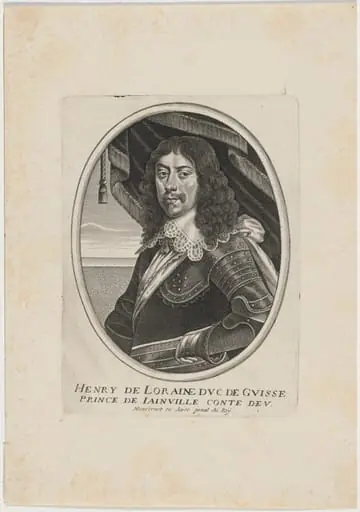
The subject, Comte de Bucquoi, is depicted in a manner emphasizing his stature, with meticulous rendering of clothing details and hair texture, suggesting a focus on capturing the individual's social standing and personality.
Technique & Style
Executed in engraving, a technique characteristic of Moncornet's oeuvre, the work showcases the artist's attention to detail, particularly in the textured representation of fabrics and hair.
History & Provenance
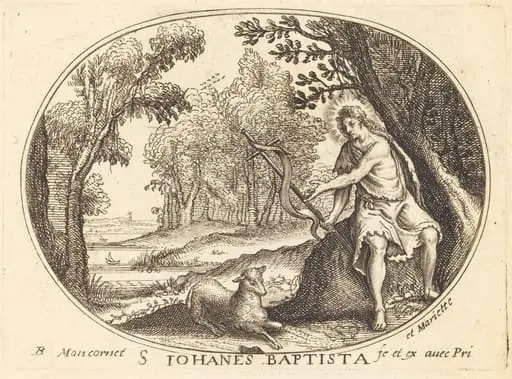
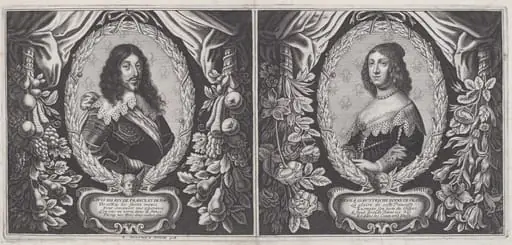
Created in 1634 by Moncornet, one of approximately 45 portraits of prominent 17th-century figures by the artist, highlighting his specialization in capturing the likenesses of notable individuals.
Context
Part of a broader series of engravings by Moncornet, this portrait reflects the 17th-century practice of commemorating esteemed individuals through detailed, accessible prints.
Legacy
As one of Moncornet's portraits, it contributes to the artist's legacy of documenting the era's elite, though the specific impact of this piece on the broader art historical canon is not distinctly defined.
Artist & collection
Artist
Balthasar Moncornet (1600, Rouen – 1668, Paris) was a French painter, engraver, and tapissier revered for his depictions of around 45 different prominent figures of the 17th century.