Artwork
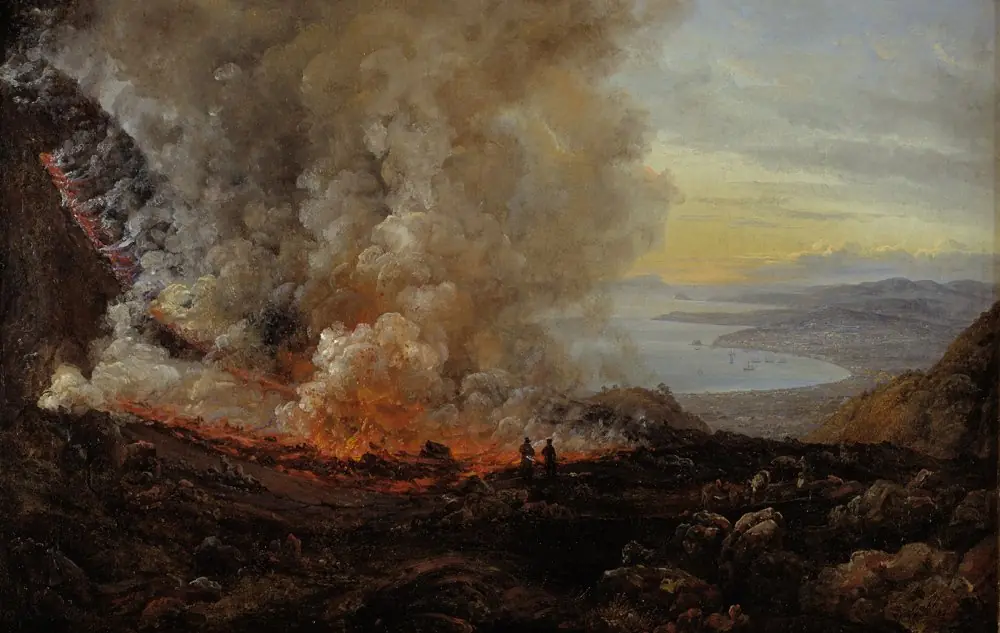
Der Ausbruch des Vesuv im Dezember 1820
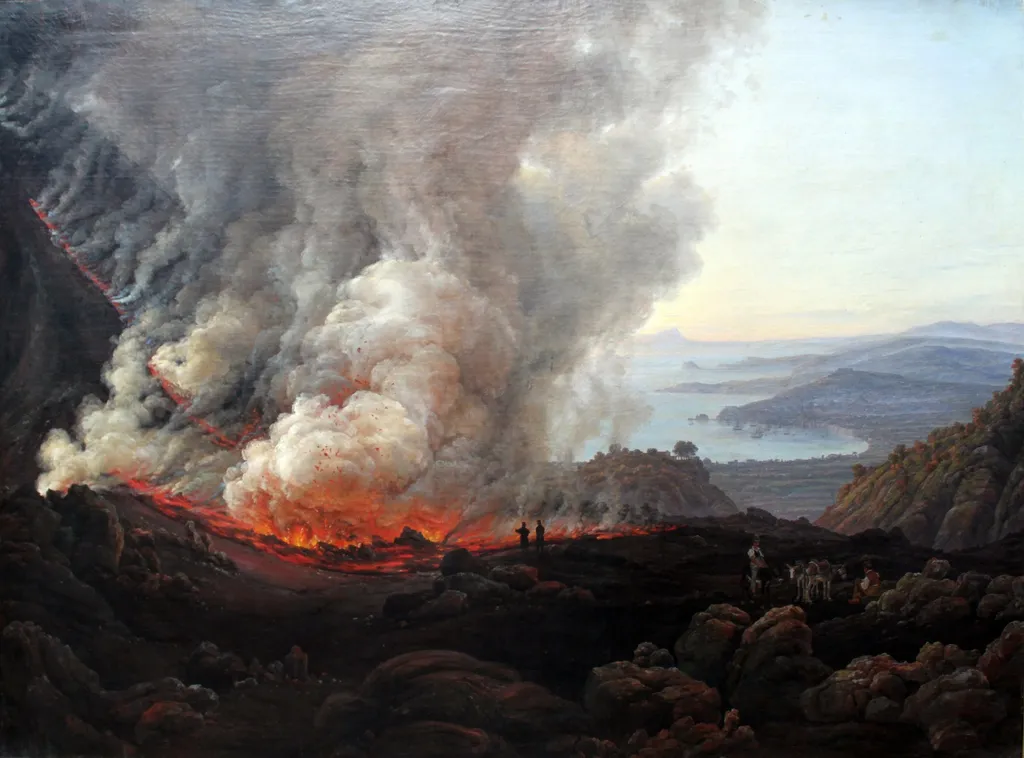
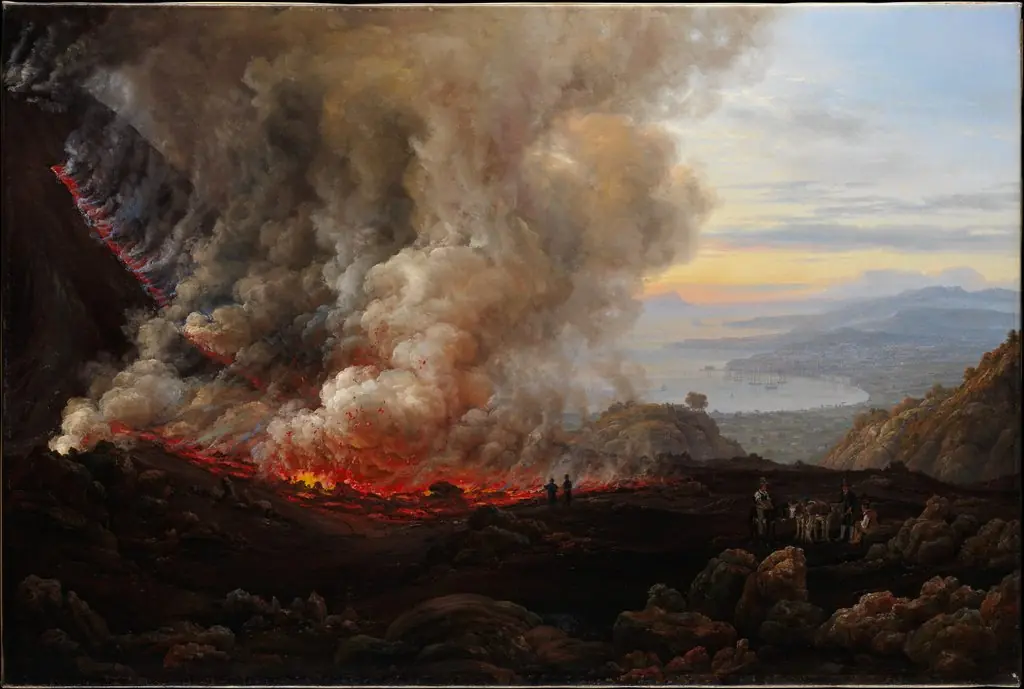
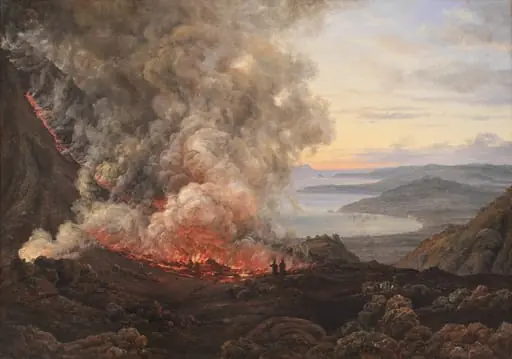
Der Ausbruch des Vesuv im Dezember 1820 is an oil painting by Johan Christian Dahl. It dates from 1826 and is held in the collection of the Städel Museum.
About this work
Overview
Johan Christian Dahl’s 1826 oil painting portrays the eruption of Mount Vesuvius as it unfolded in December 1820. The canvas presents a volcanic plume dominating the horizon, with rivers of molten lava spilling down the slopes while figures and animals scramble away from the disaster. In the background, the city of Naples and the distant sea are faintly visible beneath a sky choked with ash.
Subject & Meaning
The composition suggests a Romantic fascination with sublime terror, inviting viewers to contemplate the transience of human life against geological forces.
The work captures the sudden, violent power of nature and the human response to catastrophe. By juxtaposing the fiery interior of the volcano with fleeing inhabitants, Dahl emphasizes both the awe‑inspiring force of the eruption and the vulnerability of civilization. The composition suggests a Romantic fascination with sublime terror, inviting viewers to contemplate the transience of human life against geological forces.
Technique & Style
Executed in oil, the painting employs a stark contrast between dark, ash‑laden clouds and the luminous reds and oranges of lava. Dahl’s brushwork varies from fine detail in the foreground figures to broader, more atmospheric strokes in the sky, creating depth and movement. The palette’s limited yet vivid range enhances the dramatic tension characteristic of early 19th‑century Romantic landscape painting.
History & Provenance
Created six years after the actual eruption, the canvas reflects Dahl’s interest in dramatic natural events. It entered the collection of the Städel Museum in Frankfurt, where it remains on public display. The painting contributed to Dahl’s reputation as the first Norwegian artist to achieve notable recognition across Europe, reinforcing his role in establishing a national landscape tradition.
Context
During the 1820s, European artists increasingly turned to dramatic natural phenomena as subjects for expressing Romantic ideals. Dahl, trained in the German‑Danish tradition, traveled extensively in Italy, where the Vesuvius eruption provided a vivid example of the sublime. The painting aligns with contemporary works that used volcanic activity to explore themes of awe, danger, and the limits of human control.
Own this work as a print
Artist & collection
Artist
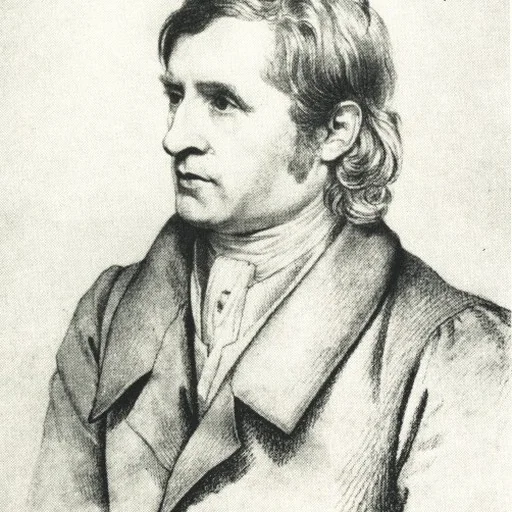
Johan Christian Claussen Dahl (24 February 1788 – 14 October 1857), often known as J.

 Eruption of the Volcano Vesuvius
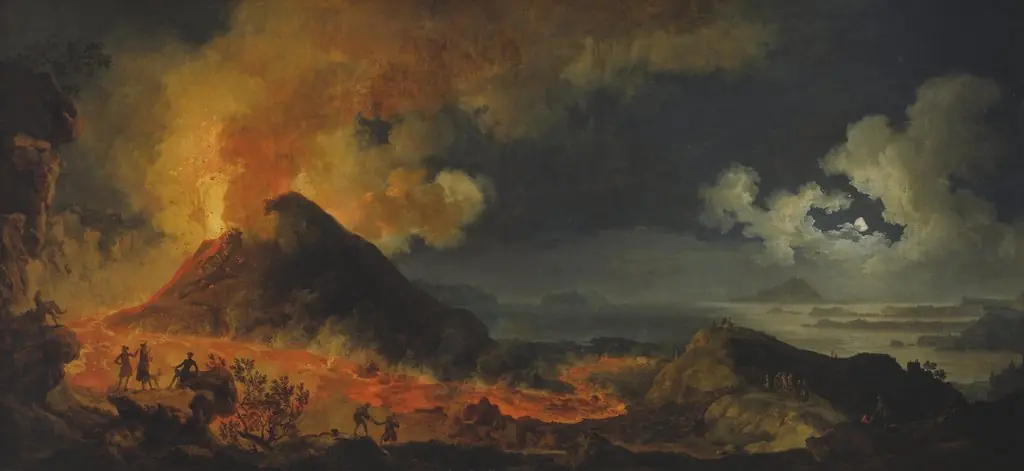
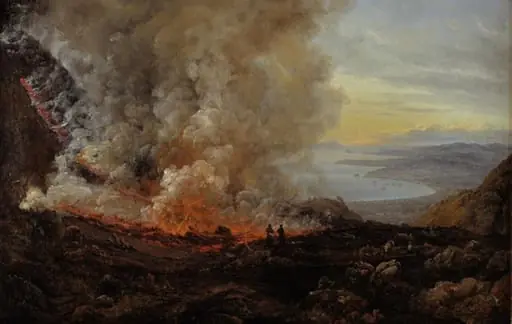 The Eruption of Vesuvius
 The Eruption of Vesuvius
 The Eruption of Vesuvius
 The Eruption of Vesuvius
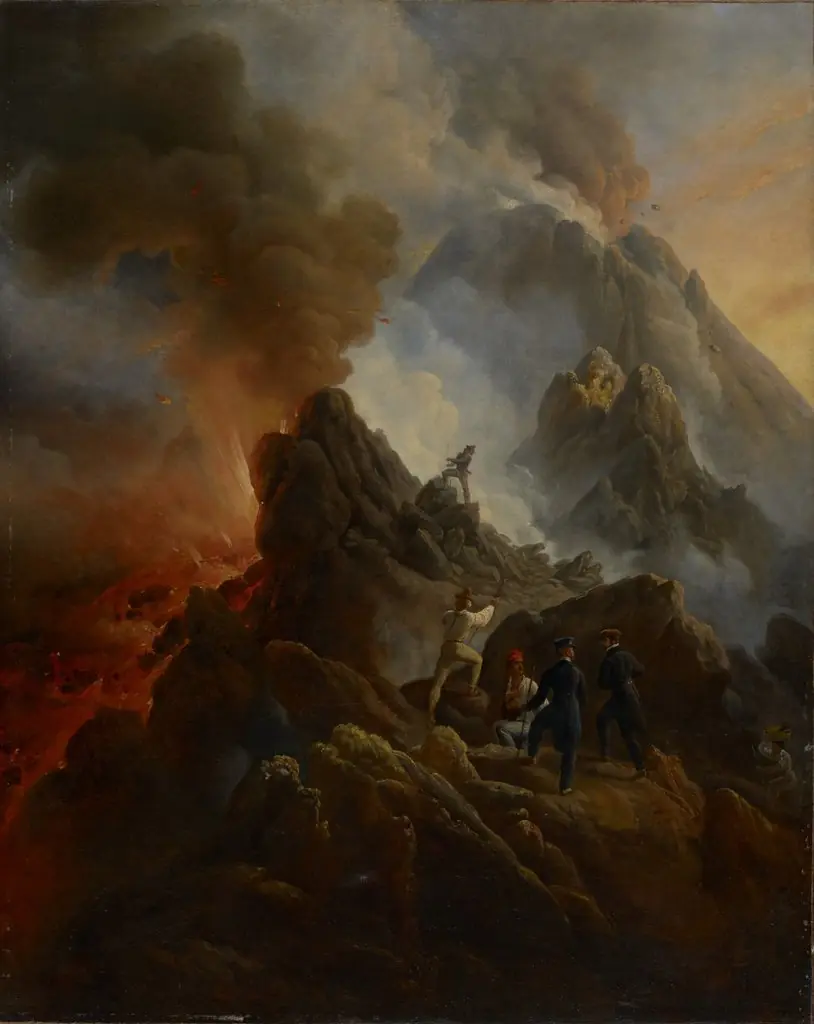 The Vesuvius Erupting, the Artist and His Father, Carle Vernet, in the Foreground
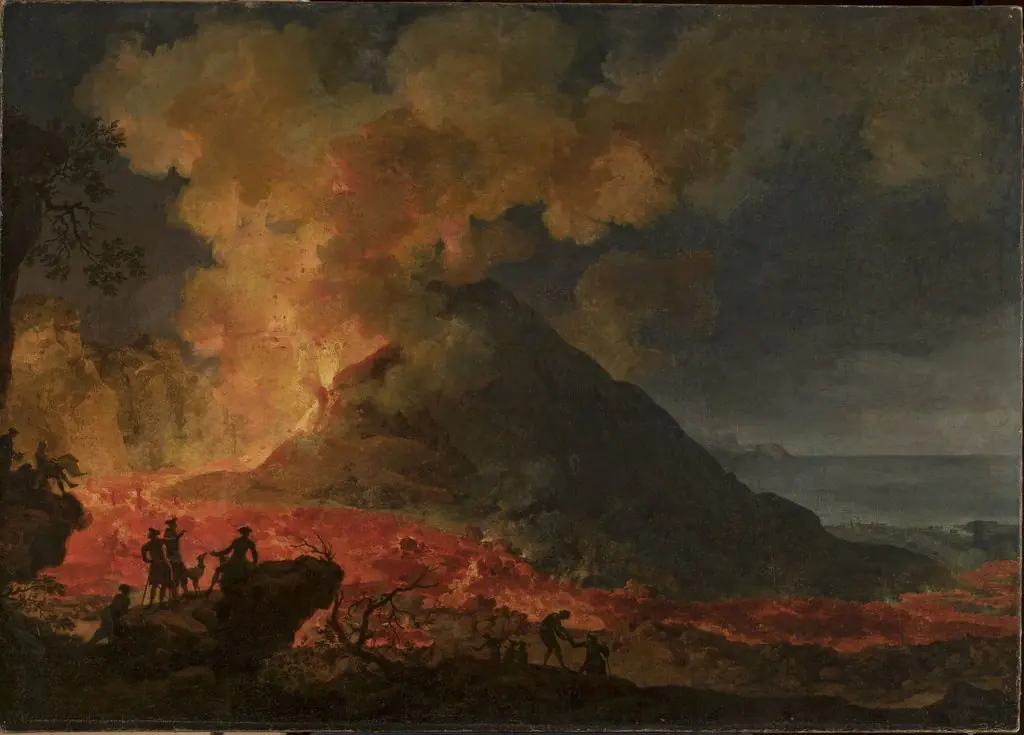 Eruption of Vesuvius
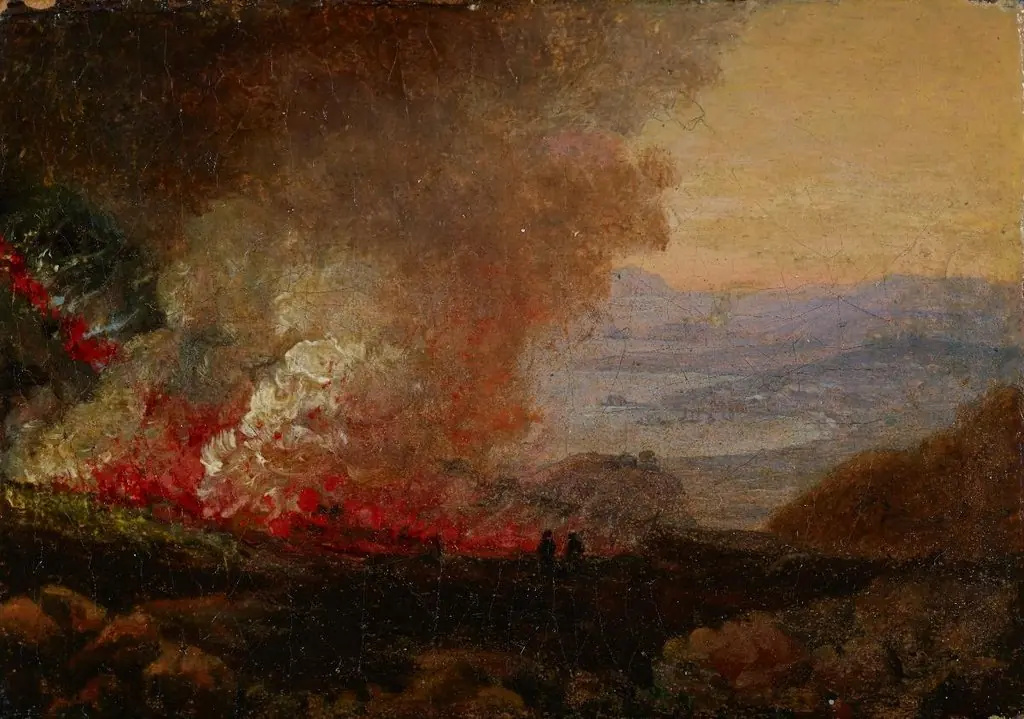 Ein Ausbruch des Vesuvs
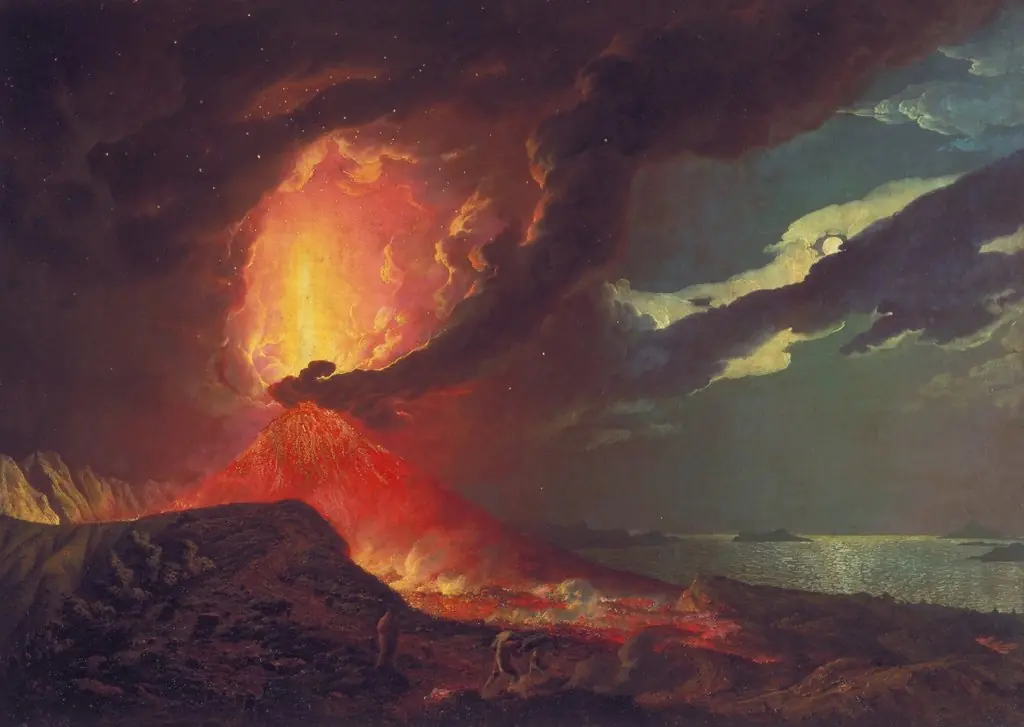 Vesuvius in Eruption, with a View over the Islands in the Bay of Naples