Artwork
A Relic Dealer in Olevano
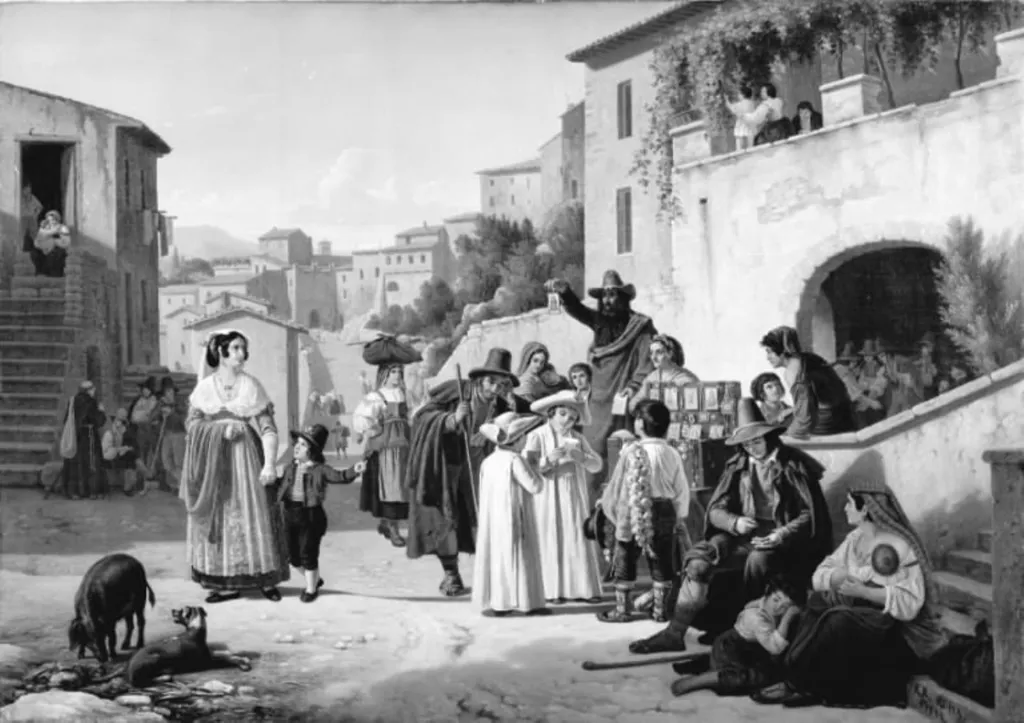
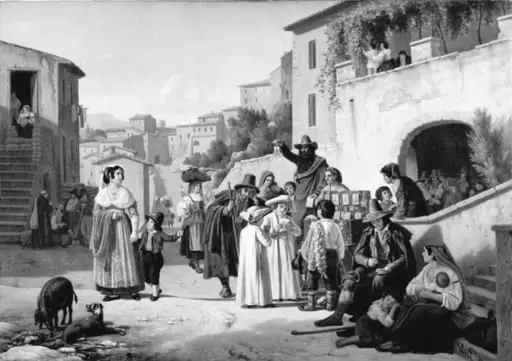
A Relic Dealer in Olevano is an oil painting by Johan Peter Raadsig. It dates from 1844 and is held in the collection of the Statens Museum for Kunst.
About this work
Overview
Painted in 1844 by Danish artist Johan Peter Raadsig, this oil on canvas depicts a quiet moment of commerce in the Italian hilltown of Olevano.
Painted in 1844 by Danish artist Johan Peter Raadsig, this oil on canvas depicts a quiet moment of commerce in the Italian hilltown of Olevano. Unlike Raadsig’s more familiar Nordic historical scenes, this work turns toward everyday life in southern Italy, capturing a vendor offering relics to a small group of onlookers. The painting resides in the collection of Statens Museum for Kunst in Copenhagen.
Subject & Meaning
The scene centers on a man in dark attire displaying a religious relic, likely a bone or fragment, to a modest crowd. A woman seated nearby, cradling an infant, and a resting dog suggest a pause in daily routines. The focus is not on grandeur or devotion, but on the ordinary exchange of objects imbued with spiritual or historical weight, reflecting the persistence of relic trade in rural communities.
Technique & Style
Raadsig employs a restrained palette of browns, grays, and muted earth tones, emphasizing the subdued atmosphere of the town. Detailed brushwork renders textures of fabric, weathered stone, and skin with quiet precision. Figures are arranged naturally, with no theatrical staging, reinforcing the painting’s documentary tone and commitment to observed reality over idealization.
History & Provenance
Created during Raadsig’s travels in Italy, the painting was acquired by the Danish state in the mid-19th century and entered the collection of Statens Museum for Kunst. It reflects a period when Nordic artists increasingly looked southward for subject matter beyond national mythologies, documenting foreign customs with ethnographic interest rather than romanticism.
Context
In the 1840s, relic trade persisted in rural Italy, often tied to local churches and pilgrimages. Raadsig’s depiction aligns with broader European trends in genre painting that valued scenes of ordinary life, yet his approach avoids moralizing or exoticizing. The painting quietly acknowledges the intersection of faith, commerce, and daily survival in post-Napoleonic Italy.
Legacy
Though not widely exhibited, the work remains a rare example of Danish 19th-century genre painting set abroad. It contributes to the understanding of how Nordic artists engaged with Mediterranean cultures—not as tourists, but as observers of human behavior. Its quiet realism distinguishes it from more dramatic contemporaneous works of the period.
Artist & collection
Artist
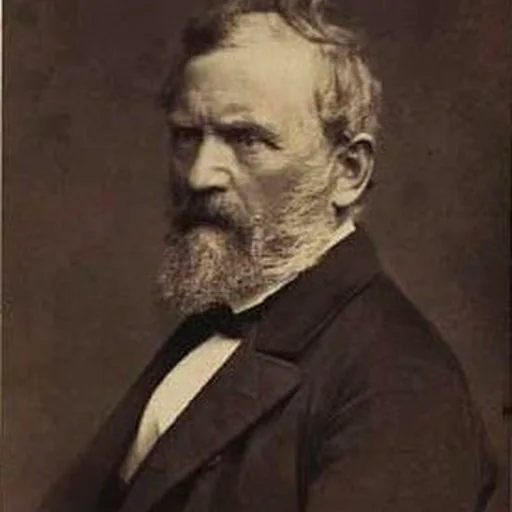
Johan Peter Raadsig (18 October 1806 – 1 July 1882) was a Danish painter, dealing principally with themes from Danish and, more broadly, Scandinavian history.

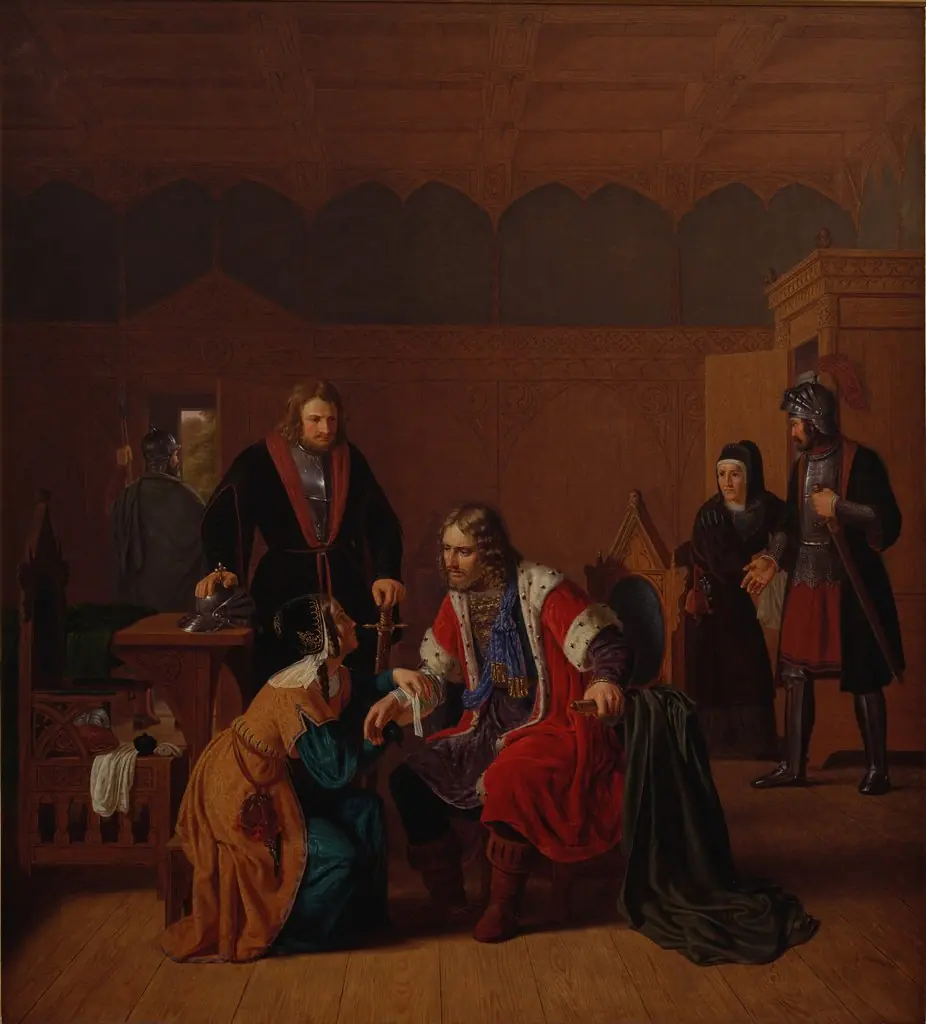 Valdemar the Great is welcomed at Absalon's mother's house, where he sought refuge after the Battle of Roskilde
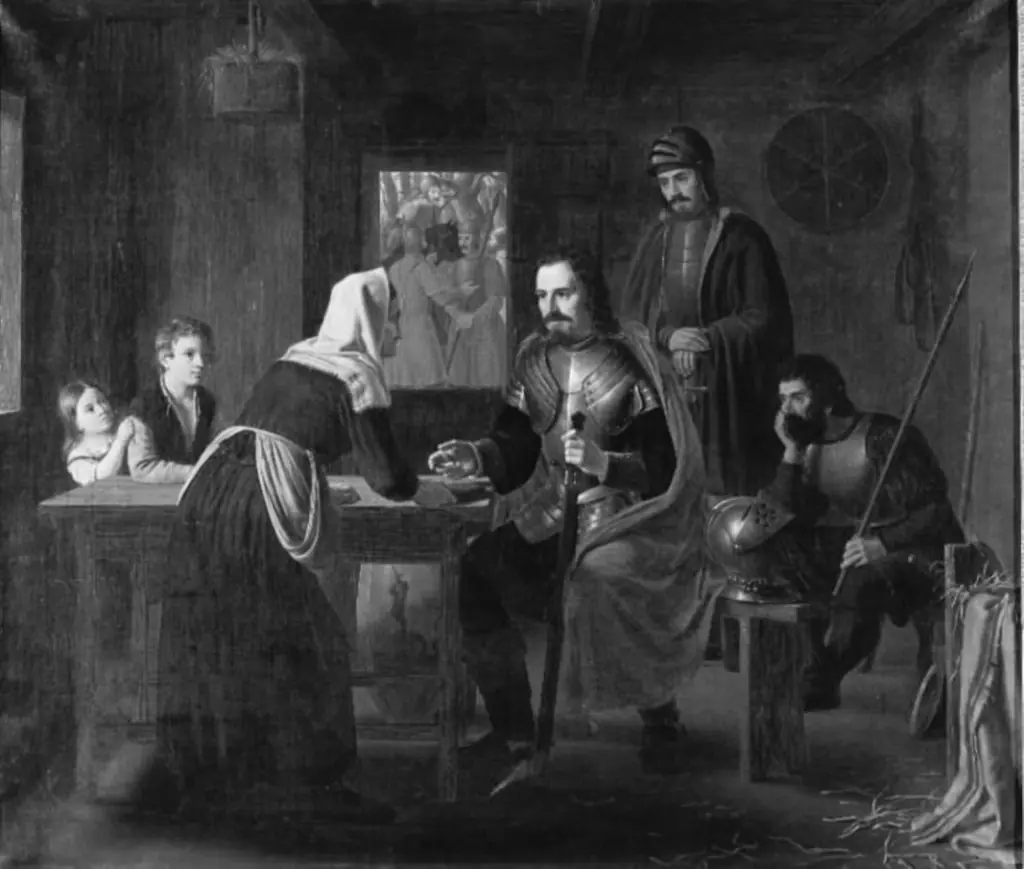 Niels Ebbesen besøger en fattig kone på vej til Randers, morgenen efter grev Gerts død
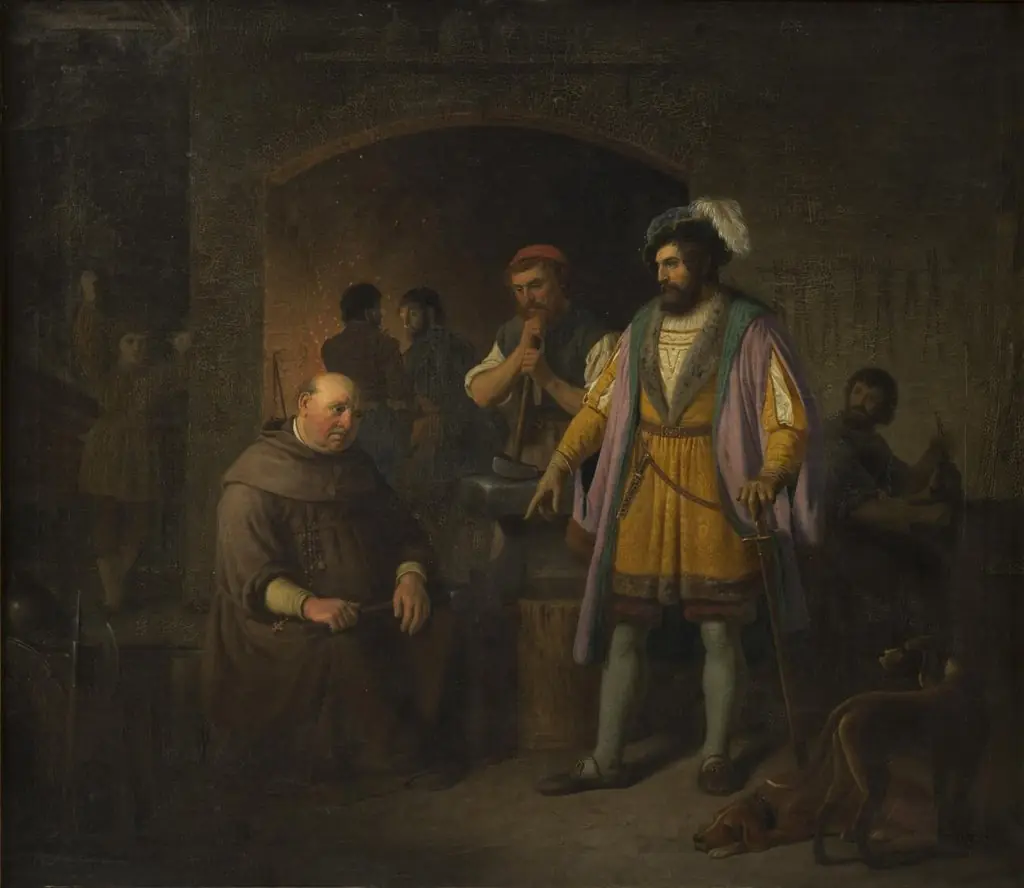 Jens Holgersen Ulfstand kurerer abbeden til Bækkeskov for hans fedme ved at tvinge ham til at arbejde i sin smedie
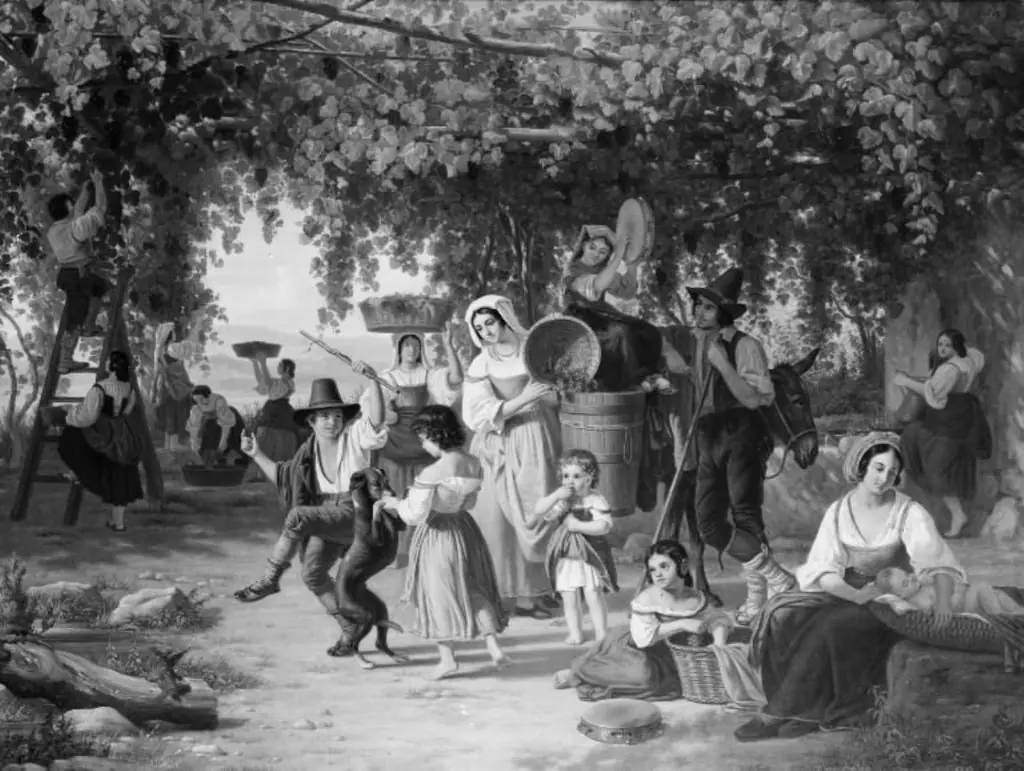 Vintage in Italy
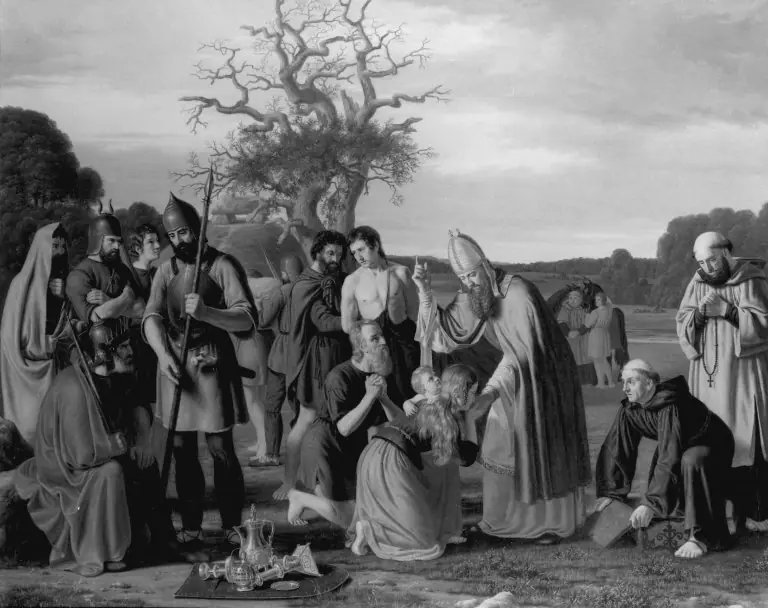 Biskop Rembert frikøber kristne fanger af hedninger
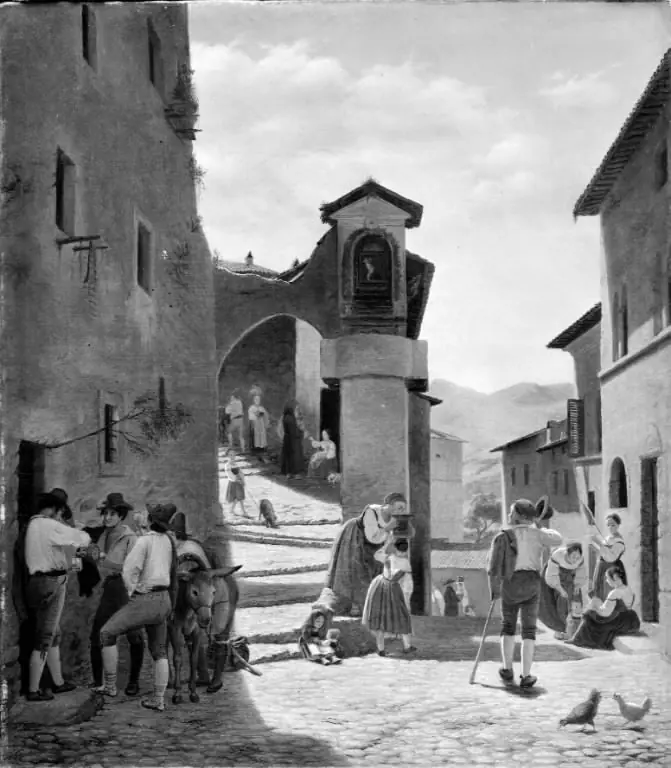 Street Scene in Subiaco, Italy
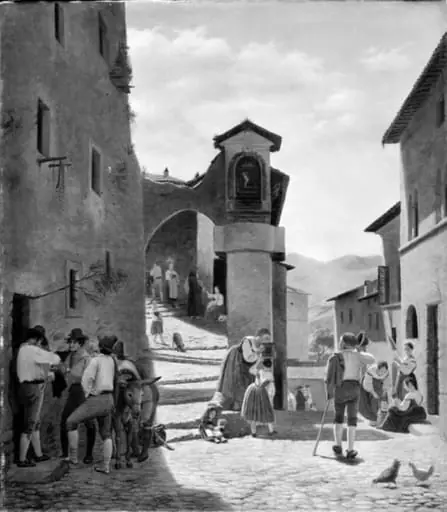 Street Scene in Subiaco, Italy
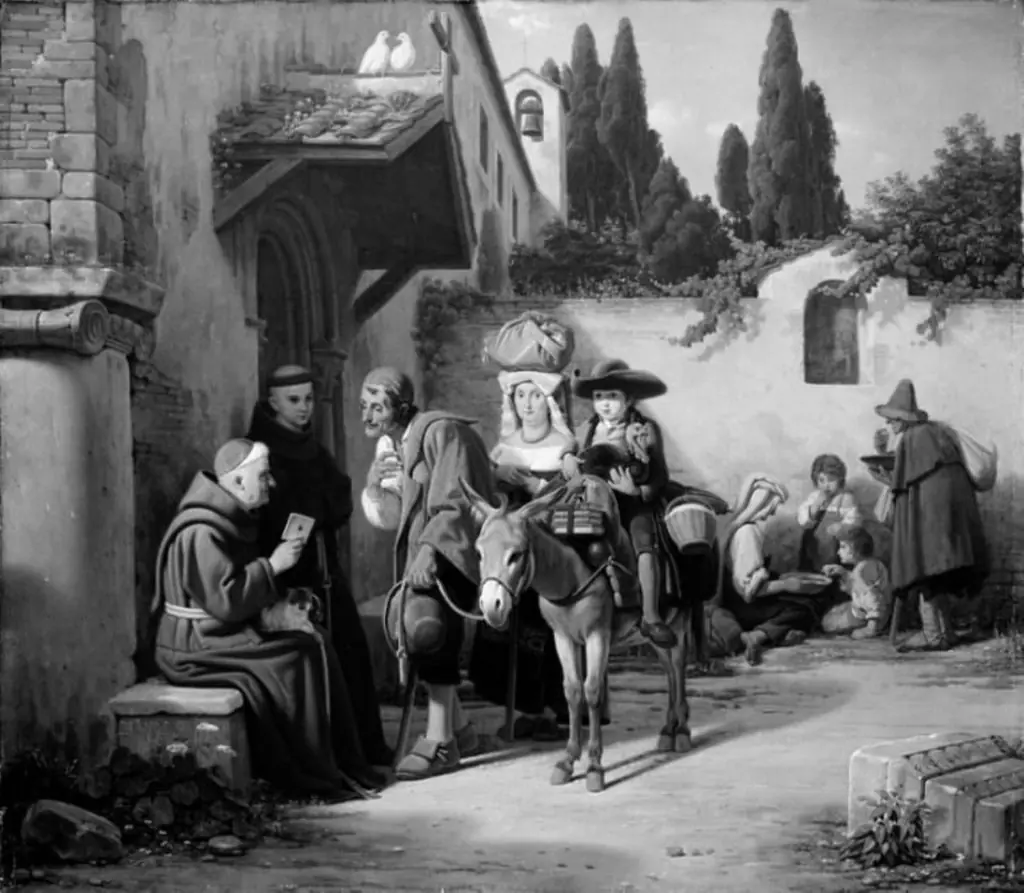 A Little Boy is Taken to the Monastery by His Parents
 A Little Boy is Taken to the Monastery by His Parents
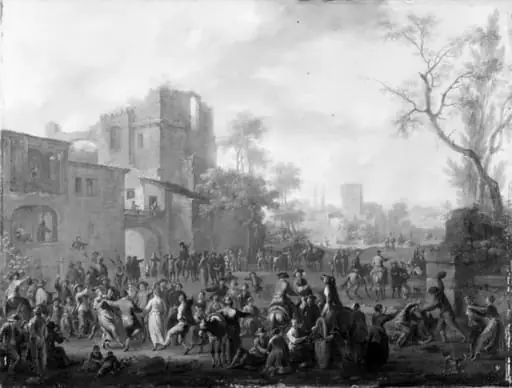 Market Scene
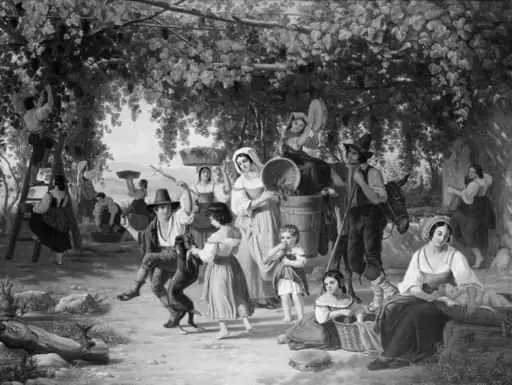 Vintage in Italy
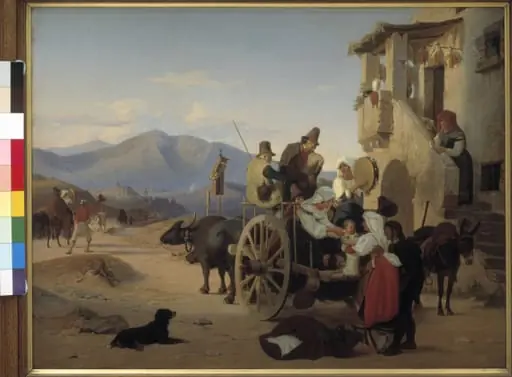 Roman Peasants Going to Market
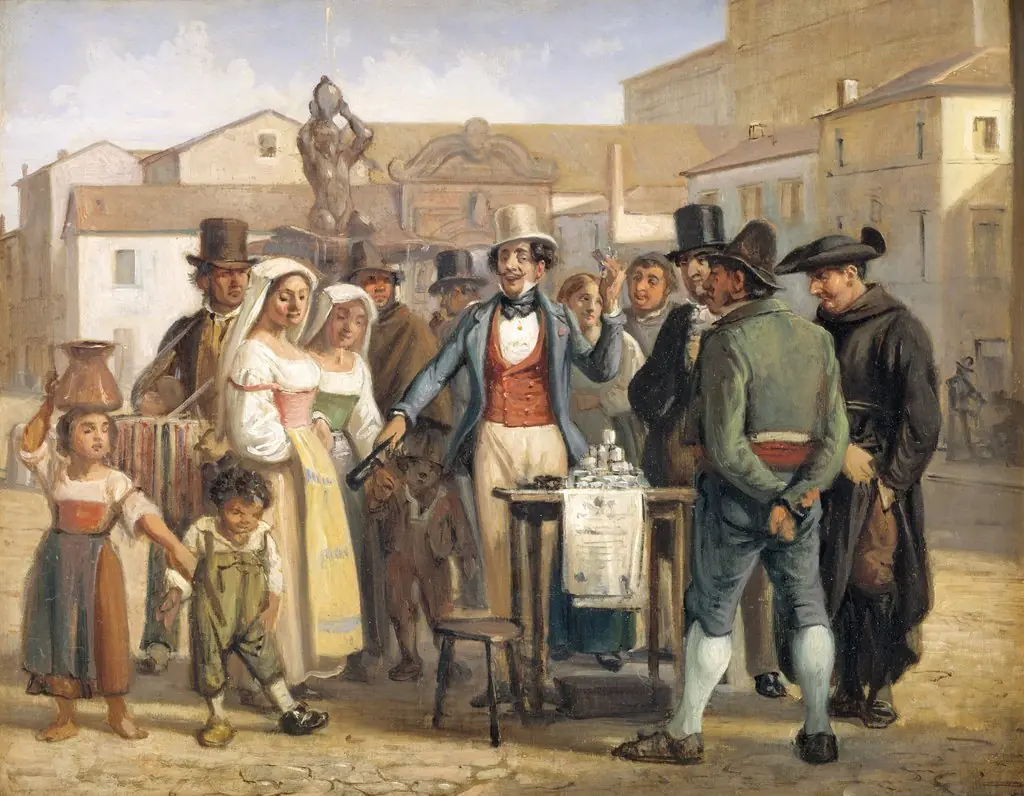 A Charlatan Selling Blacking in the Piazza Barberini in Rome
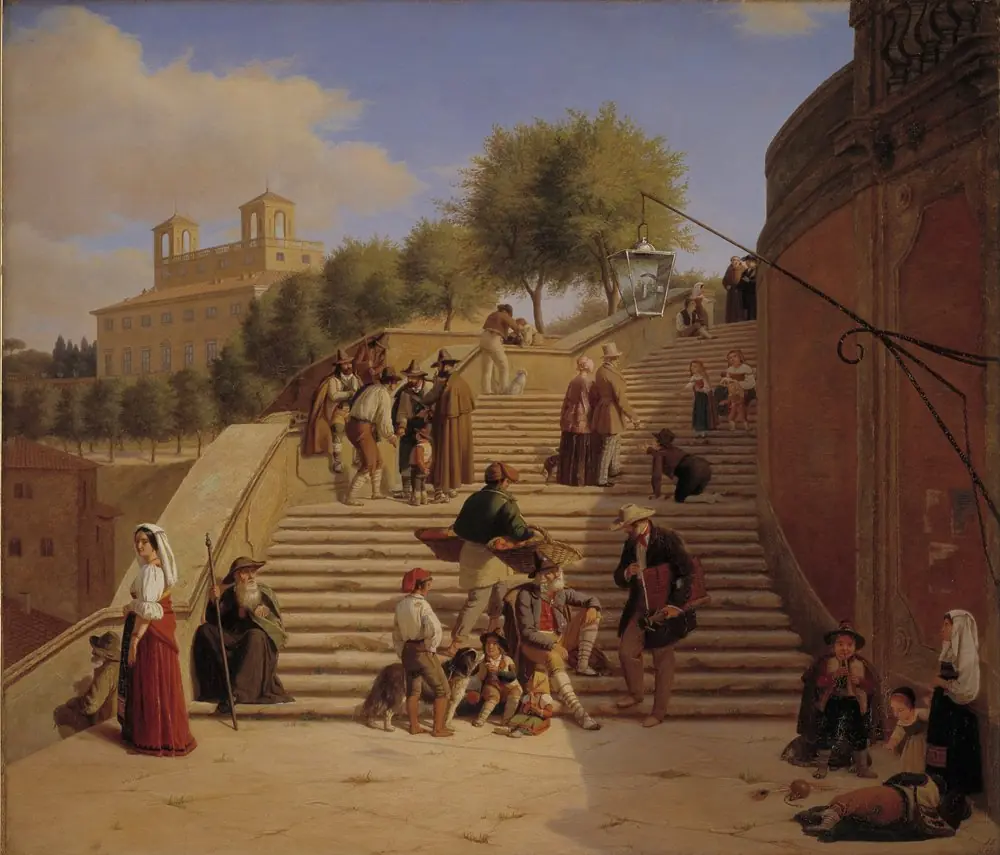 The Upper Flights of the Spanish Steps in Rome
 Market Scene
 A Relic Dealer in Olevano