Artwork
Girl with a Burning Torch
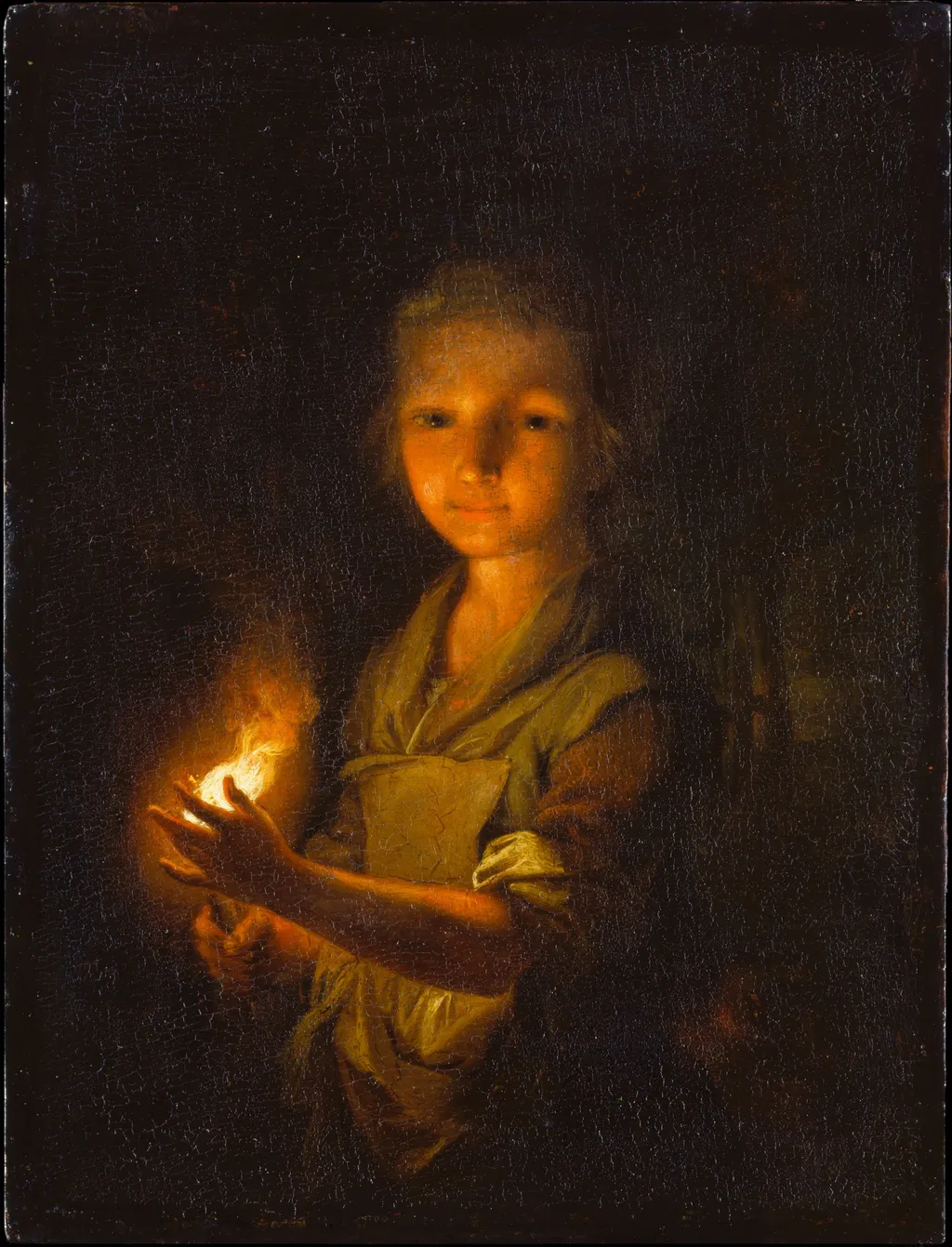
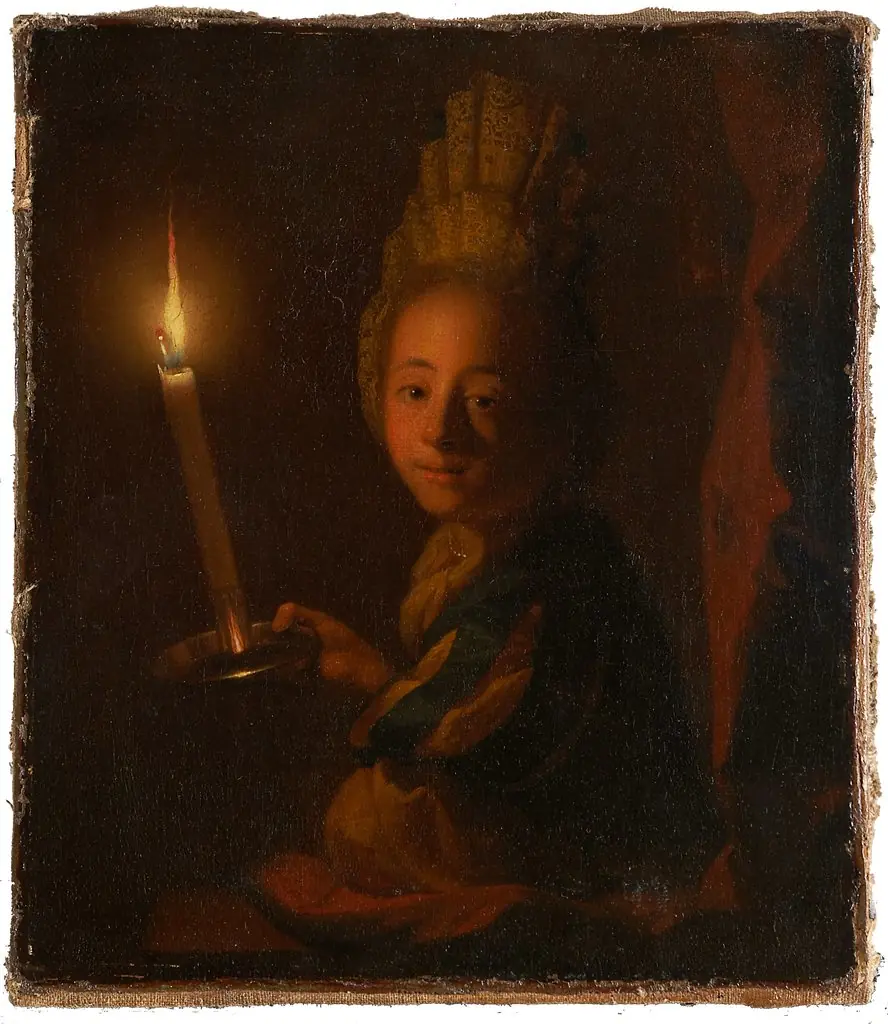
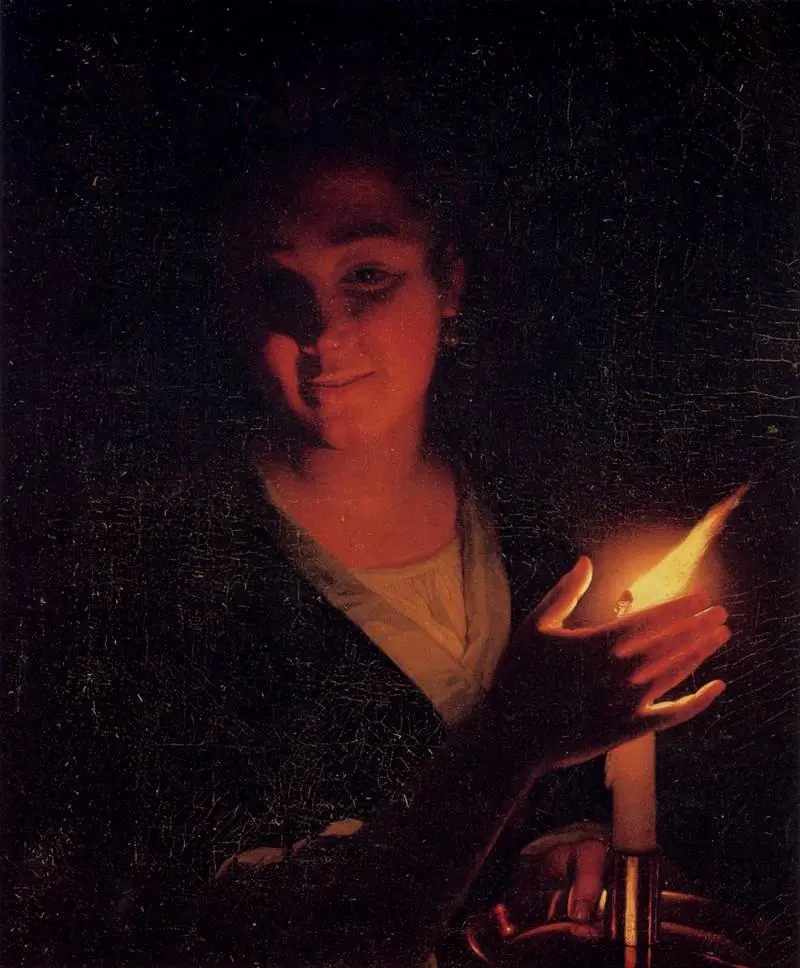
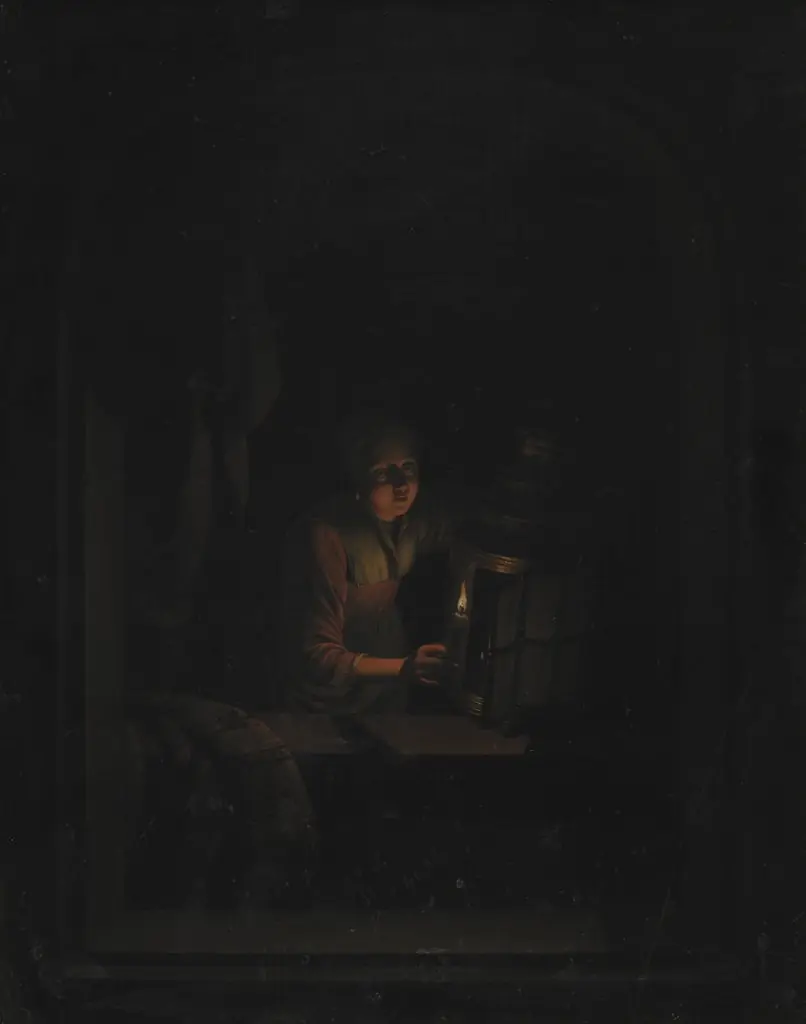
Girl with a Burning Torch is an oil painting by the Rococo painting artist Johann Conrad Seekatz. It dates from 1760 and is held in the collection of the Städel Museum.
About this work
Overview
The composition focuses on a solitary figure, framed by shadow, with the flame as the central source of illumination.
Painted in 1760 by Johann Conrad Seekatz, this oil-on-canvas work depicts a young woman holding a lit torch. The piece belongs to the genre of domestic or allegorical portraiture, common in 18th-century German art. It resides in the Städel Museum in Frankfurt, where it is noted for its quiet intensity and controlled lighting. The composition focuses on a solitary figure, framed by shadow, with the flame as the central source of illumination.
Subject & Meaning
The girl, dressed plainly, holds the torch with both hands, her expression calm yet focused. The torch may symbolize vigilance, knowledge, or spiritual insight, though no explicit narrative is given. Her stillness and the absence of context invite contemplation rather than storytelling. The lighting emphasizes her face, suggesting inner resolve or quiet duty, aligning with Enlightenment ideals of reason and self-possession.
Technique & Style
Seekatz employs chiaroscuro to heighten emotional resonance, contrasting the warm glow of the flame against a deep, near-black background. The light falls precisely on the girl’s features and the torch’s tip, modeling form with subtle gradations. Brushwork is restrained, avoiding theatricality; the effect is intimate, not dramatic. The technique draws attention to the interplay of light and flesh, enhancing the sense of quiet presence.
History & Provenance
The painting entered the Städel Museum’s collection in the 19th century, likely through the museum’s early acquisitions of German and Swiss works. Its attribution to Seekatz, a lesser-known artist from Swabia, reflects the museum’s interest in regional painters of the period. No significant exhibition history or documented ownership prior to the 1800s is recorded, suggesting it remained in private hands until institutional acquisition.
Context
Created during the late Baroque and early Neoclassical transition, the painting reflects a shift toward introspective subjects over grand narratives. While religious or mythological torch-bearers were common, Seekatz’s choice of an ordinary girl suggests a growing interest in everyday virtue. The work aligns with broader European trends favoring emotional restraint and psychological depth in genre scenes.
Legacy
Though not widely reproduced or studied, the painting exemplifies how minor German artists adapted light-driven techniques to convey quiet dignity. Its preservation in a major public collection ensures continued access for scholars of 18th-century regional painting. It stands as a modest but refined example of how light could be used to elevate the mundane into a moment of stillness and contemplation.
Own this work as a print
Artist & collection