Artwork
The Return of the Holy Family from Egypt
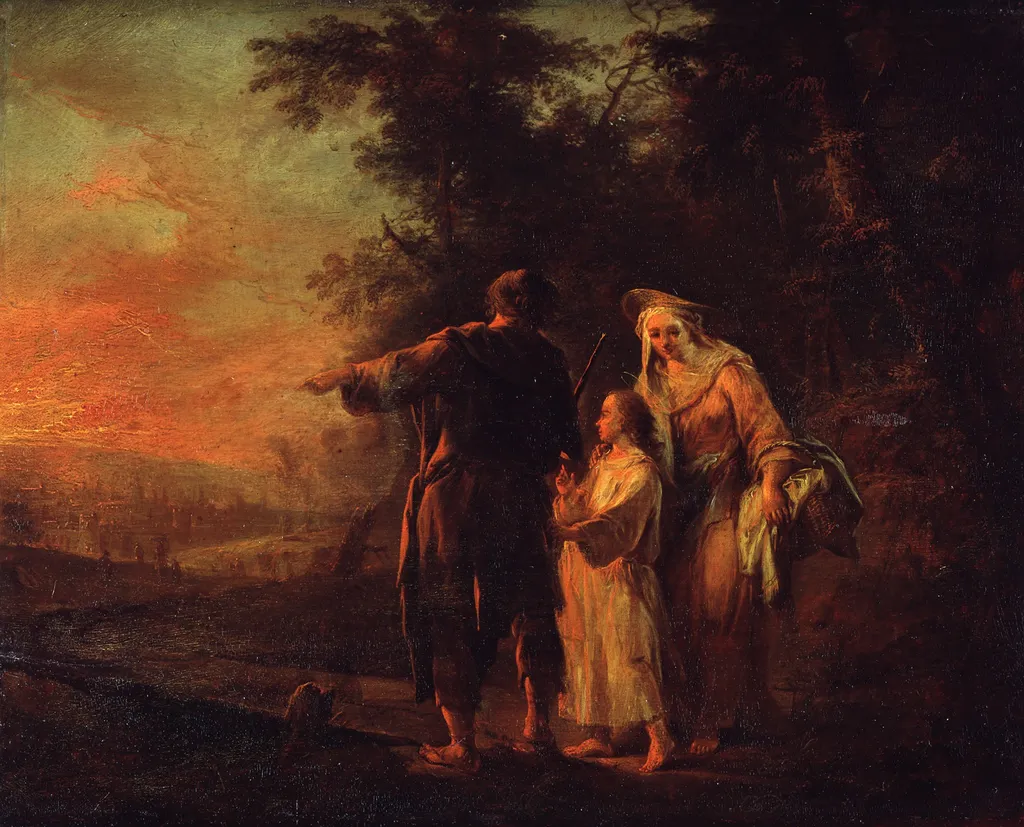
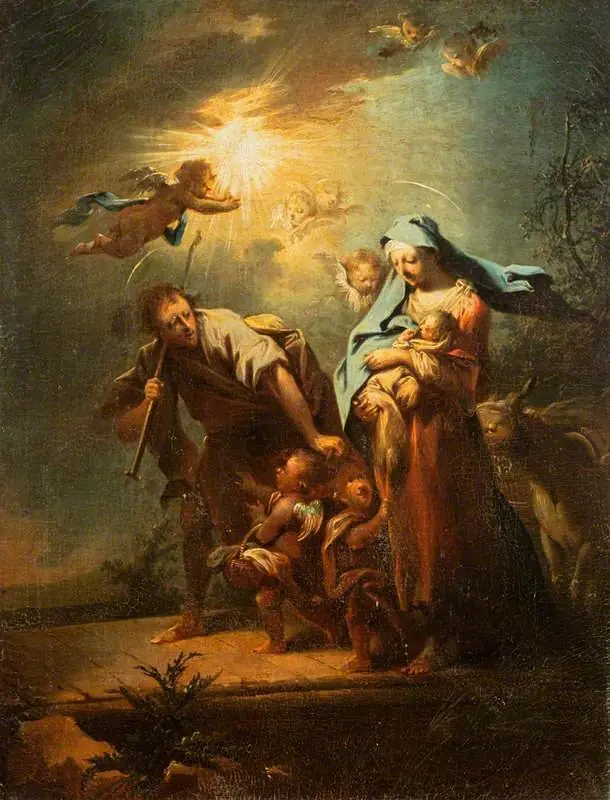
The Return of the Holy Family from Egypt is an unspecified painting by Johann Conrad Seekatz. It dates from 1753 and is held in the collection of the Gemäldegalerie Berlin.
About this work
Overview
Painted around 1753 by Johann Conrad Seekatz, this work depicts the Holy Family during their journey back from Egypt. Executed in oil on canvas, it is part of the collection at the Gemäldegalerie in Berlin. The scene captures a quiet, contemplative pause in their travels, rendered with soft lighting and restrained movement, characteristic of Seekatz’s late Baroque style.
Subject & Meaning
The painting illustrates the biblical narrative of the Holy Family’s return from exile, a moment of quiet resolution after flight. Joseph, gesturing forward, leads Mary and the infant Jesus through a landscape that suggests both rest and continued travel. The focus on their unity and calm demeanor underscores themes of divine guidance and familial devotion, without overt drama or symbolism.
Technique & Style
Seekatz employs a warm, golden palette to evoke the glow of sunset, bathing the figures in gentle light that enhances their stillness. Brushwork is refined but not overly detailed, favoring atmospheric harmony over sharp definition. The composition is balanced, with figures arranged in a loose triangle, guiding the viewer’s eye along their path through the landscape.
History & Provenance
Created in the mid-18th century, the painting entered the Gemäldegalerie Berlin’s collection in the 19th century. Its provenance prior to that is not well documented, though Seekatz’s known activity in southern Germany and his ecclesiastical commissions suggest it may have been intended for private devotion or a religious institution.
Context
Seekatz worked during a period when religious subjects remained central to German art, even as Rococo elegance gained favor. This painting reflects a quieter, more introspective approach to sacred themes, aligning with devotional trends that emphasized personal piety over grand spectacle. Its landscape setting echoes contemporary interest in naturalistic backdrops for biblical scenes.
Legacy
Though not widely reproduced or studied today, the painting exemplifies Seekatz’s skill in blending narrative restraint with lyrical atmosphere. It contributes to the understanding of 18th-century German religious painting beyond major centers like Dresden or Munich, revealing regional tastes for subdued, contemplative imagery.
Own this work as a print
Artist & collection

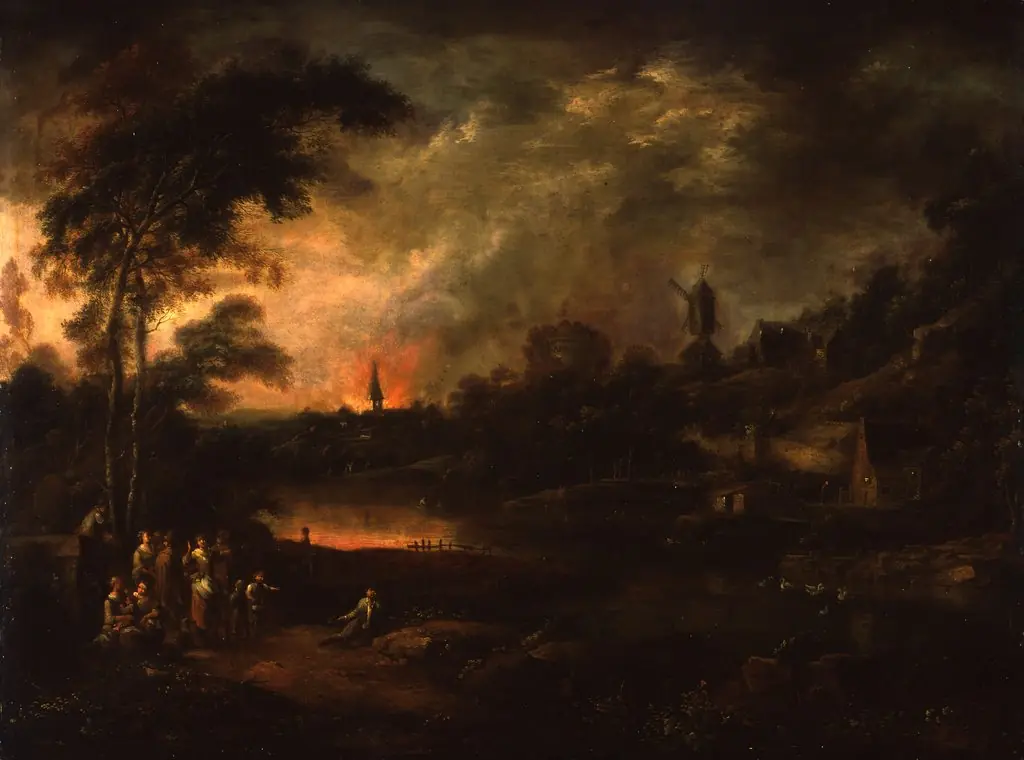 Nocturnal Fire in a Village
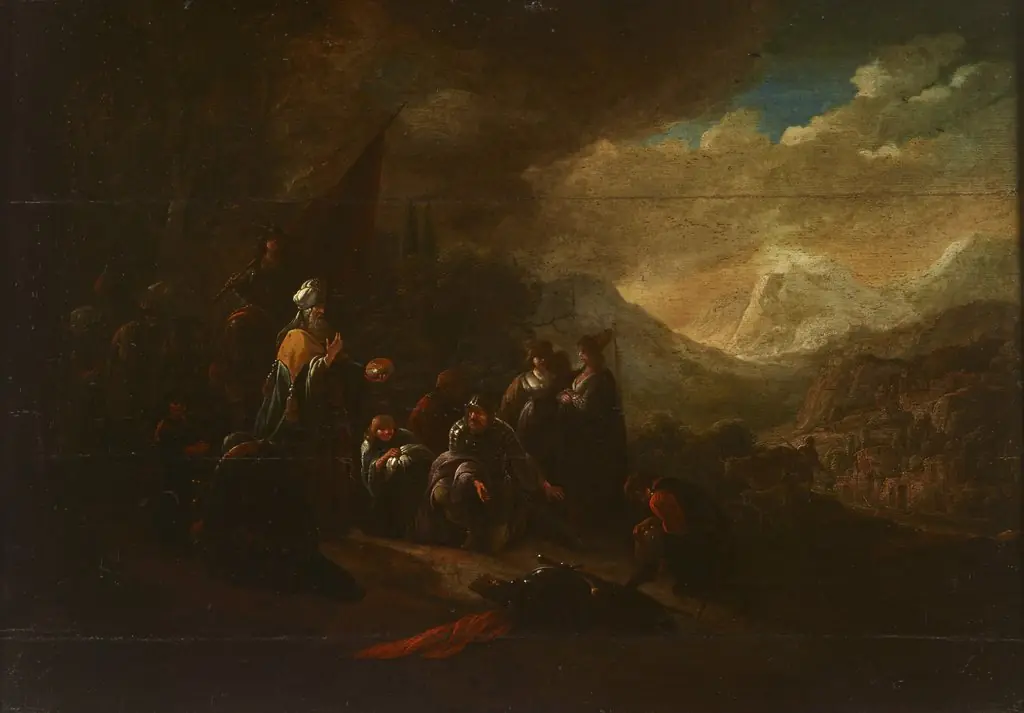 Melchizedek and Abraham
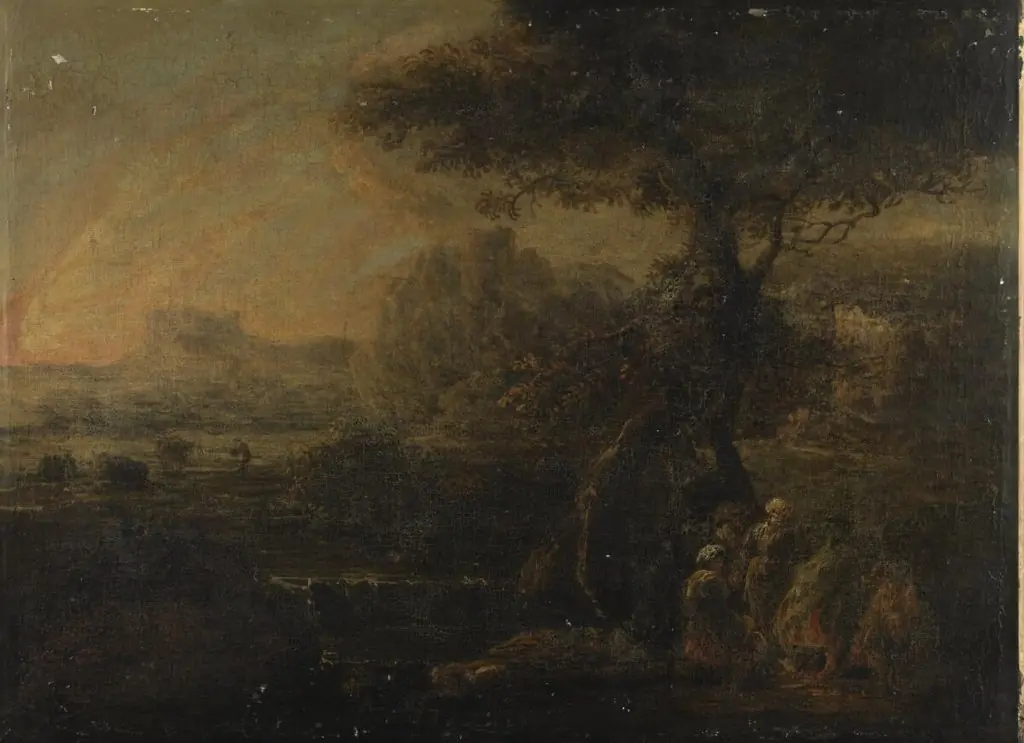 Romantic landscape with travellers around a camp fire
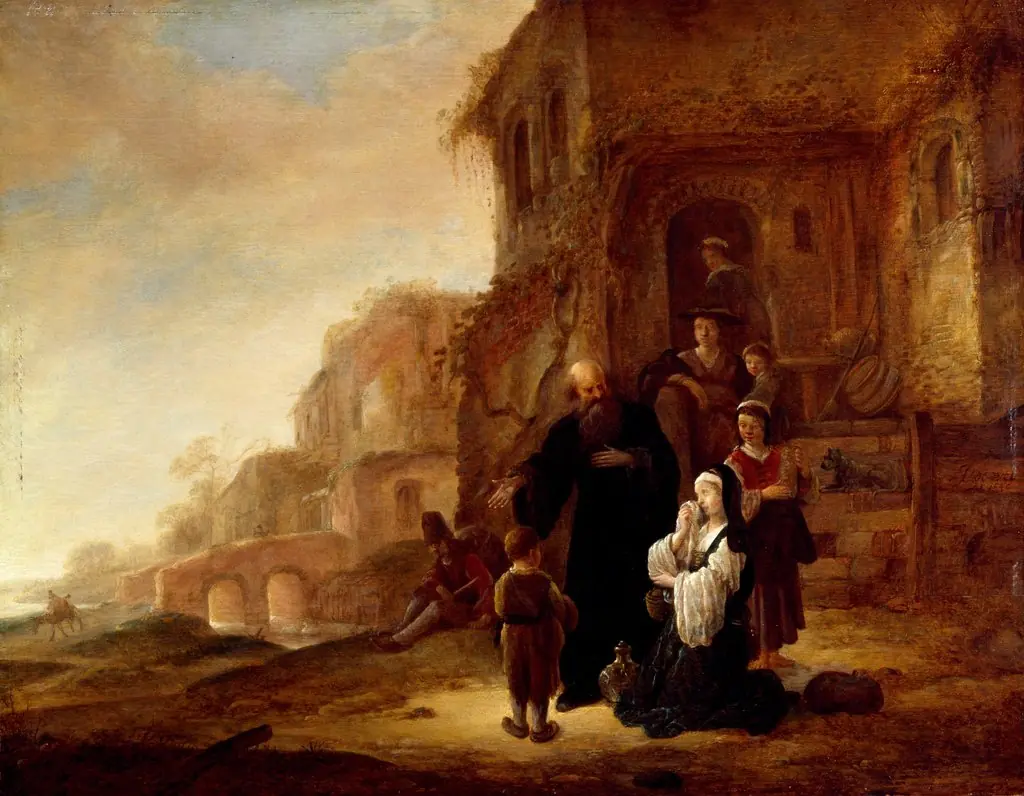 The Expulsion of Hagar
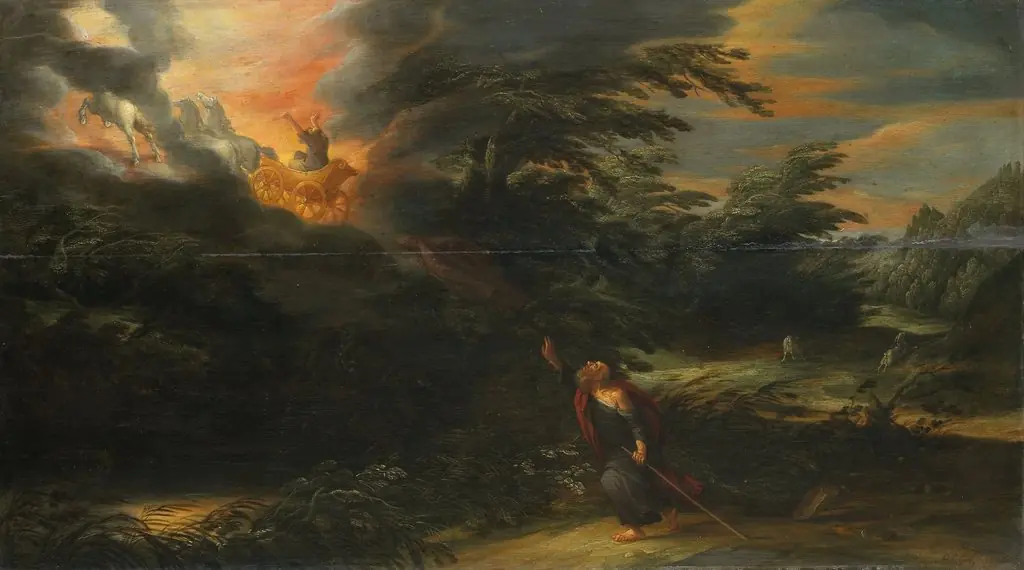 The ascension of Elijah
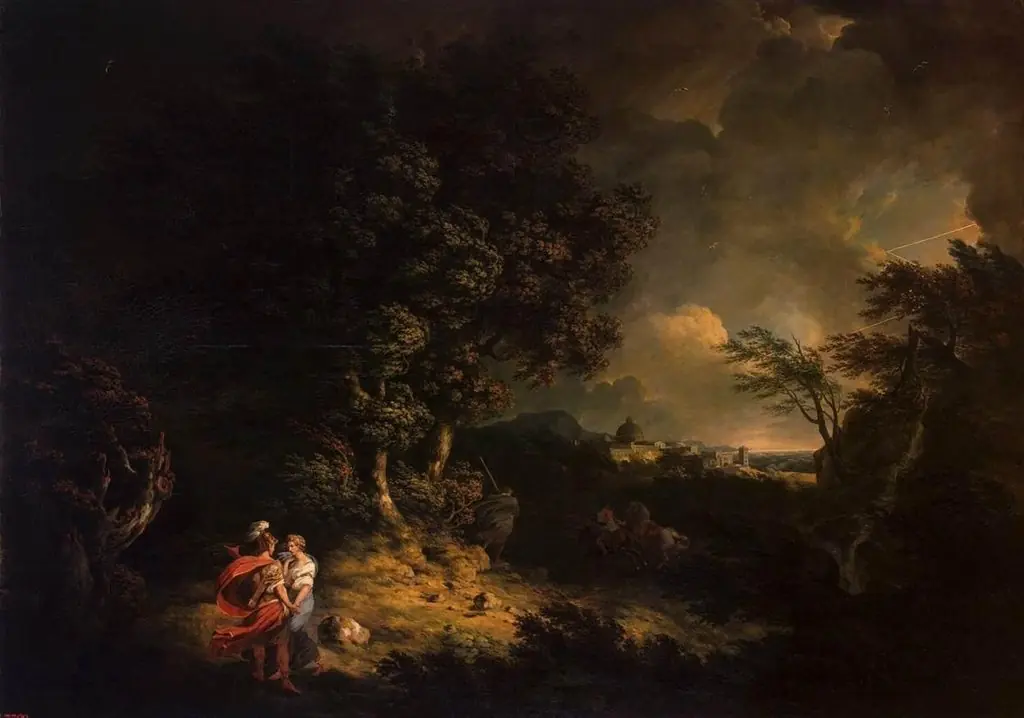 Landscape with Dido and Aeneas (Storm)
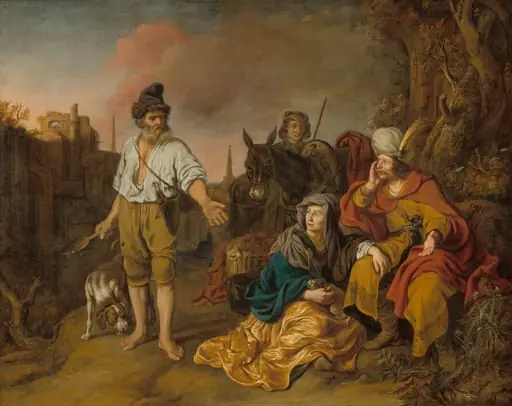 The Levite at Gibeah
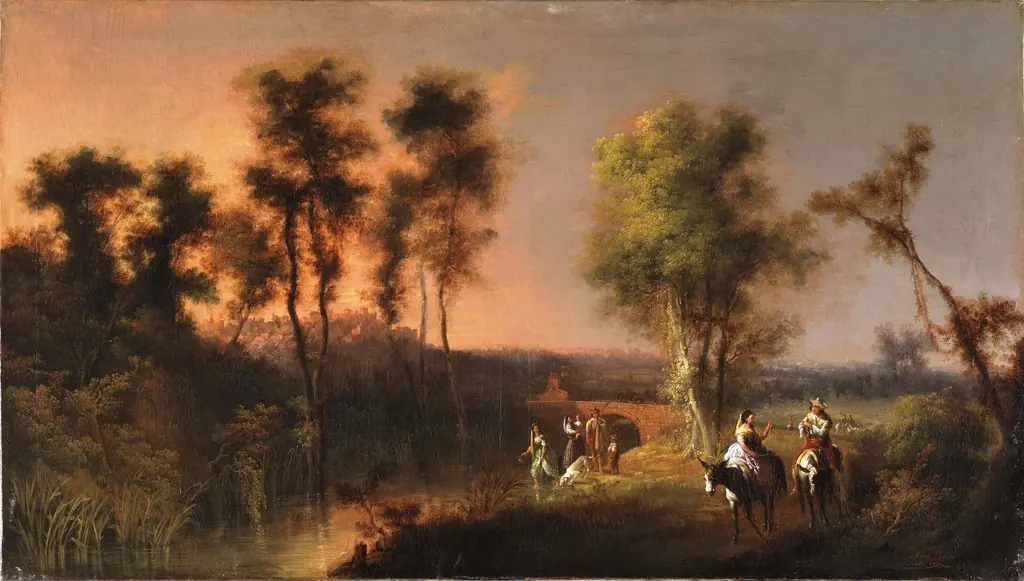 Paisaje fluvial con figuras
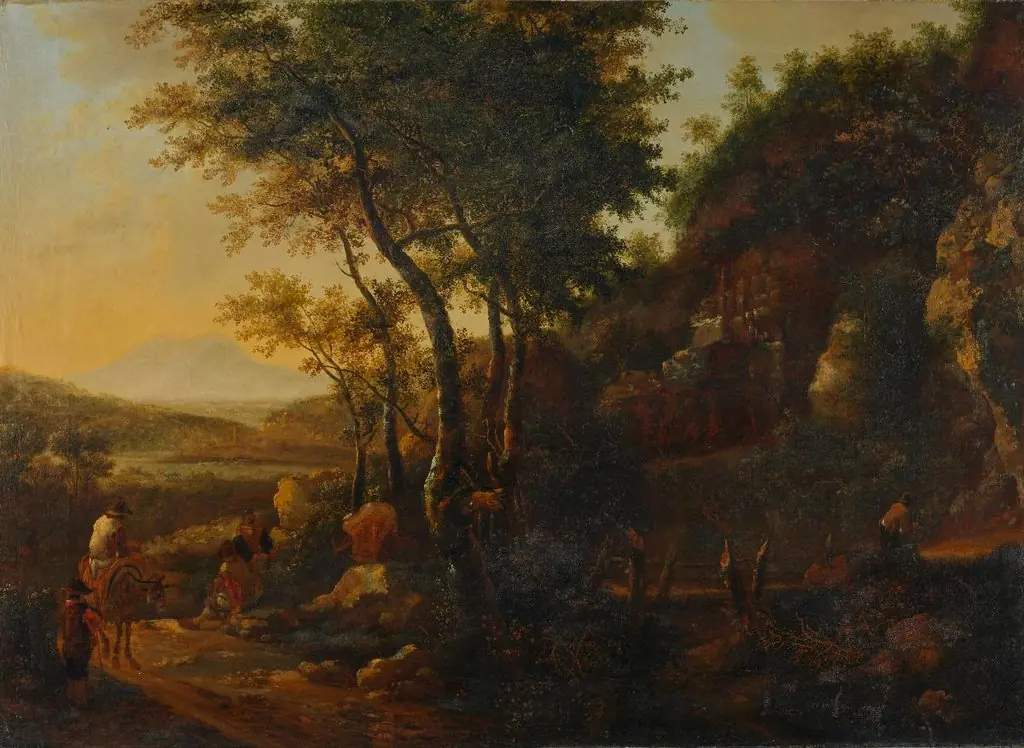 Komponierte Landschaft mit Bauern und Esel
 The Herdsman
 Landscape with the Flight into Egypt
 Meleager and Atalanta