Artwork
Selbstbildnis
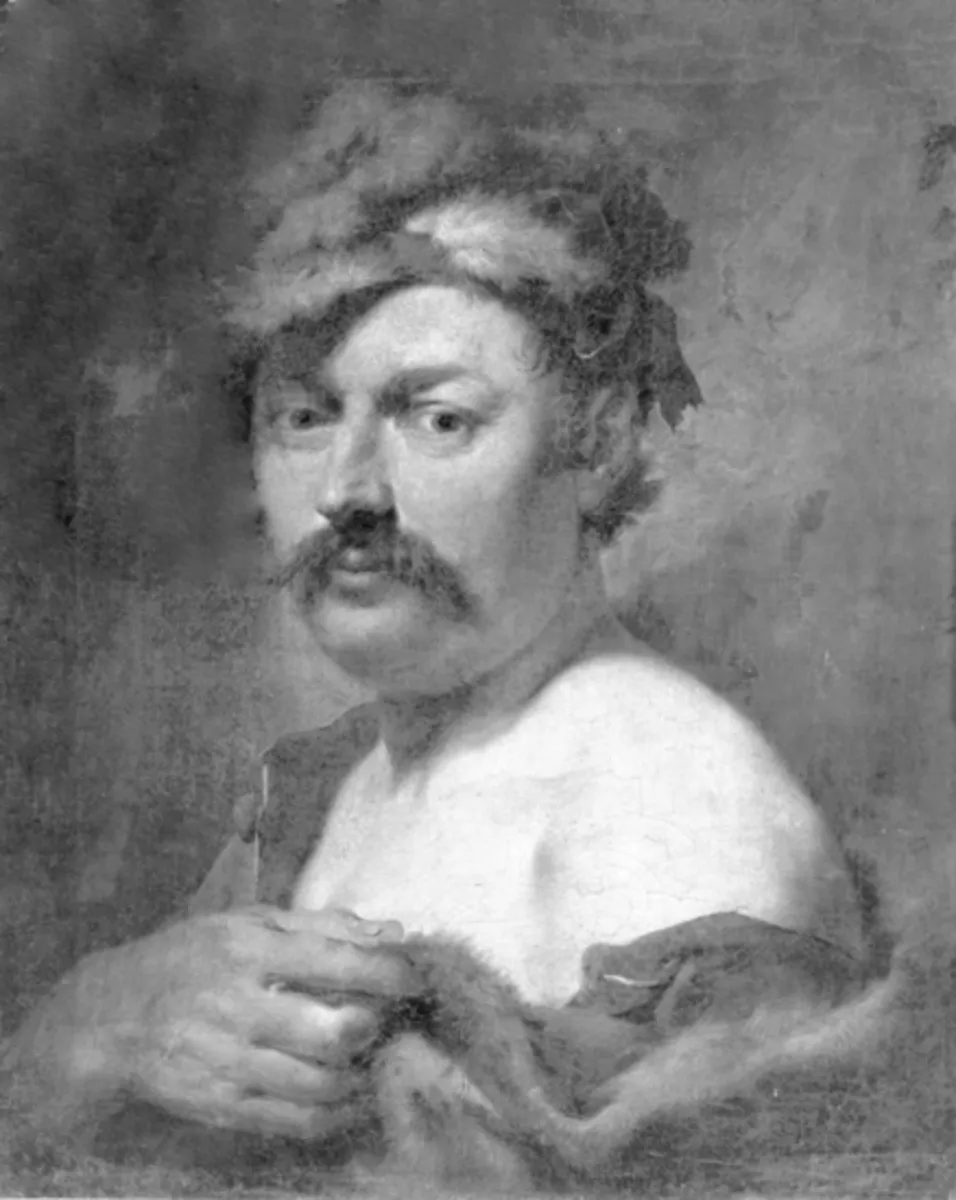
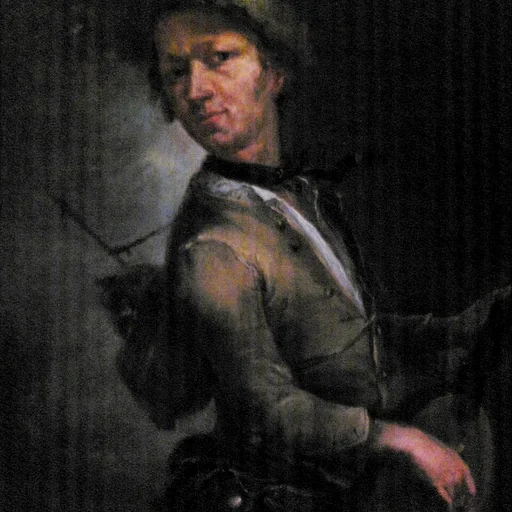
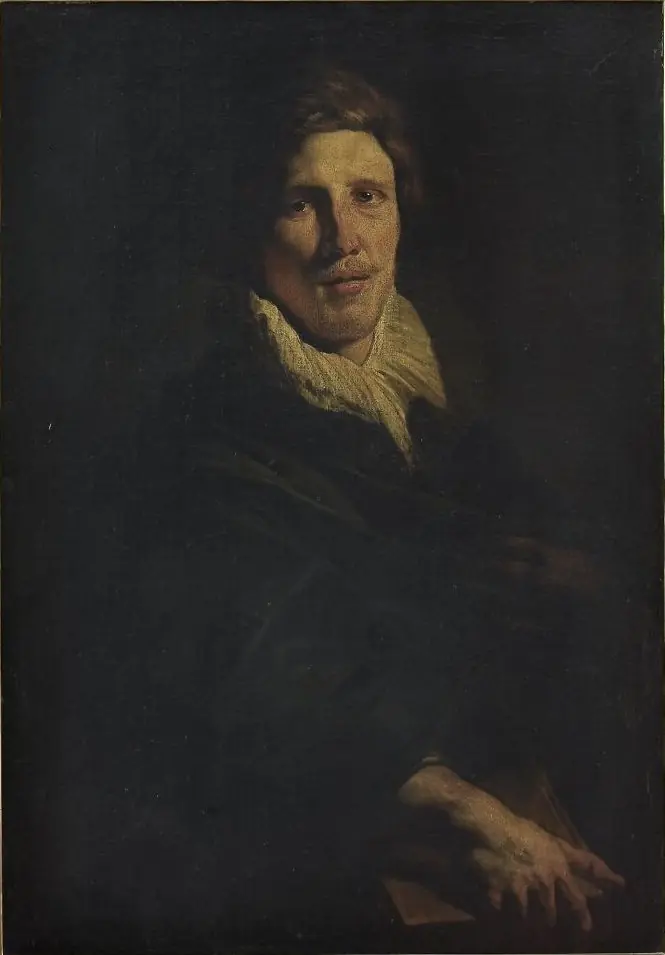
Selbstbildnis is an oil painting by the Rococo painting artist Johann Conrad Seekatz. It dates from 1758 and is held in the collection of the Kunsthaus Zürich.
About this work
Overview
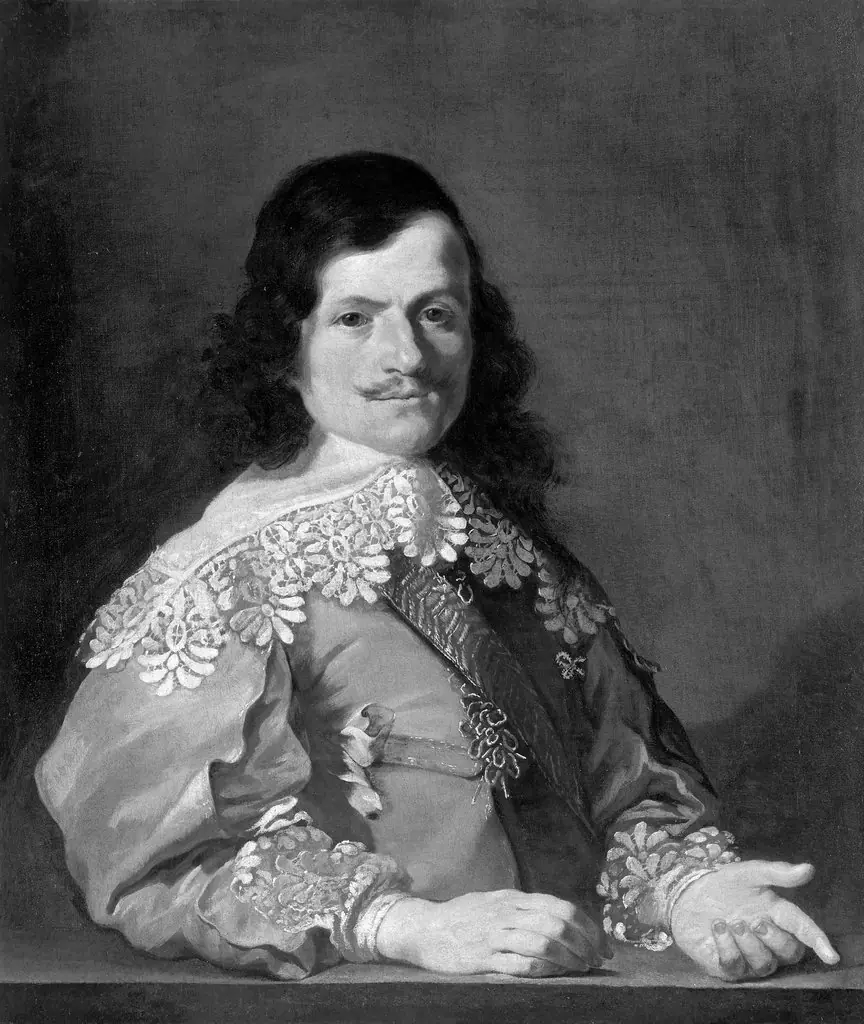
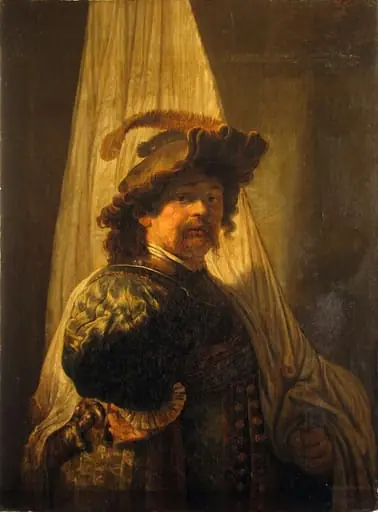
Painted in 1758 by Johann Conrad Seekatz, this oil portrait depicts a man in mid-life, rendered in a restrained, intimate format.
Painted in 1758 by Johann Conrad Seekatz, this oil portrait depicts a man in mid-life, rendered in a restrained, intimate format. The work is part of the collection at Kunsthaus Zürich and exemplifies 18th-century German-speaking portraiture. The subject is shown from the chest upward against a shadowed backdrop, emphasizing presence over narrative. The composition avoids ornamentation, focusing instead on texture and subtle light.
Subject & Meaning
The sitter, identified only by his attire and demeanor, appears as a man of modest means or civic standing. His fur-lined hat and draped cloak suggest practical warmth rather than aristocratic display. The direct gaze and neutral expression convey quiet self-possession, not vanity. The absence of symbols or settings implies an emphasis on character over status, aligning with emerging ideals of individual dignity in Enlightenment-era portraiture.
Technique & Style
Seekatz employs chiaroscuro to model the sitter’s face and hands, giving form through gradations of light and shadow. The fur textures are rendered with fine, deliberate brushwork—each strand of the hat and cloak distinguished yet unified by tone. The dark, undefined background isolates the figure, heightening tactile realism. The palette is muted, dominated by browns and grays, reinforcing the portrait’s somber, introspective mood.
History & Provenance
The painting entered the Kunsthaus Zürich’s collection in the 19th century, likely through regional acquisitions of German-speaking artists. Its early history before that is undocumented. No records indicate commission or ownership prior to institutional custody. Its survival suggests it was valued locally, perhaps by descendants or patrons familiar with Seekatz’s work in southwestern Germany or Switzerland.
Context
Created during the mid-18th century, this portrait reflects a shift away from grand Baroque displays toward quieter, more personal representations. Seekatz, active in Swabia and Switzerland, worked within regional traditions that favored realism over idealization. Similar portraits by lesser-known artists of the period reveal a growing interest in depicting ordinary individuals with psychological nuance, not just the elite.
Legacy
Though Seekatz is not widely known today, this portrait remains a representative example of provincial German-Swiss portraiture. It contributes to the understanding of how non-court artists captured individuality without theatricality. Its preservation in a major Swiss institution underscores its role as a quiet testament to the dignity of everyday presence in 18th-century visual culture.
Artist & collection