Artwork
Willem Crul
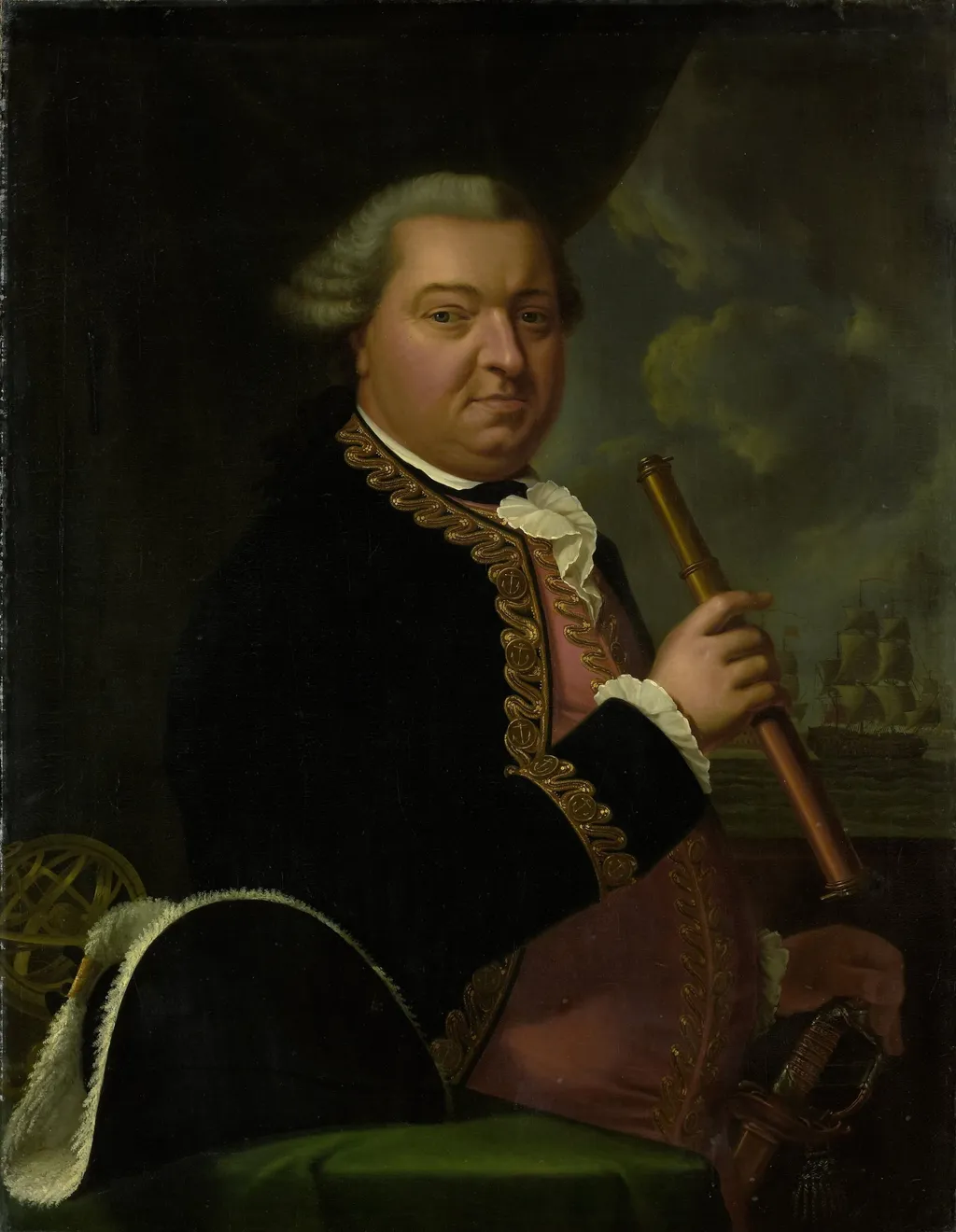
Willem Crul is an oil painting by Johann Ernst Heinsius. It dates from 1793 and is held in the collection of the Rijksmuseum.
About this work
Overview
Johann Ernst Heinsius, a German painter active in the late 18th century, executed an oil portrait of Willem Crul in 1793. The work is part of the Rijksmuseum’s collection and exemplifies the formal portrait genre of its period, presenting the sitter in a richly detailed uniform against a subdued backdrop.
Subject & Meaning
The canvas depicts Willem Crul dressed in a navy‑blue military coat trimmed with gold braid, his white powdered wig framing a composed face. He holds a brass telescope, a symbol of navigation and authority, while a white flower pinned to his lapel and the braided cuffs signal his rank and social standing.
Technique & Style
Heinsius employs a strong chiaroscuro, allowing the illuminated figure to emerge from a dark, misty sea scene that recedes into the background. The careful rendering of textures—the sheen of the coat, the metallic glint of the telescope, and the soft folds of the wig—demonstrates the artist’s skill in oil handling and attention to material detail.
History & Provenance
Created in 1793, the portrait entered the Rijksmuseum’s holdings as part of its Dutch portrait collection, though the precise acquisition path is not recorded in the available documentation. Its presence in the museum reflects the institution’s commitment to preserving works that illustrate the visual culture of the Dutch Republic’s military elite.
Context
The late 18th century saw a surge in portraiture that emphasized individual status within a broader national narrative. By situating Crul against a fog‑laden seascape, Heinsius links personal authority to the maritime power that underpinned the Dutch economy, aligning the sitter’s identity with the nation’s naval heritage.
Own this work as a print
Artist & collection
Artist
Johann Julius Heinsius (7 February 1740, Hildburghausen - 19 May 1812, Orléans) was a German oil painter and miniaturist.

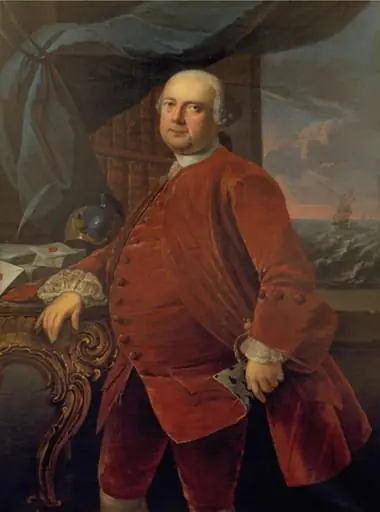 Postmester Frederik Carl Harboe (?)
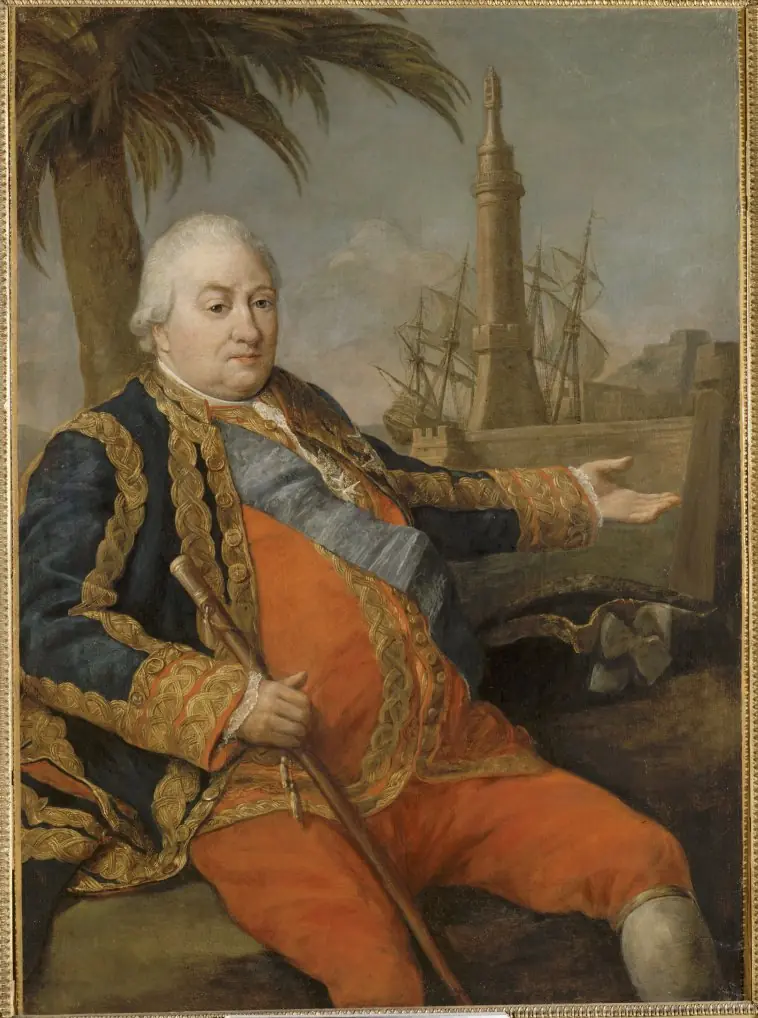 Portrait of Pierre André de Suffren de Saint Tropez (1729 – 8 December 1788)
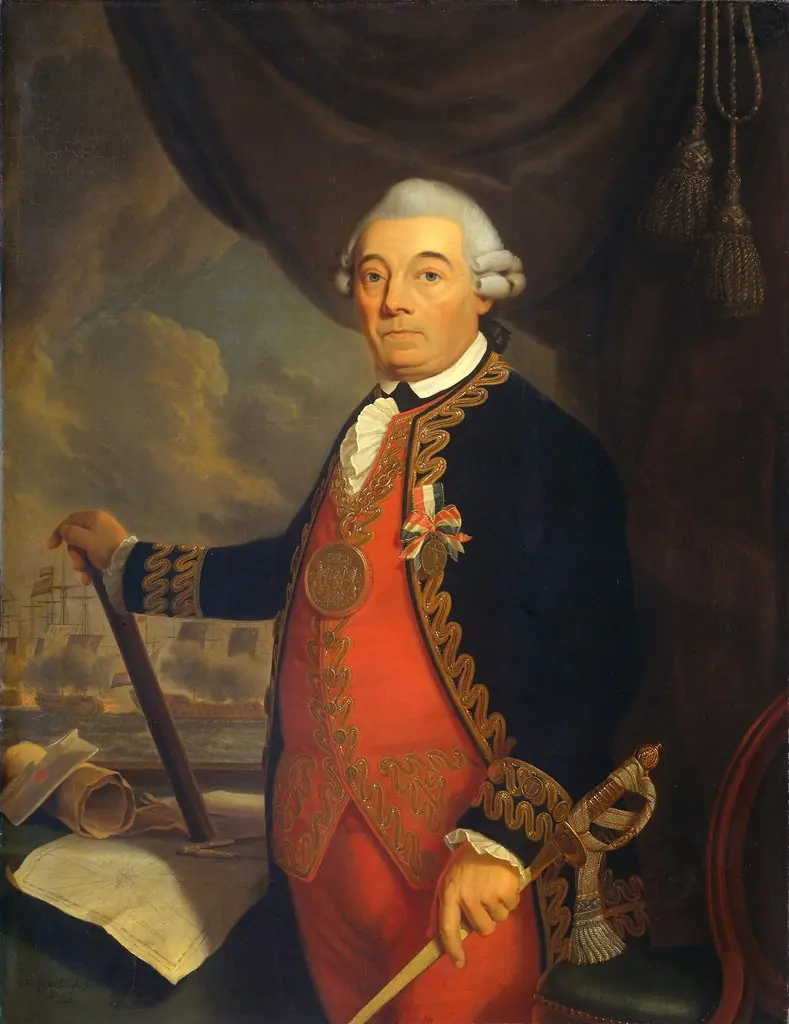 Portrait of Johan Arnold Zoutman
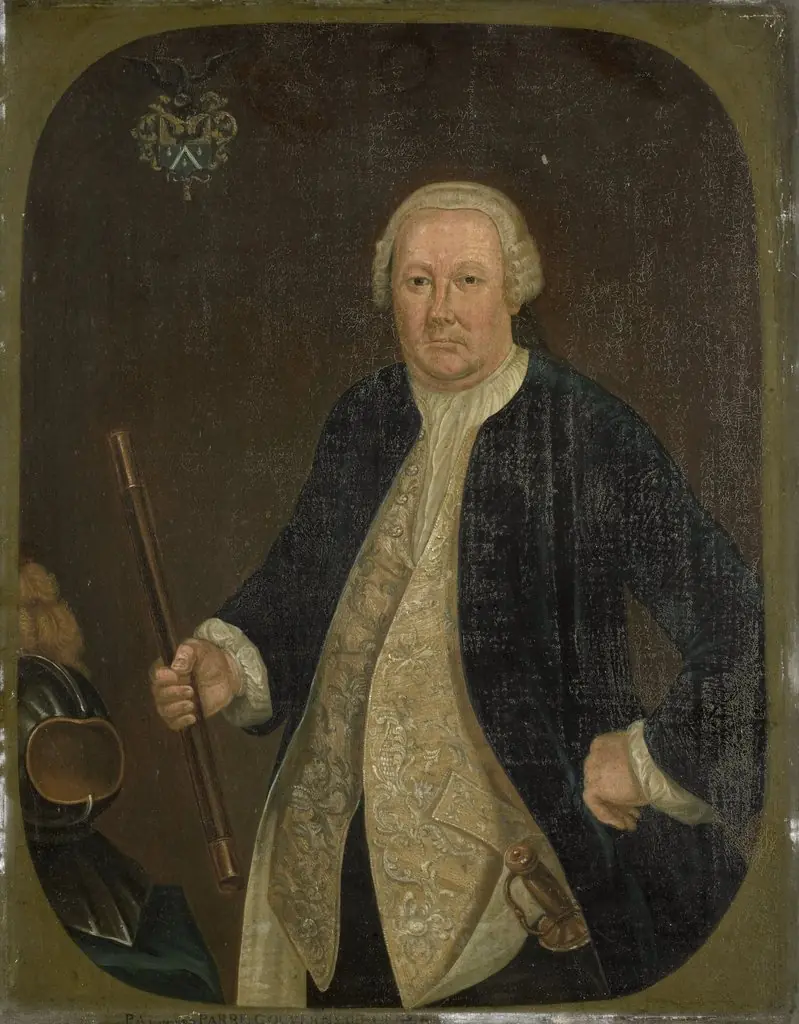 Portrait of Petrus Albertus van der Parra (1714-1775)
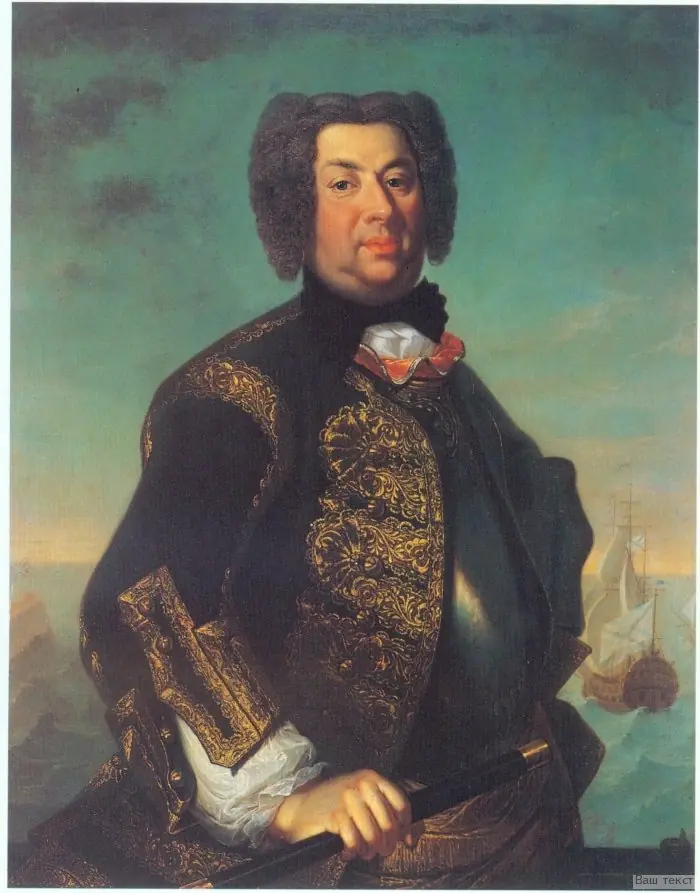 Porträt des Vasily Dmitriev-Mamonov
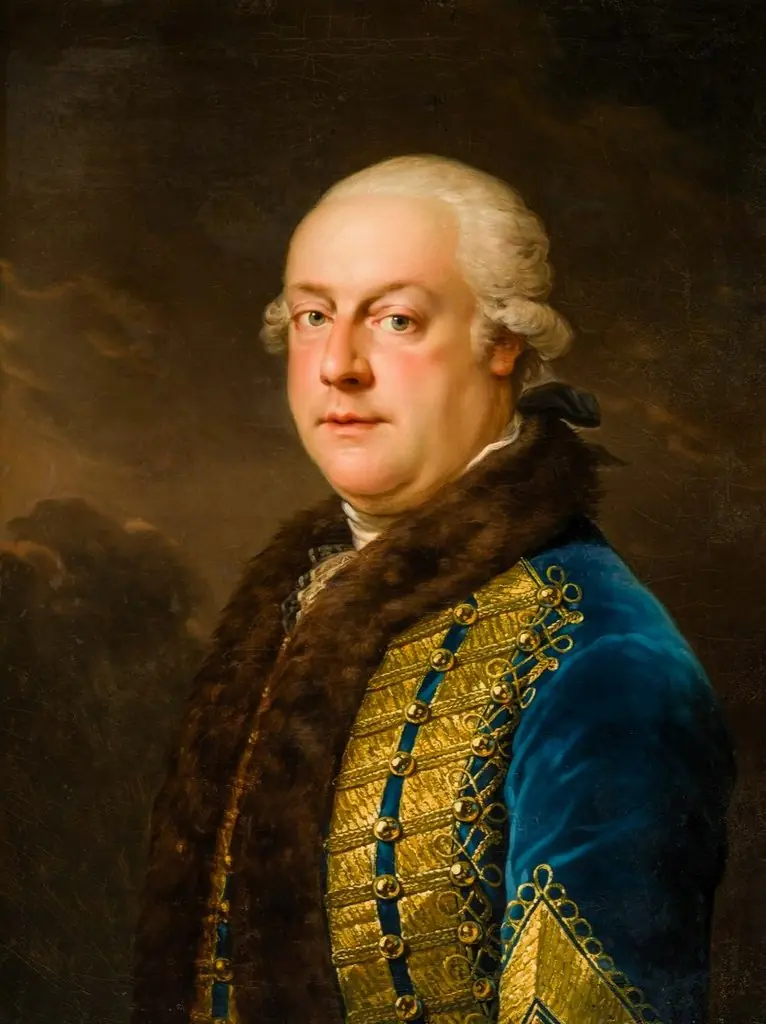 Portrait of Count Miklós Esterházy
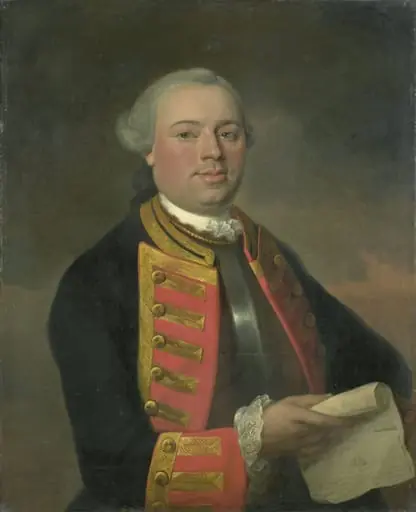 Johan Arnold Zoutman (1724-93), Vice Admiral
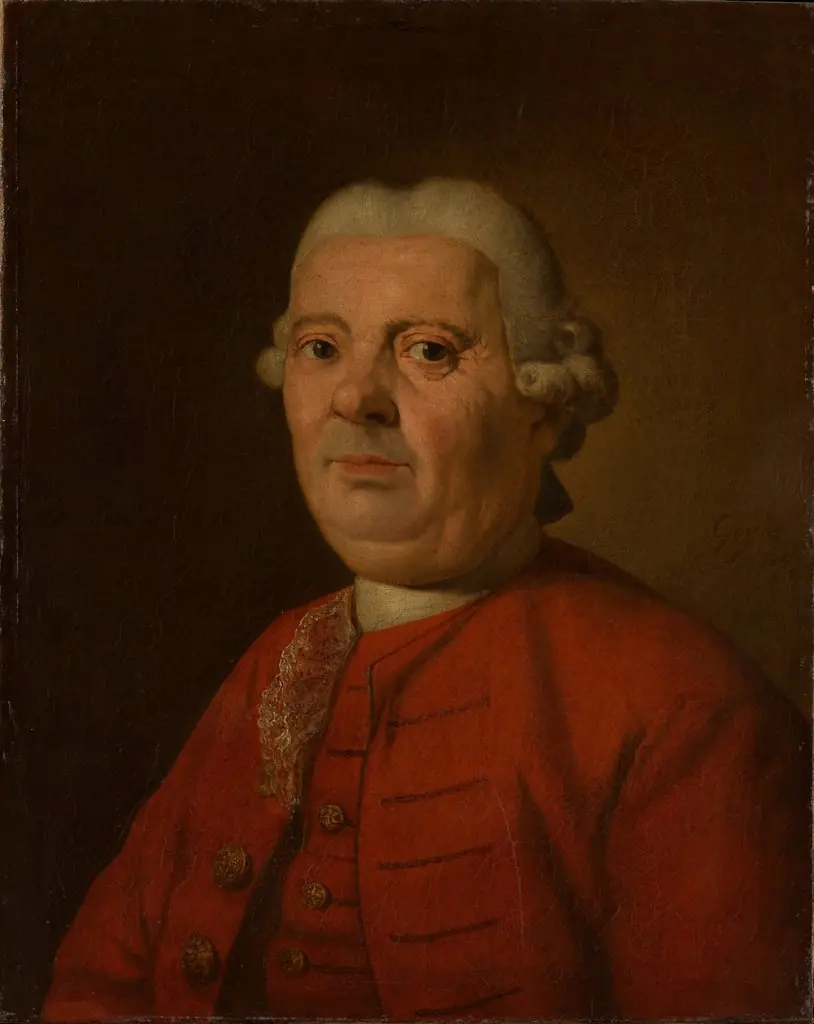 Portrait of a Man
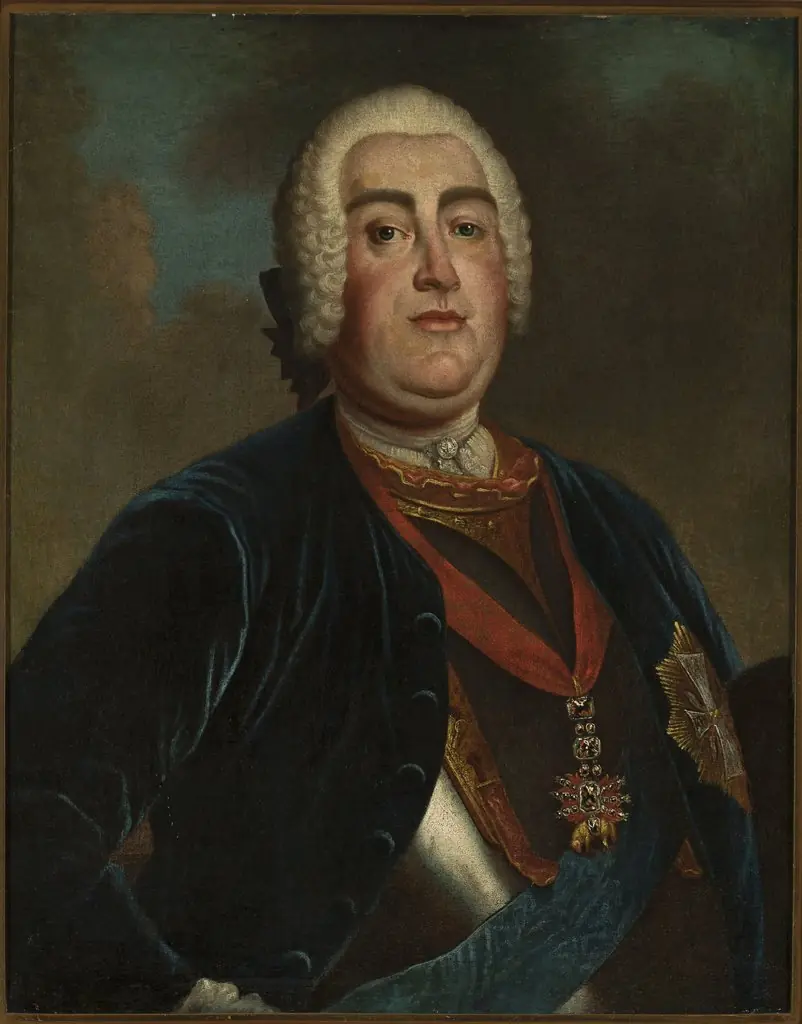 Portrait of Augustus III
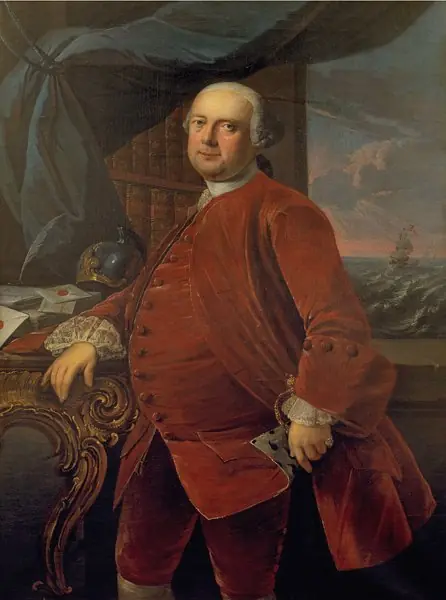 Postmester Frederik Carl Harboe (?)
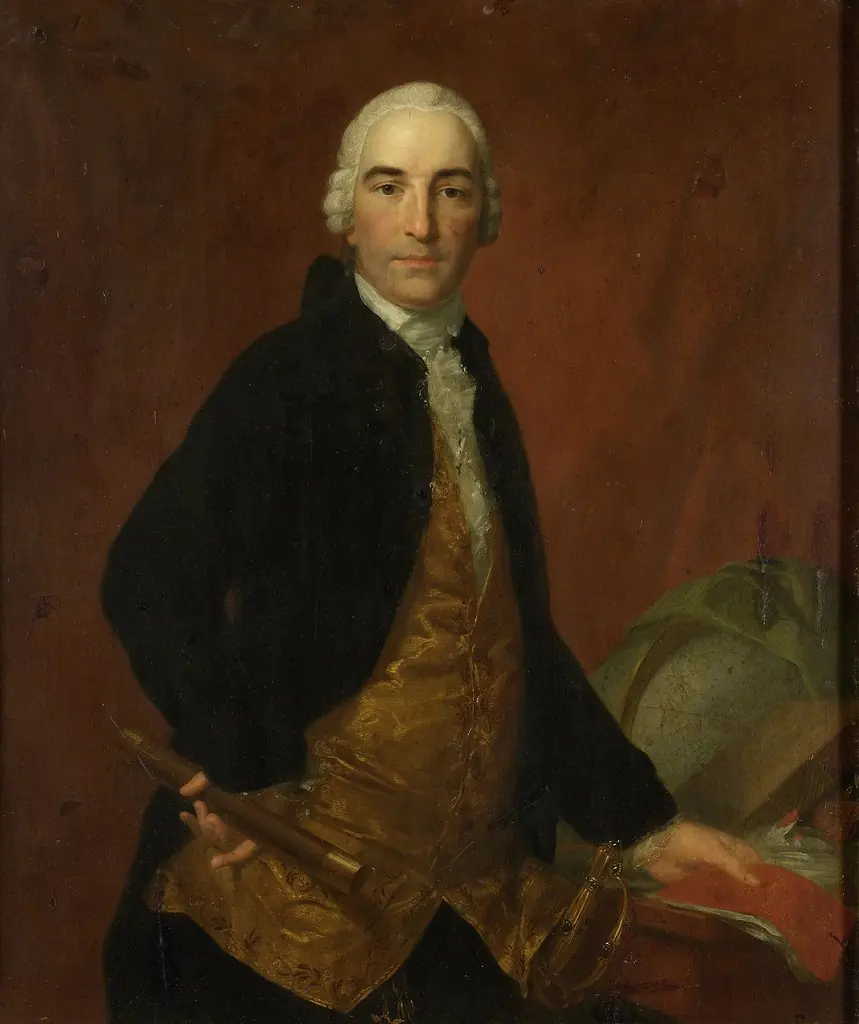 Portrait of Willem Arnold Alting, Governor-General of the Dutch East India Company
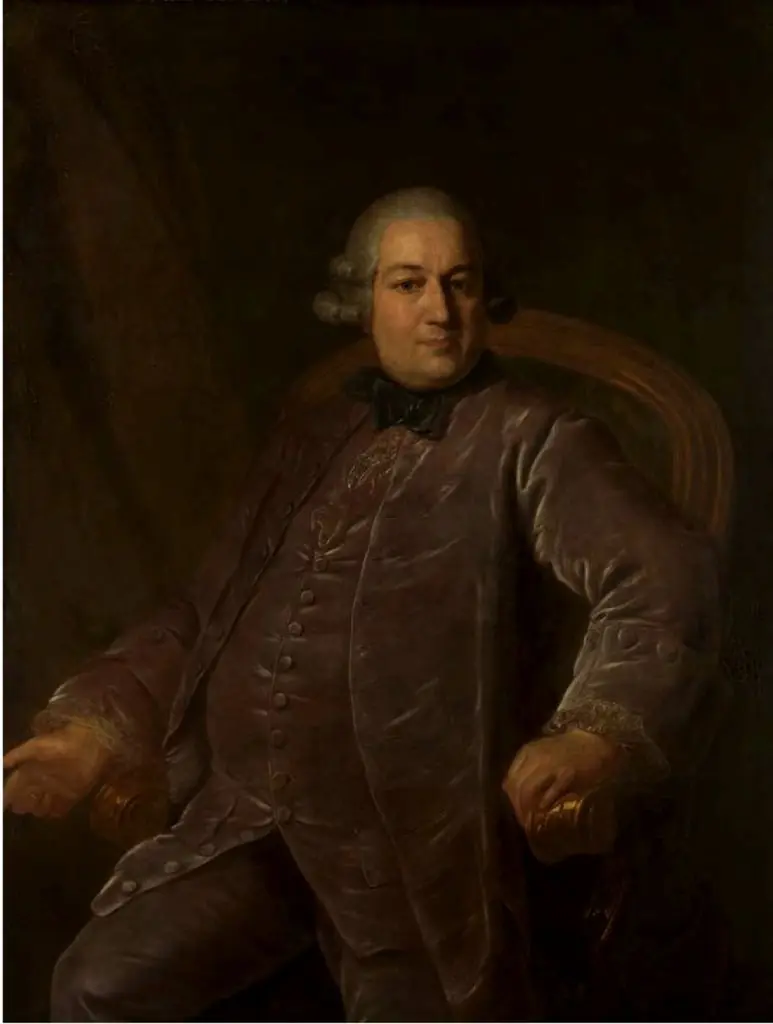 Portrait of P.I. Vyrubov