Artwork
Portrait de Marie-Adélaïde de France
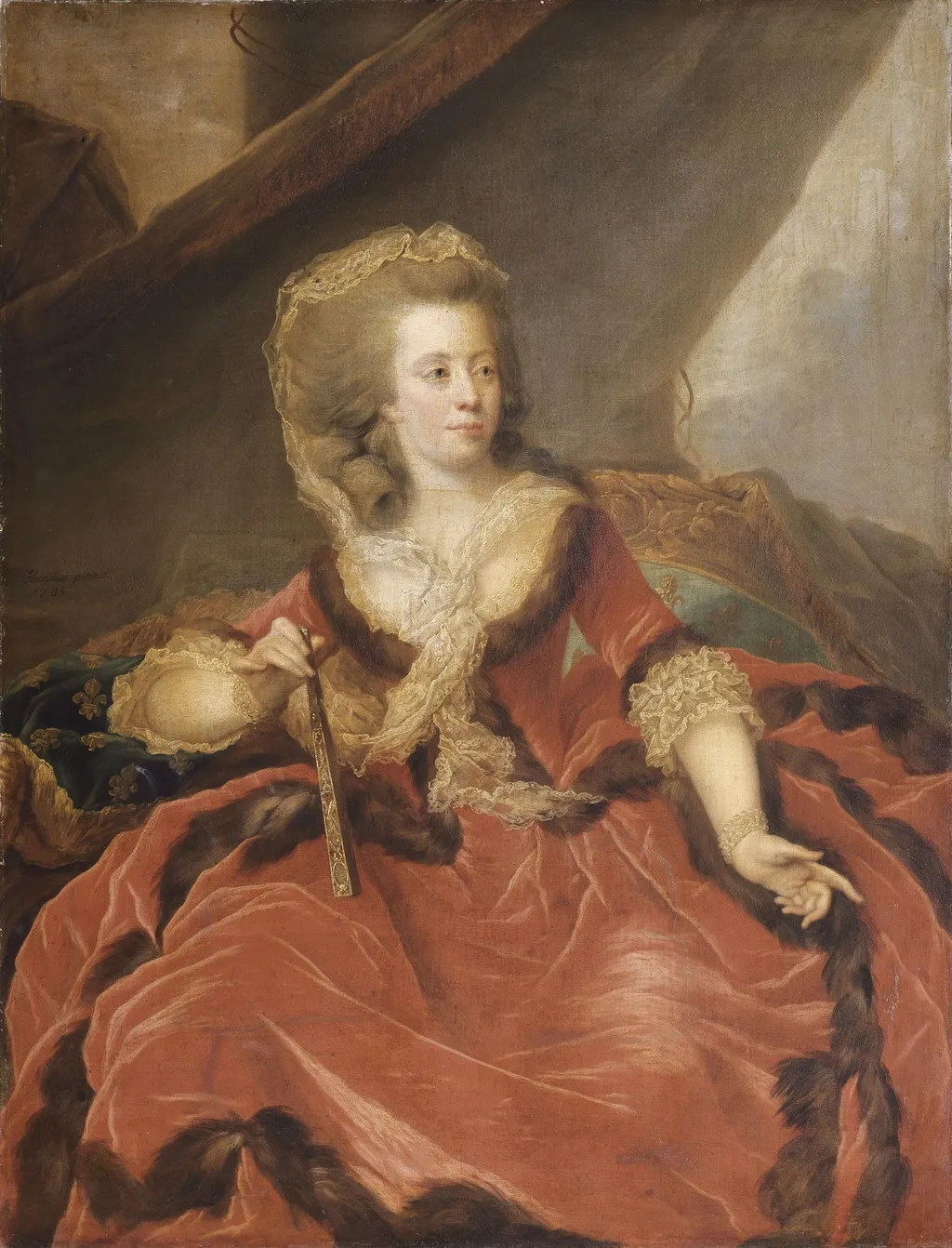
Portrait de Marie-Adélaïde de France is an oil painting by the Rococo painting artist Johann Ernst Heinsius. It dates from 1794 and is held in the collection of the Palace of Versailles.
About this work
The painting is a portrait of Marie Adélaïde of France, created by Johann Julius Heinsius in 1786.
The painting depicts a woman in a red dress with lace trim, holding a fan in her right hand. She is seated on a chair, with her left arm resting on the armrest. The background of the painting is dark, with a few objects visible behind the woman.
The woman's dress is intricately detailed, with folds and creases visible in the fabric. Her hair is styled in an updo, with a few loose strands framing her face. The fan she holds is decorated with intricate designs.
The painting is a portrait of Marie Adélaïde of France, created by Johann Julius Heinsius in 1786. It is held at the Palace of Versailles. Next, look up the artist Johann Julius Heinsius.
Overview
Johann Julius Heinsius, a German-born painter active in France during the late 18th century, created a portrait of Marie-Adélaïde de France in 1786. Executed in oil on canvas, the work belongs to the collection of the Palace of Versailles. Heinsius, known for his miniature portraits and refined technique, applied his skill to this full-scale depiction of a French royal daughter, capturing her likeness with precision and quiet dignity.
Subject & Meaning
Marie-Adélaïde de France, daughter of Louis XV and mother to Louis XVI, is portrayed in private attire rather than formal regalia, suggesting an intimate moment. Her poised posture and restrained expression reflect the decorum expected of royal women. The fan, a symbol of refinement and social grace, complements her attire and underscores her status. The painting avoids overt political messaging, instead emphasizing personal presence within the courtly sphere.
Technique & Style
Heinsius rendered the portrait with delicate brushwork, emphasizing texture in the lace trim of the red gown and the subtle folds of fabric. The dark, unobtrusive background isolates the figure, directing focus to her face and hands. The intricate patterns on the fan and the soft modeling of her updo reveal his training in miniature painting, translated here into larger scale with controlled elegance. The style retains rococo sensibilities in its attention to detail, though without excessive ornamentation.
History & Provenance
Commissioned during the final years of the Ancien Régime, the portrait entered the royal collection at Versailles shortly after its completion. It remained in the palace’s holdings through the Revolution and subsequent regimes. Unlike many royal portraits destroyed or dispersed during political upheaval, this work was preserved, likely due to its modest scale and non-ceremonial nature. Its continuous presence at Versailles attests to its enduring recognition within the royal visual archive.
Context
Painted in 1786, the portrait emerged during a period of increasing social tension in France, yet it reflects the enduring courtly traditions of Versailles. Marie-Adélaïde, though not a reigning monarch, held symbolic importance as a royal daughter and future queen mother. Heinsius, a foreign artist working within French royal circles, exemplifies the international character of court art. His approach, blending German precision with French elegance, was typical of artists serving aristocratic patrons beyond national borders.
Legacy
The portrait remains a quiet testament to the personal side of French royalty before the Revolution. It illustrates how court artists like Heinsius captured individual presence amid rigid social structures. Though not widely exhibited today, its preservation at Versailles ensures its role as a historical document of royal portraiture in the late 18th century, offering insight into the aesthetics and values of a fading world.
Own this work as a print
Artist & collection
Artist
Johann Julius Heinsius (7 February 1740, Hildburghausen - 19 May 1812, Orléans) was a German oil painter and miniaturist.

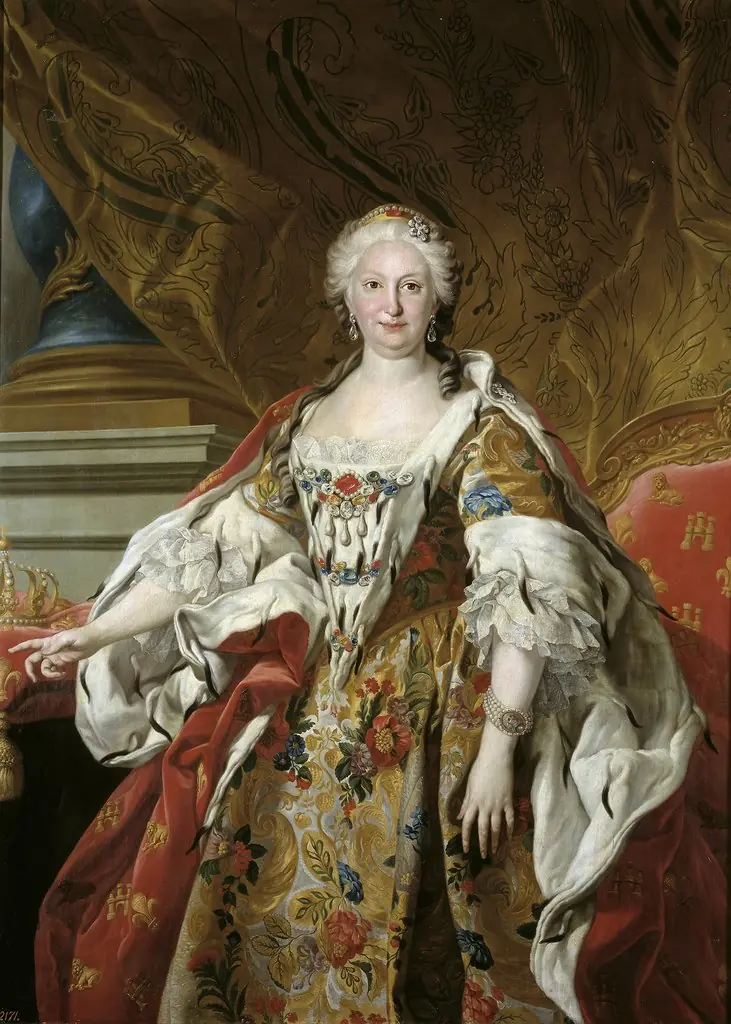 Elisabeth Farnese, Queen of Spain
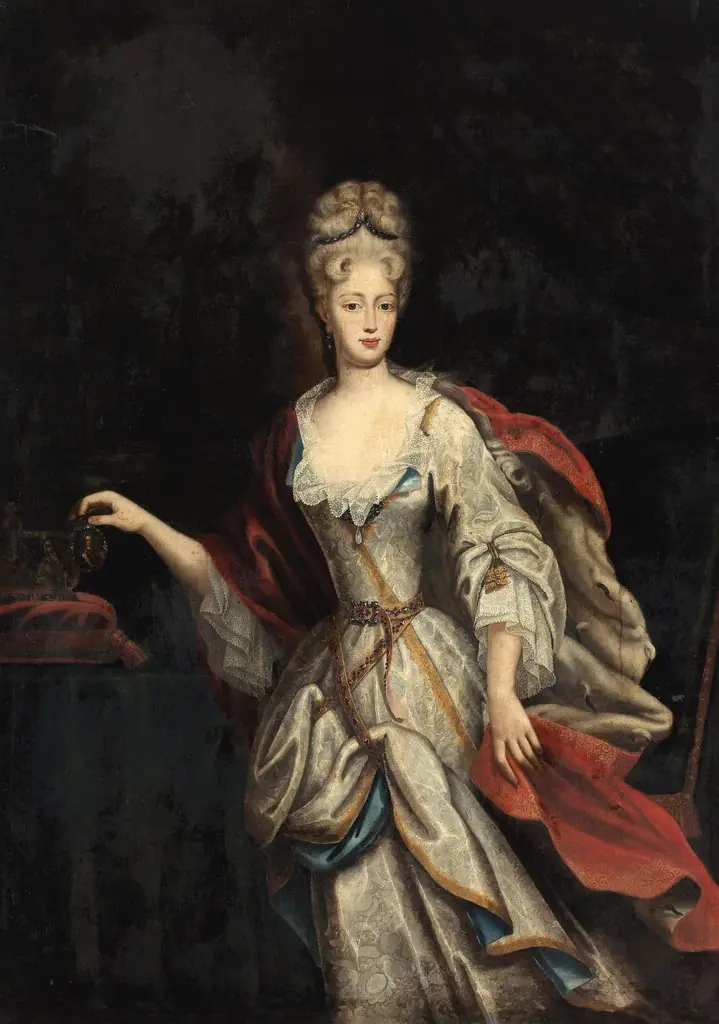 Bildnis einer Fürstin
![Portrait of a young woman [Sophie Markgräfin von Brandenburg-Bayreuth, née Duchess Sachsen-Weißenfels (1684–1752)?], by Unknown](https://artifactworldgallery.com/img/unknown--portrait-of-a-young-woman-sophie-markgrafin-von-brandenburg--2d73c9561763e528-w320.webp) Portrait of a young woman [Sophie Markgräfin von Brandenburg-Bayreuth, née Duchess Sachsen-Weißenfels (1684–1752)?]
Portrait of a young woman [Sophie Markgräfin von Brandenburg-Bayreuth, née Duchess Sachsen-Weißenfels (1684–1752)?]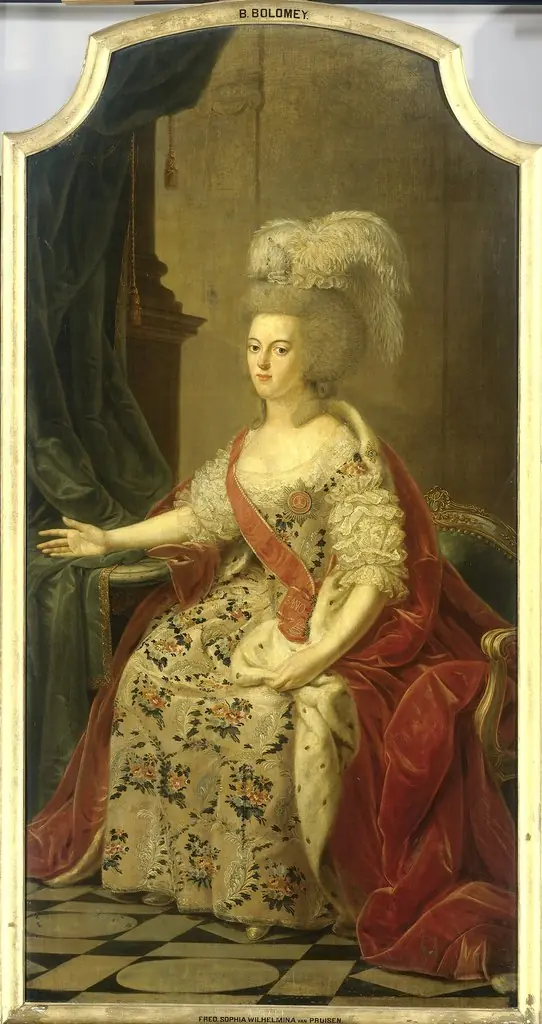 Frederika Sophia Wilhelmina of Prussia (1751-1820), Wife of Prince Willem V
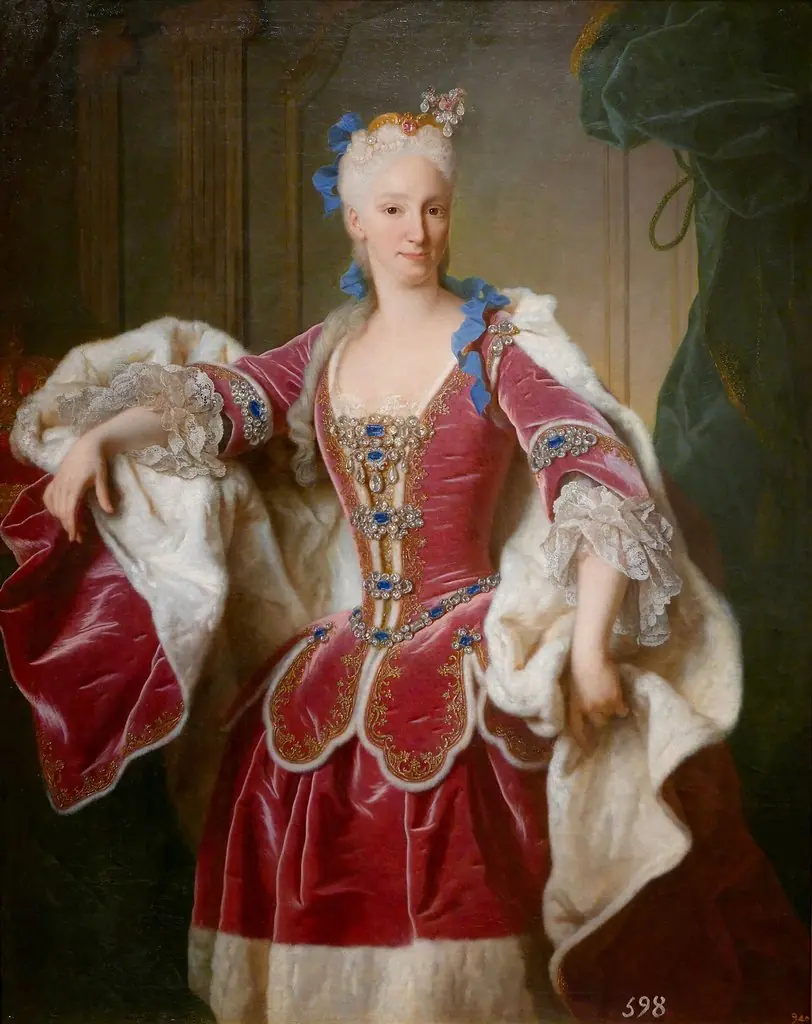 Elisabeth Farnese, Queen of Spain
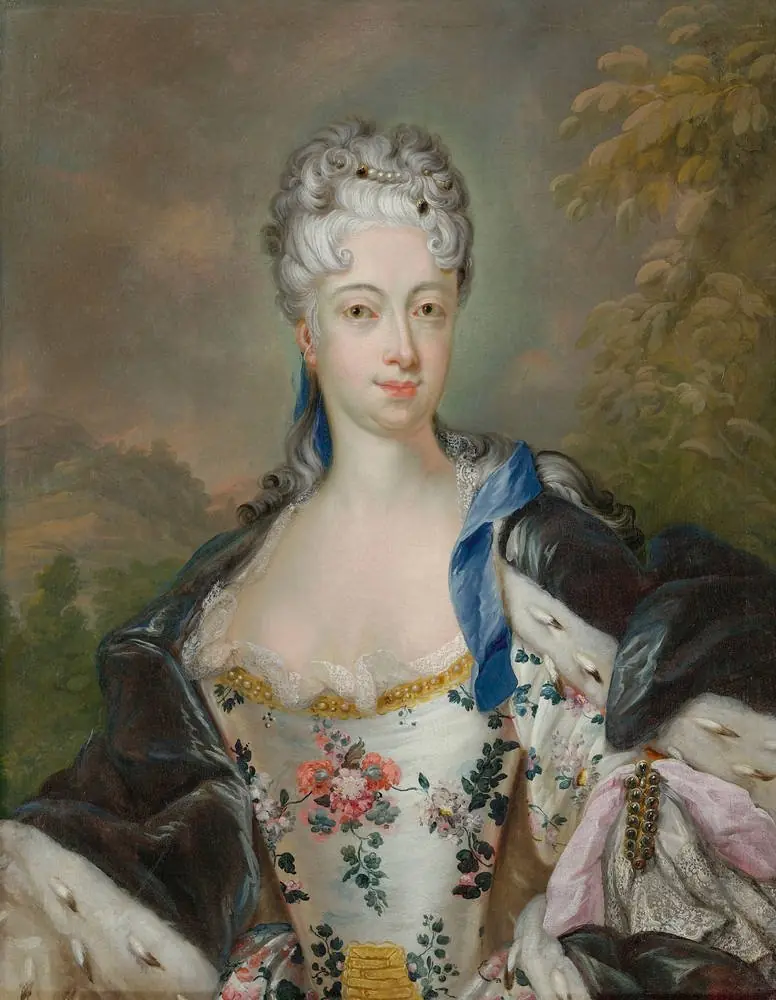 Anna Constanze Gräfin von Cosel (1680-1765)
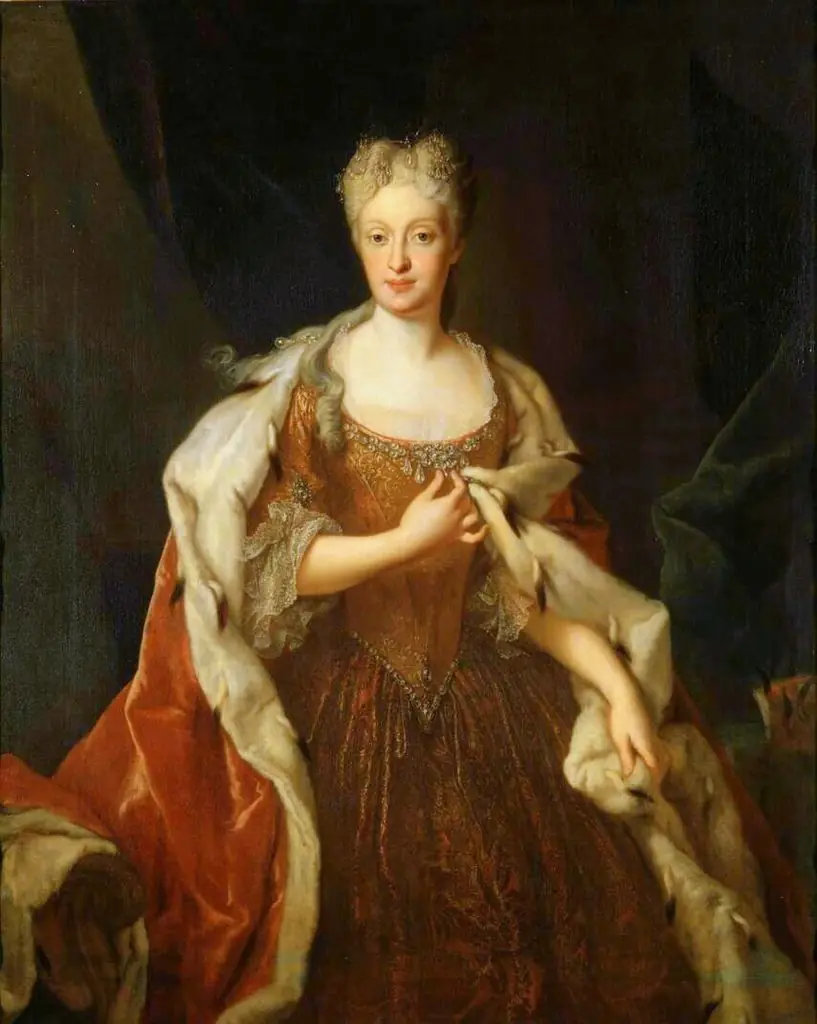 Porträt der Maria Josepha of Austria (1699-1757), Electress of Saxony and Queen of Poland
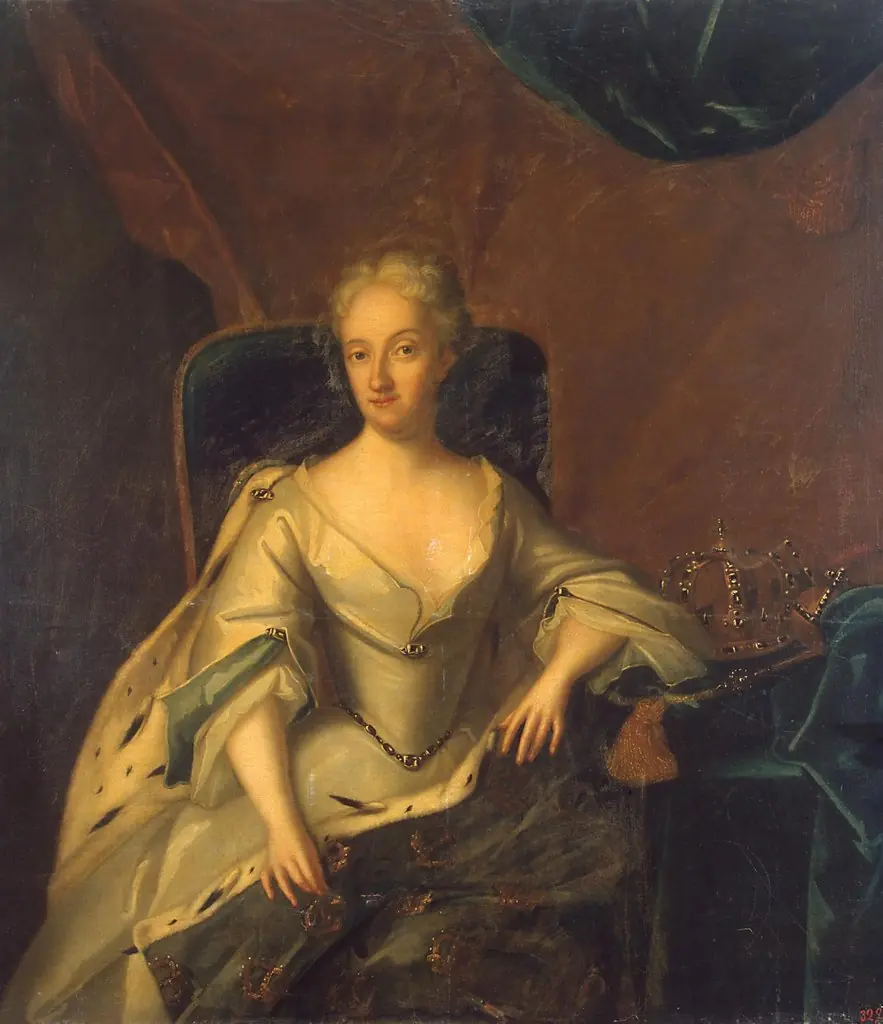 Portrait of Ulrika Eleonora the Younger, Queen of Sweden
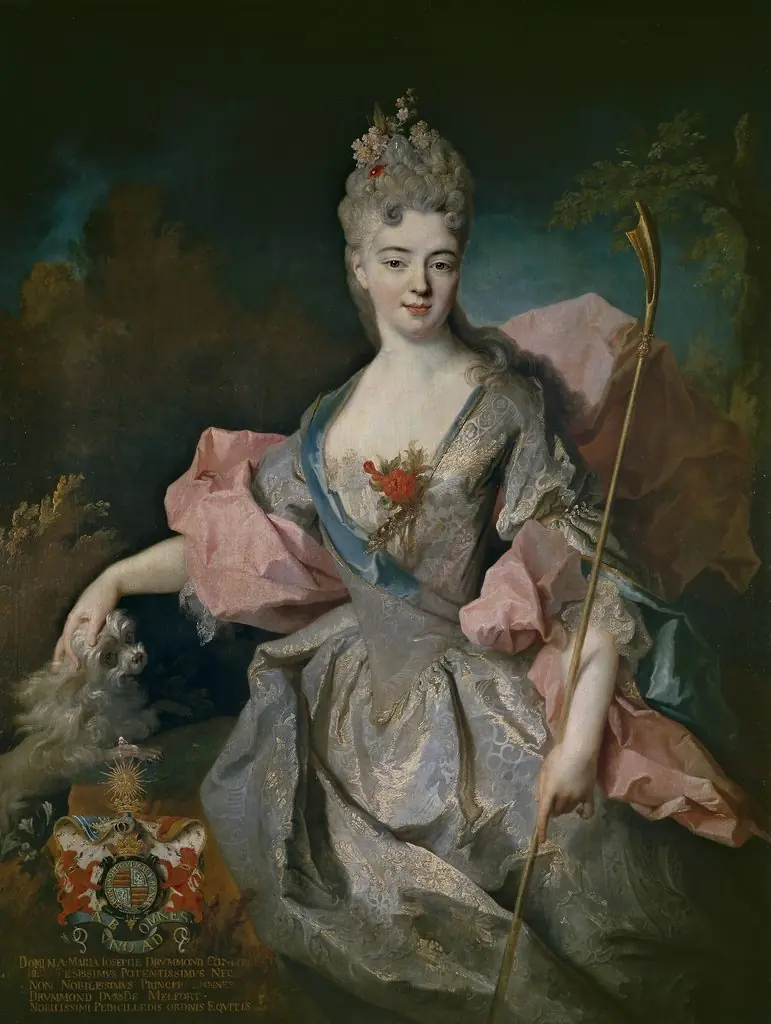 Lady Mary Josephine Drummond, Countess of Castelblanco
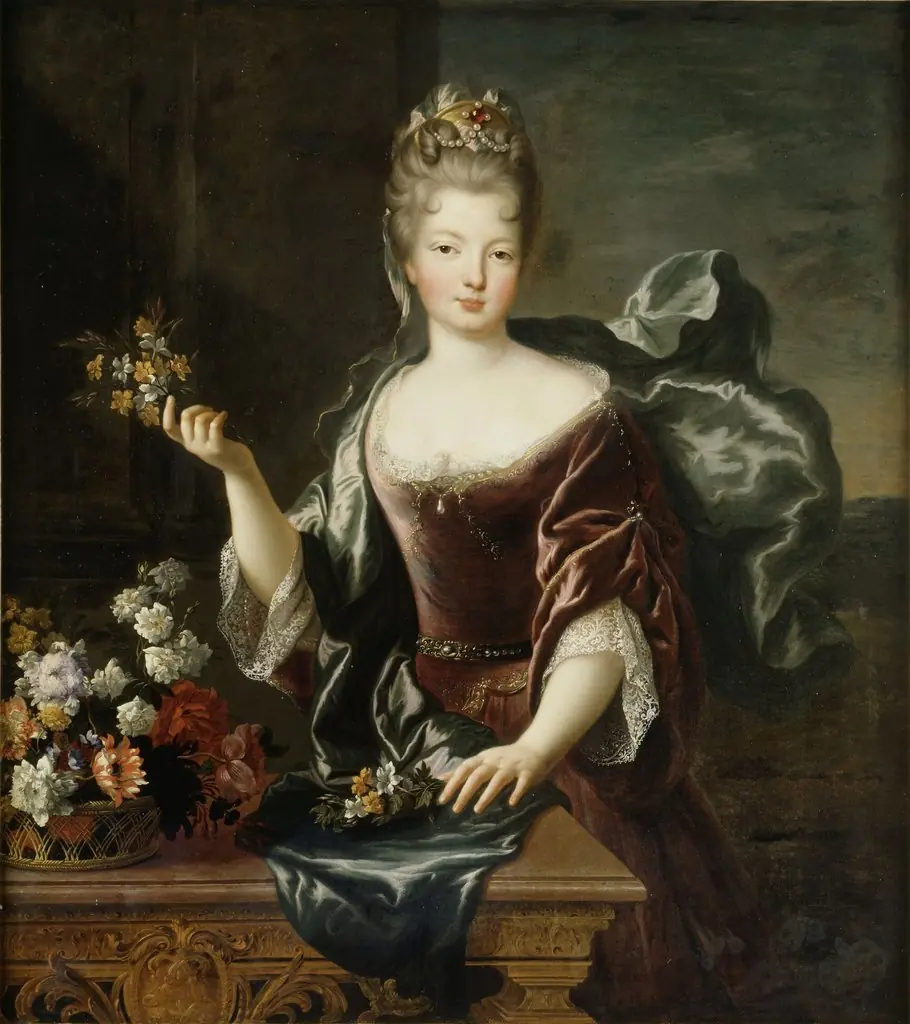 Françoise-Marie de Bourbon, Mademoiselle de Blois, Duchess of Orleans
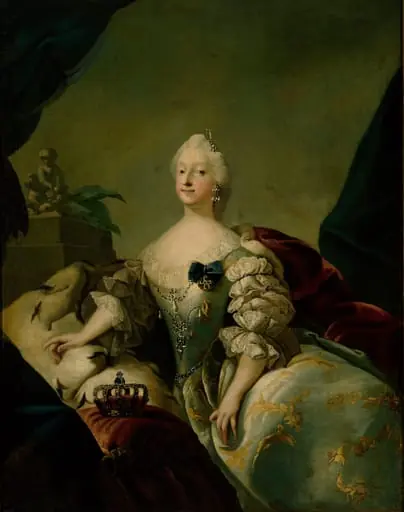 Tanskan kuningatar Louise