Artwork
The Banishment of Hagar
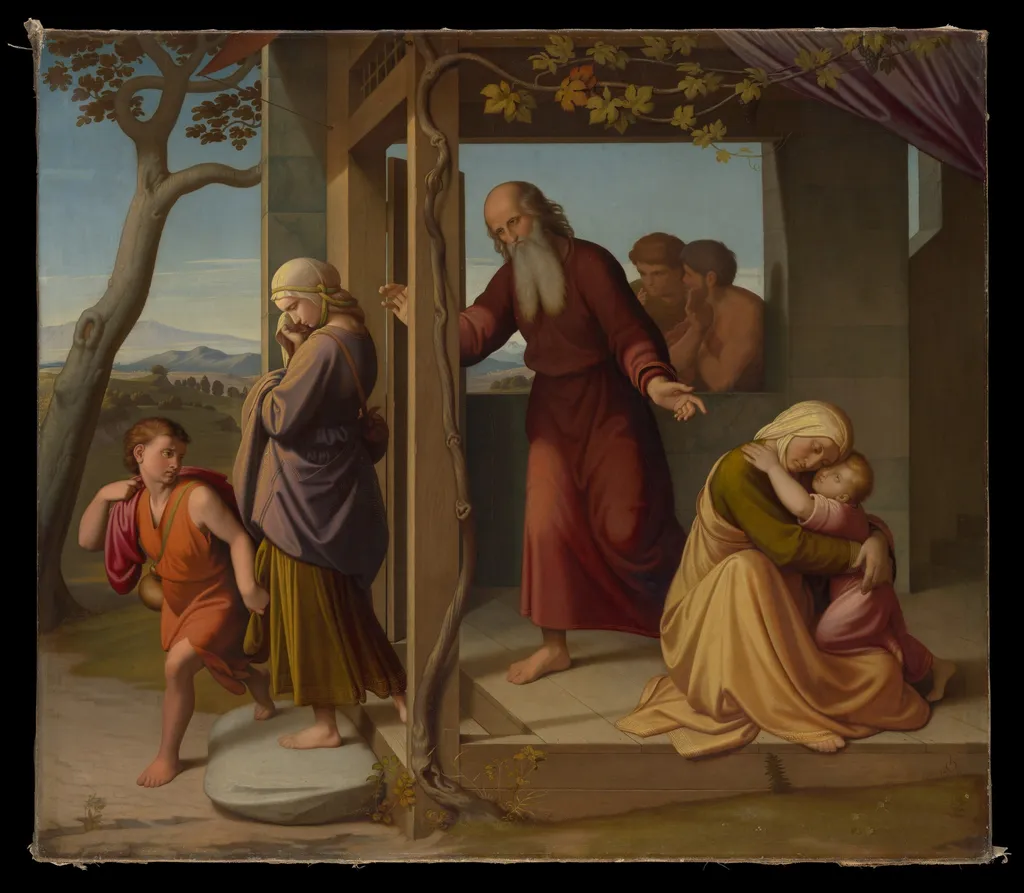
The Banishment of Hagar is an oil painting by Johann Friedrich Overbeck. It dates from 1840 and is held in the collection of the Metropolitan Museum of Art.
About this work
Overview
Overbeck, a leading figure in the Nazarene movement, sought to revive spiritual sincerity in art through historical and scriptural subjects.
Painted in 1840 by Johann Friedrich Overbeck, *The Banishment of Hagar* is an oil-on-canvas work rooted in biblical narrative. Overbeck, a leading figure in the Nazarene movement, sought to revive spiritual sincerity in art through historical and scriptural subjects. The painting is part of the permanent collection at The Metropolitan Museum of Art, where it reflects the movement’s emphasis on moral clarity and restrained emotion.
Subject & Meaning
The scene illustrates the moment from Genesis when Abraham, guided by divine command, sends Hagar and Ishmael away. Abraham stands in a doorway, observing the departure with solemnity, while Hagar clutches her son, turning back with quiet anguish. A second woman, possibly Sarah, watches from the side, her presence adding tension without overt drama. The composition conveys resignation and divine order rather than violence or despair.
Technique & Style
Overbeck employed oil paint with meticulous brushwork to render textures of fabric, stone, and skin. He used muted earth tones—ochres, grays, and browns—to evoke austerity and timelessness. Chiaroscuro defines forms subtly, casting soft shadows that deepen the spatial depth and emotional gravity. The setting, a simple architectural frame, directs focus to the figures and their silent exchange, aligning with Nazarene ideals of clarity and restraint.
History & Provenance
Completed in Rome during Overbeck’s time with the Nazarenes, the painting reflects his commitment to religious themes after leaving academic traditions. It entered The Metropolitan Museum of Art’s collection in the late 19th century, likely through a European dealer or donor. Its preservation and display underscore its significance as a rare example of German Romantic religious painting in American collections.
Context
Created during a period when European artists were reevaluating religious art beyond neoclassical idealism, Overbeck’s work responded to a desire for emotional authenticity. The Nazarenes rejected theatricality, favoring direct, humble depictions drawn from scripture and medieval models. This painting aligns with their broader project: to restore spiritual meaning to art through disciplined composition and moral seriousness.
Legacy
Though less widely known than his contemporaries, Overbeck’s *The Banishment of Hagar* remains a quiet testament to the Nazarene vision. It influenced later 19th-century religious painters who sought to move beyond spectacle toward introspection. Its presence in a major American museum ensures continued study of how German artists reimagined biblical narratives with psychological depth and formal discipline.
Artist & collection

Artist
Johann Friedrich Overbeck (3 July 1789 – 12 November 1869) was a German painter and a founder of the Nazarene art movement.

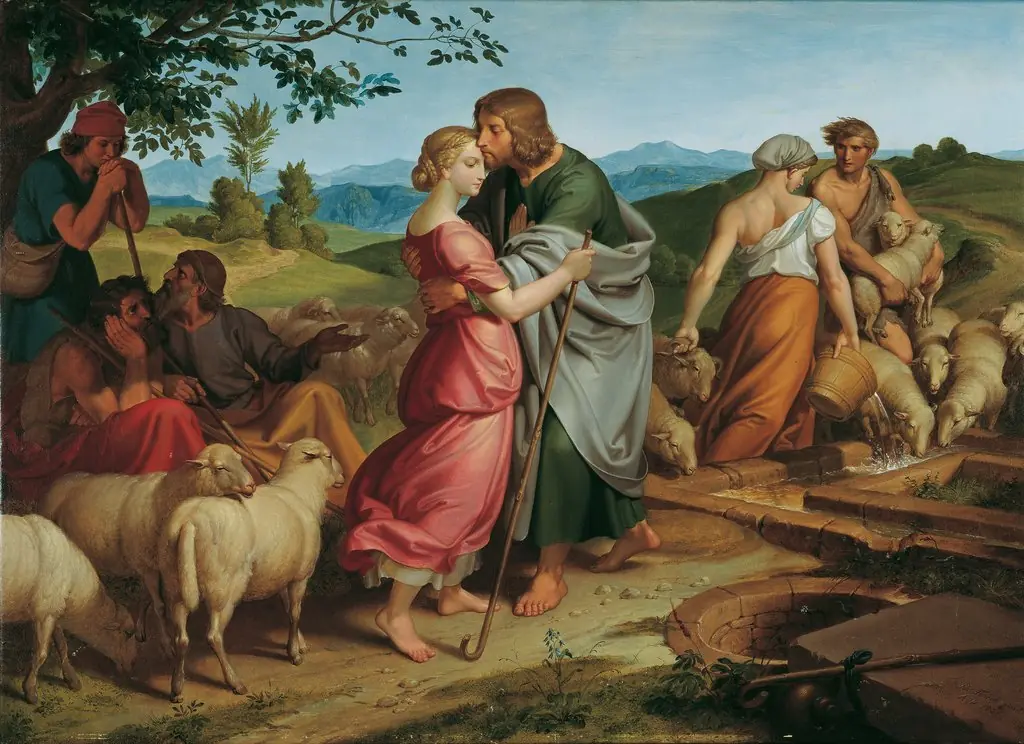 Jacob Encountering Rachel with her Father's Herds
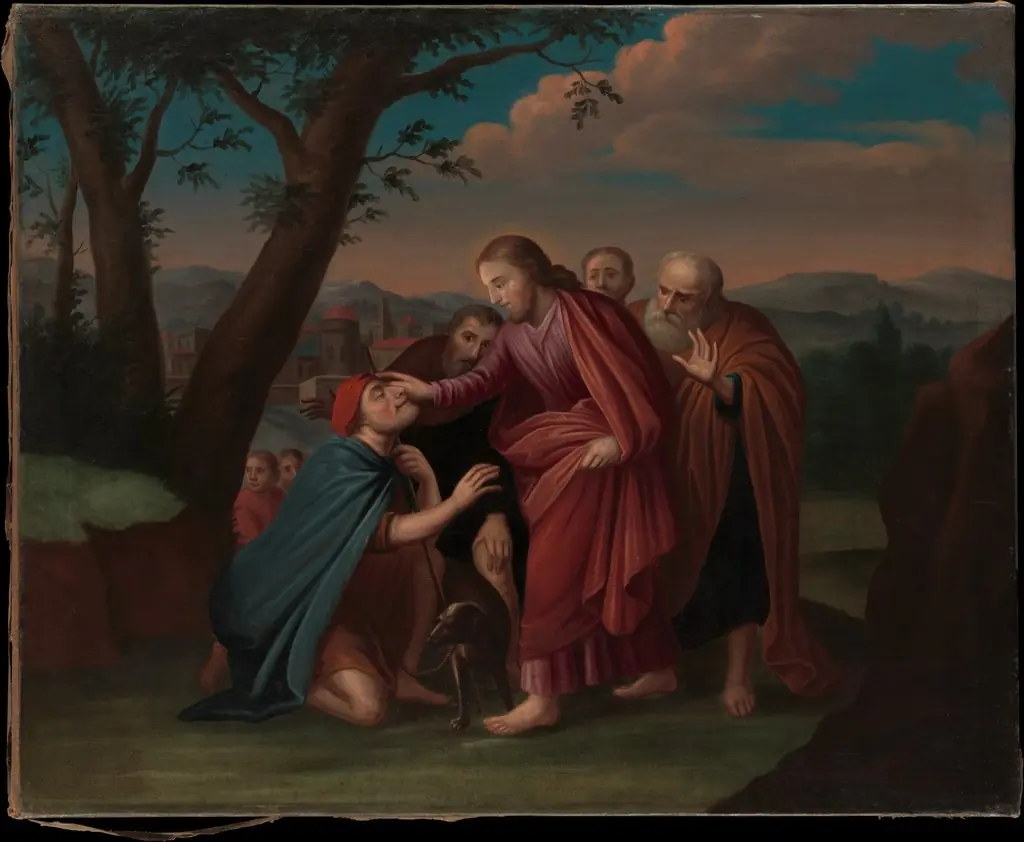 Christ Healing the Blindman
 The Three Philosophers
 The Meeting of Joachim and Anne outside the Golden Gate of Jerusalem
 Saint Luke Drawing the Virgin and Christ Child
 Tuhlaajapojan paluu
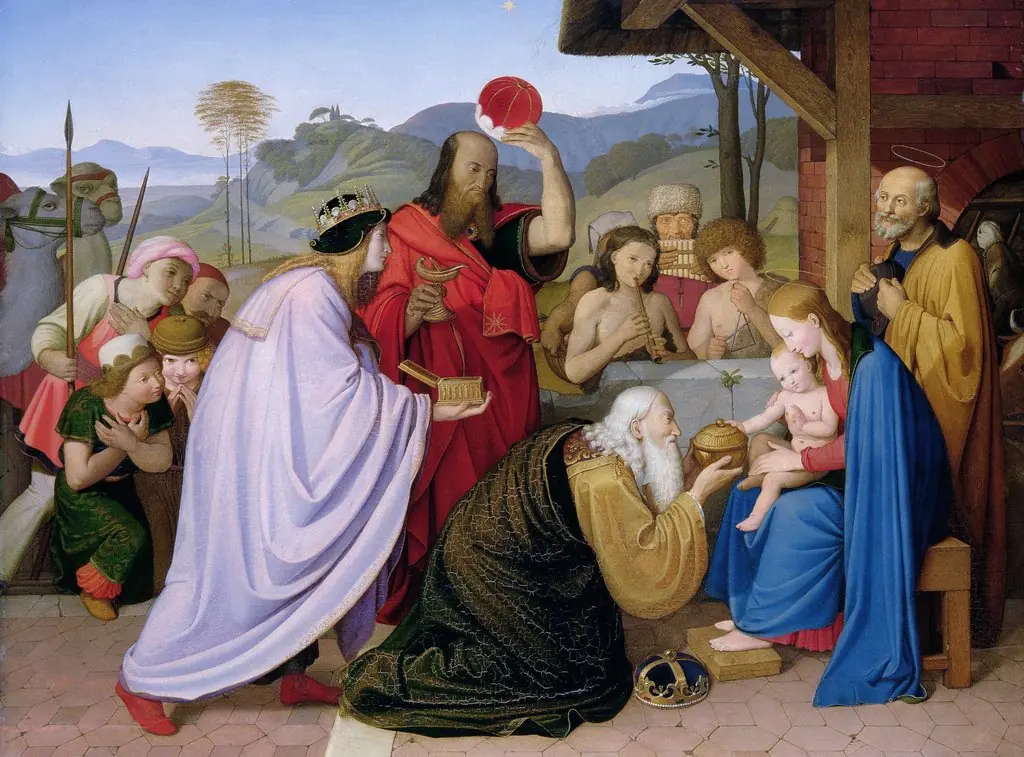
 The Adoration of the Kings
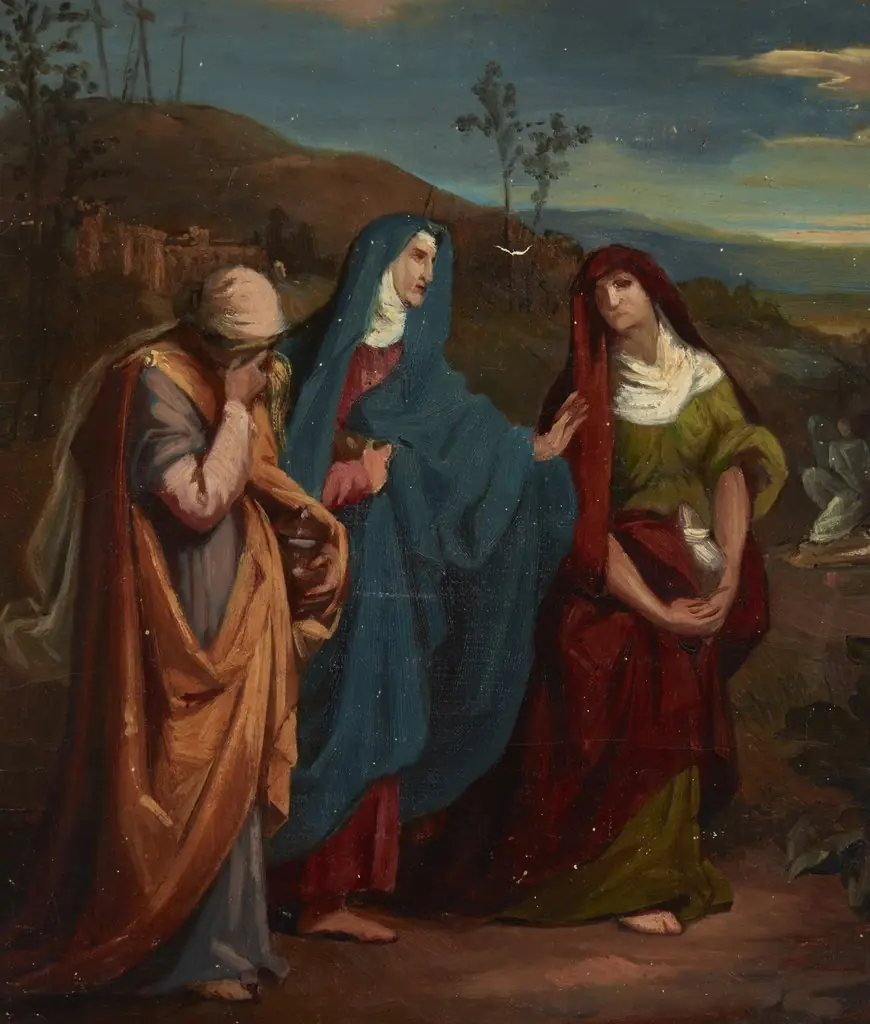 Sketch to the Painting "Three Marys Walking to Christ's Tomb "
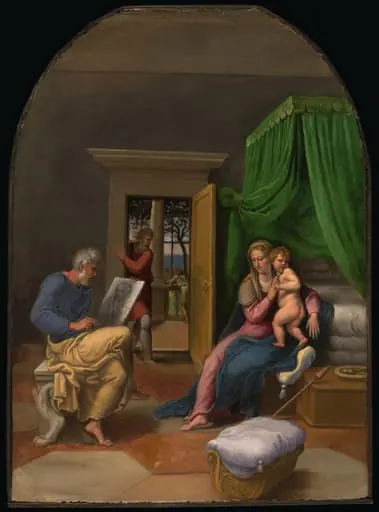 Saint Luke Drawing the Virgin and Christ Child
 The Return of the Prodigal Son
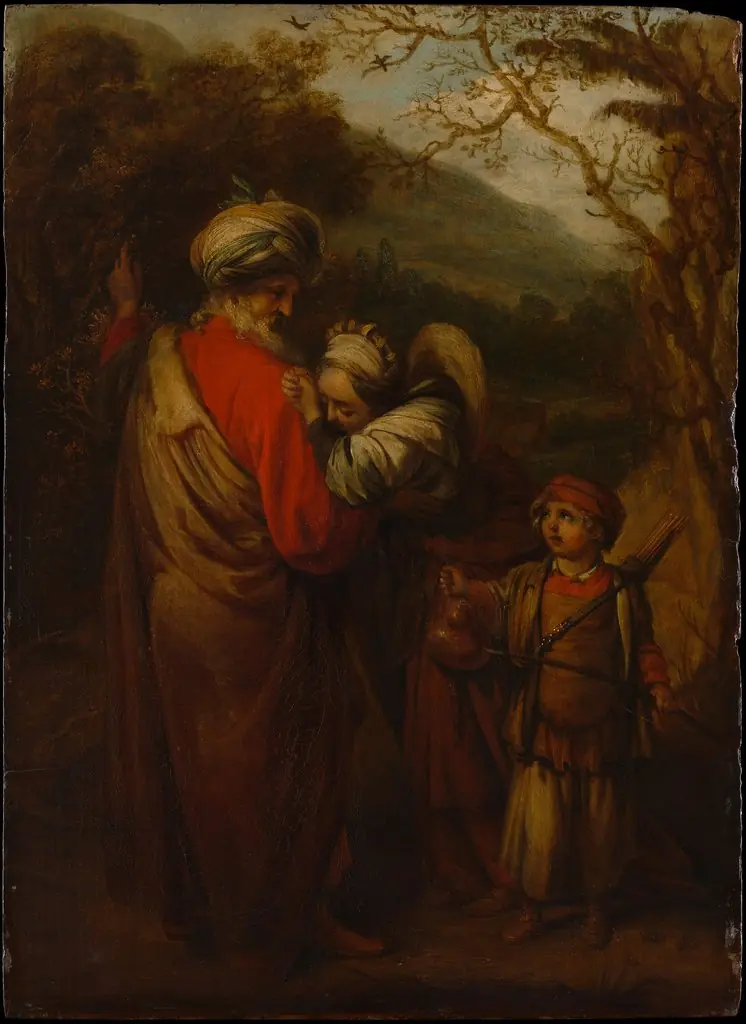 Abraham Dismissing Hagar and Ishmael