Artwork
Saint Luke Drawing the Virgin and Christ Child
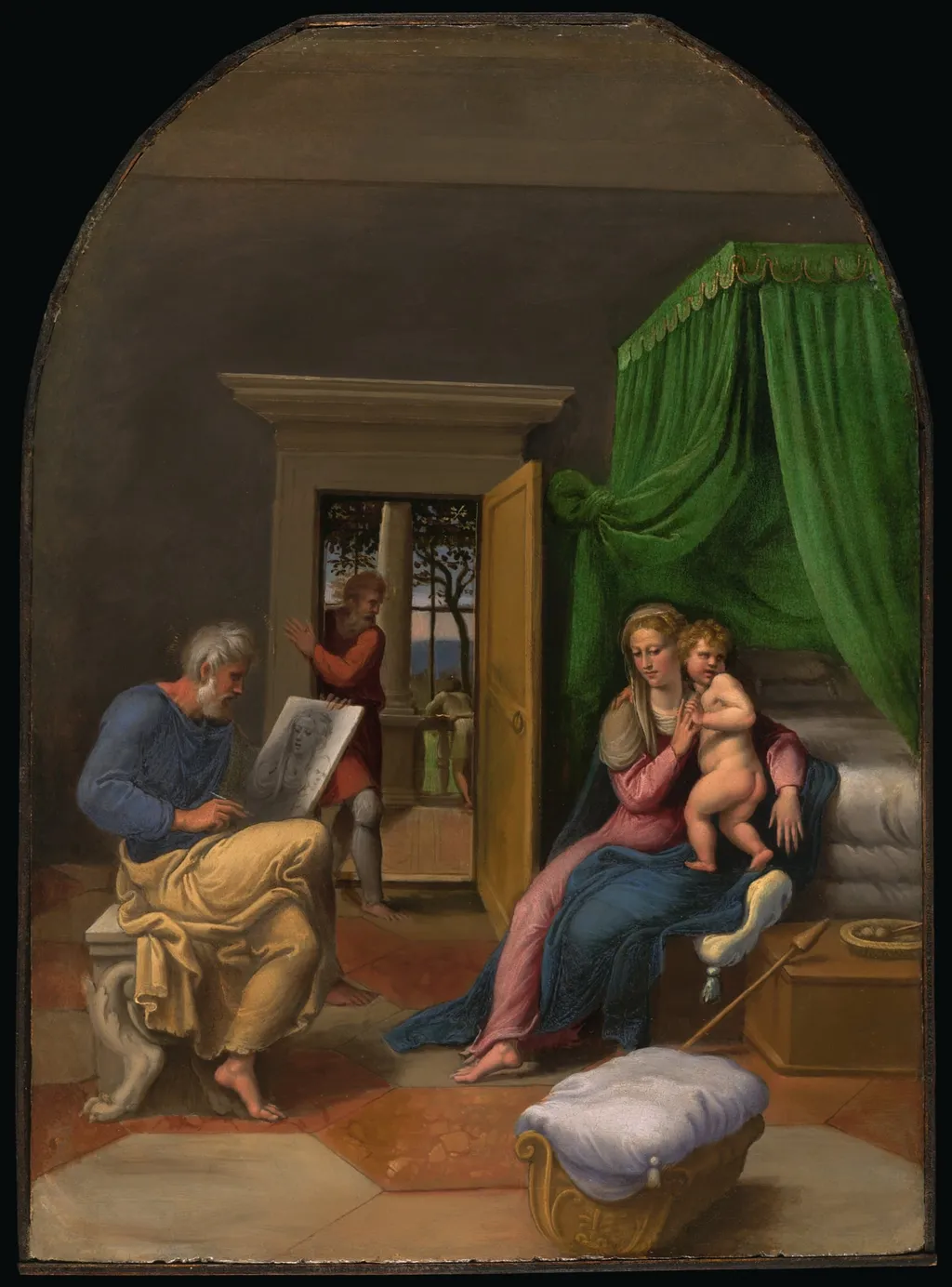
Saint Luke Drawing the Virgin and Christ Child is an oil painting by the Renaissance artist Girolamo da Carpi. It dates from 1535 and is held in the collection of the Art Institute of Chicago.
About this work
Overview
Girolamo da Carpi created this oil on panel composition for the Este household of Ferrara, intended for the private chapel attached to their palace. The work presents a compact, interior scene in which the apostle‑tradition Saint Luke records the likeness of the Virgin with the infant Christ, while a figure identified as Joseph observes from a doorway.
Subject & Meaning
In the central group, the Virgin holds the child, who appears unsettled, his gaze drawn to a small spindle‑like object. This device, reminiscent of the Greek Fates’ spindle, functions in Christian symbolism as an emblem of mortality, suggesting the infant’s awareness of his future suffering.
Technique & Style
Da Carpi employs a chiaroscuro scheme, contrasting illuminated figures against a subdued background to model forms and suggest depth. The handling of oil paint reveals a smooth, refined surface, while the delicate rendering of fabrics and the subtle gradations of light convey a sense of intimacy and three‑dimensionality typical of mid‑16th‑century Ferrarese painting.
History & Provenance
After its original placement in the Este oratory, the painting entered a distinguished collection trail, passing through the hands of two Roman cardinals and two Roman princes. In the 19th and early 20th centuries it was owned by the English Duke of Westminster, Baron Alfred de Rothschild, and later the Earl of Carnarvon, noted for sponsoring the excavation of Tutankhamun’s tomb.
Artist & collection
Artist
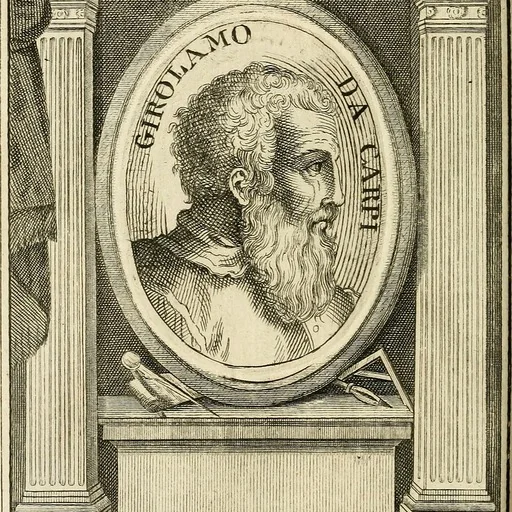
Girolamo Da Carpi (1501 – 1 August 1556) was an Italian painter and decorator who worked at the Court of the House of Este in Ferrara.

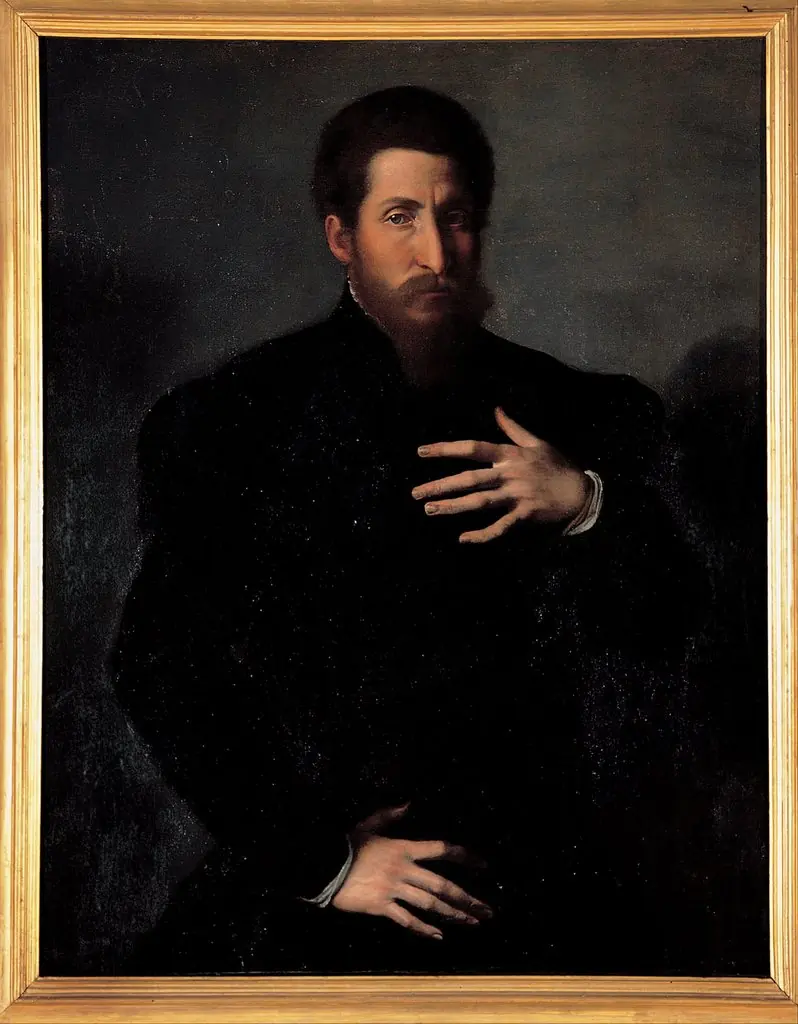
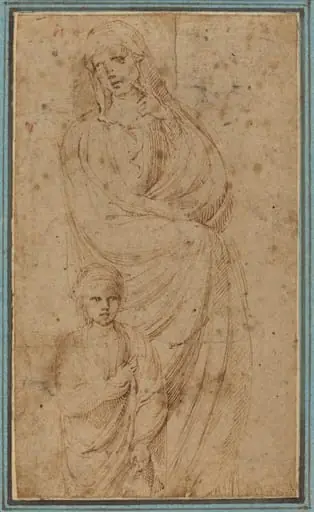
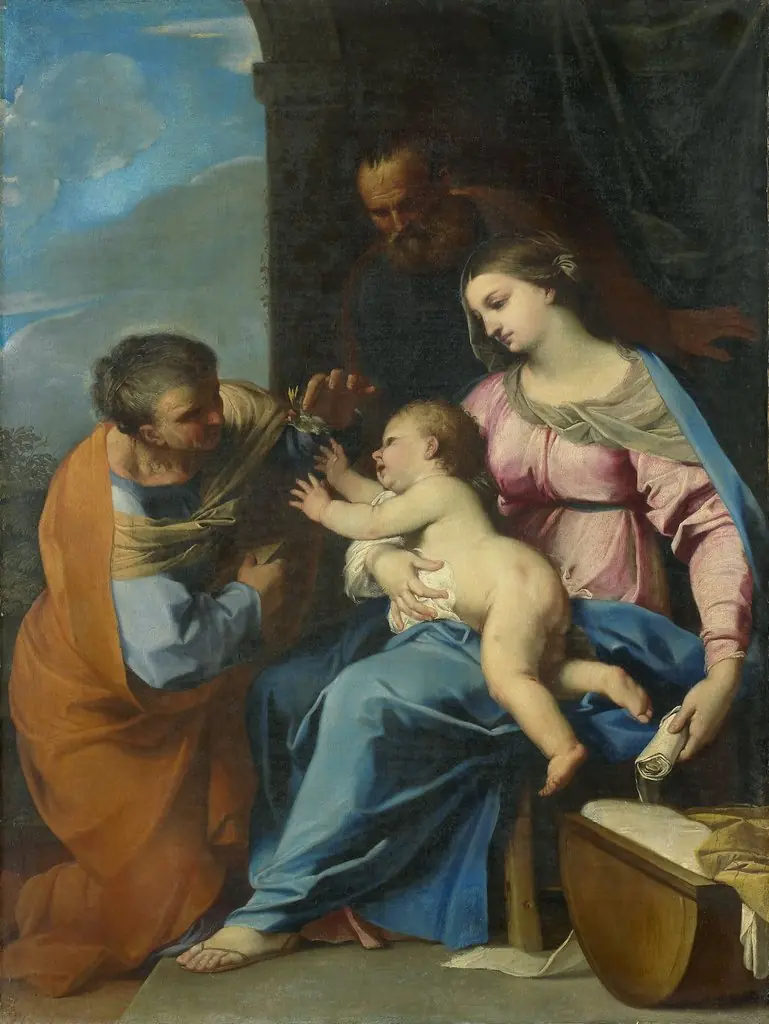 Holy Family
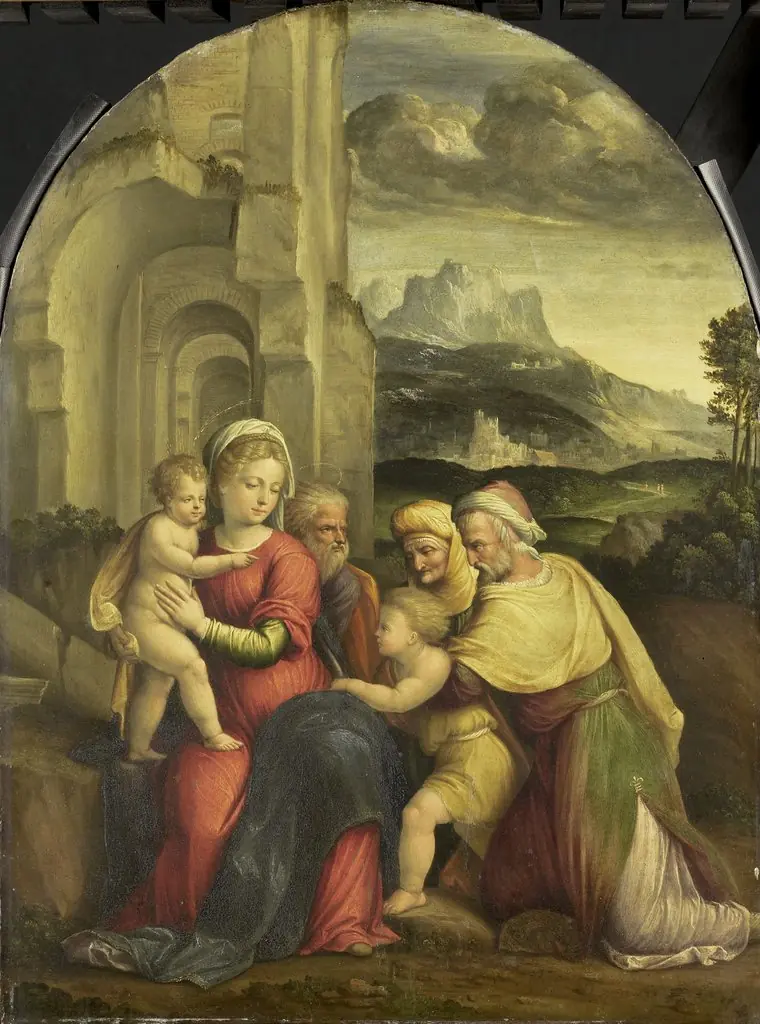 Holy Family
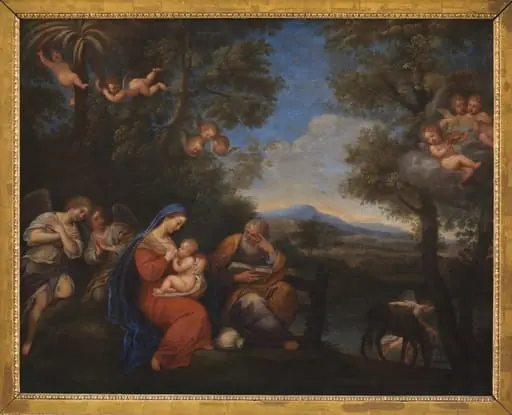 The Rest on the Flight into Egypt
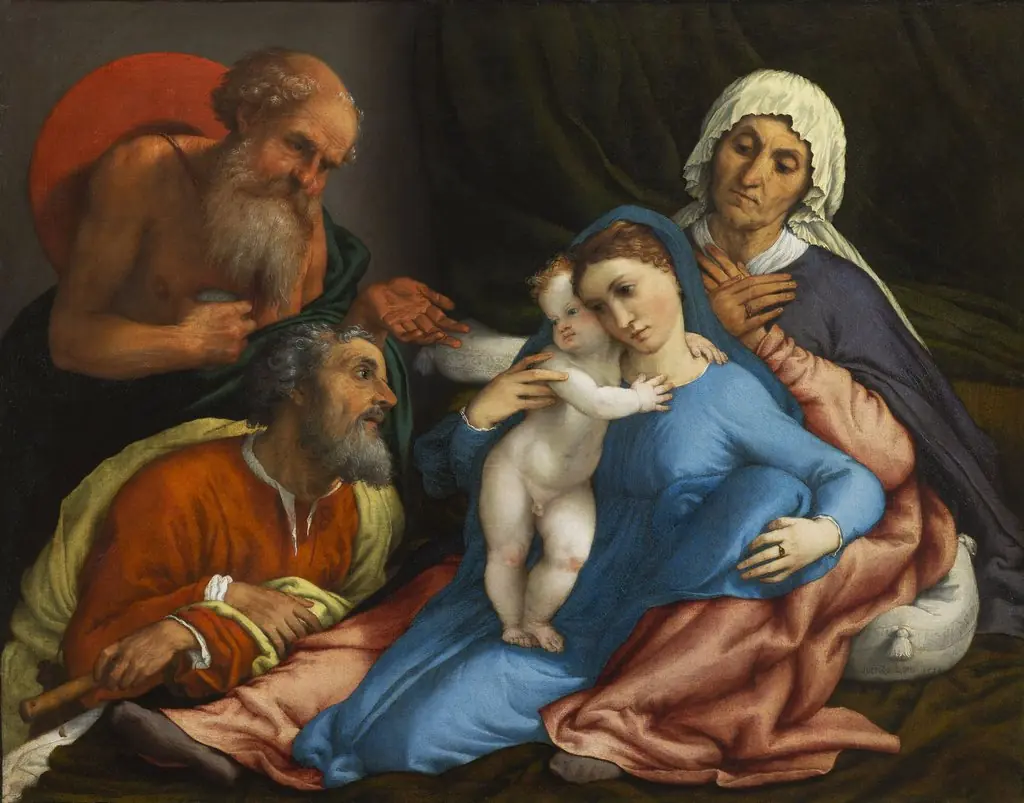 Madonna and Child with Saints
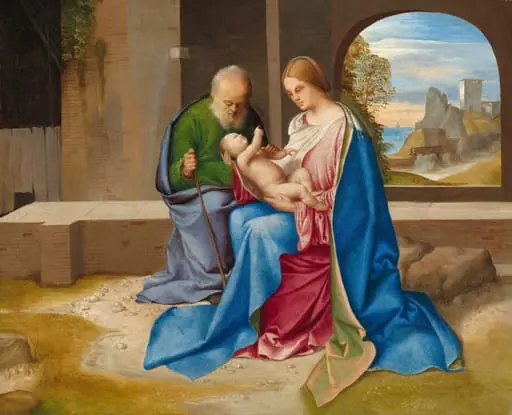 The Holy Family
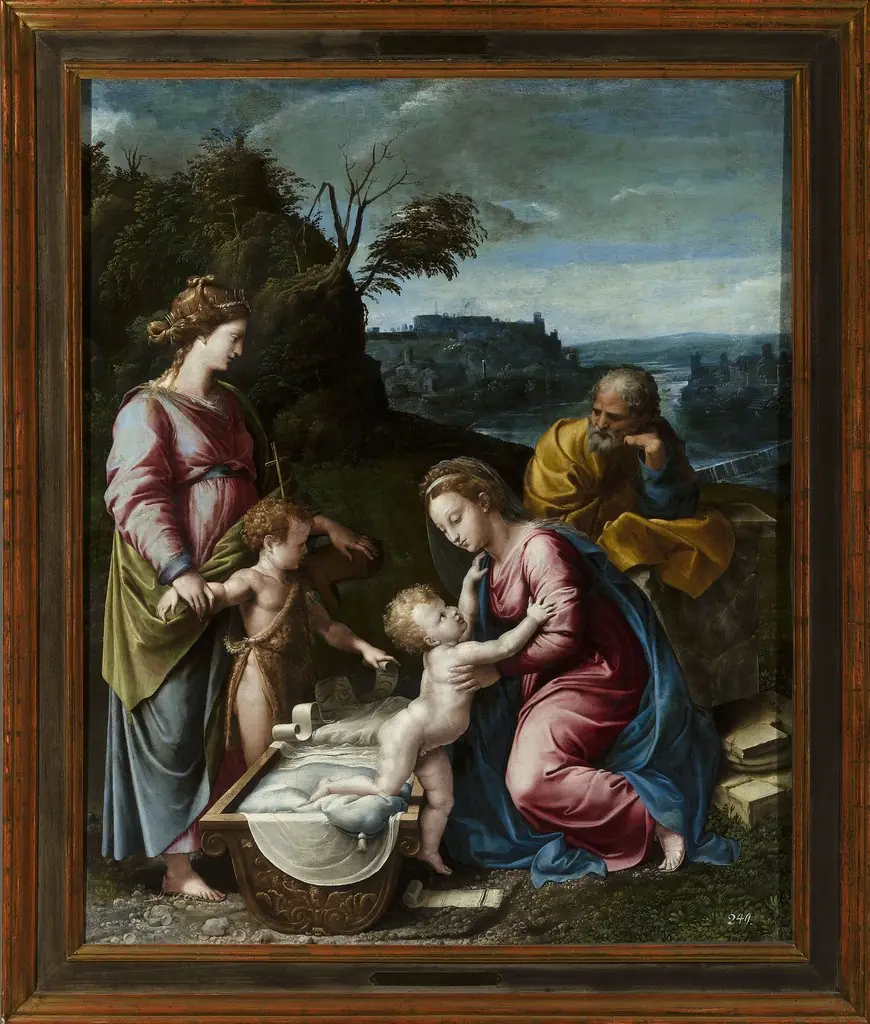 Holy Family with St. John the Baptist and St. Catherine of Alexandria
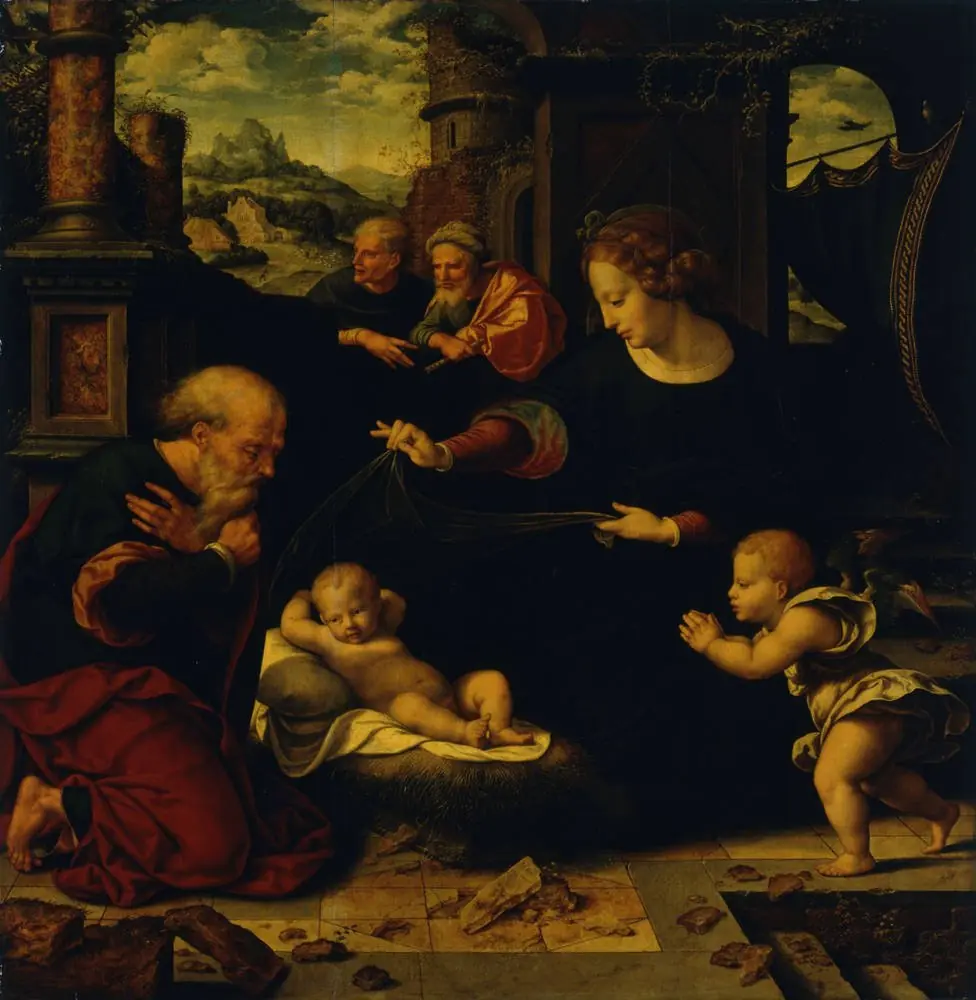 Maria und Joseph, vor dem Kind kniend
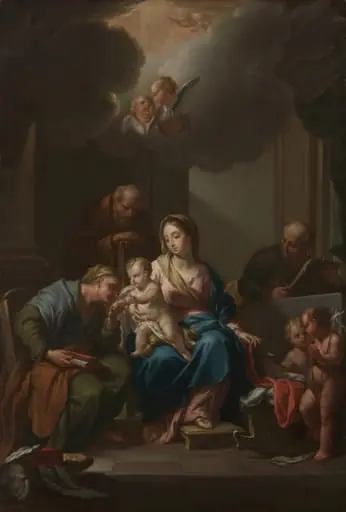 Presentation Sketch for "The Holy Family with Saints Anne, Joachim, and John the Baptist" (for Santa Maria in Via Lata, Roma)
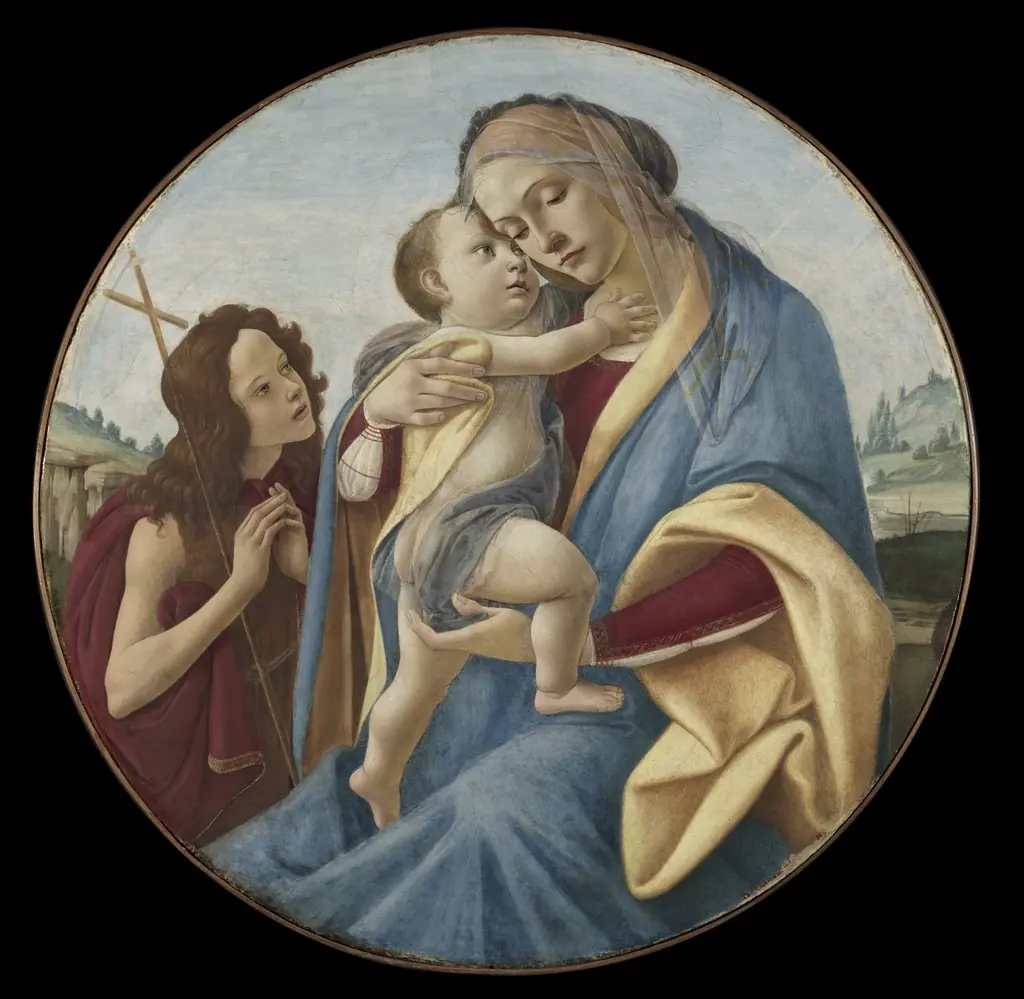 Virgin and Child with the Young Saint John the Baptist
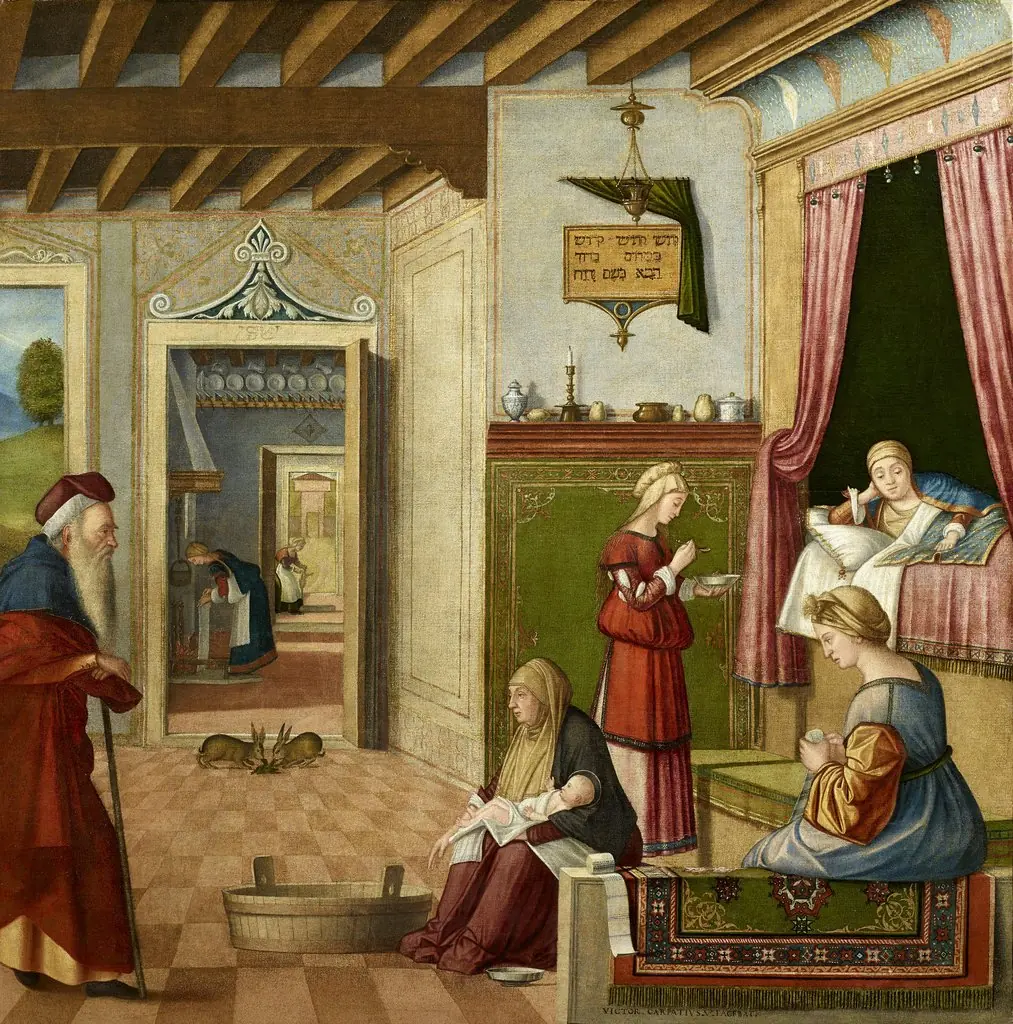 Birth of Virgin Mary
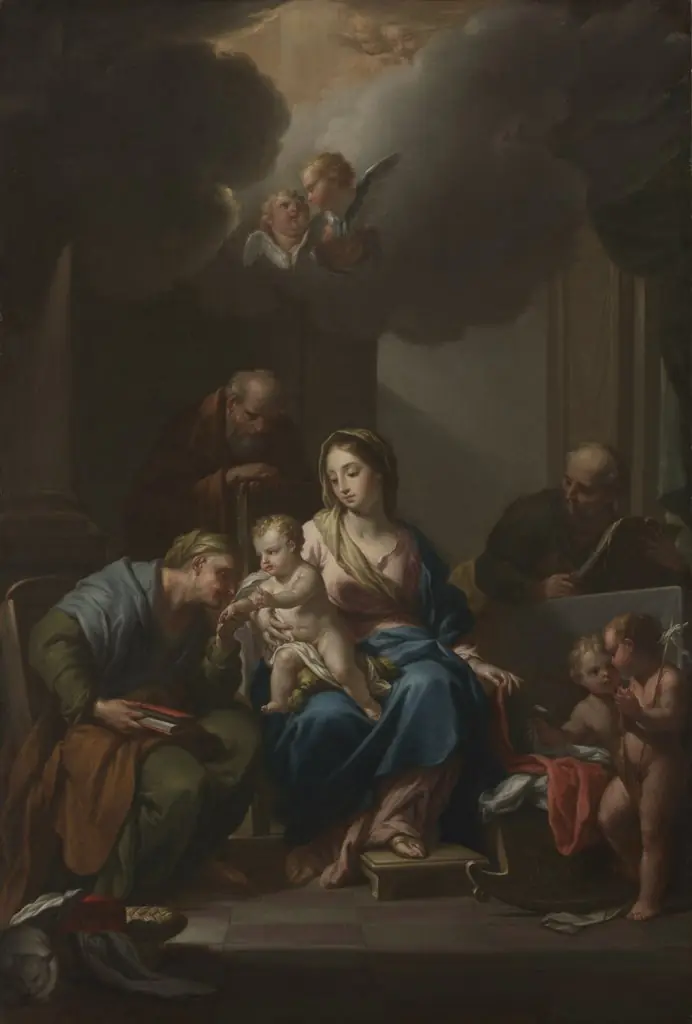 Presentation Sketch for "The Holy Family with Saints Anne, Joachim, and John the Baptist" (for Santa Maria in Via Lata, Roma)