Artwork
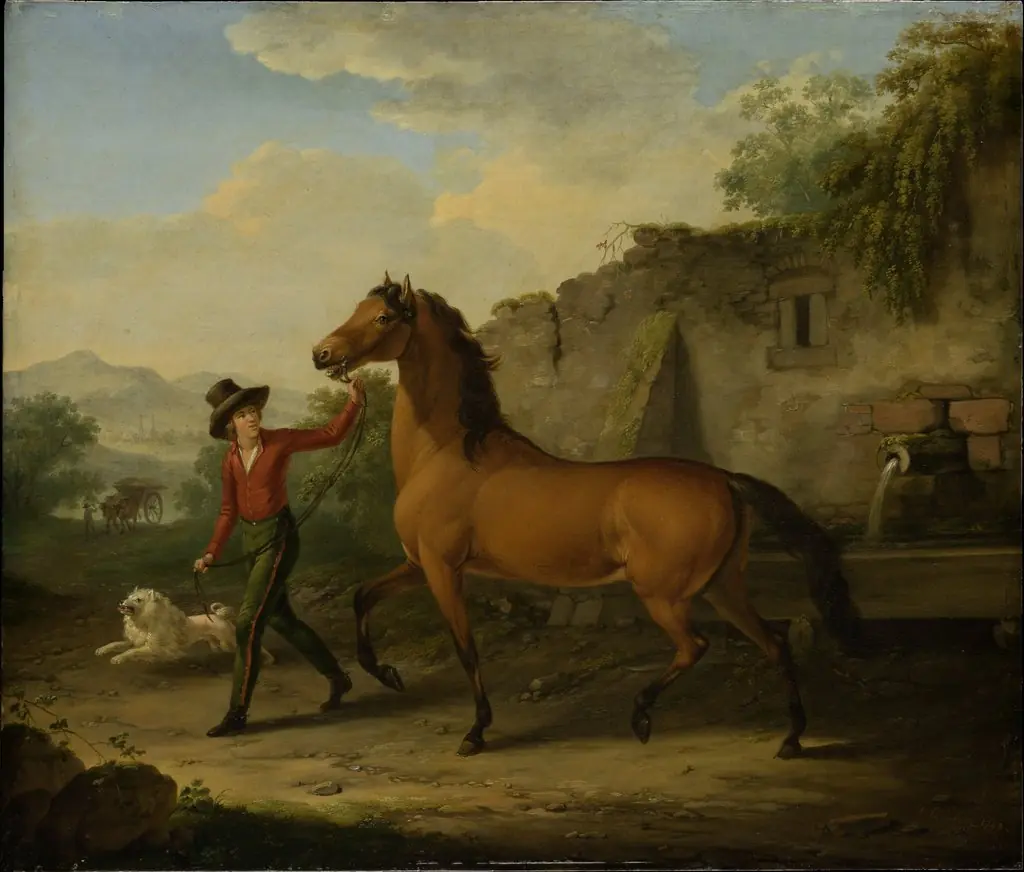
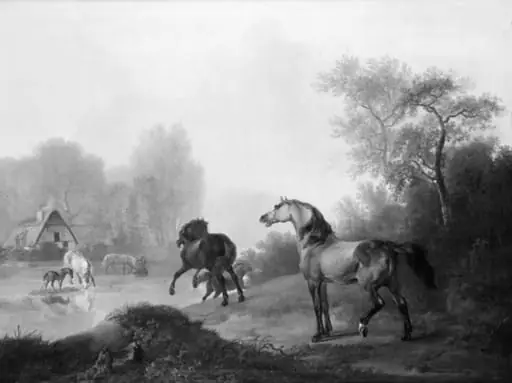
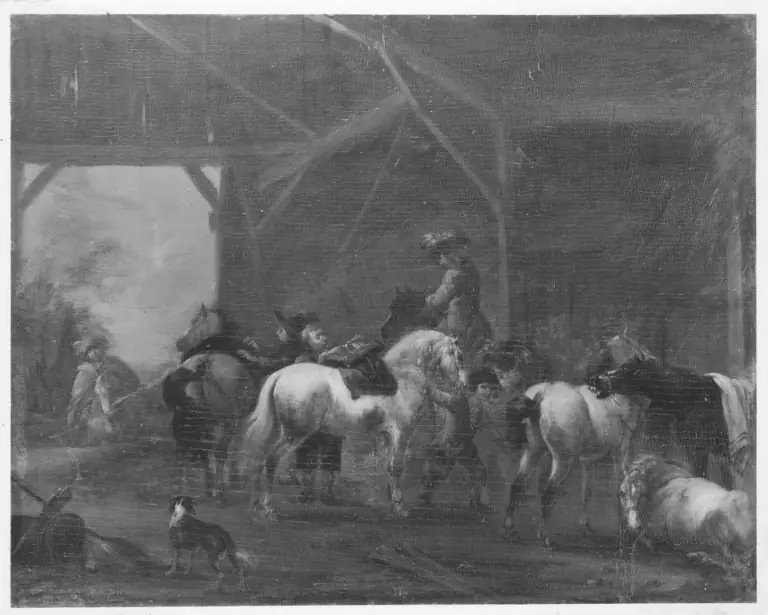
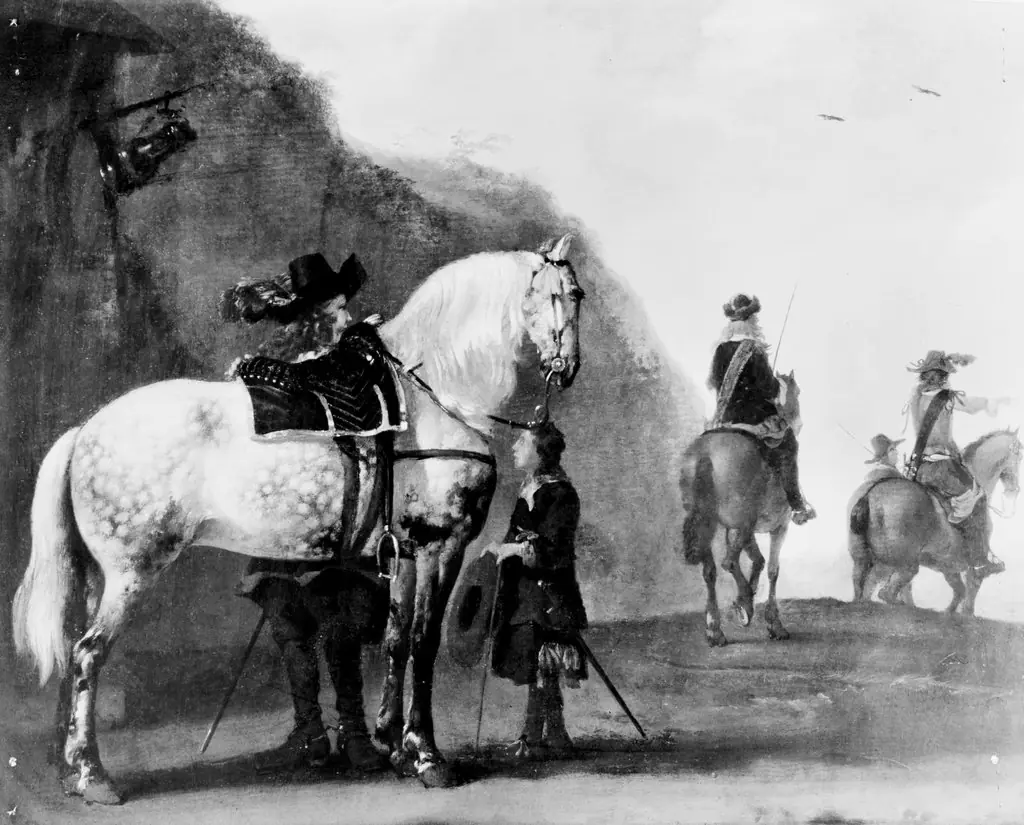
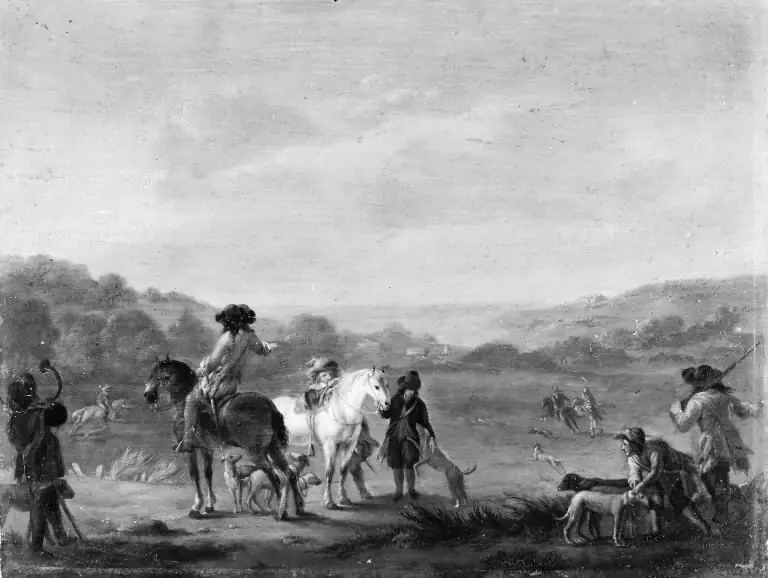
A Groom Leading two Horses to the Water
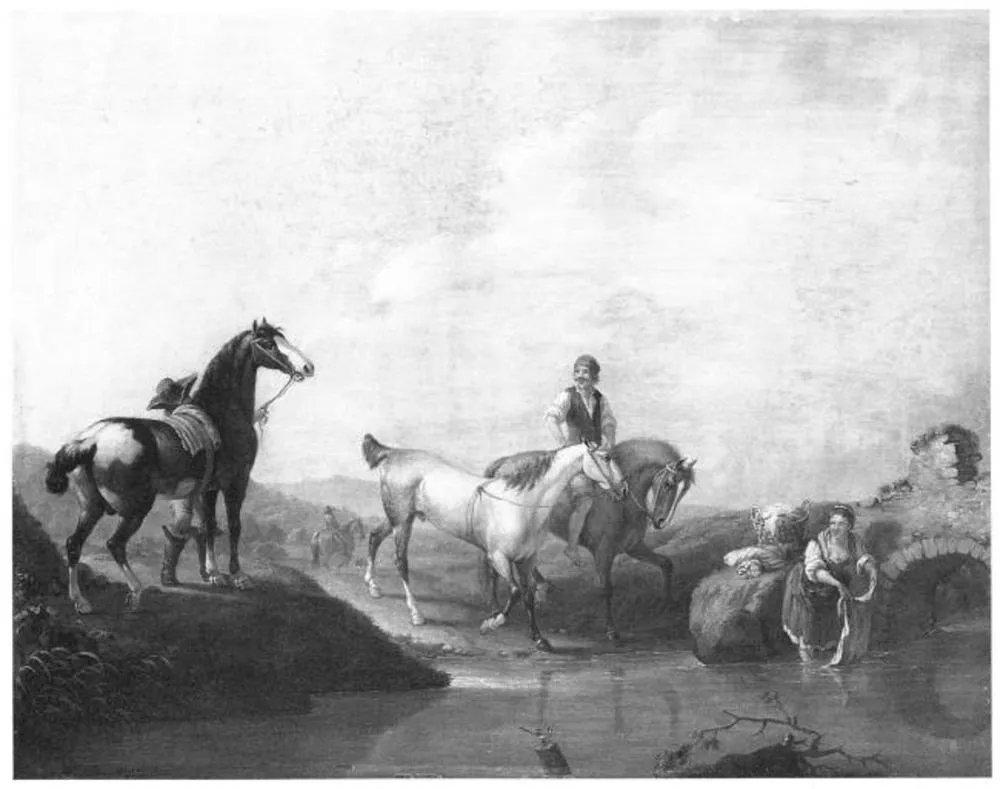
A Groom Leading two Horses to the Water is an unspecified painting by the Rococo painting artist Johann Georg Pforr. It dates from 1792 and is held in the collection of the Städel Museum.
About this work
Overview
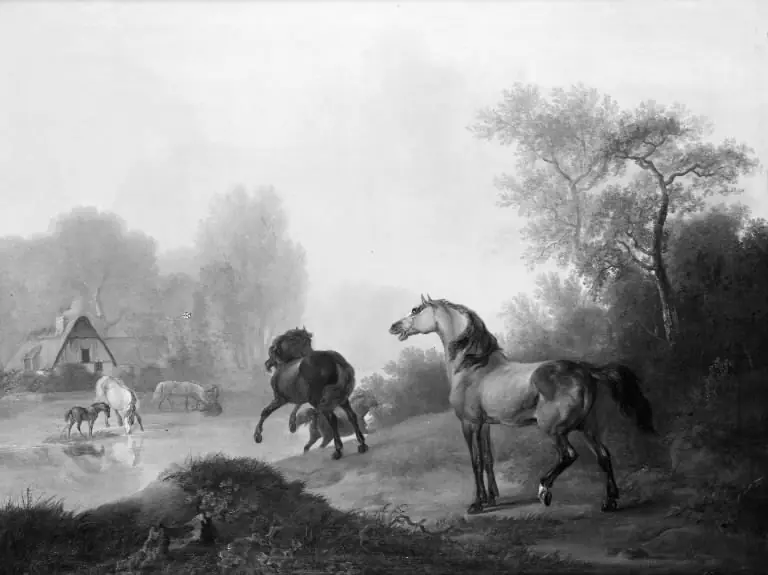
The composition centers on the figure’s calm demeanor and the animals’ contrasting orientations, one moving forward, the other turning back.
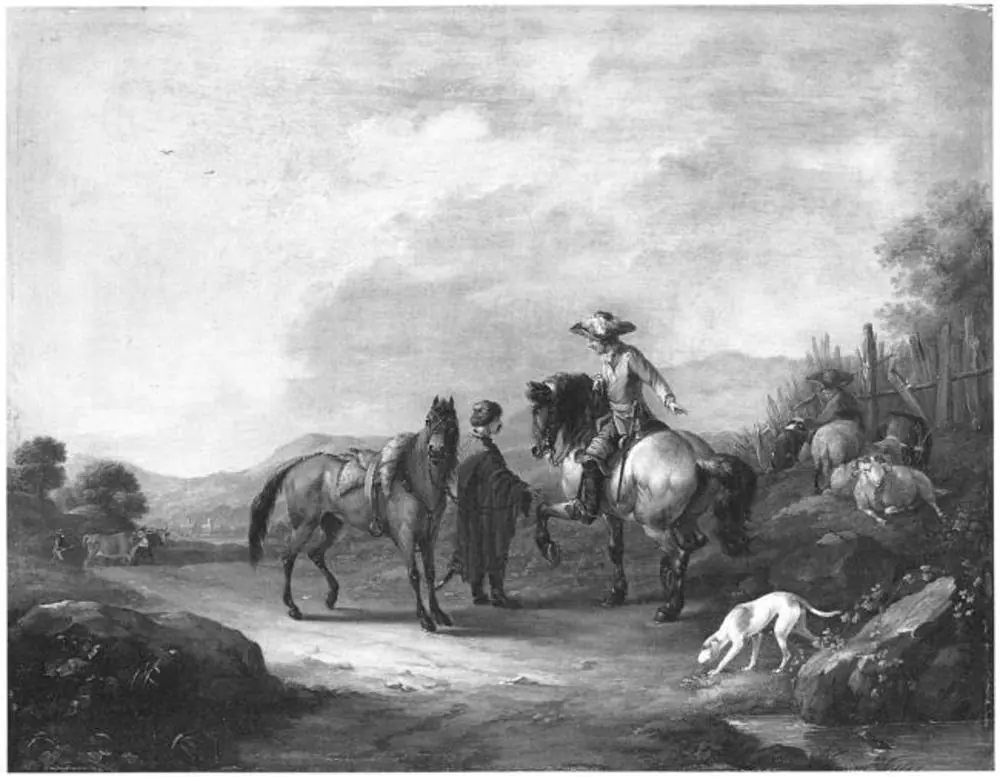
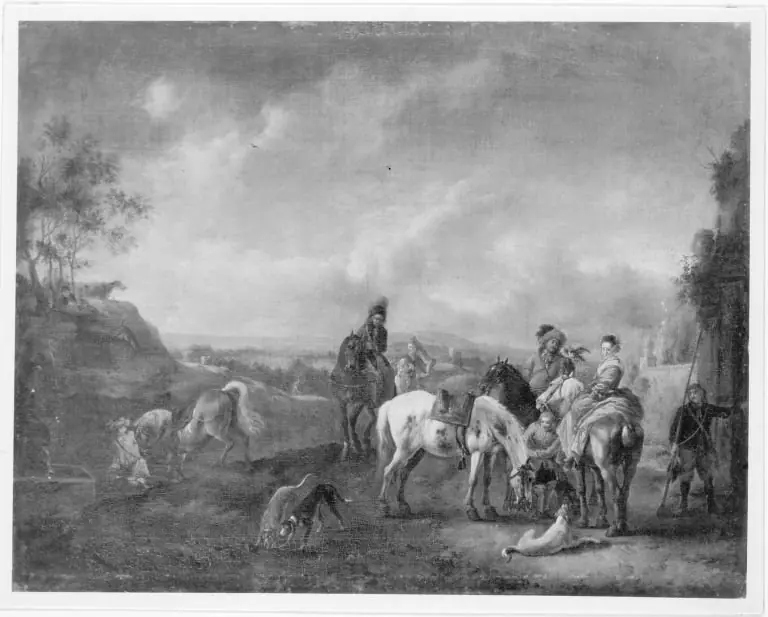
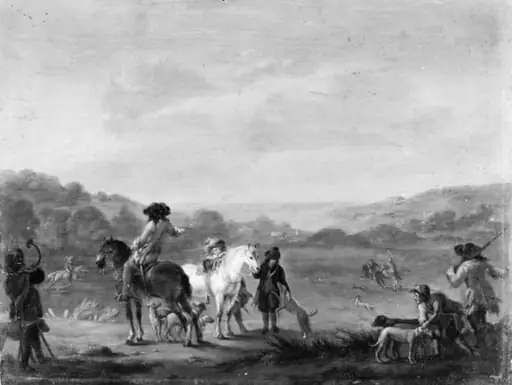
Painted in 1792 by Johann Georg Pforr, this work depicts a quiet rural moment: a groom guiding two horses toward water. The composition centers on the figure’s calm demeanor and the animals’ contrasting orientations, one moving forward, the other turning back. Set against a gentle landscape of rolling hills and sparse trees, the scene conveys stillness without narrative drama. It resides today in the Städel Museum in Frankfurt.
Subject & Meaning
The painting captures an ordinary laborer performing a routine task, elevating it through quiet dignity. The groom, dressed plainly, holds the reins of both horses with equal attention, suggesting care and control. The horses’ opposing directions imply a moment of pause rather than motion, reinforcing the scene’s meditative tone. No symbolic or mythological layer is present—its power lies in the unadorned observation of daily life.
Technique & Style
Pforr employs soft, muted tones and delicate brushwork to render the landscape and figures with subtle realism. Light falls evenly across the scene, avoiding dramatic contrasts, which enhances the sense of tranquility. The groom’s posture and the horses’ anatomy are rendered with careful observation, though not with idealized precision. The brushstrokes remain restrained, favoring harmony over expressive intensity.
History & Provenance
Created during Pforr’s early career, the painting reflects his training in the academic tradition before his later association with the Nazarene movement. It entered the Städel Museum’s collection in the 19th century, likely through acquisitions focused on German Romantic and genre works. Its preservation suggests early recognition of its quiet aesthetic value within regional art circles.
Context
In the late 18th century, German art increasingly turned to everyday rural life as a subject, distancing itself from grand historical themes. Pforr’s work aligns with this shift, echoing contemporaries who valued sincerity over spectacle. The painting’s calmness reflects broader cultural interests in nature, simplicity, and the moral quietude of labor during a period of political and social upheaval.
Legacy
Though not widely known outside German art circles, the painting exemplifies a transitional phase in early Romantic painting—where the mundane was rendered with reverence. Pforr’s focus on unembellished labor influenced later artists seeking authenticity in genre scenes. Its continued presence in the Städel Museum underscores its role as a quiet anchor in the history of German visual culture.
Artist & collection