Artwork
Portrait of Count Wilhelm Friedrich Ernst zu Schaumburg-Lippe
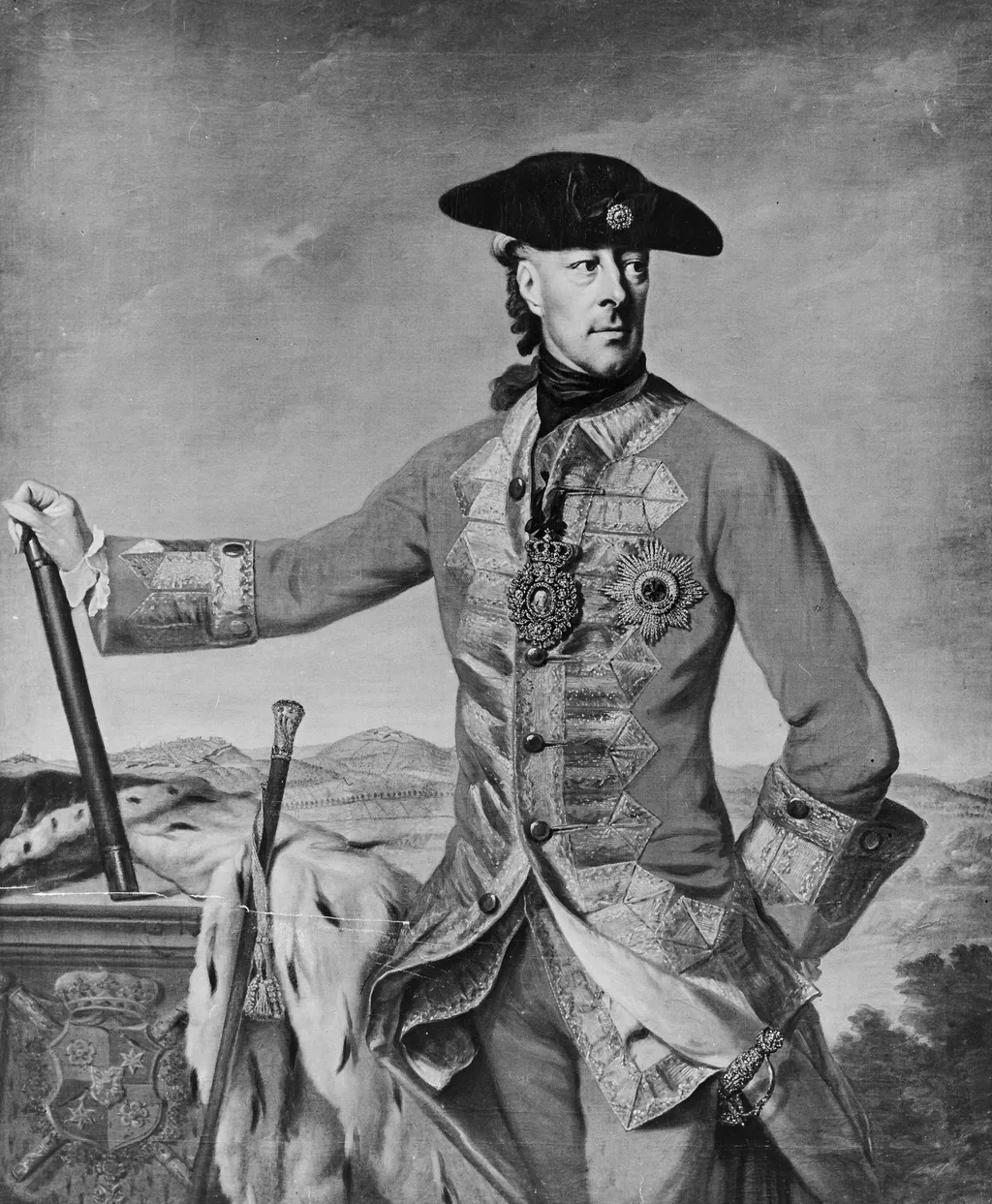
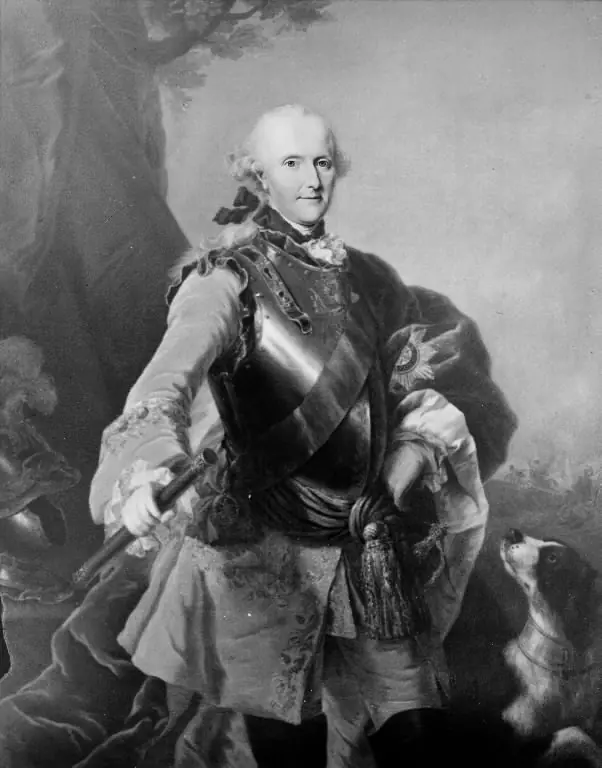
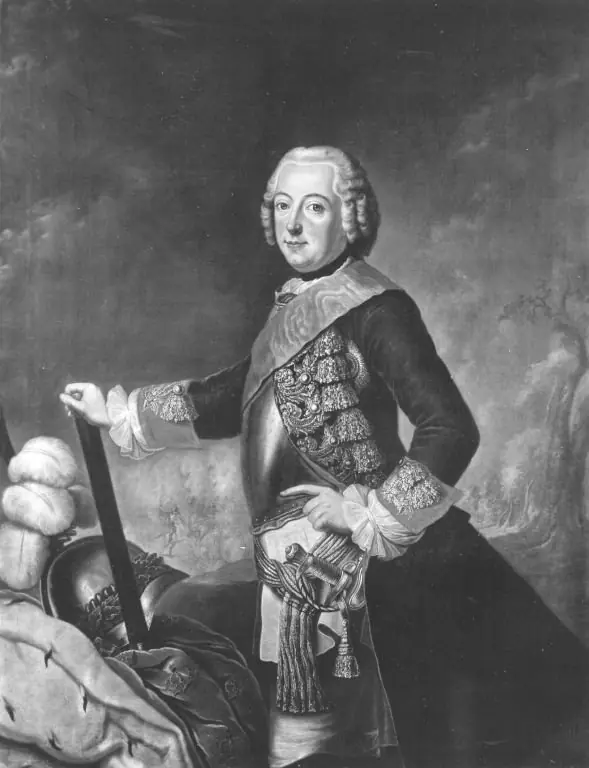
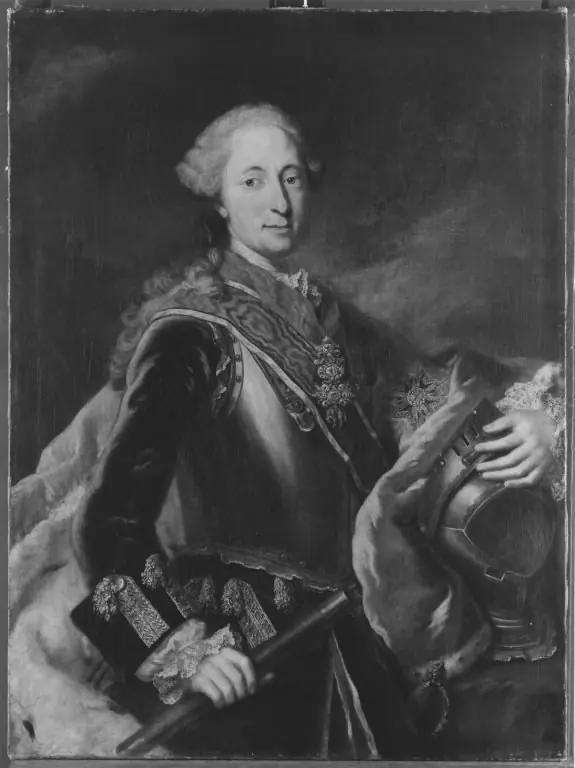
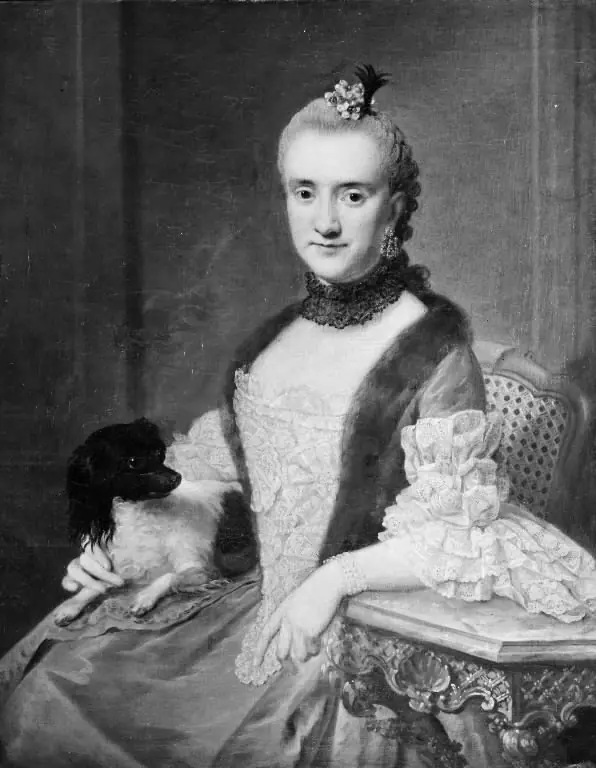
Portrait of Count Wilhelm Friedrich Ernst zu Schaumburg-Lippe is a paint painting by Johann Georg Ziesenis. It dates from 1756 and is held in the collection of the Gemäldegalerie Berlin.
About this work
Overview
Painted around 1756 by Johann Georg Ziesenis, this portrait depicts Count Wilhelm Friedrich Ernst zu Schaumburg-Lippe, a German nobleman and military officer.
Painted around 1756 by Johann Georg Ziesenis, this portrait depicts Count Wilhelm Friedrich Ernst zu Schaumburg-Lippe, a German nobleman and military officer. The work is part of the Gemäldegalerie Berlin’s collection and exemplifies the formal portraiture favored among European aristocracy in the mid-18th century. It captures the subject with restrained dignity, emphasizing status through attire and setting rather than overt grandeur.
Subject & Meaning
The count is portrayed in full military dress, signifying his role and rank within the nobility. His tricorn hat, gold-trimmed coat, and the sword resting on the table underscore his martial identity. The fur cloak and cane suggest refined taste and leisure, while his serious gaze and composed posture convey authority and self-possession. The landscape behind him implies landed power and connection to territory, reinforcing his social standing.
Technique & Style
Ziesenis employs a precise, polished technique typical of German portraiture of the period. Brushwork is controlled, with attention to texture in fabric, metal, and fur. The lighting is even, highlighting the count’s face and uniform without dramatic contrast. The background landscape is rendered with soft, atmospheric tones, balancing the figure’s formality with a sense of natural depth, reflecting contemporary tastes in combining portraiture with landscape elements.
History & Provenance
The painting was likely commissioned shortly after the count’s military service or appointment to a court position. It entered the Gemäldegalerie Berlin’s collection in the 19th century, following the absorption of princely holdings into state museums. Its continuous preservation in a public institution suggests its recognized value as a representation of regional nobility, though little is documented about its early ownership beyond the family.
Context
In mid-18th-century Germany, portraiture served as a tool for noble families to assert identity and continuity. Ziesenis, active in Hanover and Berlin, was known for his restrained, dignified style, favored by minor courts seeking to align with broader European norms. This portrait reflects the influence of British and Dutch portraiture, adapted to German aristocratic sensibilities that valued understated elegance over flamboyance.
Legacy
The portrait remains a representative example of provincial German aristocratic imagery from the Enlightenment era. While Ziesenis is not widely known outside specialist circles, this work contributes to understanding how lesser nobility used visual culture to project legitimacy. It continues to inform studies on regional identity, military nobility, and the evolution of portraiture beyond major artistic centers.
Artist & collection

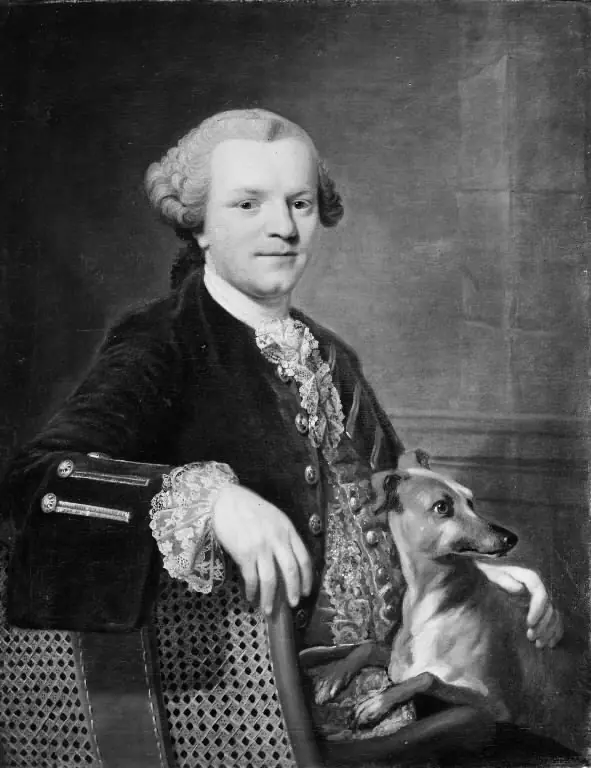 Portrait of Freiherr von Münchhausen
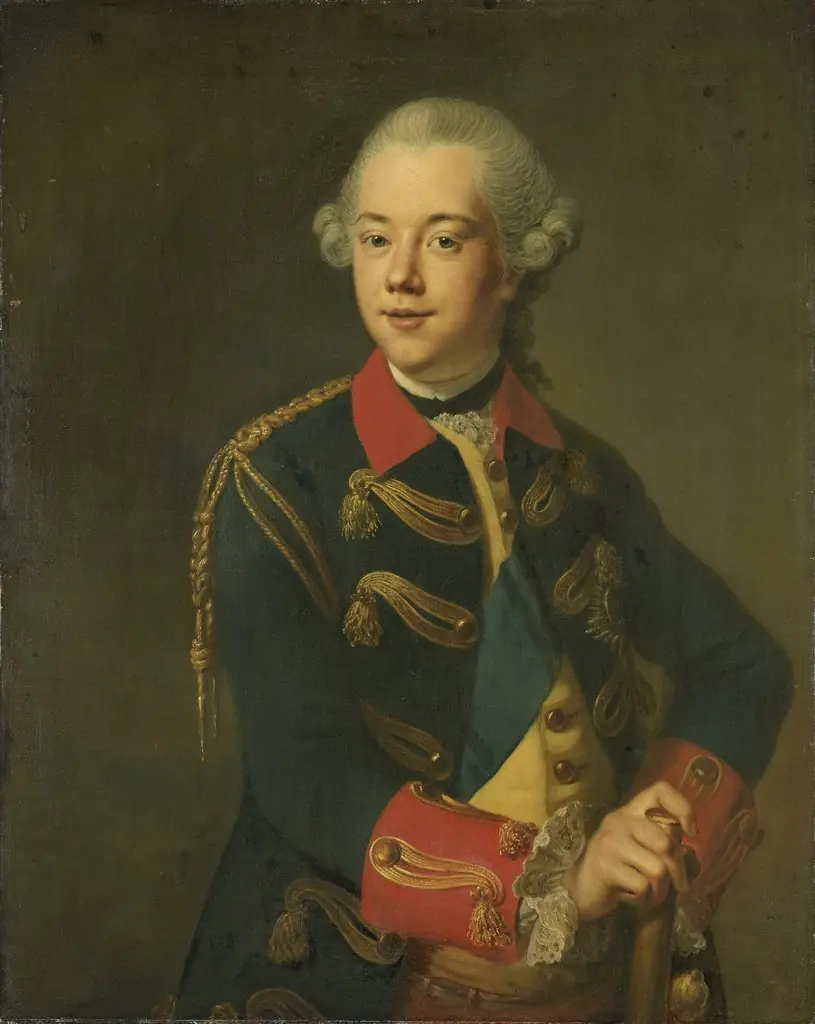 Portrait of William V, Prince of Orange-Nassau
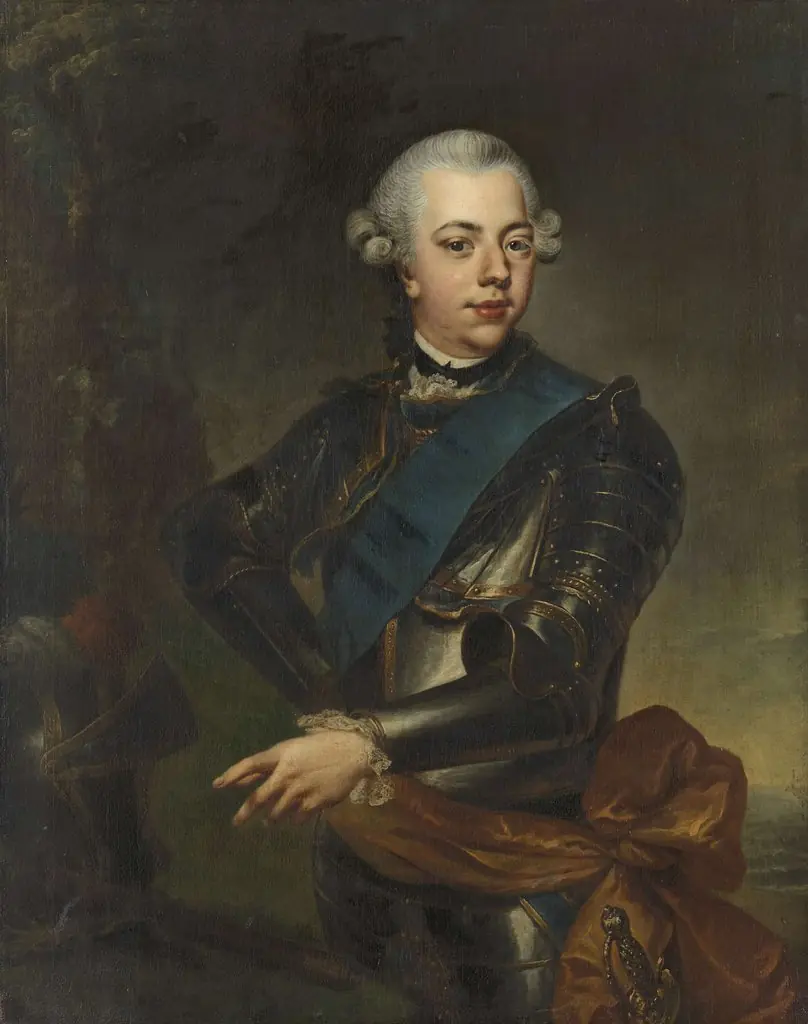 Willem V (1748-1806), prins van Oranje-Nassau
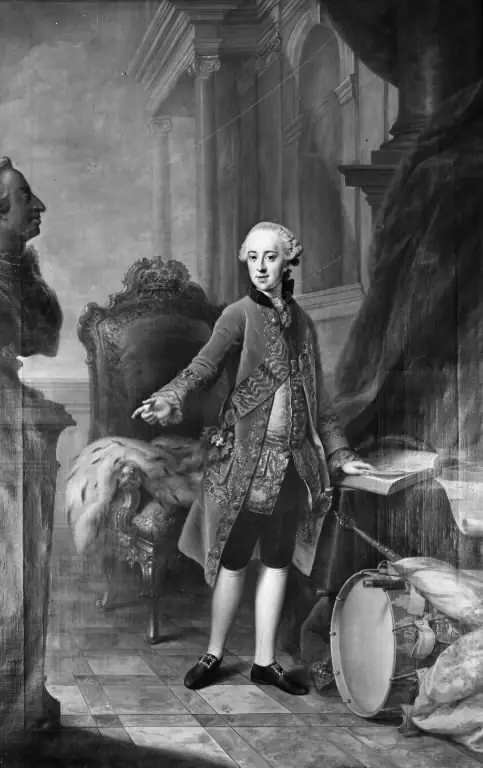 Portrait of Frederik, Heir Presumptive
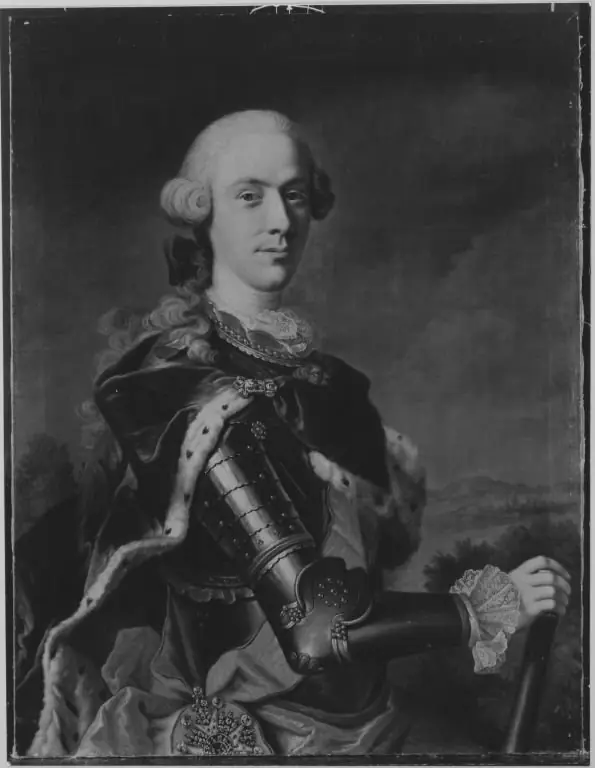 Bildnis von Christian IV., Herzog von Pfalz-Zweibrücken (1722-1775)
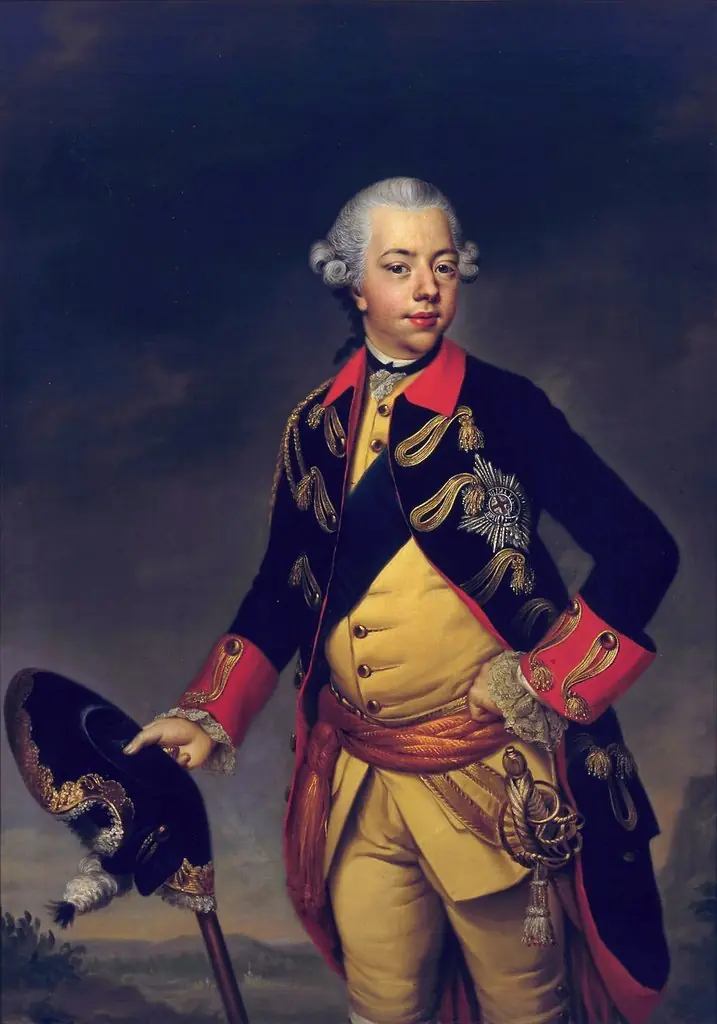 Portrait of Willem V (1748-1806), Prinz von Oranien-Nassau
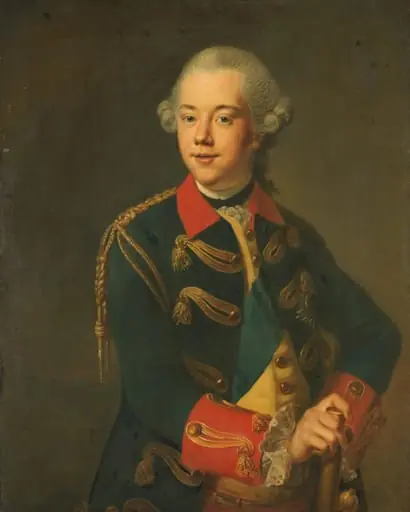 Portrait of William V, Prince of Orange-Nassau
 Portrait of Freifrau von Münchhausen