Artwork
Portrait of William V, Prince of Orange-Nassau
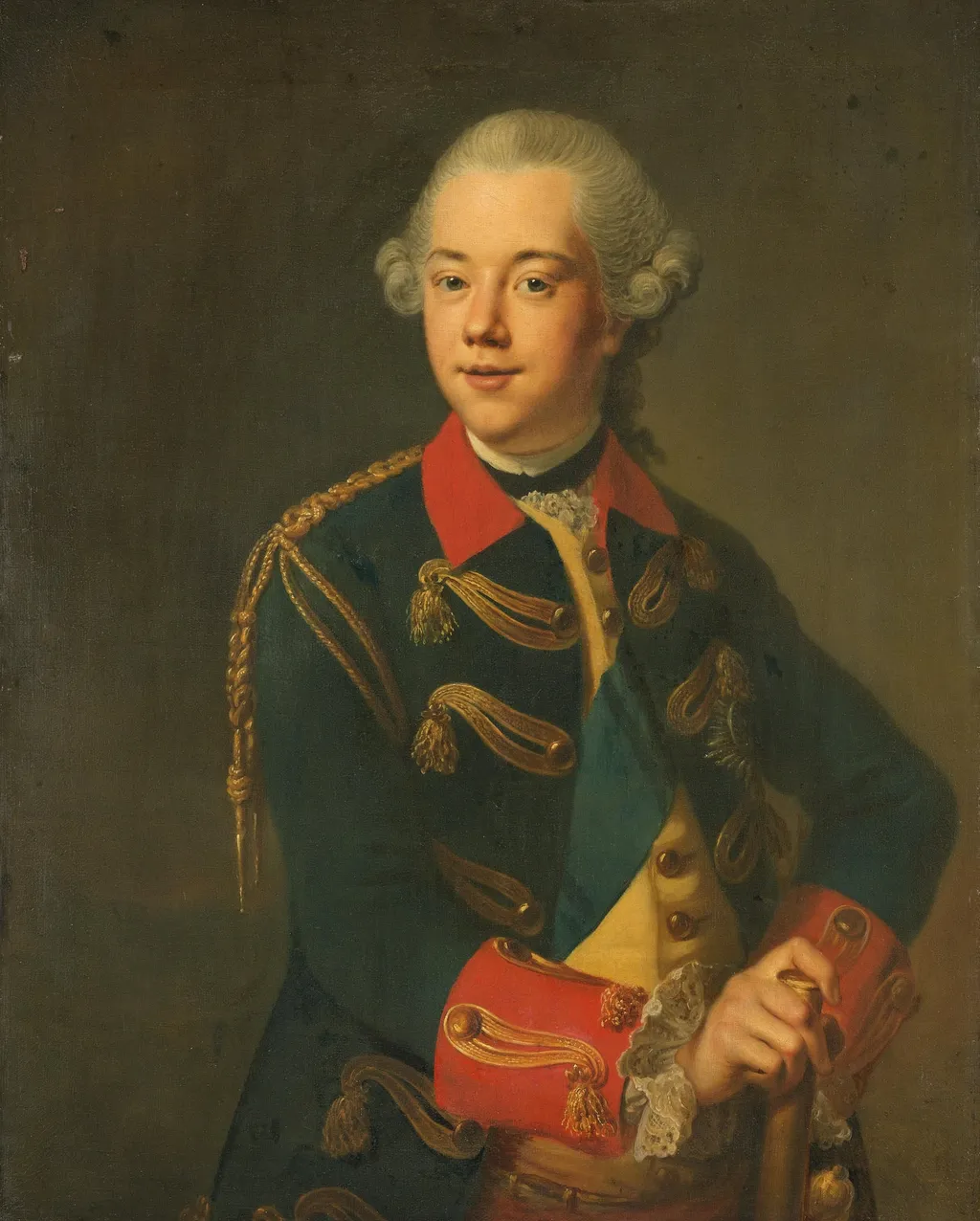
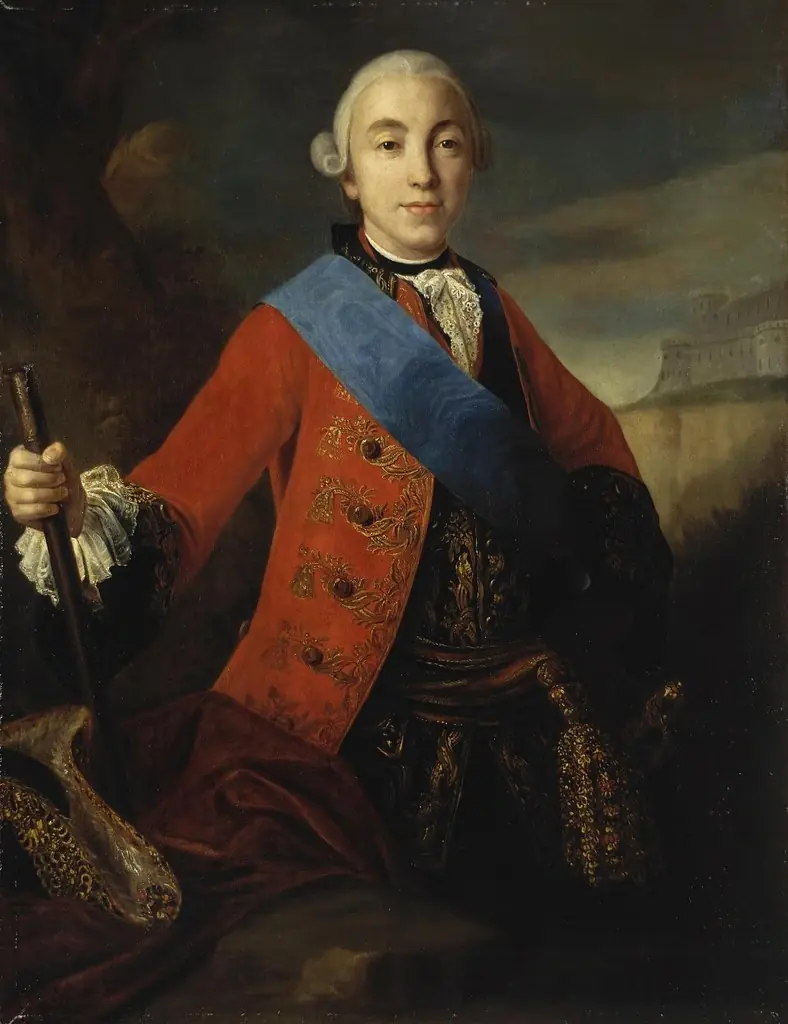
Portrait of William V, Prince of Orange-Nassau is an unspecified painting by the Rococo painting artist Johann Georg Ziesenis. It dates from 1770 and is held in the collection of the Rijksmuseum. The work depicts William V, Prince of Orange‑Nassau (1748–1806), in a formal half‑length pose.
About this work
The artist didn’t sign it, which was common for royal portraits—accuracy mattered more than credit.
A man in a blue military coat stands stiffly, one hand resting on a tall staff. Gold trim glints on his sleeves and collar. His face is pale, eyes fixed straight ahead.
This is William V, a Dutch prince who ruled during a tough time. The painting was made between 1763 and 1776, but no one knows who painted it. The artist didn’t sign it, which was common for royal portraits—accuracy mattered more than credit.
If you like this kind of formal portrait, visit the Rijksmuseum to see more.
Overview
The work depicts William V, Prince of Orange‑Nassau (1748–1806), in a formal half‑length pose. He stands upright, his right hand resting on a tall staff, dressed in a blue military coat trimmed with gold. The portrait presents a pale‑faced figure looking directly ahead, emphasizing his status as a ruler during a turbulent period.
Subject & Meaning
William V is shown as a dignified commander, the staff symbolising authority and military leadership. The restrained expression and forward gaze convey a sense of resolve, reflecting the challenges faced by the Dutch stadtholder in the late eighteenth century.
Technique & Style
Executed in oil on canvas, the painting follows the conventions of mid‑eighteenth‑century court portraiture. The artist employed a limited palette of blues and golds to highlight the uniform, while rendering the skin with a smooth, almost translucent quality that underscores the sitter’s aristocratic bearing.
History & Provenance
Created sometime between 1763 and 1776, the portrait remains unattributed; the painter left no signature, a common practice for official royal images where the emphasis lay on accurate representation rather than personal acclaim. Its provenance traces back to the Dutch royal collection before entering the public domain.
Context
The portrait belongs to a series of state portraits commissioned during William V’s tenure as stadtholder, a time marked by political instability and external pressures on the Dutch Republic. Such images were intended to reinforce the legitimacy and continuity of the House of Orange‑Nassau.
Own this work as a print
Artist & collection
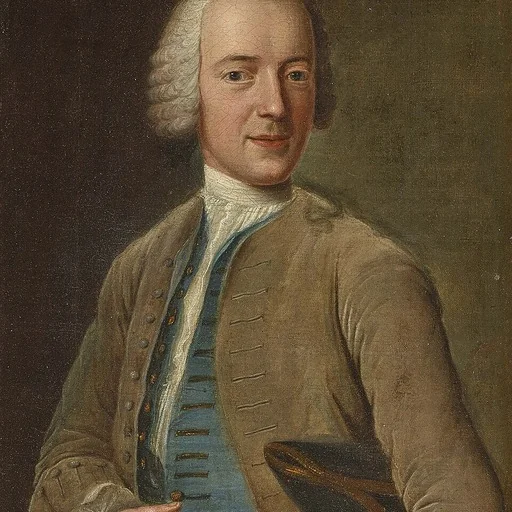

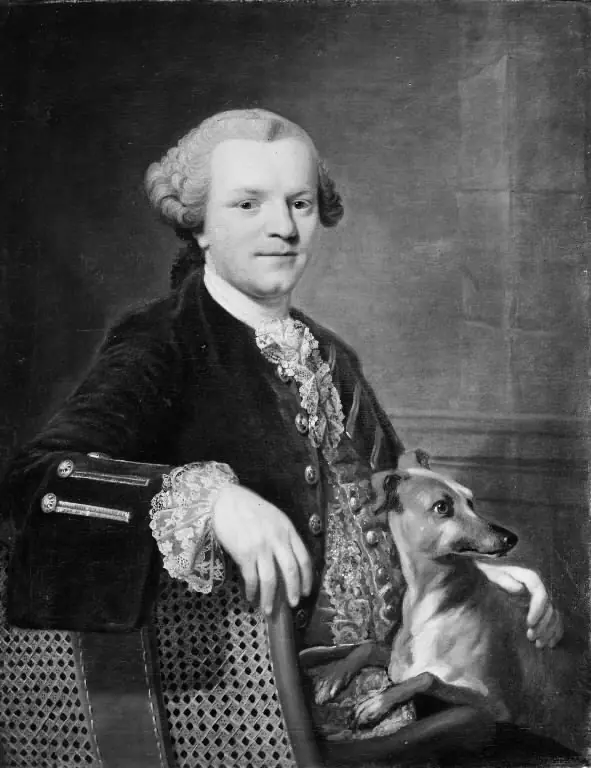 Portrait of Freiherr von Münchhausen
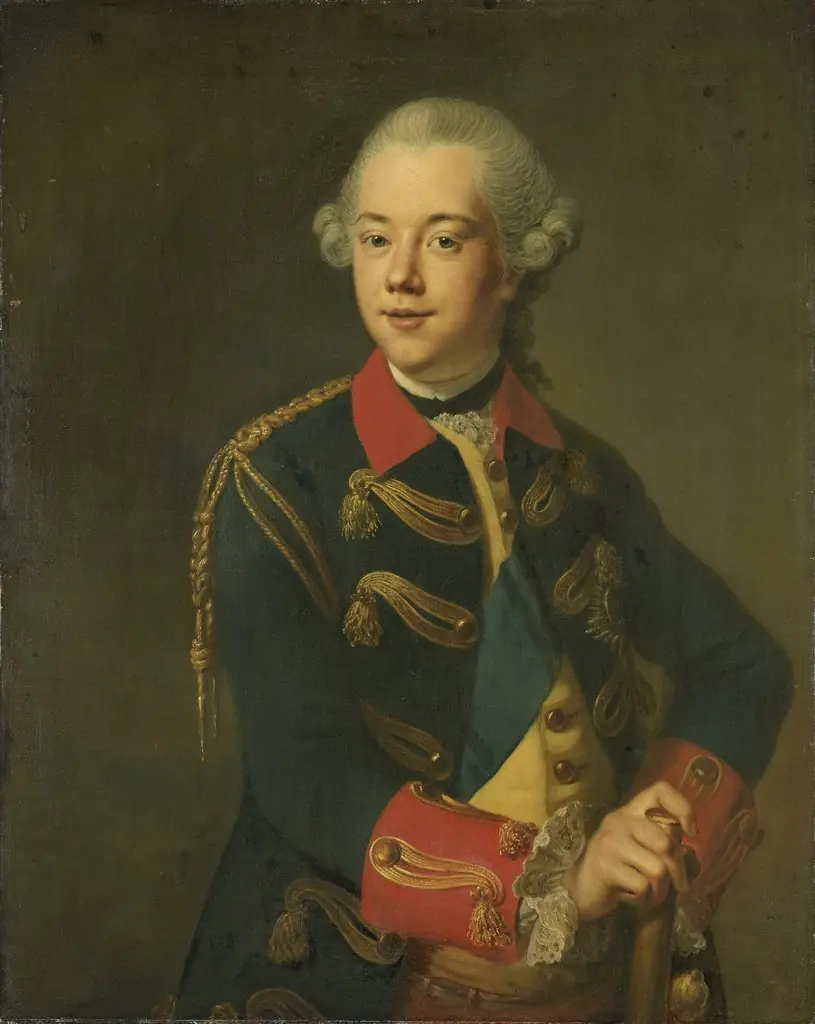 Portrait of William V, Prince of Orange-Nassau
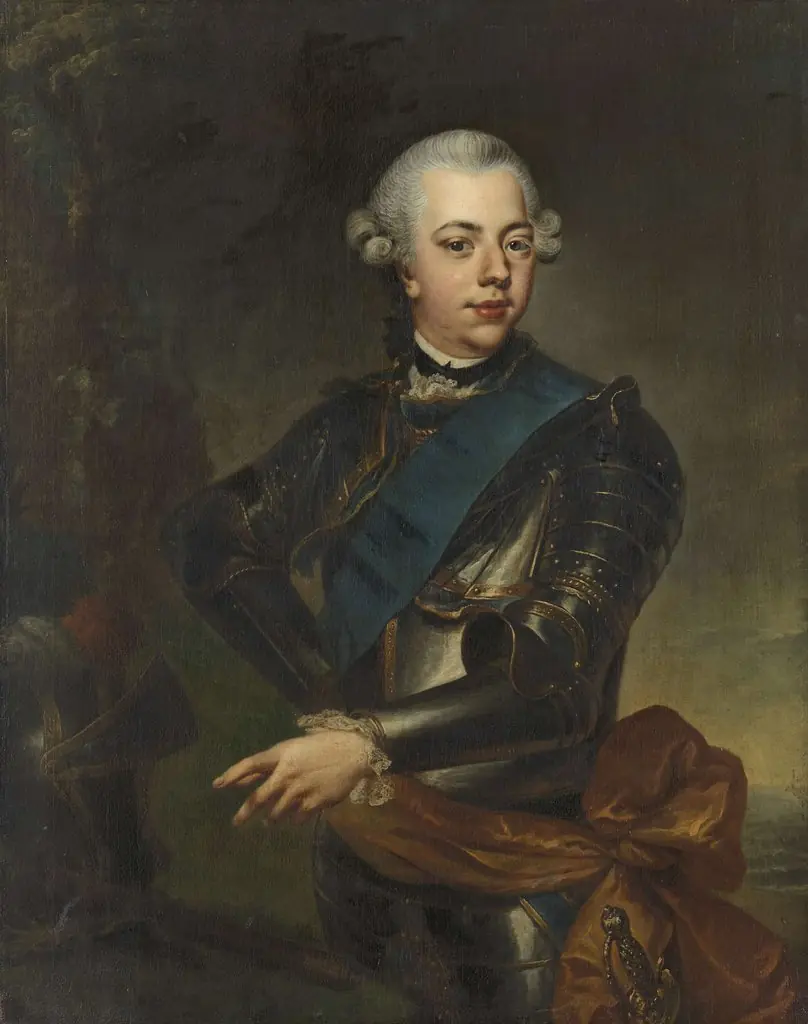 Willem V (1748-1806), prins van Oranje-Nassau
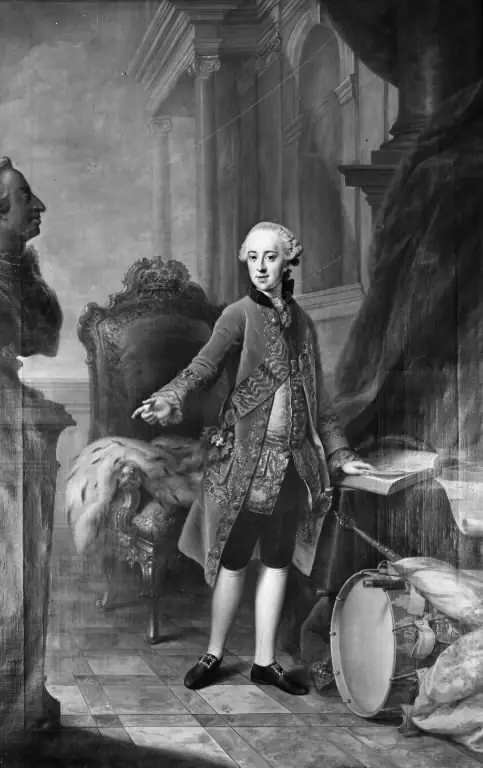 Portrait of Frederik, Heir Presumptive
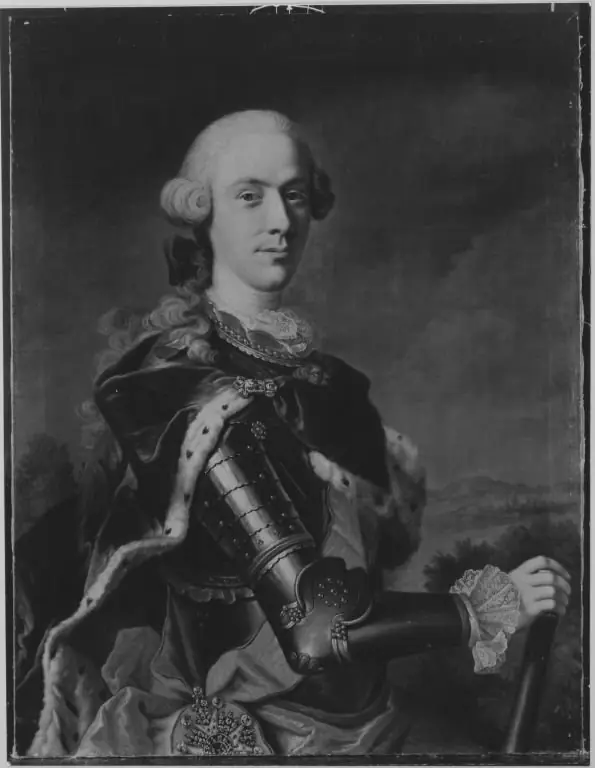 Bildnis von Christian IV., Herzog von Pfalz-Zweibrücken (1722-1775)
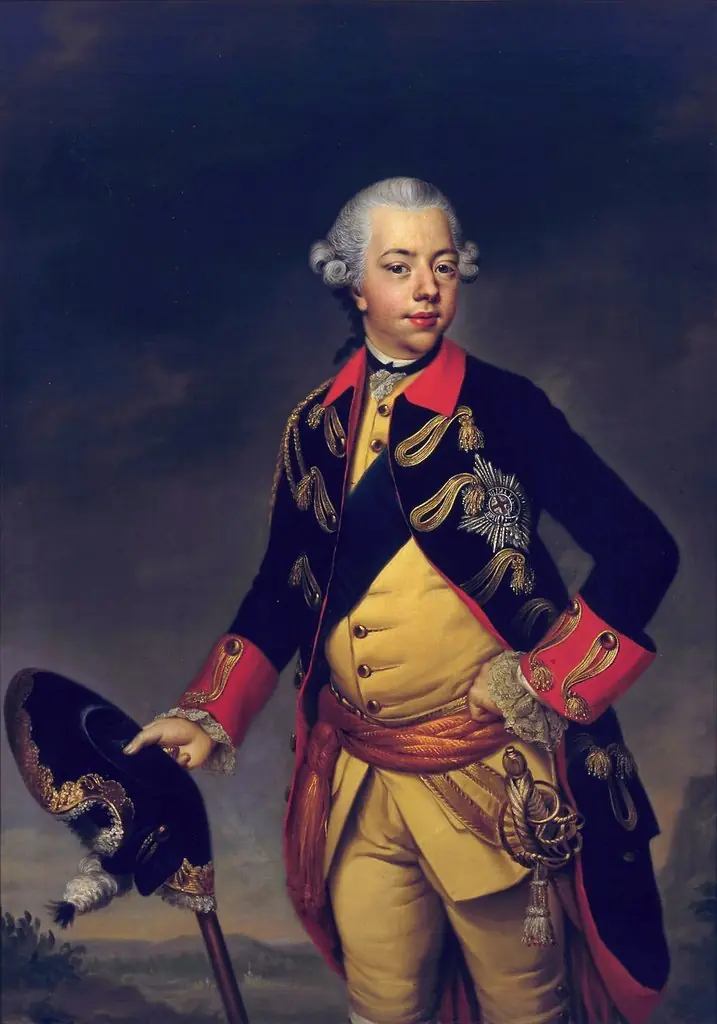 Portrait of Willem V (1748-1806), Prinz von Oranien-Nassau
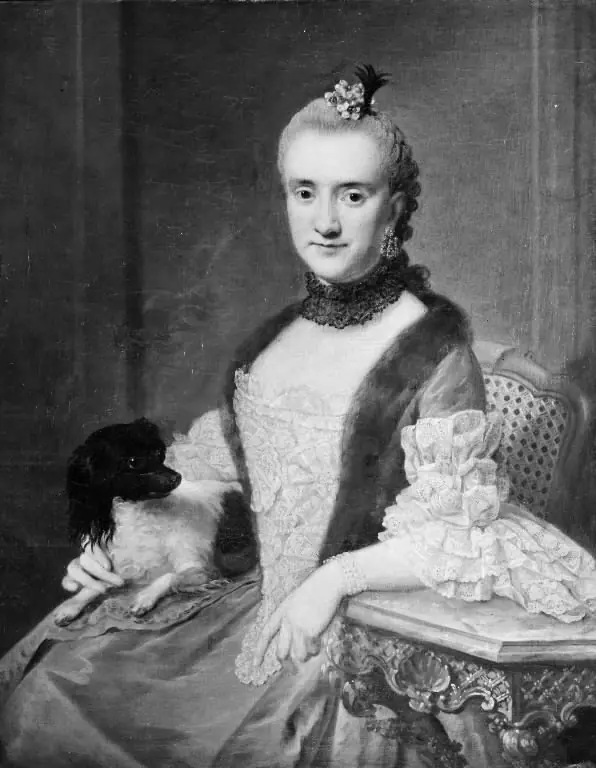 Portrait of Freifrau von Münchhausen
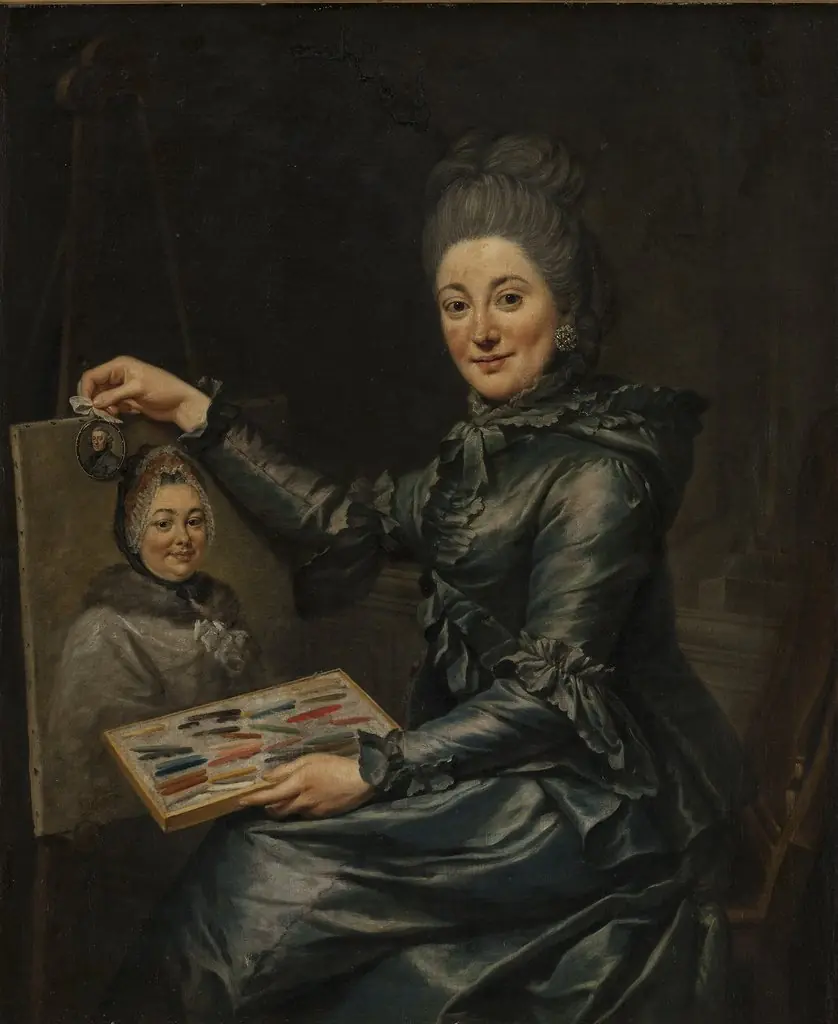 Portrait of the Artist's Daughter Elisabeth, Married Lampe
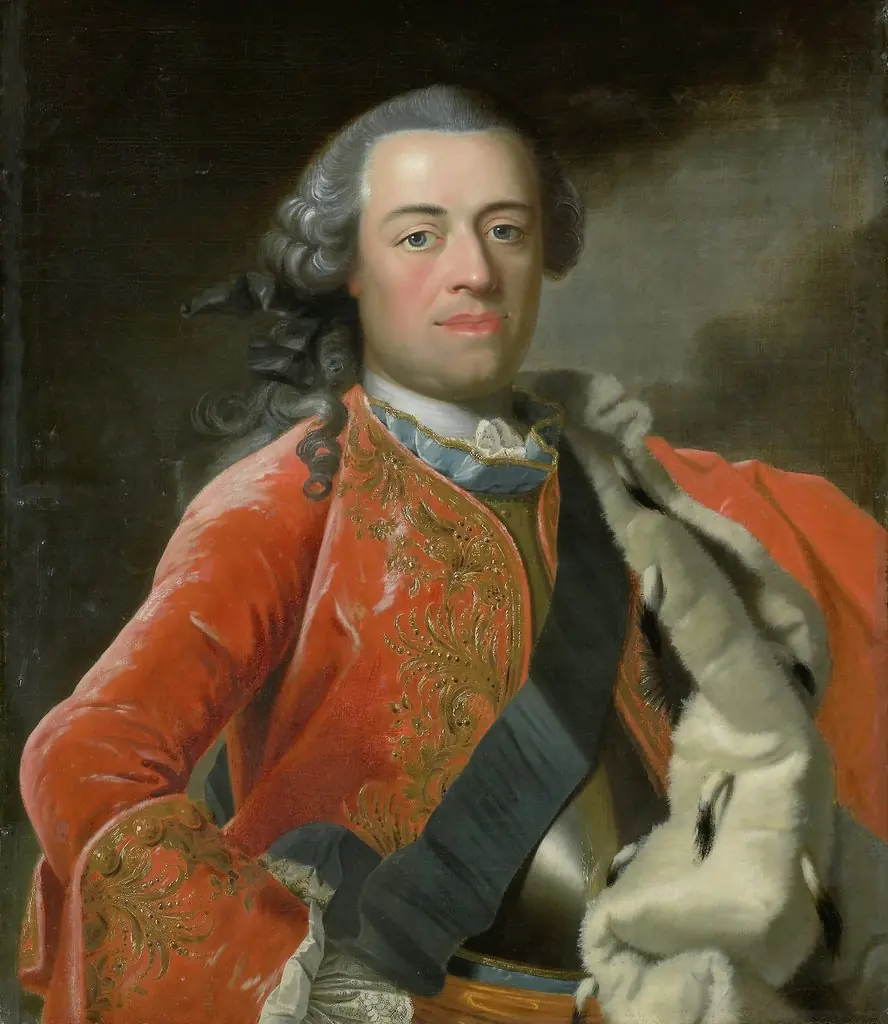 Portrait of Willem IV van Oranje-Nassau (1711-1751)
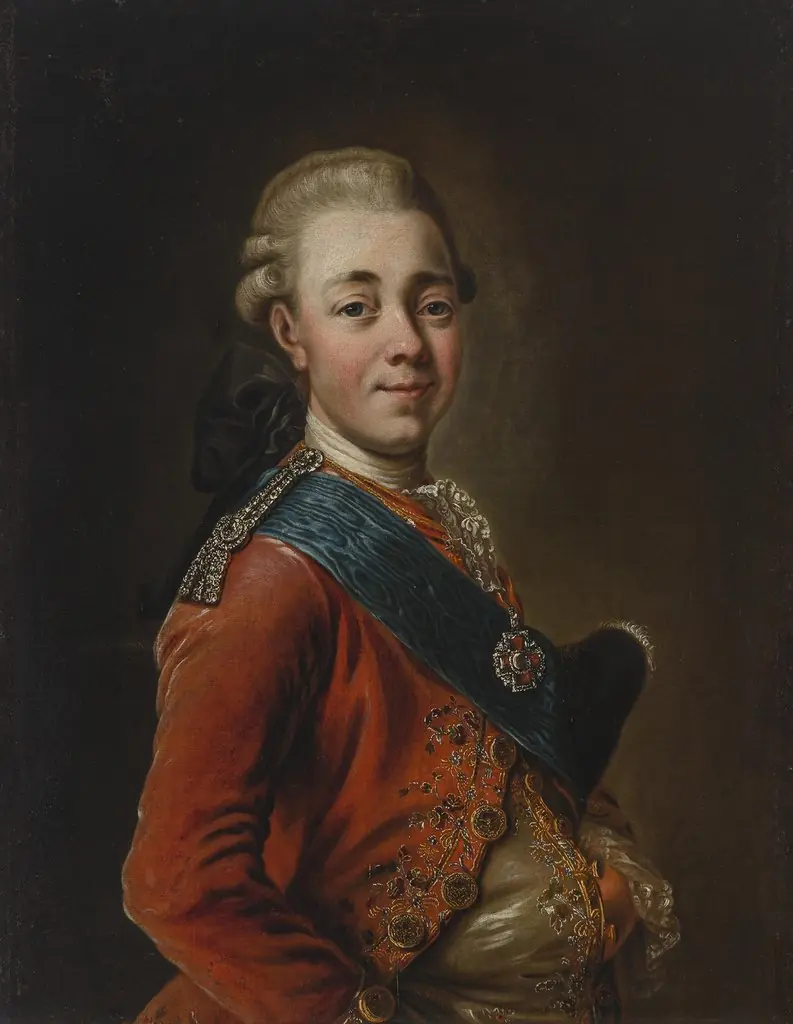 Portrait of Grand Duke Pavel Petrovich, the Future Emperor Paul I of Russia (1754-1801)
 Portrait of Count N.P.Sheremetev
 Portrait of Emperor Peter III
 Portrait of Paul I, Emperor of Russia, at a young age
 Childhood portrait of Paul I
 Portrait of Grand Duke Piotr Fiodorovich