Artwork
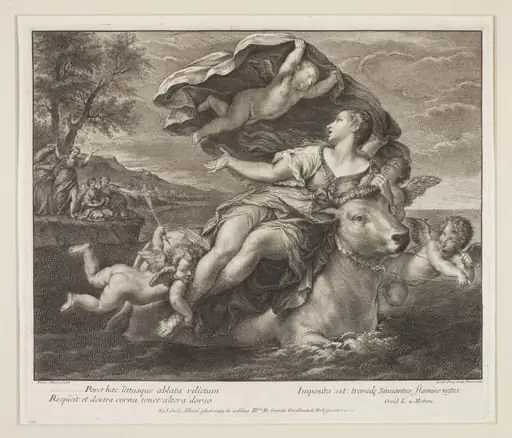
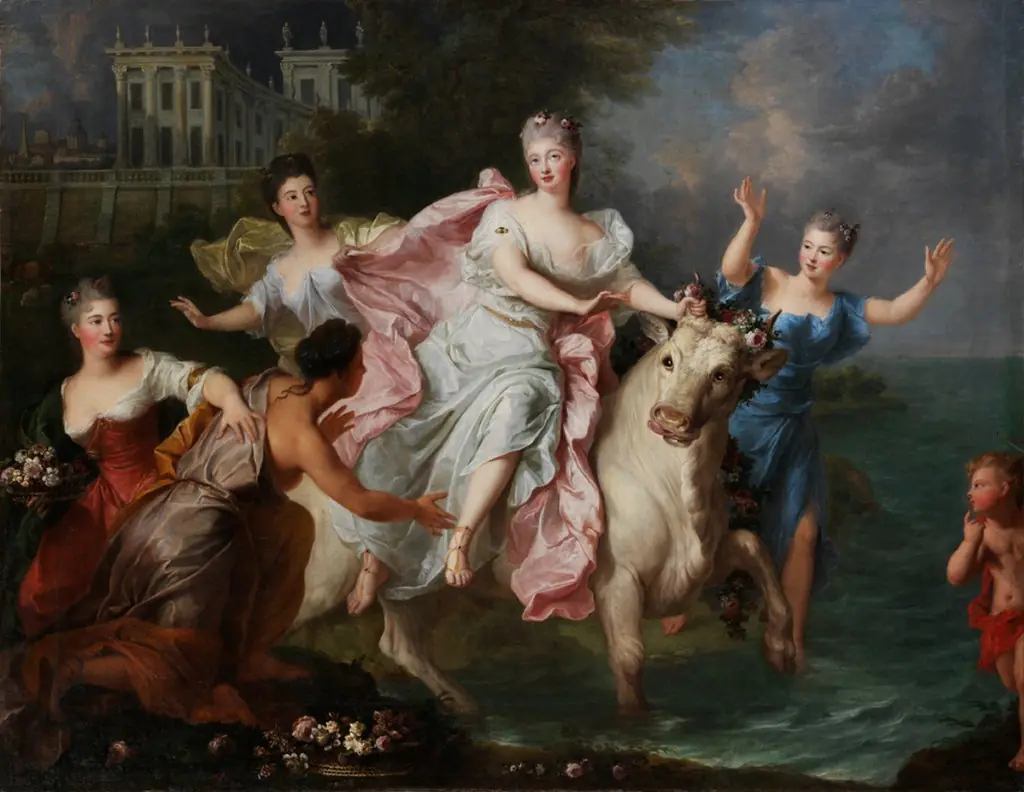
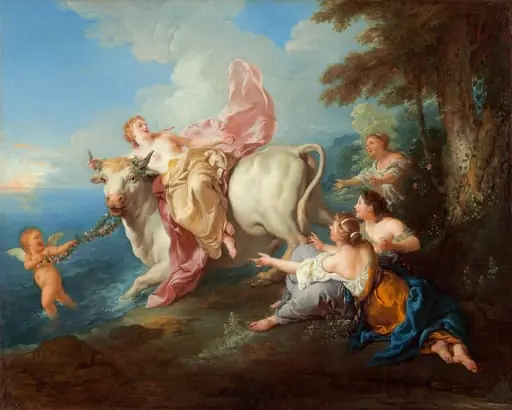
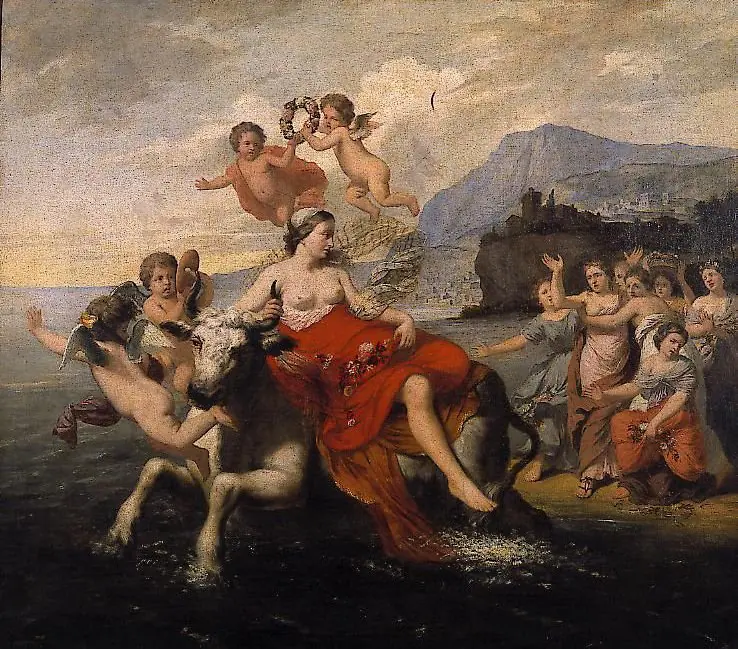
The Rape of Europa
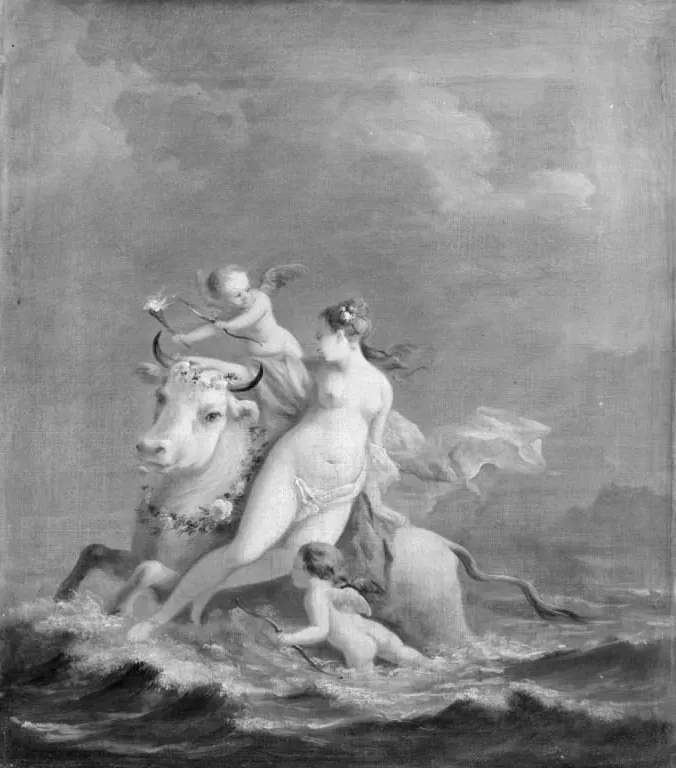
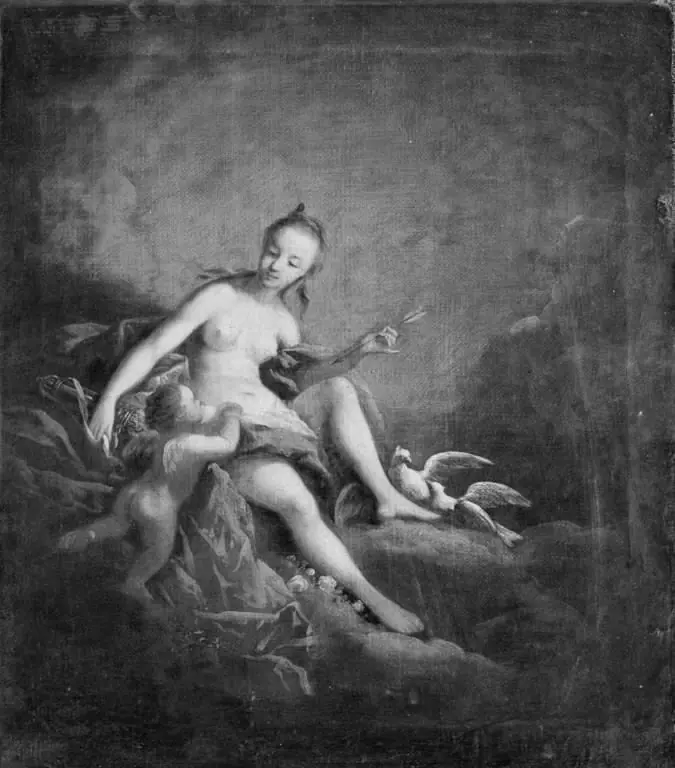
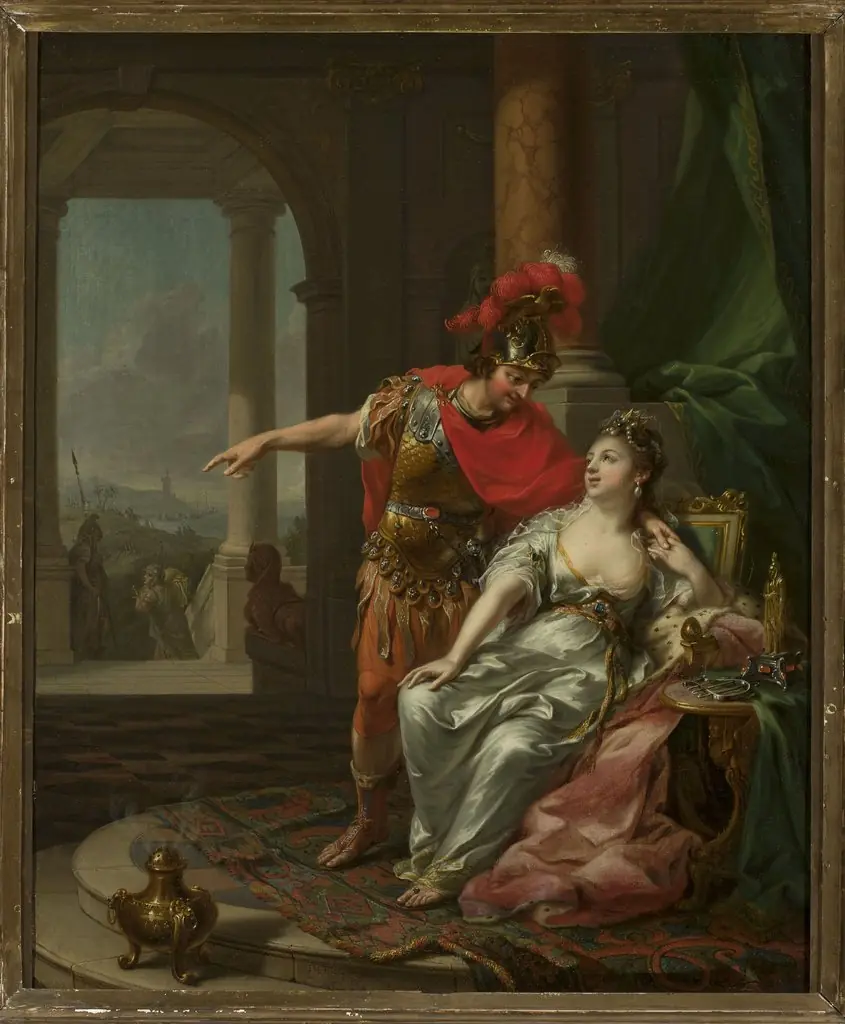
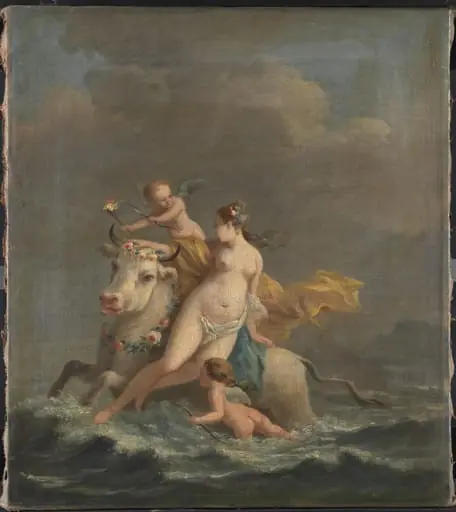
The Rape of Europa is an oil painting by the Rococo painting artist Johann Heinrich Tischbein. It dates from 1763 and is held in the collection of the Statens Museum for Kunst.
About this work
Overview
Johann Heinrich Tischbein’s 1763 oil painting *The Rape of Europa* depicts the legendary abduction of the Phoenician princess Europa by Zeus, who assumes the form of a bull. The composition captures a turbulent sea, a wind‑blown Europa clinging to the animal’s neck, a small child rowing, and a winged cherub sounding a horn against a stormy sky.
Subject & Meaning
The work illustrates the classical myth in which Zeus, transformed into a bull, carries Europa across the sea to the island of Crete. The narrative was popular in European art for its blend of sensuality, divine intervention, and the theme of transformation, offering a vehicle for exploring human vulnerability amid supernatural forces.
Technique & Style
Executed in oil on canvas, the painting reflects the Rococo sensibility that Tischbein favored: light, fluid brushwork, delicate coloration, and an emphasis on graceful movement. The figures are rendered with a soft modeling that conveys the motion of waves and wind, while ornamental details such as vine‑wrapped horns add a decorative flourish typical of the period.
History & Provenance
Created by Tischbein, a leading member of the 18th‑century German Tischbein family, the canvas entered the collection of Denmark’s Statens Museum for Kunst, where it remains on public display. The artist’s practice of employing aristocratic acquaintances as models is evident in the refined yet naturalistic portrayal of Europa.
Context
During the mid‑1700s, mythological subjects were a staple of academic painting, allowing artists to demonstrate mastery of anatomy, composition, and allegorical content. Tischbein’s choice of a well‑known classical tale aligns with contemporary tastes for learned themes rendered in an elegant, decorative manner, bridging German artistic traditions with broader European Rococo trends.
Artist & collection
Artist
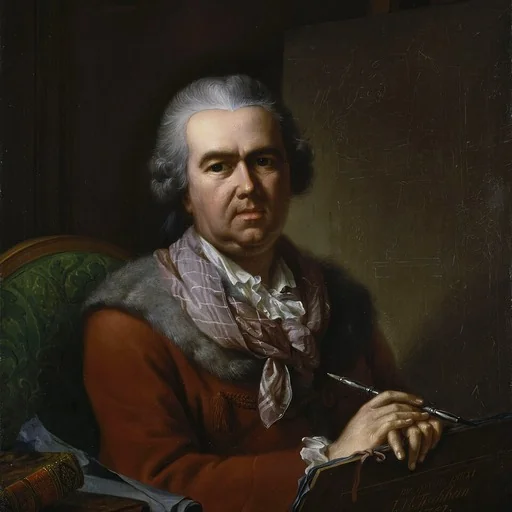
Johann Heinrich Tischbein (3 October 1722 – 22 August 1789) was a German painter.