Artwork
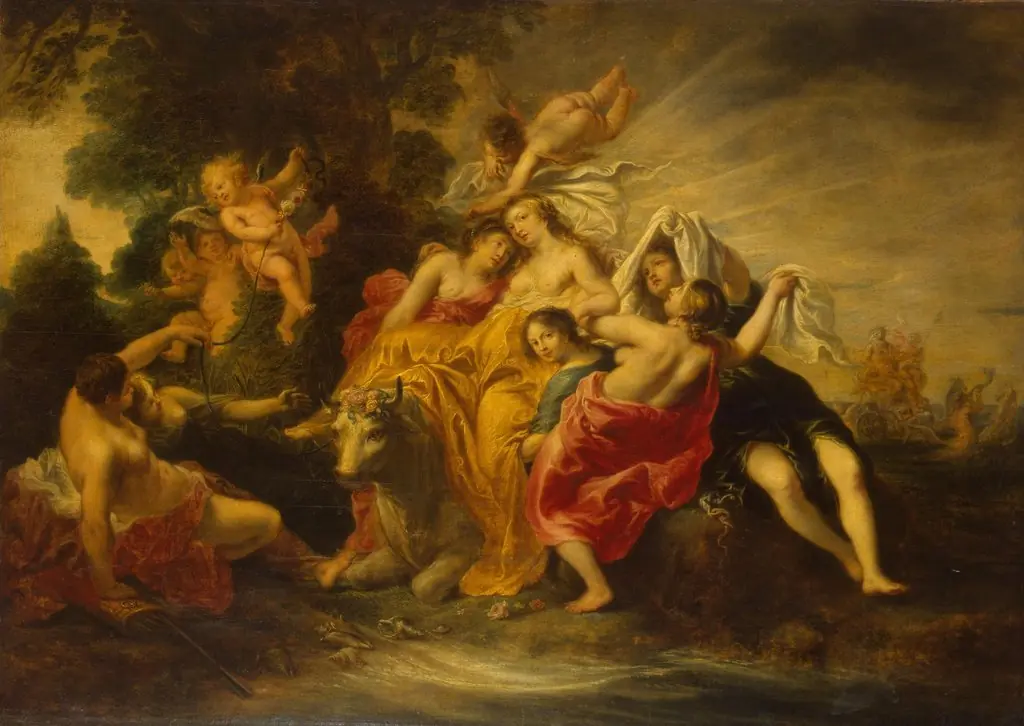
The Rape of Europe
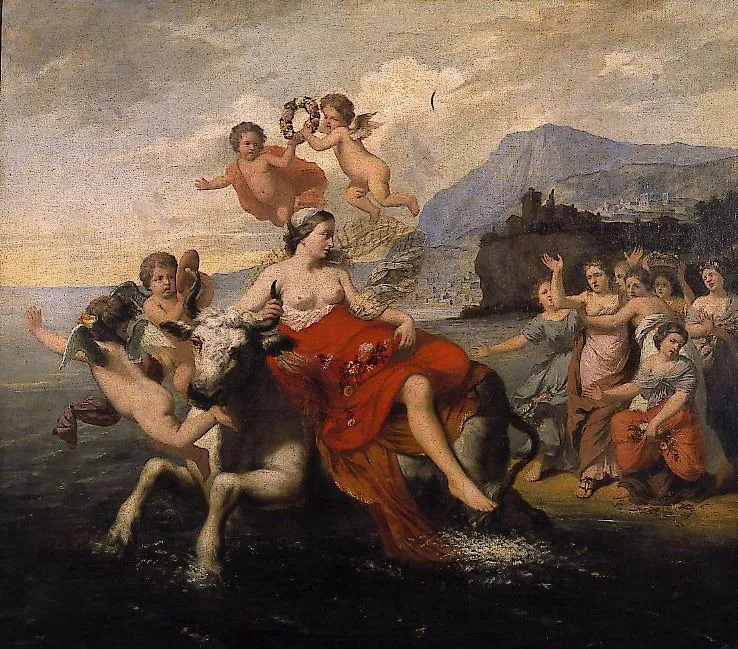
The Rape of Europe is an oil painting by Jozef Van Lerius. It dates from 1859 and is held in the collection of the Royal Museum of Fine Arts Antwerp.
About this work
Overview
Painted around 1859 by Belgian artist Jozef Van Lerius, this oil-on-canvas work illustrates a mythological narrative drawn from classical tradition. Van Lerius, active in the Romantic-Historical vein, focused on dramatic scenes with emotional intensity. The painting resides in the Royal Museum of Fine Arts Antwerp, where it remains part of the institution’s 19th-century Belgian collection.
Subject & Meaning
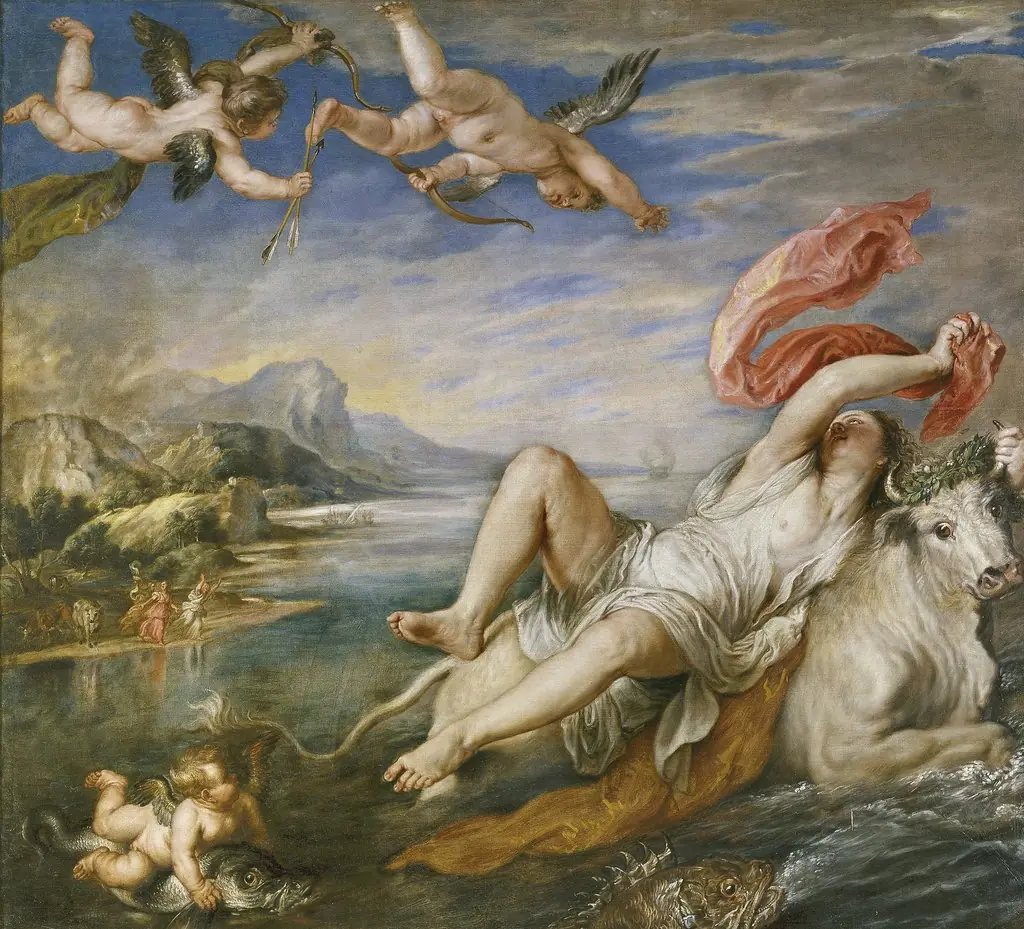
Europa, depicted in a vivid red garment, is shown resisting as she is carried off across water.
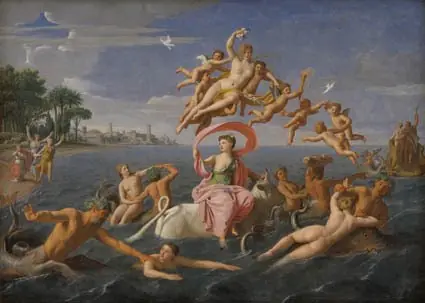
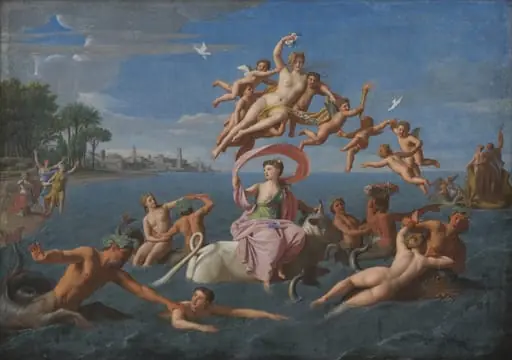
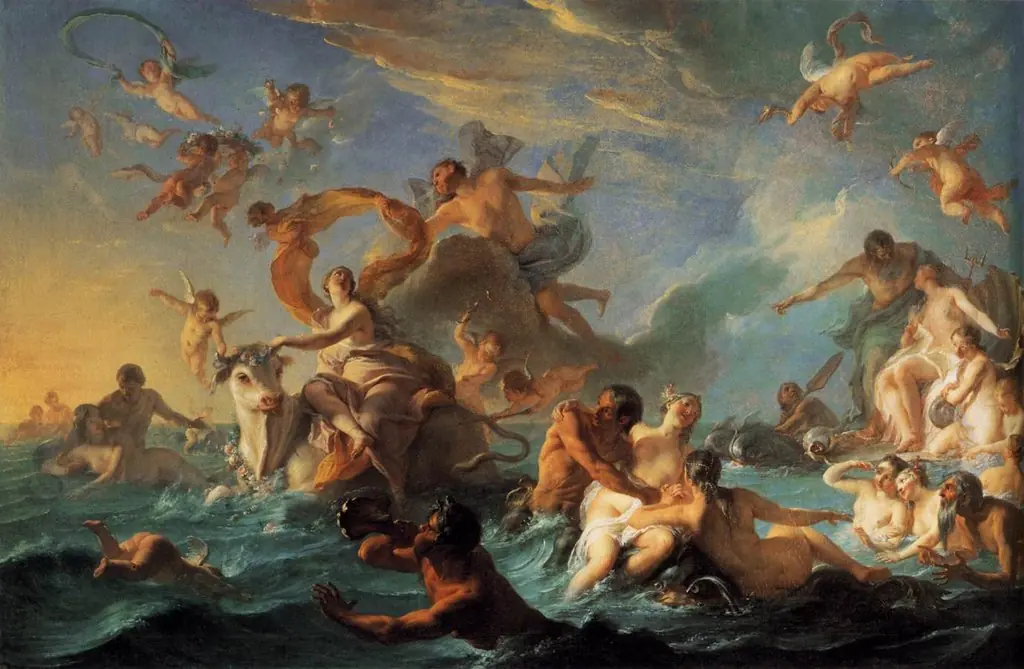
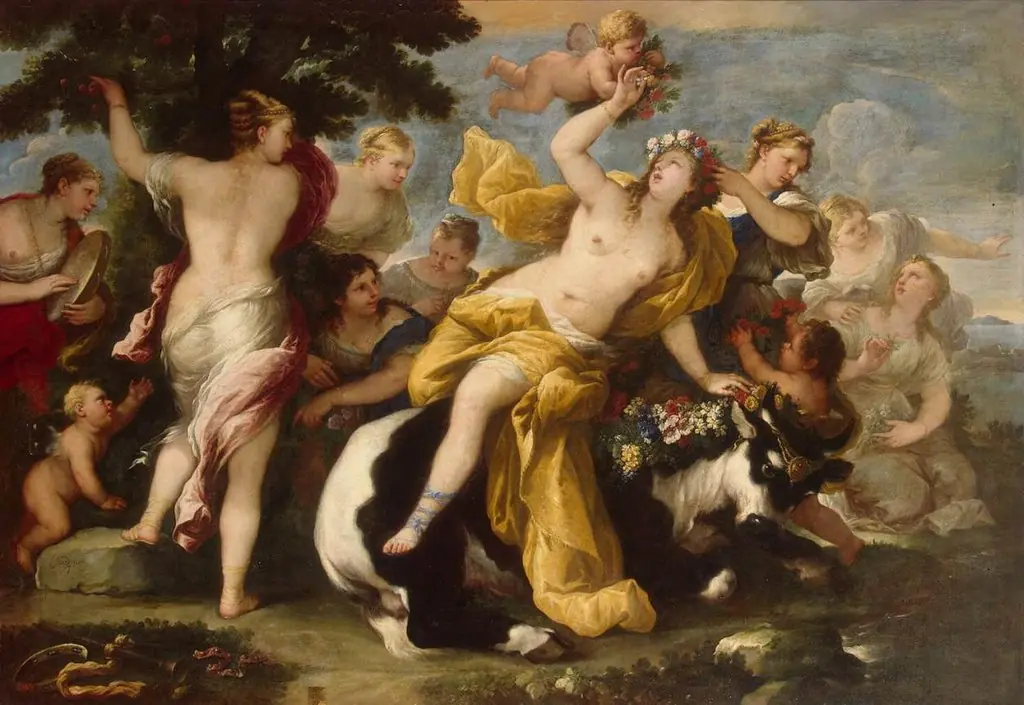
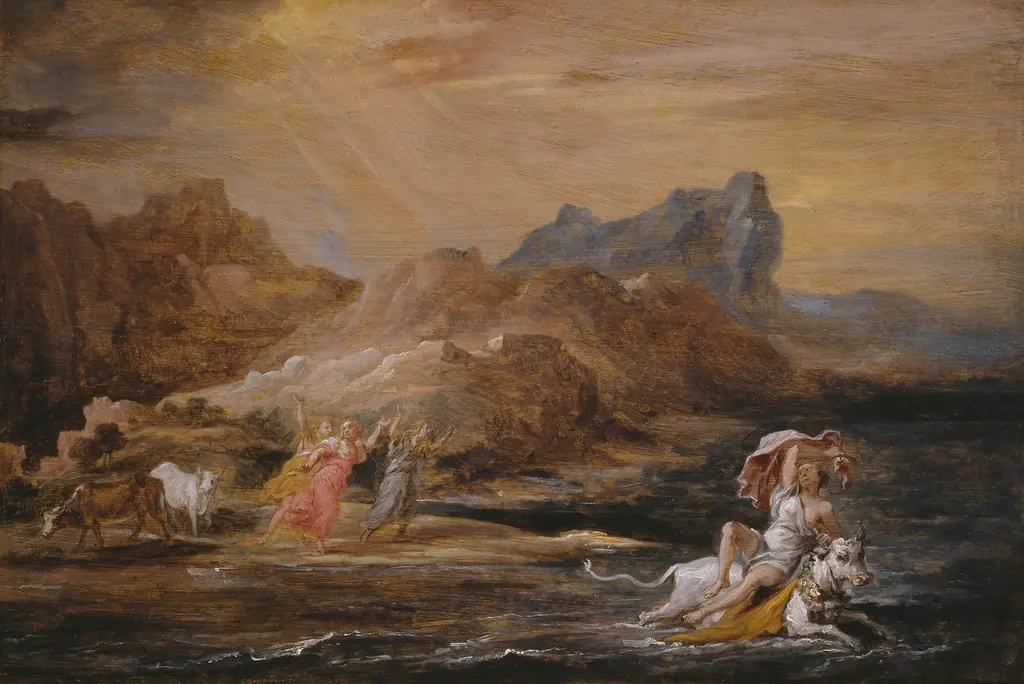
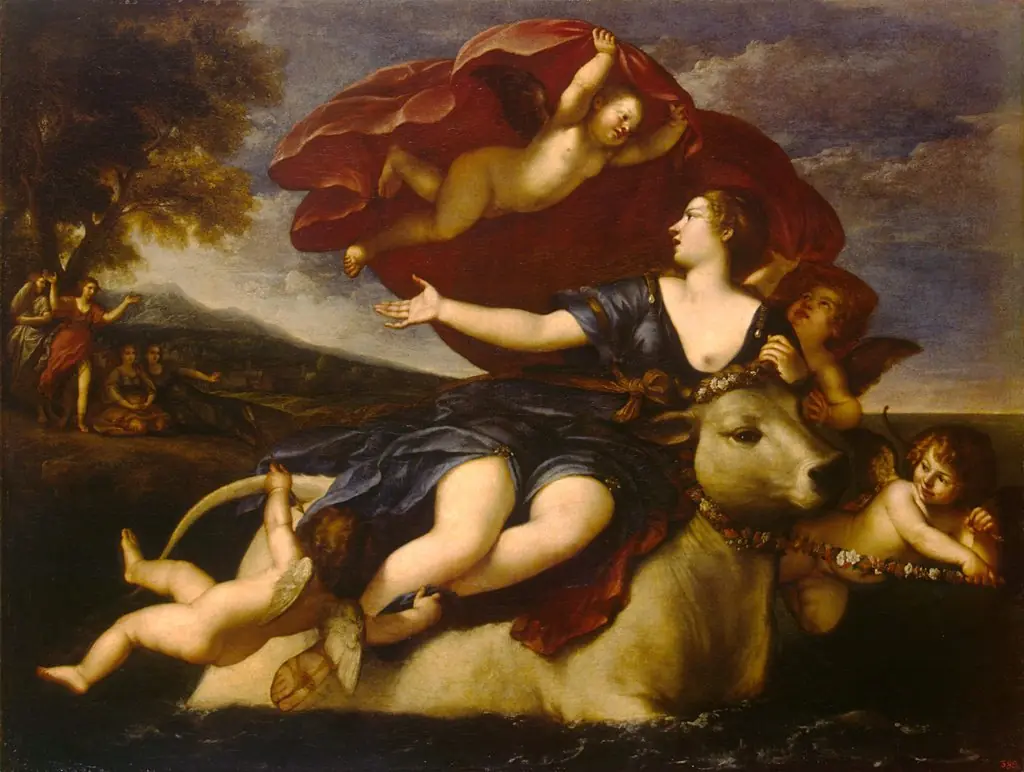
The scene portrays the abduction of Europa by Zeus, who had taken the form of a bull. Europa, depicted in a vivid red garment, is shown resisting as she is carried off across water. Surrounding figures, possibly attendants or witnesses, heighten the tension. The myth, traditionally a tale of divine seduction and transformation, is rendered here with physical struggle, emphasizing vulnerability and force rather than romantic allure.
Technique & Style
Van Lerius employed rich oil pigments to create contrast between the figure of Europa and her surroundings. Her crimson dress stands out against the muted tones of the rider’s attire and the soft, atmospheric background of distant mountains and water. Brushwork is detailed in the figures, while the landscape recedes with looser, cooler hues, guiding the viewer’s focus to the central drama.
History & Provenance
The painting was completed during Van Lerius’s mature period, after he moved from his birthplace in Boom to Mechelen. It entered the Royal Museum of Fine Arts Antwerp’s collection in the 19th century, likely acquired through institutional patronage or donation. Its presence in the museum reflects its recognition within Belgian academic circles of the time.
Context
Van Lerius worked within a Belgian artistic tradition that favored historical and mythological subjects during the Romantic era. His approach aligned with contemporaries who sought to evoke emotion through narrative clarity and dramatic composition. This painting reflects broader 19th-century European interests in classical mythology as a vehicle for exploring power, gender, and violence.
Legacy
Though not widely exhibited outside Belgium, the painting remains a representative example of Van Lerius’s style and the Romantic-Historical movement in Antwerp. It contributes to scholarly understanding of how mythological themes were interpreted in mid-19th-century Belgian art, particularly in their treatment of gendered narratives and emotional intensity.
Artist & collection
Artist
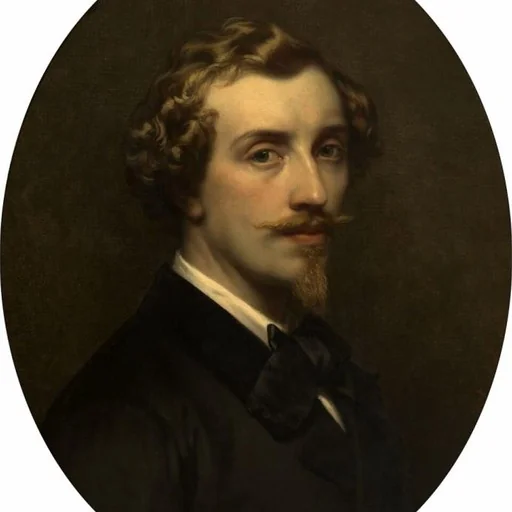
Joseph Henri François Van Lerius (23 December 1823, Boom, Antwerp – 29 February 1876, Mechelen) was a Belgian painter in the Romantic-Historical style.