Artwork
The Vision of Saint Jerome
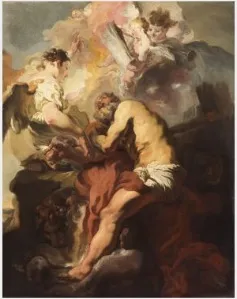
The Vision of Saint Jerome is an oil painting by the Early Baroque Italian artist Johann Liss. It dates from 1623 and is held in the collection of the National Gallery of Ireland.
About this work
Overview
Johann Liss, a German painter who worked in Venice during the early 1600s, executed The Vision of Saint Jerome in oil around 1623. The canvas belongs to the early Italian Baroque period and is presently part of the National Gallery of Ireland’s holdings.
Subject & Meaning
The composition centers on a bearded figure, traditionally identified as Saint Jerome, seated on a craggy ledge. He gazes upward, his right hand placed on his chest, while two angels hover above him—one bearing a book, the other a cross—suggesting a moment of divine revelation.
Technique & Style
Liss employs a pronounced chiaroscuro, with illumination emerging from the upper left, casting deep shadows that model the saint’s form and the surrounding rocks. The palette juxtaposes dark tonalities with touches of blue and pink in the sky, enhancing the dramatic spatial depth typical of early Baroque painting.
History & Provenance
Created circa 1623, the work remained in private collections before entering the National Gallery of Ireland, where it has been displayed as part of the museum’s Baroque holdings. Its attribution to Liss has been consistently affirmed by scholarly catalogues.
Context
The painting reflects the Venetian Baroque fascination with theatrical lighting and emotive religious narratives. Liss, though German by birth, absorbed the dramatic visual language of his Italian contemporaries, integrating it with his own Northern sensibility to produce a work that bridges two artistic traditions.
Artist & collection
Artist
Johann Liss or Jan Lys (c. 1590 or 1597 – 1629 or 1630) was a leading German Baroque painter of the 17th century, active mainly in Venice.

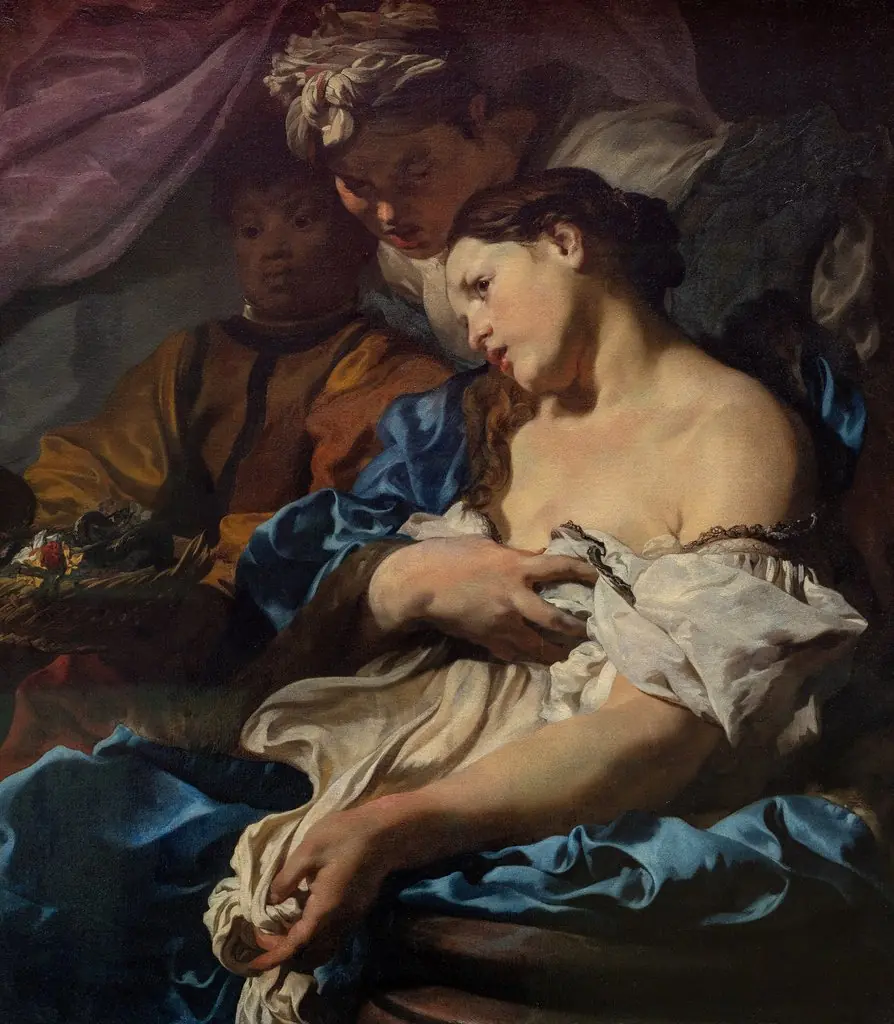
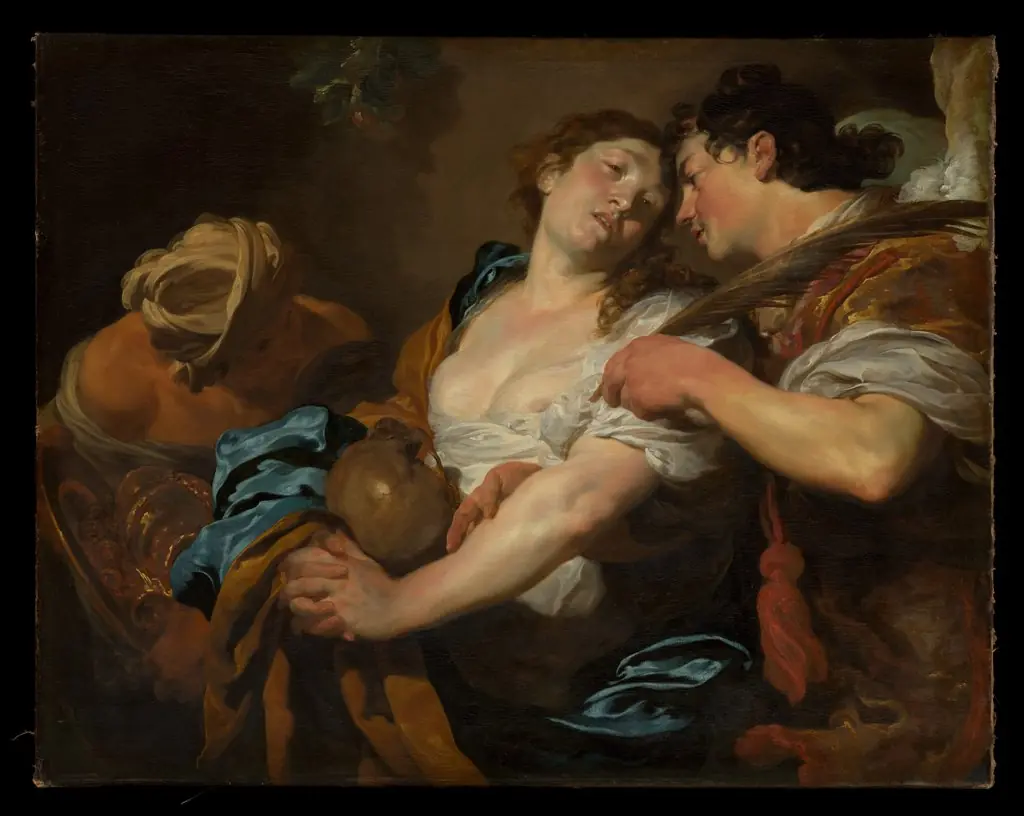
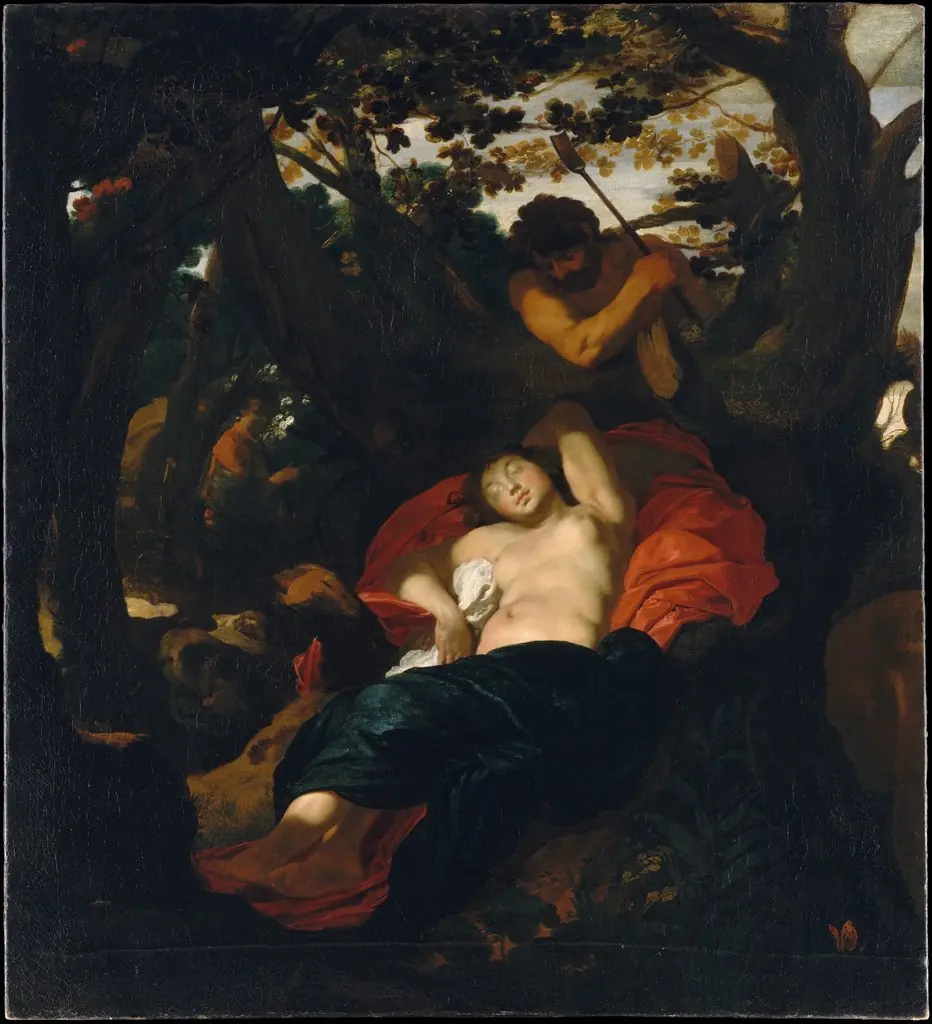
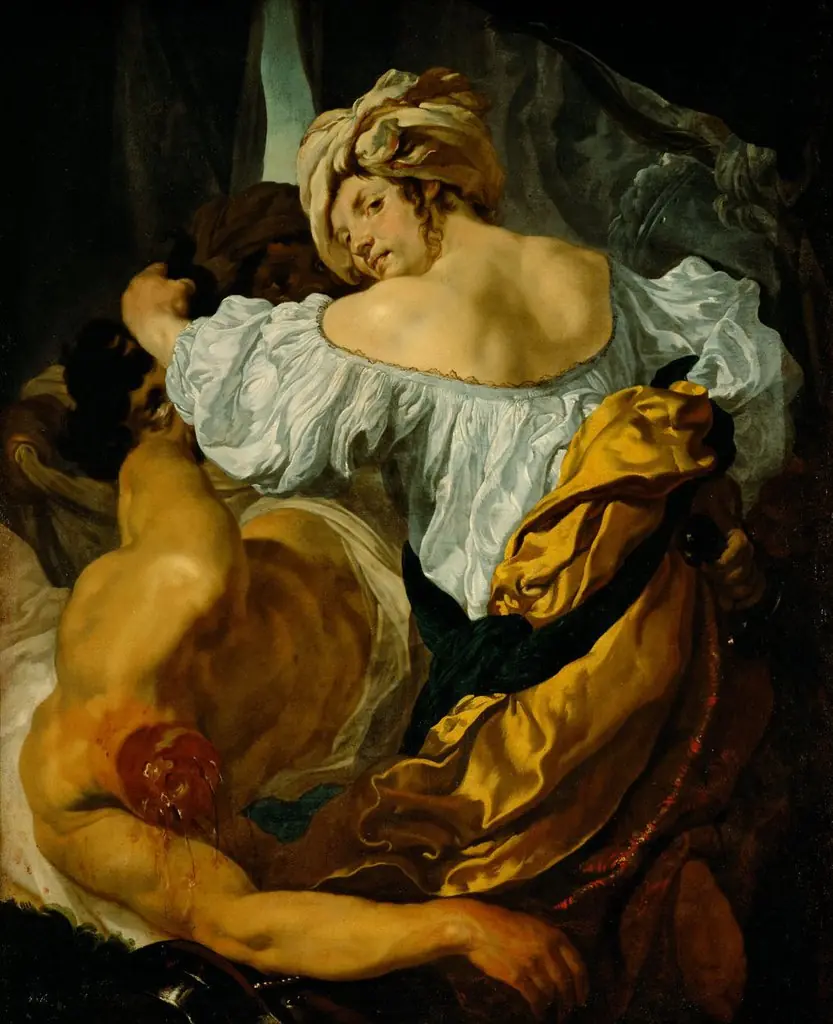
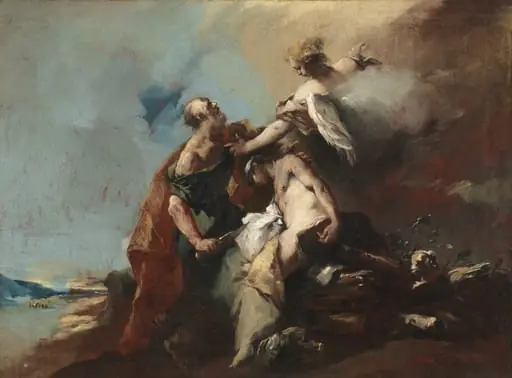 The Sacrifice of Isaac, Tobias and the Angel, The Angels Appearing to Abraham, Abraham Welcoming the Three Angels (painting series)
 The Apotheosis of Saint Charles Borromeo
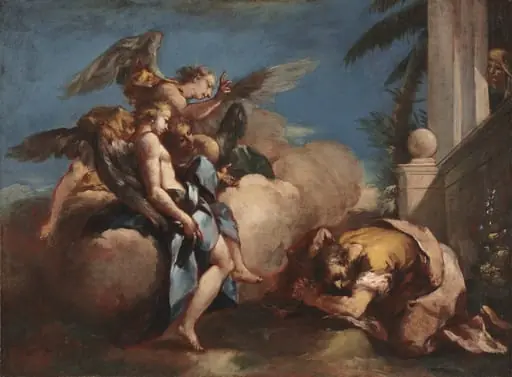 The Angels Appearing to Abraham
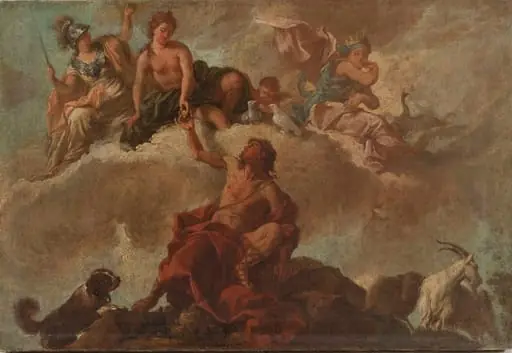 Judecata lui Paris
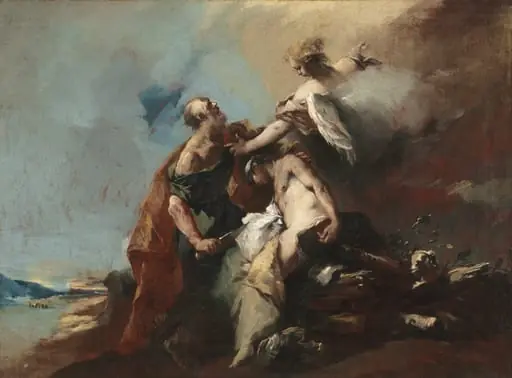 The Sacrifice of Isaac
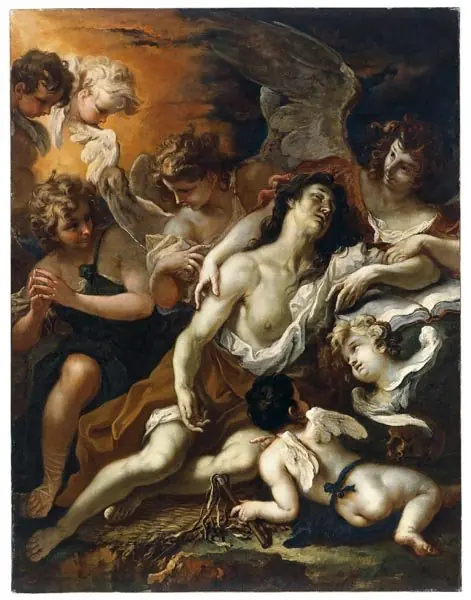 Mary Magdalene Comforted by Angels
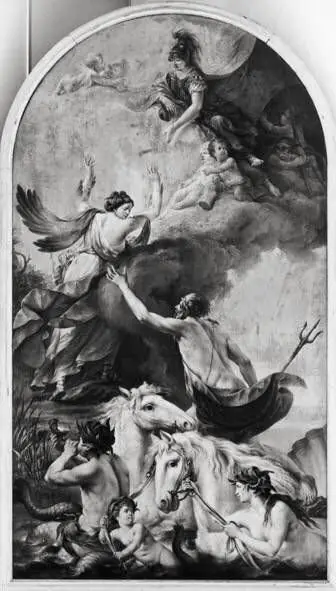 Neptun und Koronis
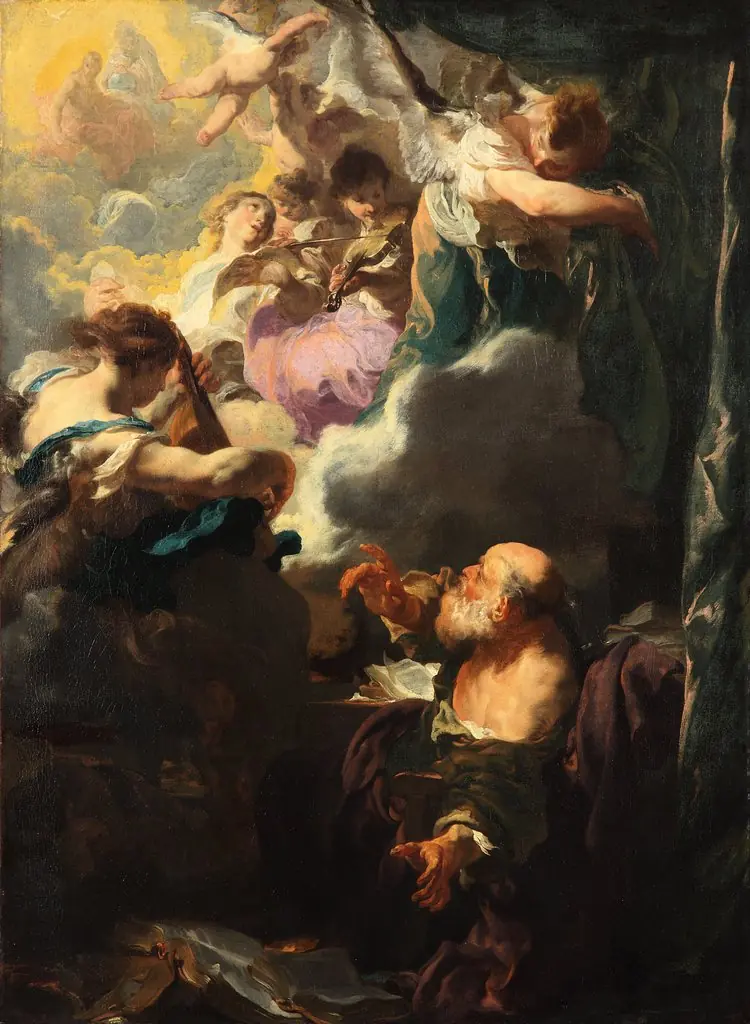 The rapture of Saint Paul
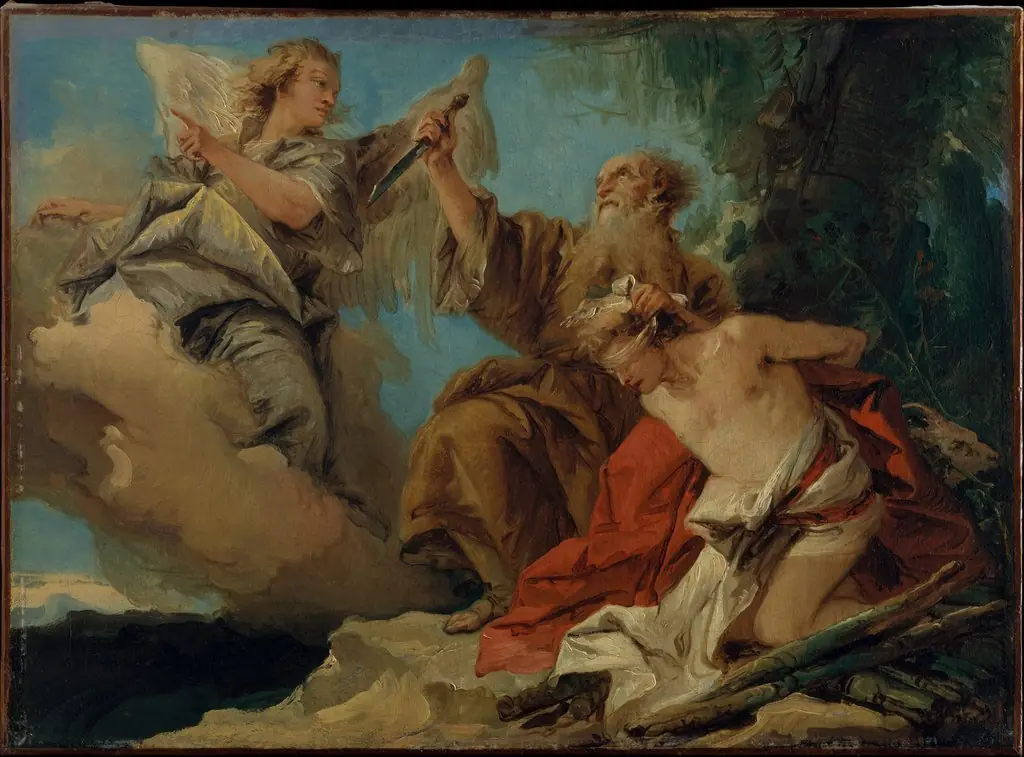 The Sacrifice of Isaac
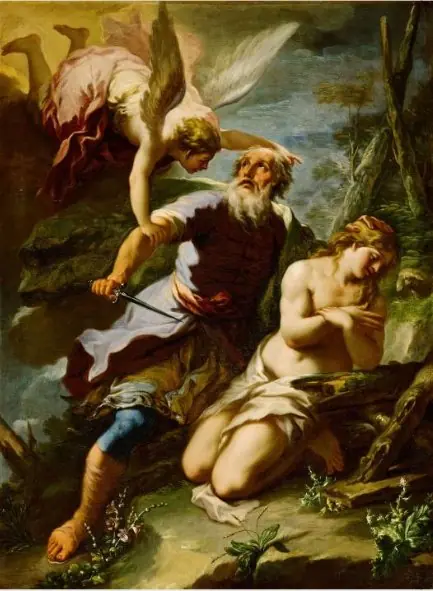 Isaac's offering
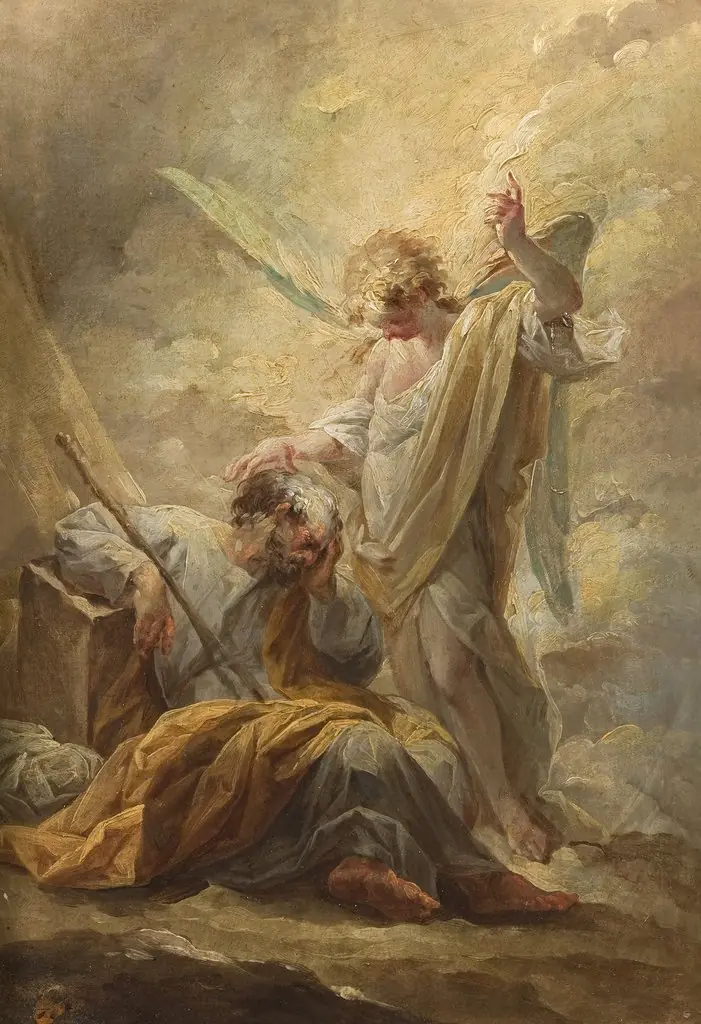 Saint Joseph’s Dream
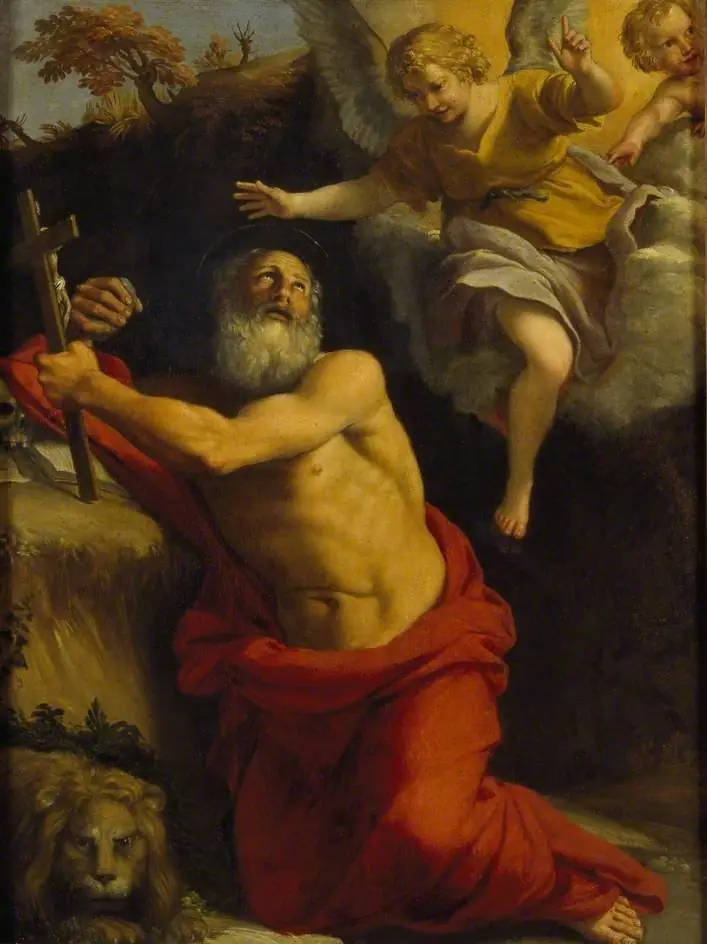 The Vision of St Jerome